

Strumigenys vazimba
- Scientific Name
- Strumigenys vazimba
- Tribe
- Attini
- Subfamily
- Myrmicinae
- Author
- Fisher, 2000
- Distribution
- Found in 1 countries
Strumigenys vazimba Overview
Strumigenys vazimba is an ant species of the genus Strumigenys. It is primarily documented in 1 countries , including Madagascar. Detailed taxonomic data and occurrence records can be further explored via authoritative databases such as AntWeb or the Global Biodiversity Information Facility (GBIF).
Strumigenys vazimba
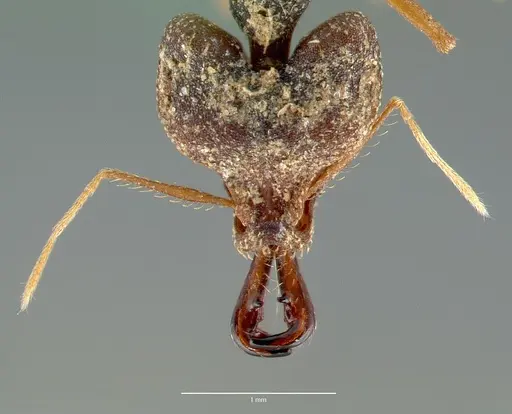
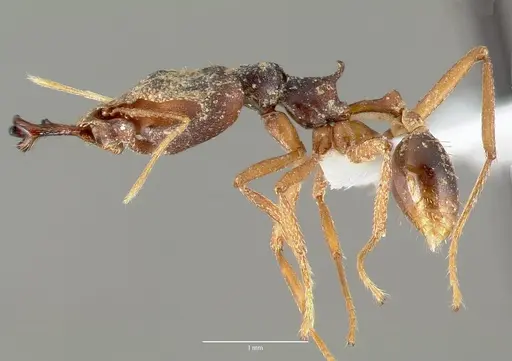
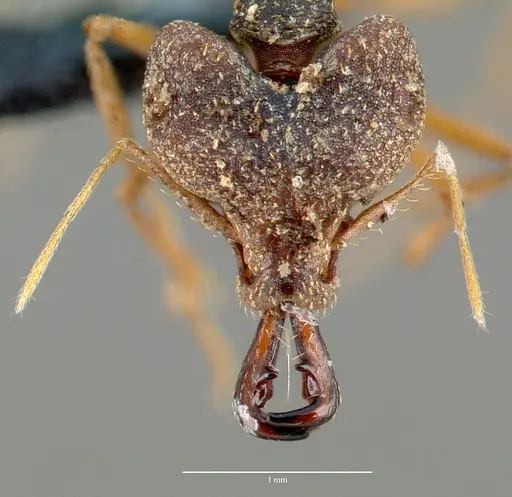
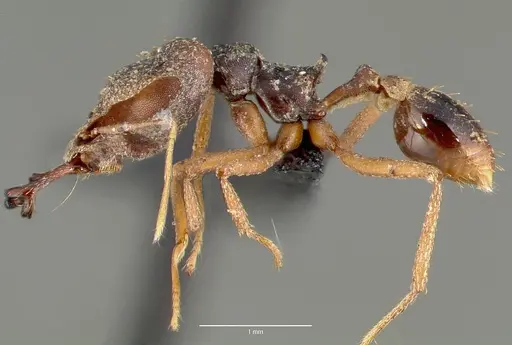
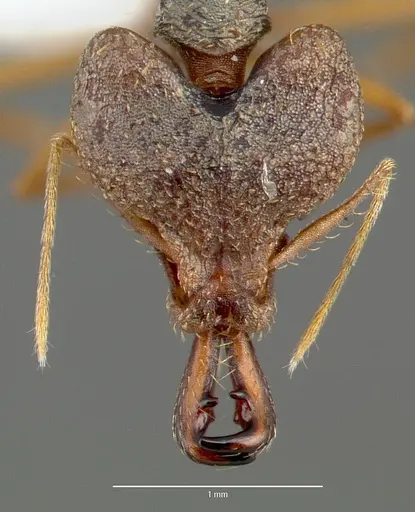
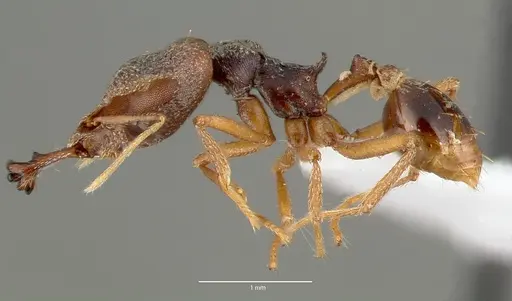
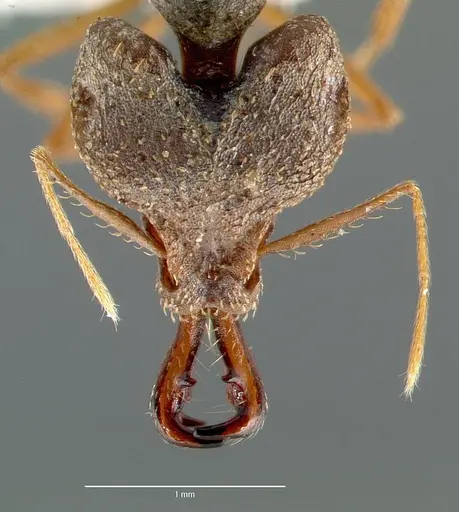
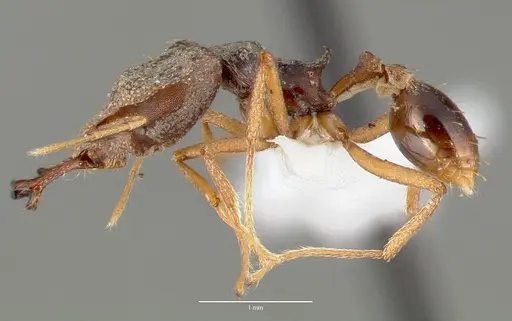
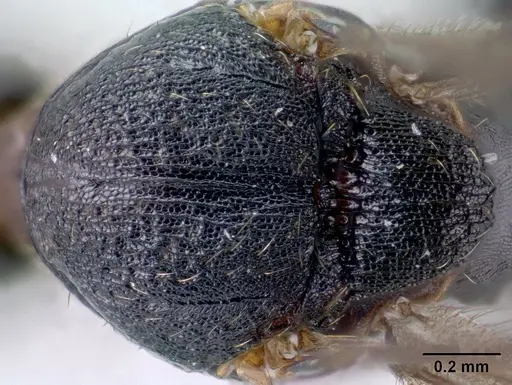
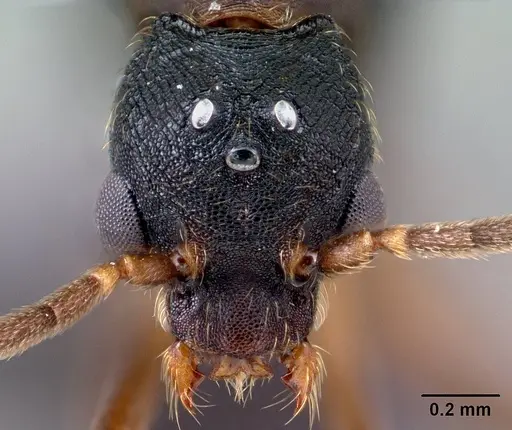
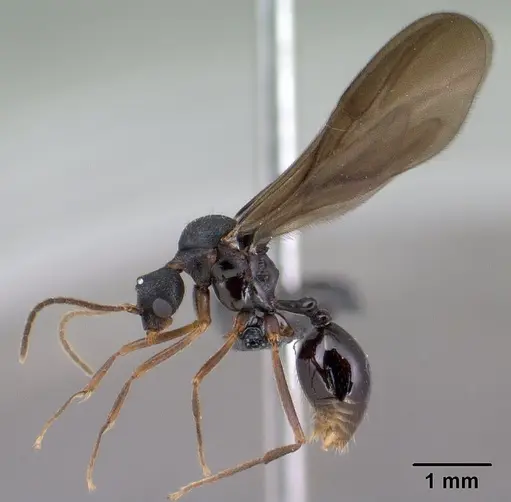
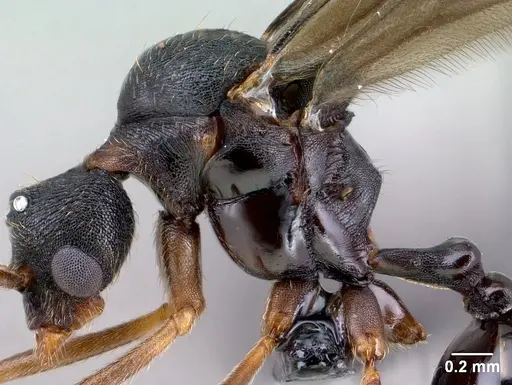
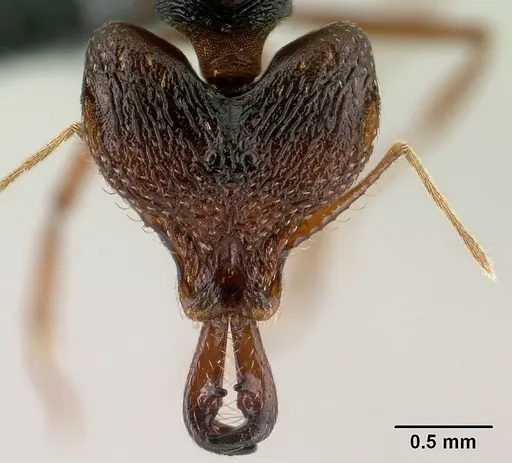
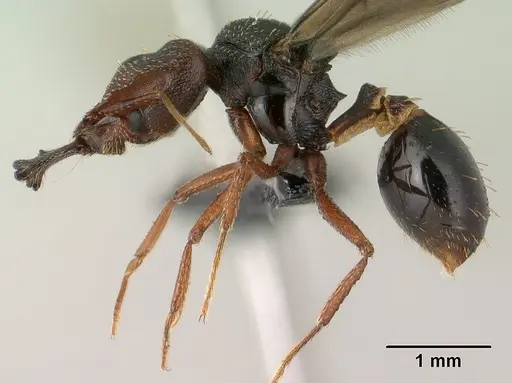
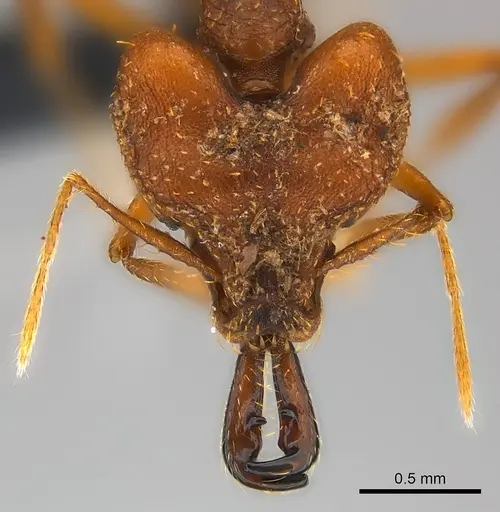
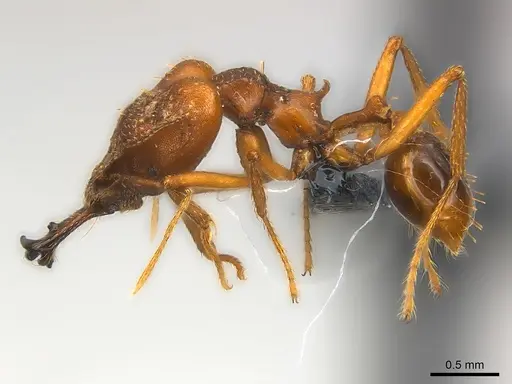
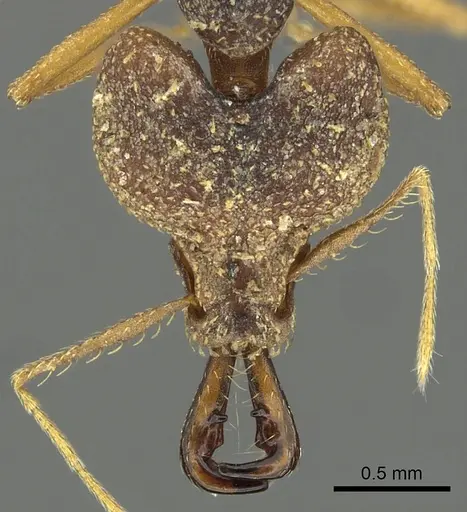
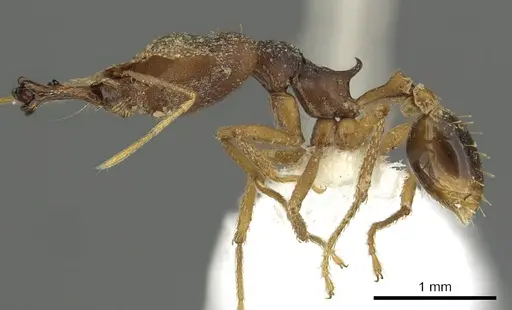
Strumigenys vazimba is one of the largest Strumigenys species in the world, with workers measuring 4.9-6.0mm in length [1]. These ants are native to Madagascar, where they inhabit wet rainforest habitats in the eastern parts of the island [1]. They belong to the Strumigenys arnoldi group and are easily recognized by their large size, robust mandibles with a single preapical tooth, and the distinctive expanded lamellate flange along the upper scrobe margin [1]. The head width of 1.28-1.65mm makes them remarkably large compared to most other Strumigenys, approaching the size of the Malesian Strumigenys loriae and the Neotropical Strumigenys godmani [1].
These ants are specialized predators, as are all Strumigenys in the Dacetini tribe. They use their large trap-jaw mandibles to capture small prey, primarily springtails and other micro-arthropods in their native forest floor habitat [2]. In Madagascar, they are only rivaled in size by Strumigenys grandidieri, which has a smaller head width of 0.97-1.14mm [1]. The species was described by Fisher in 2000 from specimens collected in rainforest leaf litter [1].
Quick Summary
- Difficulty: Medium
- Origin & Habitat: Eastern Madagascar, wet rainforest habitats at low elevations (25m), found in leaf litter and rotting wood [1][2]
- Colony Type: Colony structure is unconfirmed, Strumigenys colonies are typically single-queen but specific data for this species is lacking
- Size & Growth:
- Queen: Undescribed, queens have not been documented in scientific literature
- Worker: 4.9-6.0mm total length, HW 1.28-1.65 [1]
- Colony: Unknown, no colony size data available for this species
- Growth: Unknown, estimated slow based on typical Strumigenys growth patterns
- Development: Unknown, no direct development data available. Based on typical Strumigenys patterns, estimate 8-12 weeks at optimal temperature (Development is likely slow, Strumigenys are generally slow-growing ants that invest heavily in each individual worker)
- Antkeeping:
- Temperature: Keep around 22-26°C, they are a tropical species from Madagascar's warm, humid forests. Avoid temperatures below 20°C [2]
- Humidity: High humidity is essential, they inhabit damp rainforest leaf litter. Keep nest substrate consistently moist but not waterlogged. Target 70-85% humidity equivalent in the substrate
- Diapause: No diapause required, as a tropical Madagascar species, they do not need a winter rest period. Maintain consistent warm conditions year-round
- Nesting: Provide a naturalistic setup with multiple chambers filled with moist substrate (soil/peat mix). They naturally nest in leaf litter and rotting wood, so a Y-tong or acrylic nest with tight chambers works well. Include dead leaves and small debris for them to forage through
- Behavior: Strumigenys vazimba is a specialized predator that uses its large trap-jaw mandibles to capture small prey. They are not aggressive toward humans and cannot sting, being in Myrmicinae, they have a stinger but it's small and rarely used. Workers are slow-moving and forage through leaf litter and decaying wood material. Escape prevention is important due to their small size, use fine mesh and tight-fitting lids. They are shy and will retreat rather than engage with threats. As ground-dwelling ants from dark, humid forest floors, they prefer dim conditions and will avoid bright light.
- Common Issues: slow growth can frustrate keepers who expect rapid colony development, specialized diet means they may refuse standard ant foods, live small prey is essential, high humidity requirements can lead to mold problems if ventilation is poor, wild-caught colonies may carry parasites that can decimate the colony, their small size and preference for tight spaces means they can escape through standard formicarium gaps
Housing and Nest Setup
Strumigenys vazimba requires a setup that mimics their natural rainforest floor habitat. A Y-tong (AAC) nest with narrow chambers works well, or you can create a naturalistic setup with a soil/peat mixture in a formicarium. The key is providing multiple damp chambers that the ants can use for different activities. Add small pieces of dead leaves, rotting wood chips, or other debris to the outworld, this gives the ants material to search through, which stimulates their natural foraging behavior. Keep the nest area dark by covering three sides of the formicarium, as these ants avoid light. A water reservoir connected to the nest helps maintain humidity without constant misting. Use a small outworld since these ants don't travel far from their nest [2].
Feeding and Diet
Strumigenys vazimba is a specialized predator that requires live small prey. Their main food source in the wild is springtails (Collembola) and other tiny arthropods that live in forest floor litter. In captivity, you should culture live springtails specifically for feeding. Other acceptable prey includes fruit flies, tiny isopods, and other micro-arthropods. Do not rely on sugar water or honey, while some Strumigenys may occasionally accept sweet liquids, this species is primarily predatory. Feed small prey items every 2-3 days, adjusting based on colony size and consumption. Remove uneaten prey after 24 hours to prevent mold. A well-fed colony will have workers with slightly distended abdomens. Never feed them large insects or standard ant cricket portions, their small size means they can only handle prey a few millimeters in length [2][1].
Temperature and Humidity
Maintain temperatures between 22-26°C for optimal colony health. As a tropical species from Madagascar, they are not tolerant of cool conditions, avoid temperatures below 20°C. A small heating cable on one side of the nest can create a gentle gradient if your room temperature is below 22°C. Place the heating element on top of the nest, not underneath, to prevent excessive drying. Humidity is critical, these ants naturally live in damp rainforest leaf litter. Keep the nest substrate consistently moist, like a wrung-out sponge. Check substrate moisture every few days and add water when the surface begins drying. However, avoid waterlogging, which can drown the colony and promote harmful mold. A thin layer of condensation on the nest walls is ideal. Good ventilation is necessary to prevent stagnant air and mold, but avoid placing the nest in direct airflow that would dry it out quickly [2][1].
Behavior and Temperament
Strumigenys vazimba workers are slow-moving foragers that search through leaf litter and decaying material for prey. They are not aggressive and will retreat from threats rather than engage. Their large mandibles are designed for capturing small springtails and similar prey, they snap shut rapidly when triggered by movement. Workers are not known to sting, though the small stinger present in Myrmicinae could theoretically be used. The colony will likely remain hidden in the nest chambers much of the time, emerging primarily at night or in dim conditions to forage. This species is not a climber and will not attempt to escape up smooth surfaces, but their small size means they can slip through standard gaps. Use fluon on the rim of the outworld and ensure all connections are tight. A colony of this size will remain modest, expect perhaps dozens to low hundreds of workers at maturity, not the thousands seen in some ant species [2][1].
Colony Establishment
Starting a colony of Strumigenys vazimba requires patience. If you acquire a queen (though rarely available), she will need to be kept in a claustrum-style setup, a small test tube or founding chamber with damp substrate, kept dark and undisturbed. The queen will lay eggs and raise the first workers entirely on her own, likely feeding on the reserves she stored during mating. If you start with workers only, keep the group in a small setup with plenty of damp substrate and small prey available constantly. Do not disturb the colony frequently, Strumigenys are sensitive to vibration and light. It may take several months before you see significant growth. The first workers (nanitics) will be smaller than mature workers. Once the colony establishes a brood cycle, growth should become more consistent but will remain slower than many common ant species. Do not combine this species with other ants in a shared setup, they are specialized predators and should be kept alone [2].
Frequently Asked Questions
How long does it take for Strumigenys vazimba to produce first workers?
The exact timeline is unknown for this species, but based on typical Strumigenys development patterns, expect 8-12 weeks from egg to worker at optimal temperature (24-26°C). Growth is slow, these ants invest heavily in each individual rather than producing many workers quickly. Patience is essential with this species.
What do Strumigenys vazimba ants eat?
They are specialized predators that require live small prey. Culture live springtails for feeding, this is their primary food in the wild. Other acceptable foods include tiny fruit flies, micro-isopods, and small arthropods. They typically do not accept sugar water or honey. Do not attempt to feed them standard ant foods like crickets or mealworms, the prey must be appropriately sized for their tiny mouths.
Can I keep Strumigenys vazimba in a test tube setup?
A test tube can work for a small colony or founding queen, but these ants prefer a more naturalistic setup with damp substrate they can search through. If using a test tube, ensure it has a water reservoir and add small debris like leaf fragments for them to forage in. A small formicarium with multiple chambers filled with moist soil/peat mix is preferable for established colonies.
Are Strumigenys vazimba good for beginners?
This species is rated as Medium difficulty. While not the hardest ant to keep, they have specific requirements that make them challenging for complete beginners. Their need for live small prey, high humidity, and slow growth requires more attention than species that accept standard foods. Experienced antkeepers interested in specialized predators will find this a rewarding species.
What temperature should I keep Strumigenys vazimba at?
Keep them at 22-26°C. As a tropical Madagascar species, they need warm conditions and do not tolerate cool temperatures. Avoid letting the nest drop below 20°C. A small heating cable on one side of the nest can help maintain warmth if your room is cooler. Place heating on top of the nest, not underneath, to prevent drying out the substrate.
Do Strumigenys vazimba need hibernation?
No, they do not require hibernation. As a tropical species from Madagascar, they need consistent warm conditions year-round. Maintain temperatures in the 22-26°C range throughout the year. Do not attempt to cool them down for winter, this could harm or kill the colony.
How big do Strumigenys vazimba colonies get?
Colony size data is not available for this species, but based on related Strumigenys, colonies likely reach dozens to a few hundred workers at maturity. They are not large colony species, expect modest growth over time rather than the rapid expansion seen in some ant species. Growth is slow, so a mature colony may take several years to develop.
Why are my Strumigenys vazimba dying?
Common causes include: too low temperature (below 20°C), incorrect diet (they need live small prey, not standard ant foods), low humidity causing desiccation, mold problems from excessive moisture with poor ventilation, or stress from too much light/disturbance. Check these parameters first. Wild-caught colonies may also carry parasites that can cause colony collapse.
References

This caresheet is licensed under CC BY-SA 4.0 .
CASENT0005644
View on AntWeb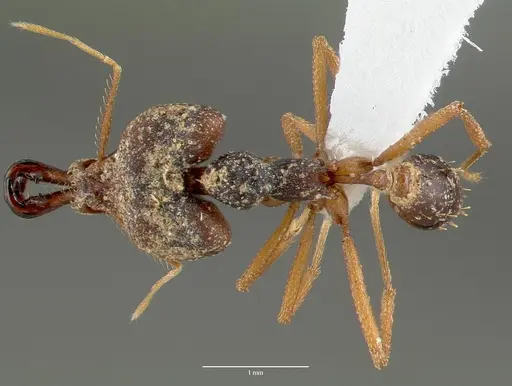
CASENT0005645
View on AntWeb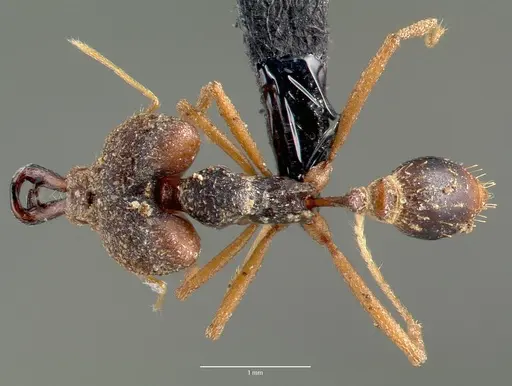
CASENT0005646
View on AntWeb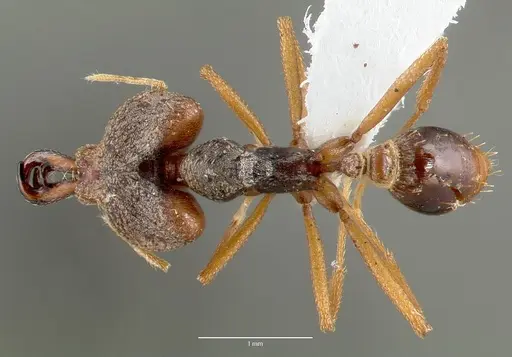
CASENT0005647
View on AntWeb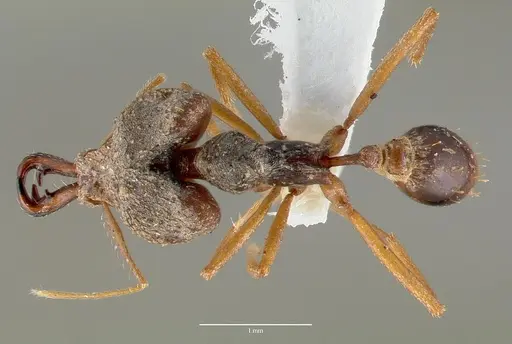
CASENT0138373
View on AntWeb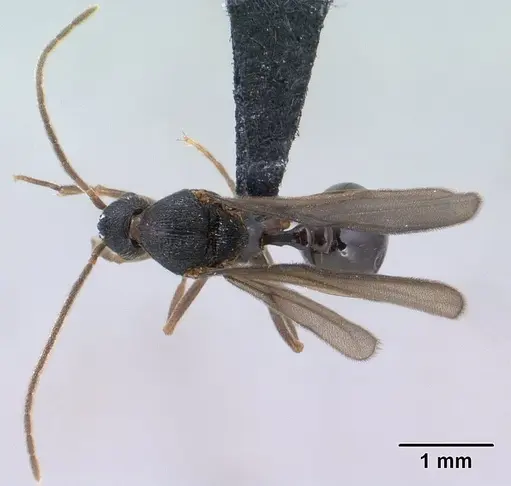
CASENT0148123
View on AntWeb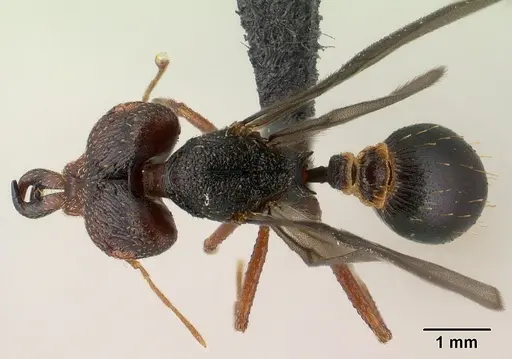
CASENT0153622
View on AntWeb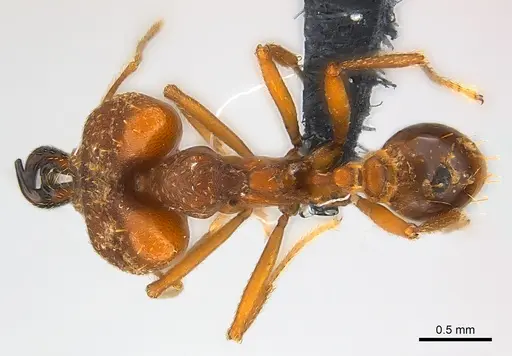
CASENT0302216
View on AntWeb
CASENT0900713
View on AntWeb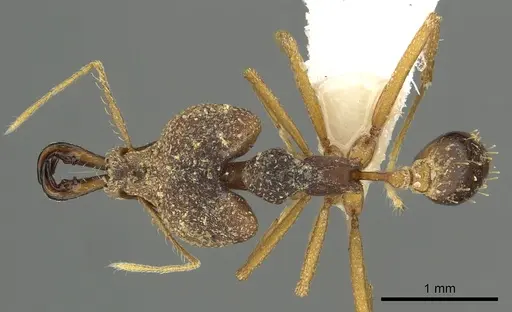
Literature
Loading...Loading products...