

Strumigenys grandidieri
- Scientific Name
- Strumigenys grandidieri
- Tribe
- Attini
- Subfamily
- Myrmicinae
- Author
- Forel, 1892
- Distribution
- Found in 1 countries
Strumigenys grandidieri Overview
Strumigenys grandidieri is an ant species of the genus Strumigenys. It is primarily documented in 1 countries , including Madagascar. Detailed taxonomic data and occurrence records can be further explored via authoritative databases such as AntWeb or the Global Biodiversity Information Facility (GBIF).
Strumigenys grandidieri
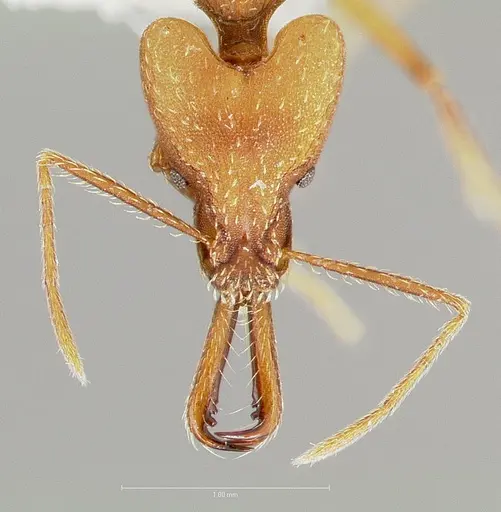
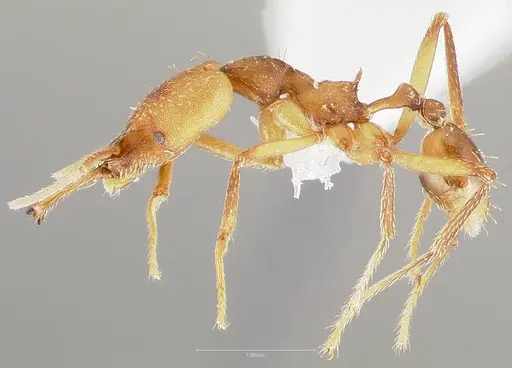
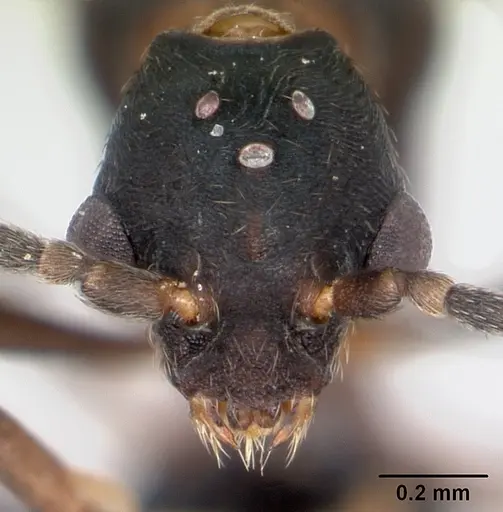
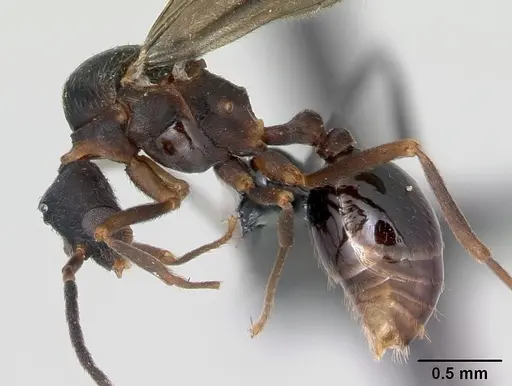
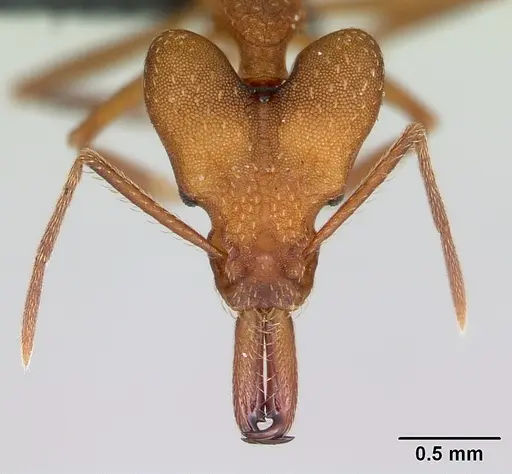
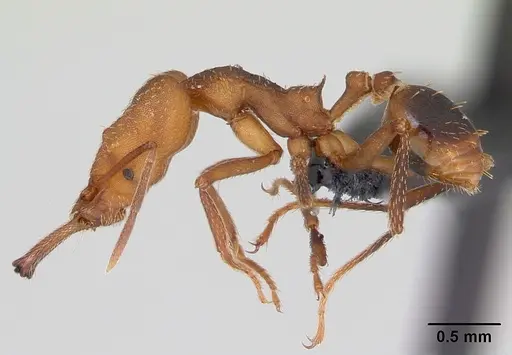
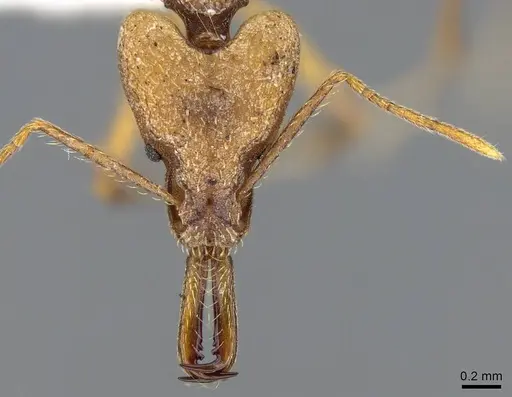
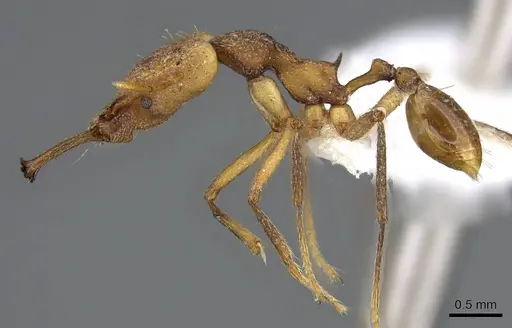
Strumigenys grandidieri is a medium-sized member of the fungus-growing ant tribe Attini, native to Madagascar. Workers measure 4.8-5.8mm, making them relatively large for a Strumigenys species. They have a distinctive appearance with yellowish-brown to medium brown coloration, slender antennae, and uniquely truncated preapical mandibular teeth that help identify this species. The head and alitrunk feature dense reticulate-punctate sculpture, while the gaster is smooth and shiny when clean. Unlike many related species, they lack the pronotal humeral hair that is common in the genus. This species inhabits Madagascar's forest environments, where they nest in rotting wood from dead sticks to larger rotting logs [1].
Quick Summary
- Difficulty: Medium
- Origin & Habitat: Madagascar, specifically the Andrangoloaka Forest region. Found in humid forest habitats at elevations around 430m, nesting in rotting wood and dead sticks [2][1].
- Colony Type: Monogyne, single queen colonies. Colony size reaches approximately 500-1000 workers based on related species in the genus.
- Size & Growth:
- Queen:{.size-link} Unconfirmed, queen measurements not documented in available literature
- Worker:{.size-link} 4.8-5.8mm
- Colony: Estimated 500-1000 workers based on genus patterns
- Growth: Slow, Strumigenys species typically develop slowly due to their specialized predatory diet
- Development: Estimated 8-12 weeks based on related Dacetini species (Development time is likely extended due to their specialized diet of springtails and other micro-arthropods)
- Antkeeping:
- Temperature: Keep at 22-26°C. Based on their Madagascar origin and humid forest habitat, they prefer warm, stable conditions. A gentle gradient is beneficial.
- Humidity: High humidity required, think damp forest floor. Keep the nest substrate consistently moist but not waterlogged. These ants are terricolous and prefer dark, humid microhabitats [3].
- Diapause: Unconfirmed for this species. Most Malagasy ants do not require true hibernation, but a slight cool period during the dry season may be beneficial.
- Nesting: In captivity, they do well in naturalistic setups with moist substrate or plaster nests. Provide rotting wood pieces or cork bark for them to nest in, simulating their natural rotten wood habitat [1].
- Behavior: These are specialized predatory ants that hunt small arthropods, primarily springtails. They use their trap-jaw mandibles to capture prey quickly. Workers are relatively slow-moving compared to some other Myrmicinae. They are not aggressive toward humans and rarely sting. Escape prevention should be moderate, while not tiny, they can squeeze through small gaps.
- Common Issues: slow growth can frustrate beginners who overfeed or disturb the colony, specialized diet means they may refuse standard ant foods, live springtails are essential, high humidity requirements can lead to mold issues if ventilation is poor, wild-caught colonies may have parasites that cause colony collapse, they are sensitive to disturbance during founding, queens should be left undisturbed
Housing and Nest Setup
Strumigenys grandidieri does well in naturalistic setups that mimic their natural rotten wood habitat. Use a substrate-based setup with moist soil or a plaster nest with a water reservoir. Add pieces of rotting wood, cork bark, or leaf litter to provide natural nesting sites. These ants are terricolous (ground-dwelling) and prefer dark, humid conditions [3]. A test tube setup can work for founding colonies, but transfer to a more spacious formicarium once the colony reaches 20+ workers. Ensure the nest has chambers scaled appropriately for their 5mm workers, not too large, but enough space for the colony to expand.
Feeding and Diet
This is the most critical aspect of keeping Strumigenys grandidieri. They are specialized predators that primarily hunt springtails (Collembola) and other tiny arthropods. Unlike many ants, they rarely accept sugar sources or protein foods like mealworms. Your primary food should be live springtails cultured specifically for ant feeding. Other small prey like booklice (psocids), dust mites, and fruit flies may be accepted. Feed small prey items every 2-3 days, adjusting based on colony size and consumption. Remove uneaten prey to prevent mold. Do not rely on honey or sugar water, these ants are obligate predators.
Temperature and Humidity
Maintain temperatures between 22-26°C, avoiding major fluctuations. Madagascar is tropical, so these ants expect warmth year-round. A heating cable on one side of the nest can create a gentle gradient if room temperature is below 22°C. Place the heating on top of the nest, not underneath, to prevent excessive drying. Humidity is crucial, keep the substrate consistently moist but not waterlogged. The nest should feel damp to the touch. Mist occasionally but allow drying between misting to prevent stagnant conditions. Good ventilation is essential to prevent mold while maintaining humidity. [3]
Colony Development and Growth
Strumigenys colonies grow slowly compared to many common ant species. Expect 8-12 weeks from egg to first worker at optimal temperature. The first workers (nanitics) will be smaller than mature workers. Growth rate depends heavily on consistent access to appropriate prey. A well-fed colony may produce new workers every 4-6 weeks once established. Colonies can reach 500-1000 workers over several years. Patience is key, do not disturb the colony frequently or try to force growth with excessive feeding. Let the colony develop at its natural pace.
Behavior and Temperament
These ants are peaceful and not aggressive toward keepers. Workers are relatively slow-moving and spend most of their time hunting within the nest and foraging area. They do not have a functional stinger, their defense is escaping or hiding. They are not escape artists like some tiny species, but ensure your formicarium has secure barriers. Workers hunt by patrolling the nest area and capturing springtails with their quick mandibles. Unlike some Strumigenys that use tandem-running recruitment, this species likely forages individually. Observe their hunting behavior, it's fascinating to watch them capture prey!
Frequently Asked Questions
What do Strumigenys grandidieri ants eat?
They are specialized predators that primarily eat live springtails. Other tiny arthropods like booklice, dust mites, and fruit flies may be accepted. They rarely accept sugar sources or standard ant protein foods. Live springtail cultures are essential for keeping this species successfully.
How long does it take for Strumigenys grandidieri to produce first workers?
Expect 8-12 weeks from egg to first worker at optimal temperature (22-26°C). Development is slower than many common ant species due to their specialized predatory lifestyle. First workers (nanitics) will be smaller than mature workers.
What size colony does Strumigenys grandidieri reach?
Based on related species in the genus, colonies can reach 500-1000 workers over several years. Growth is slow, so full-sized colonies take multiple years to develop.
What humidity do Strumigenys grandidieri need?
High humidity is essential, keep the nest substrate consistently moist but not waterlogged. These forest-floor ants prefer damp conditions similar to their natural habitat in Madagascar's humid forests.
Can I keep Strumigenys grandidieri in a test tube?
Test tubes work for founding colonies, but transfer to a naturalistic or plaster setup once the colony reaches 20+ workers. They need space for hunting and prefer dark, humid conditions that test tubes alone may not provide adequately.
Are Strumigenys grandidieri good for beginners?
No, they are considered medium difficulty. Their specialized diet of live springtails makes them challenging to feed. They require high humidity and slow growth can frustrate new antkeepers. Experience with predatory ant species is recommended.
Do Strumigenys grandidieri need hibernation?
Unconfirmed for this species. As a Malagasy species from a tropical environment, they likely do not require true hibernation. A slight temperature reduction during the dry season may be beneficial but is not mandatory.
What temperature should I keep Strumigenys grandidieri at?
Keep them at 22-26°C. This matches their Madagascar forest habitat. Avoid temperatures below 20°C or above 30°C. A gentle gradient allows workers to choose their preferred temperature.
Why are my Strumigenys grandidieri dying?
Common causes include: lack of appropriate live prey (springtails), too low humidity, disturbance during founding, mold from excessive moisture, or parasites from wild-caught colonies. Ensure you have a established springtail culture and maintain proper humidity levels without over-misting.
Report an Issue
The current care sheet is based fully on literature. See inconsistencies, or something that's incorrect? Please , it will be resolved after review from an admin. Contributing to the blogs tab also helps providing information, to make us be able to further improve the caresheets. Thank you for your support!
References

This caresheet is licensed under CC BY-SA 4.0 .
CASENT0005896
View on AntWeb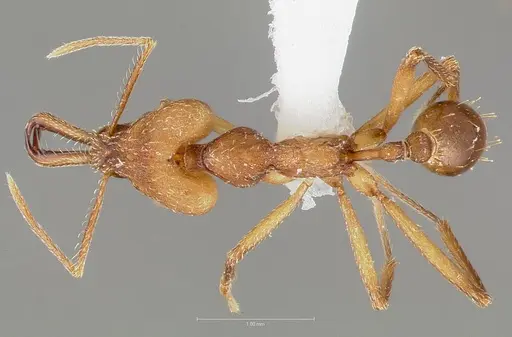
CASENT0068010
View on AntWeb
CASENT0101253
View on AntWeb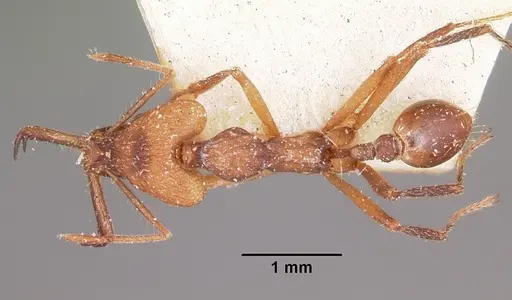
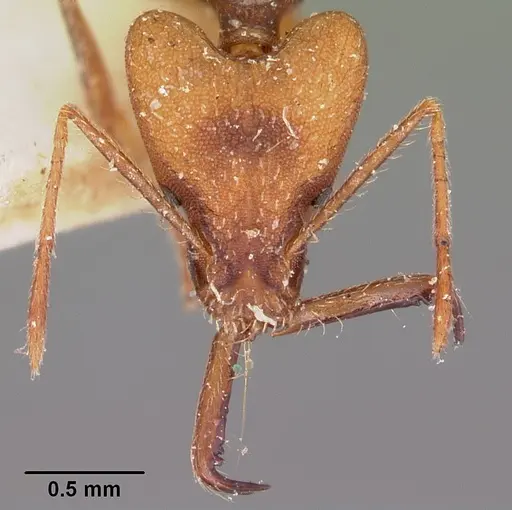
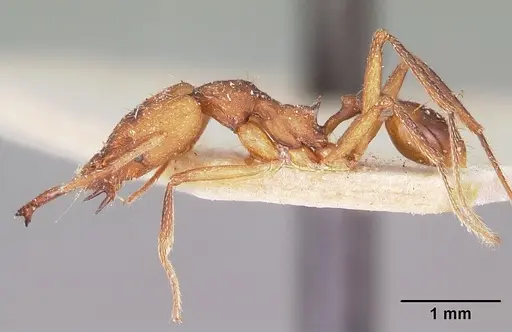
CASENT0101254
View on AntWeb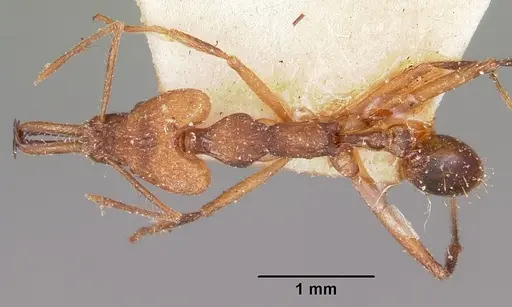
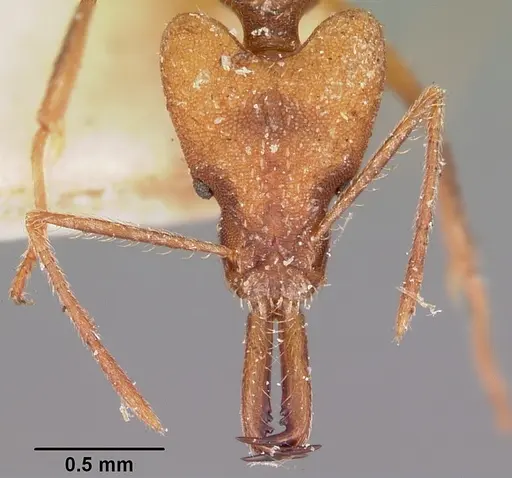
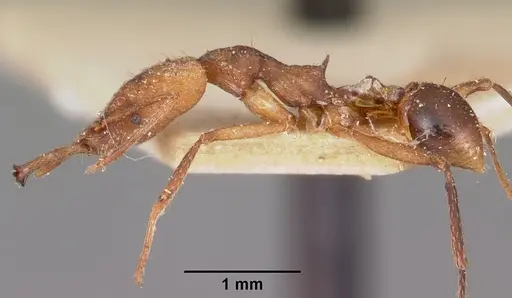
CASENT0101563
View on AntWeb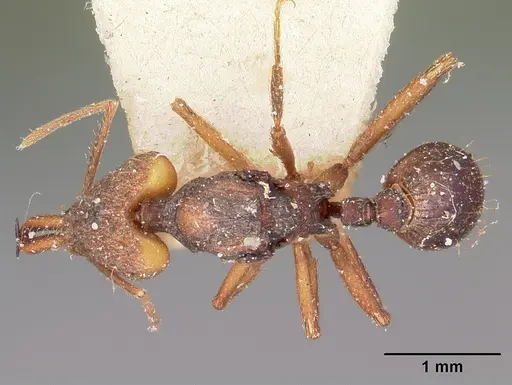
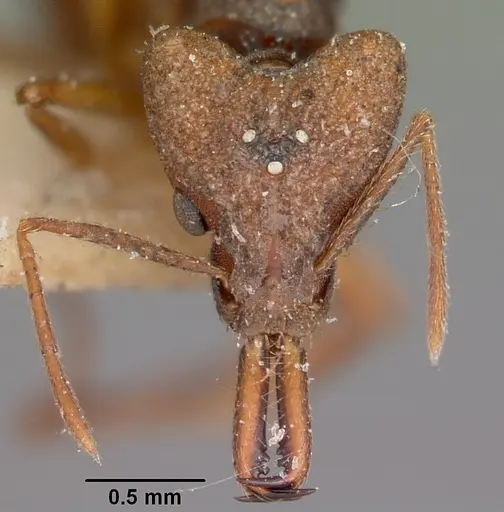
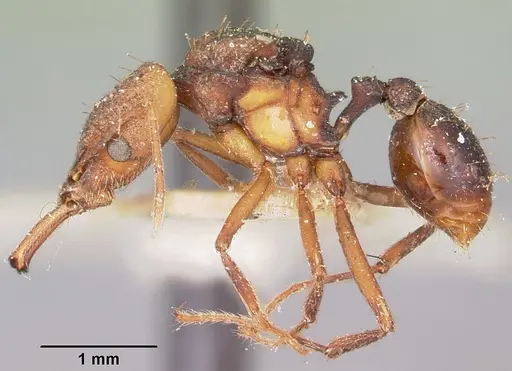
CASENT0173613
View on AntWeb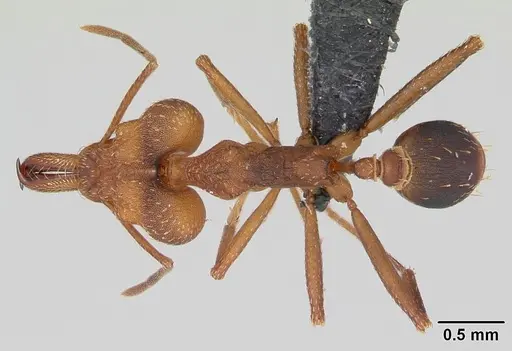
CASENT0914765
View on AntWeb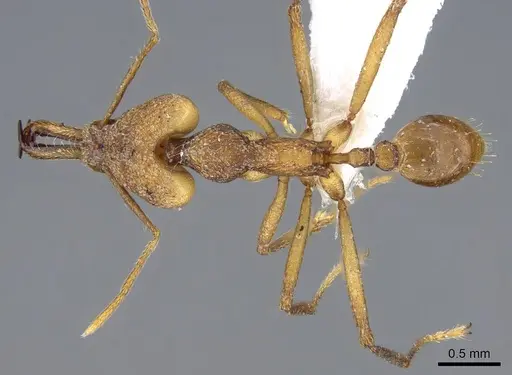
Literature
Loading...Loading products...