

Strumigenys loriae
- Scientific Name
- Strumigenys loriae
- Tribe
- Attini
- Subfamily
- Myrmicinae
- Author
- Emery, 1897
- Distribution
- Found in 2 countries
Strumigenys loriae Overview
Strumigenys loriae is an ant species of the genus Strumigenys. It is primarily documented in 2 countries , including Indonesia, Papua New Guinea. Detailed taxonomic data and occurrence records can be further explored via authoritative databases such as AntWeb or the Global Biodiversity Information Facility (GBIF).
Strumigenys loriae
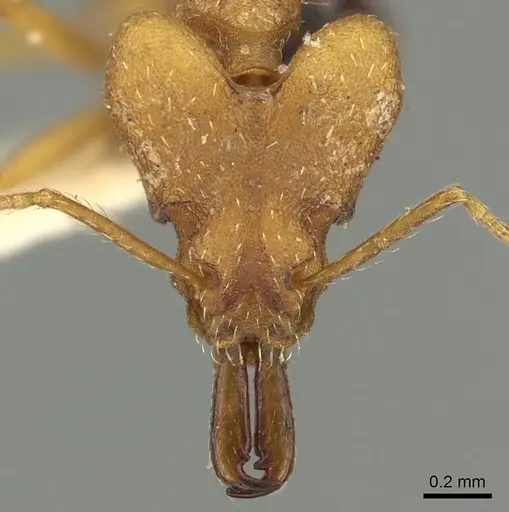
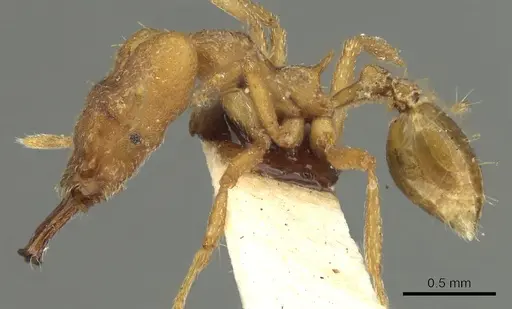
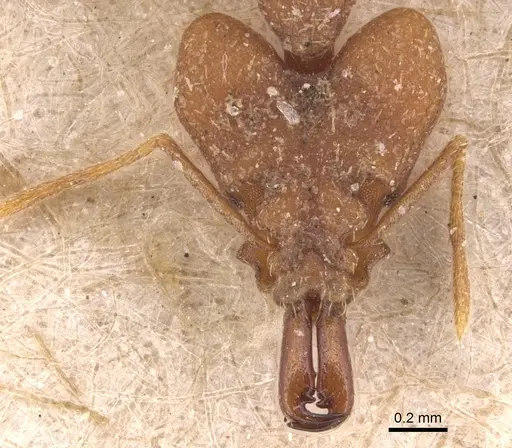
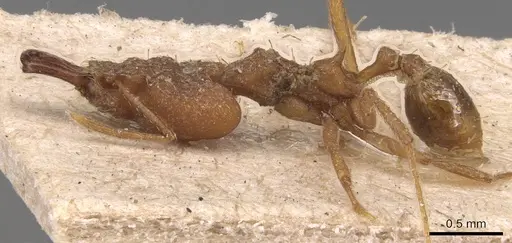
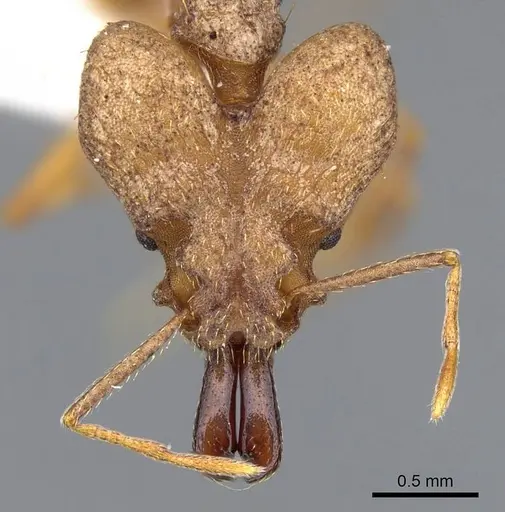
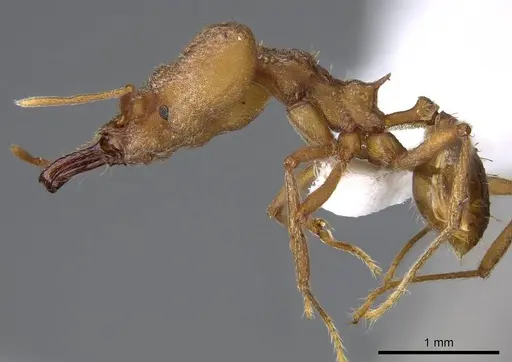
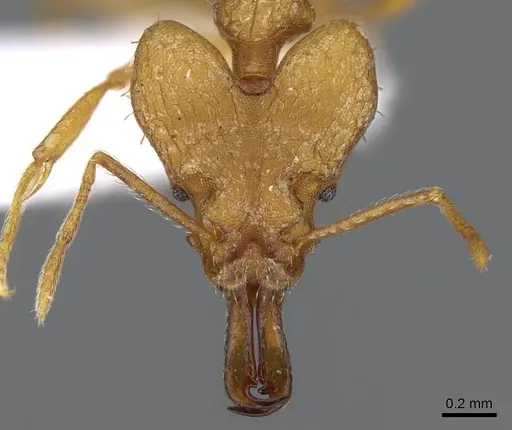
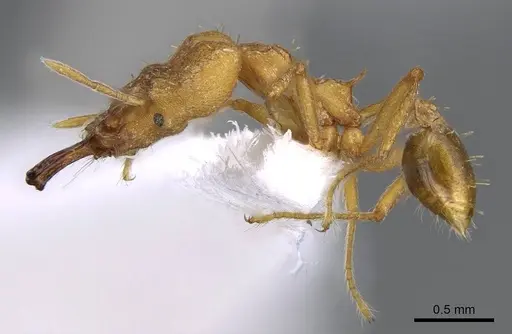
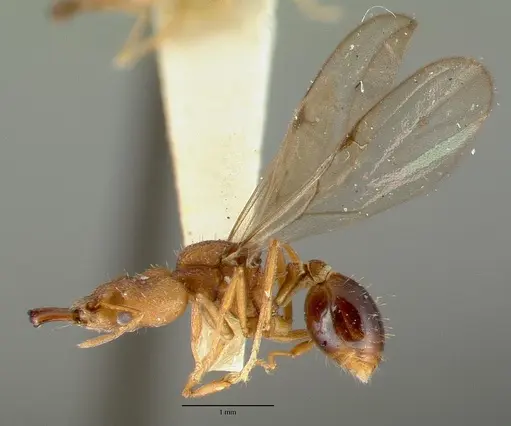
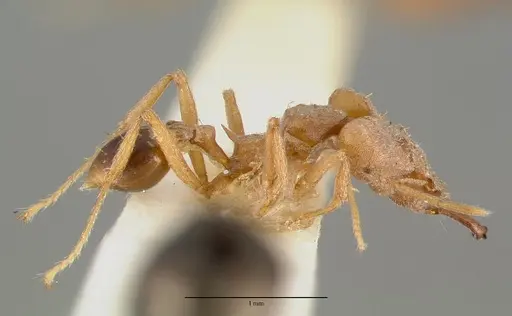
Strumigenys loriae is a polymorphic trap-jaw ant species native to the rainforests of New Guinea. Workers range from 3.1-5.1mm in length, with larger workers developing distinctly expanded heads with blunt, boss-like projections on the sides. The species belongs to the Strumigenys loriae group and is strongly polymorphic, meaning workers come in different sizes within the same colony. These ants have long, trap-jaw mandibles adapted for predatory hunting and can be identified by their reticulate-punctate postpetiole discs and basigastral costulae that are at least as long as the postpetiole disc.
One of the most remarkable aspects of this species is its social structure. A documented colony in a rotting moss-covered log contained approximately 1622 workers and 16 dealate (wingless) queens living together peacefully, along with the parasitic ant Strumigenys yaleogyna. Both host and parasite pupae were found mixed together in several chambers, and trophallaxis (food-sharing between adults) was observed between adults of both species. This suggests a tolerance between host and parasite that is unusual in ant social parasitism.
Quick Summary
- Difficulty: Medium
- Origin & Habitat: New Guinea (Papua New Guinea and surrounding islands) in Australasian Region. Found in rainforest habitats, specifically in rotten wood, soil under wood, and leaf litter samples [1].
- Colony Type: Polygynous colonies with multiple dealate queens documented, one observed colony had 16 queens coexisting with workers. The species is not a permanent social parasite itself but can host the parasitic Strumigenys yaleogyna.
- Colony: Polygyne
- Size & Growth:
- Queen: Not specifically measured in primary literature, but queens are dealate (wingless) and larger than workers
- Worker: 3.1-5.1mm (strongly polymorphic)
- Colony: Up to approximately 1622 workers documented in a single colony
- Growth: Moderate, based on typical Strumigenys development patterns
- Development: Estimated 6-10 weeks based on related Strumigenys species development (Development time is inferred from genus-level data, as specific development studies for S. loriae are not available)
- Antkeeping:
- Temperature: Keep at 22-26°C. As a rainforest species from New Guinea, they prefer warm, stable conditions similar to tropical forest floor.
- Humidity: High humidity required, rainforest habitat suggests 70-85% relative humidity. Keep the nest substrate consistently moist but not waterlogged, with some drier areas available for the ants to self-regulate.
- Diapause: No, as a tropical species from New Guinea, they do not require hibernation or winter dormancy.
- Nesting: In nature, they nest in rotten wood, soil under wood, and leaf litter. In captivity, they do well in naturalistic setups with moist substrate (like a mixture of soil and rotting wood) or in acrylic/plaster nests with good moisture retention. They prefer tight, enclosed chambers scaled to their small size.
- Behavior: Strumigenys loriae are predatory trap-jaw ants. They use their specialized mandibles to capture small prey arthropods. Workers are polymorphic, with larger workers having more developed head structures for hunting. Colonies are relatively non-aggressive toward each other, the documented colony showed amicable distribution of queens and workers throughout the nest. They are small ants but can deliver a nip from their mandibles if handled roughly. Escape prevention should be moderate, their small size (3-5mm) means they can fit through small gaps, so ensure enclosures are secure.
- Common Issues: high humidity maintenance can lead to mold problems if ventilation is inadequate, small colony size at acquisition may result in slow population growth that frustrates beginners, predatory diet means they need constant access to live small prey, failure to provide adequate protein leads to colony decline, tropical species will not survive cool temperatures or drafts, wild-caught colonies may contain the parasitic Strumigenys yaleogyna which could affect colony dynamics
Housing and Nest Setup
Strumigenys loriae requires a moist, naturalistic setup that mimics their rainforest floor habitat. A naturalistic terrarium with a substrate layer of damp soil mixed with rotting wood fragments works well. The substrate should remain consistently moist but never waterlogged, aim for damp throughout without standing water. You can use a shallow water reservoir connected to the substrate via a cotton wick to maintain moisture gradually. Given their small size (3-5mm), provide tight-fitting enclosures with fine mesh barriers to prevent escapes. Acrylic or plaster nests with built-in water chambers can also work, but ensure the chambers are appropriately sized for these tiny ants. Avoid tall, open spaces, they prefer enclosed, tight spaces similar to what they would find in rotten wood or soil chambers. [1]
Feeding and Diet
As predatory trap-jaw ants, Strumigenys loriae require a diet of small live prey. They are not scavengers like many Myrmicinae, their specialized mandibles are designed for catching moving prey. Offer small live arthropods such as springtails, fruit flies, tiny crickets, and other micro-insects. The prey size should match the worker size, smaller workers take smaller prey. Feed every 2-3 days, removing any uneaten prey after 24 hours to prevent mold. While they are primarily predatory, you can occasionally offer a drop of diluted sugar water or honey, but this should not be their primary food source. A constant protein supply is essential for brood production and colony growth.
Temperature and Seasonal Care
Keep Strumigenys loriae at temperatures between 22-26°C. As a tropical rainforest species from New Guinea, they require consistently warm conditions year-round. Avoid temperatures below 20°C, as this can slow or stop brood development and may weaken the colony. Room temperature within this range is usually acceptable. If your room is cooler, use a heating cable or mat on one side of the enclosure to create a gentle temperature gradient. Place the heating element on top of the nest, not underneath, to avoid drying out the substrate through excessive evaporation. No hibernation or diapause is required for this species, they remain active throughout the year in warm conditions. [1]
Behavior and Colony Dynamics
Strumigenys loriae colonies are polygynous, meaning they naturally contain multiple queens. The documented colony showed 16 dealate queens living amicably with workers, with queens and workers distributed throughout the nest chambers. This is unusual among ants, as many species have single-queen colonies. The species is also polymorphic, workers come in different sizes, with larger workers having more developed head structures for hunting larger prey. They are not aggressive toward humans but will use their mandibles defensively if threatened. The colony may contain the parasitic ant Strumigenys yaleogyna, which was found living within the same nest, with mixed pupae and trophallaxis between host and parasite. If you acquire a wild colony, watch for this parasite. [1]
Humidity Management
Maintaining proper humidity is critical for Strumigenys loriae. As a rainforest species, they require high humidity levels of approximately 70-85%. The substrate should feel consistently damp to the touch. Use a moisture-retaining substrate mix and consider covering part of the enclosure to reduce evaporation. However, you must balance this with adequate ventilation to prevent mold growth. A simple approach is to use a substrate that holds moisture well (like a soil-perlite mix) and add water only when the surface begins drying. Provide a small water dish or cotton wick as a water source. Monitor for condensation, excessive condensation can indicate too much humidity, while a completely dry substrate means you need to add water. [1]
Frequently Asked Questions
Can I keep Strumigenys loriae in a test tube?
Test tubes can work for founding colonies, but they require modification to maintain high humidity. Strumigenys need moist conditions, so you'll need to use a test tube setup with a water reservoir and ensure the cotton is kept damp. However, a naturalistic setup with moist substrate is generally better for established colonies. If using test tubes, choose ones with a small diameter since these ants are small (3-5mm).
How long does it take for Strumigenys loriae to produce first workers?
The exact development time for S. loriae has not been documented, but based on related Strumigenys species, expect approximately 6-10 weeks from egg to first worker at optimal temperature (around 24°C). Growth is moderate, colonies will slowly build population over several months to a year before reaching significant numbers.
Can I keep multiple queens together in Strumigenys loriae colonies?
Yes, multiple queens can be kept together. This species is naturally polygynous, with documented colonies containing up to 16 dealate queens living peacefully together. Unlike many ant species where multiple queens will fight, S. loriae queens coexist amicably. However, if combining unrelated foundress queens, introduce them carefully and monitor for aggression initially.
Are Strumigenys loriae good for beginners?
Strumigenys loriae are rated as medium difficulty. They require more specialized care than common species like Lasius or Camponotus. You must provide live prey regularly, maintain high humidity, and keep them warm year-round. They are not the best choice for complete beginners, but antkeepers with some experience keeping tropical species should do well with them.
What do Strumigenys loriae eat?
Strumigenys loriae are predatory ants that require live small arthropods as their primary food. Offer springtails, fruit flies, tiny crickets, and other micro-insects. The prey size should match the worker size, smaller workers take smaller prey. You can occasionally offer sugar water or honey as a supplement, but protein from live prey is essential for brood development.
How big do Strumigenys loriae colonies get?
Documented colonies can reach approximately 1600 workers. In captivity, you can expect colonies to grow to several hundred workers over time with proper care. Growth is moderate, these are not fast-growing ants like some tropical species.
Do Strumigenys loriae need hibernation?
No, Strumigenys loriae do not require hibernation. As a tropical rainforest species from New Guinea, they are active year-round in warm, humid conditions. Maintain temperatures between 22-26°C throughout the year. Do not expose them to cool temperatures or attempt to cool them for winter dormancy.
Why are my Strumigenys loriae dying?
Common causes of colony decline include: low humidity (below 60%), temperatures that are too cool (below 20°C), lack of adequate live prey, mold from excessive moisture with poor ventilation, or stress from too much handling. Ensure all these parameters are met. Also check for parasites, wild colonies may contain the parasitic Strumigenys yaleogyna which could affect colony health.
When should I move Strumigenys loriae to a formicarium?
Move colonies to a formicarium once they reach 50-100 workers and the founding setup becomes cramped. For polygynous colonies with multiple queens, ensure the formicarium has enough chambers to accommodate the entire colony. A naturalistic setup with moist substrate is often better than traditional formicariums for this species.
References

This caresheet is licensed under CC BY-SA 4.0 .
CASENT0900862
View on AntWeb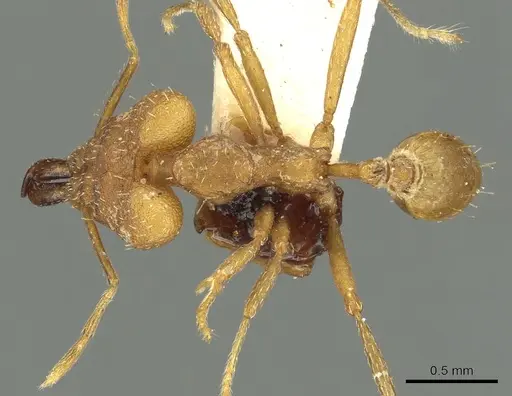
CASENT0904942
View on AntWeb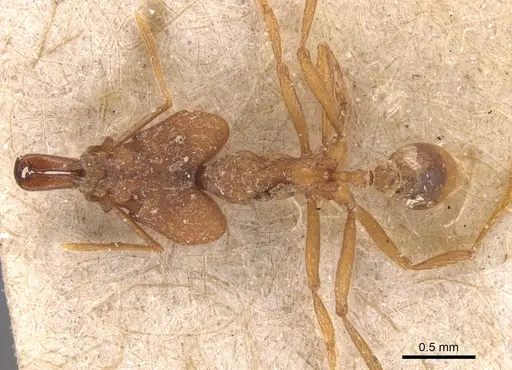
CASENT0914842
View on AntWeb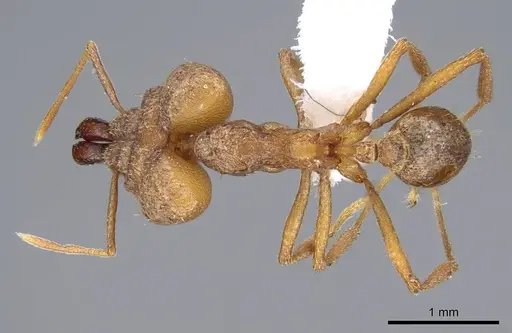
CASENT0914843
View on AntWeb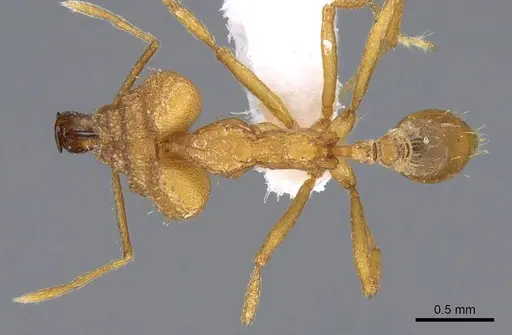
CASTYPE06953-01
View on AntWeb

CASTYPE06953-02
View on AntWeb

Literature
Loading...Loading products...