

Royidris notorthotenes
- Scientific Name
- Royidris notorthotenes
- Tribe
- Crematogastrini
- Subfamily
- Myrmicinae
- Author
- Heterick, 2006
- Distribution
- Found in 1 countries
Royidris notorthotenes Overview
Royidris notorthotenes is an ant species of the genus Royidris. It is primarily documented in 1 countries , including Madagascar. Detailed taxonomic data and occurrence records can be further explored via authoritative databases such as AntWeb or the Global Biodiversity Information Facility (GBIF).
Royidris notorthotenes
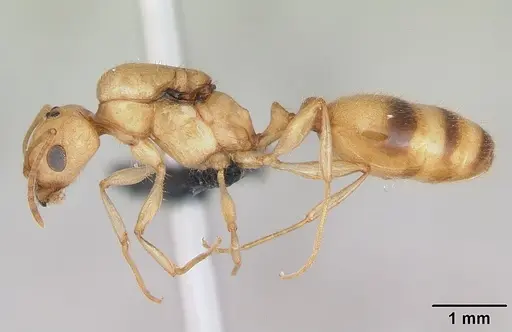
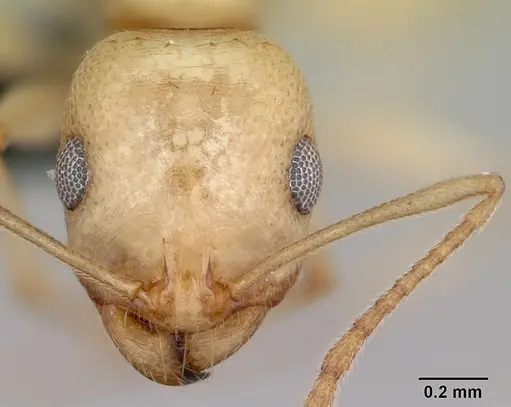
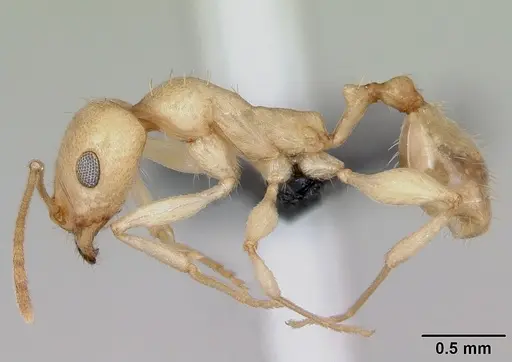
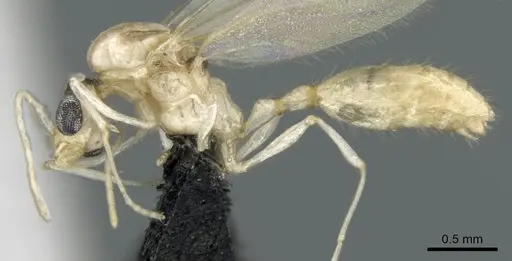
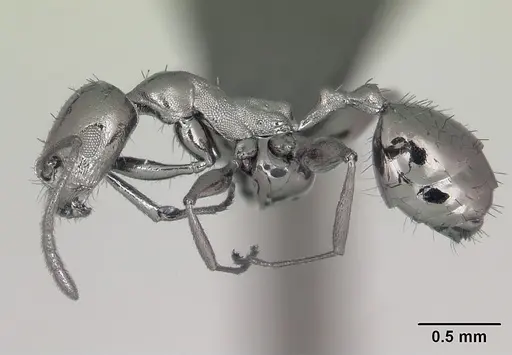
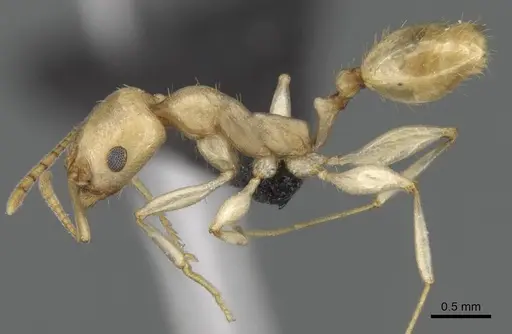
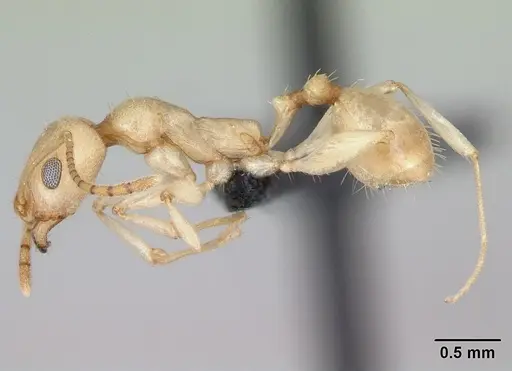
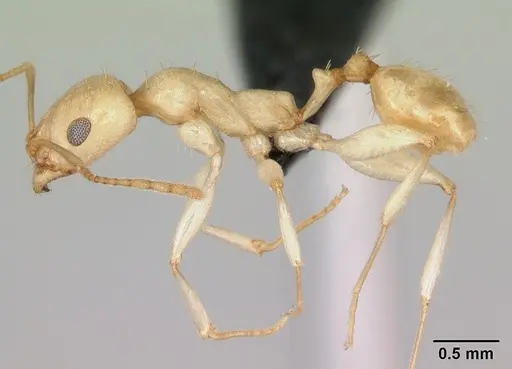
Royidris notorthotenes is a small, slender ant endemic to Madagascar, measuring 3.6-4.3mm for workers and 6.4-7.1mm for queens [1]. Workers have a distinctive elongate body with spindly legs and antennae, making them superficially resemble Aphaenogaster ants [2]. They are uniformly yellow in color with a 4-segmented antennal club and relatively long scapes that extend past the back of the head when laid straight [1]. This species belongs to a small complex including Royidris diminuta and Royidris etiolata, all characterized by their yellow coloration, weak head sculpture, and long legs [1]. All specimens have been collected from Madagascar's unique spiny forest ecosystem, where they nest under stones and forage on the ground [1][2].
Quick Summary
- Difficulty: Unknown
- Origin & Habitat: Endemic to the spiny forest and associated thickets in coastal localities of extreme south and southwest Madagascar (Toliara Province) [1][2]. The spiny forest is a dry, scrubland ecosystem with distinctive spiny plants adapted to arid conditions.
- Colony Type: Colony structure is unconfirmed. No published data exists on whether this species is single-queen (monogyne) or multi-queen (polygyne).
- Size & Growth:
- Queen: 6.4-7.1mm [1]
- Worker: 3.6-4.3mm [1]
- Colony: Unknown, no colony size data has been published
- Growth: Unknown
- Development: Unconfirmed, no development data exists for this species. Based on typical Myrmicinae patterns from similar small ants, expect 6-10 weeks at tropical temperatures. (Development timeline has not been directly studied. Infer from genus-level Myrmicinae patterns.)
- Antkeeping:
- Temperature: Unconfirmed. Inferred from Madagascar spiny forest habitat: likely tolerates 22-28°C. Start around 24-26°C and observe colony activity.
- Humidity: Unconfirmed. Spiny forest is relatively dry, but they nest under stones which suggests they need some ground moisture. Keep nest substrate lightly moist, not waterlogged.
- Diapause: Unlikely, Madagascar is tropical with minimal temperature seasonal variation. No diapause requirement is expected.
- Nesting: In nature they nest under stones in spiny forest [1][2]. A naturalistic setup with a small chamber (test tube or acrylic nest) with some substrate moisture would likely work. The small worker size suggests they may escape through small gaps.
- Behavior: Workers forage on the ground in nature [1][2]. They are small ants with no documented stinging ability, Myrmicinae generally have functional stingers but Royidris is in the Crematogastrini tribe where stinging is less emphasized. Temperament is unstudied but likely non-aggressive given their small size. Escape prevention is important due to their tiny size.
- Common Issues: escape prevention is critical due to very small worker size (3.6-4.3mm), no published care information means keepers must experiment with conditions, colony may fail if kept too dry or too cold, no margin for error known, wild-caught colonies may have parasites or diseases not documented, slow growth or failure to establish is common with poorly studied species
Origin and Natural Habitat
Royidris notorthotenes is endemic to Madagascar, specifically found in the spiny forest and associated thickets along the coastal localities of extreme south and southwest Madagascar in Toliara Province [1][2]. The spiny forest is a unique and threatened ecosystem characterized by dry conditions and spiny, drought-adapted vegetation. This species has been collected nesting under stones and foraging on the ground, and has also been retrieved from pitfall traps [1]. The type locality is Réserve Cap Sainte Marie, where the holotype was collected in February 2002 under a stone in spiny forest thicket at 160m elevation [2]. The distribution appears restricted to these coastal spiny forest areas rather than being widespread across Madagascar.
Identification and Morphology
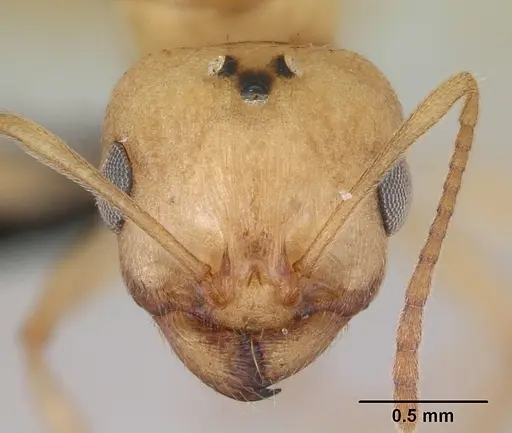
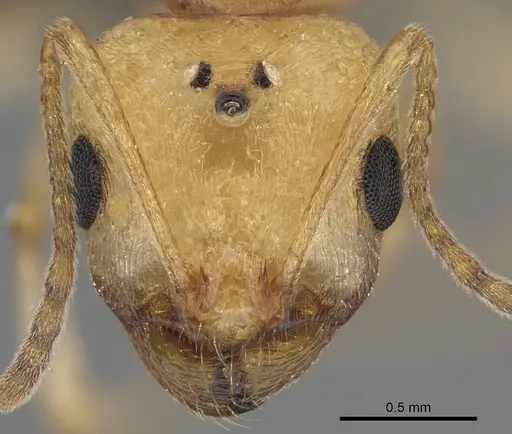
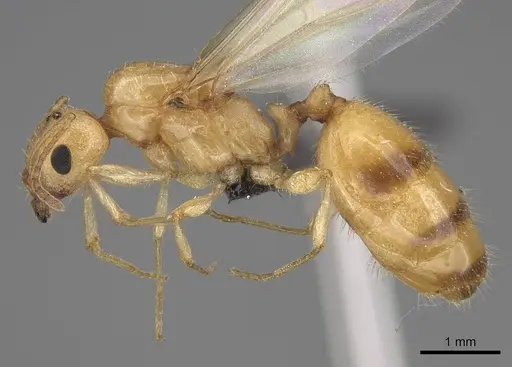
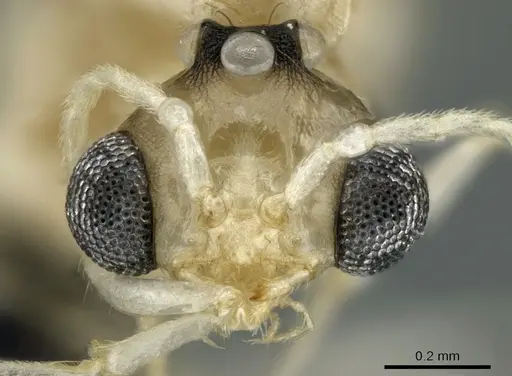
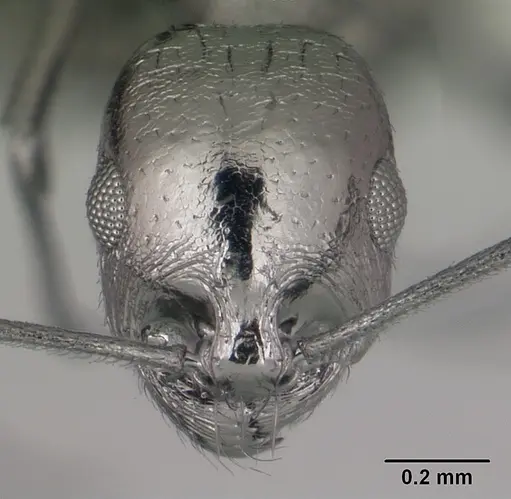
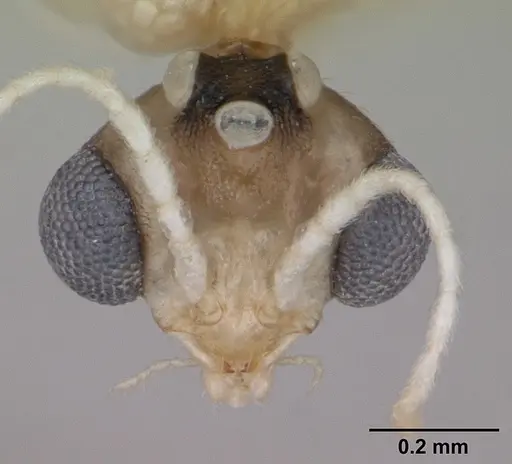
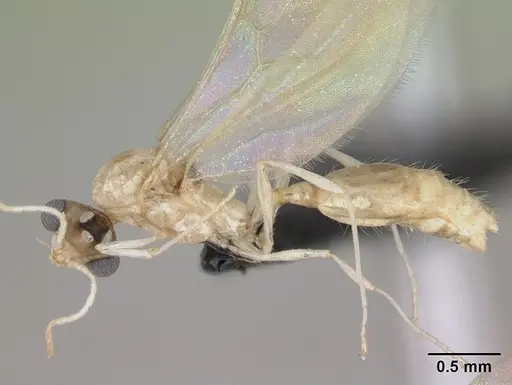
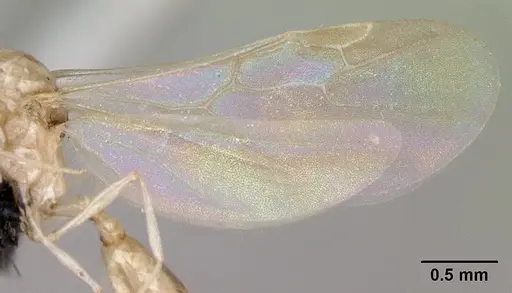
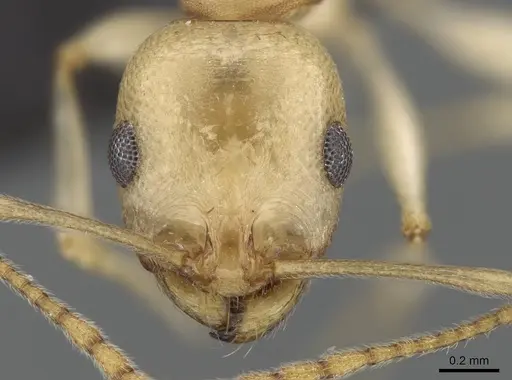
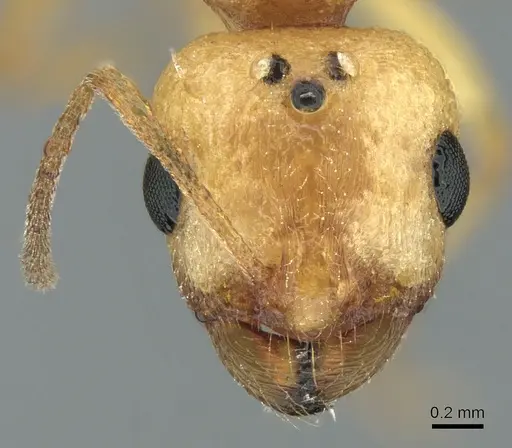
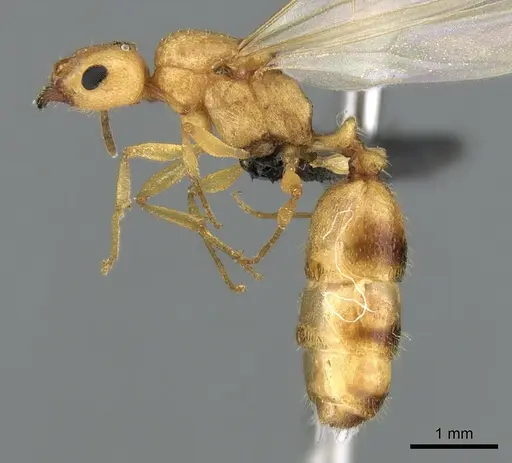
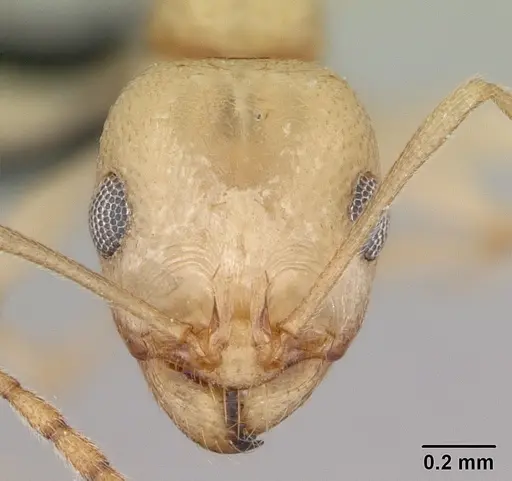
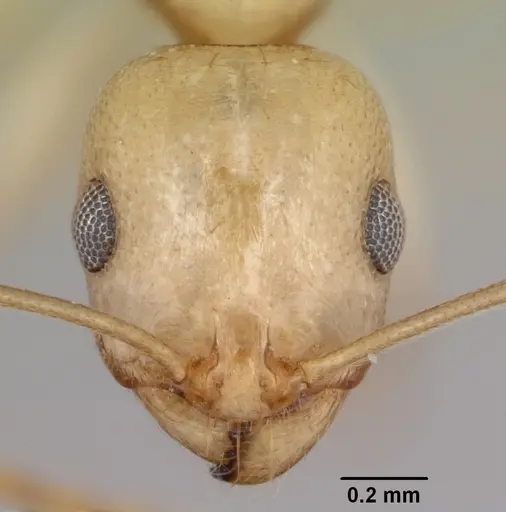
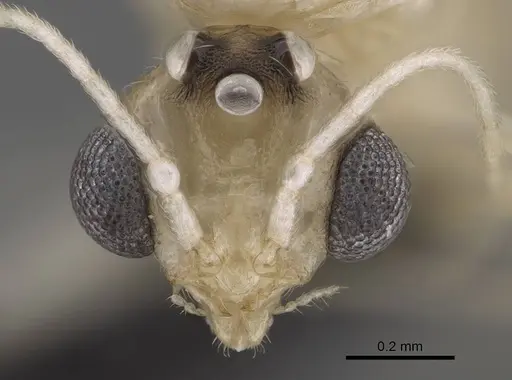
Workers of R. notorthotenes are distinctive due to their elongate, slender bodies and spindly appendages, which can cause confusion with Aphaenogaster ants [2]. They measure 3.6-4.3mm total length with a head width of 0.65-0.81mm [1]. The antennae have 12 segments with a 4-segmented club, and the scapes are relatively long (SI 115-132), when laid straight back, the scape tip clearly exceeds the posterior margin of the head [1]. The eyes are large, with eye width 1.5 times greater than the greatest width of the antennal scape [2]. Workers are uniformly yellow in color throughout the head, mesosoma, petiole, postpetiole, legs, and gaster [1]. Queens are much larger at 6.4-7.1mm, also yellow but with a darker transverse band at the apex of each gastral tergite [1]. Males are smaller than workers at 2.0-2.2mm and have a distinctly fly-like appearance [1].
Nest Setup and Housing
In the wild, these ants nest under stones in the spiny forest substrate [1][2]. For captive care, a test tube setup works well for founding colonies, with the queen sealed in a dark chamber. Once established, a small acrylic nest or naturalistic setup with a shallow chamber would suit their small size. The key requirement is escape prevention, workers are only 3.6-4.3mm and can easily slip through small gaps. Use fluon on test tube rims and ensure any formicarium has tight-fitting barriers. A small outworld for foraging allows workers to hunt small prey. Keep the nest chamber moderately humid with a water reservoir, but avoid oversaturation, the spiny forest is a relatively dry environment.
Feeding and Diet
No specific dietary studies exist for this species. Based on typical Myrmicinae behavior and their small size, they likely are omnivorous with a preference for small protein sources. Offer small live prey such as fruit flies, pinhead crickets, or small mealworms. They probably also accept sugar sources like honey water or sugar water, though this is unconfirmed. Feed small amounts of protein 2-3 times per week and provide constant access to a sugar source. Remove uneaten prey after 24-48 hours to prevent mold. Given their tiny worker size, prey items should be appropriately scaled, springtails or fruit flies are likely more suitable than larger insects.
Temperature and Seasonal Care
Temperature requirements are unconfirmed for this species. The spiny forest of Madagascar experiences a tropical to subtropical climate with temperatures typically ranging from 20-30°C year-round. Based on this habitat, aim for a temperature range of 24-28°C in the nest area. A slight temperature gradient allows ants to regulate their own exposure. No diapause is expected since Madagascar lacks cold winters, these ants likely remain active year-round. Avoid temperatures below 20°C or above 32°C until you observe how the colony responds. Heating cables or mats can maintain warmth in cooler rooms, but avoid direct heat on the nest. [1]
Colony Development and Growth
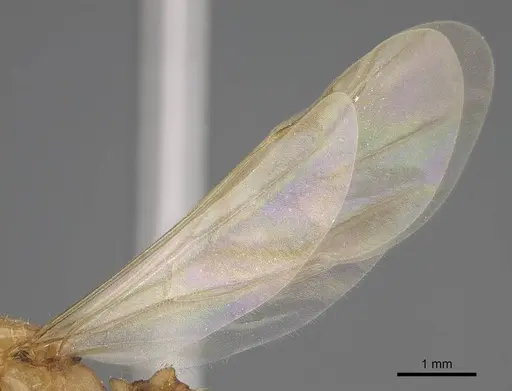
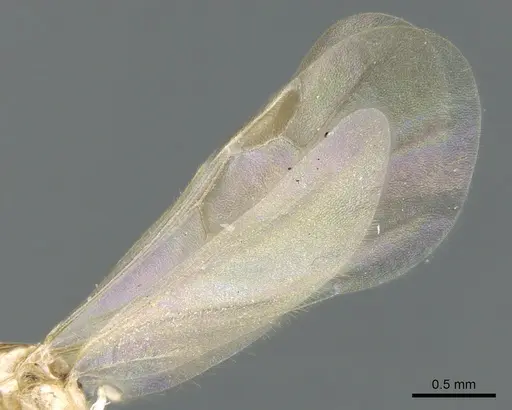
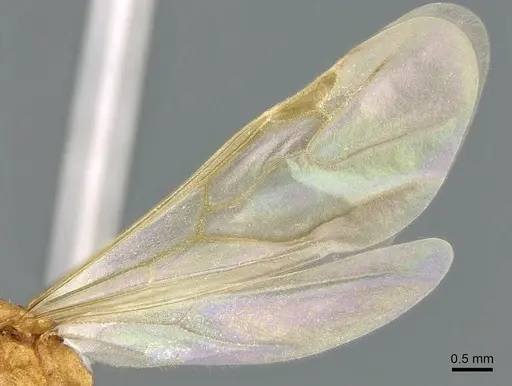
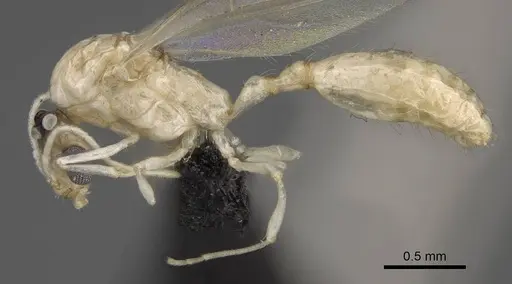
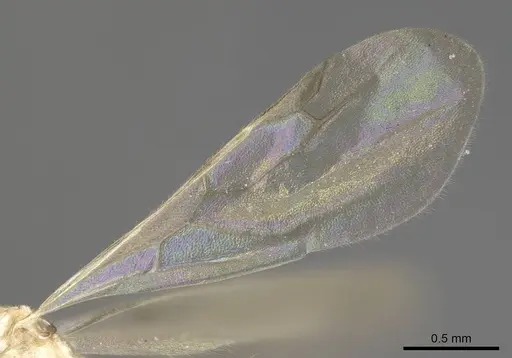
No published data exists on the development timeline from egg to worker for this species. Queens measure 6.4-7.1mm and are significantly larger than workers (3.6-4.3mm), which is typical for Myrmicinae [1]. The queen is described as alate when virgin, meaning she has wings before mating [1]. Males are notably small relative to the queen and have a distinctive fly-like appearance [2]. Based on typical Myrmicinae patterns and the tropical Madagascar habitat, development likely takes 6-10 weeks from egg to first worker at optimal temperatures. Nanitics (first workers) will be smaller than normal workers. Colony growth is expected to be moderate, these are small ants with likely moderate colony sizes, though exact maximums are unknown.
Behavior and Temperament
Workers forage on the ground in nature and have been collected from pitfall traps, indicating they are surface-active foragers [1][2]. Their small size and slender build suggest they are not aggressive or defensive. Myrmicinae ants generally have functional stingers, but Royidris is in the Crematogastrini tribe where stinging behavior is not well-documented and likely minimal. The primary concern for keepers is escape prevention, their tiny size means they can squeeze through gaps that larger ants cannot. Use fine mesh on any ventilation, apply fluon to barrier surfaces, and check for gaps regularly. Workers are likely to be active foragers, exploring their outworld in search of small prey.
Challenges and Known Issues
This species presents significant challenges for antkeepers due to the complete lack of published captive care information. Everything about their husbandry must be learned through experimentation and careful observation. There is no data on founding success rates, preferred diets, optimal humidity ranges, or common health problems. Colonies may fail to establish without any clear reason. Additionally, their very small worker size (3.6-4.3mm) makes escape a constant risk, even standard test tube setups may need extra barriers. Wild-caught colonies could harbor parasites or diseases not documented in scientific literature. New keepers or those seeking guaranteed success should consider more commonly kept species with established care protocols.
Frequently Asked Questions
How long does it take for Royidris notorthotenes to produce first workers?
The development timeline is unconfirmed, no published data exists for this species. Based on typical Myrmicinae patterns from similar small ants in tropical habitats, expect approximately 6-10 weeks from egg to first worker at optimal temperatures around 24-26°C.
What do Royidris notorthotenes ants eat?
Diet is unconfirmed for this species. Based on typical Myrmicinae behavior, they likely accept small live prey (fruit flies, springtails, small mealworms) and sugar sources (honey water, sugar water). Start with small protein offerings 2-3 times per week and provide constant access to a sugar source.
Do Royidris notorthotenes ants sting?
Stinging behavior has not been documented for this species. As Myrmicinae, they have the anatomical capacity for stinging, but Royidris is in the Crematogastrini tribe where stinging is not emphasized. They are small and unlikely to be aggressive. However, use caution when handling as individual reactions vary.
What temperature do Royidris notorthotenes need?
Temperature requirements are unconfirmed. Based on their Madagascar spiny forest habitat, aim for 24-28°C. Start around 24-26°C and adjust based on colony activity. Avoid temperatures below 20°C or above 32°C until you observe how the colony responds.
Are Royidris notorthotenes good for beginners?
No. This species is not recommended for beginners due to the complete lack of published care information. Everything must be learned through experimentation. Additionally, their very small size creates challenges with escape prevention. Consider more established species like Monomorium pharaonis or Lasius niger before attempting this species.
How big do Royidris notorthotenes colonies get?
Maximum colony size is unknown, no published colony size data exists for this species. Based on their small worker size (3.6-4.3mm) and typical Myrmicinae patterns, colonies likely reach several hundred workers at most, not the thousands seen in some larger ant species.
Do Royidris notorthotenes need hibernation?
No diapause or hibernation is expected. Madagascar is tropical with minimal seasonal temperature variation, and the spiny forest lacks cold winters. Keep colonies at warm temperatures year-round (24-28°C) without attempting to cool them for winter.
Can I keep multiple Royidris notorthotenes queens together?
Colony structure (monogyne vs polygyne) is unconfirmed for this species. No published data exists on whether multiple queens can be kept together or how they establish colonies. Do not attempt combining unrelated foundress queens until more information is available.
Where is Royidris notorthotenes native to?
Royidris notorthotenes is endemic to Madagascar, specifically the spiny forest and thickets in coastal areas of extreme south and southwest Madagascar (Toliara Province) [1][2]. They have never been documented outside this restricted geographic range.
What does Royidris notorthotenes look like?
Workers are small (3.6-4.3mm) with an elongate, slender body and spindly legs and antennae that make them resemble Aphaenogaster ants [2]. They are uniformly yellow in color throughout the head, mesosoma, petiole, postpetiole, legs, and gaster [1]. Queens are larger (6.4-7.1mm) with a darker band at the tip of the abdomen [1].
Is Royidris notorthotenes invasive anywhere?
No. This species is endemic to Madagascar and has never been documented as invasive. Its distribution remains restricted to the spiny forest regions of extreme south and southwest Madagascar [1][2].
References

This caresheet is licensed under CC BY-SA 4.0 .
CASENT0002197
View on AntWeb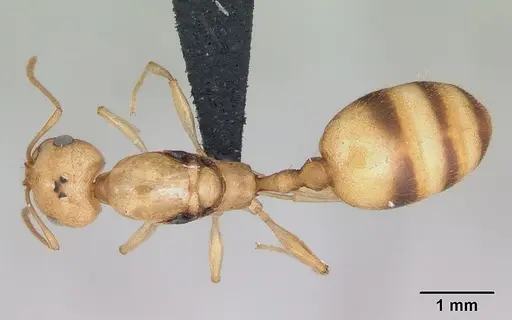
CASENT0002219
View on AntWeb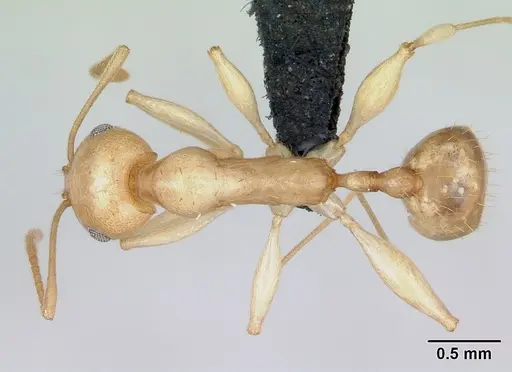
CASENT0002227
View on AntWeb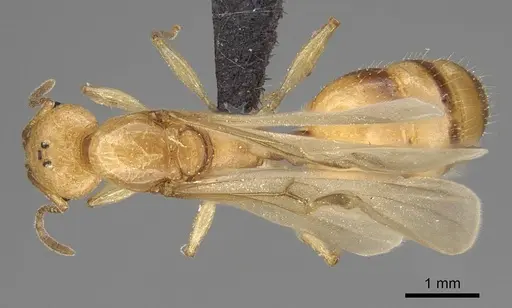
CASENT0002239
View on AntWeb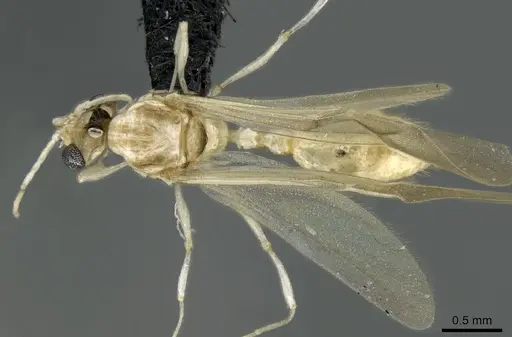
CASENT0002244
View on AntWeb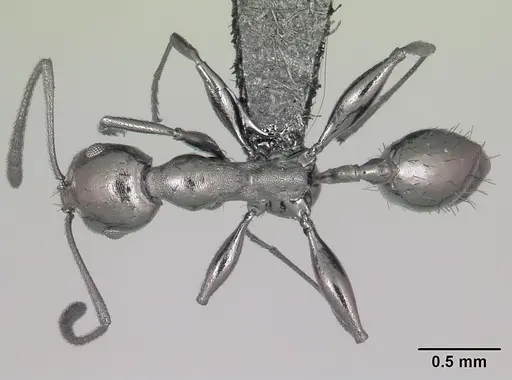
CASENT0002249
View on AntWeb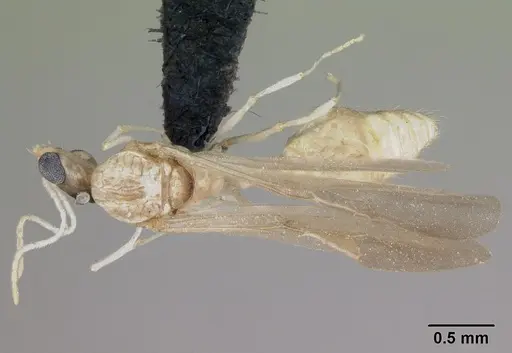
CASENT0002250
View on AntWeb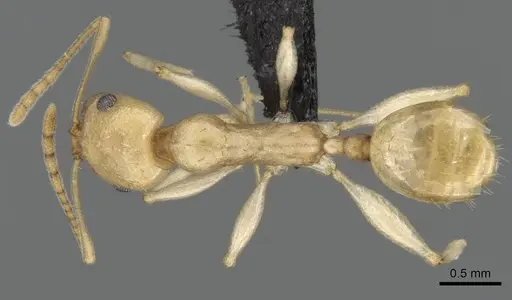
CASENT0002255
View on AntWeb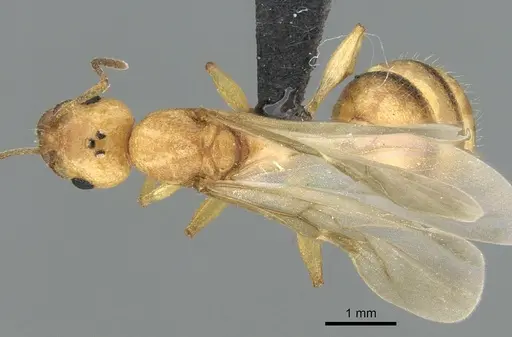
CASENT0002257
View on AntWeb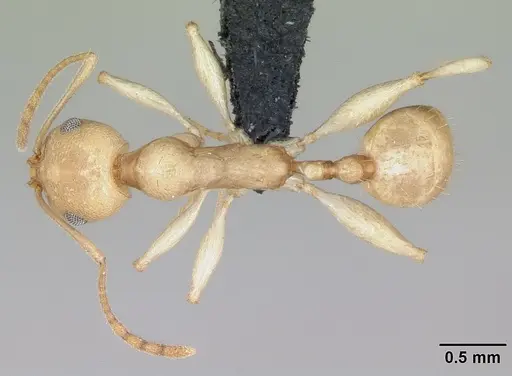
CASENT0002258
View on AntWeb
CASENT0002259
View on AntWeb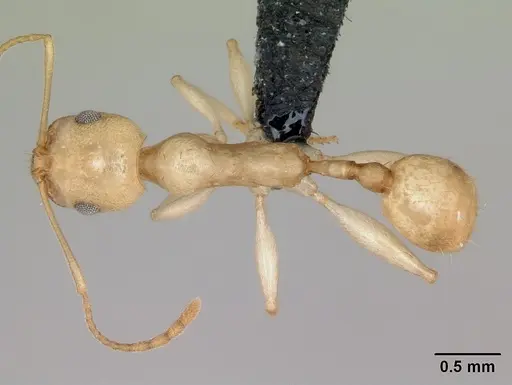
CASENT0003824
View on AntWeb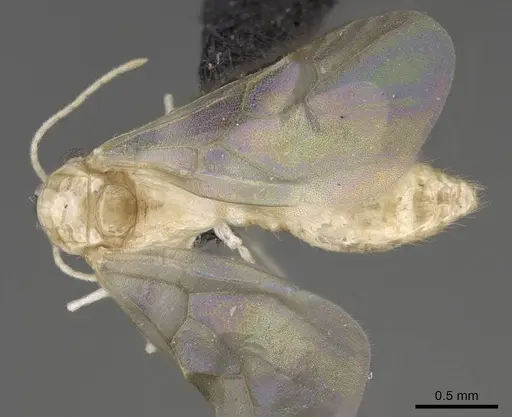
CASENT0009805
View on AntWeb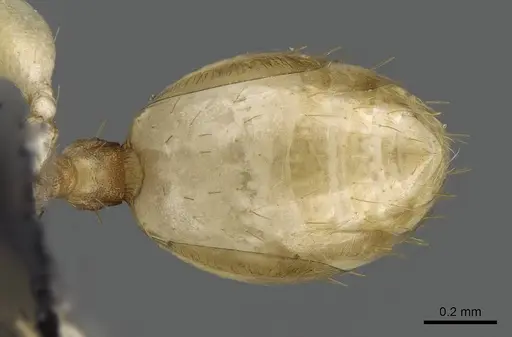
Literature
Loading...Loading products...