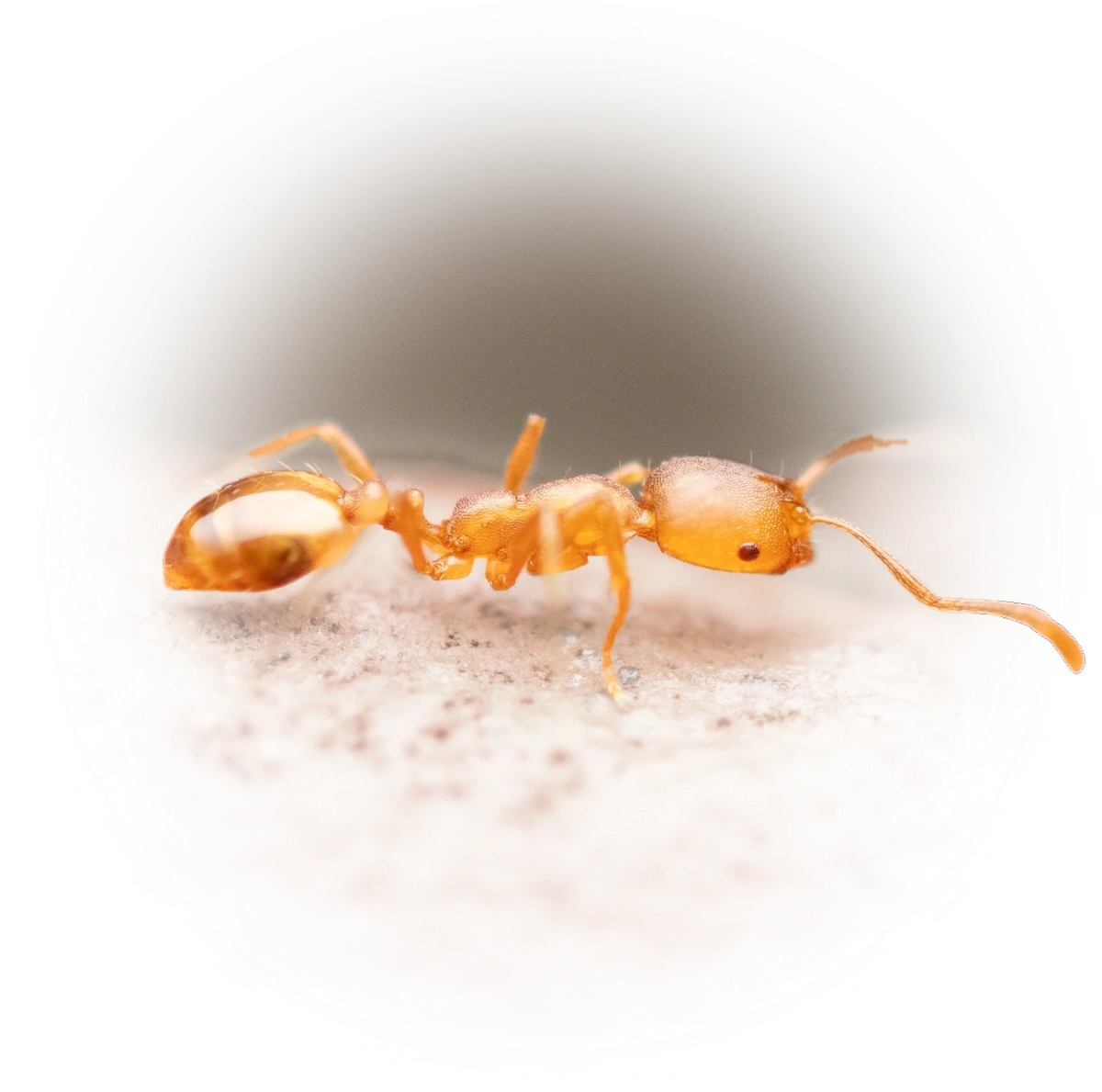

Monomorium pharaonis
- Scientific Name
- Monomorium pharaonis
- Tribe
- Solenopsidini
- Subfamily
- Myrmicinae
- Author
- Linnaeus, 1758
- Common Name
- Pharaoh Ant
- Distribution
- Found in 25 countries
Monomorium pharaonis Overview
Monomorium pharaonis (commonly known as the Pharaoh Ant) is an ant species of the genus Monomorium. It is primarily documented in 25 countries , including Australia, Belgium, Canada. Detailed taxonomic data and occurrence records can be further explored via authoritative databases such as AntWeb or the Global Biodiversity Information Facility (GBIF).
Monomorium pharaonis - "Pharaoh Ant"
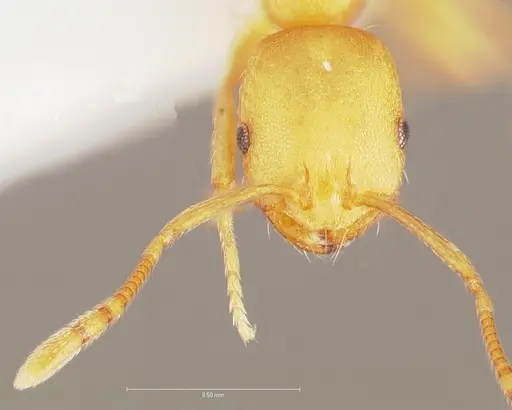
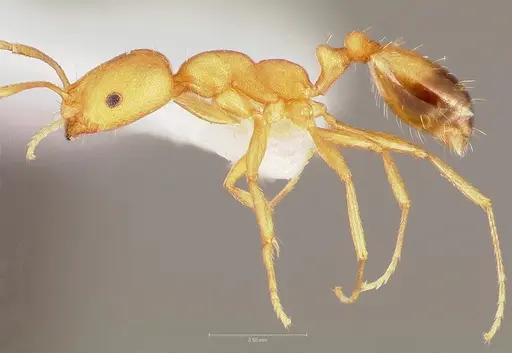
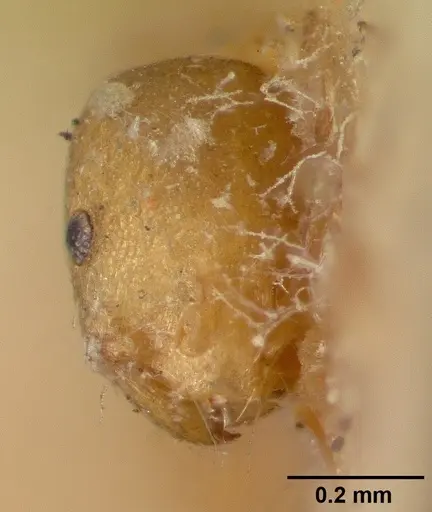
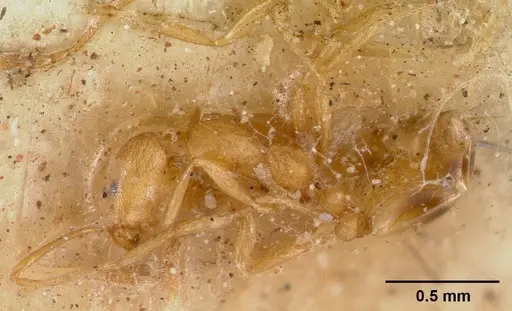
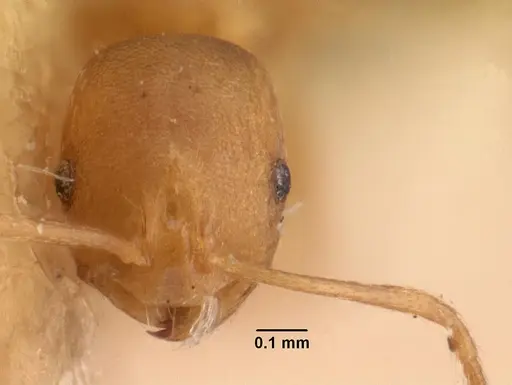
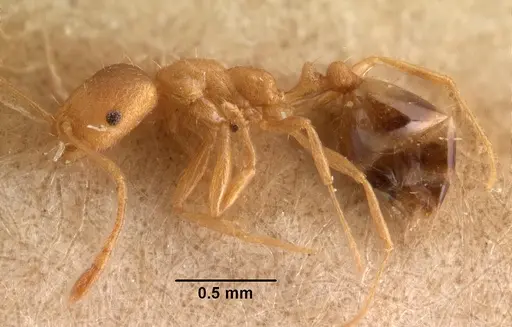
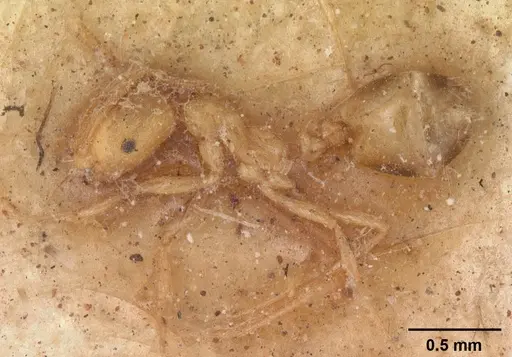
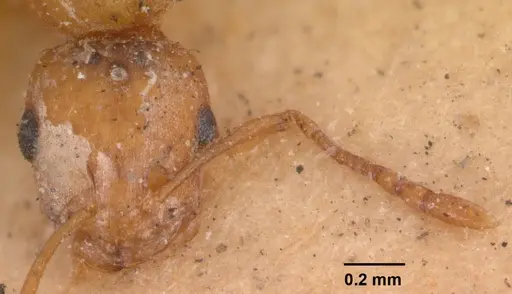
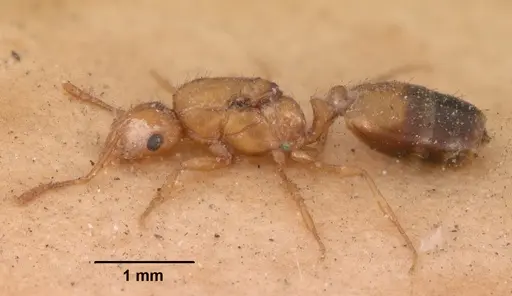
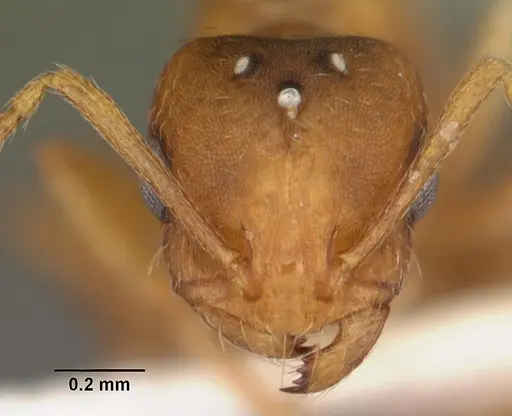
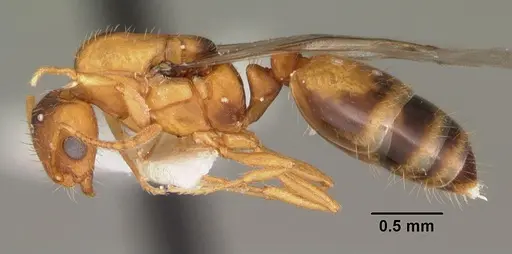
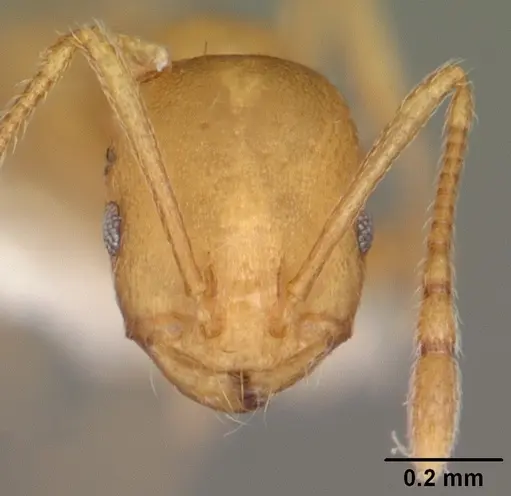
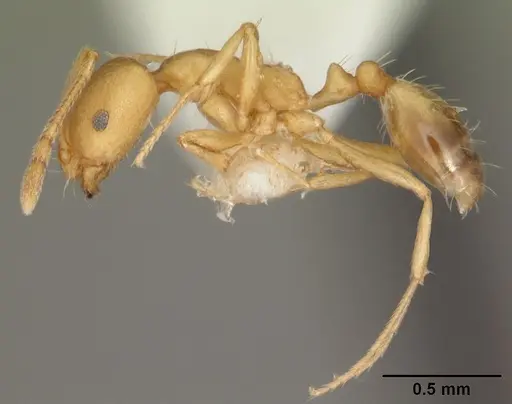
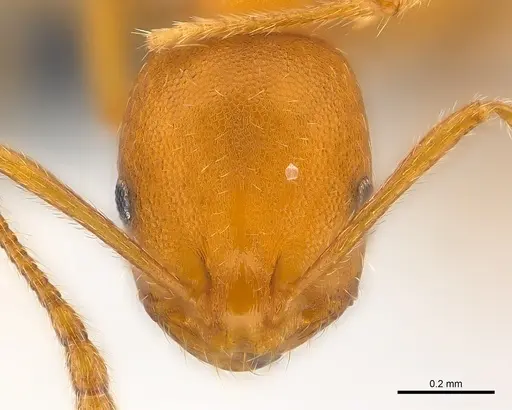
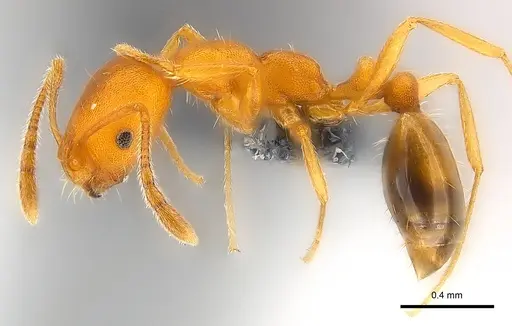
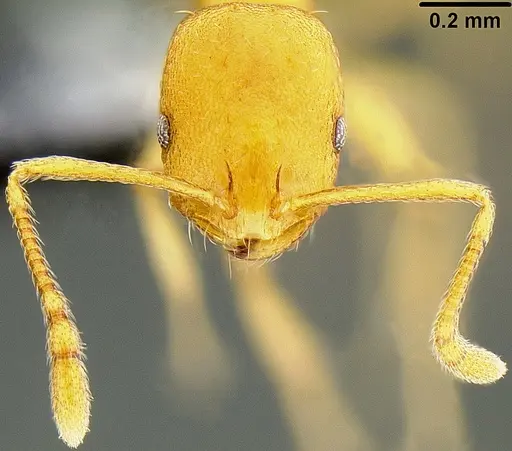
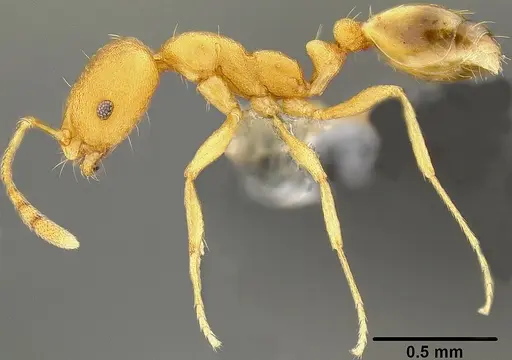
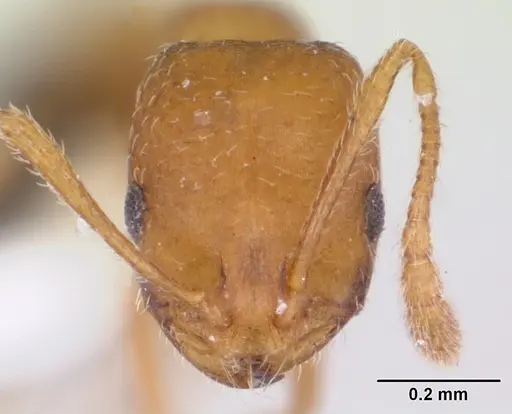
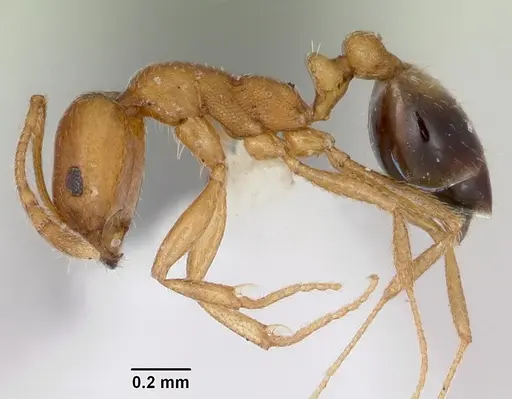
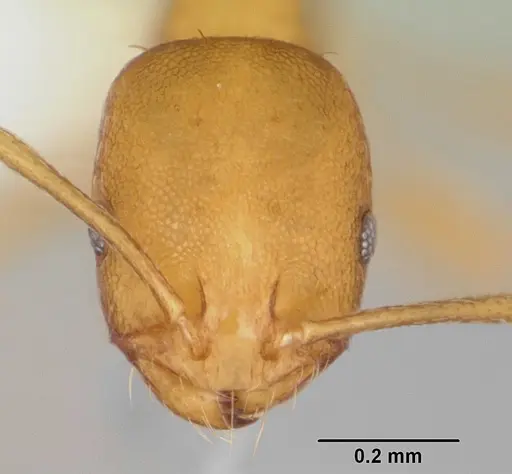
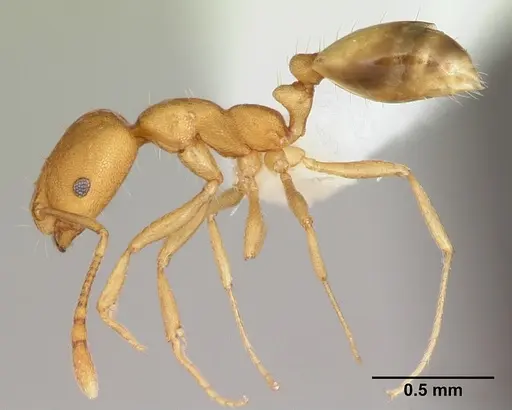
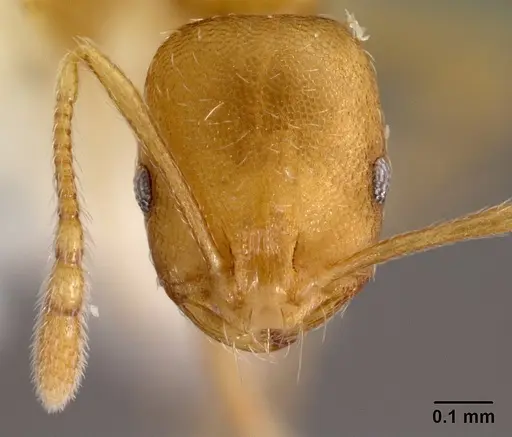
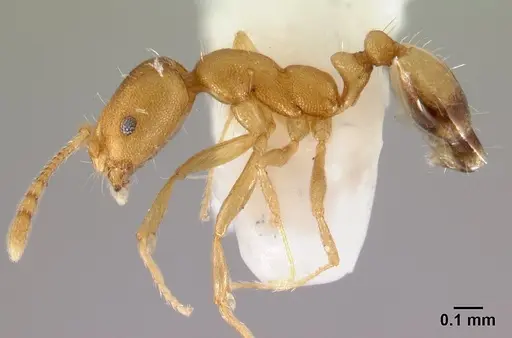
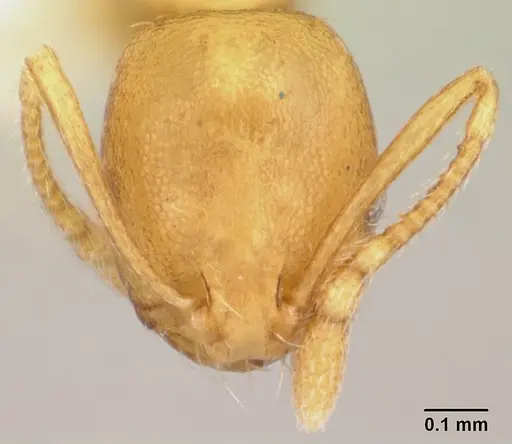
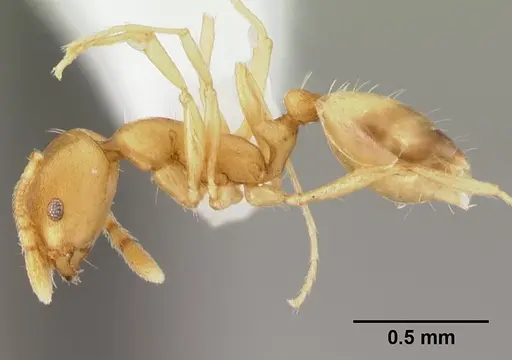
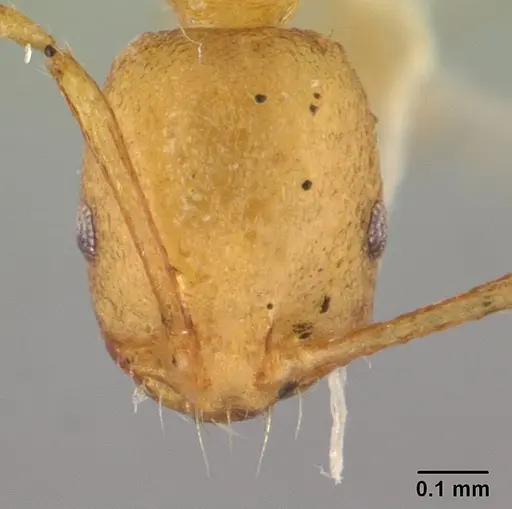
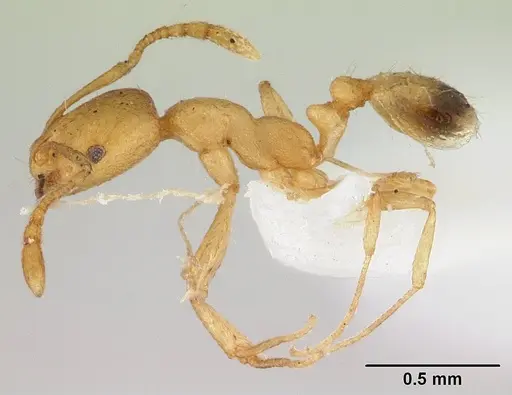
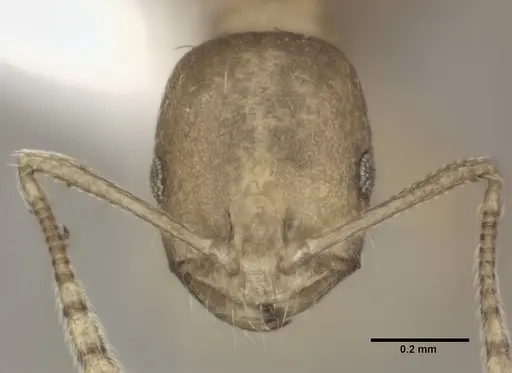
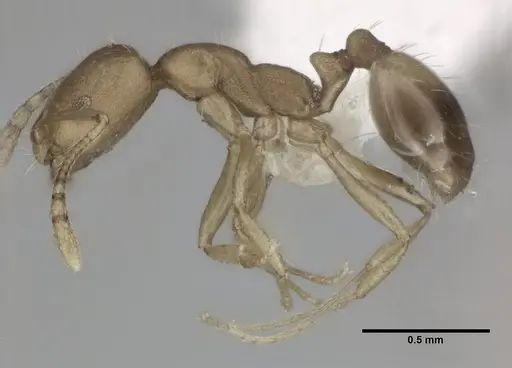
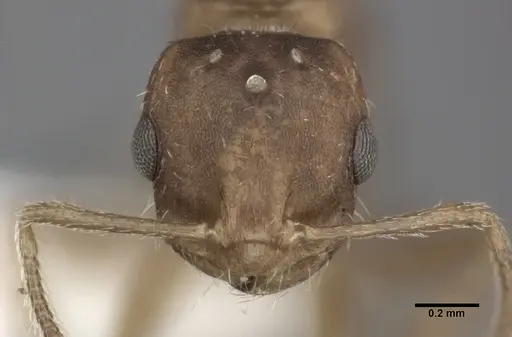
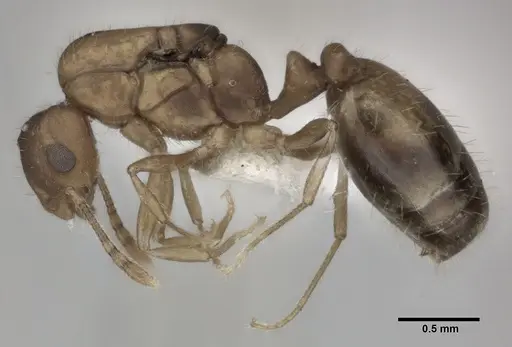
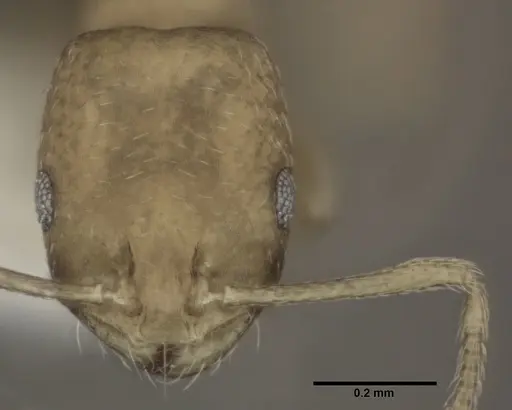
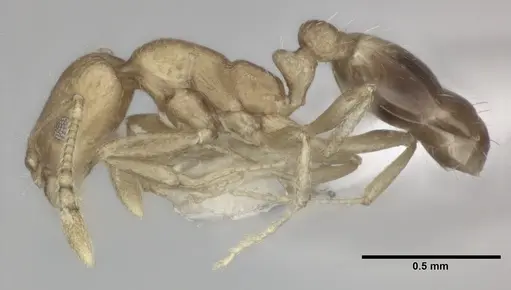
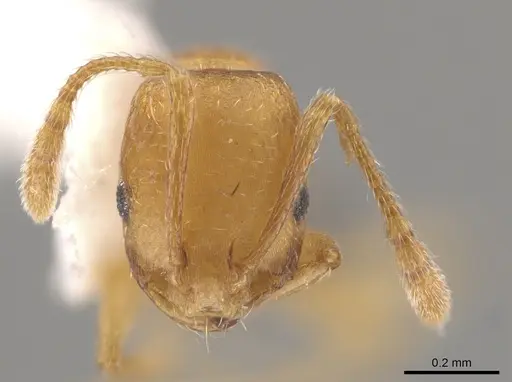
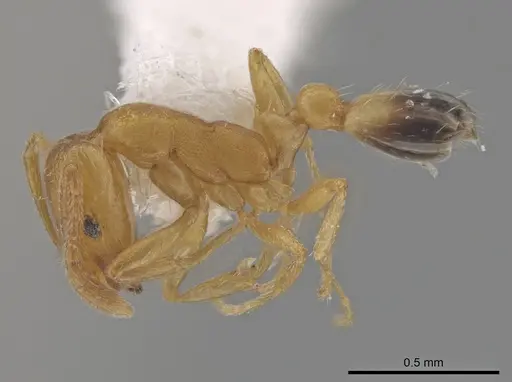
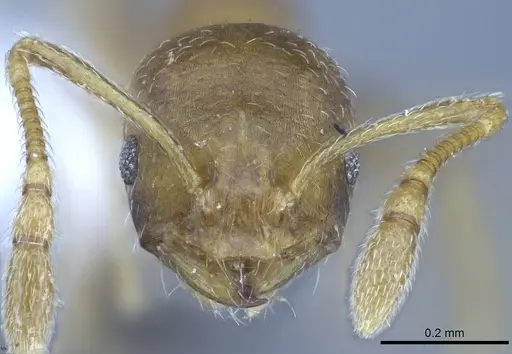
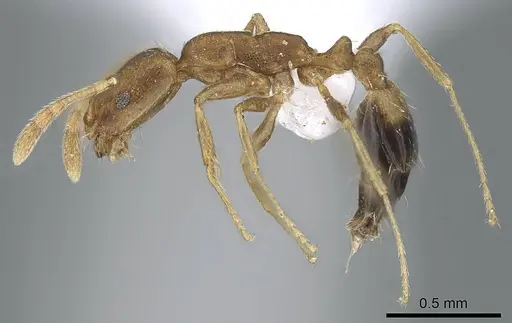
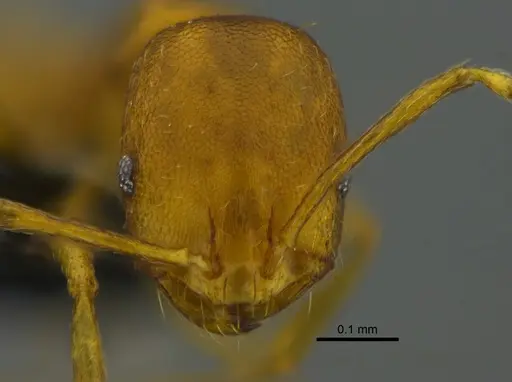
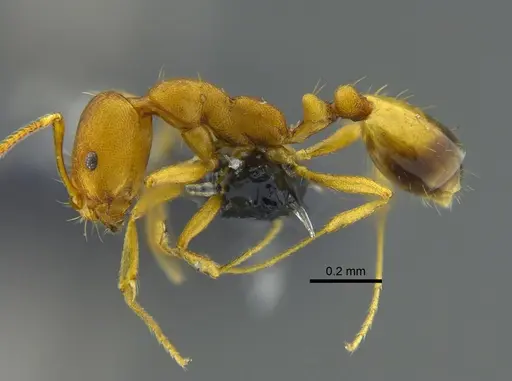
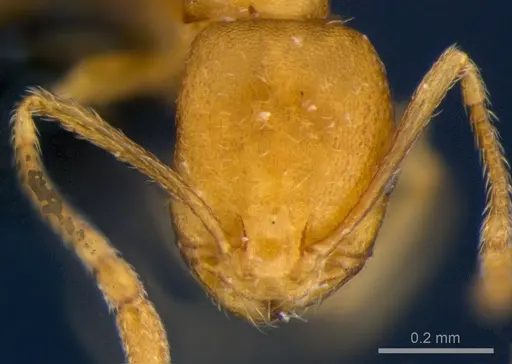
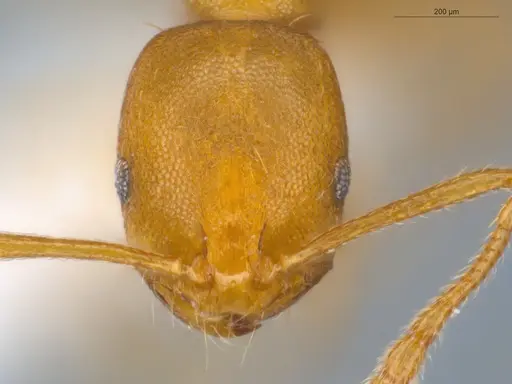
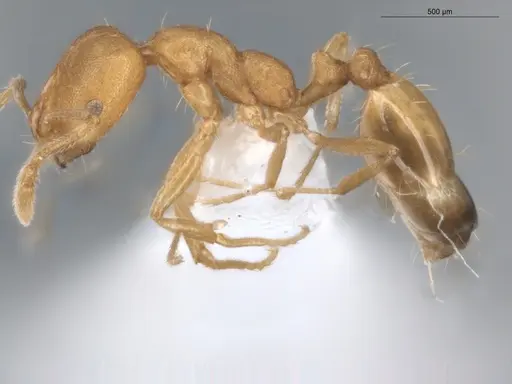
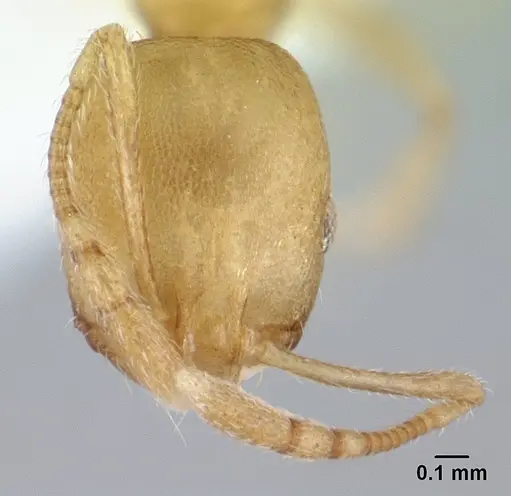
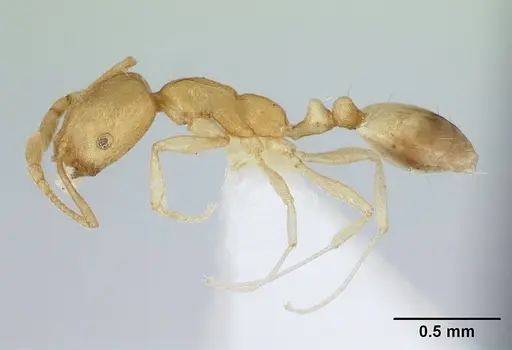
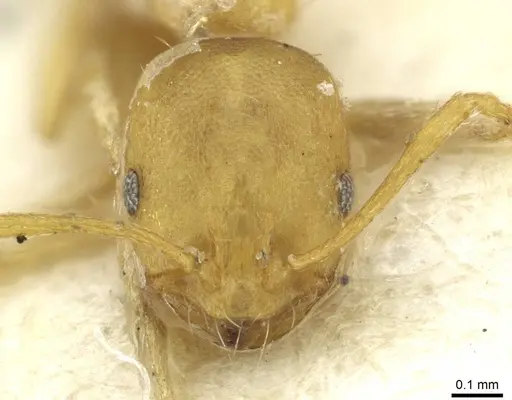
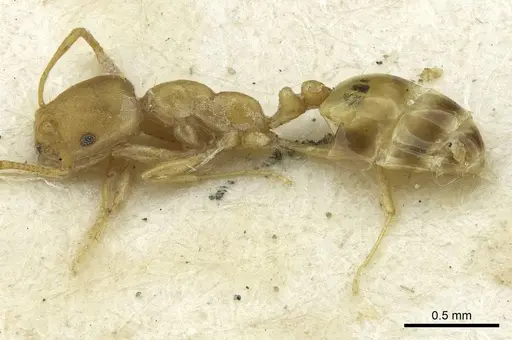
The Pharaoh ant is one of the world's most successful tramp ant species, known for its small size and yellow to light brown coloration. Workers measure 2.2-2.4mm and are monomorphic (all the same size), with a distinctive matte (dull) appearance on the head, mesosoma, and waist segments that helps distinguish them from the similar but shinier M. destructor [1]. The gaster often has a darker brown area at the rear. This species is infamous for its association with human buildings, particularly in temperate regions where it thrives exclusively indoors in heated spaces. Colonies are polygynous (multiple queens) and polydomous (multiple interconnected nests), allowing them to grow enormous, potentially reaching several million workers with hundreds of queens [2]. What makes this species particularly challenging is its ability to spread through budding rather than nuptial flights, and its tolerance of other colonies (unicolonial behavior), meaning fragments lacking queens can reconstitute entire colonies [1].
Quick Summary
- Difficulty: Easy
- Origin & Habitat: Likely native to tropical Asia, though the exact origin remains uncertain [1]. Now cosmopolitan, found on every continent. In temperate regions, exclusively indoor in heated buildings like hospitals, bakeries, apartments, and warehouses. In tropical areas, found both indoors and outdoors [3][1].
- Colony Type: Polygynous (multiple queens) and polydomous (multiple nest sites). Colonies can contain several hundred queens and tens of thousands of workers. New colonies form through budding, a queen with workers and brood splits from the parent colony [2][4]. Workers are obligately sterile, only queens reproduce [5].
- Colony: Optionally polygyne, Supercolonial
- Size & Growth:
- Queen: 3.5-4.8mm [6]
- Worker: 2.2-2.4mm [1]
- Colony: Can reach several million workers with hundreds of queens in established infestations [2]
- Growth: Fast
- Development: Approximately 36 days at optimal temperature [7] (Egg: 7.3 days, larva: 17 days, prepupa: 3.1 days, pupa: 9 days. Sexual forms take 41.25 days [7].)
- Antkeeping:
- Temperature: Keep at 27-30°C. This is a warmth-loving species that cannot tolerate cold, dies at 0°C [8][2]. In temperate climates, survival outdoors is impossible, they require heated buildings year-round.
- Humidity: High humidity preferred, around 60-80% relative humidity [8]. Keep nest substrate moist but not waterlogged.
- Diapause: No, this species does not hibernate. In heated buildings, they remain active year-round [1].
- Nesting: In captivity, they will nest in test tubes, acrylic nests, or any small cavity. In the wild, they nest in wall voids, behind baseboards, in electrical equipment, and any small crack in heated buildings [1]. Provide dark, humid nesting sites.
- Behavior: Generally non-aggressive toward humans but can bite lightly. Their small size (2mm) means they can crawl through tiny gaps and are excellent escape artists. They form obvious pheromone trails to food sources and can forage 24 hours a day. They strongly prefer protein foods and will readily take baits. As a known pest in hospitals, they can transmit pathogens, this is a hygiene concern, not aggression toward keepers. Colonies are unicolonial with no nestmate discrimination [5].
- Common Issues: Very small size makes escape prevention critical, use fluon and fine mesh barriers, Cannot tolerate temperatures below 10°C, keep warm year-round, Known pathogen vector in hospitals, maintain hygiene if keeping in living spaces, Colonies can grow extremely large very quickly, Extremely difficult to eradicate once established, queens continue producing brood even after worker mortality, Test tubes can flood if water reservoirs are too large for this tiny species
Housing and Setup
Pharaoh ants are remarkably adaptable and will nest in almost any small cavity you provide. Test tube setups work well, use a standard test tube with a cotton plug for water and another for the nest chamber. For larger colonies, acrylic nests or Y-tong style formicaria work nicely. The key requirement is maintaining warmth (27-30°C) and humidity (60-80%). Place the nest on a heating cable or heat mat set to around 28°C, but always place heating ABOVE the nest so you don't evaporate all the water. Because workers are only 2mm, escape prevention is critical, coat all container edges with fluon and use tight-fitting lids. They prefer dark nesting sites and will often move brood to the darkest corner of your setup. [8][1][16]
Feeding and Diet
Pharaoh ants show a strong preference for protein foods regardless of their nutritional state, they consistently choose protein over carbohydrates and lipids [9]. In captivity, offer protein sources like mealworms, small crickets, boiled egg yolk, tuna, or cat food twice weekly. Carbohydrates should always be available, they readily take sugar water, honey, or ripe fruit. They can be picky about bait formulations: liquid baits are preferred over gels, which are preferred over pastes and granules [10]. For colony health, provide a varied diet. Workers feed larvae by trophallaxis ( regurgitating liquid food), and older larvae (3rd instar) can process solid protein that gets redistributed to the colony, this is why protein is so important for colony growth [11].
Temperature and Seasonal Care
This is a strictly warm-weather species. Keep your colony at 27-30°C year-round, temperatures below 10°C will kill them, and they cannot survive outdoors in temperate climates [2][8]. If your room temperature is below this range, use a heat mat or heating cable. Place heating on TOP of the nest, never underneath (which causes rapid evaporation). A digital thermometer helps monitor conditions. There is no diapause or hibernation requirement, these ants remain active year-round in heated environments. In fact, they are one of the few ant species that do NOT need any winter rest. If you need to slow colony growth temporarily, you can reduce feeding rather than lower temperature.
Colony Growth and Reproduction
Pharaoh ant colonies grow incredibly fast. A single queen can produce around 100 eggs per day, and colonies can reach thousands of workers within months [12]. Colonies are polygynous, multiple egg-laying queens coexist, which drives rapid population growth. New reproductives (queens and males) are produced every 3-8 months in established colonies [5]. Unlike most ants, they do not have nuptial flights, mating occurs inside the nest, and new colonies form through budding when a queen plus workers and brood split off [1][13]. This means you cannot start colonies from wild-caught queens, you must obtain an existing colony or colony fragment. Workers are obligately sterile, only queens can reproduce. If you remove all queens, workers will raise new queens from existing young larvae within about 40 days [12].
Behavior and Foraging
These ants are famous for their pheromone trail systems. Workers lay bidirectional trails using their stinger, dragging it along the substrate to deposit pheromones. They use at least three different pheromones: a long-lasting attractive trail, a short-lived attractive trail, and a repellent 'no entry' signal at trail forks [14][15]. This allows them to quickly organize mass foraging to food sources. They forage day and night, with peak activity 2-4 hours after sunset [16]. They can travel over 35 meters from the nest. Despite their small size, they are bold foragers and will readily invade food storage. They show almost no aggression toward other Pharaoh ant colonies (unicolonial behavior), which contributes to their invasive success [5].
Health and Safety Considerations
The Pharaoh ant is classified as a health pest because it can transmit pathogenic bacteria in hospitals. They have been documented carrying Salmonella, Staphylococcus, Streptococcus, Pseudomonas, and other disease-causing organisms [17][18]. For hobbyist keepers, this means you should not keep this species in kitchens or food preparation areas. Keep their enclosure in a dedicated space, wash your hands before and after handling, and do not allow them contact with human food. They can also cause allergic reactions in some people [19]. These are not aggressive ants and rarely bite, but the hygiene risk makes them unsuitable for careless placement in your home.
Frequently Asked Questions
Can I keep Pharaoh ants as a beginner?
Yes, with caveats. They are easy to keep because they tolerate a wide range of conditions and readily accept most foods. However, their small size requires excellent escape prevention, and they cannot tolerate cold temperatures. More importantly, they are potential disease vectors, keep them away from food preparation areas and wash hands after handling. They are not suitable for keepers who want to handle their ants frequently.
How long until first workers appear?
At optimal temperature (27-30°C), expect around 36 days from egg to adult worker. The timeline is: egg stage ~7 days, larval stage ~17 days, prepupal stage ~3 days, pupal stage ~9 days. This is faster than many ant species, which is why colonies can grow so quickly [7].
Can I keep multiple queens together?
Yes, this is how they naturally live. Pharaoh ant colonies are polygynous (multiple queens) and you should not attempt to separate them. Multiple queens coexist peacefully and all contribute to egg production. In fact, removing queens can trigger production of new reproductives from existing brood [12].
Do they need hibernation?
No. Pharaoh ants do not hibernate and cannot tolerate cold temperatures. Keep them warm year-round at 27-30°C. In their native tropical habitat and in heated buildings, they remain active throughout the year [1].
Why are they considered pests?
Pharaoh ants are major indoor pests because they nest in walls, electrical equipment, and food storage areas. They contaminate food with pathogens and can transmit diseases in hospitals. They are extremely difficult to eradicate once established because they form multiple satellite nests and have many queens. Their small size lets them invade almost any sealed container [17][1].
What should I feed them?
Protein is essential, offer small insects (mealworms, fruit flies, small crickets), boiled egg yolk, tuna, or quality cat food. Carbohydrates should always be available as sugar water, honey, or ripe fruit. They strongly prefer protein over sweet foods unlike many ants. Feed protein 2-3 times per week and keep carbohydrates constantly available [9][21].
How big can colonies get?
Incredibly large. Established infestations can reach several million workers with hundreds of queens. Even in captivity, colonies can grow from a few hundred to thousands within months. A single queen can lay around 100 eggs per day. There is no practical upper limit to colony size in ideal conditions [2][12].
References

This caresheet is licensed under CC BY-SA 4.0 .
CASENT0005782
View on AntWeb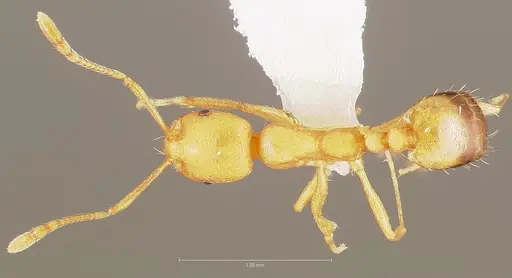
CASENT0008625
View on AntWeb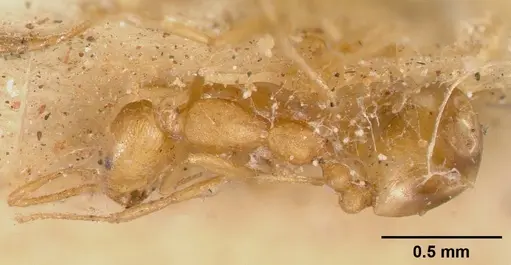
CASENT0101472
View on AntWeb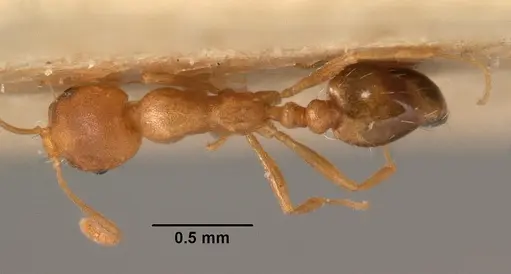
CASENT0102330
View on AntWeb
CASENT0102682
View on AntWeb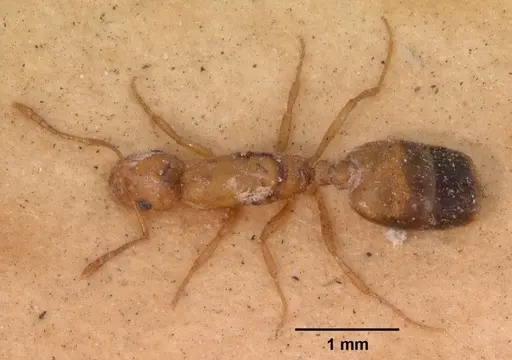
CASENT0104094
View on AntWeb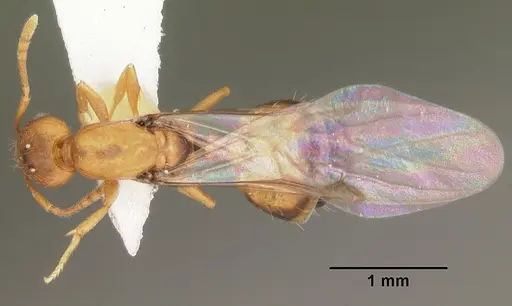
CASENT0104095
View on AntWeb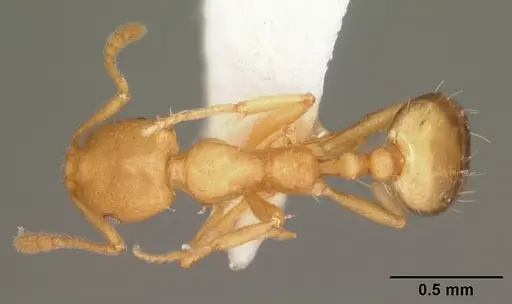
CASENT0137619
View on AntWeb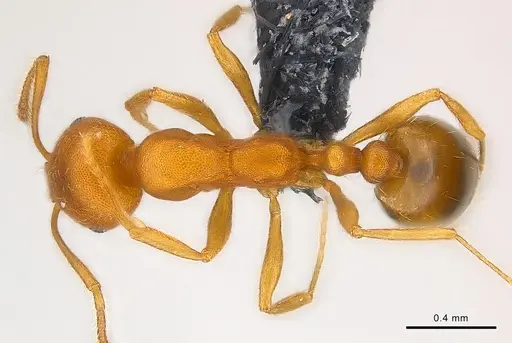
CASENT0171086
View on AntWeb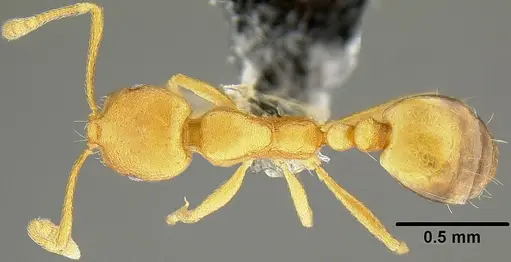
CASENT0173275
View on AntWeb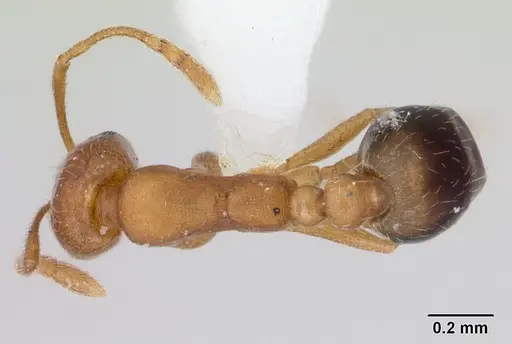
CASENT0173986
View on AntWeb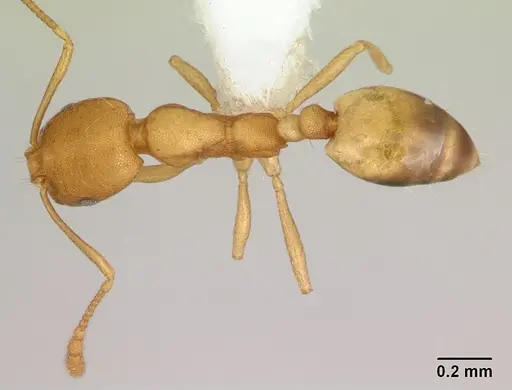
CASENT0178381
View on AntWeb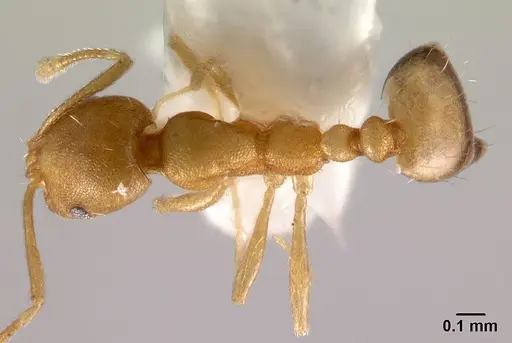
CASENT0178382
View on AntWeb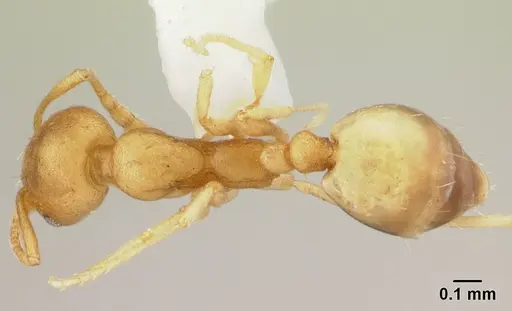
CASENT0179469
View on AntWeb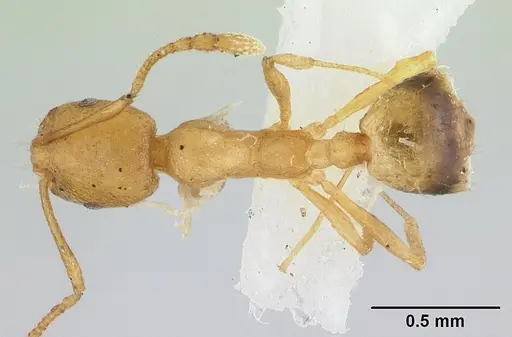
CASENT0246072
View on AntWeb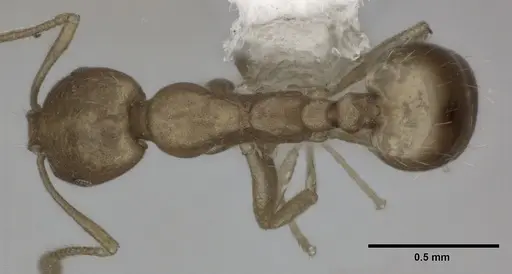
CASENT0246073
View on AntWeb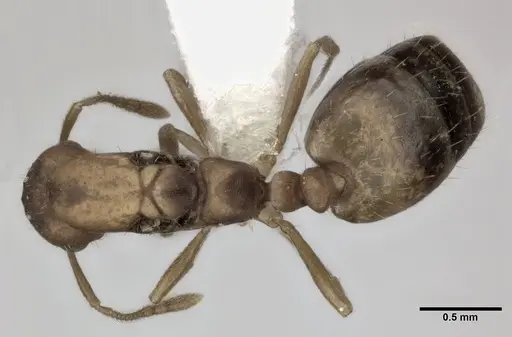
CASENT0246074
View on AntWeb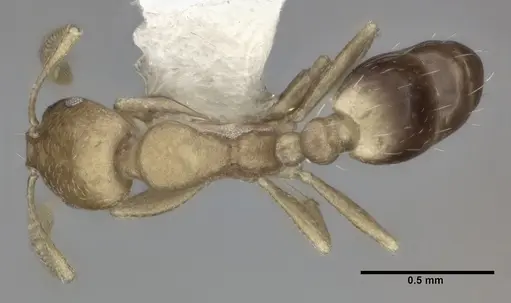
CASENT0645544
View on AntWeb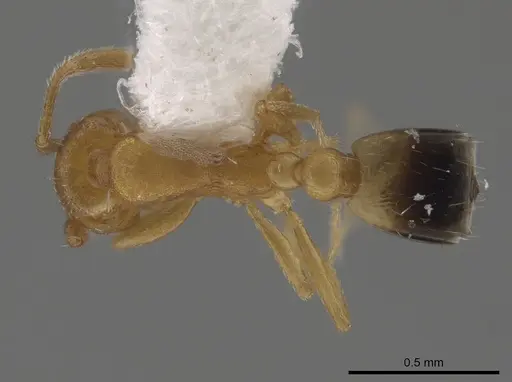
CASENT0740784
View on AntWeb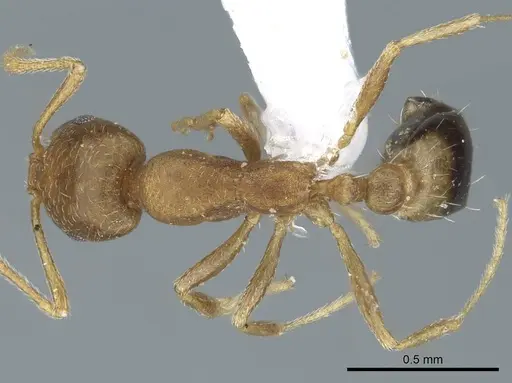
CASENT0904634
View on AntWeb
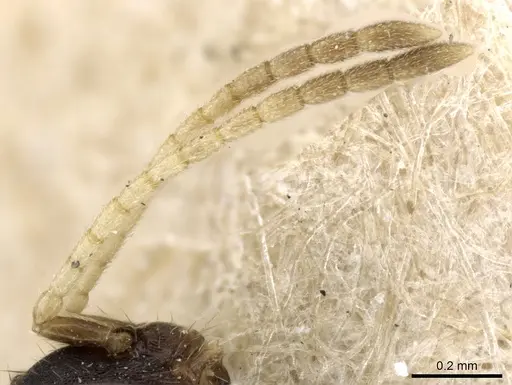
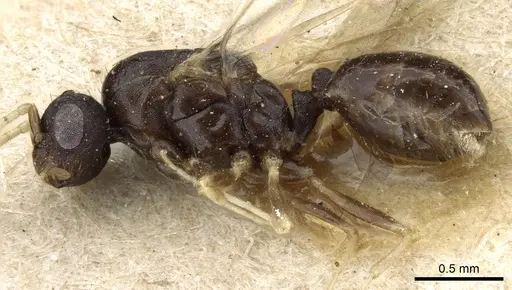
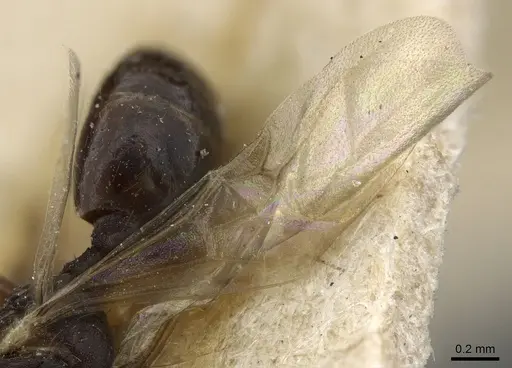
CBUMAGENT41922
View on AntWeb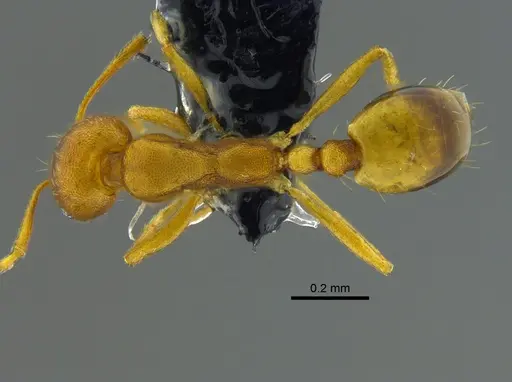
CSIRONC0179
View on AntWeb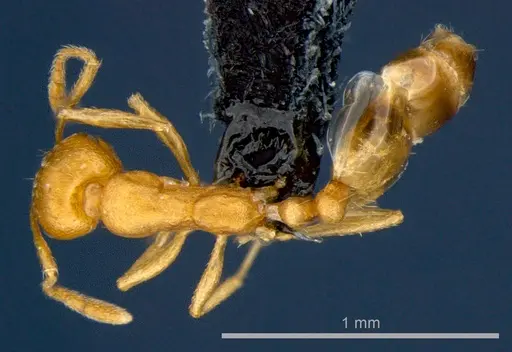
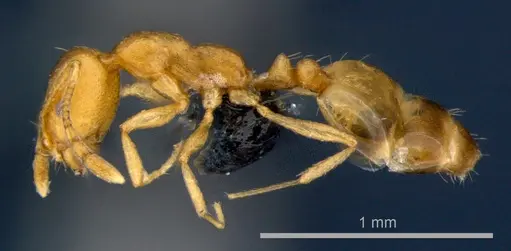
ECOFOG-BUG-0293-05
View on AntWeb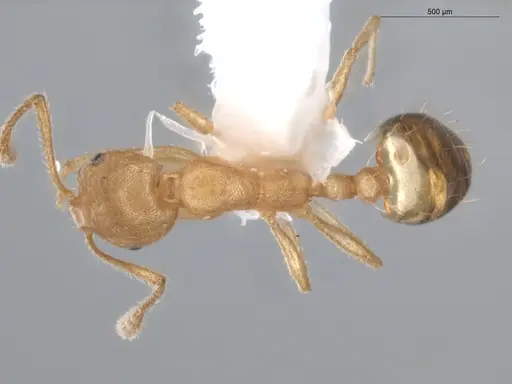
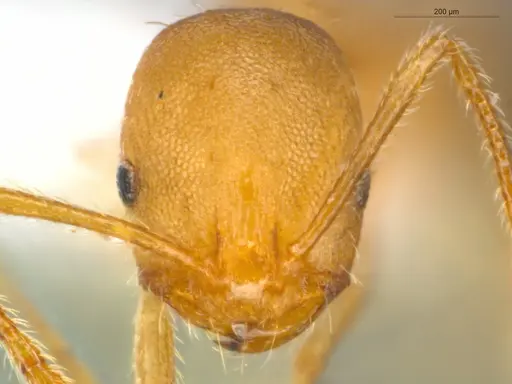
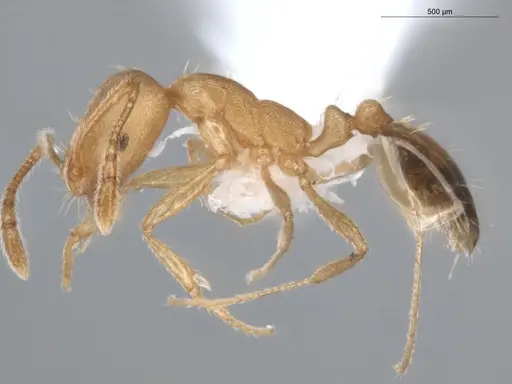
ECOFOG-BUG-0302-01
View on AntWeb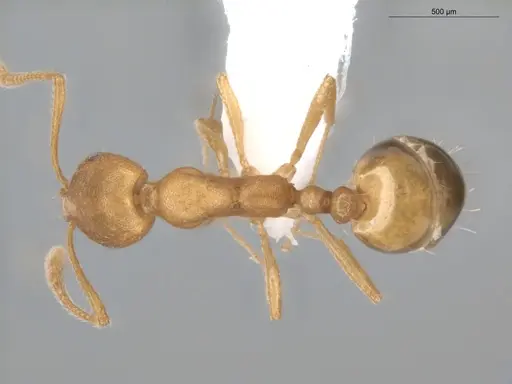
ICCDRS0013052
View on AntWeb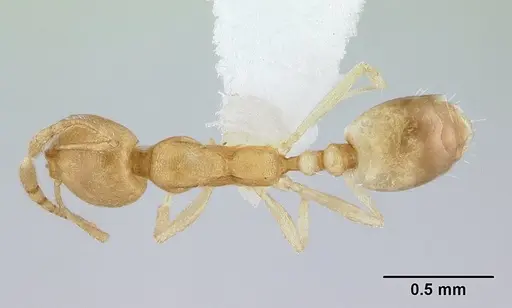
RMCAENT000017769
View on AntWeb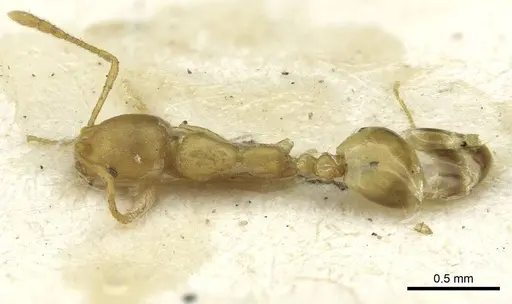
Literature
Loading...Loading products...