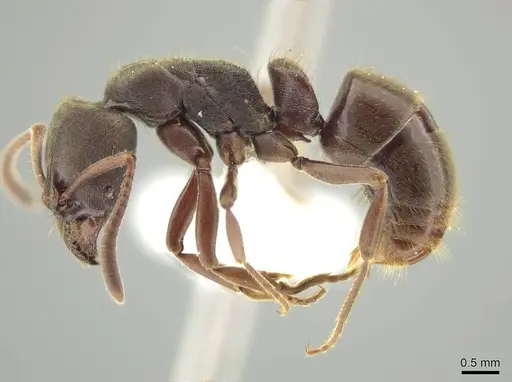
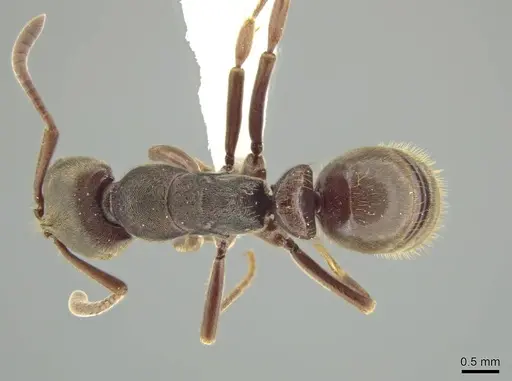
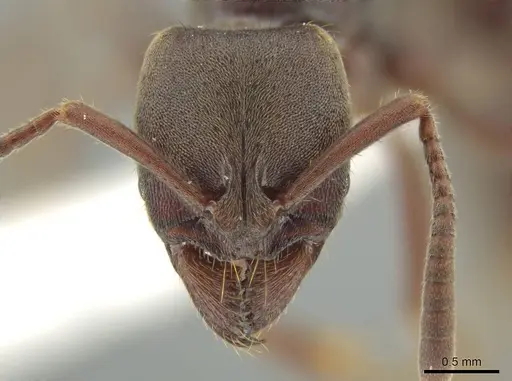
Rasopone mesoamericana - "Mesoamerican Rasopone Ant"
Rasopone mesoamericana is a fascinating ant species belonging to the Ponerinae subfamily, known for its cryptic nature and subtle morphological differences within its genus. These ants are generally found in forested habitats, particularly in cloud forests of Central America. Like other Rasopone species, they are primarily subterranean, foraging in leaf litter and rotten wood. While not a widely kept species in antkeeping, their unique behaviors and habitat preferences make them an intriguing subject for experienced keepers. Their queens and workers are quite similar in appearance, with queens distinguishable by larger compound eyes and the presence of ocelli.
- Difficulty: Hard
- Origin & Habitat: Central America (Guatemala, Mexico, Honduras, Nicaragua, Costa Rica) in Cloud forests, tropical montane evergreen forests, primary rainforests, often found in leaf litter and rotten wood at elevations between 1,000 and 2,000 meters..
- Colony Type: Monogyne (single queen), claustral founding.
- Size & Growth:
- Queen: Not specified
- Worker: Not specified
- Colony: Small (hundreds). Slow growth.
- Antkeeping:
- Temperature: Maintain a temperature range between 21-26°C for the nest, with the outworld potentially slightly warmer (25-30°C) if a gradient is desired..
- Humidity: The nest requires a humidity level of 50-70%, with specific chambers for brood potentially needing higher moisture. If providing a granary area for seeds, ensure lower humidity (10-50%) to prevent mold..
- Diapause: Not required. Not specified at Not specified.
- Nesting: These ants prefer nesting in soil and rotten wood. For artificial setups, a naturalistic setup with a substrate mix resembling their natural environment is ideal. A test tube setup is recommended for founding colonies, and they generally prefer smaller, appropriately sized nests to avoid stress..
- Behavior: Medium (towards prey, potentially defensive towards handler if disturbed) aggressiveness.
- Common Issues: Colony stalling due to stress, Mold in nest due to excess humidity/uneaten food, Mites, Dehydration, Overfeeding leading to waste.
One of the key considerations for keeping Rasopone mesoamericana is replicating their natural cloud forest habitat. These ants thrive in specific environmental conditions, particularly concerning humidity and temperature. It's crucial to maintain a consistent humidity gradient within their formicarium, with some areas slightly more moist for the brood and drier sections for food storage. This mimics the varied microclimates they experience in their natural rotten wood and leaf litter nests.
Patience is paramount when keeping Rasopone mesoamericana, especially during the founding stage and early colony growth. Like many Ponerine ants, their initial development can be quite slow, with the queen taking a significant amount of time to produce her first workers. Over-checking on a founding queen can cause immense stress, potentially leading to egg consumption or a halt in egg-laying, which can be detrimental to the colony's establishment.
Feeding these ants requires attention to detail. While Ponerine ants are generally predatory, attracting them to carrion in the wild, providing a balanced diet of protein and sugars is essential for a captive colony. Freshly killed insects like crickets or mealworms should be offered for protein, crucial for the queen's egg production and larval development. A sugar source, such as diluted honey or ant nectar, will provide energy for the workers. Ensure the food is in manageable amounts to prevent waste and mold.
Rasopone mesoamericana are sensitive to vibrations and excessive light exposure, particularly when establishing a new colony or during critical development stages. Placing their setup in a quiet, undisturbed location away from direct light will significantly reduce stress. Good ventilation within the nest and outworld is also vital to prevent ammonia buildup from waste, which can harm the colony. Regularly remove uneaten food and waste to maintain a clean and healthy environment.
Given their elusive nature and specific habitat requirements, Rasopone mesoamericana are generally considered a challenging species for antkeepers. They are not as commonly kept as some other ant species, and detailed care information can be limited. Enthusiasts looking to keep this species should be prepared for a dedicated approach, focusing on creating a stable, naturalistic environment and closely observing their colony's behavior to adapt care as needed.