

Rasopone cryptergates
- Scientific Name
- Rasopone cryptergates
- Tribe
- Ponerini
- Subfamily
- Ponerinae
- Author
- Longino & Branstetter, 2020
- Distribution
- Found in 1 countries
Rasopone cryptergates Overview
Rasopone cryptergates is an ant species of the genus Rasopone. It is primarily documented in 1 countries , including Costa Rica. Detailed taxonomic data and occurrence records can be further explored via authoritative databases such as AntWeb or the Global Biodiversity Information Facility (GBIF).
Rasopone cryptergates
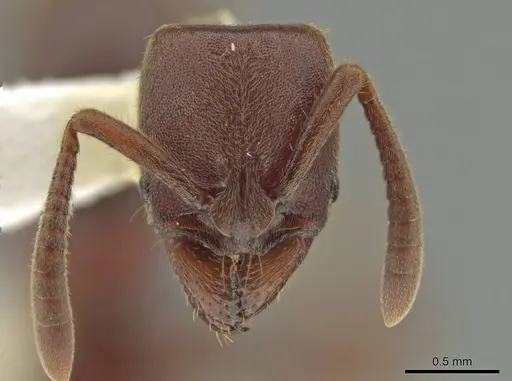
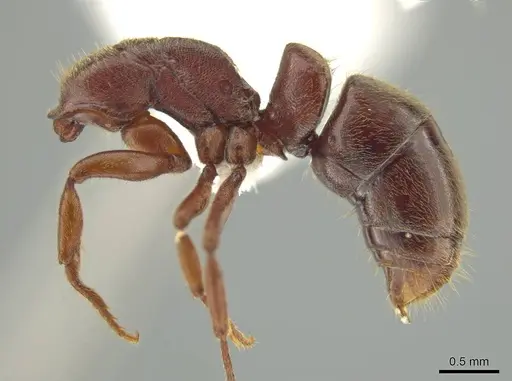
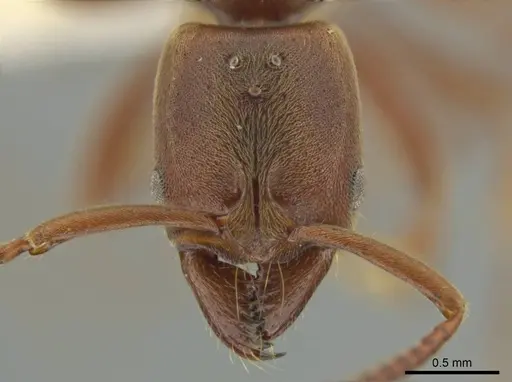
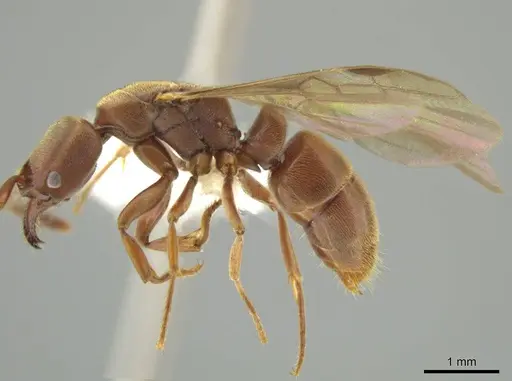
Rasopone cryptergates is a medium-sized Ponerine ant native to the lowland rainforests of Costa Rica. Workers measure around 1.07mm in head width, while queens are slightly larger at 1.10-1.23mm [1]. The species was formally described in 2020 and is found at elevations from sea level to 500m [1]. Like other Ponerines, they possess a functional stinger and are predatory by nature. The genus Rasopone contains several Neotropical species that are typically ground-dwelling predators in forest habitats.
Quick Summary
- Difficulty: Medium
- Origin & Habitat: Costa Rica, lowland rainforest environments from sea level to 500m elevation [1].
- Colony Type: Colony structure is not well documented. Only a single worker has been recorded from Winkler samples, while multiple alate queens have been collected in Malaise traps, light traps, and flight intercept traps across different months [1]. This suggests the species may be more subterranean than related species.
- Size & Growth:
- Queen: 1.10-1.23mm head width [1]
- Worker: 1.07mm head width [1]
- Colony: Unknown, limited collection data available
- Growth: Moderate, inferred from Ponerine patterns
- Development: Estimated 6-10 weeks based on typical Ponerine development in tropical conditions (Development timeline is not directly studied for this species. Ponerine ants in tropical environments typically develop faster than temperate species.)
- Antkeeping:
- Temperature: Keep at 24-28°C, reflecting their lowland tropical rainforest origin. A gentle gradient allowing workers to self-regulate is ideal.
- Humidity: High humidity (70-85%), these are rainforest ants that prefer consistently moist conditions. Keep the nest substrate damp but not waterlogged.
- Diapause: No, being a tropical species, they do not require hibernation. Maintain consistent warm temperatures year-round.
- Nesting: Natural nesting occurs in soil and rotting wood in forest floors. In captivity, a naturalistic setup with moist substrate or a plaster/acrylic nest with high humidity works well. They likely prefer dark, humid nest chambers.
- Behavior: Ponerine ants are typically predatory and may have more active hunting behaviors compared to many common ant genera. Workers are moderate-sized and likely forage on the forest floor. They possess a functional stinger and can deliver a painful sting if threatened. Escape prevention should be moderate, they're not tiny but active foragers. They are likely more secretive given the evidence of subterranean habits.
- Common Issues: high humidity maintenance is critical, dry conditions will stress and kill colonies, tropical species cannot tolerate cold temperatures, keep above 24°C year-round, predatory diet requirements mean they need live prey, sugar alone is insufficient, limited availability in the antkeeping hobby due to recent description and restricted range, stinging capability means handling should be minimal and cautious
Temperature and Care
As a lowland tropical species from Costa Rica, Rasopone cryptergates requires warm and humid conditions. Maintain temperatures between 24-28°C year-round, these ants do not tolerate cool conditions and may become sluggish below 24°C. A heating cable on one side of the nest can create a temperature gradient, allowing workers to regulate their own temperature by moving between warmer and cooler areas. Humidity should be kept high at 70-85%. The nest substrate should remain consistently moist but never waterlogged. These ants likely prefer darker nest chambers given evidence they may be more subterranean than related species. Avoid placing the nest in direct sunlight or in areas with significant temperature fluctuations. [1]
Feeding and Diet
Rasopone belongs to the Ponerinae subfamily, which contains predatory ants that hunt and subdue prey with their stingers. In captivity, offer a diet consisting primarily of small live invertebrates such as fruit flies, small crickets, mealworms, and other appropriately-sized prey items. As with other Ponerines, they likely require regular protein intake for brood development. Sugar sources such as honey or sugar water may be accepted but should not be the primary food source. Feed prey items 2-3 times per week, adjusting based on colony size and consumption rates. Remove uneaten prey after 24-48 hours to prevent mold issues in the humid environment they require. [1]
Nesting Preferences
In their natural habitat in Costa Rican lowland rainforests, Rasopone cryptergates nests in soil and rotting wood on the forest floor [1]. They appear to be more subterranean than some related species, possibly spending significant time underground [1]. For captive care, a naturalistic setup with moist soil and rotting wood pieces works well. Alternatively, a plaster or acrylic nest with built-in water chambers can maintain the high humidity they require. The nest chambers should be relatively dark, these ants seem to prefer concealed spaces. Ensure the nest has adequate ventilation to prevent mold while maintaining humidity.
Behavior and Temperament
Ponerine ants are generally more active and aggressive compared to many common ant genera like Camponotus or Formica. Rasopone cryptergates possesses a functional stinger, and like other Ponerines, they can deliver a painful sting when threatened. Workers are moderate-sized and likely forage actively on the forest floor in search of prey. The species appears to be more secretive or subterranean than some relatives, which means colonies may not be as visible outside the nest as some other ants. Handle the colony minimally and avoid disturbing the nest frequently. Escape prevention should be moderate, while not tiny, active foragers can find their way out of poorly secured enclosures. [1]
Colony Establishment
Limited data exists on the founding behavior of Rasopone cryptergates. Queen specimens have been collected in January, February, March, May, and September, suggesting nuptial flights may occur during multiple periods across the year in the tropics [1]. Only one worker has been documented from standard Winkler sampling, while multiple alate queens have been caught in Malaise and light traps [1]. This pattern suggests the species may spend considerable time underground where workers are less likely to be captured. For colony founding, provide a claustral setup with a queen in a moist test tube or similar chamber. Expect the first workers (nanitics) to emerge after several weeks to months, depending on temperature and feeding conditions.
Frequently Asked Questions
How long does it take for Rasopone cryptergates to produce first workers?
The exact development timeline is not documented for this species. Based on typical Ponerine development in tropical conditions, expect 6-10 weeks from egg to first worker at optimal temperatures around 26°C. Development may take longer if temperatures are on the cooler end of their range.
What temperature do Rasopone cryptergates need?
Keep them at 24-28°C year-round. Being a tropical lowland species from Costa Rica, they do not tolerate cool temperatures and require consistent warmth. A slight temperature gradient allowing self-regulation is ideal.
Are Rasopone cryptergates good for beginners?
This species is rated as medium difficulty. While not the most challenging ant to keep, they require specific conditions (high humidity, warm temperatures, live prey diet) that may be more demanding than beginner-friendly species. They are also rarely available in the hobby due to their recent description and restricted range.
What do Rasopone cryptergates eat?
They are predatory ants that require live invertebrate prey. Offer small insects such as fruit flies, small crickets, mealworms, and similar prey items 2-3 times per week. Sugar sources may be accepted but should not be the primary food. Remove uneaten prey promptly.
Do Rasopone cryptergates need hibernation?
No. As a tropical species from Costa Rica, they do not require hibernation or diapause. Maintain warm temperatures (24-28°C) year-round. Cool temperatures can stress and potentially kill these ants.
How big do Rasopone cryptergates colonies get?
Colony size is not well documented due to limited field data. Based on related Ponerine species, colonies likely reach several hundred workers at maturity. The limited worker captures in field samples suggest they may maintain smaller, more secretive colonies.
Can I keep multiple Rasopone cryptergates queens together?
Colony structure (monogyne vs polygyne) has not been documented for this species. Until more information is available, it is not recommended to combine unrelated queens. Ponerine queens can be territorial and may fight if housed together.
What humidity level do Rasopone cryptergates need?
High humidity at 70-85% is required. These are rainforest ants that need consistently moist conditions. Keep the nest substrate damp but not waterlogged. Drying out is a common cause of colony failure with this species.
When do Rasopone cryptergates queens fly?
Alate queens have been collected in January, February, March, May, and September in Costa Rica [1]. This suggests nuptial flights may occur during multiple periods throughout the year in their tropical habitat.
References

This caresheet is licensed under CC BY-SA 4.0 .
INB0003660648
View on AntWeb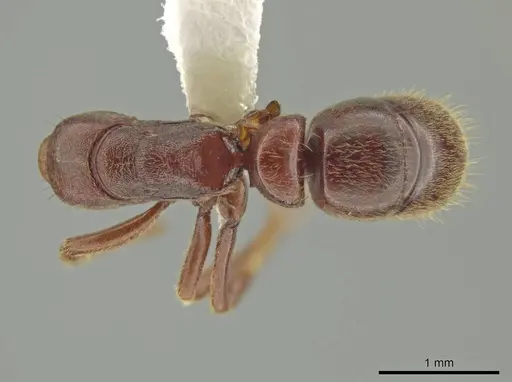
JTLC000008527
View on AntWeb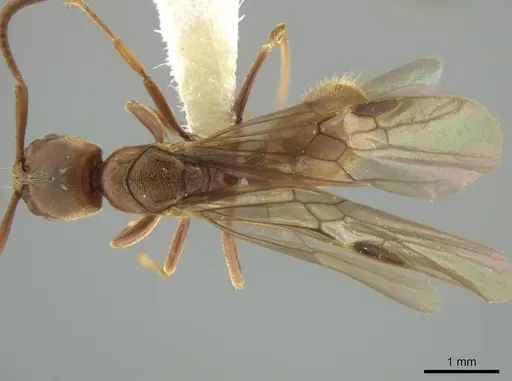
Literature
Loading...Loading products...