

Rasopone cubitalis
- Scientific Name
- Rasopone cubitalis
- Tribe
- Ponerini
- Subfamily
- Ponerinae
- Author
- Longino & Branstetter, 2020
- Distribution
- Found in 1 countries
Rasopone cubitalis Overview
Rasopone cubitalis is an ant species of the genus Rasopone. It is primarily documented in 1 countries , including Costa Rica. Detailed taxonomic data and occurrence records can be further explored via authoritative databases such as AntWeb or the Global Biodiversity Information Facility (GBIF).
Rasopone cubitalis
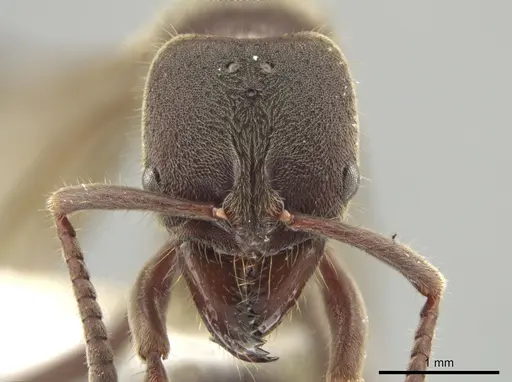
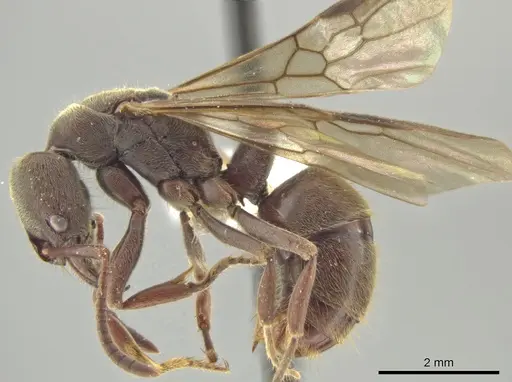
Rasopone cubitalis is a medium-sized Ponerine ant native to the lowland rainforests of southern Nicaragua and Costa Rica, found at elevations between 160-880m [1]. Workers measure approximately 1.56mm in head width, while queens are about 1.17x larger at 1.82mm head width [1]. The species was only recently described in 2020,making it one of the newer additions to the ant-keeping hobby. They feature smooth and shiny mandibles, a short sinuous anterior clypeal margin, and abundant erect setae on the face and sides of the head [1]. The petiole is notably cuboidal in shape [1]. This species nests in clay banks in wet forest environments [1].
Quick Summary
- Difficulty: Medium
- Origin & Habitat: Lowland rainforest of southern Nicaragua to Costa Rica, elevation 160-880m [1]. Wet forest habitat with clay bank nesting sites.
- Colony Type: Colony structure is unconfirmed. A colony was observed with two workers and a larva in a clay bank nest [1]. Alate queens have been collected in October, suggesting nuptial flights occur during this period.
- Size & Growth:
- Queen: 1.82mm head width (approximately 9-10mm total length estimated) [1]
- Worker: 1.50-1.65mm head width (approximately 6-7mm total length estimated) [1]
- Colony: Unknown, no colony size data available
- Growth: Unknown, no development data available
- Development: Unknown, estimated 8-12 weeks based on typical Ponerinae patterns at 24-26°C (No direct development data exists for this species. Estimates based on related Ponerine ants.)
- Antkeeping:
- Temperature: Keep at 24-27°C. This range reflects their native lowland rainforest habitat in Central America. A slight gradient allowing cooler areas (22-24°C) is recommended.
- Humidity: High humidity required, aim for 70-85%. Their natural wet forest habitat and clay bank nesting indicate they prefer consistently moist conditions without being waterlogged.
- Diapause: Likely minimal or no true diapause. As a tropical species from Costa Rica/Nicaragua, they may experience reduced activity during the dry season (roughly December-April) but do not require cold hibernation.
- Nesting: Clay bank nesting in nature suggests they prefer stable, humid nest conditions. Y-tong (AAC) nests or plaster nests with good moisture retention work well. Provide a humid outworld as well.
- Behavior: Ponerine ants are typically predatory and may have functional stingers. This species is likely more defensive compared to many common hobby ants. Workers are moderately sized and likely forage on the ground surface. Escape prevention should be good, medium-sized ants are not extreme escape artists but still require secure barriers. Their sting, if present, may be noticeable given the Ponerine family typically has functional stingers.
- Common Issues: limited availability, this is a newly described species (2020) and may be difficult to source, no captive breeding data exists, wild colonies are the primary source, high humidity requirements can lead to mold issues if ventilation is poor, predatory diet needs may be challenging for beginners, tropical species may not tolerate temperature drops
Housing and Nest Setup
Rasopone cubitalis requires high humidity housing that mimics their natural clay bank nesting habitat in Costa Rican wet forests. Y-tong (acrylic aerated concrete) nests or plaster nests work well because they retain moisture while providing a dark, stable environment. The nest chambers should be appropriately sized for medium-sized ants, avoid overly large spaces. A humid outworld is essential since they likely forrage in moist conditions. Use a water reservoir or misting system to maintain humidity in the 70-85% range. Good ventilation is necessary to prevent mold, but avoid excessive airflow that dries the nest. Test tube setups can work for founding colonies if the cotton is kept moist and the tube is placed in a humid container. [1]
Feeding and Diet
As a Ponerine ant, Rasopone cubitalis is likely primarily predatory, feeding on small invertebrates in nature. In captivity, offer small live prey such as fruit flies, pinhead crickets, small mealworms, and other appropriately sized insects. They may accept protein-based commercial ant foods, but live prey is ideal for maintaining healthy colonies. Sugar sources like honey or sugar water may be accepted occasionally, but Ponerines typically focus on protein. Feed every 2-3 days for established colonies, removing uneaten prey after 24 hours to prevent mold. Founding colonies should be fed small prey items weekly. [1]
Temperature and Seasonal Care
Maintain temperatures between 24-27°C for optimal colony health and development. This reflects their native lowland rainforest environment in Costa Rica and Nicaragua. A temperature gradient allowing workers to choose their preferred zone is beneficial. Room temperature in most homes may be insufficient, use a heating cable or mat on one side of the nest if needed. As a tropical species, they do not require hibernation. However, they may experience reduced activity during the dry season (approximately December to April in their native range). During this period, you can reduce feeding frequency slightly and allow temperatures to drop a few degrees, but maintain basic warmth. Avoid temperatures below 20°C for extended periods. [1]
Behavior and Handling
Rasopone cubitalis is a Ponerine ant, and Ponerinae subfamily members typically have functional stingers. Expect defensive behavior when the nest is disturbed. They are not aggressive hunters like some other Ponerines, but will sting if threatened. The sting pain level is not documented but is likely noticeable given the ant's size. Workers are moderately sized and relatively robust. They likely forage on the ground rather than climbing extensively. Escape prevention should be standard for medium ants, they are not extreme escape artists but secure barriers are still important. Use standard barrier methods like fluon on test tube rims or formicarium openings. [1]
Colony Establishment
This species was only described in 2020,so captive breeding information is extremely limited [1]. Wild-caught colonies are the primary source for keepers. When collecting from the wild, look for their characteristic clay bank nests in wet forest areas of Costa Rica or Nicaragua. Queens have been captured as alates in October, suggesting this is the nuptial flight period [1]. If you obtain a founding queen, treat her as claustral (queen seals herself in and raises first workers alone on stored fat reserves) until proven otherwise, this is typical for Ponerinae. Provide a humid, dark founding chamber and do not disturb until workers emerge. Initial colonies will be small, be patient as growth is likely slow.
Frequently Asked Questions
How long does it take for Rasopone cubitalis to go from egg to worker?
The exact development time is unknown, this species has no captive breeding data. Based on typical Ponerinae development at 24-26°C, estimate 8-12 weeks from egg to first worker. Expect patience to be required.
What do Rasopone cubitalis eat?
They are likely primarily predatory, feeding on small invertebrates. In captivity, offer small live prey like fruit flies, pinhead crickets, and small mealworms. They may accept commercial protein foods, but live prey is ideal.
Are Rasopone cubitalis good for beginners?
No. This is a difficult species for beginners due to limited availability (only described in 2020), high humidity requirements, predatory diet needs, and likely defensive behavior. They are best suited for experienced antkeepers who can provide stable tropical conditions.
What temperature do Rasopone cubitalis need?
Keep them at 24-27°C. This tropical species from Costa Rica and Nicaragua requires warm, stable temperatures. Room temperature alone is likely insufficient, supplemental heating is usually needed.
Do Rasopone cubitalis need hibernation?
No. As a tropical species from Central America, they do not require cold hibernation. They may experience reduced activity during the dry season (December-April), but no cold period is needed.
How big do Rasopone cubitalis colonies get?
Unknown. No colony size data exists for this species. Based on related Ponerines, colonies likely reach several hundred workers at most, not reaching the massive sizes of some other ant genera.
Can I keep multiple Rasopone cubitalis queens together?
Unknown. The colony structure of this species has not been studied. Do not attempt to combine unrelated queens, there is no data on whether they accept pleometrosis (multiple queen founding) or are strictly single-queen.
What humidity do Rasopone cubitalis require?
High humidity at 70-85%. Their native wet forest habitat and clay bank nesting indicate they need consistently moist conditions. Dry conditions will likely be fatal to colonies.
When do Rasopone cubitalis have nuptial flights?
Based on an alate queen collected in October, nuptial flights likely occur around October in their native range [1]. This corresponds to the end of the wet season in Costa Rica.
Where is Rasopone cubitalis found in the wild?
Southern Nicaragua to Costa Rica, in lowland rainforest at elevations of 160-880m [1]. They nest in clay banks in wet forest areas.
Is Rasopone cubitalis available in the antkeeping hobby?
Very rarely. This species was only described in 2020 and is not commonly kept. Wild-caught colonies from Costa Rica or Nicaragua are the primary source. Availability is extremely limited compared to common hobby species.
References

This caresheet is licensed under CC BY-SA 4.0 .
CASENT0635091
View on AntWeb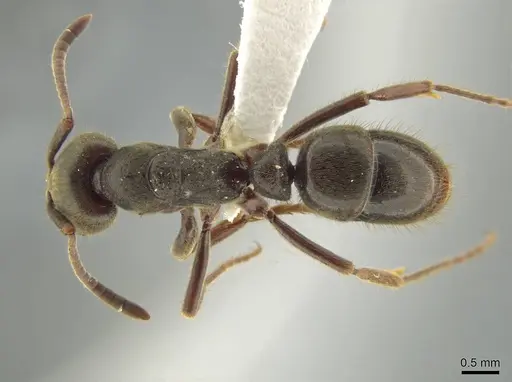
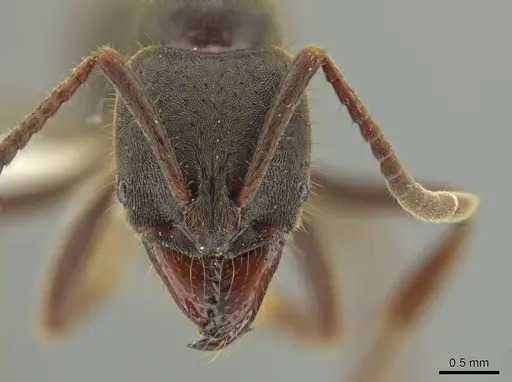
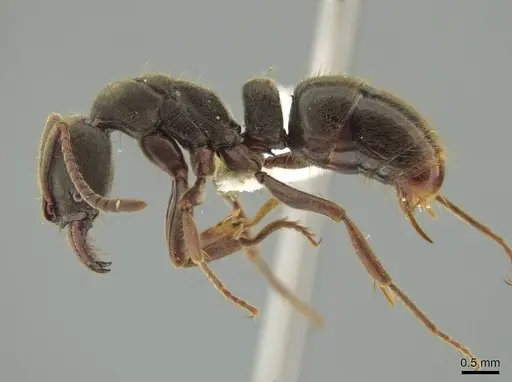
INB0003662382
View on AntWeb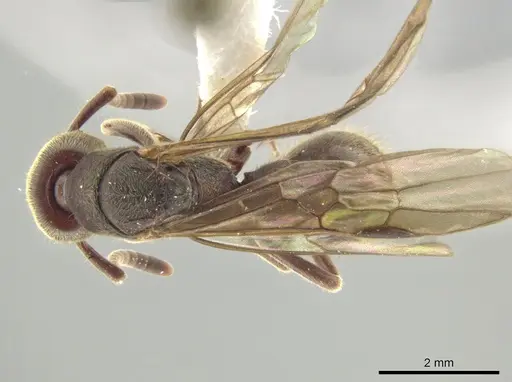
Literature
Loading...Loading products...