

Rasopone rupinicola
- Scientific Name
- Rasopone rupinicola
- Tribe
- Ponerini
- Subfamily
- Ponerinae
- Author
- MacKay & MacKay, 2010
- Distribution
- Found in 1 countries
Rasopone rupinicola Overview
Rasopone rupinicola is an ant species of the genus Rasopone. It is primarily documented in 1 countries , including Colombia. Detailed taxonomic data and occurrence records can be further explored via authoritative databases such as AntWeb or the Global Biodiversity Information Facility (GBIF).
Rasopone rupinicola
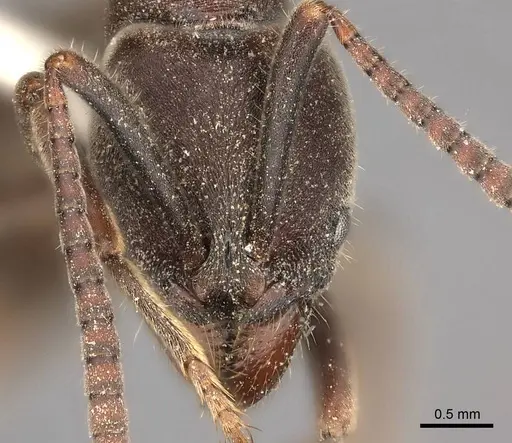
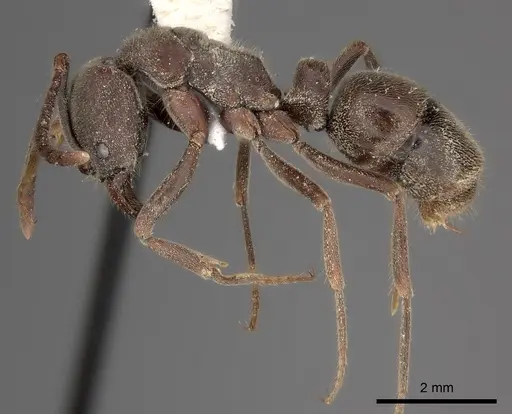
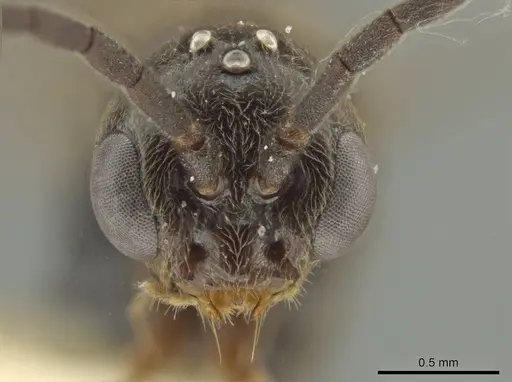
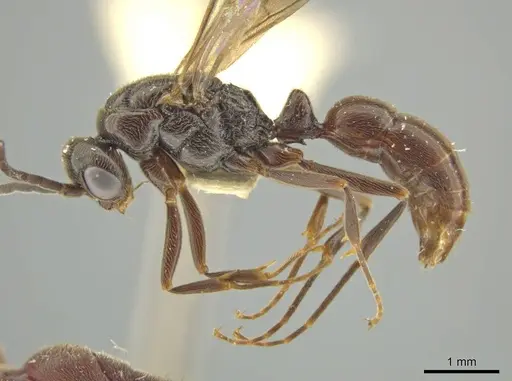
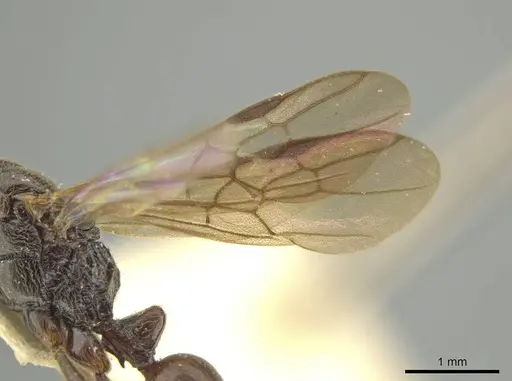
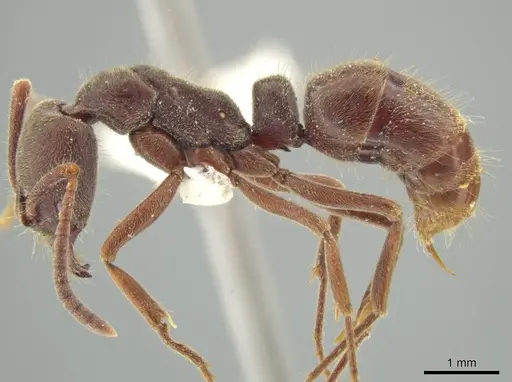
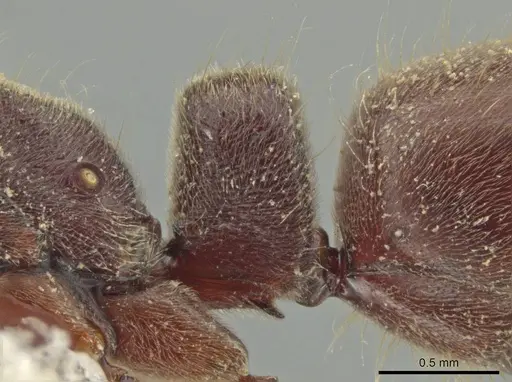
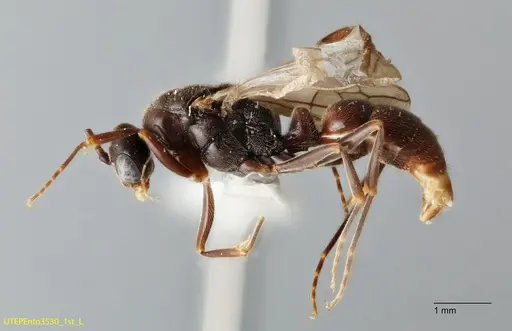
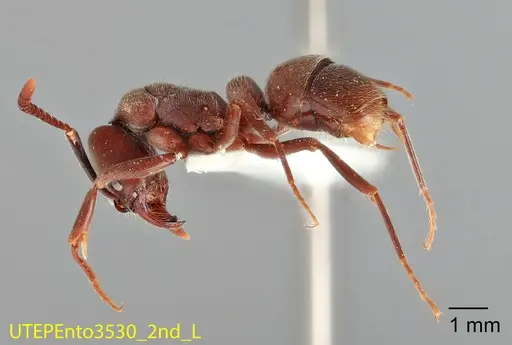
Rasopone rupinicola is a moderately small reddish-brown ant native to the tropical forests of Panama and Colombia. Workers reach about 7mm in total length, making them larger than most Central American Rasopone species [1]. They have distinctive rectangular-shaped petioles when viewed from the side and circular propodeal spiracles. Their eyes are relatively large for the genus, and their antennal scapes extend past the posterior corner of the head by nearly two diameters. This species inhabits diverse forest types including second growth rain forest, cloud forest, and rocky tropical canyons [2][3]. The biology of this species remains largely unknown, with winged reproductives observed in June nests [4].
Quick Summary
- Difficulty: Unknown, limited data available
- Origin & Habitat: Panama and Colombia, found in second growth rain forest, cloud forest, clearing in secondary forest, and rocky tropical canyons at elevations from 300m to 975m [2][3][4]
- Colony Type: Colony structure unconfirmed, no data on queen number or colony organization
- Size & Growth:
- Queen: 8-9mm [4]
- Worker: ~7mm total length, HW 1.70mm, HL 1.95mm, SL 1.80mm [1][4]
- Colony: Unknown, no colony size data available
- Growth: Unknown, no development data available
- Development: Unknown, estimated 6-10 weeks based on typical Ponerinae patterns at tropical temperatures (No direct development data exists for this species. Estimates based on related Ponerinae ants at 24-26°C.)
- Antkeeping:
- Temperature: Keep at 22-26°C, they inhabit tropical forests so warmth is important. A gentle gradient allowing cooler areas is recommended.
- Humidity: High humidity required, think damp rainforest conditions. Keep substrate consistently moist but not waterlogged.
- Diapause: Unlikely, tropical species from Panama and Colombia does not require hibernation [4]
- Nesting: Natural nesting in leaf litter and rocky areas suggests a naturalistic setup with moist substrate works well. Y-tong or plaster nests with good humidity retention are suitable.
- Behavior: Ponerinae ants are typically predatory with functional stingers. Expect active hunters that will readily tackle small live prey. Workers are moderately sized and likely moderately aggressive in defense of the colony. Escape prevention should be good, they are not tiny ants but standard mesh barriers are recommended.
- Common Issues: limited biological data makes care recommendations uncertain, no information on founding behavior or colony development timeline, predatory diet may be challenging to provide for beginners, humidity requirements must be met or colonies may fail
Origin and Distribution
Rasopone rupinicola is found only in Panama and Colombia. In Colombia, it is known from the Valle del Cauca region near Buenaventura at approximately 300m elevation in lowland wet forest [2][3][1]. A disjunct population exists in Panama at Cerro Campana in cloud forest at 975m elevation [1]. The species name 'rupinicola' comes from Latin meaning 'rocky chasm inhabitant, ' referring to its habitat in rocky tropical canyons [4]. This wide elevational range (300-975m) suggests the species can adapt to varying conditions within tropical forest environments.
Identification and Morphology
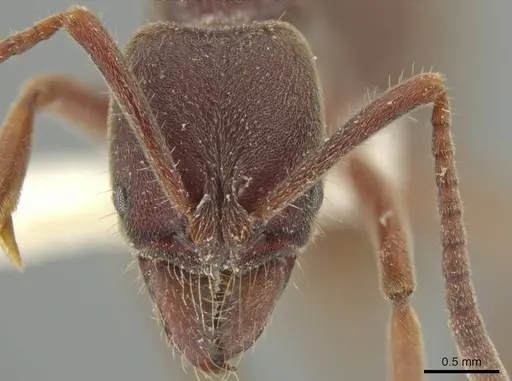
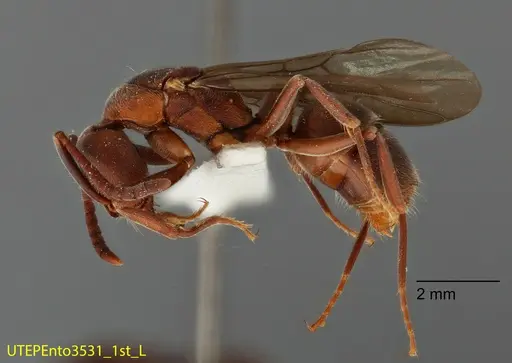
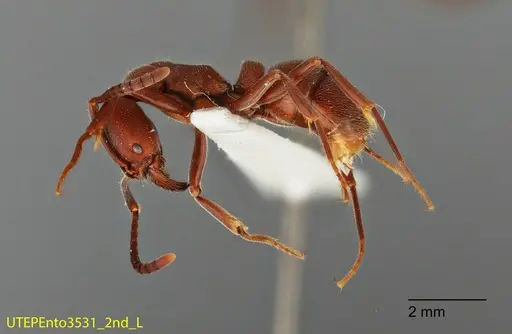
Workers are moderately small at about 7mm total length with a reddish-brown coloration. The species can be distinguished from related Rasopone species by its rectangular-shaped petiole when viewed from the side and its circular propodeal spiracle. R. rupinicola is larger than most Central American Rasopone species, with only R. titanis exceeding it in size. The eyes are relatively large for the genus and contain over 100 ommatidia. The antennal scapes are notably long, extending past the posterior lateral corner of the head by nearly two diameters [4][1]. Queens are slightly larger at 8-9mm total length.
Temperature and Care
As a tropical species from Panama and Colombia, Rasopone rupinicola requires warm temperatures. Aim for 22-26°C, which matches their natural range in tropical rainforests and cloud forests. Temperature gradients are beneficial, allowing ants to self-regulate their body temperature. Since they inhabit humid forest environments, maintain high humidity in the nest area, consistent moisture without waterlogging is key. Given the limited biological data available, observe colony behavior and adjust conditions accordingly. If workers cluster together excessively, the colony may be too cool, if they avoid the nest area, it may be too warm or dry.
Feeding and Diet
As a member of the subfamily Ponerinae, this species is likely predatory on small invertebrates. Ponerine ants typically hunt and capture prey using their stingers. In captivity, offer small live prey such as fruit flies, pinhead crickets, mealworms, and other appropriately sized insects. The large eyes suggest active hunting behavior. Since specific dietary preferences are unknown, offer a variety of small protein sources and observe what the colony accepts. Sugar sources may also be accepted but should not be the primary food. Remove uneaten prey promptly to prevent mold issues.
Nesting Preferences
In the wild, this species has been collected from leaf litter extraction and rocky areas in tropical forests. The name 'rupinicola' (rocky chasm inhabitant) indicates association with rocky habitats. For captive care, a naturalistic setup with moist substrate or a Y-tong/plaster nest that retains humidity works well. The species has been found in diverse habitats from second growth rain forest to cloud forest, suggesting adaptability to different nest conditions as long as humidity is maintained. Ensure the nest provides dark, humid chambers suitable for brood-rearing. [4]
Behavior and Temperament
Ponerinae ants possess functional stingers and are typically more aggressive in defense compared to many common ant genera. Workers are likely to defend the colony actively and may sting if threatened. The large eyes suggest active foraging and potentially visual hunting. No specific behavioral studies exist for this species, but expect typical ponerine behaviors: active predation, territorial defense, and relatively alert workers. Handle with care and use appropriate escape prevention. The species is not tiny, so standard barriers are usually sufficient, but vigilance is still recommended.
Frequently Asked Questions
How long does it take for Rasopone rupinicola to raise first workers?
The egg-to-worker development time is unknown for this species. Based on typical Ponerinae development at tropical temperatures (24-26°C), expect approximately 6-10 weeks from egg to worker emergence. This is an estimate only, as no specific data exists for R. rupinicola.
Do Rasopone rupinicola ants sting?
Yes, as members of the subfamily Ponerinae, they have functional stingers. Ponerine ants can sting when threatened, and the sting may be painful. Handle with care and avoid provoking the colony.
What do Rasopone rupinicola eat?
They are likely predatory on small invertebrates, typical of Ponerinae ants. Offer small live prey such as fruit flies, pinhead crickets, mealworms, and other appropriately sized insects. Sugar sources may also be accepted but should not be the primary food.
Are Rasopone rupinicola good for beginners?
This species is not recommended for beginners due to very limited biological data available. Care recommendations are largely inferred from related species and general Ponerinae biology. The species requires specific humidity and temperature conditions that may be challenging to maintain.
Do Rasopone rupinicola need hibernation?
No, they are tropical ants from Panama and Colombia and do not require hibernation. Maintain warm temperatures year-round (22-26°C).
How big do Rasopone rupinicola colonies get?
Colony size is unknown, no data exists on maximum colony size for this species. Based on related Ponerine ants, colonies likely reach several hundred workers at most.
Can I keep multiple Rasopone rupinicola queens together?
The colony structure (monogyne vs polygyne) is unconfirmed for this species. No data exists on whether multiple queens can be kept together successfully. Combining unrelated queens is not recommended without evidence they accept co-founding.
What temperature should I keep Rasopone rupinicola at?
Keep them at 22-26°C, mimicking their tropical forest habitat. A temperature gradient allowing cooler areas is beneficial. Both lowland (300m) and cloud forest (975m) populations suggest they can tolerate a range of conditions within the warm tropical range.
When do Rasopone rupinicola have nuptial flights?
Winged females and males have been observed in nests in June, suggesting nuptial flights likely occur during the rainy season in Panama and Colombia. Exact timing is not well documented.
References

This caresheet is licensed under CC BY-SA 4.0 .
CASENT0217567
View on AntWeb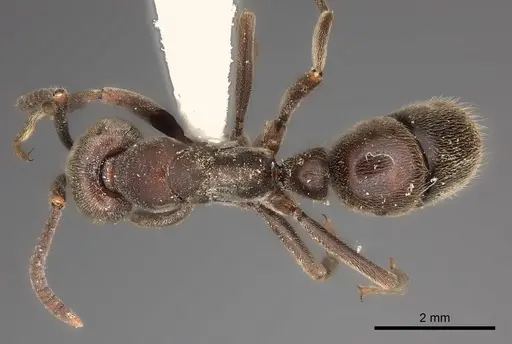
CASENT0645958
View on AntWeb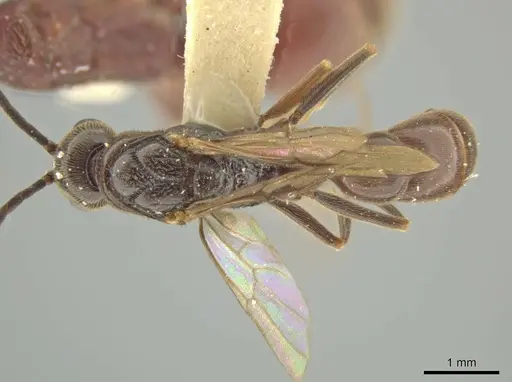
MCZ-ENT00716588
View on AntWeb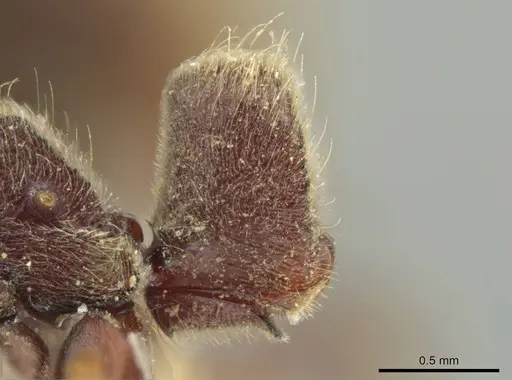
MCZ-ENT00716589
View on AntWeb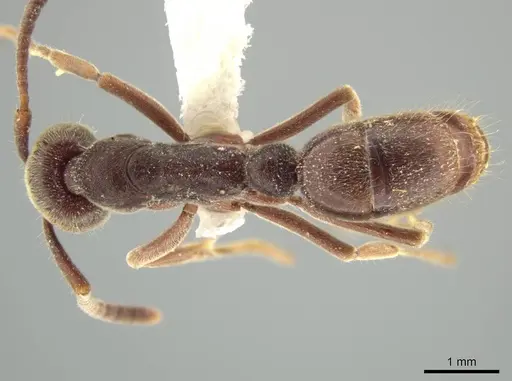
UTEPENTO3530-01
View on AntWeb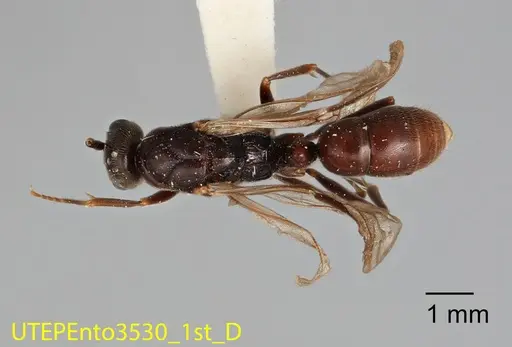
UTEPENTO3530-02
View on AntWeb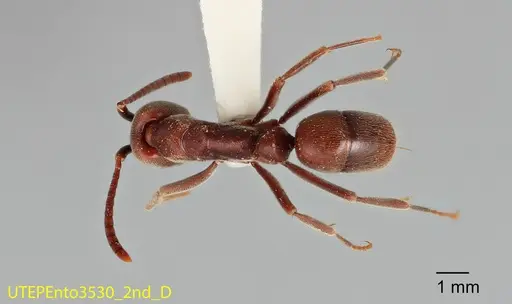
UTEPENTO3531-01
View on AntWeb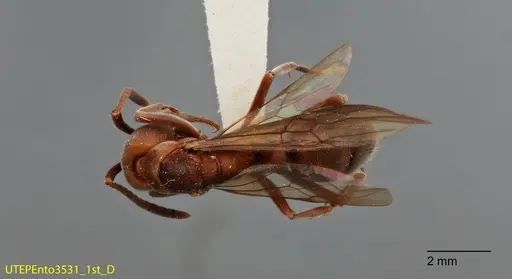
UTEPENTO3531-02
View on AntWeb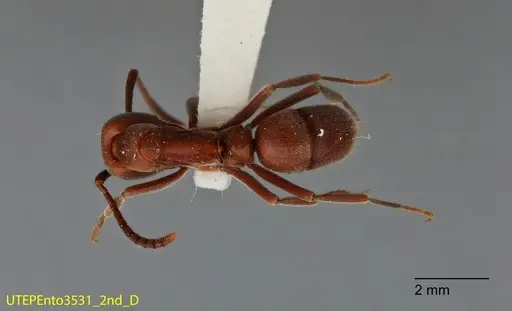
Literature
Loading...Loading products...