

Pseudomyrmex particeps
- Scientific Name
- Pseudomyrmex particeps
- Tribe
- Pseudomyrmecini
- Subfamily
- Pseudomyrmecinae
- Author
- Ward, 1993
- Distribution
- Found in 1 countries
Pseudomyrmex particeps Overview
Pseudomyrmex particeps is an ant species of the genus Pseudomyrmex. It is primarily documented in 1 countries , including Costa Rica. Detailed taxonomic data and occurrence records can be further explored via authoritative databases such as AntWeb or the Global Biodiversity Information Facility (GBIF).
Pseudomyrmex particeps
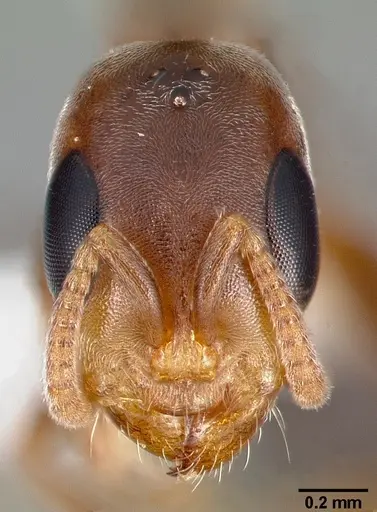
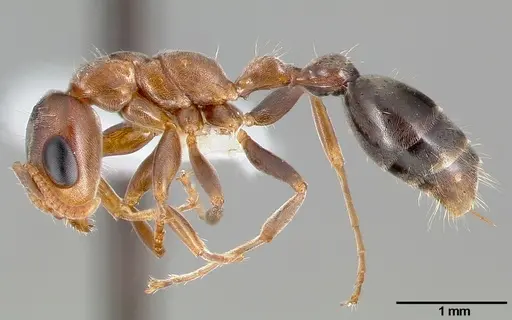
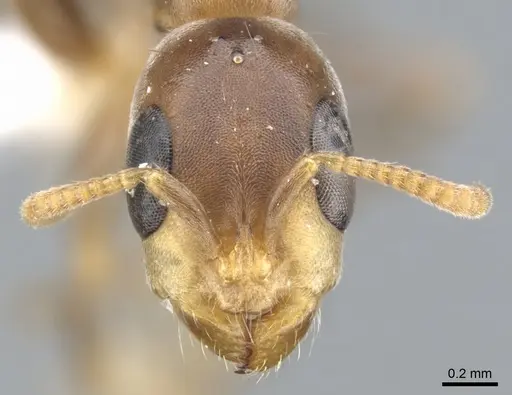
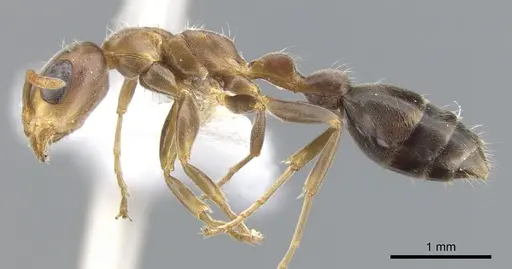
Pseudomyrmex particeps is a small, slender ant species belonging to the Pseudomyrmecinae subfamily. Workers measure approximately 0.93-1.10mm in head length with a head width of 0.77-0.83mm, making them smaller than most species in the related ferrugineus group [1]. The species has notably large eyes and more elongate heads compared to its close relative Pseudomyrmex nigrocinctus. Workers are medium to dark brown with a uniformly dark brown or black gaster (abdomen), while their mandibles, fronto-clypeal complex, and appendages are lighter brown [2].
This ant is remarkable for being an obligate mutualist, it lives exclusively inside hollow cavities called domatia found in Vachellia (formerly Acacia) trees, specifically Vachellia allenii. The ants provide protection to the tree from herbivores and competing plants, while the tree provides shelter and food bodies. This species is known only from the Osa Peninsula in Costa Rica, making it one of the rarest and most geographically restricted acacia ants [3][2].
Quick Summary
- Difficulty: Expert
- Origin & Habitat: Costa Rica, specifically the Osa Peninsula and one adjacent locality. This is a rare species with an extremely limited geographic range. In the wild, they are obligate inhabitants of Vachellia allenii domatia (hollow structures in the acacia tree), living inside the tree's specialized hollow thorns and stems [3][2].
- Colony Type: Monogyne, single queen colonies. As an obligate mutualist, colonies are intimately tied to their host Vachellia tree. The colony structure and ergatoid presence for this specific species has not been extensively studied, but related species in the ferrugineus group typically have single queen colonies.
- Colony: Monogyne
- Size & Growth:
- Queen: Approximately 6-7mm (estimated from related species in the genus)
- Worker: 0.93-1.10mm HL,0.77-0.83mm HW [2]
- Colony: Unknown for this specific species, likely smaller colonies given the small worker size and limited host tree resources
- Growth: Unknown, likely moderate like related Pseudomyrmex species
- Development: Unknown, likely 6-10 weeks based on genus-level inference from related species (No specific development data exists for P. particeps. Related Pseudomyrmex species typically develop from egg to worker in 6-10 weeks at tropical temperatures.)
- Antkeeping:
- Temperature: Tropical species, keep at 24-28°C. Being from Costa Rica, they require warm, stable temperatures similar to other tropical Pseudomyrmex species [1].
- Humidity: High humidity, they naturally live inside tree domatia which maintain humid microclimates. Aim for 70-80% humidity in captivity.
- Diapause: No, being a tropical species from Costa Rica, they do not require hibernation or winter dormancy. Maintain warm conditions year-round.
- Nesting: Extremely specialized, they are obligate inhabitants of Vachellia domatia. In captivity, this presents a unique challenge as they cannot be kept in standard formicariums. They require a setup that simulates their mutualistic relationship with acacia trees.
- Behavior: These ants are defensive mutualists, they aggressively protect their host Vachellia tree from herbivores, insects, and competing plants. Workers are active and will readily bite if threatened. They have large eyes and good vision, and workers hold their gaster straight (not curled over the body like some related species) [1]. They are not escape artists in the typical sense, their small size means they could squeeze through small gaps, but their specialized habitat requirements make escape prevention less relevant than for typical soil-nesting ants.
- Common Issues: This species is NOT suitable for typical ant keeping, they are obligate mutualists that cannot survive without their Vachellia host plant, Extremely rare in the ant-keeping hobby, virtually never available for purchase, Specific host plant (Vachellia allenii) is required for keeping, this is a specialized vivarium species, Limited distribution in the wild means captive breeding programs are essentially non-existent, This is a scientific/educational species, not a hobbyist keeping species
Species Overview and Natural History
Pseudomyrmex particeps is a highly specialized ant species that exemplifies the classic mutualistic relationship between acacia ants and their host plants. This species belongs to the Pseudomyrmex ferrugineus species group, which is known for its obligate mutualism with Vachellia (formerly Acacia) trees [3][4]. The ants live exclusively inside hollow structures called domatia found in the tree's stems and thorns. In exchange for shelter, the ants provide crucial protection to the host plant against herbivores, insects, and competing vegetation.
The species was formally described by Philip S. Ward in 1993 and is recognized as a close relative of Pseudomyrmex nigrocinctus. It can be distinguished by its more elongate head structure and larger eyes relative to head size. Workers are small and slender compared to other species in the ferrugineus group [1]. The gaster is held straight rather than curled over the body, which is a distinguishing characteristic of the nigrocinctus subgroup to which this species belongs [1].
In the wild, P. particeps is associated exclusively with Vachellia allenii, a forest-dwelling acacia species. This extreme specialization means the ant cannot survive without its host plant, making it fundamentally different from most ants commonly kept in captivity.
Distribution and Rarity
Pseudomyrmex particeps has one of the most restricted distributions of any ant species. It is known only from the Osa Peninsula in Puntarenas Province, Costa Rica, and a single adjacent locality [2]. The Osa Peninsula is a biodiversity hotspot, but this particular species has never been commonly encountered even in intensive surveys of the region's ant fauna.
This extremely limited range makes P. particeps one of the rarest Pseudomyrmex species in existence. The dependence on a specific host plant (Vachellia allenii) further limits their distribution, as the ant can only occur where its host plant grows. The combination of narrow geographic range and specialized habitat requirements means wild colonies are few and far between [3].
For perspective on rarity: while other Pseudomyrmex species like P. nigrocinctus and P. ferrugineus are widespread throughout Central America and parts of South America, P. particeps is essentially unknown outside its tiny Costa Rican range.
Why This Species Is Not Suitable for Typical Ant Keeping
Unlike common ant species such as Lasius niger or Camponotus floridanus, Pseudomyrmex particeps cannot be kept in standard ant keeping setups. This is not a matter of difficulty or advanced skill, it is a fundamental biological incompatibility. These ants are obligate mutualists that require living Vachellia (acacia) trees to survive. They do not nest in soil, they do not accept artificial nests, and they cannot establish colonies without their specific host plant.
In their natural environment, colonies live inside the domatia, specialized hollow cavities in the acacia tree that the plant produces specifically to house protective ants. The ants cannot survive in isolation from this relationship. Attempting to keep them in a test tube, Y-tong nest, or formicarium would result in colony failure.
This species is best appreciated through observation in the wild (where permitted) or through educational materials. For ant keepers interested in Pseudomyrmex, related species like Pseudomyrmex nigrocinctus or Pseudomyrmex ferrugineus that are more commonly available and adaptable to captivity would be more appropriate choices, though even these require specialized care compared to typical ant species. [3][1][2]
Related Pseudomyrmex Species for Ant Keepers
For ant keepers interested in the Pseudomyrmex genus and acacia ants, several related species are more suitable for captive keeping, though all require specialized care. The Pseudomyrmex ferrugineus group contains multiple mutualistic species that, while still specialized, are more widely distributed and sometimes available in the ant-keeping hobby.
Pseudomyrmex nigrocinctus is a close relative of P. particeps and shares similar biology but has a much broader distribution across Central America. Like P. particeps, it is a mutualist with Vachellia trees, but it is less picky about its host species. This makes it somewhat more adaptable to captive conditions, though keeping any Pseudomyrmex requires understanding their arboreal (tree-dwelling) nature and need for vertical space.
Other Pseudomyrmex species outside the ferrugineus group may be more accessible, but the genus as a whole is considered advanced to expert level due to their specialized diets, need for live prey, and arboreal nesting preferences. Prospective keepers should research thoroughly before attempting any Pseudomyrmex species. [3][1][2]
Frequently Asked Questions
Can I keep Pseudomyrmex particeps in a formicarium?
No. Pseudomyrmex particeps is an obligate mutualist that requires living Vachellia (acacia) trees to survive. They cannot be kept in any standard ant nest setup including test tubes, Y-tong nests, acrylic nests, or naturalistic setups. This species is not suitable for typical ant keeping.
What do Pseudomyrmex particeps ants eat?
In the wild, they eat food bodies (Beltian bodies) produced by their host Vachellia tree, plus honeydew from sap-sucking insects and small prey they capture. In captivity, related Pseudomyrmex species require live prey (small insects) and sugar sources. However, P. particeps specifically cannot be kept in captivity at all due to their obligate dependence on their host tree.
Where does Pseudomyrmex particeps live?
Only in Costa Rica, specifically the Osa Peninsula region. They are obligate inhabitants of Vachellia allenii trees, living inside the tree's hollow domatia (specialized cavities in stems and thorns). This is one of the rarest ant species with one of the most restricted ranges in the world.
Are Pseudomyrmex particeps aggressive?
Yes. Like other acacia ants in the Pseudomyrmex ferrugineus group, they are highly defensive of their host plant. Workers will aggressively bite any threat to the tree they inhabit. However, they are small ants and their bites are not medically significant to humans.
How big do Pseudomyrmex particeps colonies get?
The maximum colony size for this specific species is unknown. However, related Pseudomyrmex species typically form colonies ranging from several hundred to a few thousand workers. Given their small worker size and dependence on a single host tree, P. particeps colonies are likely on the smaller side.
Do Pseudomyrmex particeps need hibernation?
No. Being a tropical species from Costa Rica, they do not require hibernation or any cold period. They should be kept warm year-round at tropical temperatures (24-28°C).
Is Pseudomyrmex particeps available for purchase?
No. This species is virtually never available in the ant-keeping hobby. Its extremely restricted distribution, obligate dependence on a specific host plant, and scientific rarity make it unavailable to collectors. It is primarily of interest to myrmecologists studying ant-plant mutualisms.
What makes Pseudomyrmex particeps different from other ants?
They are one of the most specialized ant species in the world, obligate mutualists that cannot survive without their specific host plant (Vachellia allenii). This mutualistic relationship is one of the classic examples in ecology, and P. particeps represents an extreme case of coevolution between ants and plants.
Are Pseudomyrmex particeps good for beginners?
No. This species is not suitable for any level of ant keeping experience. It cannot be kept in captivity at all due to its obligate mutualistic relationship with Vachellia trees. Even experienced ant keepers cannot maintain this species. For beginners, species like Lasius niger, Messor barbarus, or Camponotus species are recommended instead.
References

This caresheet is licensed under CC BY-SA 4.0 .
CASENT0005796
View on AntWeb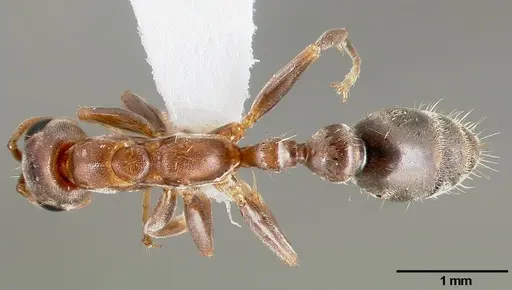
CASENT0902914
View on AntWeb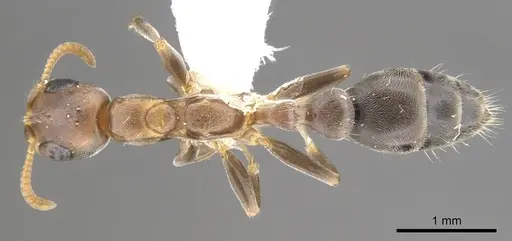
Literature
Loading...Loading products...