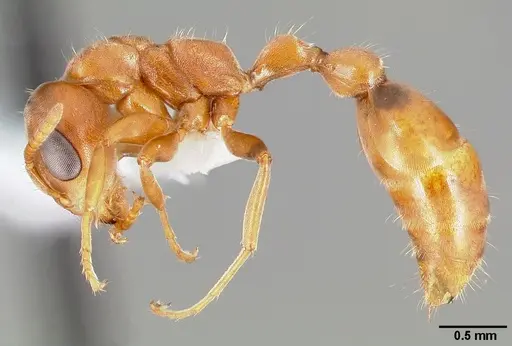
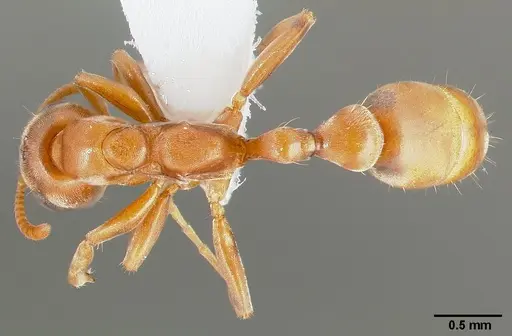
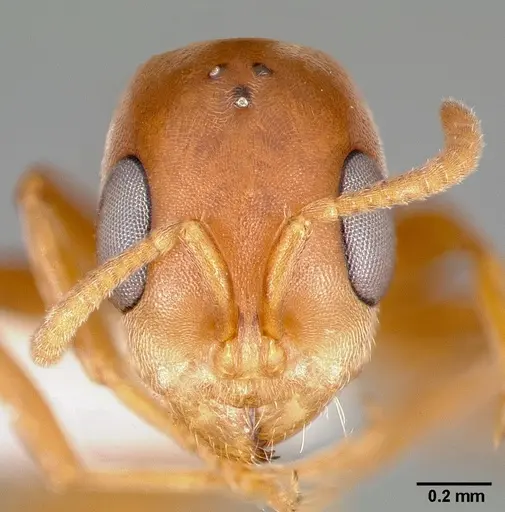
Pseudomyrmex nigrocinctus - "Ringed Acacia Ant"
Pseudomyrmex nigrocinctus is a striking species of ant known for its slender, wasp-like body and vibrant orange-brown coloration, often accented with distinct dark or black bands on the gaster, especially prominent in queens. These ants are relatively small, with workers typically having a head width of less than 0.86 mm. Their heads are notably elongated with short eyes. As obligate inhabitants of 'swollen-thorn' Acacia trees, they form a mutualistic relationship, defending their host plants from herbivores and competing vegetation. They are active and aggressive defenders of their host plant, patrolling constantly and collecting food resources provided by the acacia.
- Difficulty: Medium
- Origin & Habitat: Central America (Guatemala to Costa Rica) in Arboreal, specifically within the hollow thorns (domatia) of Acacia trees (e.g., Acacia collinsii, A. cornigera, A. hindsii) in tropical and subtropical regions..
- Colony Type: Monogyne (single queen), claustral (though within host plant domatia) founding.
- Size & Growth:
- Queen: Not specified
- Worker: 0.74-0.85mm
- Colony: Medium (thousands), limited by host plant domatia space. Medium to Fast, highly dependent on host plant health and resource availability. growth.
- Antkeeping:
- Temperature: Ideally maintain temperatures between 24-28°C. Consistent warmth is crucial for their metabolism and brood development, mimicking their tropical native environment..
- Humidity: Moderate to high humidity, around 60-80%, is beneficial. While they live in hollow plant structures, ambient humidity in their natural habitat is generally elevated..
- Diapause: Not required. Not specified at Not specified.
- Nesting: Requires specialized arboreal setups mimicking hollow acacia thorns or similar plant domatia. Test tubes with cork stoppers or custom-built formicaria with small, dark, and appropriately sized chambers are necessary to simulate their natural nesting conditions. They will not thrive in typical gypsum or acrylic nests designed for subterranean species..
- Behavior: High (towards handler, food or other ants) aggressiveness.
- Common Issues: Failure to provide adequate nesting domatia, Improper diet lacking specific nutrients from host plant symbiosis, Escapes due to their slender bodies and activity, Humidity fluctuations impacting brood development, Stress from inappropriate housing setup.
Keeping Pseudomyrmex nigrocinctus presents a unique challenge for antkeepers due to their obligate mutualistic relationship with Acacia trees. Unlike many other ant species, these ants do not nest in the ground or traditional substrates. Instead, they require hollow plant structures, specifically the thorns or 'domatia' of certain Vachellia (Acacia) species. Replicating this specialized nesting environment in captivity is crucial for their survival and well-being. Providing appropriate, secure hollow spaces that mimic their natural arboreal nests is paramount for a thriving colony.
Their diet is also heavily influenced by their natural symbiosis. In the wild, they consume Beltian bodies (protein-rich food packets produced by the acacia) and extrafloral nectar from their host plants. For antkeepers, this means a consistent supply of sugary liquids, like diluted honey or sugar water, is essential. Additionally, they need a regular source of protein, which can be provided through small feeder insects such as fruit flies, roaches, or crickets. Ensuring a balanced diet that closely resembles their natural intake will contribute significantly to colony health and growth.
Pseudomyrmex nigrocinctus are known for their highly aggressive and defensive behavior when protecting their host plant. While this aggression is typically directed towards perceived threats to their colony or host, antkeepers should exercise caution when handling them. They possess a painful sting, which, although not usually medically significant, can be quite uncomfortable. It’s advisable to use appropriate tools and avoid direct contact when performing maintenance or feeding to prevent unwanted stings.
These ants are quite active and can be fast, making escapes a potential issue if their enclosure isn't secure. Their slender bodies allow them to squeeze through small gaps. A well-sealed setup, perhaps with an outworld featuring a fluon or talc barrier, is highly recommended to prevent escapes and ensure the colony remains contained. Their large eyes suggest good vision, contributing to their active foraging and defensive strategies.
Due to their specific needs, Pseudomyrmex nigrocinctus are not recommended for beginners. Successfully keeping them requires a deeper understanding of ant-plant mutualisms and the ability to consistently provide a very specialized environment and diet. Researching their natural history and behavior extensively before acquiring a colony is highly advised to ensure you can meet their demanding care requirements.
Frequently Asked Questions
What kind of nest is best for Pseudomyrmex nigrocinctus?
For Pseudomyrmex nigrocinctus, traditional ant nests won't cut it! These amazing ants are 'twig nesters' in the wild, specifically living inside the hollow thorns of Acacia trees. So, for your formicarium, you'll need something that mimics those natural domatia. Think test tubes with cork stoppers, or specialized setups with small, dark, hollow chambers that are just the right size for them to feel secure and raise their brood. It's all about replicating their arboreal home.
What do Pseudomyrmex nigrocinctus eat?
Feeding Pseudomyrmex nigrocinctus is a bit different because of their unique lifestyle. In their natural habitat, they're plant-ants, relying on their Acacia hosts for food like protein-rich Beltian bodies and sugary extrafloral nectar. In captivity, you'll need to provide a balanced diet. Offer sugar water or diluted honey for carbohydrates. For their protein needs, small feeder insects such as fruit flies, small roaches, or tiny crickets are perfect. Varying their diet will keep them healthy and thriving.
Are Pseudomyrmex nigrocinctus aggressive?
You bet! Pseudomyrmex nigrocinctus are quite feisty, especially when defending their colony or their host plant. They are known to be aggressive towards anything they perceive as a threat. While their sting isn't usually dangerous, it can be pretty painful. So, when you're doing anything in their outworld or around their nest, always be careful and use tools to avoid direct contact with these active defenders.
Do Pseudomyrmex nigrocinctus sting?
Yes, Pseudomyrmex nigrocinctus definitely sting. These ants are equipped with a potent sting, which they readily use in defense. While a sting isn't typically serious, it can cause a sharp, burning sensation and localized discomfort. Always handle these ants with care and use proper safety measures to avoid getting stung.
How large do Pseudomyrmex nigrocinctus colonies get?
The size of a Pseudomyrmex nigrocinctus colony is often limited by the available nesting space within their host plant's domatia. While they don't reach the supercolony sizes of some other ant species, they can certainly grow into colonies with thousands of workers. Providing adequate, expandable nesting areas is key if you want to see your colony reach its full potential.
Do Pseudomyrmex nigrocinctus need a diapause?
Given their natural habitat in tropical Central America, Pseudomyrmex nigrocinctus do not require a diapause period. They are accustomed to consistent warm temperatures and humidity year-round. Maintaining stable conditions similar to their native environment will support continuous brood production and colony activity.
Are Pseudomyrmex nigrocinctus good for beginners?
Honestly, Pseudomyrmex nigrocinctus are not typically recommended for beginner antkeepers. Their highly specialized nesting requirements, specific dietary needs due to their mutualistic relationship with plants, and their aggressive, stinging nature make them a more challenging species to keep successfully. It's best to gain experience with easier ant species before tackling these fascinating but demanding ants.
How fast do Pseudomyrmex nigrocinctus colonies grow?
Pseudomyrmex nigrocinctus colonies can exhibit a medium to fast growth rate, especially when their care requirements are consistently met. Factors like a stable warm temperature, appropriate humidity, and a steady supply of both sugary foods and protein will greatly influence how quickly your colony expands. A healthy host plant, or the equivalent in captivity, also plays a crucial role.
What kind of humidity do Pseudomyrmex nigrocinctus need?
For Pseudomyrmex nigrocinctus, maintaining moderate to high humidity, ideally around 60-80%, is important. Even though they live in hollow plant structures, their natural environment is tropical and humid. Consistent humidity levels are crucial for the health of their brood and overall colony well-being.
How can I prevent Pseudomyrmex nigrocinctus from escaping?
Preventing escapes with active and slender ants like Pseudomyrmex nigrocinctus requires a highly secure setup. They are quick and can squeeze through surprisingly small gaps. Using a fluon or talc barrier on the walls of your outworld is highly effective. Double-checking all connections and seams in your formicarium is also essential to ensure these nimble ants stay safely contained.
What is the common name for Pseudomyrmex nigrocinctus?
Pseudomyrmex nigrocinctus is commonly known as the Ringed Acacia Ant. This name reflects their distinctive appearance, particularly the banding on their gaster, and their close association with Acacia trees in their natural habitat.