

Pseudomyrmex schuppi
- Scientific Name
- Pseudomyrmex schuppi
- Tribe
- Pseudomyrmecini
- Subfamily
- Pseudomyrmecinae
- Author
- Forel, 1901
- Distribution
- Found in 3 countries
Pseudomyrmex schuppi Overview
Pseudomyrmex schuppi is an ant species of the genus Pseudomyrmex. It is primarily documented in 3 countries , including Argentina, Brazil, Paraguay. Detailed taxonomic data and occurrence records can be further explored via authoritative databases such as AntWeb or the Global Biodiversity Information Facility (GBIF).
Pseudomyrmex schuppi
Pseudomyrmex schuppi is a relatively large arboreal ant species native to the Neotropical region, found across Argentina, Brazil, and Paraguay. Workers measure 0.82-0.93mm in head width and feature a distinctive high, broad petiole with a smoothly rounded dorsum in lateral profile. Their propodeum shows a characteristic elevation above the mesonotum level, and they have relatively long eyes. The body is medium to dark brown with lighter antennae and tarsi. These ants are arboreal nesters, typically found living in Cecropia trees and under epiphytes in forest canopies [1][2].
This species shows interesting ecological flexibility, being found in various successional stages from early intermediate to late-stage forests. They are one of several Pseudomyrmex species that occupy Cecropia trees, though they are not the classic acacia-ant mutualists. Their distribution spans both seasonally dry tropical forests in northeastern Brazil and floodplain areas like the Pantanal, demonstrating adaptability to different humidity conditions [3][4].
Quick Summary
- Difficulty: Medium
- Origin & Habitat: Neotropical region, Argentina, Brazil, and Paraguay. Found in seasonally dry tropical forests, Atlantic forest fragments, and Pantanal floodplains. Arboreal, nesting in Cecropia trees and under epiphytes in forest canopies [1][4][2].
- Colony Type: Colony structure is not well documented in scientific literature. Based on related Pseudomyrmex species, likely monogyne (single queen) colonies. They are arboreal nesters associated with trees [2].
- Colony: Monogyne
- Size & Growth:
- Queen: Not specifically measured in available literature, estimated based on worker size and genus patterns [5].
- Worker: 0.82-0.93mm head width (HW), with head length 0.96-1.18mm [5].
- Colony: Colony size is not well documented. Based on related species and sampling data, likely moderate colonies typical of arboreal Pseudomyrmex [6].
- Growth: Moderate, based on typical Pseudomyrmex development patterns [7].
- Development: 6-10 weeks, estimated based on typical Pseudomyrmecinae development at tropical temperatures. (Development timeline is not specifically documented for this species. Estimates based on genus-level patterns for Pseudomyrmecinae in tropical environments.)
- Antkeeping:
- Temperature: Keep at 24-28°C, these are tropical ants requiring warm conditions. A gentle gradient allowing warmer and cooler areas is recommended.
- Humidity: Moderate to high humidity, they naturally inhabit forest canopies with good moisture. Provide a humid environment but ensure ventilation to prevent mold.
- Diapause: No, as a tropical species, they do not require hibernation. Maintain consistent warm temperatures year-round.
- Nesting: Arboreal species, they naturally nest in tree hollows and under epiphytes. In captivity, they do well in vertical setups that mimic tree conditions. Acrylic nests or naturalistic setups with vertical chambers work well. Provide climbing structures and bark or cork pieces for them to establish nests.
- Behavior: These ants are arboreal and relatively active. They are not particularly aggressive but will defend their nest. Workers are fast-moving and forage along tree branches and trunks. They likely feed on honeydew from sap-sucking insects and small prey. Their small size (under 1mm) means they can escape through tiny gaps, excellent escape prevention is essential.
- Common Issues: escape prevention is critical due to their very small size, use fine mesh and tight-fitting barriers, tropical temperature requirements mean they cannot tolerate cool conditions, keep warm year-round, arboreal nature requires vertical nesting space, horizontal setups may not be accepted, wild-caught colonies may have parasites or fail to adapt to captive conditions, limited availability in the antkeeping hobby due to their arboreal, Neotropical distribution
Natural History and Distribution
Pseudomyrmex schuppi is native to the Neotropical region, with confirmed distribution across Argentina, Brazil, and Paraguay [5]. This arboreal ant species has been recorded in diverse habitats including seasonally dry tropical forests in northeastern Brazil, Atlantic forest fragments, and the Pantanal floodplain [1][4]. They are particularly associated with Cecropia trees, with a colony documented nesting in Cecropia pachystachya in southwest Bahia, Brazil [2]. They have also been found nesting under epiphytes, utilizing the elevated microhabitats in forest canopies [2].
Ecologically, this species shows interesting patterns in forest succession. Research in Brazilian dry forests found P. schuppi in intermediate and late successional stages, while a separate study in Atlantic forest fragments recorded them only in intermediate-stage forests (10-15 years post-disturbance) [3][8]. This suggests they prefer established forest canopy but not fully mature systems. Their presence in urban areas like Salvador, Bahia demonstrates some tolerance for modified landscapes, though they occur at low frequencies (3.22% of sample points) [9].
Identification and Morphology
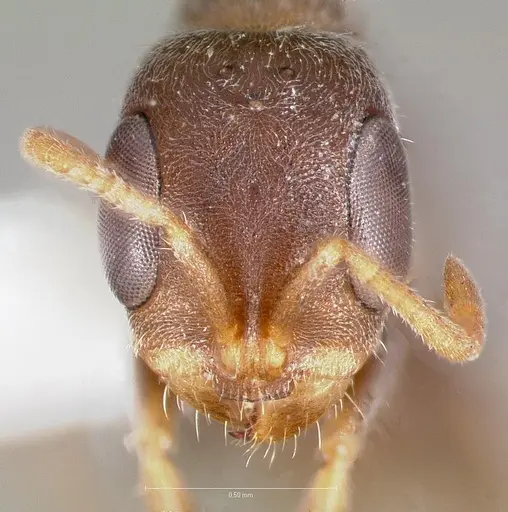
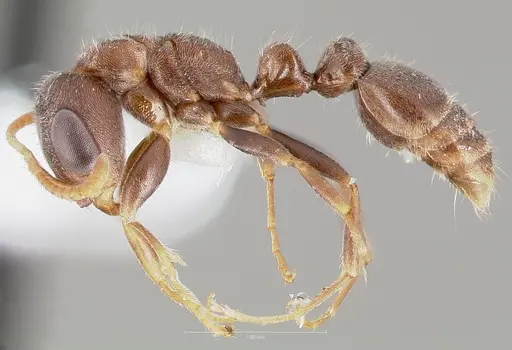
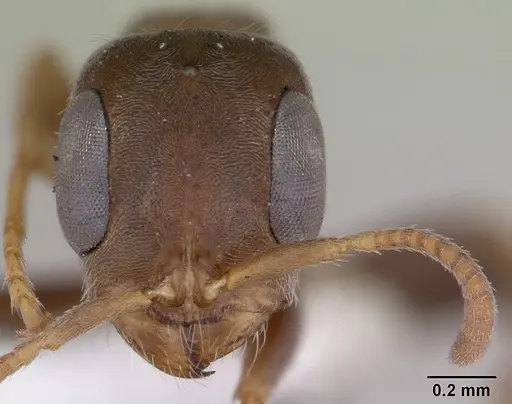
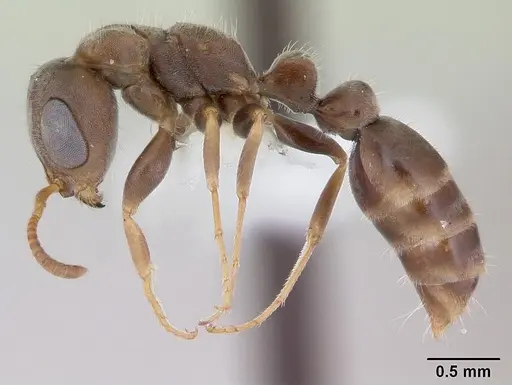
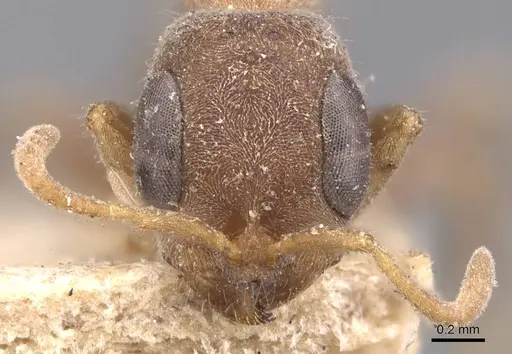
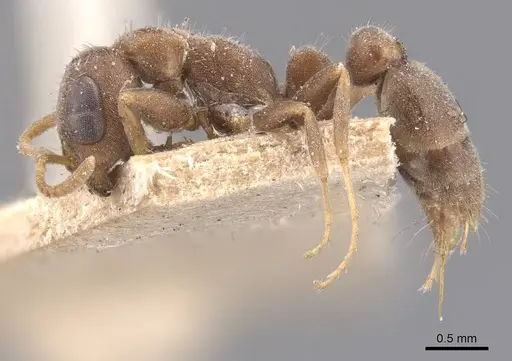
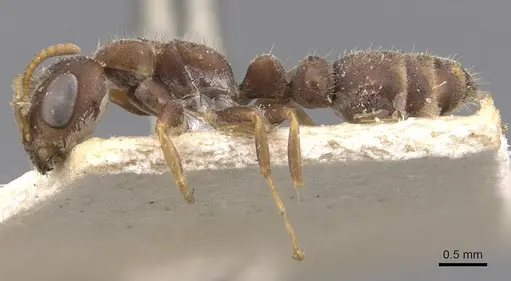
Workers of P. schuppi are relatively large for the genus, with head width (HW) measuring 0.82-0.93mm and head length (HL) of 0.96-1.18mm [5]. The species is diagnosed by several distinctive morphological features. The petiole is notably high and broad, with a smoothly rounded dorsum in lateral profile, this is one of the most characteristic features for identification. The basal face of the propodeum is conspicuously elevated above the level of the mesonotum. The postpetiolar node shows posterior displacement in lateral view [5].
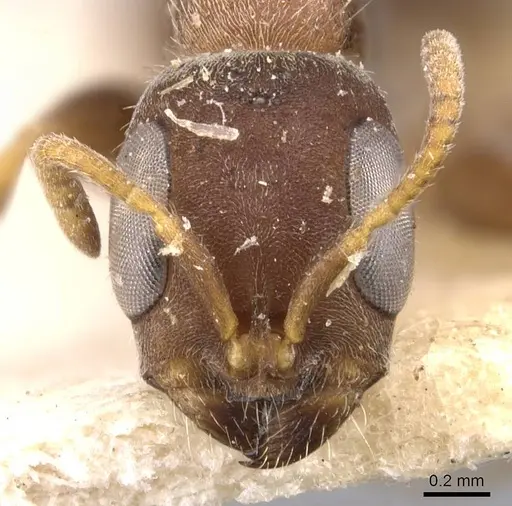
The head is densely punctate and opaque, while the mesosoma is obscurely punctate to coriarious-imbercate, appearing opaque to subopaque. Erect pilosity and appressed pubescence are common and conspicuous on most body parts, including the mesosoma dorsum. Body coloration is medium to dark brown, with the antennae and tarsi (and sometimes mandibles and promesonotum) being lighter in color [5]. These ants can be distinguished from the similar P. oculatus by petiole shape and differences in relative eye length [2].
Temperature and Care
As a Neotropical species from tropical and subtropical regions, Pseudomyrmex schuppi requires warm temperatures in captivity. Maintain the nest area at 24-28°C, providing a gentle gradient so workers can choose their preferred temperature zone. These ants are accustomed to stable tropical conditions, so avoid temperature fluctuations and cool drafts.
Room temperature may be suitable if your home stays in the low-to-mid 20s°C range. If additional heating is needed, use a heating cable or mat placed on the side or top of the nest (never underneath where it can dry out the substrate). Monitor colony behavior, if workers cluster consistently in one area, adjust the heat source accordingly. Unlike temperate species, they do not require any cooling period or winter rest, maintain consistent warmth year-round to support continuous brood development.
Housing and Nesting
Pseudomyrmex schuppi is an arboreal species, meaning they naturally nest in elevated locations like tree hollows, under bark, and in epiphytes. In captivity, they need vertical space that mimics their natural tree-dwelling habitat. Acrylic nests with vertical chambers work well, or you can create a naturalistic setup with cork bark pieces and vertical structures.
Provide climbing materials like cork, bark, or artificial plants so workers can move between the nest and outworld. Because they are small (under 1mm), ensure all connections between nest areas are smooth and wide enough for easy traffic. Escape prevention is critical, these tiny ants can squeeze through remarkably small gaps. Use fine mesh on all openings and apply fluon or similar barriers to outworld edges.
The outworld should include some vertical surfaces for foraging exploration. Include small plants or branches if possible, as this species is accustomed to moving in three-dimensional arboreal space rather than on flat surfaces.
Feeding and Diet
Based on the Pseudomyrmex genus patterns, P. schuppi likely has an omnivorous diet typical of arboreal ants. They probably feed on honeydew collected from sap-sucking insects (aphids, scale insects, mealybugs) in their natural tree habitats, and supplement with small insects and arthropods for protein.
In captivity, offer a sugar source like sugar water, honey, or diluted maple syrup regularly, these ants will readily accept sweet liquids. For protein, provide small prey items such as fruit flies, small crickets, mealworms, or other appropriately sized insects. Feed protein sources 2-3 times per week, removing any uneaten prey after 24-48 hours. The small size of workers means prey should be appropriately scaled, very small pieces or small live prey works best. Observe your colony's preferences and adjust feeding accordingly.
Chromosome and Genome Data
Interesting genetic research has been conducted on Pseudomyrmex schuppi. Cytogenetic analysis revealed a haploid chromosome number of n=24 (from males), with a karyotype formula of K=5M+19A (5 metacentrics and 19 acrocentrics) [7]. The species is part of the oculatus species group based on chromosomal and morphological analysis [7].
Genome size studies using flow cytometry measured a mean 1C-value of 0.38 pg (approximately 371.64 Mbp), placing them in the smaller range of ant genome sizes [10]. This relatively compact genome is consistent with other Pseudomyrmecinae species studied. While this information is primarily of scientific interest, it indicates this is a genetically distinct species within its genus, which may influence their specific care requirements [7][10].
Frequently Asked Questions
Is Pseudomyrmex schuppi good for beginners?
This species is rated as medium difficulty. While not the most challenging ant to keep, they do have specific requirements, particularly their need for warm tropical temperatures and arboreal nesting space. They are not as commonly available as some other species, and their small size makes escape prevention important. Beginners should ensure they can maintain consistent temperatures in the 24-28°C range before considering this species.
How long does it take for Pseudomyrmex schuppi to produce first workers?
The exact development timeline is not documented for this species. Based on typical Pseudomyrmecinae development in tropical conditions, expect approximately 6-10 weeks from egg to first worker at optimal temperatures. Factors like temperature, feeding quality, and colony health can influence development speed. Be patient, Pseudomyrmex colonies often grow more slowly than common temperate species initially.
Do Pseudomyrmex schuppi ants sting?
Pseudomyrmex ants belong to the subfamily Pseudomyrmecinae, which does not have a functional stinger. Instead, they rely on biting and chemical defenses (formic acid) if threatened. While they may bite if handled roughly or if their nest is disturbed, they are not considered dangerous to humans.
What temperature do Pseudomyrmex schuppi need?
Keep them at 24-28°C. These are tropical Neotropical ants requiring warm conditions year-round. Avoid temperatures below 20°C, as prolonged cool exposure can weaken or kill the colony. A heating cable or mat on one side of the nest can help maintain appropriate temperatures, creating a gradient for workers to self-regulate.
Can I keep multiple Pseudomyrmex schuppi queens together?
The colony structure is not well documented for this species. Based on related Pseudomyrmex species, they likely form single-queen (monogyne) colonies. Combining unrelated queens is not recommended as it typically leads to fighting. If you acquire a colony, assume it is monogyne and house the queen alone with workers.
What do Pseudomyrmex schuppi eat?
They are omnivorous. Offer sugar sources regularly (sugar water, honey, or maple syrup) for energy. For protein, provide small appropriately-sized insects like fruit flies, small crickets, or mealworms. Feed protein 2-3 times per week. Remove uneaten prey after 24-48 hours to prevent mold issues.
Why are my Pseudomyrmex schuppi dying?
Common causes include: temperatures below 20°C (tropical species cannot tolerate cool conditions), escape-related deaths (their tiny size allows escapes through small gaps), improper humidity (too dry causes desiccation, too wet causes mold), or stress from wild-caught origins. Ensure excellent escape prevention, maintain warmth and moderate humidity, and provide consistent feeding. If colonies fail despite good conditions, wild-caught specimens may have parasites or disease.
Do Pseudomyrmex schuppi need hibernation?
No, they do not require hibernation. As a tropical species from Brazil, Argentina, and Paraguay, they are adapted to year-round warm conditions. Maintain consistent temperatures in the 24-28°C range throughout the year. Attempting to hibernate this species could be fatal.
What size do Pseudomyrmex schuppi workers reach?
Workers are relatively large for the genus, measuring 0.82-0.93mm in head width (HW) with head lengths of 0.96-1.18mm. Despite being called 'large' for Pseudomyrmex, they are still very small ants, under 1mm total body length. This tiny size is important for escape prevention planning.
Where is Pseudomyrmex schuppi found naturally?
They are native to the Neotropical region, specifically Argentina, Brazil, and Paraguay. They inhabit diverse forest types including seasonally dry tropical forests in northeastern Brazil, Atlantic forest fragments, and the Pantanal floodplain. They are arboreal, nesting in Cecropia trees and under epiphytes in forest canopies.
References

This caresheet is licensed under CC BY-SA 4.0 .
CASENT0005877
View on AntWeb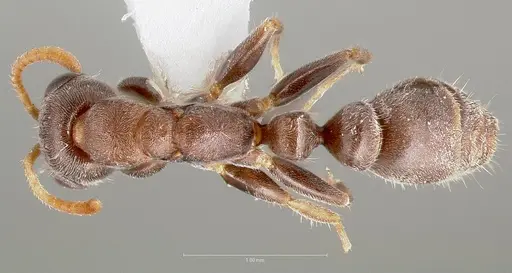
CASENT0173772
View on AntWeb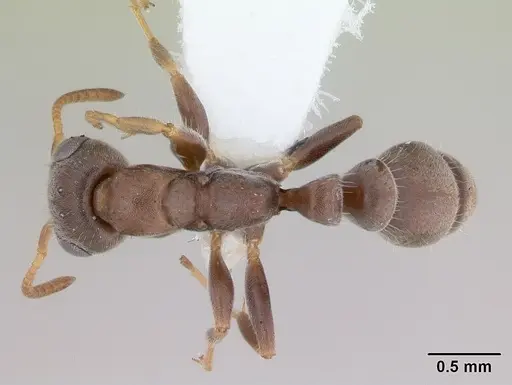
CASENT0907555
View on AntWeb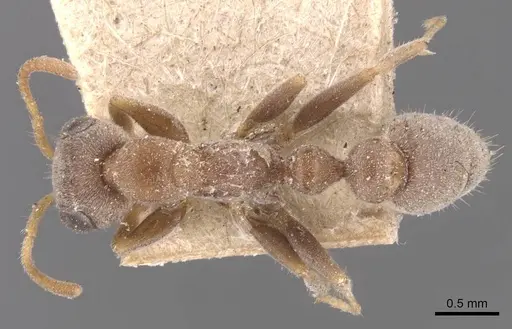
CASENT0907556
View on AntWeb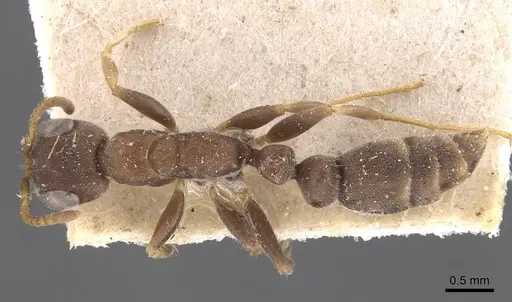
Literature
Loading...Loading products...