
Messor barbarus follows a consistent seasonal pattern with peak activity in October. The flight window runs from September to November, providing several months of opportunity for observations.
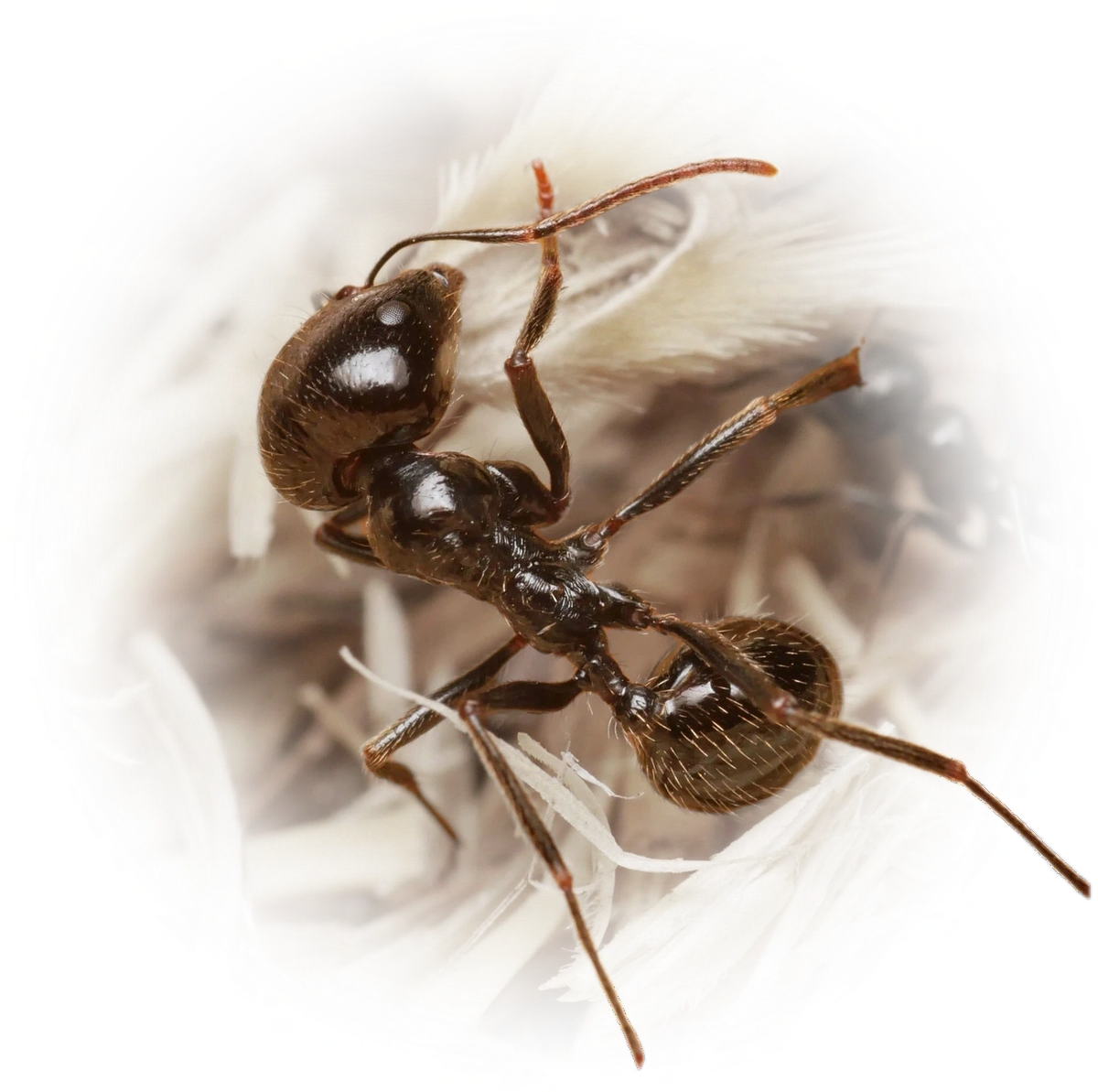
Messor barbarus
- Scientific Name
- Messor barbarus
- Tribe
- Stenammini
- Subfamily
- Myrmicinae
- Author
- Linnaeus, 1767
- Common Name
- Barbary Harvester Ant
- Distribution
- Found in 5 countries
- Nuptial Flight
- from September to December, peaking in October
AI Identifiable
try →
Messor barbarus Overview
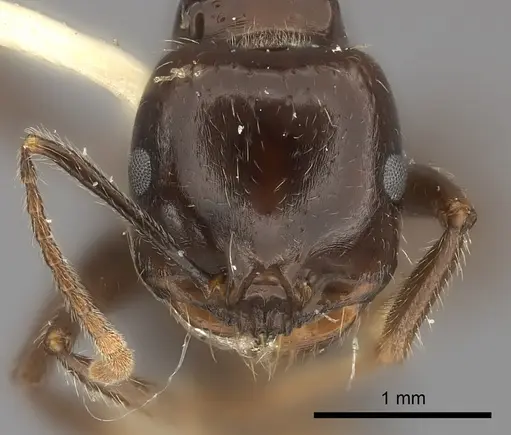
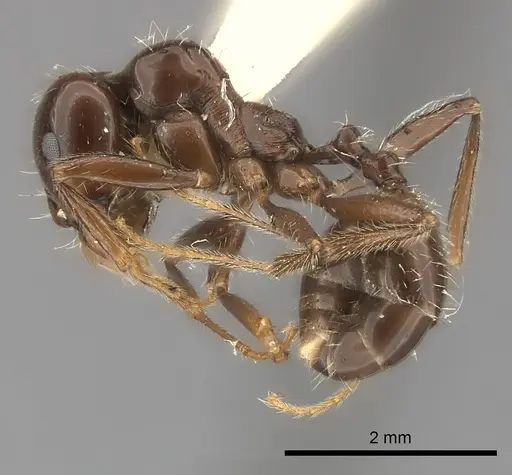
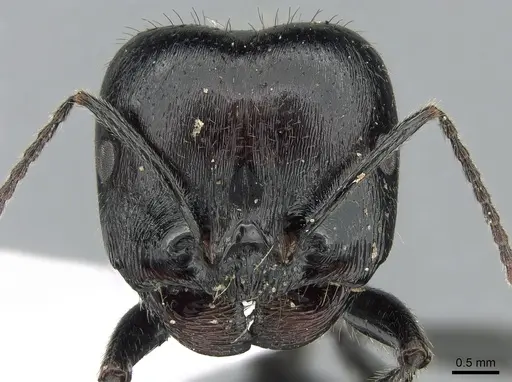
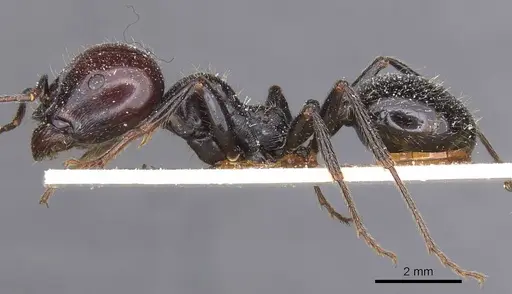
Messor barbarus (commonly known as the Barbary Harvester Ant) is an ant species of the genus Messor. It is primarily documented in 5 countries , including Algeria, Spain, France. Detailed taxonomic data and occurrence records can be further explored via authoritative databases such as AntWeb or the Global Biodiversity Information Facility (GBIF).
The nuptial flight of Messor barbarus is a significant biological event, typically occurring from September to December, peaking in October. During this time, winged queens and males leave the nest to mate and establish new colonies.
Messor barbarus - "Barbary Harvester Ant"
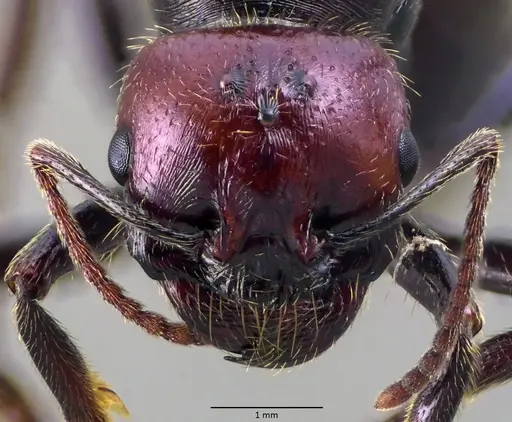
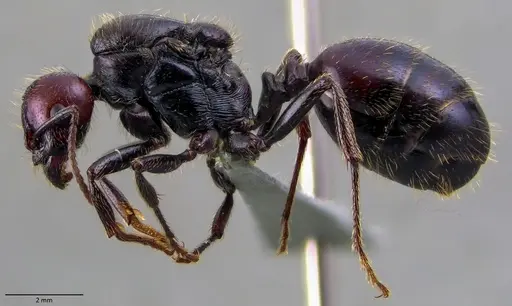
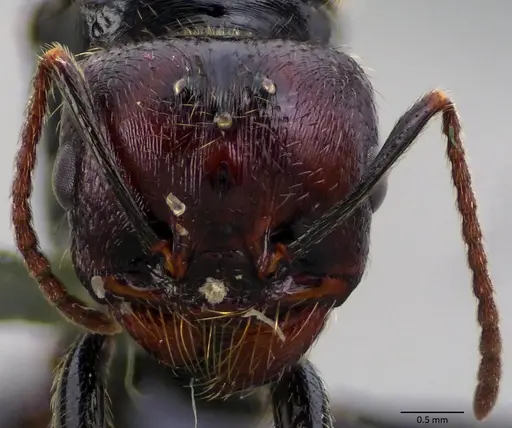
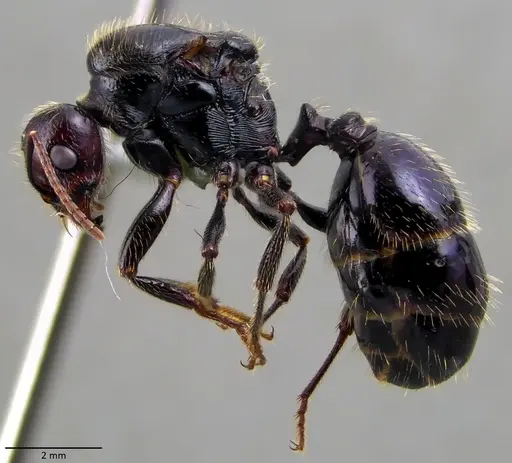
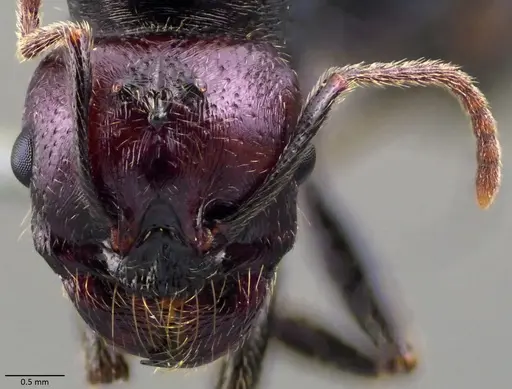
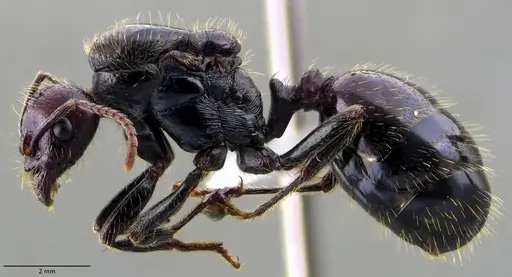
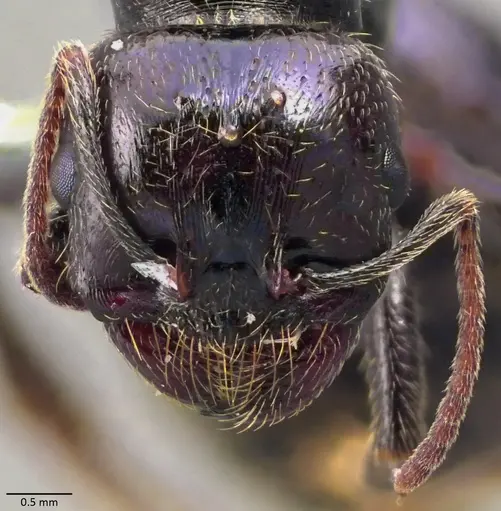
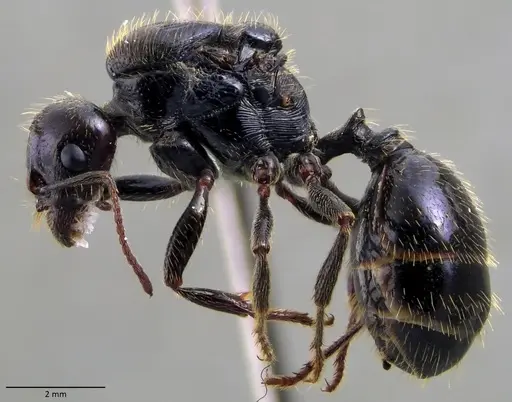
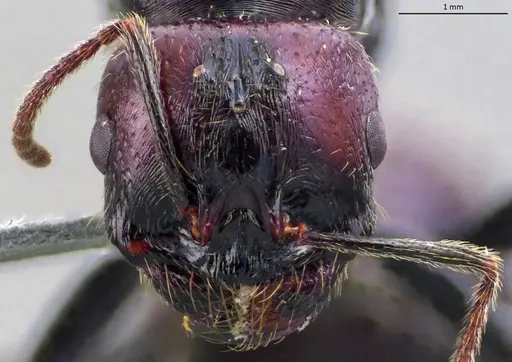
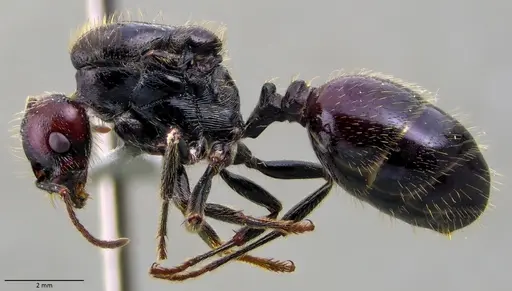
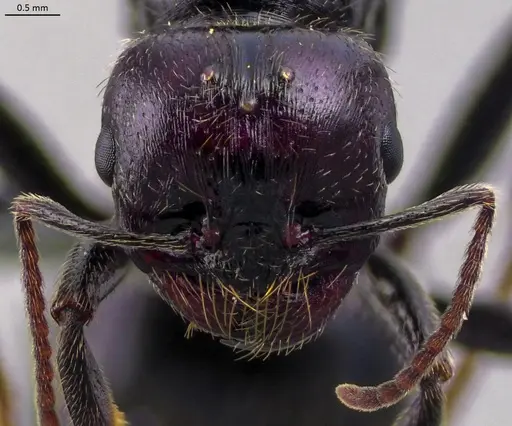
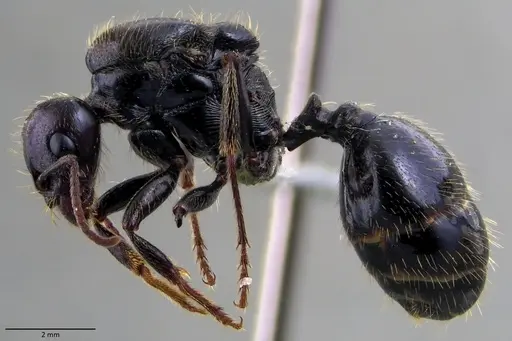
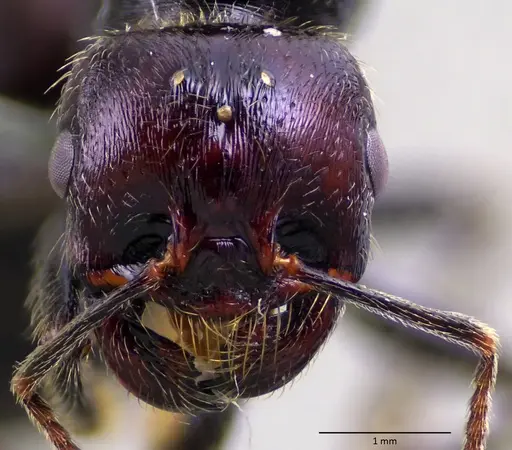
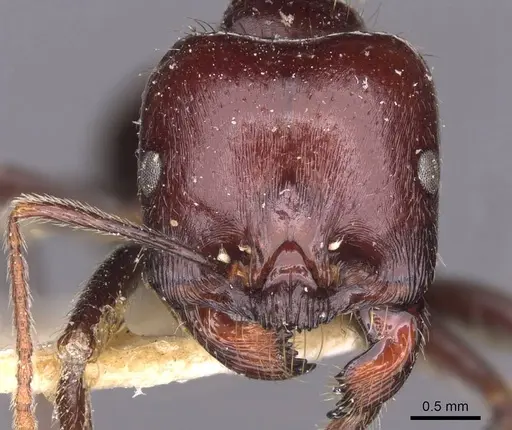
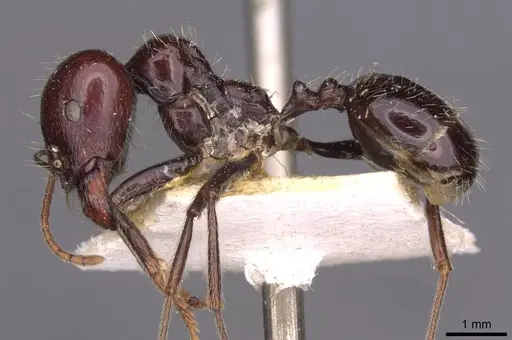
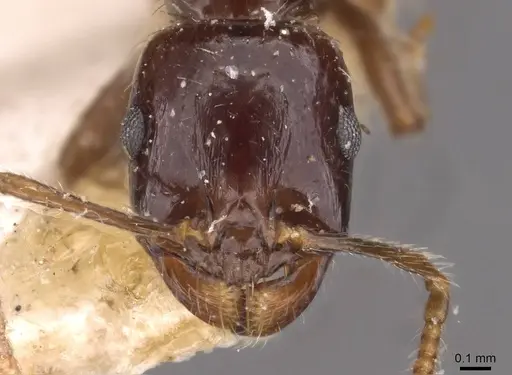
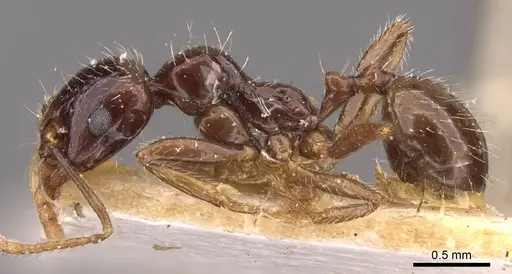
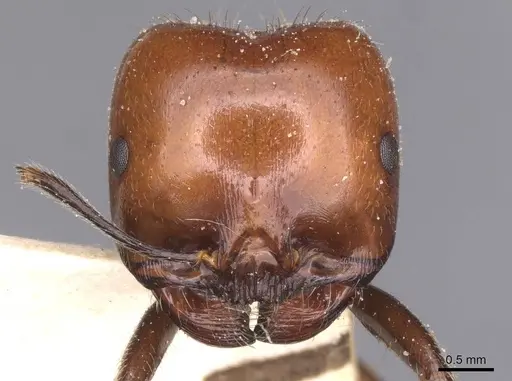
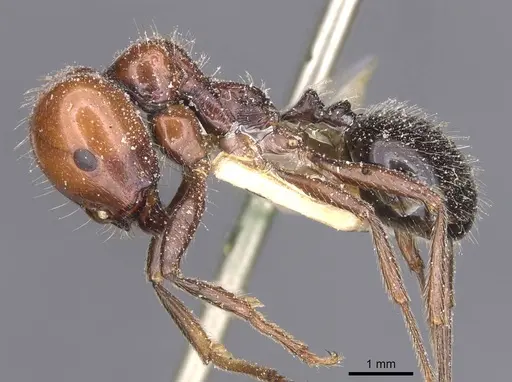
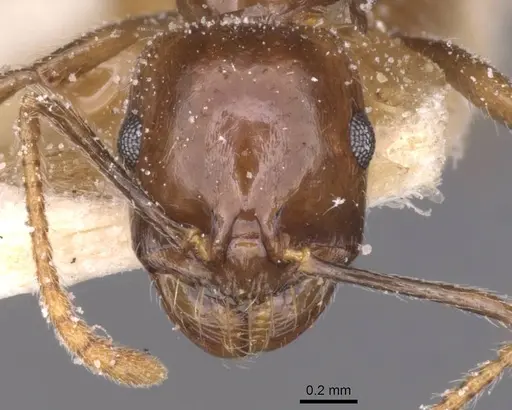
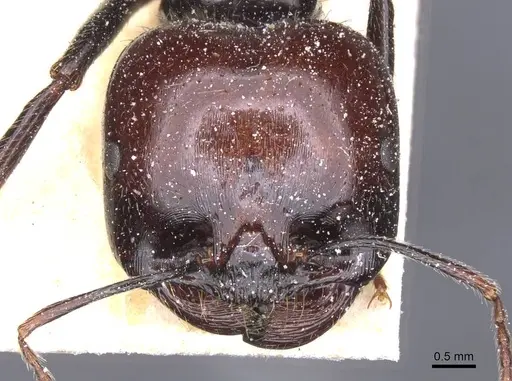
Messor barbarus is a large, highly polymorphic harvester ant native to the Western Mediterranean region, including Spain, Portugal, France, Italy, and North Africa. Workers range dramatically in size from 4mm minors to 12mm majors, with the largest workers developing distinctive reddish-brown to nearly black heads. The species builds extensive underground nests reaching 5 meters deep with surface areas up to 25 m², marked by characteristic crater-like entrances surrounded by excavated soil and debris. These ants are primarily granivorous, collecting and storing seeds in underground granaries where they process them into 'ant bread' through collective chewing. Unlike many ants, they forage along permanent trunk trails that can extend 30 meters from the nest, making them one of the most visible Mediterranean ant species. They also consume carrion, insects, and plant matter, demonstrating opportunistic feeding behavior.
Quick Summary
- Difficulty: Medium
- Origin & Habitat: Western Mediterranean region including Iberian Peninsula, southern France, Italy, and North Africa. Found in open grasslands, agricultural fields, dehesas, olive groves, and road verges. Prefers warm, sunny, open habitats with sparse vegetation and compact soil suitable for nest excavation [1][2].
- Colony Type: Monogynous (single queen) colonies with monodomous (single nest) structure. Colonies can reach 8,000-23,000 workers [3][4]. Polygyny (multiple queens) can occasionally occur in this species [5].
- Colony: Monogyne
- Founding: Claustral
- Size & Growth:
- Queen: 11 mm [6]
- Worker: 4-12 mm [5][7]
- Colony: Up to 23,000 workers [4]
- Growth: Moderate
- Development: 8-18 weeks, estimates based on historical data showing 56-124 days to first workers in related populations [8] (Development time varies with temperature. Historical data from M. rufitarsis populations showed 56-124 days from egg to first worker, averaging around 90 days at optimal conditions.)
- Antkeeping:
- Temperature: Keep at 20-25°C. Critical thermal maximum is 44°C, and they are most active at temperatures between 15-25°C [9][10]. Activity decreases below 15°C and above 25°C. A heating cable on one side of the nest creates a useful gradient.
- Humidity: Moderate humidity requirements. Keep nest substrate moderately moist but not waterlogged. They prefer dry to moderately damp conditions in the nest chambers, with some moisture for seed storage.
- Diapause: Yes, requires winter hibernation period. In their native range, nuptial flights occur in autumn (September-November) after late summer rains, and colonies show reduced activity during winter months. Keep at 10-15°C for 2-3 months during winter.
- Nesting: Deep nesting species requiring vertical space for galleries reaching 2+ meters in captivity. Use a naturalistic setup with deep soil (at least 20-30cm), test tube setups work for founding colonies but will need expansion. Y-tong or plaster nests with multiple chambers work well. They build extensive tunnel networks, so provide appropriate depth.
- Behavior: Generally non-aggressive toward keepers but will defend their nest vigorously. Uses mass recruitment through pheromone trails to coordinate seed harvesting. Workers forage in well-organized columns along permanent trunk trails extending up to 30 meters. Division of labor exists: smaller workers maintain trails and collect small seeds, majors collect large seeds. They communicate through stridulation (rubbing body parts to produce sound). Escape risk is moderate, they are large ants but good climbers, ensure formicarium has tight-fitting lids and smooth barriers.
- Common Issues: Deep nesting requirements mean colonies need significant vertical space as they grow, shallow nests lead to stress and escape attempts, Seed storage chambers can mold if humidity is too high, balance moisture carefully, Large colonies produce extensive refuse piles that need cleaning, failing to do so causes health problems, Workers may aggressively defend nest entrances against intruders, place foraging areas away from other colonies, Nuptial flights in autumn can result in winged queens and males escaping if not prepared with proper barriers
Nuptial Flight Activity Analysis 699 observations
Flight Activity by Hour 699 observations
Messor barbarus nuptial flight activity peaks around 13:00 during the late morning to early afternoon. Activity is spread across a 11-hour window (09:00–19:00). Times may be influenced by human observation patterns.
Housing and Nest Setup
Messor barbarus requires significantly more vertical space than most ant species due to their deep-nesting behavior in the wild. In captivity, provide at least 20-30cm of nesting material depth, as colonies naturally excavate galleries reaching 2-5 meters deep. For founding colonies, a simple test tube setup works initially, but you should plan for expansion within 6-12 months as the colony grows. Y-tong (acrylic) nests or plaster nests with multiple connected chambers work well for established colonies. The outworld (foraging area) should be spacious since these ants form permanent foraging trails extending up to 30 meters in the wild, a larger foraging area encourages natural trail-building behavior. Ensure the nest material allows for excavation behavior, as workers naturally dig and maintain tunnel systems. Use smooth barriers (vaseline or fluon) on edges to prevent escapes, as these ants are excellent climbers. [5]
Feeding and Diet
As strict granivores, Messor barbarus primarily collects and consumes seeds. In captivity, offer a variety of seeds including grass seeds, millet, sunflower seeds, and poppy seeds. Workers can transport seeds from 0.2mg to 60mg, with the largest workers capable of carrying nearly 100mg [11]. Provide seeds continuously in the foraging area, they will store excess in underground chambers. Beyond seeds, they readily accept protein sources like dead insects (mealworms, crickets, waxworms) and will also consume carrion. They show necrophagous habits, consuming insect cadavers and even small vertebrate remains in the wild [12]. Some keepers report they accept small amounts of honey or sugar water, but seeds should form the bulk of their diet. Remove uneaten seeds periodically to prevent mold, but note that they create distinctive refuse piles where they discard seed husks and debris.
Temperature and Seasonal Care
Messor barbarus thrives at temperatures between 20-25°C, with peak foraging activity occurring when temperatures reach 18°C or higher [9]. They can tolerate temperatures up to their critical thermal maximum of 44°C, but foraging activity significantly decreases above 25°C. During summer, they exhibit bimodal foraging patterns, most active at dawn and dusk, resting during hot midday hours. In winter, colonies require a diapause period at 10-15°C for 2-3 months to simulate their natural seasonal cycle. Nuptial flights occur in autumn (September-November) following late summer rainstorms, so timing your hibernation period accordingly helps maintain natural colony rhythms. A heating cable placed on one side of the nest creates a thermal gradient that allows ants to self-regulate their temperature preferences.
Foraging Behavior and Trail Systems
One of the most fascinating aspects of Messor barbarus is their sophisticated foraging organization. They use permanent trunk trails connecting the nest to productive seed patches, with trails ranging from 1-30 meters in length [13]. Unlike some ants that use mass recruitment, M. barbarus establishes stable foraging routes that persist over multiple days. Workers show clear size-based task division: smaller workers maintain trails and collect small seeds, while larger majors specialize in harvesting large or preferred seeds [5]. When carrying heavy loads, large workers tend to push seeds along the ground rather than carrying them overhead due to their forward-shifted center of mass. They use celestial cues (sun position) for navigation when returning to the nest. In captivity, providing a diverse seed mix and allowing space for trail formation encourages natural foraging behaviors.
Colony Development and Growth
Messor barbarus colonies grow moderately fast once established. Founding queens are claustral, they seal themselves in a chamber and raise the first brood alone without foraging, living entirely on stored fat reserves until nanitic (first) workers emerge. Development from egg to first worker takes approximately 8-18 weeks depending on temperature, with historical data showing 56-124 days in laboratory conditions [8]. Colonies reach stable size at approximately 5 years of age in the wild [3]. The worker caste is highly polymorphic with continuous size variation from 4mm minors to 12mm majors, with head size increasing allometrically (larger workers have disproportionately larger heads for seed processing). Major workers, with their powerful mandibles, are specialized for processing large seeds that smaller workers cannot handle alone. A mature colony can contain 8,000-23,000 workers.
Frequently Asked Questions
How long does it take for Messor barbarus to get their first workers?
Expect first workers (nanitics) to emerge within 8-18 weeks after the queen lays her first eggs, depending on temperature. Historical data from related populations shows development can range from 56-124 days, with an average of about 90 days at optimal temperatures around 24-25°C.
Can I keep Messor barbarus in a test tube?
Test tubes work for founding colonies, but Messor barbarus is a deep-nesting species that will quickly outgrow simple test tube setups. You should plan to transfer the colony to a larger formicarium or naturalistic setup within 6-12 months as the colony grows. They need vertical space to excavate their natural tunnel systems.
What do Messor barbarus ants eat?
They are primarily seed-eaters (granivorous). Offer a variety of seeds like grass seeds, millet, sunflower seeds, and poppy seeds. They also accept protein sources including dead insects (mealworms, crickets). Seeds should be available continuously as they store excess in underground chambers.
Do Messor barbarus ants need hibernation?
Yes, they require a winter rest period. In captivity, keep the colony at 10-15°C for 2-3 months during winter. This mimics their natural seasonal cycle and helps maintain healthy colony rhythms. Nuptial flights naturally occur in autumn, so timing hibernation accordingly supports natural reproduction.
How big do Messor barbarus colonies get?
Mature colonies can reach 8,000-23,000 workers. They are one of the larger Mediterranean ant species, with workers ranging from 4mm (minors) to 12mm (majors). Colonies typically reach stable size at around 5 years of age.
Are Messor barbarus good for beginners?
They are rated as medium difficulty. While relatively straightforward to keep, they require more space than typical ants due to their deep-nesting behavior and extensive foraging trail systems. They are rewarding for keepers who can provide adequate housing and understand their seed-based diet.
Do Messor barbarus ants sting?
Messor barbarus has a stinger but rarely uses it against humans due to their relatively docile nature. They are not considered dangerous. Their main defense is rather to bite with their mandibles or spray formic acid. The larger majors have powerful mandibles capable of breaking skin if handled roughly.
When will Messor barbarus have nuptial flights?
20°C). If you keep colonies in captivity, you may observe winged reproductives appearing in late summer or autumn.
Why are my Messor barbarus dying?
Common causes include: too shallow nesting material (they need depth), excessive humidity leading to mold in seed storage chambers, temperatures outside their 20-25°C optimal range, or insufficient seed variety. Also check for stress from frequent disturbances. Deep nesting space and proper humidity balance are critical for this species.
References

This caresheet is licensed under CC BY-SA 4.0 .
ANTWEB1041855
View on AntWeb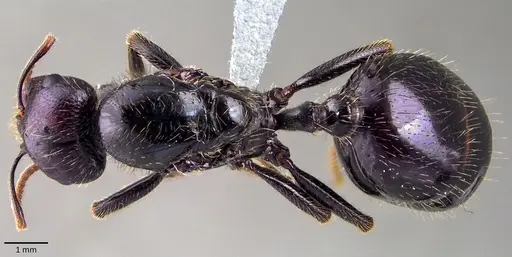
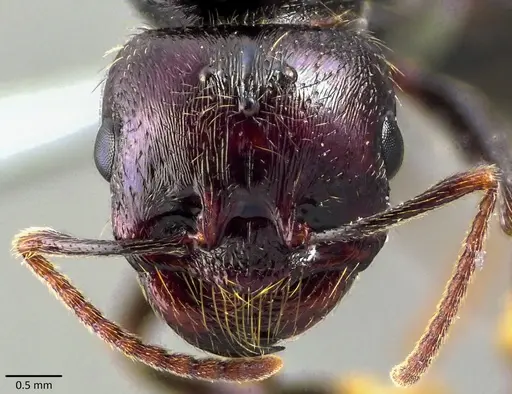
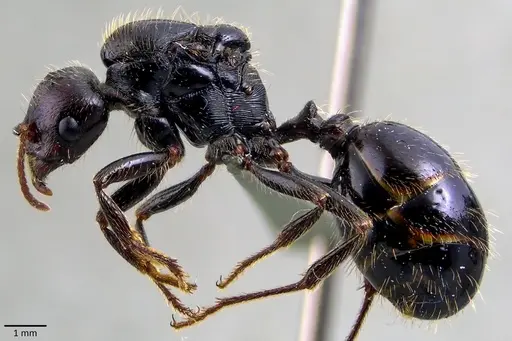
ANTWEB1060033
View on AntWeb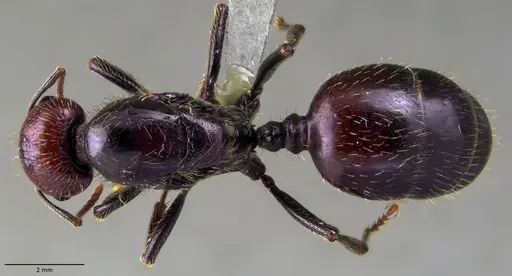
ANTWEB1060034
View on AntWeb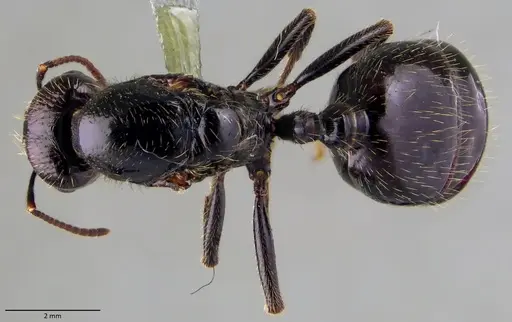
ANTWEB1060035
View on AntWeb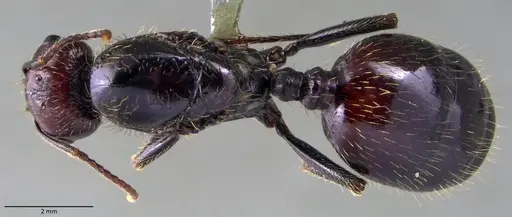
ANTWEB1060036
View on AntWeb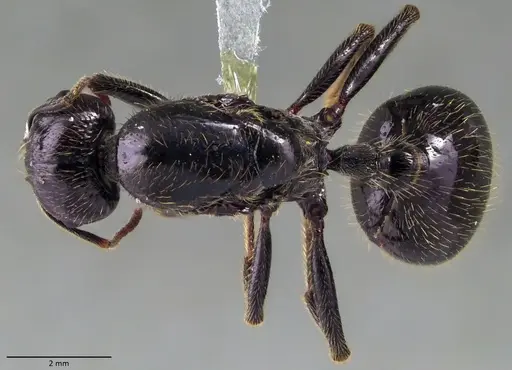
ANTWEB1060037
View on AntWeb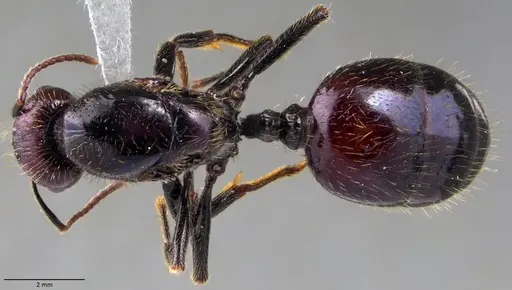
ANTWEB1060038
View on AntWeb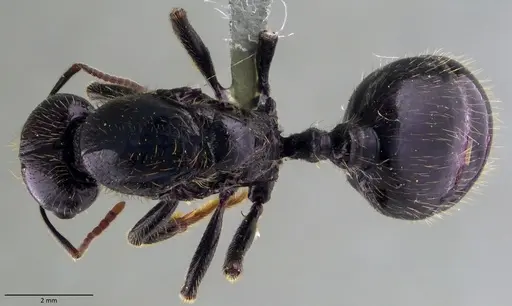
ANTWEB1060039
View on AntWeb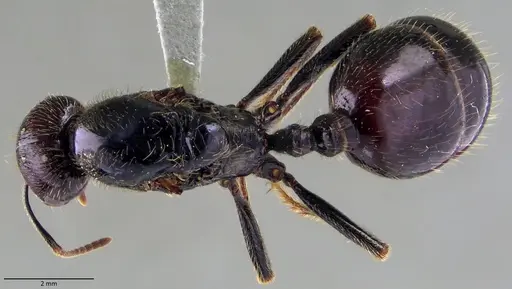
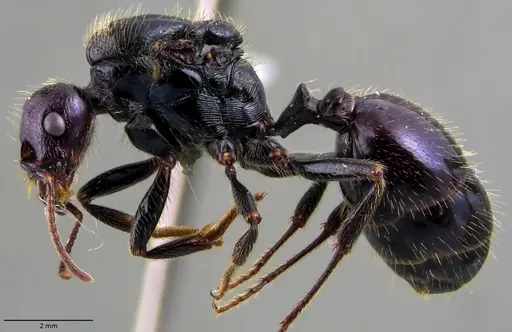
CASENT0102531
View on AntWeb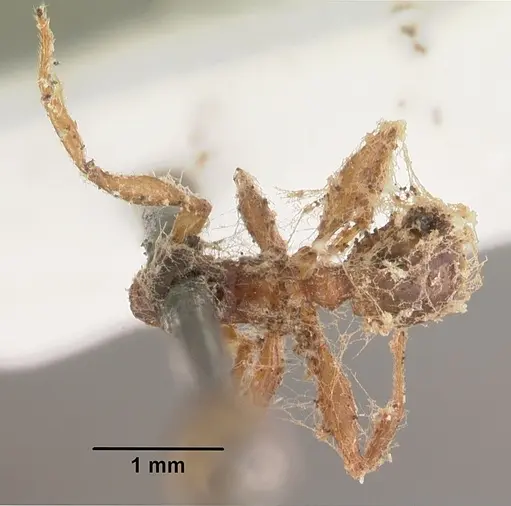

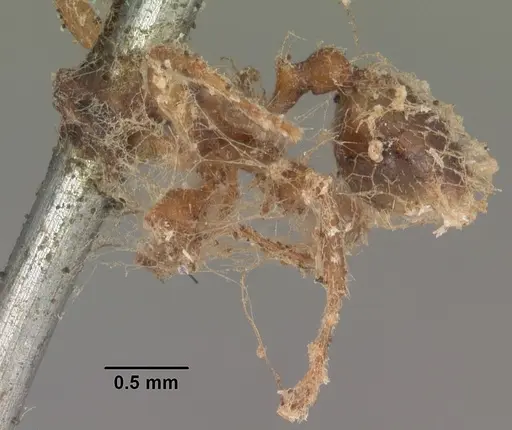
CASENT0217878
View on AntWeb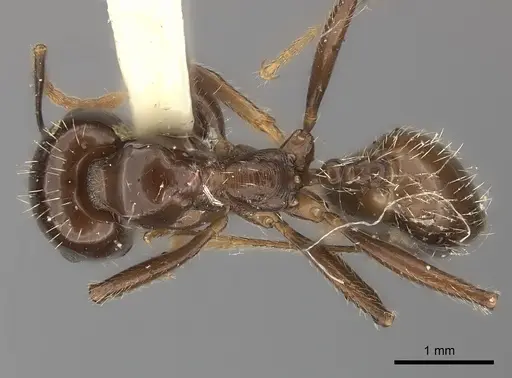
CASENT0281546
View on AntWeb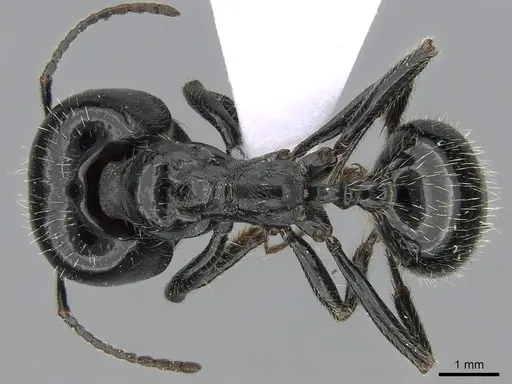
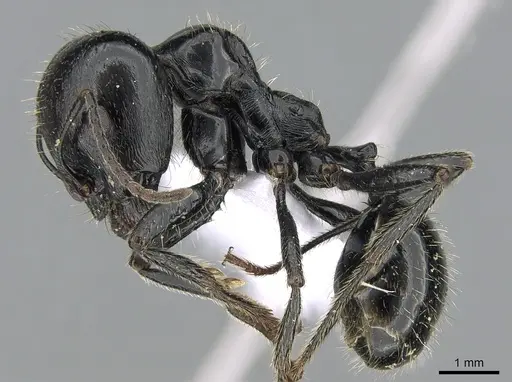
CASENT0281547
View on AntWeb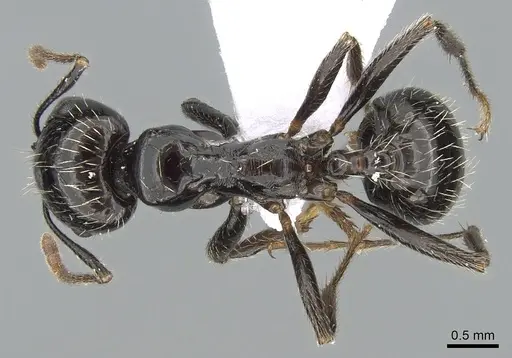
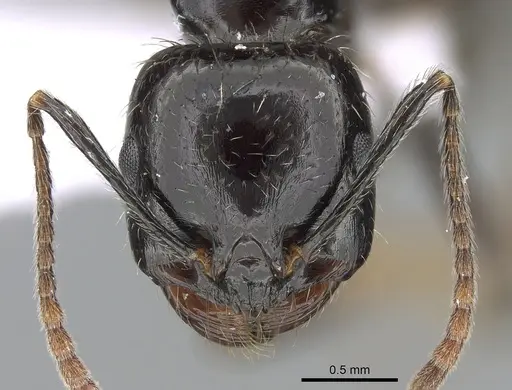
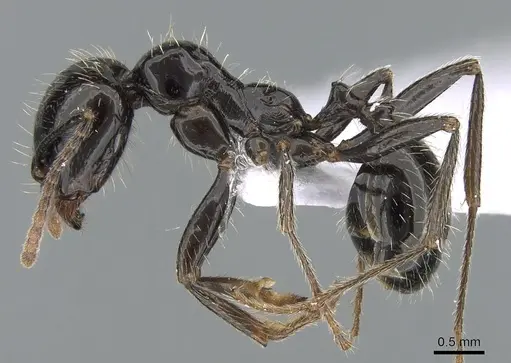
CASENT0907728
View on AntWeb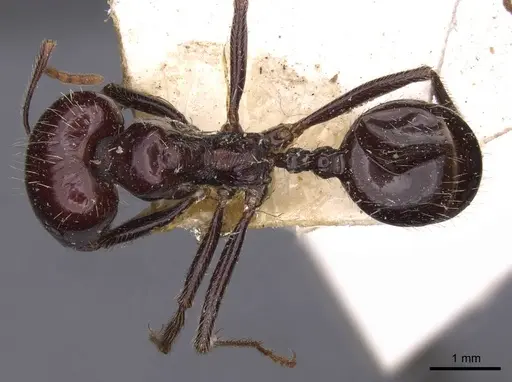
CASENT0907729
View on AntWeb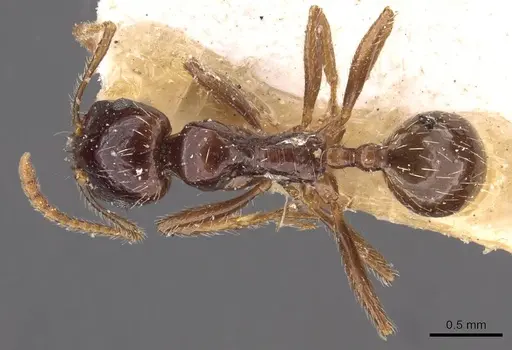
CASENT0913160
View on AntWeb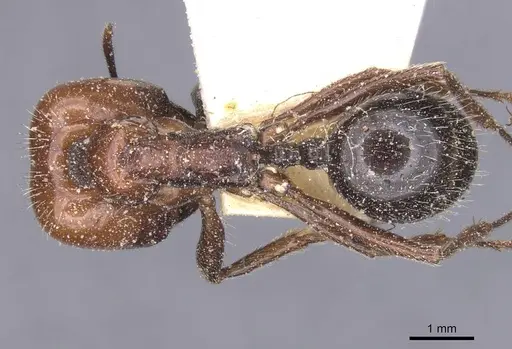
CASENT0913161
View on AntWeb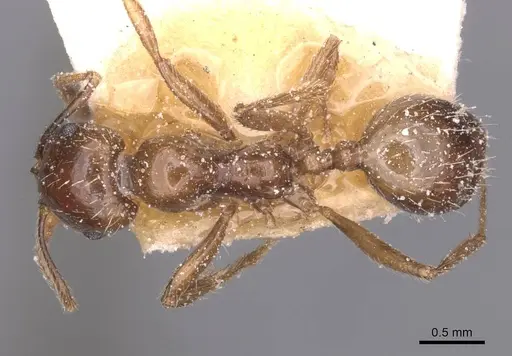
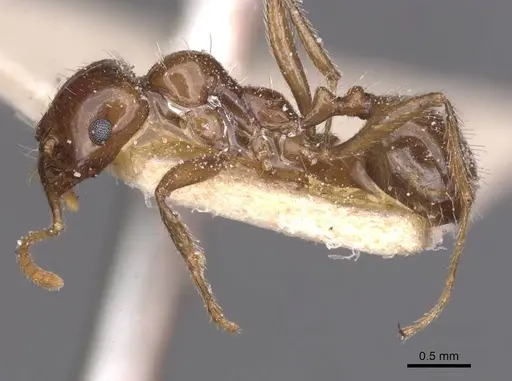
CASENT0913162
View on AntWeb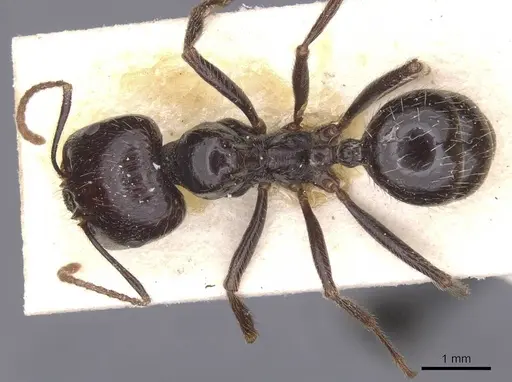
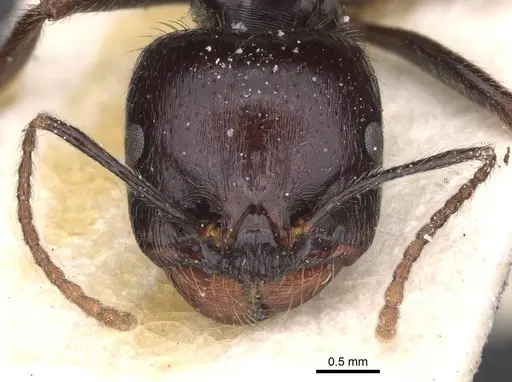
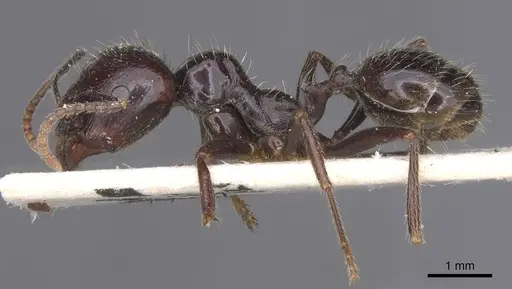
CASENT0913163
View on AntWeb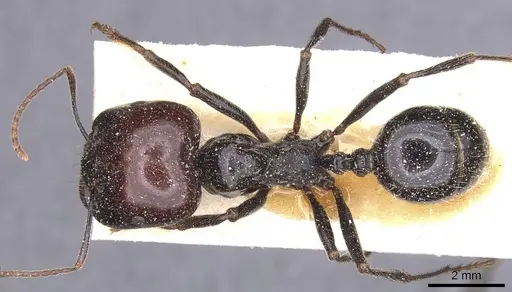
Literature
Loading...Loading products...