Stenamma manni - "Mann's Stenamma Ant"
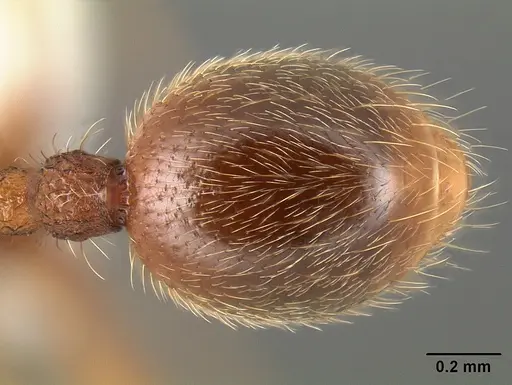
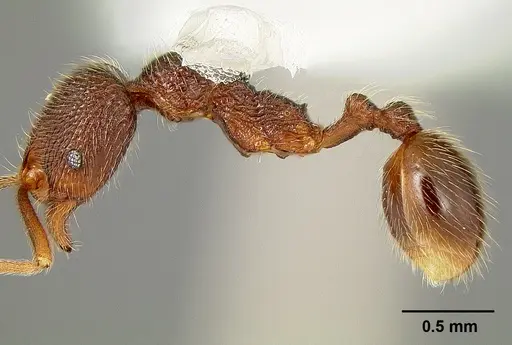
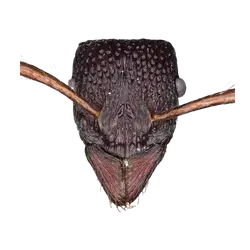
Stenamma manni is a medium-sized ant species, notably one of the largest and most conspicuous within its genus, a trait that likely led to it being one of the first Middle American Stenamma species described. Workers are characterized by a brownish-black to brownish-red coloration, often with a glossy abdomen and lighter yellow legs, while their heads and thoraxes display a pleated texture. They have small eyes and relatively weak vision. This species can be quite variable in appearance across its range, with populations from drier areas tending to be lighter in color, more sculptured, and having denser pilosity. Conversely, those from wetter forest environments often appear shinier, less sculptured, and darker, with sparser pilosity. S. manni is typically found in leaf litter and subterranean environments, but foragers are often seen on bait cards, suggesting they are active above ground.
- Difficulty: Medium
- Origin & Habitat: Central America, Mexico, Southwestern United States (specifically Hidalgo, Mexico, and potentially other areas within its latitudinal range of 13.10449° to 29.95°) in Wet montane forests (like cloud forests) and drier, seasonal habitats (such as oak woodlands). They are frequently found in leaf litter, under rocks, in logs, and in the ground..
- Colony Type: Monogyne, claustral founding.
- Size & Growth:
- Queen: 0.92-1.13mm
- Worker: 0.81-1.13mm
- Colony: Large (hundreds to over a thousand workers). Slow growth.
- Antkeeping:
- Temperature: This species is adapted to cool, wet environments, often found at elevations between 1200m and 3700m, most commonly between 2000m and 2500m. A stable temperature range of 18-22°C is generally suitable, with slightly cooler temperatures during a diapause period..
- Humidity: High humidity is preferred, mirroring their natural habitat in mesic forests and cloud forest edges. Maintaining 70-90% humidity within the nest is ideal..
- Diapause: Required. 3-4 months at 5-8°C.
- Nesting: Stenamma manni nests in a variety of microhabitats, including logs, leaf litter, under rocks, and in the ground. For captive care, a natural setup with substrate is highly recommended. Acrylic nests with a good moisture system or naturalistic setups like Ytong/plaster nests with a soil layer would be suitable. They tend to create multi-chambered nests..
- Behavior: Low (towards handler, avoids conflict with other insects and ants) aggressiveness.
- Common Issues: Humidity fluctuations, Colony stalling due to inadequate diet or humidity, Stress from excessive disturbance.
One fascinating aspect of Stenamma manni is their cryptic nature; in the wild, they are often overlooked by casual observers because workers are slow-moving and tend to become immobile when disturbed. This 'freezing' behavior is a key defense mechanism. Consequently, finding these ants in their natural environment usually involves sifting through leaf litter, which has earned the genus its 'leaf-litter ant' stereotype. Keepers should be aware of this shy demeanor, as sudden movements can cause them to halt activity, making observations a bit more challenging.
Unlike some smaller Stenamma species with tiny colonies, Stenamma manni forms surprisingly large colonies, often ranging from hundreds to potentially over a thousand workers in a mature setup. This means that while they might start small, you'll eventually need a formicarium capable of accommodating significant growth. Plan for a larger habitat with multiple chambers to mimic their natural multi-chambered nests, which are typically found under logs or rocks.
Stenamma manni is an omnivorous species, foraging both on the surface (epigeic) and underground. Interestingly, observed foragers are usually solitary, which is a unique trait. In captivity, a varied diet is crucial. They are known to consume honey and insects, but also require a small amount of oily seeds for complete nutrition. Providing a mix of sugars, protein (dead insects are preferred due to their shy nature), and crushed seeds will ensure a healthy colony.
Humidity is paramount for Stenamma manni, as they are adapted to cool, wet environments, often found in cloud forests. Maintaining consistently high humidity, ideally between 70-90%, is critical for their well-being and brood development. Drier conditions can quickly stress the colony and hinder their growth. Regular misting of the outworld or using nests with large hydration reservoirs will be beneficial in keeping these ants thriving.
Frequently Asked Questions
What kind of nest is best for Stenamma manni?
For these 'leaf-litter ants,' a formicarium that mimics their natural environment is key. Nests with a good moisture gradient, like plaster or Ytong setups with a soil layer, work well. Acrylic nests can also be used if they have a sufficient hydration system to maintain the high humidity Stenamma manni needs. Providing multiple chambers will also make them feel more at home.
Do Stenamma manni sting?
Yes, Stenamma manni workers do possess a sting. However, they are generally not aggressive towards handlers. Their primary defense mechanism is to 'freeze' or become immobile when disturbed, rather than sting. So, while they can sting, it's rarely an issue for antkeepers.
What do Stenamma manni eat?
Stenamma manni are omnivores. They thrive on a varied diet of sugary foods like honey or sugar water, protein from small dead insects (they are shy hunters), and a small amount of oily seeds. Think crushed nuts or sunflower seeds to provide all the necessary nutrients for a healthy colony.
How large do Stenamma manni colonies get?
While many Stenamma species have small colonies, Stenamma manni can form surprisingly large colonies for the genus, reaching hundreds to even over a thousand workers in maturity. This means you’ll need to plan for a larger setup as your colony grows.
Is diapause necessary for Stenamma manni?
Yes, Stenamma manni requires a diapause (hibernation) period. This is crucial for their long-term health and reproductive cycle. Typically, a diapause of 3-4 months at cooler temperatures (around 5-8°C) is recommended, usually from late autumn to early spring.
Are Stenamma manni good for beginners?
Stenamma manni can be a bit more challenging than common beginner species due to their specific humidity and temperature requirements, as well as their slow growth rate. While not strictly 'expert' level, they are best suited for antkeepers with some experience who can consistently provide the right conditions.
How fast do Stenamma manni colonies grow?
Stenamma manni colonies grow relatively slowly. In the first year, a queen might only raise 3-10 workers, and by the second year, the colony might reach 30-50 workers. Patience is definitely a virtue with this species, as they take time to establish and grow into their larger numbers.
What temperatures do Stenamma manni prefer?
Given their natural habitat in cool, wet montane forests at high elevations, Stenamma manni prefer stable, cooler temperatures. Aim for a range of 18-22°C for optimal activity and brood development, and ensure a cooler period for diapause.
What is unique about Stenamma manni's foraging behavior?
Interestingly, Stenamma manni foragers are often observed to be solitary, meaning they search for food individually rather than in large groups. While they do forage above ground, they are also known as 'leaf-litter ants' due to their cryptic habits and subterranean foraging.
Why are Stenamma manni considered cryptic ants?
Stenamma manni, like many ants in its genus, has very cryptic habits. Workers are typically slow-moving and have a unique defense mechanism where they become immobile when disturbed. This makes them difficult to spot in the wild, giving them their 'leaf-litter' reputation as they are usually found by sifting through their habitat.