

Pseudomyrmex spinicola
- Scientific Name
- Pseudomyrmex spinicola
- Tribe
- Pseudomyrmecini
- Subfamily
- Pseudomyrmecinae
- Author
- Emery, 1890
- Distribution
- Found in 5 countries
Pseudomyrmex spinicola Overview
Pseudomyrmex spinicola is an ant species of the genus Pseudomyrmex. It is primarily documented in 5 countries , including Colombia, Costa Rica, Honduras. Detailed taxonomic data and occurrence records can be further explored via authoritative databases such as AntWeb or the Global Biodiversity Information Facility (GBIF).
Pseudomyrmex spinicola - "Acacia Ant"
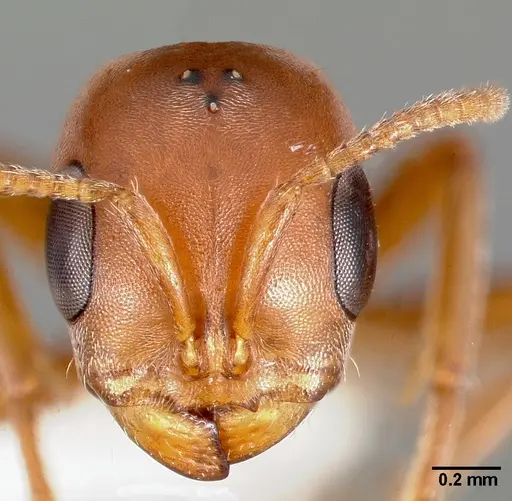
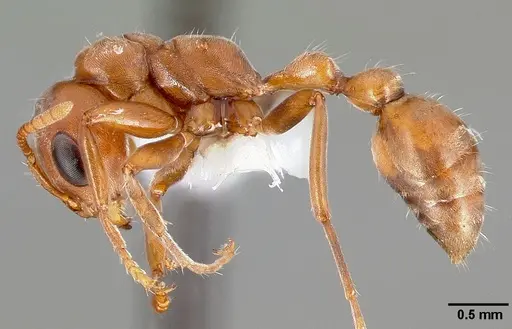
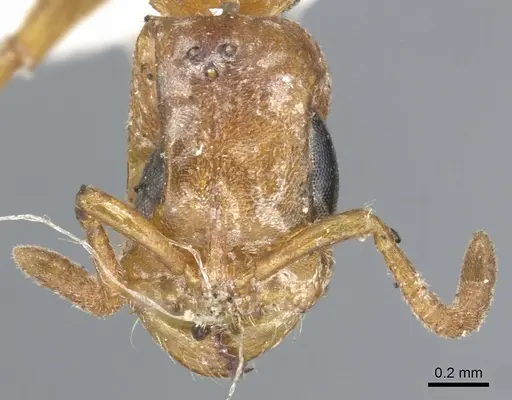
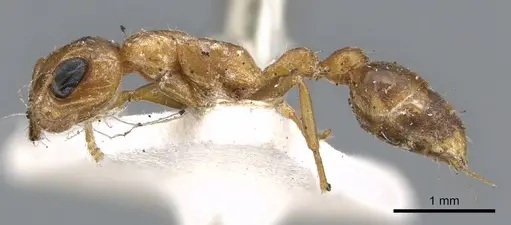
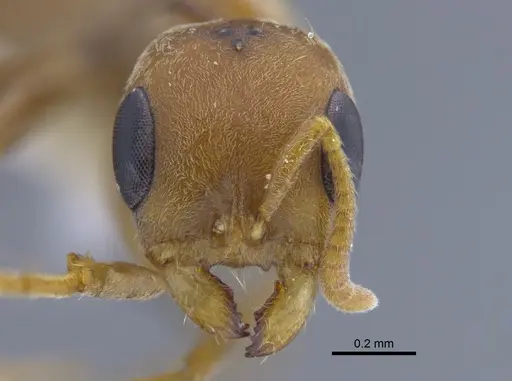
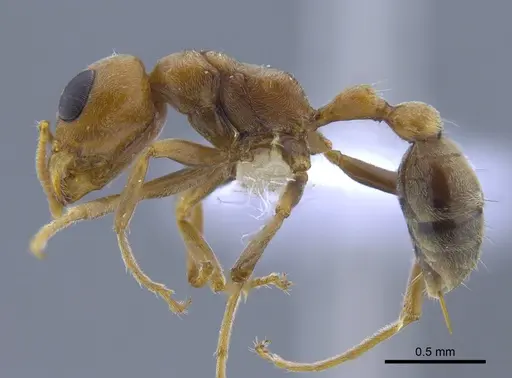
The Pseudomyrmex spinicola are slender, red, wasp-like ants known for their large eyes and incredibly active nature. These striking ants are primarily arboreal, meaning they live in trees, and are famous for forming an intricate mutualistic relationship with certain Acacia tree species. Unlike many other ant species, P. spinicola workers are monomorphic, meaning all workers are roughly the same size and shape, though they exhibit fascinating behavioral specialization for different tasks within their colony. Their distinct appearance and specialized lifestyle make them a captivating species for experienced antkeepers interested in unique ant behaviors.
- Difficulty: Medium
- Origin & Habitat: Central America (Nicaragua, Costa Rica, Panama, Belize, El Salvador, Honduras) and parts of South America (Colombia, Mexico) in Tropical forests and open habitats, specifically within the hollow thorns of 'swollen-thorn' Acacia trees like Acacia collinsii and Acacia allenii (now often referred to as Vachellia species). They are obligate inhabitants of these ant-plants..
- Colony Type: Monogyne, claustral founding.
- Size & Growth:
- Queen: 10-15mm
- Worker: 6-10mm
- Colony: Medium (hundreds). Fast growth.
- Antkeeping:
- Temperature: Maintain a consistent tropical temperature range of 24-28°C (75-82°F). Consistent warmth is crucial for brood development and overall colony health..
- Humidity: High humidity, typically 60-80%, mimicking their rainforest environment. Good ventilation is also important to prevent mold while maintaining high humidity..
- Diapause: Not required. Not specified at Not specified.
- Nesting: Given their natural arboreal nesting habits in hollow plant thorns, a naturalistic setup with hollow sticks or custom-made formicaria with narrow, interconnected chambers that mimic plant cavities is ideal. Ytong nests or acrylic setups with tight spaces can also be adapted, ensuring proper ventilation and humidity..
- Behavior: High aggressiveness.
- Common Issues: Replicating natural plant-based diet, Maintaining high humidity without mold, Providing appropriate nesting structures, Stinging potential during maintenance.
One of the most captivating aspects of Pseudomyrmex spinicola is their obligate mutualistic relationship with 'swollen-thorn' Acacia trees. In the wild, these ants live exclusively within the hollow thorns of their host trees. In exchange for shelter, the ant colony diligently defends the tree from herbivores and even prunes back competing vegetation, creating a clear zone around their host. Replicating this specific nesting and defensive behavior in a captive setup can be challenging but incredibly rewarding for dedicated ant enthusiasts.
Their natural diet consists primarily of specialized food rewards provided by their host plant: nectar from extrafloral nectaries and protein- and lipid-rich 'Beltian bodies'. To thrive in a home formicarium, you'll need to replicate this dietary diversity. While they will accept small insects as a protein source, offering a steady supply of sugar water (or a similar sugary liquid) and small amounts of pollen or other protein supplements is vital. Be mindful of potential mold growth with high humidity and sugary foods.
While Pseudomyrmex spinicola workers are monomorphic (lacking distinct major and minor castes), they exhibit complex behavioral specialization within the colony. Some workers will primarily act as 'leaf-ants' focused on foraging, while others function as 'trunk-ants' specializing in defending the host tree. This division of labor, observed even without morphological differences, highlights their advanced social organization and is a fascinating aspect to observe in a healthy colony.
These ants are known for being quite aggressive in defense of their territory and host tree. They possess a potent sting, which they readily use against perceived threats. When handling their formicarium or offering food, exercise caution to avoid stings. While not typically aggressive towards their keepers unless provoked, their defensive instincts are strong, making careful handling and secure enclosures paramount for responsible antkeeping.
Frequently Asked Questions
What makes Pseudomyrmex spinicola unique among ant species?
Pseudomyrmex spinicola are fascinating due to their obligate mutualistic relationship with certain Acacia trees. They literally live inside the hollow thorns of these plants and, in return, fiercely protect their host from pests and encroaching vegetation. This specialized lifestyle sets them apart from many other commonly kept ants.
Do Acacia Ants sting, and how painful is it?
Yes, Pseudomyrmex spinicola can deliver a painful sting. They are quite aggressive when defending their 'home' (which would be your formicarium in captivity). While pain tolerance varies, their sting is considered potent, so always handle their setup with care and use appropriate precautions.
What do Pseudomyrmex spinicola eat in captivity?
In their natural habitat, they feed on nectar from the Acacia tree's extrafloral nectaries and specialized protein-rich 'Beltian bodies'. In your antkeeping setup, you'll need to provide a balanced diet of sugar water (or similar sugary solutions) for carbohydrates and small insects like fruit flies or roaches for protein. Offering pollen or other protein supplements can also be beneficial to mimic their natural protein sources.
What kind of nest is best for Acacia Ants?
Mimicking their natural thorn nests is key. Specialized arboreal formicaria with narrow, hollow chambers or modified Ytong nests with small, interconnected tunnels can work well. Some keepers even incorporate real, hollowed-out twigs or custom acrylic setups designed to replicate the internal structure of their host plants. Good ventilation is crucial alongside high humidity.
Do Pseudomyrmex spinicola workers come in different sizes, like majors and minors?
No, Pseudomyrmex spinicola workers are monomorphic, meaning they are all roughly the same size. However, despite this lack of morphological castes, they exhibit impressive behavioral specialization, with different workers undertaking specific tasks like foraging or defense within the colony.
How large do Pseudomyrmex spinicola colonies get?
In the wild, a mature colony can consist of hundreds of individuals. While they may not reach the immense numbers of some ground-nesting species, a thriving Pseudomyrmex spinicola colony is still a robust and active community, often spanning multiple 'thorns' or nest chambers in their natural environment.
Do these ants need a diapause (hibernation) period?
No, as a tropical species originating from warm climates, Pseudomyrmex spinicola do not require a diapause period. Consistent warm temperatures year-round are essential for their continuous growth and activity.
What are the ideal temperature and humidity levels for Pseudomyrmex spinicola?
They thrive in tropical conditions, so aim for temperatures between 24-28°C (75-82°F) and high humidity, ideally ranging from 60-80%. Balancing high humidity with adequate ventilation is important to prevent mold growth in the nest.
How fast do Acacia Ant colonies grow?
Pseudomyrmex spinicola colonies are known for their fast growth rate, especially once they are well-established and receiving consistent care. They can multiply quite rapidly, particularly after periods of resource abundance, similar to how they rebound after a dry season in the wild.
Are Pseudomyrmex spinicola difficult to keep for beginners?
They are generally considered a 'Medium' difficulty species, making them less suitable for absolute beginners. Their specific dietary needs, nesting preferences related to their mutualism, and active defensive behaviors require a bit more experience and dedicated setup compared to more generalist ant species.

This caresheet is licensed under CC BY-SA 4.0 .
CASENT0005800
View on AntWeb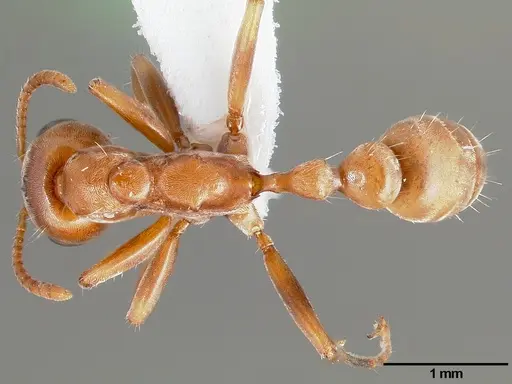
CASENT0902907
View on AntWeb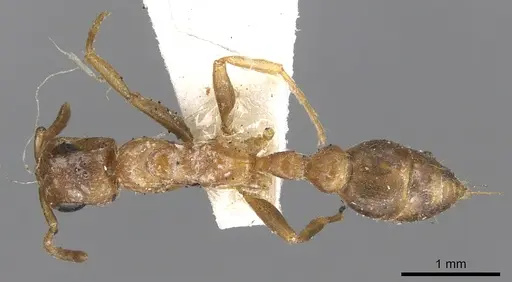
CASENT0904055
View on AntWeb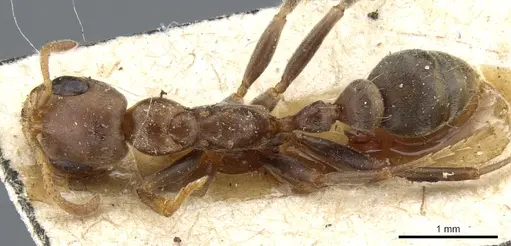
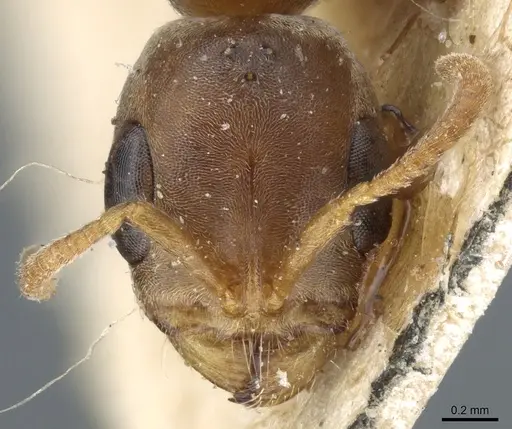
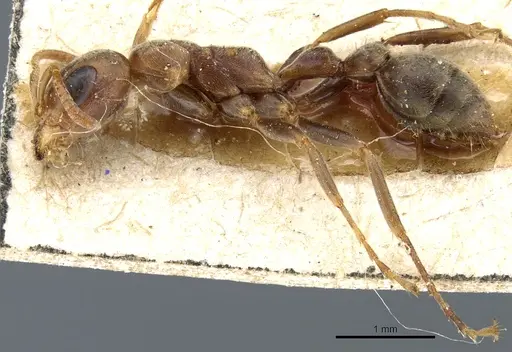
CASENT0907562
View on AntWeb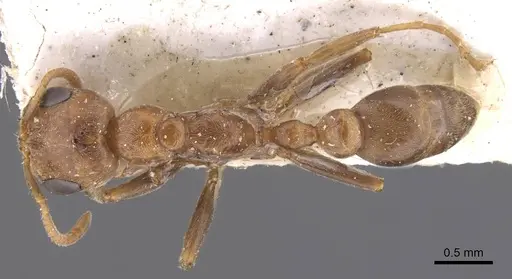
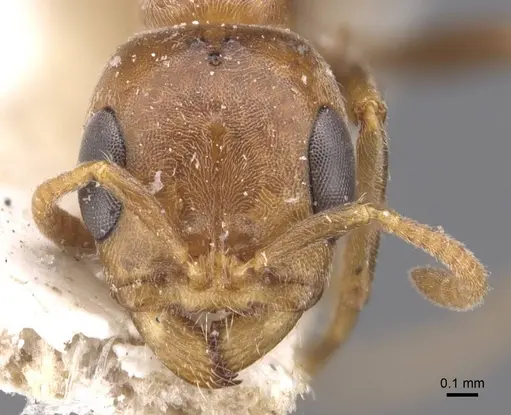
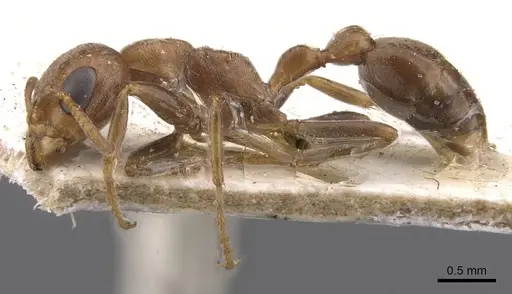
CASENT0907564
View on AntWeb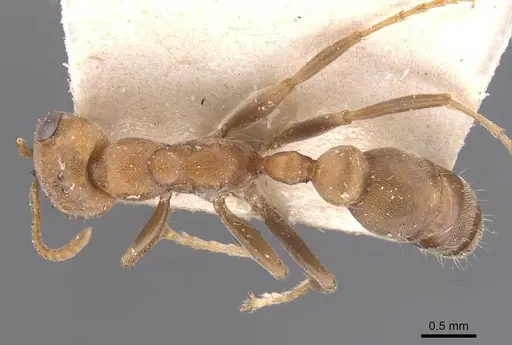
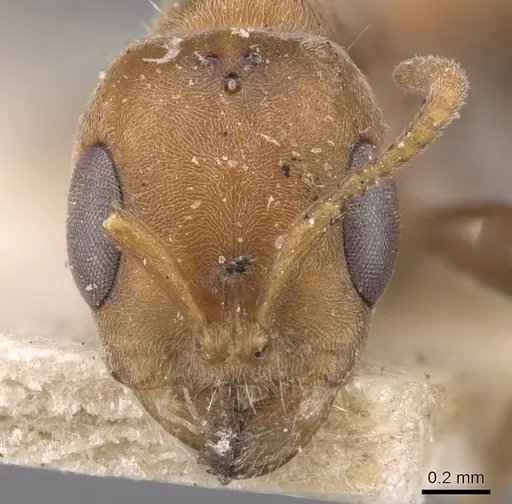
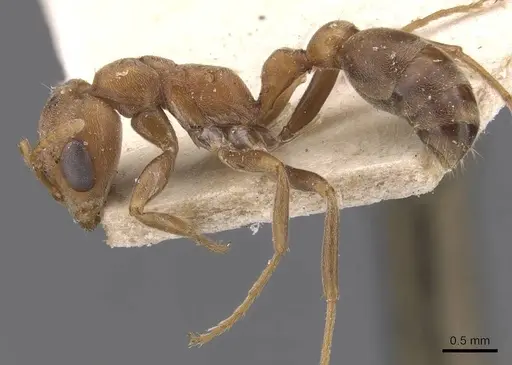
CBUMAGENT41761
View on AntWeb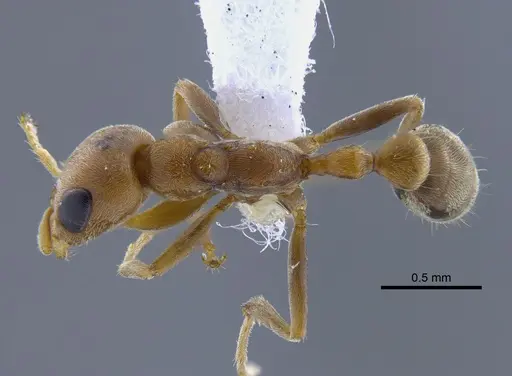
Literature
Loading...Loading products...