

Pseudomyrmex pazosi
- Scientific Name
- Pseudomyrmex pazosi
- Tribe
- Pseudomyrmecini
- Subfamily
- Pseudomyrmecinae
- Author
- Santschi, 1909
- Distribution
- Found in 1 countries
Pseudomyrmex pazosi Overview
Pseudomyrmex pazosi is an ant species of the genus Pseudomyrmex. It is primarily documented in 1 countries , including Cuba. Detailed taxonomic data and occurrence records can be further explored via authoritative databases such as AntWeb or the Global Biodiversity Information Facility (GBIF).
Pseudomyrmex pazosi
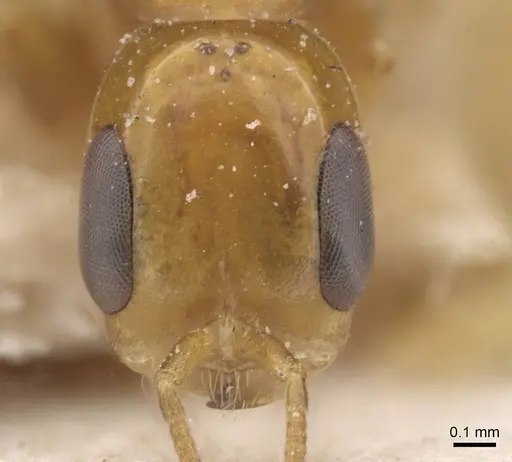
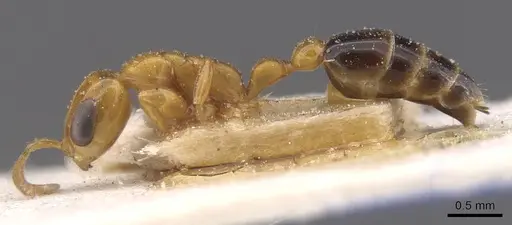
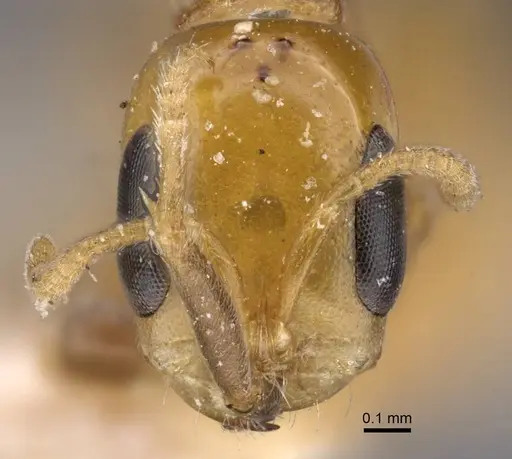
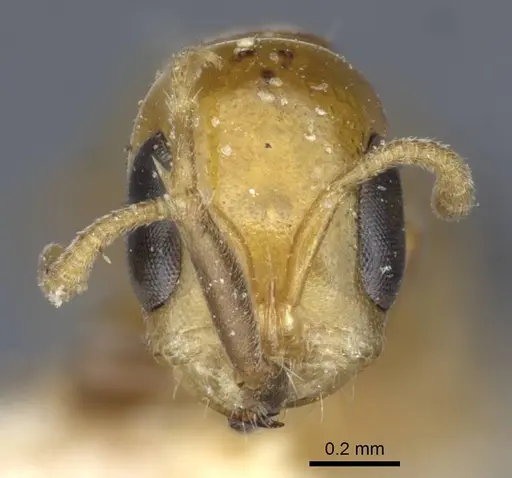
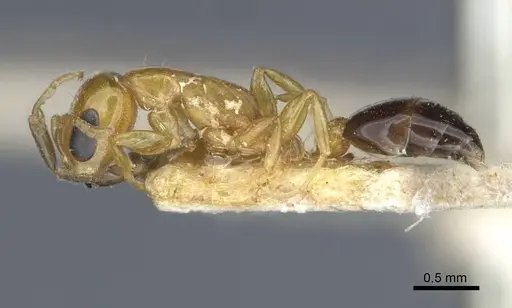
Pseudomyrmex pazosi is a small, slender ant endemic to Cuba, belonging to the Pseudomyrmecinae subfamily, the big-eyed arboreal ants. Workers are small with the characteristic large eyes typical of this group, and they belong to the P. pallidus species group [1][2]. This species is a generalist twig-nester, meaning it colonizes hollow stems, branches, and cavities in vegetation rather than nesting in soil [2].
Found only in Cuba, P. pazosi inhabits various forest types including pluviforest, evergreen forest, semideciduous forest, and pine forest [3]. Like other Pseudomyrmex species, they are diurnal and orient visually using their excellent eyesight. They patrol large areas around their nests solitarily and are known for being very agile [4]. This species can even be found in human-modified areas like gardens and parks in Cuba [5].
Quick Summary
- Difficulty: Medium
- Origin & Habitat: Endemic to Cuba in the Greater Antilles (Neotropical region). Found in multiple forest types including pluviforest, evergreen forest, semideciduous forest, and pine forest [3][6].
- Colony Type: Unconfirmed, likely single-queen colonies based on typical Pseudomyrmex patterns, but colony structure has not been directly studied.
- Size & Growth:
- Queen: Estimated 6-8mm based on genus patterns for P. pallidus group species
- Worker: Small, approximately 3-4mm based on Ward (1989) noting it as a small species
- Colony: Unknown, typical Pseudomyrmex colonies reach dozens to low hundreds of workers
- Growth: Moderate, inferred from related species
- Development: Estimated 6-10 weeks at optimal tropical temperatures based on genus-level data (Development time not directly studied, estimate based on typical Pseudomyrmex patterns for tropical species)
- Antkeeping:
- Temperature: Keep warm at 24-28°C. Being a Cuban tropical species, they need consistently warm conditions. A heating cable on one side of the nest creates a suitable gradient.
- Humidity: Moderate to high, these are forest ants that prefer humid conditions. Keep nest substrate slightly moist but allow some drying areas. Mist occasionally and provide a water tube.
- Diapause: No, as a tropical species from Cuba, they do not require hibernation. Keep temperatures stable year-round.
- Nesting: Twig-nesting species, they prefer narrow cavities in wood or plant stems. In captivity, a Y-tong (AAC) nest or acrylic nest with narrow chambers works well. They also do well in naturalistic setups with twigs/branches. Avoid large, open spaces, they prefer tight, enclosed chambers.
- Behavior: These ants are diurnal and visually oriented, they have excellent eyesight and actively patrol their territory. Workers forage solitarily and are very agile [4]. They can act as predators of small insects and also visit extrafloral nectaries for sugar. Escape risk is moderate due to their small size, use standard barriers. They are not particularly aggressive toward keepers but will defend their nest. Workers are fast-moving and alert.
- Common Issues: tropical temperature requirements mean colonies can struggle in cool rooms without heating, twig-nesting preference means they may not accept large, open formicarium designs, small size requires fine mesh barriers to prevent escapes, limited research means many care aspects are estimates from genus-level patterns, wild-caught colonies may have parasites or diseases specific to their native habitat
Natural History and Distribution
Pseudomyrmex pazosi is endemic to Cuba, making it a truly special species for antkeepers interested in Caribbean fauna. It was originally described by Santschi in 1909 and was once considered a variety of Pseudomyrmex flavidulus before being recognized as a distinct species by Ward in 1989 [7]. The type locality is San Antonio de los Baños, Cuba.
This species belongs to the P. pallidus group, which is monophyletic according to phylogenetic studies [1]. It has been recorded in multiple Cuban localities across different provinces and is associated with various forest types from wet pluviforest to drier pine forest [3]. Interestingly, it can also be found in human-modified environments like gardens and parks [5], suggesting some adaptability to disturbed habitats.
As a member of the Pseudomyrmecinae subfamily, these ants are characterized by their large eyes and slender build. They are generalist twig-nesters, meaning they colonize pre-existing cavities in vegetation rather than building elaborate nests [2].
Housing and Nest Preferences
In captivity, Pseudomyrmex pazosi does best in setups that mimic their natural twig-nesting behavior. Y-tong (AAC) nests work very well because they provide the narrow, enclosed chambers these ants prefer. Acrylic nests with tight-fitting chambers are also suitable.
Avoid large, open formicarium designs, these ants feel secure in compact spaces. If using a naturalistic setup, provide twigs, hollow stems, or cork bark for them to colonize. The nest should have a water reservoir to maintain humidity, but avoid flooding.
Because they are arboreal ants, they do well with an outworld that includes climbing structures. They are agile and will explore vertical spaces, so ensure the setup allows for natural foraging behavior. Standard escape prevention works for this species since they are not extreme escape artists like some tiny ants, but always use proper barriers. [2][4]
Feeding and Diet
Like other Pseudomyrmex species, P. pazosi is likely omnivorous with a preference for protein sources. In nature, they act as predators of small insects and also visit extrafloral nectaries for sugar [4].
For captive colonies, offer a varied diet: small live prey like fruit flies, pinhead crickets, or mealworms for protein. They will likely accept sugar water, honey, or diluted honey as an energy source. Offer protein prey 2-3 times per week and keep sugar water available constantly. Remove uneaten prey after 24 hours to prevent mold.
Since this species hasn't been extensively kept in captivity, be prepared to experiment with food acceptance. Start with small prey items appropriate for their tiny workers and adjust based on what they accept.
Temperature and Seasonal Care
As a tropical Cuban species, Pseudomyrmex pazosi requires warm temperatures year-round. Keep the nest area at 24-28°C consistently. A heating cable or heating mat on one side of the nest creates a temperature gradient that allows the ants to regulate their own exposure to warmth.
Do not allow temperatures to drop below 20°C for extended periods. Room temperature may be suitable in warm climates or heated rooms, but monitor with a thermometer. Unlike temperate species, they do not require a diapause or winter rest period, maintain stable conditions throughout the year.
Humidity should be moderate to high, reflecting their forest habitat. Keep the nest substrate slightly moist and mist the outworld occasionally. Ensure good ventilation to prevent mold while maintaining humidity. [3]
Behavior and Observation
One of the most interesting aspects of Pseudomyrmex ants is their visual orientation and diurnal activity pattern. Workers have excellent eyesight and actively patrol their territory, making them a joy to watch [4]. They are very agile and move quickly when foraging.
This species is not particularly aggressive toward keepers but will defend their nest if threatened. Workers are alert and responsive to vibrations and light changes. Because they are visual orienters, avoid sudden movements when observing them.
In the wild, they nest in vegetation and can be found patrolling tree trunks and branches. In captivity, they will explore their outworld thoroughly and establish foraging routes. Their small size and quick movements make them entertaining pets that are always active during daylight hours.
Acquisition and Legal Considerations
Pseudomyrmex pazosi is endemic to Cuba, which means wild-caught specimens would need to be legally exported from Cuba. Before acquiring this species, ensure you understand and comply with all applicable laws regarding ant importation and ownership in your country.
If purchasing from a breeder, verify the colony was captive-bred rather than wild-caught. Captive-bred colonies are generally healthier and less likely to harbor parasites or diseases. Given the limited research on this species, starting with a healthy captive colony gives you the best chance of success.
As an endemic species with a restricted range, conservation considerations apply. Only purchase from ethical sources that maintain sustainable breeding practices. [8][6]
Frequently Asked Questions
How long does it take for Pseudomyrmex pazosi to produce first workers?
The exact timeline is unconfirmed, but based on typical Pseudomyrmex development patterns, expect 6-10 weeks from egg to first worker at optimal tropical temperatures (24-28°C). Be patient, this species is not fast-growing.
What size nest should I use for Pseudomyrmex pazosi?
Use a nest with narrow, enclosed chambers, Y-tong (AAC) or acrylic nests work well. They prefer tight spaces similar to their natural twig-nesting habitat. Avoid large, open formicarium designs.
Do Pseudomyrmex pazosi ants sting?
Pseudomyrmex species can sting, but their stingers are small and they are not particularly aggressive toward humans. They will defend their nest if threatened, but generally prefer to flee rather than fight.
Are Pseudomyrmex pazosi good for beginners?
This species is rated as Medium difficulty. While not the hardest species, the limited research available means some care aspects are estimates. The tropical temperature requirements and specific nesting preferences may require more attention than beginner-friendly temperate species.
What do Pseudomyrmex pazosi eat?
They are omnivorous. Offer small live prey (fruit flies, pinhead crickets, small mealworms) for protein 2-3 times per week, and keep sugar water or honey available constantly. They may also accept seeds or other small foods.
Do Pseudomyrmex pazosi need hibernation?
No, as a tropical Cuban species, they do not require diapause or hibernation. Keep temperatures stable at 24-28°C year-round. Do not expose them to cool temperatures for extended periods.
Can I keep multiple queens together?
Colony structure is unconfirmed for this species. Based on typical Pseudomyrmex patterns, they likely form single-queen colonies. Combining unrelated queens has not been documented and is not recommended.
How big do Pseudomyrmex pazosi colonies get?
Colony size is not directly documented. Based on related species, expect colonies to reach dozens to perhaps a few hundred workers. They are not among the largest Pseudomyrmex species.
Why are my Pseudomyrmex pazosi dying?
Common causes include: temperatures below 20°C (tropical species need warmth), too dry conditions (they prefer humid forest habitat), or stress from wild-caught origin. Ensure proper heating, humidity, and consider if your colony was wild-caught which may have parasites.
Is Pseudomyrmex pazosi invasive?
No, this species is endemic to Cuba and has not been documented as invasive anywhere. It is found only in Cuba [8][6]. However, never release any ant species outside their native range.
References

This caresheet is licensed under CC BY-SA 4.0 .
CASENT0915514
View on AntWeb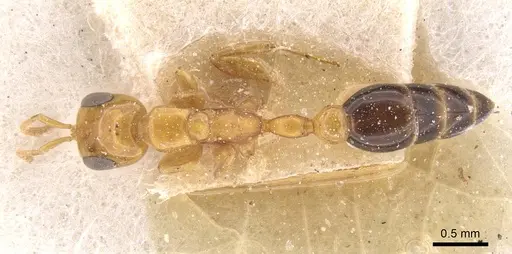
CASENT0916875
View on AntWeb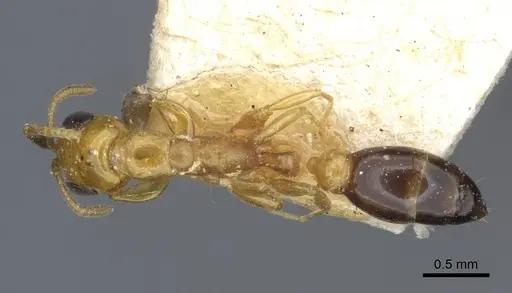
Literature
Loading...Loading products...