

Pseudomyrmex flavidulus
- Scientific Name
- Pseudomyrmex flavidulus
- Tribe
- Pseudomyrmecini
- Subfamily
- Pseudomyrmecinae
- Author
- Smith, 1858
- Distribution
- Found in 5 countries
Pseudomyrmex flavidulus Overview
Pseudomyrmex flavidulus is an ant species of the genus Pseudomyrmex. It is primarily documented in 5 countries , including Brazil, Colombia, Costa Rica. Detailed taxonomic data and occurrence records can be further explored via authoritative databases such as AntWeb or the Global Biodiversity Information Facility (GBIF).
Pseudomyrmex flavidulus
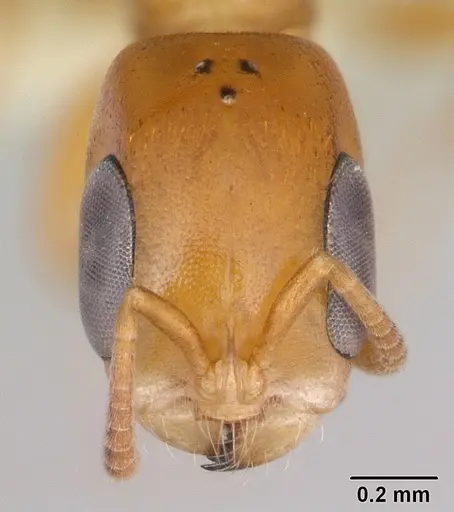
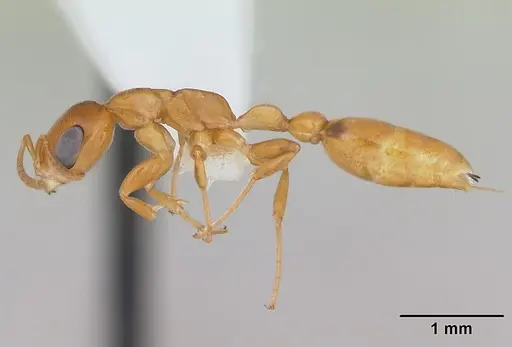
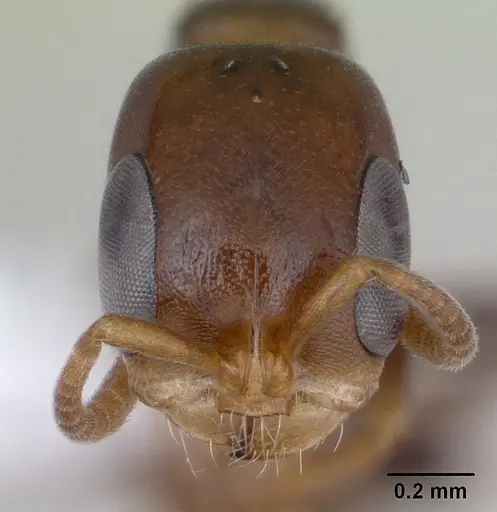
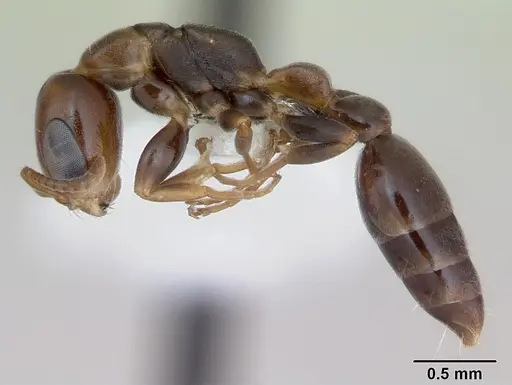
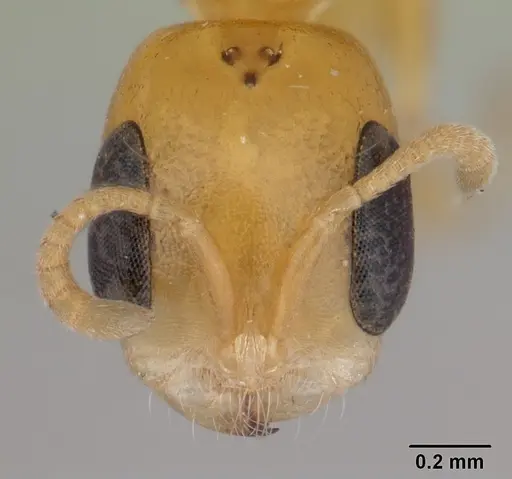
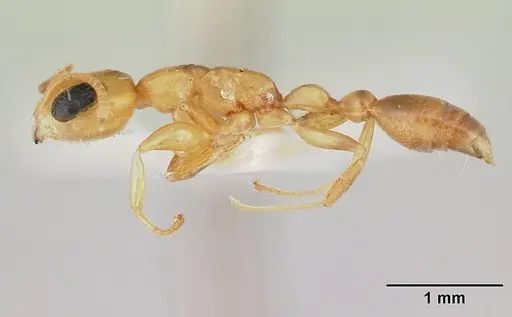
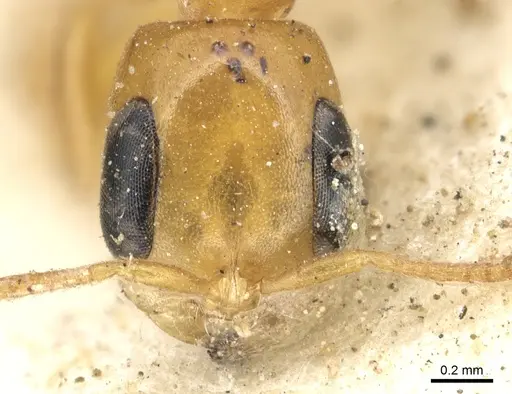
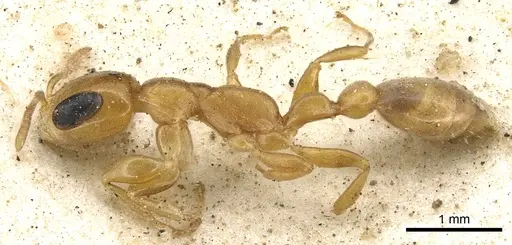
Pseudomyrmex flavidulus is a slender, elongate ant species known for its distinctive yellow-to-brown coloration with a pair of prominent black spots near the base of the gaster. Workers measure around 3.74mm in body length and possess remarkably large eyes, giving them excellent vision for navigating their arboreal habitat. This species ranges across the Neotropical Region from Mexico down through Central America and into South American countries including Brazil, Argentina, and Paraguay [1][2].
These ants are arboreal nesters that make their homes in hollow plant structures, specifically the hollow thorns of acacia trees and the dead stems of plants like Actinocephalus polyanthus. They are aggressive defenders of their nesting sites and will readily bite if threatened. In the wild, they are often observed tending scale insects on coffee trees and other plants, making them important players in tropical ecosystems [1][3].
Quick Summary
- Difficulty: Medium
- Origin & Habitat: Neotropical Region, found across Central America (Mexico, Guatemala, Costa Rica, Panama), South America (Brazil, Colombia, Ecuador, Paraguay, Argentina, Venezuela, Bolivia, French Guiana), and Caribbean islands (Trinidad, Tobago, Grenada, Guadeloupe). Inhabits tropical and subtropical forests, often in association with acacia trees and other plants with hollow stems or thorns [1][2][4].
- Colony Type: Monogyne, each nest contains exactly one queen. Colonies are relatively small, typically containing 12-41 workers with an average of around 24 workers per colony [5].
- Colony: Monogyne
- Founding: Claustral
- Size & Growth:
- Queen: Estimated 5-6mm based on genus patterns, not directly measured in available literature
- Worker: 3.74mm average body length [5]
- Colony: 12-41 workers per colony (mean 24.4 ± 11.41) [5]
- Growth: Moderate, inferred from colony sizes and typical Pseudomyrmex development patterns
- Development: Estimated 6-8 weeks at tropical temperatures based on genus-level data for Pseudomyrmecinae (Direct development data unavailable, estimate based on related species in the subfamily)
- Antkeeping:
- Temperature: Keep at 24-28°C, these are tropical ants that require warm conditions. A gentle gradient allowing warmer and cooler areas within the enclosure is recommended [6].
- Humidity: Moderate to high humidity (60-80%), their natural habitat includes tropical forests with regular moisture. Provide a water source and keep nesting areas moist but not waterlogged.
- Diapause: No, as a tropical species, they do not require hibernation. Maintain consistent warm temperatures year-round [6].
- Nesting: Arboreal specialists, they nest in hollow plant structures. In captivity, provide vertical nesting options such as cork bark, bamboo sections, or acrylic nests with narrow chambers that mimic their natural twig-dwelling habitat. They prefer tight-fitting cavities close to their body size [5][3].
- Behavior: Pseudomyrmex flavidulus is an active, fast-moving ant species with excellent vision thanks to their notably large eyes. Workers are aggressive defenders and will readily bite threats to their colony. They are arboreal and spend most of their time foraging in vegetation rather than on the ground. Escape prevention is important due to their small size and agility, use tight-fitting barriers. They are known to tend scale insects and other homopterans for honeydew in their natural habitat [1].
- Common Issues: small colony sizes mean losses have bigger impact, these colonies max out around 40 workers so each individual matters, arboreal nature means they need vertical space and proper nesting sites, standard horizontal nests may not be accepted, tropical humidity requirements can lead to mold issues if ventilation is poor, aggressive defense means they may bite readily when nest is disturbed, limited research means many care parameters are estimates based on genus patterns rather than species-specific studies
Housing and Nest Setup
Pseudomyrmex flavidulus is an arboreal species that naturally nests in hollow plant structures, specifically the hollow thorns of acacia trees and the dead stems of plants like Actinocephalus polyanthus. In captivity, you should replicate these conditions using vertical nesting options. Cork bark sections, bamboo pieces, or acrylic formicariums with narrow vertical chambers work well. The chambers should be tight-fitting to their body size, these ants prefer snug accommodations that mimic their natural twig homes [5][3].
The outworld should include vertical surfaces for foraging since they naturally forage in vegetation. Provide branches, cork bark pieces, or other structures they can walk on. Because they are small and fast-moving, excellent escape prevention is essential, use fluon on rim edges and ensure all connections are secure. A small water test tube should always be available.
Feeding and Diet
In the wild, Pseudomyrmex flavidulus workers have been observed tending scale insects on coffee trees, collecting the honeydew these insects produce [1]. They are also generalist feeders that will consume nectar and small insects. In captivity, offer a varied diet including sugar water or honey as an energy source, and small live or frozen insects (fruit flies, small crickets, mealworms) for protein.
Feed sugar sources continuously, a cotton ball with sugar water or a small dish with honey works well. Offer protein prey 2-3 times per week, removing any uneaten prey after 24 hours. Fresh water should always be available. These ants are active foragers, so food should be placed where they can easily discover it.
Temperature and Humidity
As a tropical species, Pseudomyrmex flavidulus requires warm temperatures in the range of 24-28°C. They are classified as Tropical Climate Specialists (TCS) in research studies, confirming their preference for warm, humid conditions [6]. Maintain temperatures consistently within this range year-round, unlike temperate species, they do not benefit from seasonal cooling.
Humidity should be moderate to high (60-80%). Their natural habitat in tropical forests provides regular moisture. Keep the nesting area moist but avoid standing water. A water tube for drinking and occasional misting of the outworld helps maintain appropriate humidity. Ensure adequate ventilation to prevent mold while retaining moisture.
Colony Structure and Growth
Pseudomyrmex flavidulus forms monogyne colonies with exactly one queen per nest [5]. Colonies remain relatively small compared to many ant species, maximum observed size is around 41 workers, with an average colony containing about 24 workers [5]. Each colony also contains immature brood (eggs, larvae, pupae) ranging from 7 to 107 individuals, with an average of around 60 [5].
This small colony size means growth appears slow by antkeeping standards, but it is normal for this species. Queens are estimated to be around 5-6mm based on genus patterns. The first workers (nanitics) will be smaller than mature workers. Because colonies stay modest in size, they are well-suited to smaller enclosures and require less space than many other ant species.
Behavior and Temperament
Workers of Pseudomyrmex flavidulus are characterized by their narrow, elongate bodies and notably large eyes, these eyes provide excellent vision for navigating their arboreal habitat [1]. They are fast-moving and active foragers. When their nest is threatened, they become aggressive defenders and will readily bite.
Their natural history involves nesting in plant structures and foraging in vegetation, so they are better adapted to vertical space than ground-level activity. They are not ground-nesting ants and should be provided with appropriate arboreal-style housing. In the wild, their association with acacia thorns and tendency to tend scale insects indicates a peaceful coexistence with other organisms in their territory, but they will vigorously defend against threats to their nest.
Frequently Asked Questions
How long does it take for Pseudomyrmex flavidulus to produce first workers?
Based on typical Pseudomyrmecinae development, expect first workers (nanitics) around 6-8 weeks after the queen lays eggs, assuming temperatures around 26°C. Direct species-specific development data is not available, so this is an estimate based on genus-level patterns.
Can I keep multiple Pseudomyrmex flavidulus queens together?
No, this species is monogyne with exactly one queen per colony documented in the wild [5]. Unlike some ants that can form multi-queen colonies, P. flavidulus colonies have a single reproductive queen. Do not attempt to combine unrelated queens.
What size colony does Pseudomyrmex flavidulus reach?
Colonies remain relatively small, typically reaching 12-41 workers with an average of about 24 workers per colony [5]. This is smaller than many common ant species, so they are well-suited to keepers who prefer modest-sized colonies.
Do Pseudomyrmex flavidulus ants sting?
Pseudomyrmex ants can bite, and while they have a stinger, it is small and not typically effective against human skin. Their primary defense is biting. They are aggressive defenders of their nest and will readily bite if threatened.
Are Pseudomyrmex flavidulus good for beginners?
This species is rated as medium difficulty. While their small colony size and tropical requirements are manageable, their arboreal nature and specific nesting preferences may require more setup thought than simple ground-nesting species. They are best suited for keepers interested in arboreal ants who can maintain warm, humid conditions year-round.
Do Pseudomyrmex flavidulus need hibernation?
No, as a tropical species, they do not require hibernation or winter cooling [6]. Maintain consistent temperatures of 24-28°C year-round. Unlike temperate ant species, they do not benefit from seasonal temperature drops.
Why are my Pseudomyrmex flavidulus not using the nest I provided?
These ants are arboreal specialists that naturally nest in hollow plant structures like acacia thorns and plant stems [3]. They may reject horizontal or ground-level nests. Try providing vertical cork bark, bamboo sections, or other narrow cavities that mimic their natural twig habitat.
What do Pseudomyrmex flavidulus eat?
They are generalist feeders. Offer sugar water or honey continuously for energy, and small insects (fruit flies, small crickets, mealworms) 2-3 times per week for protein. In the wild, they also tend scale insects for honeydew [1].
How do I know if my Pseudomyrmex flavidulus colony is healthy?
Healthy colonies have active workers actively foraging, a laying queen, and developing brood. Workers should be alert and fast-moving. Because colonies max out at around 40 workers, healthy colonies will simply maintain steady numbers with some new workers emerging as older ones die. Watch for consistent brood development as an indicator of colony health.
References

This caresheet is licensed under CC BY-SA 4.0 .
CASENT0173754
View on AntWeb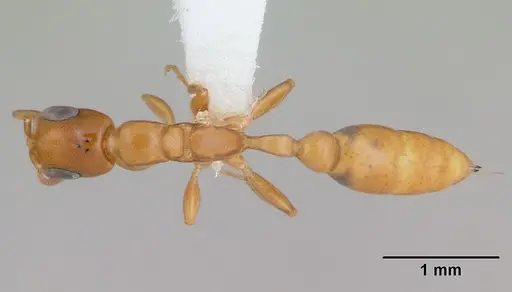
CASENT0173755
View on AntWeb
CASENT0178623
View on AntWeb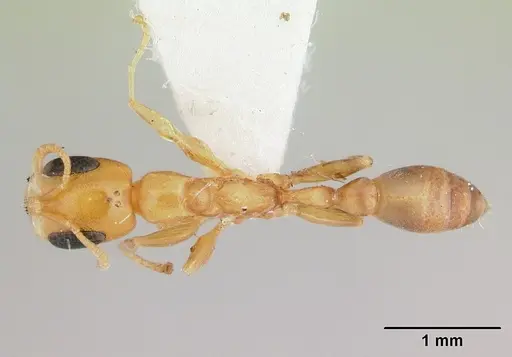
CASENT0902895
View on AntWeb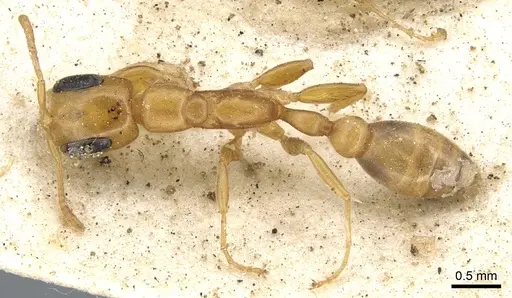
Literature
Loading...Loading products...