

Pseudomyrmex peruvianus
- Scientific Name
- Pseudomyrmex peruvianus
- Tribe
- Pseudomyrmecini
- Subfamily
- Pseudomyrmecinae
- Author
- Wheeler, 1925
- Distribution
- Found in 3 countries
Pseudomyrmex peruvianus Overview
Pseudomyrmex peruvianus is an ant species of the genus Pseudomyrmex. It is primarily documented in 3 countries , including Bolivia, Plurinational State of, French Guiana. Detailed taxonomic data and occurrence records can be further explored via authoritative databases such as AntWeb or the Global Biodiversity Information Facility (GBIF).
Pseudomyrmex peruvianus
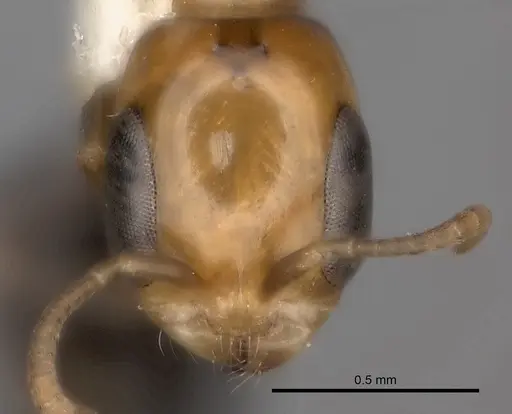
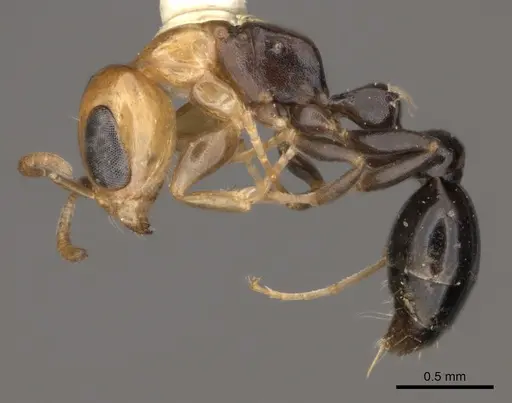
Pseudomyrmex peruvianus is a slender, elongated ant native to the Amazon basin and Andean foothills of South America. Workers measure around 4-6mm with a distinctive color pattern: the head and pronotum are light yellowish-brown or orange-brown, contrasting sharply with the darker brown rest of the body [1][2]. This species was originally described as a variety of Pseudomyrmex ejecta in 1925 and was later raised to full species status in 1985 [3]. They belong to the Pseudomyrmecinae subfamily, which contains slender, fast-moving ants often found in tropical forest habitats.
Quick Summary
- Difficulty: Medium
- Origin & Habitat: Tropical South America, found in Peru, Ecuador, Colombia, French Guiana, and Brazil (Pará, Acre, Mato Grosso). They inhabit lowland Amazon rainforest and Andean foothill regions at elevations up to 400m [2][4]. In the wild, they likely nest in dead twigs or vegetation in forest habitats [2].
- Colony Type: Colony structure is unconfirmed for this specific species. Based on typical Pseudomyrmex patterns, they may form multi-queen colonies, but this needs verification.
- Founding: Claustral
- Size & Growth:
- Queen: Estimated 8-10mm based on genus patterns, not directly measured for this species
- Worker: 4-6mm [2], workers have the characteristic yellowish-brown head and pronotum contrasting with dark brown body
- Colony: Unknown, likely several hundred to a few thousand workers based on related species
- Growth: Moderate, estimated based on tropical Pseudomyrmex patterns
- Development: Estimated 6-8 weeks at tropical temperatures (24-28°C), not directly studied for this species (Timeline inferred from related Pseudomyrmex species in tropical conditions)
- Antkeeping:
- Temperature: Keep at 24-28°C, they are a tropical species from the Amazon basin. A gentle heat gradient in the nest allows workers to regulate their temperature [2].
- Humidity: Maintain high humidity (70-80%), these are rainforest ants from the Amazon. Keep the nest substrate consistently moist but not waterlogged. Provide a water tube for drinking access.
- Diapause: No, as a tropical species from the Amazon basin, they do not require hibernation. Activity may slow slightly during cooler periods but they remain active year-round.
- Nesting: In nature they nest in dead twigs [2]. In captivity, a test tube setup works well for founding colonies. For established colonies, a naturalistic setup with small twigs/branches or a Y-tong nest with narrow chambers mimics their natural nesting in vegetation. Keep nest materials slightly moist.
- Behavior: Pseudomyrmex ants are active foragers with well-developed eyes. They are likely aggressive defenders of their nest and can deliver a painful sting, handle with caution. Workers are fast-moving and may be skittish. Their small size (4-6mm) means escape prevention must be excellent, they can squeeze through standard test tube barriers. Use fluon on rim edges and ensure all connections are sealed.
- Common Issues: escape prevention is critical due to their small size, use fine mesh and seal all gaps, tropical humidity requirements can lead to mold if ventilation is poor, painful sting potential, handle carefully and avoid disturbing the colony, limited availability in the antkeeping hobby, this is not a common species, wild-caught colonies may harbor parasites or diseases from their native habitat
Natural History and Distribution
Pseudomyrmex peruvianus is found across northern South America, with confirmed records from Peru (the type locality), Ecuador (Napo province at the Jatun Sacha Biological Reserve), Colombia (Putumayo region), French Guiana, and Brazil (Pará, Acre, and Mato Grosso) [5][4][2]. The species was first described in 1925 by W.M. Wheeler as a variety of Pseudomyrmex ejecta, and later raised to full species status by Ward in 1985 [3]. They inhabit tropical rainforest environments at elevations from sea level to around 400m. The characteristic identification features include the light yellowish-brown or orange-brown head and pronotum contrasting with the darker brown remainder of the body, and a conspicuously incised metanotal groove [2].
Nest Preferences and Housing
In their natural habitat, Pseudomyrmex peruvianus appears to nest in dead twigs and vegetation [2]. This is typical behavior for the Pseudomyrmecinae subfamily, which often utilizes hollow plant stems, twigs, and bamboo cavities. For captive care, you can replicate this with a test tube setup for founding colonies. Simply place the queen in a test tube with a water reservoir (filled about 1/3 with water, plugged with cotton) and cover the tube with a dark cloth to reduce stress. Once the colony establishes (after first workers emerge), you can transition to a naturalistic setup with small twigs or branches, or use a Y-tong/plaster nest with narrow chambers scaled to their size. The nest material should remain slightly moist but never waterlogged.
Temperature and Humidity Requirements
As a tropical species from the Amazon basin, Pseudomyrmex peruvianus requires warm and humid conditions. Keep the nest area at 24-28°C (75-82°F) to support brood development [2]. A heating cable placed on top of the nest can create a gentle temperature gradient, allowing workers to move between warmer and cooler areas. Maintain high humidity around 70-80%, these ants come from rainforest environments where moisture is abundant. Keep the nest substrate consistently moist but not soggy. A water tube should always be available for drinking access. Good ventilation is essential to prevent mold while maintaining humidity.
Feeding and Diet
Pseudomyrmex species are generalist foragers that typically hunt small invertebrates and tend honeydew-producing insects. In captivity, offer a varied diet including small live prey (fruit flies, pinhead crickets, small mealworms) and sugar sources (honey water, sugar water). Protein should be offered 2-3 times per week, with sugar water available constantly. Remove uneaten prey after 24 hours to prevent mold. Fresh water should always be accessible. Monitor your colony's preferences, some individuals may favor certain foods over others.
Behavior and Handling
Pseudomyrmex ants are active, fast-moving foragers with excellent vision. They are likely to be defensive of their nest and can deliver a painful sting if threatened, this is something to keep in mind when observing or transferring your colony. Workers are relatively small (4-6mm) and can be skittish. When working with them, move slowly and avoid sudden vibrations. Because of their small size, escape prevention is critical, they can squeeze through tiny gaps. Apply fluon to test tube rims and ensure all connections and gaps are sealed. Use fine mesh (0.5mm or smaller) on any ventilation holes. [2]
Colony Development
The colony founding process for Pseudomyrmex peruvianus has not been directly documented, but based on genus patterns, it is likely claustral, the queen seals herself in a chamber and raises her first workers using stored fat reserves without foraging. Expect the first workers (nanitics) to emerge in approximately 6-8 weeks under optimal tropical conditions (24-28°C). Initial colony growth is typically slow, with the queen laying few eggs at first. Once the first workers emerge, they will begin foraging to feed the colony and expand the nest. Growth rate is moderate, full colony development may take several months to a year to reach significant numbers.
Frequently Asked Questions
How long does it take for Pseudomyrmex peruvianus to produce first workers?
Based on related Pseudomyrmex species, expect first workers (nanitics) in approximately 6-8 weeks at optimal tropical temperatures (24-28°C). This timeline is estimated since the specific development time has not been documented for this species.
Do Pseudomyrmex peruvianus ants sting?
Yes, Pseudomyrmex ants can deliver a painful sting. While not among the most dangerous ants, their sting can cause discomfort. Handle your colony with care and avoid disturbing them unnecessarily.
What temperature do Pseudomyrmex peruvianus need?
Keep them at 24-28°C (75-82°F). These are tropical Amazon ants that need warmth year-round. A heating cable on top of the nest can help maintain stable temperatures.
Can I keep Pseudomyrmex peruvianus in a test tube?
Yes, test tubes work well for founding colonies. Use a standard test tube setup with a water reservoir (cotton-stopped, filled 1/3 with water). Ensure excellent escape prevention as they are small enough to squeeze through standard gaps.
What do Pseudomyrmex peruvianus eat?
They are generalist foragers. Offer small live prey (fruit flies, small crickets, mealworms) 2-3 times per week and keep sugar water (honey or sugar water) available constantly. Fresh water should always be accessible.
Do Pseudomyrmex peruvianus need hibernation?
No, they do not require hibernation. As tropical ants from the Amazon basin, they remain active year-round at warm temperatures. Their activity may slow slightly during cooler periods but they do not enter diapause.
How big do Pseudomyrmex peruvianus colonies get?
Colony size is not documented for this species. Based on related Pseudomyrmex species, colonies likely reach several hundred to a few thousand workers over time.
Are Pseudomyrmex peruvianus good for beginners?
This species is rated as Medium difficulty. While not the most challenging ant, their tropical humidity requirements, small size (requiring excellent escape prevention), and potential sting make them better suited for keepers with some experience. They are also not commonly available in the hobby.
Why are my Pseudomyrmex peruvianus escaping?
Their small size (4-6mm) means they can escape through tiny gaps. Apply fluon to all test tube rims and rim edges, use fine mesh (0.5mm or smaller) on ventilation, and check all connections and seals regularly.
Is Pseudomyrmex peruvianus polygynous?
The colony structure (single queen vs multiple queens) has not been documented for this specific species. Many Pseudomyrmex species can form multi-queen colonies, but this needs confirmation for P. peruvianus.
References

This caresheet is licensed under CC BY-SA 4.0 .
CASENT0217581
View on AntWeb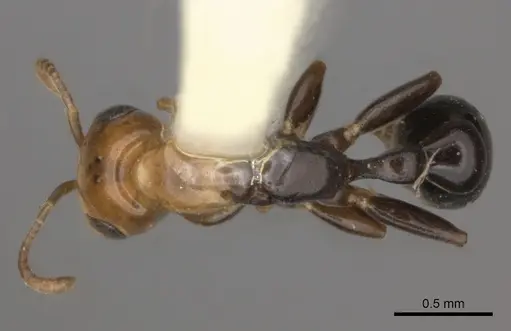
Literature
Loading...Loading products...