

Polyrhachis revoili
- Scientific Name
- Polyrhachis revoili
- Subgenus
- Myrma
- Tribe
- Camponotini
- Subfamily
- Formicinae
- Author
- André, 1887
- Distribution
- Found in 5 countries
Polyrhachis revoili Overview
Polyrhachis revoili is an ant species of the genus Polyrhachis. It is primarily documented in 5 countries , including Central African Republic, Congo, Gabon. Detailed taxonomic data and occurrence records can be further explored via authoritative databases such as AntWeb or the Global Biodiversity Information Facility (GBIF).
Polyrhachis revoili
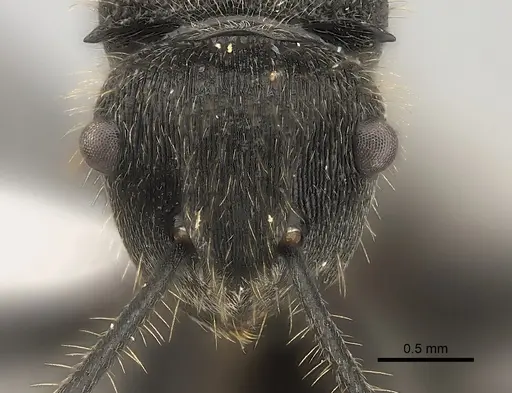
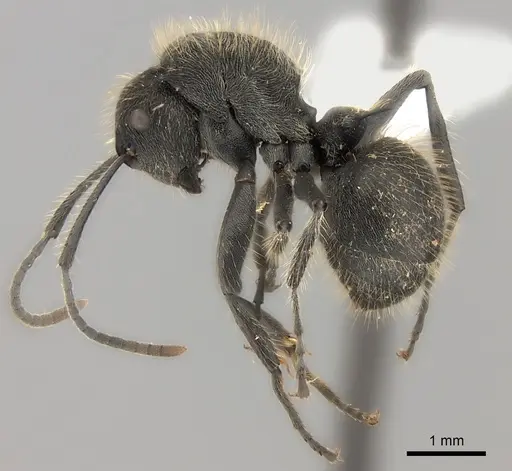
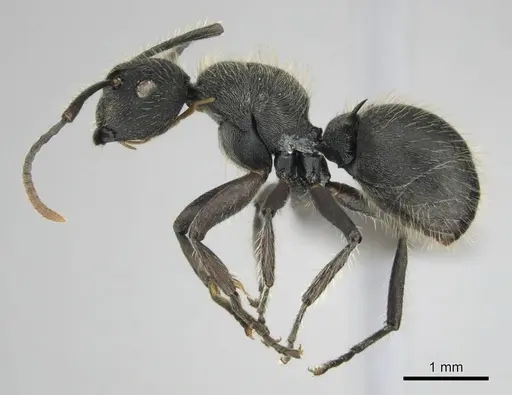
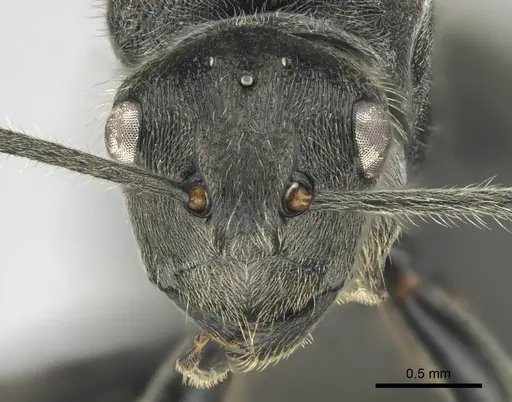
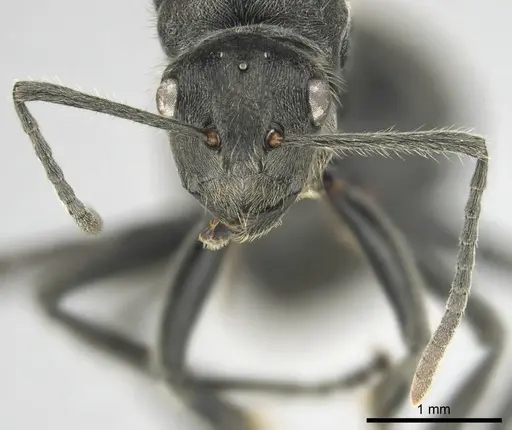
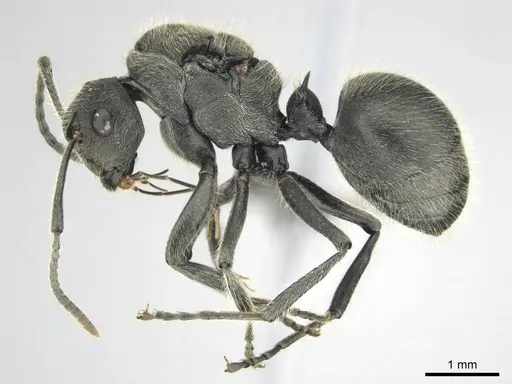
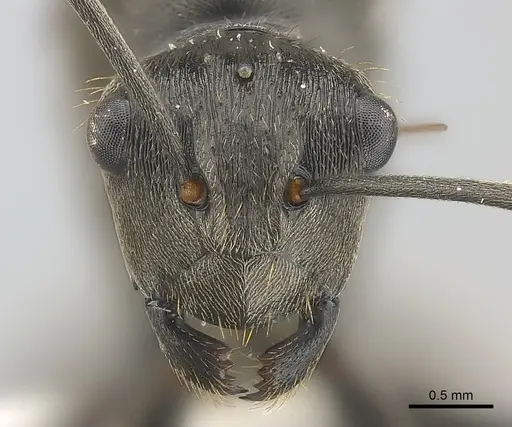
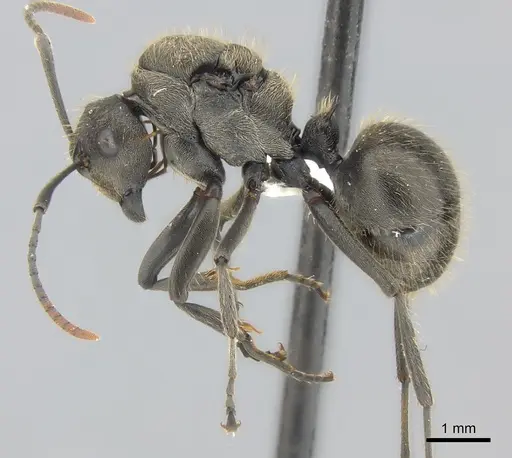
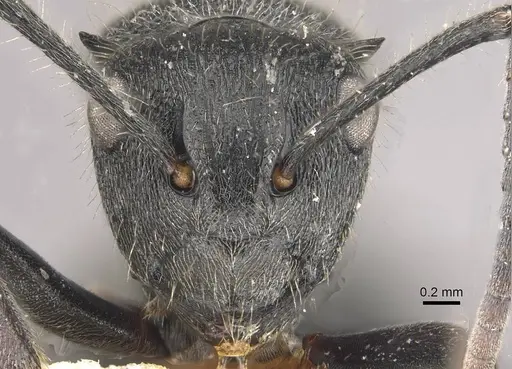
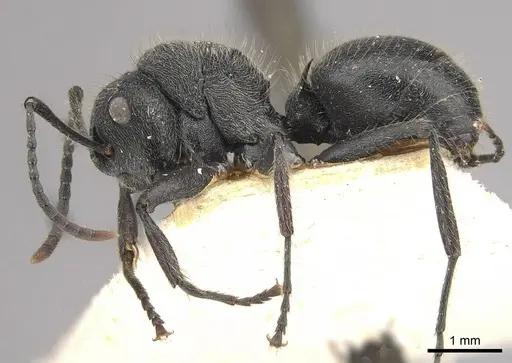
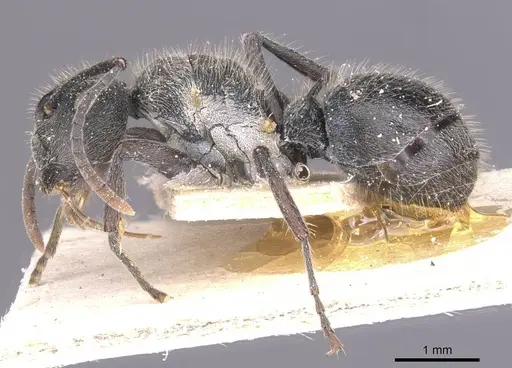
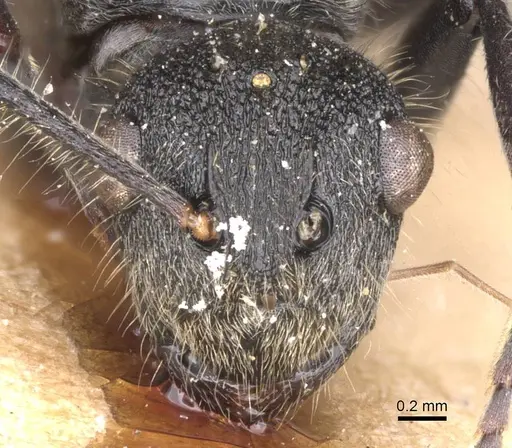
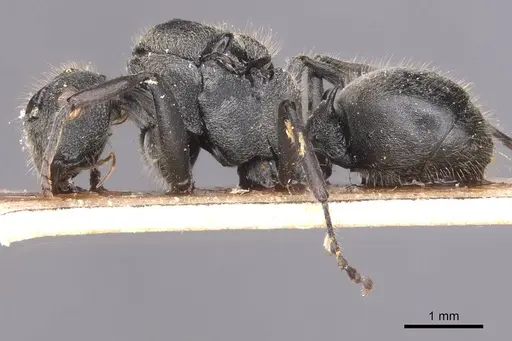
Polyrhachis revoili is a medium-sized African ant belonging to the Formicinae subfamily. Workers measure 6.1-6.5mm and are characterized by their robust, thickset body and distinctive spines, they have short pronotal spines, propodeal teeth, and a long pair of dorsal spines on the petiole [1]. The body is covered in abundant erect white to greyish hairs, and the pubescence is dense enough to partially hide the sculpturation on the alitrunk. They are uniformly black to dull black in color, though legs can range from black to red-brown [1]. This species is part of the Polyrhachis revoili species-group and is closely related to Polyrhachis weissi, but P. revoili is larger and more robust with PW 1.40 or more [1].
This species is found in the Afrotropical region, specifically the Democratic Republic of Congo, Somalia, and Gabon [1][2]. It prefers the southern savannah and veldt regions rather than forested areas [1]. Notably, nothing is known about the biology of this species in the scientific literature, colony structure, founding behavior, and specific care requirements have not been documented. However, being a Formicine ant, they likely share general characteristics with related genera like Camponotus. They are also known to be parasitized by Ophiocordyceps unilateralis, the zombie ant fungus, in Africa [3].
Quick Summary
- Difficulty: Unknown, no documented husbandry history exists
- Origin & Habitat: Afrotropical region, Democratic Republic of Congo, Somalia, and Gabon. Found in southern savannah and veldt regions at elevations from 110m to 640m [1][2][3].
- Colony Type: Unconfirmed, colony structure has not been documented in scientific literature
- Size & Growth:
- Queen: Approximately 6-7mm (estimated from genus patterns and holotype measurements HL 1.52mm) [3]
- Worker: 6.1-6.5mm [1]
- Colony: Unknown, no colony size data exists
- Growth: Unknown
- Development: Unknown, no development data exists for this species. Based on typical Formicine patterns, expect 6-10 weeks at optimal temperature. (Development timeline is unconfirmed. Related Formicine ants like Camponotus typically take 6-8 weeks from egg to worker at warm temperatures.)
- Antkeeping:
- Temperature: Unknown, no thermal studies exist for this species. Based on its African savannah distribution (DRC, Somalia, Gabon), aim for warm conditions around 24-28°C with a gradient allowing the colony to choose their preferred temperature. Monitor colony activity to adjust.
- Humidity: Unknown, no humidity data exists. Based on savannah habitat, moderate humidity (50-70%) is likely appropriate. Provide a water tube and allow the nest area to dry slightly between rehydration.
- Diapause: Unknown, no seasonal studies exist. African savannah species may reduce activity during dry/cool seasons but full hibernation is unlikely. Consider providing a cool period (15-18°C) in winter months and observe colony response.
- Nesting: No documented nesting preferences exist. In the wild, related Polyrhachis species often nest in soil, under stones, or in rotting wood. For captivity, a Y-tong (AAC) nest or plaster nest with narrow chambers works well. Provide some substrate depth if using a naturalistic setup.
- Behavior: No behavioral studies exist for this species. Based on genus patterns, they are likely moderate foragers with typical Formicine behavior, workers search for honeydew and small insects. Their spiny morphology suggests some defensive capability. Escape risk is moderate due to their 6mm size, standard barrier methods should suffice, but ensure tight-fitting lids. They are not known to be particularly aggressive.
- Common Issues: No documented care history means this species may have unexpected requirements, be prepared to experiment, Lack of colony size data makes it difficult to predict when to upgrade nest size, Unknown founding behavior means founding colonies may need careful observation, No documented diet acceptance, may require trial and error to determine preferred foods, Risk of Ophiocordyceps fungal infection, keep colony environment clean and avoid contaminated substrates
Appearance and Identification
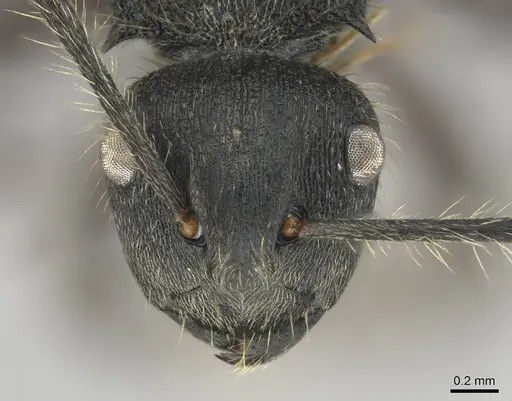
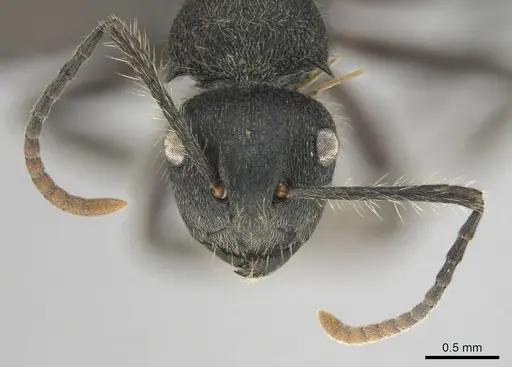
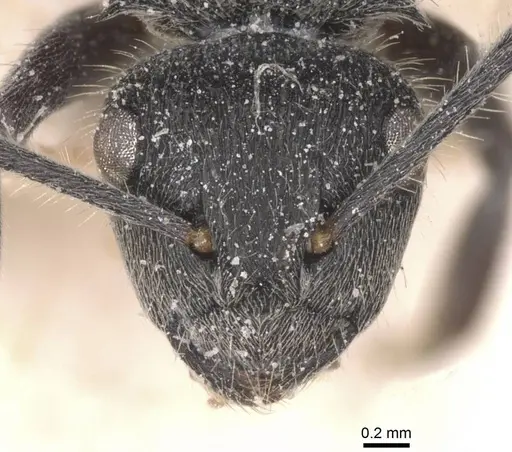
Polyrhachis revoili workers are medium-sized ants measuring 6.1-6.5mm in total length. They have a robust, thickset body that distinguishes them from the slimmer related species P. weissi. The most distinctive features are their spines: a pair of short, acute pronotal spines on the shoulders, a pair of upcurved propodeal teeth, and a long pair of dorsal spines on the petiole (plus a shorter lateral pair). Their body is covered in abundant erect white to greyish hairs, and a dense greyish pubescence partially or wholly conceals the sculpturation on the alitrunk. The head and alitrunk are finely sculptured, while the gaster is more shining. Color is usually uniform black, though legs can be black, black-brown, or red-brown [1]. Queens are similar but larger with reduced spines and the typical reproductive caste differences.
Distribution and Habitat
This species is found across the Afrotropical region, with confirmed records from the Democratic Republic of Congo, Somalia, and Gabon. It prefers southern savannah and veldt regions, which are warmer and more open than the forested areas preferred by the closely related P. weissi. Specimens have been collected at elevations ranging from 110m to 640m in Gabon [2][3]. This savannah preference suggests they are adapted to warmer, drier conditions than many forest-dwelling ant species.
Known Biology and Research Gaps
Nothing is known about the biology of Polyrhachis revoili, this is one of the most poorly documented ant species in the hobby. Colony structure (monogyne vs polygyne), founding behavior, development timeline, diet preferences, and seasonal patterns have not been studied. The only biological note is that they are parasitized by Ophiocordyceps unilateralis, the zombie ant fungus, in Africa [3]. This means keepers will need to be pioneers in developing husbandry techniques. Start with conditions typical for African Formicines and adjust based on colony response. The lack of data also means this species could reveal interesting behaviors if successfully kept.
Starting a Colony
Since no documented care exists, you'll need to apply what we know about related Formicine ants. Start with a claustral founding approach, provide the queen with a small test tube setup with water reservoir and keep it stable at around 24-26°C. Queens should seal themselves in as is typical for Formicines. After workers emerge (expect 6-10 weeks based on genus patterns), begin offering sugar water (honey or sucrose solution) and small protein sources like fruit flies, pinhead crickets, or mealworm pieces. Feed every 2-3 days and remove uneaten food. Monitor worker activity, if they cluster near one end, they may be seeking heat, if they avoid certain areas, they may be too warm or dry. This species is genuinely uncharted territory, so detailed observation notes will be valuable for the antkeeping community.
Feeding and Nutrition
No specific diet data exists for P. revoili. Based on genus patterns and the fact that they're Formicines, they likely have an omnivorous diet similar to Camponotus, accepting sugar sources (honeydew, nectar, sugar water) and protein (insects). Start with a sugar water tube always available, and offer small live or frozen insects 2-3 times per week. Remove uneaten prey within 24 hours to prevent mold. If workers ignore certain foods, try alternatives. The dense pilosity (hairs) on their body is unusual and may indicate specialized behaviors, but without data, we can only speculate about diet specializations.
Nest Setup and Housing
No documented nesting preferences exist for this species. Based on related Polyrhachis species and their savannah habitat, they likely nest in soil or under stones in the wild. For captivity, a Y-tong (acrylic) nest or plaster nest with chambers scaled to their 6mm size works well. Provide a water tube connected to the nest for humidity. Since we don't know their humidity preferences, start with moderate conditions (nest substrate moist but not waterlogged) and observe, if workers avoid the wet area, reduce moisture, if they cluster in condensation, it's acceptable. An outworld (foraging area) should allow easy access to food. Standard escape prevention (fluon on rim edges) is advisable, though they're not particularly small.
Frequently Asked Questions
How difficult is Polyrhachis revoili to keep?
Difficulty is unknown, this species has no documented care history in the antkeeping hobby. You'll be a pioneer. Start with conditions typical for African Formicines (warm, moderate humidity) and adjust based on colony response. Expect some trial and error.
What do Polyrhachis revoili ants eat?
No specific diet data exists. Based on related Formicine ants, they likely accept sugar water (honey/sucrose solution) and protein sources like small insects (fruit flies, pinhead crickets, mealworms). Offer sugar water constantly and protein 2-3 times weekly.
How long does it take for Polyrhachis revoili to produce first workers?
Development timeline is unconfirmed. Based on typical Formicine patterns (like Camponotus), expect 6-10 weeks from egg to worker at 24-26°C. This is an estimate since no species-specific data exists.
What temperature do Polyrhachis revoili need?
No thermal studies exist for this species. Based on their African savannah distribution (DRC, Somalia, Gabon), aim for warm conditions around 24-28°C. Use a heating cable on one side of the nest to create a gradient so workers can choose their preferred temperature.
Can I keep multiple Polyrhachis revoili queens together?
Colony structure is unconfirmed, no data exists on whether they are monogyne (single queen) or polygyne (multiple queens). Do not combine unrelated foundress queens until more is known. If you obtain multiple founding queens, house them separately.
How big do Polyrhachis revoili colonies get?
Colony size is unknown, no wild colony data exists for this species. Related Polyrhachis species typically form colonies of several hundred to a few thousand workers. Plan for eventual colony expansion but monitor growth rates.
Do Polyrhachis revoili need hibernation?
Diapause requirements are unknown. As an African savannah species from DRC, Somalia, and Gabon, full hibernation is unlikely. Consider providing a slight cool period (15-18°C) in winter months and observe if the colony reduces activity. If they remain active, continue normal care.
What size nest should I use for Polyrhachis revoili?
Workers are 6.1-6.5mm, so standard nest chambers sized for medium ants work well. A Y-tong (AAC) nest or plaster formicarium with appropriately sized tunnels is suitable. Ensure chambers are not too large for the founding colony to feel secure.
Where does Polyrhachis revoili come from?
This species is found in the Afrotropical region: Democratic Republic of Congo, Somalia, and Gabon. They prefer southern savannah and veldt (grassland) regions at elevations from 110m to 640m.
Why are my Polyrhachis revoili dying?
Without documented care requirements, mortality could result from many factors. Common issues with poorly-known species include: temperature too high or too low, humidity wrong (too dry or too wet), stress from overhandling, or unsuitable food. Keep detailed notes on conditions when deaths occur. Also be aware of fungal infection risk, keep the colony environment clean.
Is Polyrhachis revoili good for beginners?
No, this species is not recommended for beginners precisely because no care information exists. Beginners should start with well-documented species like Lasius niger, Camponotus floridanus, or Messor barbarus. Experienced keepers interested in pioneering care for rare species may have success with P. revoili.
References

This caresheet is licensed under CC BY-SA 4.0 .
CASENT0227558
View on AntWeb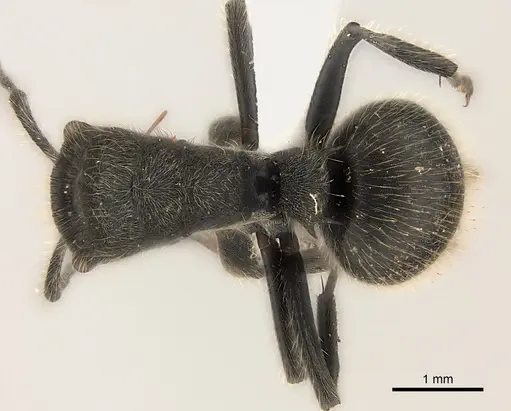
CASENT0250022
View on AntWeb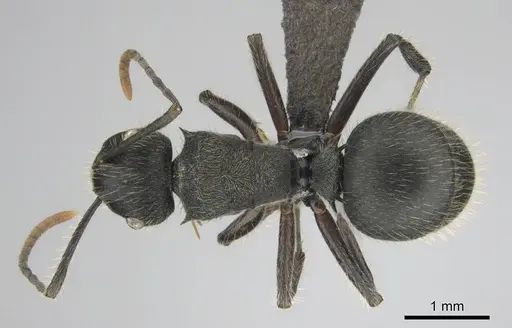
CASENT0250024
View on AntWeb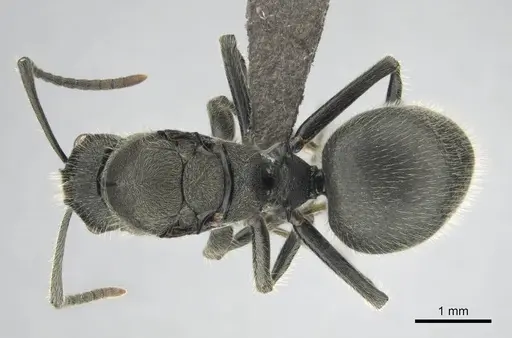
CASENT0403971
View on AntWeb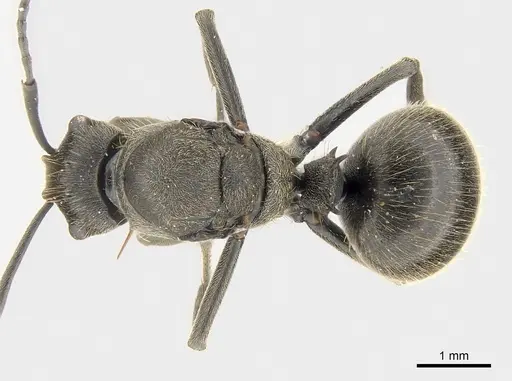
CASENT0910956
View on AntWeb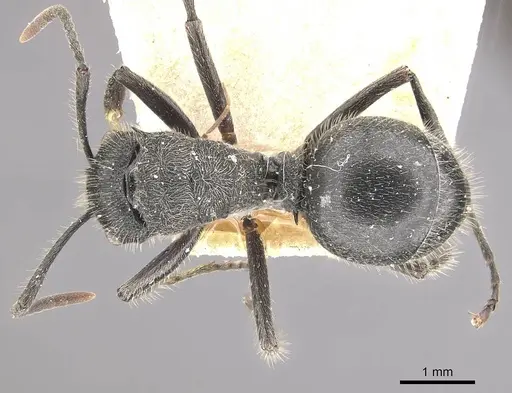
CASENT0912132
View on AntWeb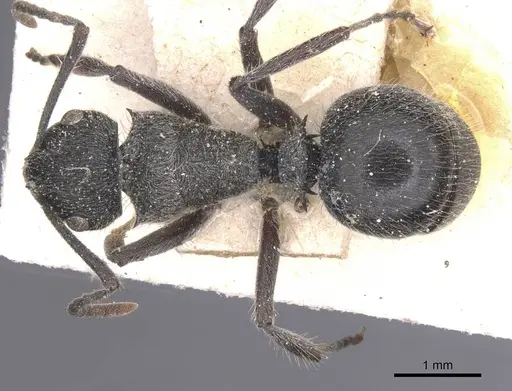
CASENT0913677
View on AntWeb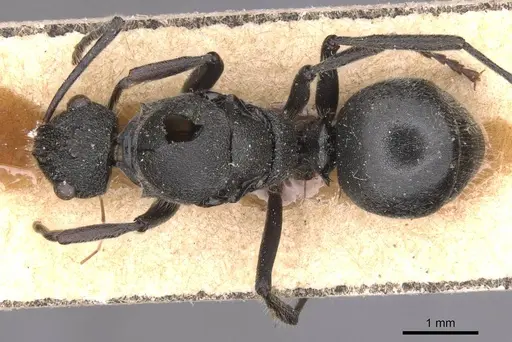
Literature
Loading...Loading products...