

Polyrhachis weissi
- Scientific Name
- Polyrhachis weissi
- Subgenus
- Myrma
- Tribe
- Camponotini
- Subfamily
- Formicinae
- Author
- Santschi, 1910
- Common Name
- Weiss's Spiny Sugar ant
- Distribution
- Found in 7 countries
Polyrhachis weissi Overview
Polyrhachis weissi (commonly known as the Weiss's Spiny Sugar ant) is an ant species of the genus Polyrhachis. It is primarily documented in 7 countries , including Congo, Democratic Republic of the, Central African Republic. Detailed taxonomic data and occurrence records can be further explored via authoritative databases such as AntWeb or the Global Biodiversity Information Facility (GBIF).
Polyrhachis weissi - "Weiss's Spiny Sugar ant"
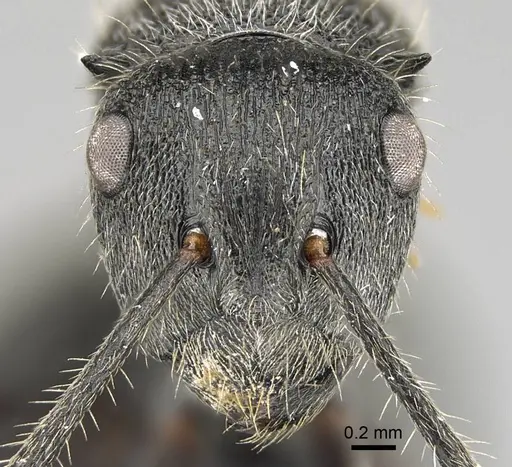
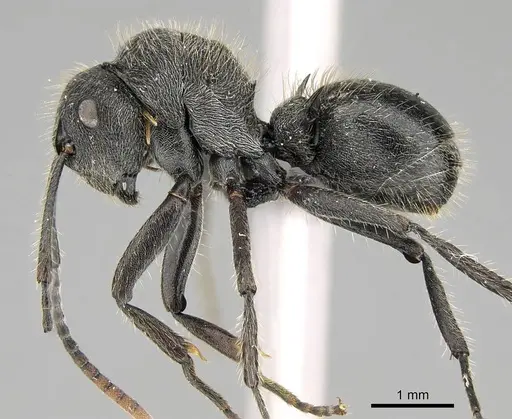
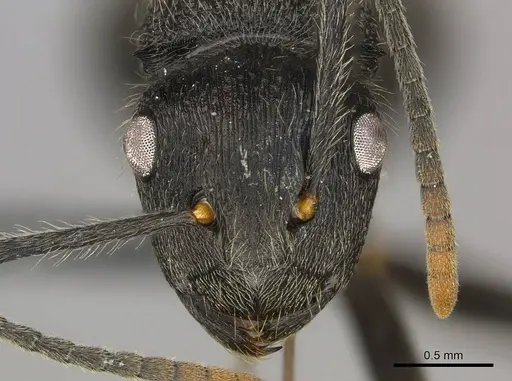
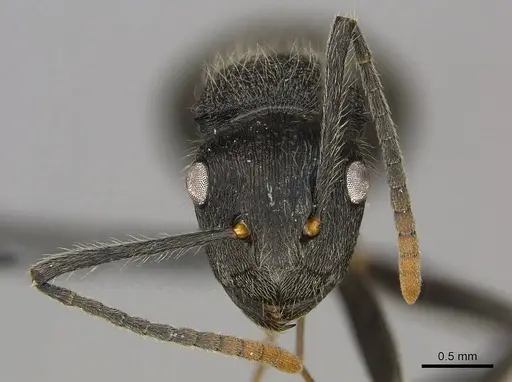
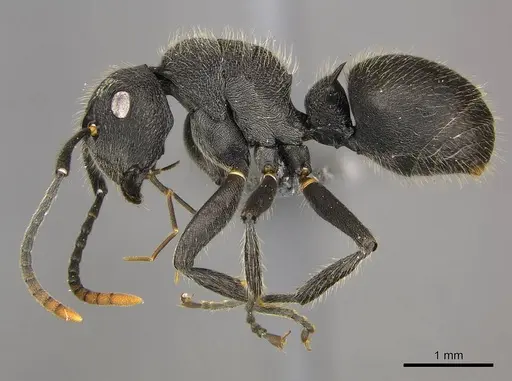
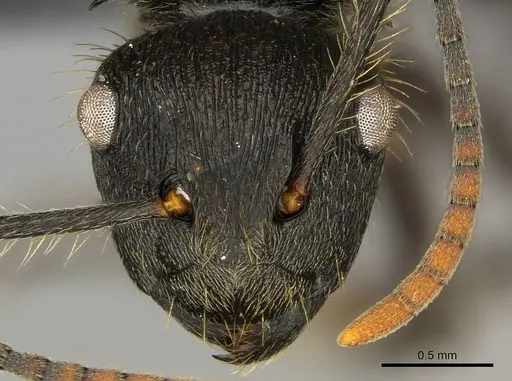
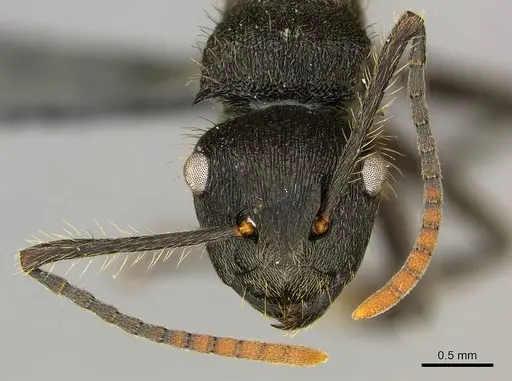
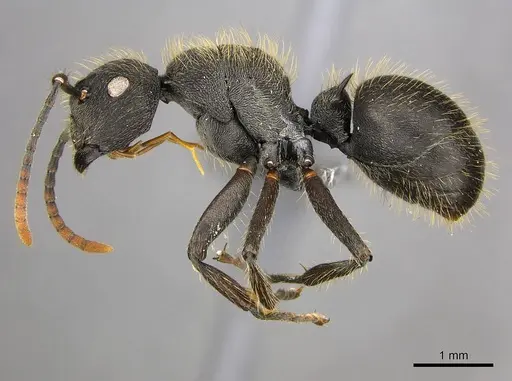
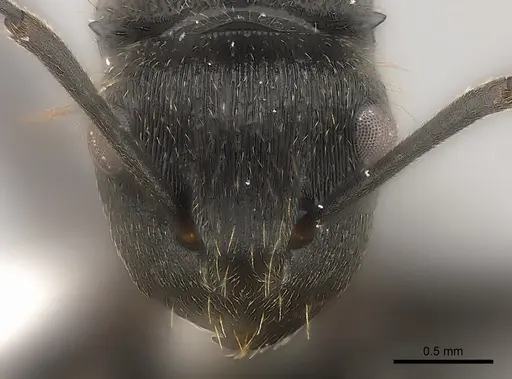
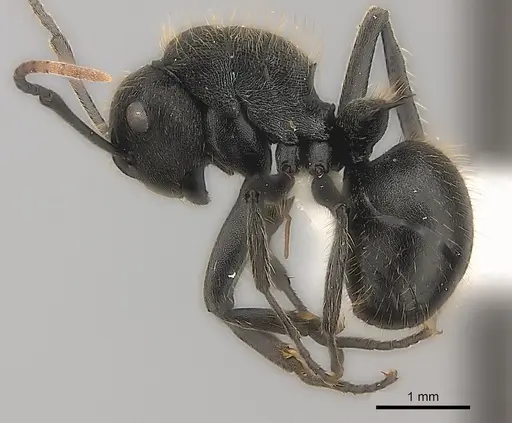
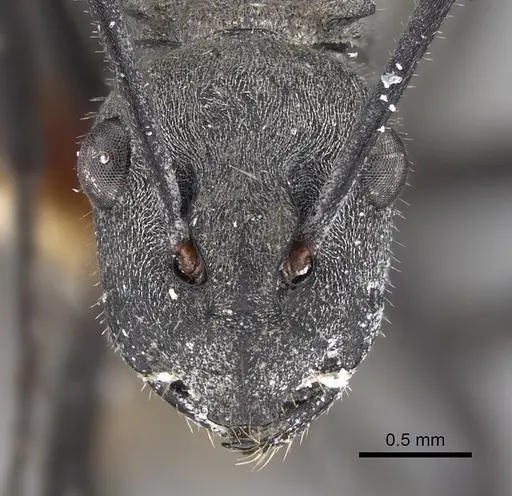
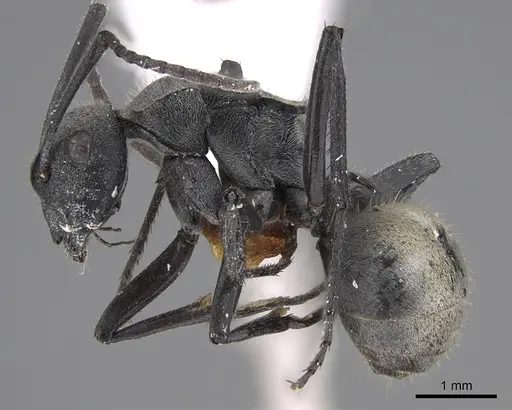
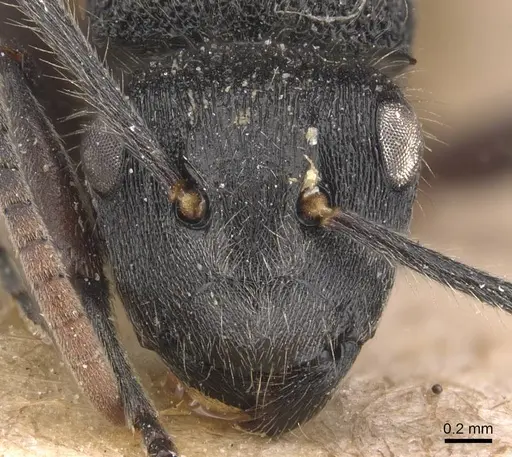
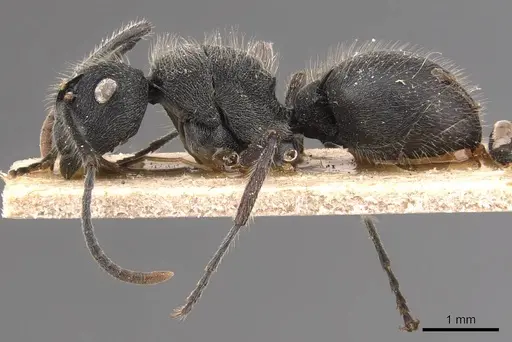
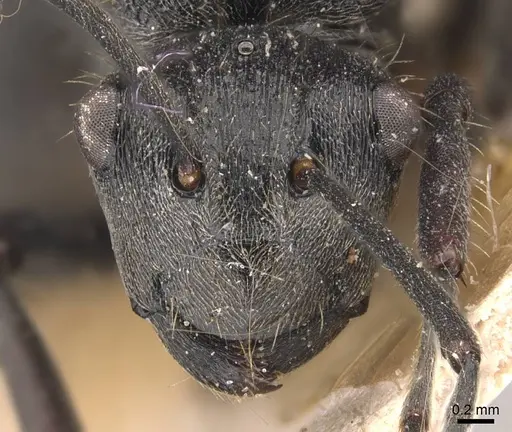
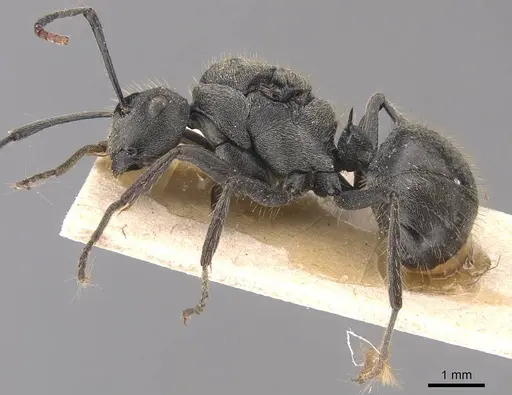
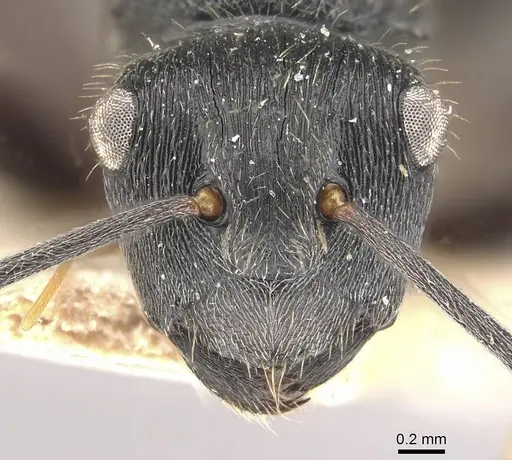
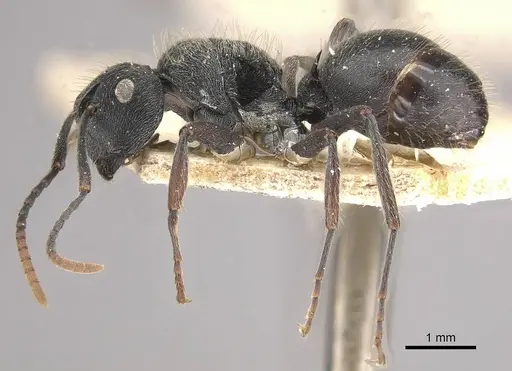
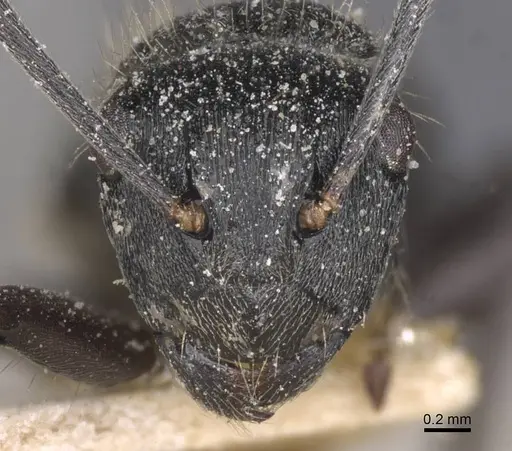
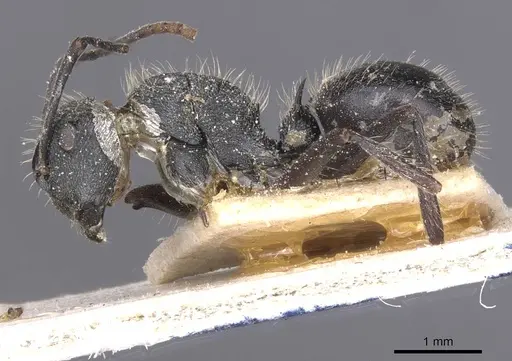
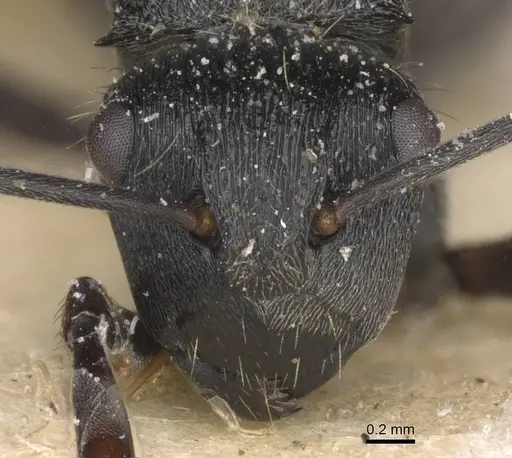
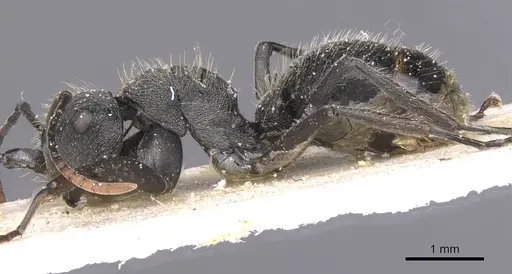
Polyrhachis weissi is a medium-sized African ant known for building silk nests in forest environments. Workers measure 5.7-6.1mm and are uniformly black with distinctive spines on the pronotum and petiole, the petiole has two pairs of spines with the dorsal pair being longer and sharper [1]. Their body is covered in numerous erect white to grey hairs, and the head appears distinctly trapezoidal when viewed from above. This species is the forest-dwelling relative of P. revoili, which prefers savannah habitats [2]. They construct nests by weaving together leaves using silk, creating sheltered chambers between contiguous leaves that are gummed together [2].
Quick Summary
- Difficulty: Medium
- Origin & Habitat: Found across the Afrotropical region including Cameroon, Central African Republic, Congo, Democratic Republic of Congo, Ghana, Guinea, Nigeria, South Africa, and Zambia. This is a forest species, the ecological equivalent of the savannah-dwelling P. revoili [2]. They nest arboreally in tropical rainforest environments [3][4].
- Colony Type: Likely monogyne (single queen colonies). One wild nest dissected contained seven workers, six alate females, five males, and 32 brood items, suggesting relatively small colony sizes [2].
- Colony: Monogyne
- Founding: Claustral
- Size & Growth:
- Queen: Unconfirmed size, estimated 7-9mm based on worker size and genus patterns
- Worker: 5.7-6.1mm [1]
- Colony: Small, one wild nest had only 7 workers, suggesting colonies stay relatively modest [2]. Estimated maximum of 100-200 workers based on typical Myrma patterns.
- Growth: Moderate, presence of cocoons indicates longer development time
- Development: Estimated 8-12 weeks based on typical Formicinae development at warm temperatures (Cocoon stage present, this extends development time compared to naked pupae species)
- Antkeeping:
- Temperature: Keep at 24-28°C. As a tropical forest species, they need warm, stable conditions. A gentle gradient allowing workers to self-regulate is ideal [4].
- Humidity: High humidity required, aim for 70-85%. Forest species need consistently moist conditions. Provide a water tube and mist the outworld regularly [4].
- Diapause: No, being a tropical species, they do not require hibernation. Keep temperatures stable year-round.
- Nesting: Arboreal nester, they build silk and carton nests in nature. In captivity, provide a naturalistic setup with live plants or artificial leaves for weaving, or a Y-tong/plaster nest with high humidity. They need vertical space and surfaces to attach silk nests [4][5].
- Behavior: Generally calm and non-aggressive. As forest ants, they are not particularly defensive and prefer to flee rather than fight. They are arboreal and spend most of their time in elevated nests. Workers are moderately active and will forage for honeydew and small prey. Escape risk is moderate, they are not tiny but can climb well. Use standard barrier methods. They construct silk nests which is their most notable behavior, queens seal themselves in during founding (claustral) based on genus patterns.
- Common Issues: high humidity needs can lead to mold if ventilation is poor, balance is key, small colony sizes mean slower growth, beginners may lose patience, arboreal nesting means they need vertical space and appropriate materials to weave, tropical species are sensitive to temperature drops, keep away from cold drafts, cocoon stage extends development time compared to other ants
Nest Preferences and Housing
Polyrhachis weissi is an arboreal species that builds silk nests in forest environments. In the wild, they construct nests by weaving together leaves using silk produced by the larvae, the leaves are gummed together to create sheltered chambers [2]. This makes them different from most ground-nesting ants kept in captivity. For captive housing, you have several options. A naturalistic setup with live plants works well since they can build real silk nests. Alternatively, a Y-tong (acrylic) nest with narrow chambers and high humidity can work, though they may not exhibit full weaving behavior in artificial setups. Provide vertical space and surfaces where they can attach nest material. Keep the nest area humid but ensure some ventilation to prevent mold. A water tube should always be available since they need moisture [4][5].
Feeding and Diet
Like other Formicinae ants, Polyrhachis weissi likely has a varied diet consisting of honeydew from aphids and scale insects, plus small insects for protein. In captivity, offer sugar water or honey as a constant energy source. For protein, provide small insects like fruit flies, small crickets, or mealworms. Being a forest species, they may prefer hunting small prey rather than scavenging. Feed protein 2-3 times per week and keep sugar water available at all times. Remove uneaten prey after 24 hours to prevent mold. Since they nest arboreally, place food in the outworld where foragers can reach it easily. Their small colony size means portions should be modest, overfeeding can cause mold problems in the humid environment they require.
Temperature and Seasonal Care
As a tropical forest species from central Africa, Polyrhachis weissi needs warm, stable temperatures in the range of 24-28°C. They do not experience cold winters in their native habitat, so no hibernation or diapause is required. Keep them away from air conditioning vents, cold windows, and drafty areas. A small heating cable on one side of the nest can help maintain optimal temperatures, especially if your room temperature runs cool. Use a thermometer to monitor conditions. Temperature drops below 20°C can stress these ants and slow or stop brood development. The humidity requirement is high (70-85%), so the warm, humid conditions needed for this species can create a perfect environment for mold, balance ventilation with humidity retention. [4]
Behavior and Colony Dynamics
Polyrhachis weissi is a relatively calm, non-aggressive species that prefers to avoid confrontation. Workers are moderately active and will venture out to forage, but they are not aggressive defenders of their nest. The most distinctive behavior is their silk-weaving nest construction, this is rare among ants kept in captivity and makes them an interesting species to observe. Colonies appear to stay relatively small in the wild, with one documented nest containing only 7 workers plus brood [2]. This suggests they are not a fast-spreading species and may be slower to establish than some tropical ants. Queens are likely claustral, they seal themselves in to raise the first workers alone without foraging, based on typical Polyrhachis patterns. The presence of cocoons (instead of naked pupae) means development takes longer than species that skip this stage.
Frequently Asked Questions
How long does it take for Polyrhachis weissi to raise first workers?
Expect 8-12 weeks from egg to first worker at optimal temperature (24-28°C). This is slower than many ants because they have a cocoon stage, which adds time to development compared to species with naked pupae.
Can I keep Polyrhachis weissi in a test tube setup?
Test tubes can work for founding colonies, but you will need to maintain high humidity and eventually provide more space. However, this species naturally builds arboreal silk nests, so they may do better in a naturalistic setup with plants or a Y-tong nest with good humidity retention.
What do I feed Polyrhachis weissi?
Offer sugar water or honey constantly for energy, plus small insects like fruit flies, small crickets, or mealworms for protein 2-3 times per week. They are likely collectors of honeydew in the wild, so sugar sources are important.
Are Polyrhachis weissi good for beginners?
They are intermediate in difficulty. The main challenges are maintaining high humidity, providing appropriate arboreal nesting space, and being patient with their relatively slow growth. If you have kept other tropical ants successfully, this species is manageable.
How big do Polyrhachis weissi colonies get?
Based on limited field data showing nests with only 7 workers, colonies likely remain modest, probably 100-200 workers at maximum. They are not rapid growers like some tropical species.
Do Polyrhachis weissi need hibernation?
No. Being a tropical forest species from central Africa, they do not require hibernation. Keep temperatures stable year-round in the 24-28°C range.
When should I move them to a formicarium?
Wait until the colony has 20-30 workers and is actively using the outworld for foraging. For this species, consider a naturalistic setup with plants or a Y-tong designed for arboreal species with good humidity control.
Why is my Polyrhachis weissi colony not growing?
Check temperature (should be 24-28°C), humidity (should be 70-85%), and food quality. Small colonies grow slowly naturally. Also ensure they are not stressed by too much handling or disturbance. Mold from over-humid conditions can also harm colonies.
Can I keep multiple queens together?
This has not been documented for this species. Based on typical Polyrhachis patterns, single-queen colonies are likely. It is not recommended to combine unrelated foundresses as this is not their natural founding strategy.
References

This caresheet is licensed under CC BY-SA 4.0 .
CASENT0098360
View on AntWeb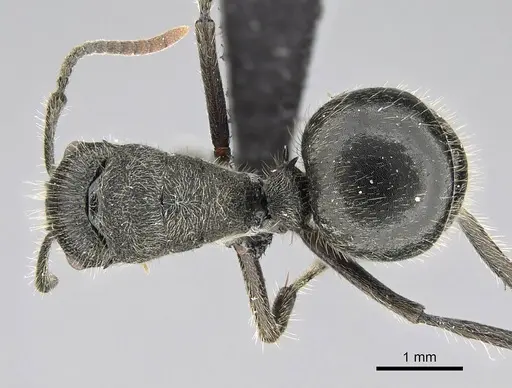
CASENT0250029
View on AntWeb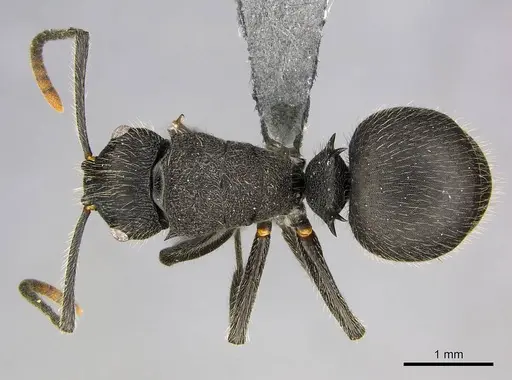
CASENT0250032
View on AntWeb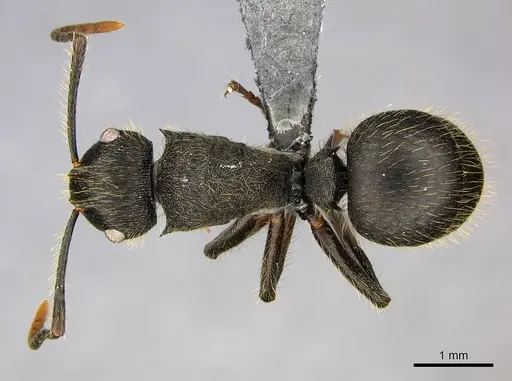
CASENT0403605
View on AntWeb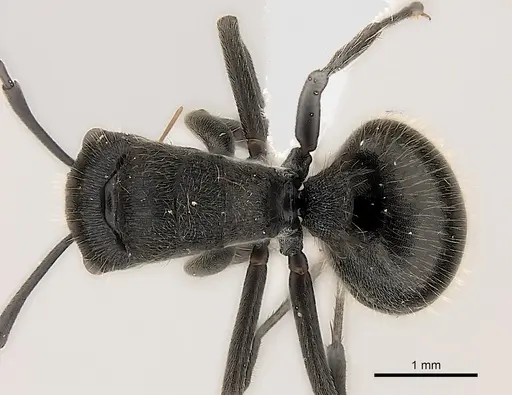
CASENT0887787
View on AntWeb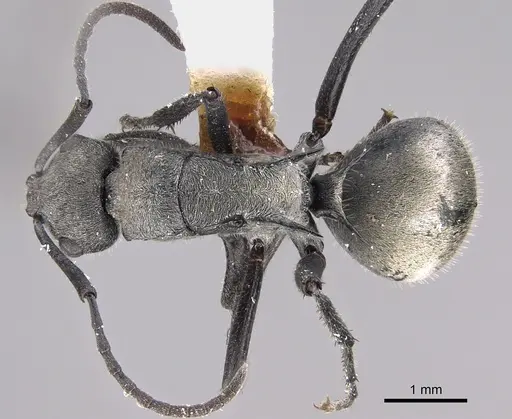
CASENT0905623
View on AntWeb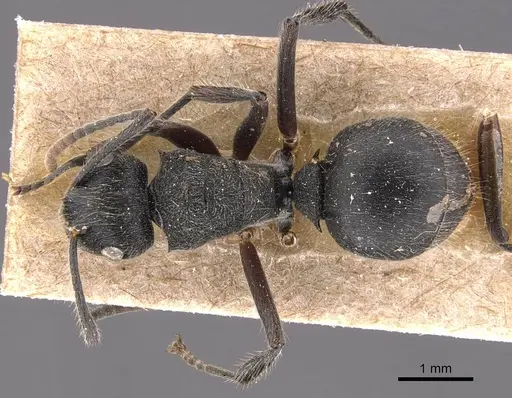
CASENT0905624
View on AntWeb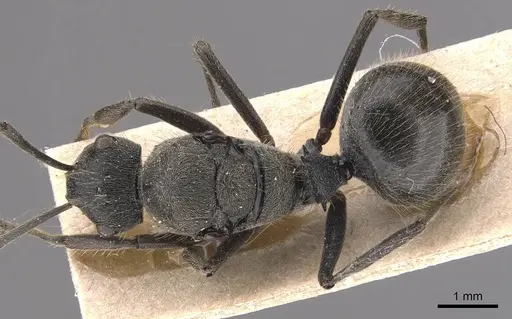
CASENT0910955
View on AntWeb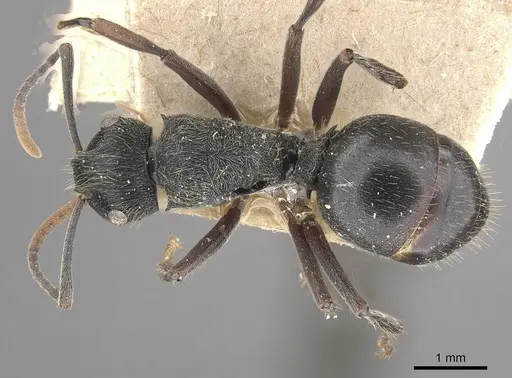
CASENT0912142
View on AntWeb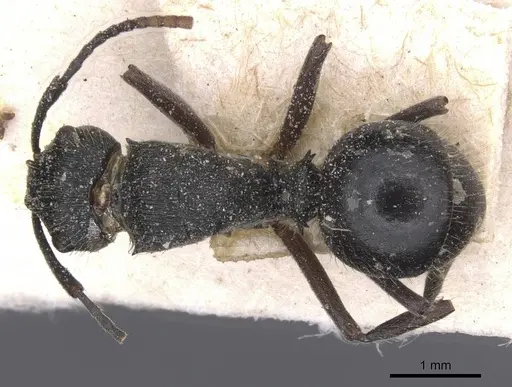
CASENT0912143
View on AntWeb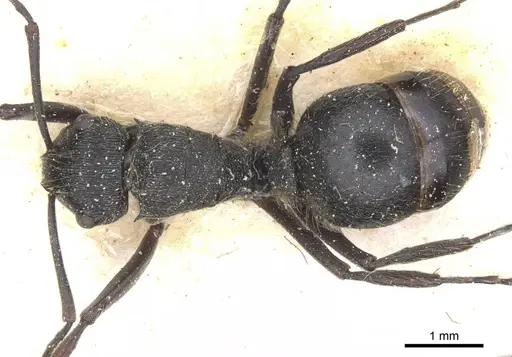
Literature
Loading...Loading products...