Polyrhachis omissa - "Opaque Spiny Ant"
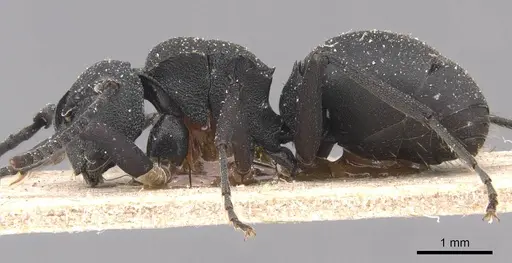
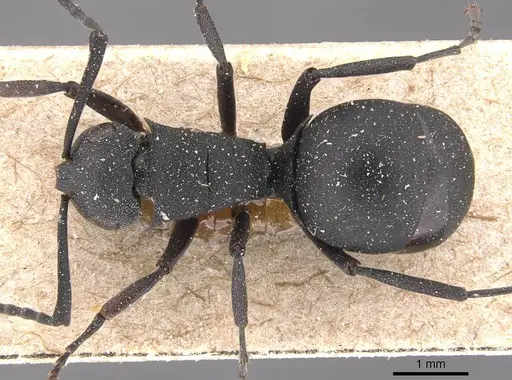
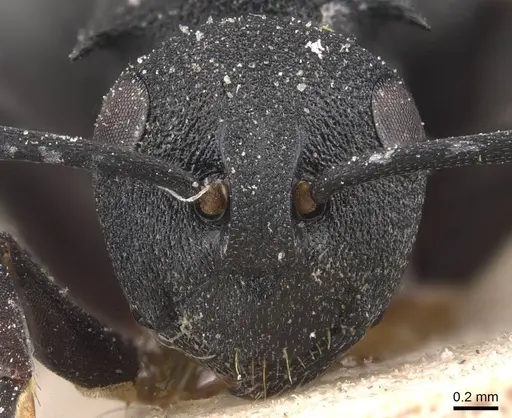
Get ready to dive into the captivating world of Polyrhachis omissa, often affectionately known as the Opaque Spiny Ant! This robust ant species, a standout member of the 'viscosa' group, immediately catches the eye with its striking black, somewhat opaque body. Unlike some of their hairy cousins, these ants sport a sleek, reduced pilosity. What truly sets them apart, and gives them that classic 'spiny ant' appeal, are the pronounced lateral spines and dorsal teeth adorning their petiole, coupled with a distinct transverse ridge on their propodeum. If you’re familiar with Polyrhachis viscosa, you’ll notice the close resemblance, but a quick glance at the normal-shaped scape and first funicular joint will help you identify P. omissa. In terms of size, your worker ants will typically measure between 7-10mm, while the queens, the heart of your ant colony, are a bit grander at 10-13mm. These aren't just pretty faces; Polyrhachis omissa are incredibly active ants, showcasing intricate defensive structures that make them a truly fascinating ant species to observe within your formicarium.
- Difficulty: Medium
- Origin & Habitat: Afrotropical Region (Ethiopia, Kenya, Somalia, Yemen) in Diverse environments, ranging from forests to savannahs. Within the Polyrhachis genus, nesting habits vary widely, including arboreal (tree-dwelling), ground-nesting (soil, leaf litter), and constructing nests with plant debris and larval silk..
- Colony Type: Polygyne, claustral founding.
- Size & Growth:
- Queen: 10-13mm
- Worker: 7-10mm
- Colony: Medium to Large (thousands). Fast growth.
- Antkeeping:
- Temperature: Maintain temperatures between 24-30°C for optimal activity and brood development. Optimal range is typically 27-29°C..
- Humidity: Aim for a humidity range of 50-80%. For species that weave, higher ambient humidity can be beneficial..
- Diapause: Not required. Not specified at Not specified.
- Nesting: Given the diverse nesting habits of the Polyrhachis genus, a versatile setup is recommended. They may appreciate naturalistic nests with wood or soil elements to dig into, or artificial setups like acrylic or ytong nests. For species known to weave, providing a weaving space or materials like cotton, hemp fibers, or thin wood chips can encourage natural nest building..
- Behavior: Medium (towards handler when provoked, generally good for food/other ants) aggressiveness.
- Common Issues: Mold in nest, Mites, Colony stalling, Overfeeding leading to waste, Humidity fluctuations, Queen stress.
Keeping Polyrhachis omissa offers a chance to admire their unique morphology. Just like many 'spiny ants' in the Polyrhachis genus, P. omissa boasts a striking, armored look with prominent spines on their mesosoma and petiole. These aren't just for show; they’re a formidable defense against potential predators in their natural ant habitats. Now, while these ants don't wield a traditional stinger, don't let that fool you! As proud members of the Formicinae subfamily, they possess the remarkable ability to spray formic acid from their gaster when feeling threatened. When you're performing maintenance or simply observing your colony, it's always wise to ensure proper ventilation around your formicarium and avoid direct skin contact to prevent any minor irritation from their defensive spray.
If you're looking for an ant species with a voracious appetite and active foraging habits, Polyrhachis omissa won't disappoint! Their rapid colony growth demands a consistent and well-rounded diet. These busy workers eagerly accept a variety of protein sources; think freshly killed or even small live insects like fruit flies, mealworms, and crickets. Beyond the protein, they absolutely love their sweets! Diluted honey, sugar water, or specialized ant nectar will be quickly consumed by your growing ant colony. Offering a diverse nutritional spread is absolutely essential for the vibrant health and robust development of your Polyrhachis omissa brood and workers.
The Polyrhachis genus is renowned for its remarkable adaptability to a wide array of environments, and Polyrhachis omissa likely shares this trait. While we don't have super-specific details on P. omissa's exact nesting preferences, it’s worth noting that many 'spiny ant' species are celebrated 'weaver ants.' These incredible builders use silk produced by their own larvae to bind together plant materials, creating complex and sturdy nests. If you observe your P. omissa workers starting to experiment with weaving behaviors, offering them suitable building materials like fine hemp fibers, cotton, or even tiny wood fragments in their outworld can transform your setup into a living art installation as they construct their intricate ant habitats.
Given their bustling activity levels and impressive capacity for fast colony growth, a spacious outworld is a must for your Polyrhachis omissa setup. This generous foraging area will give your workers plenty of room to explore and simulate their naturally expansive environments. Furthermore, maintaining excellent ventilation throughout both the formicarium and the outworld is paramount. This isn't just about fresh air; it’s crucial for preventing mold and other unwanted fungi, especially in the higher humidity conditions these ants appreciate. As your ant colony matures, consider expanding their living space by connecting multiple smaller setups or upgrading to a large, comprehensive outworld.
While Polyrhachis omissa isn't usually aggressive towards antkeepers without provocation, their formic acid spray can certainly serve as a strong deterrent if they feel threatened. These 'spiny ants' are generally quite robust, but like any ant species, they aren't immune to common antkeeping challenges. Stay vigilant for potential issues such as pesky mites, insidious mold growth within the nest, or a sudden halt in colony expansion (often termed 'colony stalling') which can arise from incorrect feeding schedules or fluctuating humidity levels. Diligent monitoring of their habitat and consistent dietary provision are key pillars to ensuring your Polyrhachis omissa colony not only survives but truly thrives.
Frequently Asked Questions
What's the ideal formicarium setup for my Opaque Spiny Ants?
When choosing a home for your Polyrhachis omissa colony, think about setups that encourage their natural ant behavior. While we don't have exact nest-building specifics for P. omissa itself, many Polyrhachis species are famed 'weaver ants' and create remarkable nests. A suitable formicarium should provide ample space and maintain consistent humidity levels. You might opt for a naturalistic setup with some soil or cork elements if they're ground-nesting, or an artificial nest like an acrylic or ytong formicarium. If they show signs of weaving, offering materials like cotton or small wood chips in the outworld can lead to fascinating nest architecture. Remember, excellent ventilation is always a priority to prevent mold from taking hold!
What's the best diet for Polyrhachis omissa workers and brood?
Your Polyrhachis omissa ants are omnivores with quite the appetite, which is great for supporting their fast growth! To keep your ant colony flourishing, offer a varied diet. They eagerly consume protein from insects – think freshly killed or even small live feeders like fruit flies, mealworms, and crickets. For their sugary fix, provide diluted honey, sugar water, or a quality ant nectar. Since these are active foragers with a quick growth rate, consistent feeding is absolutely essential to keep their energy levels high and their brood developing rapidly.
Do Opaque Spiny Ants sting, or do they have another defense mechanism?
Good news for antkeepers: Polyrhachis omissa don't have a traditional stinger like some other ant species. However, as members of the Formicinae subfamily, they come prepared with a unique defense! They possess an acidopore at the very tip of their gaster, enabling them to spray formic acid. This is their primary method of self-defense, and while it's generally not dangerous for humans, it can cause a mild, temporary irritation if it gets on your skin or in your eyes. Always be mindful and exercise caution when you're working with their formicarium or outworld.
What temperature and humidity levels do my Opaque Spiny Ants prefer in their ant habitat?
To keep your Polyrhachis omissa colony thriving and ensure robust brood development, aim for a consistent temperature range of 24-30°C (75-86°F). Many antkeepers find that the 'sweet spot' for these ants is often closer to 27-29°C (81-84°F). For humidity, maintain levels between 50-80%. This consistent moisture is particularly crucial, especially if your ants are using it for nest construction or if you notice their brood developing better in slightly more humid conditions. Proper humidity management also prevents your valuable ants from drying out.
How big can a Polyrhachis omissa ant colony get?
While exact colony sizes for Polyrhachis omissa aren't widely published, the Polyrhachis genus is known for producing impressive ant colonies! Many species can expand to house thousands, and even tens of thousands, of bustling worker ants. By providing a suitably spacious formicarium and a consistent, rich diet, you'll be giving your queen and her workers every chance to grow into a formidable, medium to large-sized colony. It's a rewarding experience to watch their numbers swell!
Do these 'spiny ants' need a diapause period, or should I keep them warm year-round?
Excellent question for any antkeeper! Given that Polyrhachis omissa hails from tropical and subtropical regions like Ethiopia, Kenya, Somalia, and Yemen, they definitely do not require a diapause period or hibernation. You'll want to maintain stable, warm temperatures in their formicarium throughout the entire year. This consistent warmth ensures continuous activity among your workers and steady brood production from your queen, allowing your ant colony to flourish uninterrupted.
How aggressive are Polyrhachis omissa towards antkeepers or other ants?
Polyrhachis omissa can show a medium level of aggression, especially if their ant colony feels disturbed or threatened. Their primary defense, as mentioned, is spraying formic acid, which can definitely deter perceived threats. While they aren't usually aggressive towards the antkeeper without direct provocation, it’s always a good practice to handle their outworld and nest with care. Respect their territorial nature, particularly during feeding times or when performing any maintenance, to ensure a calm environment for both you and your spiny ants.
What's the typical growth rate for a Polyrhachis omissa colony?
You'll be pleased to know that Polyrhachis omissa boasts a fast growth rate! When you provide them with consistent, high-quality nutrition and maintain stable temperature and humidity levels in their ant habitat, you can expect your colony to expand quite quickly. This rapid development of new workers and brood makes them a particularly rewarding ant species to observe, as their numbers swell and their fascinating social dynamics become more pronounced.
What are some common challenges or issues when caring for Polyrhachis omissa?
As with any ant species, keeping Polyrhachis omissa can present a few common antkeeping challenges. You'll want to pay close attention to humidity management within the nest to prevent unsightly and unhealthy mold growth. Keep an eye out for potential mite infestations, which can quickly become a problem. Also, 'colony stalling' – where growth suddenly halts – can occur if their fundamental needs like temperature, humidity, or consistent food sources aren't consistently met. Be mindful of overfeeding, as uneaten food waste can attract unwanted pests to your outworld. Proactive monitoring and maintaining a clean formicarium are your best defenses against these common issues.
From egg to adult worker, how long is the development cycle for Polyrhachis omissa?
The journey from a tiny egg to a fully-fledged Polyrhachis omissa worker is quite swift for an ant species of their size! Under optimal conditions, including stable temperature and humidity, you can typically expect the entire development cycle to take approximately 6-8 weeks. This relatively fast metamorphosis of their brood is a significant factor behind their impressive colony growth rate, making them a truly dynamic and engaging ant species to keep in your collection.