

Polyrhachis curta
- Scientific Name
- Polyrhachis curta
- Subgenus
- Myrma
- Tribe
- Camponotini
- Subfamily
- Formicinae
- Author
- André, 1890
- Distribution
- Found in 1 countries
Polyrhachis curta Overview
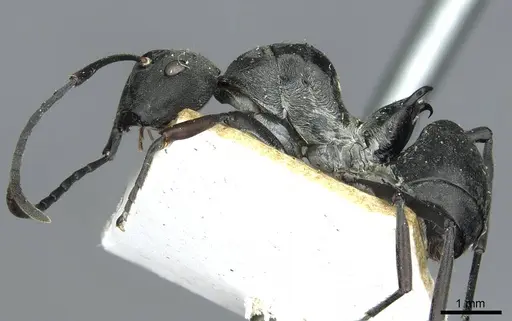
Polyrhachis curta is an ant species of the genus Polyrhachis. It is primarily documented in 1 countries , including Congo. Detailed taxonomic data and occurrence records can be further explored via authoritative databases such as AntWeb or the Global Biodiversity Information Facility (GBIF).
Polyrhachis curta
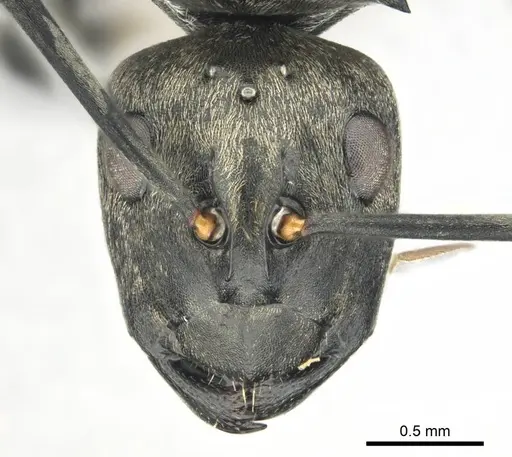
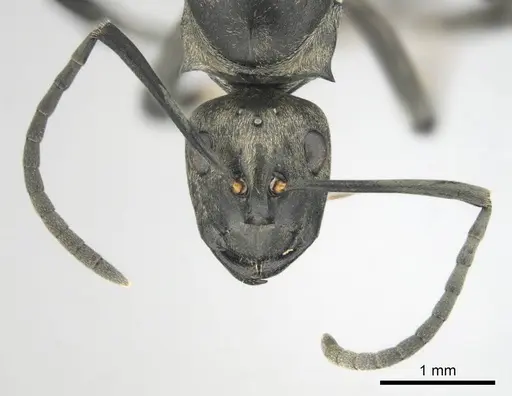
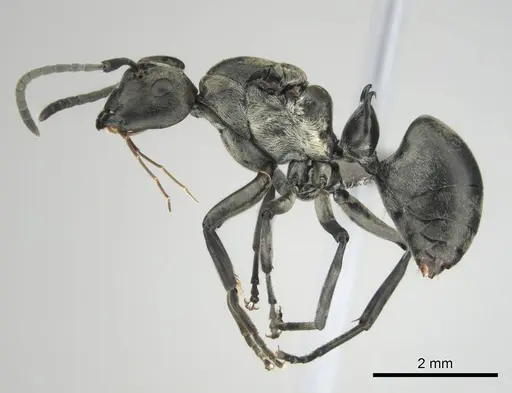
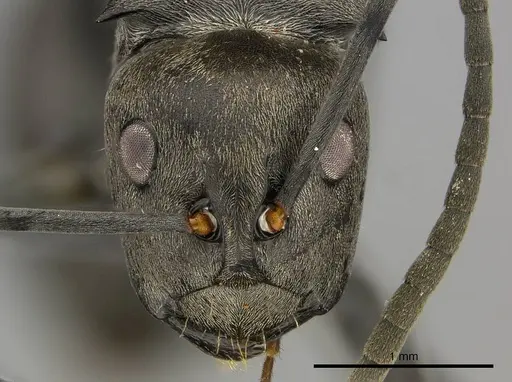
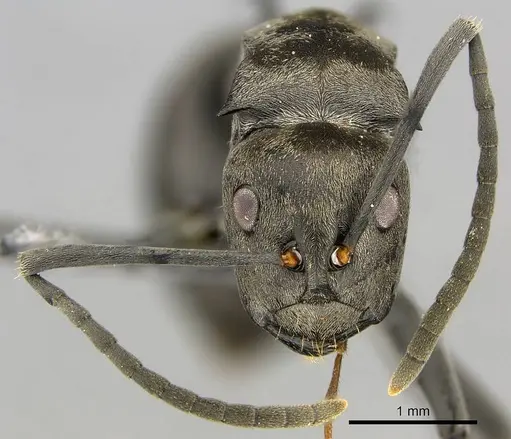
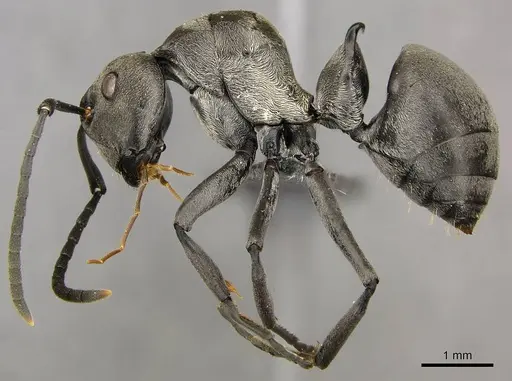
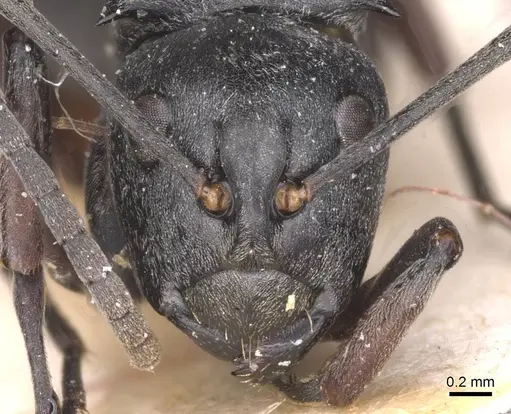
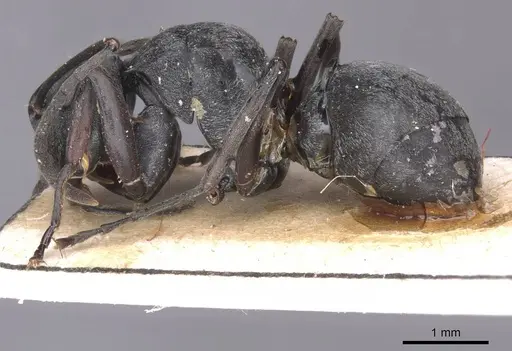
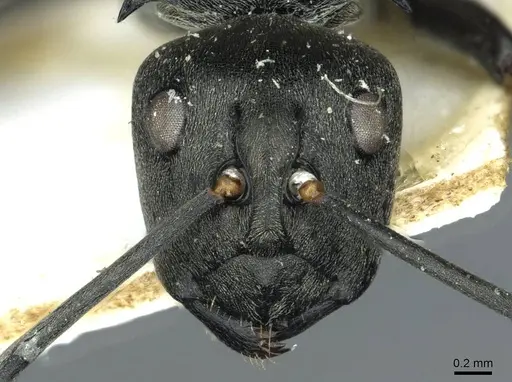
Polyrhachis curta is a small to medium-sized ant species belonging to the subgenus Myrma. Workers are typically dark in coloration with a compact body. This species is part of the alexisi-group within Polyrhachis and is known for its arboreal nesting habits, constructing nests in tree hollows, under bark, or among foliage rather than in ground cavities. They are found in African regions, particularly East Africa. Like other Polyrhachis species, they spin silk to help construct their nests, weaving together leaf material or other debris to create protective chambers. Pupae are enclosed in cocoons, which is typical for this genus. Their relatively small size and arboreal lifestyle make them distinct from many common ground-nesting ant species kept in captivity.
Quick Summary
- Difficulty: Medium
- Origin & Habitat: East Africa, arboreal nesting in lowland rainforest and forested habitats [1][2]
- Colony Type: Likely monogyne (single queen) based on typical Polyrhachis patterns, though colony structure is not specifically documented for this species
- Colony: Monogyne
- Founding: Claustral
- Size & Growth:
- Queen: Estimated 8-10mm based on genus patterns for Myrma subgenus
- Worker: Estimated 5-7mm based on genus patterns
- Colony: Likely moderate, several hundred workers based on related Polyrhachis species
- Growth: Moderate, estimated 6-10 weeks from egg to first worker at optimal temperature
- Development: Estimated 6-10 weeks based on typical Polyrhachis development patterns [2] (Development time is estimated from genus-level data since species-specific timing is unconfirmed)
- Antkeeping:
- Temperature: Keep around 24-28°C, they prefer warm, humid conditions typical of their tropical forest habitat
- Humidity: High humidity is essential, aim for 70-85% relative humidity. Provide a moist nest area but ensure good ventilation to prevent mold
- Diapause: Likely minimal or no true diapause given their tropical origin, they may show reduced activity during cooler periods but full hibernation is not typical
- Nesting: Arboreal specialists, they need vertical space and elevated nesting sites. Y-tong (AAC) nests work well, or naturalistic setups with cork bark or plant material they can weave into. Avoid purely horizontal ground nests
- Behavior: Generally peaceful and not aggressive toward keepers. Workers are active foragers that search for honeydew and small prey. They are escape artists due to their small size, use excellent escape prevention with fine mesh barriers. They spend most of their time climbing rather than walking on flat surfaces, so provide adequate vertical structures.
- Common Issues: high humidity needs make mold control challenging, ensure proper ventilation, escape prevention is critical due to small worker size, arboreal nesting means standard horizontal nests may not be ideal, limited specific care information means keepers must adapt from genus-level knowledge, tropical origin means they are sensitive to temperature drops below 20°C
Housing and Nest Setup
Polyrhachis curta is an arboreal species, meaning they naturally nest above ground in trees and vegetation. This has major implications for how you house them in captivity. Unlike ground-nesting ants that thrive in horizontal nests, these ants need vertical space and elevated nesting sites. A Y-tong (AAC) nest works well because it provides proper humidity control and dark chambers. Alternatively, a naturalistic setup with cork bark, twigs, or live plants allows them to exhibit their natural weaving behavior. Avoid deep, horizontal soil nests as they won't use them naturally. Include climbing structures like twigs, mesh, or plants so workers can traverse their enclosure vertically. The outworld should have some vertical elements rather than being just a flat foraging area. [2]
Temperature and Heating
Being a tropical African species, Polyrhachis curta needs warm conditions to thrive. Keep the nest area between 24-28°C for optimal brood development. Room temperature may be sufficient if your home stays in this range, but you may need a heating cable or mat on one side of the nest during cooler months. Place heating on top of the nest rather than underneath to avoid drying out the substrate too quickly. Monitor with a thermometer, if workers cluster near the warm side, the temperature is right. Avoid temperatures below 20°C for extended periods as this can weaken or kill the colony. A gentle thermal gradient allows ants to regulate their own temperature by moving between warmer and cooler areas.
Humidity and Water
High humidity is crucial for this species, aim for 70-85% relative humidity in the nest area. Arboreal ants from tropical forests have evolved with constant moisture access. Keep the nest substrate consistently moist but never waterlogged. For Y-tong nests, use a water reservoir that allows gradual moisture diffusion. For naturalistic setups, mist regularly but allow surfaces to dry slightly between mistings to prevent mold. Always provide a clean water source in the outworld. Good ventilation is essential, without it, high humidity leads to mold outbreaks that can devastate a colony. Strike a balance between humidity and airflow.
Feeding and Diet
Polyrhachis curta is omnivorous like most Polyrhachis species. They feed on honeydew from aphids and scale insects in the wild, so offer sugar water or honey regularly. For protein, provide small insects like fruit flies, small crickets, or mealworms. They are not large predators but will accept small prey items. Feed protein once or twice weekly, and keep sugar water available at all times. Remove uneaten prey after 24 hours to prevent mold. Some keepers report that Polyrhachis species accept fruit and small amounts of seeds, but protein should form the bulk of their diet. Observe what your colony prefers and adjust accordingly.
Colony Development
A newly mated queen will seal herself in a chamber and lay eggs without foraging, this is claustral founding. She relies on stored fat reserves to survive until her first workers (nanitics) emerge, typically after 4-8 weeks depending on temperature. The first workers are smaller than normal workers but will begin foraging to feed the growing colony. Growth rate is moderate, expect several months to reach 50 workers, and a year or more to reach several hundred. Colonies grow faster in optimal warm, humid conditions. Unlike some ants, Polyrhachis colonies tend to be moderately sized rather than reaching thousands of workers quickly. Be patient, these ants are long-lived and colonies can persist for many years with proper care. [2]
Escape Prevention
Due to their small size, Polyrhachis curta workers can squeeze through surprisingly small gaps. Use excellent escape prevention regardless of how well your colony seems contained. Apply Fluon or similar barrier products to the edges of the outworld lid. Use fine mesh (0.5mm or smaller) for any ventilation holes. Check seals regularly, these ants will find any tiny gap. The climbing ability of arboreal ants means they can scale smooth surfaces, so barrier products are essential on all edges. A well-sealed setup prevents escapes and also helps maintain proper humidity levels.
Frequently Asked Questions
Can I keep Polyrhachis curta in a test tube?
Test tubes can work for founding colonies but are not ideal long-term since this is an arboreal species that needs vertical space. Once the colony reaches 20-30 workers, consider moving them to a Y-tong nest or naturalistic setup with climbing structures.
What is the best nest type for Polyrhachis curta?
Y-tong (AAC) nests work well because they provide proper humidity control and dark chambers. Naturalistic setups with cork bark, twigs, or live plants are also excellent since they mimic the arboreal nesting sites this species uses in the wild.
How long until first workers with Polyrhachis curta?
Expect first workers (nanitics) to emerge around 6-10 weeks after the queen lays eggs, assuming optimal temperatures of 24-28°C. This is an estimate based on typical Polyrhachis development patterns since species-specific timing is unconfirmed.
Are Polyrhachis curta good for beginners?
This species is rated as medium difficulty. While not the hardest ant to keep, their high humidity requirements and arboreal nesting needs make them better suited for keepers who have some experience maintaining proper humidity levels. Beginners should ensure they can commit to consistent heating and humidity control.
Do Polyrhachis curta need hibernation?
No, hibernation is not required. As a tropical African species, they do not experience true winter dormancy. They may show slightly reduced activity during cooler periods, but a full diapause is not necessary and could potentially harm them if temperatures drop too low.
How big do Polyrhachis curta colonies get?
Colony size is estimated at several hundred workers based on related Polyrhachis species. They are not among the largest ant species but maintain moderate, long-lived colonies. A mature colony after several years may reach 300-500 workers.
Can I keep multiple queens together?
Polyrhachis curta is likely monogyne (single queen) based on typical genus patterns. Combining unrelated queens is not recommended as they would likely fight. If you obtain a polygynous colony from the wild, keep only one queen for long-term stability.
What do Polyrhachis curta eat?
They are omnivorous, offer sugar water or honey regularly for energy, and protein sources like small insects (fruit flies, small crickets, mealworms) once or twice weekly. They will also collect honeydew if you provide aphid-infested plants.
Why are my Polyrhachis curta dying?
Common causes include: temperature too low (below 20°C), humidity too low or too high (mold), poor ventilation, or escape/escaped colony. Check all parameters and ensure the nest has proper airflow. Also ensure they are not being overfed, as mold from decaying food kills colonies quickly.
References

This caresheet is licensed under CC BY-SA 4.0 .
CASENT0250004
View on AntWeb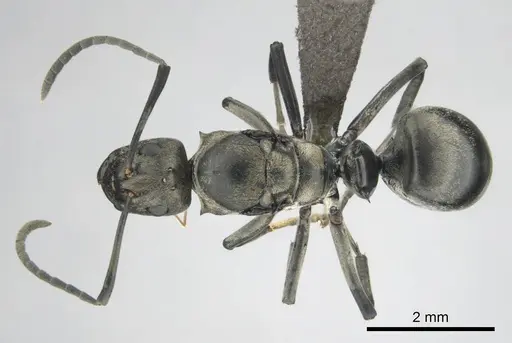
CASENT0250040
View on AntWeb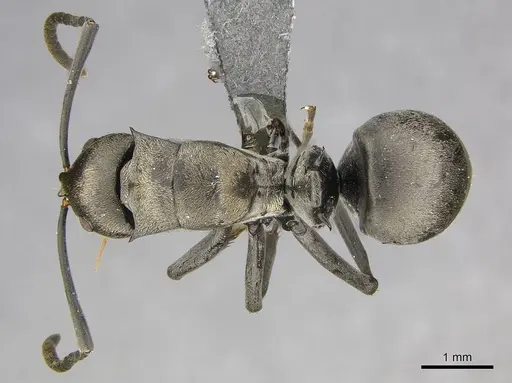
CASENT0906837
View on AntWeb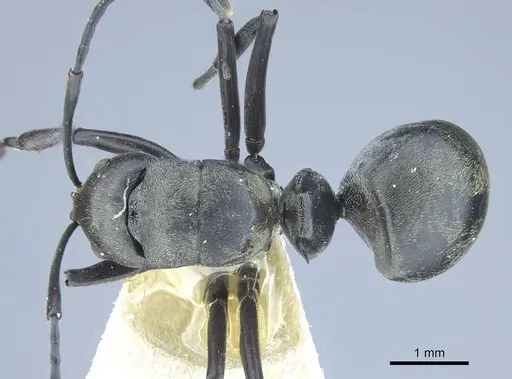
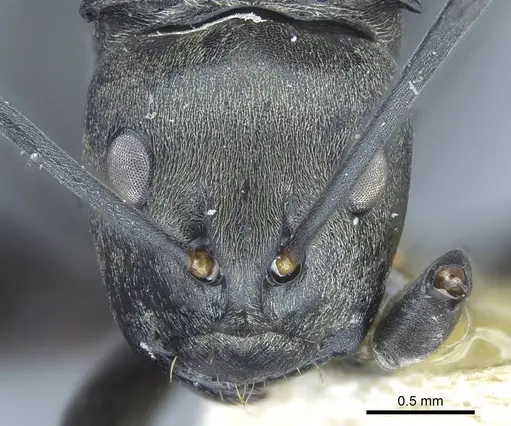
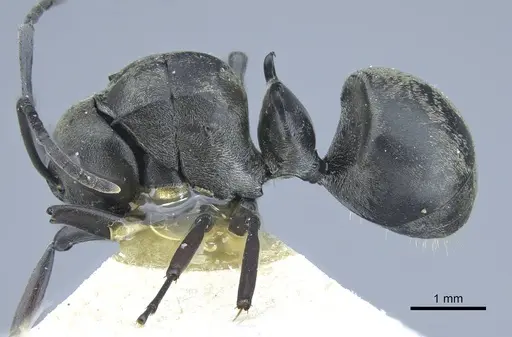
CASENT0913676
View on AntWeb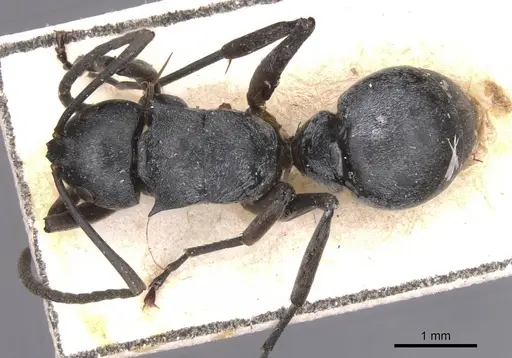
RMCAENT000017826
View on AntWeb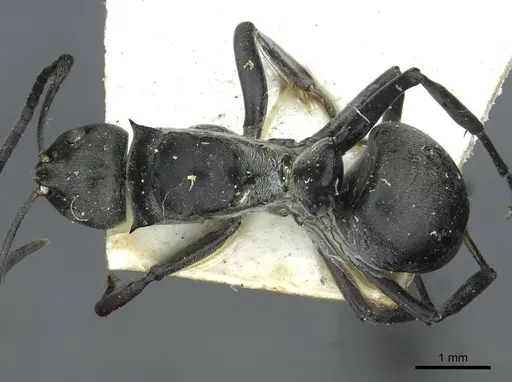
Literature
Loading...Loading products...