

Polyrhachis mjobergi
- Scientific Name
- Polyrhachis mjobergi
- Subgenus
- Hedomyrma
- Tribe
- Camponotini
- Subfamily
- Formicinae
- Author
- Forel, 1915
- Distribution
- Found in 1 countries
Polyrhachis mjobergi Overview
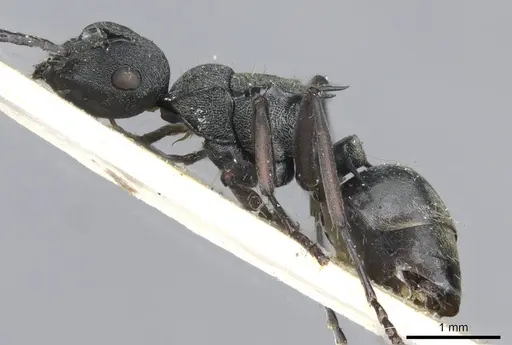
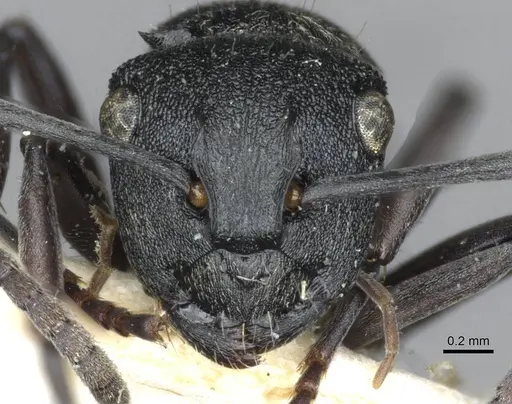
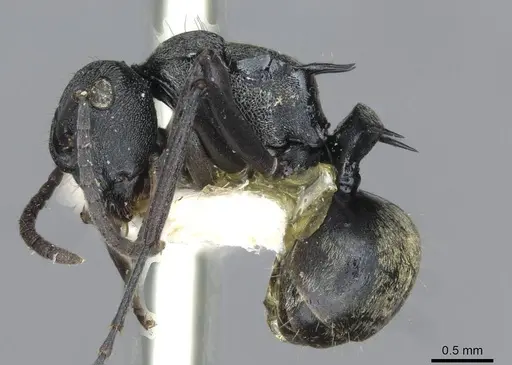
Polyrhachis mjobergi is an ant species of the genus Polyrhachis. It is primarily documented in 1 countries , including Australia. Detailed taxonomic data and occurrence records can be further explored via authoritative databases such as AntWeb or the Global Biodiversity Information Facility (GBIF).
Polyrhachis mjobergi
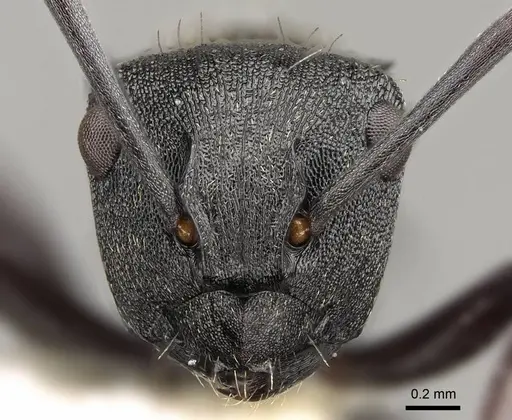
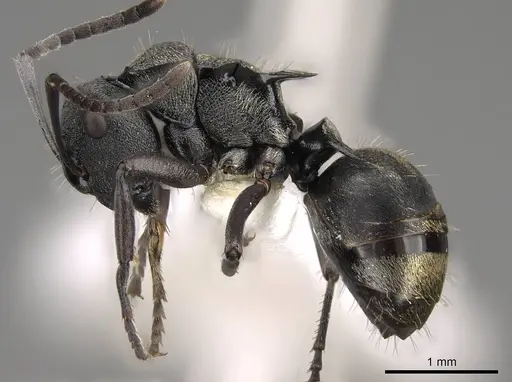
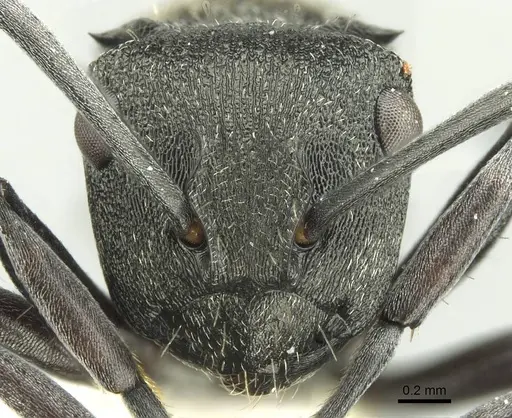
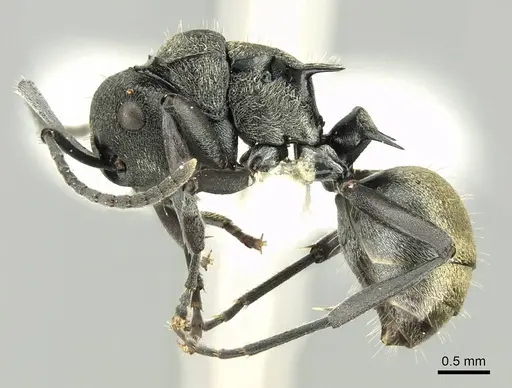
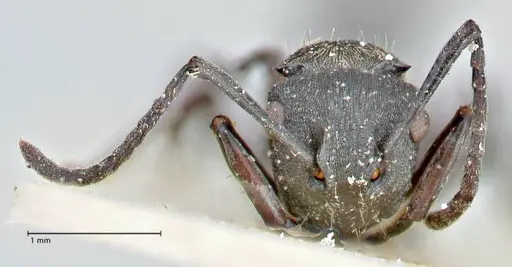
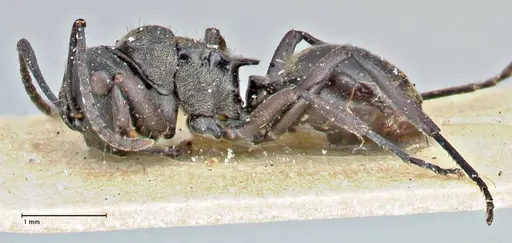
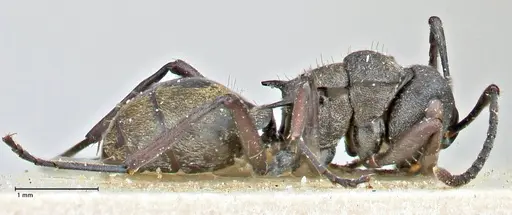
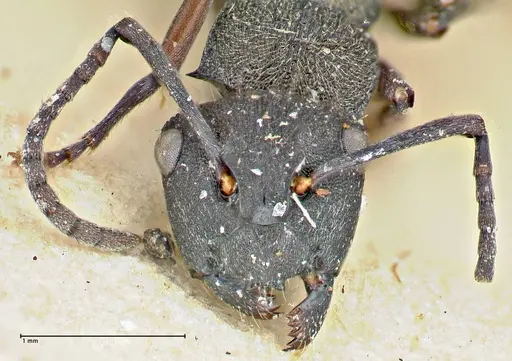
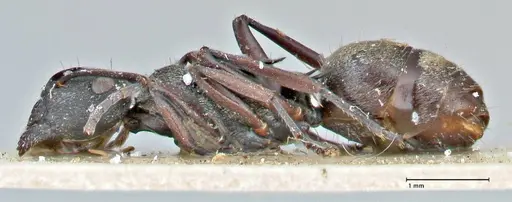
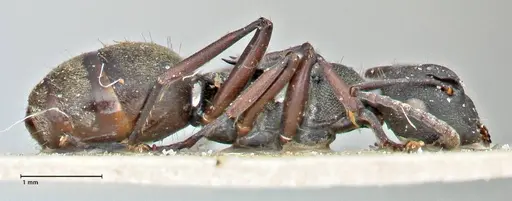
Polyrhachis mjobergi is a medium-sized ant species belonging to the subgenus Hedomyrma. Workers are typically 6-8mm with the characteristic spines on the thorax that give Polyrhachis their common name of 'spiny ants'. They have a dark reddish-brown to black coloration. This species is lignicolous, meaning it nests in rotting wood in its natural habitat. Like all Polyrhachis, they spin silk to help construct their cocoons during pupal development. The genus Polyrhachis contains over 600 species and is found throughout the tropical and subtropical regions of the Old World, particularly in Asia and Australia.
Quick Summary
- Difficulty: Medium
- Origin & Habitat: This species is found in forested habitats of Southeast Asia. As a lignicolous species, it nests in decaying wood rather than soil or under stones. The lignicolous nesting habit suggests preference for humid, shaded microhabitats with access to rotting wood material.
- Colony Type: Colony structure is unconfirmed. Polyrhachis species can be either single-queen (monogyne) or multi-queen (polygyne) depending on the specific species, and this has not been documented for P. mjobergi specifically.
- Size & Growth:
- Queen: Estimated 10-12mm based on related Hedomyrma species
- Worker: Estimated 6-8mm based on genus patterns
- Colony: Estimated several hundred workers based on typical Polyrhachis colony sizes
- Growth: Moderate
- Development: Estimated 6-8 weeks at optimal temperature based on typical Polyrhachis development (Development time is inferred from genus-level data, specific timing for this species has not been documented)
- Antkeeping:
- Temperature: Keep at 24-28°C. As a tropical species, they prefer warm conditions. A heating cable on one side of the nest can create a gentle gradient if room temperature is below this range.
- Humidity: High humidity is essential. Keep the nest substrate consistently moist but not waterlogged. Lignicolous species need damp wood material to prevent desiccation. Aim for 70-80% humidity in the nest area.
- Diapause: Likely minimal or no true diapause. As a tropical species, they probably do not require hibernation, though activity may slow during cooler months.
- Nesting: Provide a naturalistic setup with rotting wood pieces or a Y-tong/plaster nest with wood material included. They prefer enclosed spaces with high humidity. Avoid dry, airy setups.
- Behavior: Polyrhachis mjobergi is generally calm and not particularly aggressive. Workers are active foragers that will search for sugar sources and protein. They have spines which they may use for defense, but stinging behavior is not typical for this genus. Escape risk is moderate, they are not tiny but can squeeze through small gaps. Ensure your setup has secure barriers.
- Common Issues: high humidity requirements can lead to mold if ventilation is poor, balance is key, lignicolous nesting means they need wood material in the nest, plain test tubes may not be ideal, tropical species may decline if temperatures drop below 20°C, colony growth may be slow, which can frustrate beginners, wild-caught colonies may carry parasites that affect captive survival
Nest Preferences and Housing
Polyrhachis mjobergi is a lignicolous species, meaning it naturally nests in rotting wood. In captivity, you should provide a nest setup that includes wood material or a moist substrate they can tunnel through. A Y-tong (acrylic) nest with a chamber filled with rotting wood pieces works well, or you can use a plaster nest kept consistently moist. Avoid completely dry setups like bare test tubes, these will cause the colony to desiccate. The nest should have high humidity while still allowing some air flow to prevent mold buildup. A naturalistic setup with cork or wood pieces embedded in moist soil can also work, but monitor for mold carefully.
Feeding and Diet
Like most Polyrhachis species, P. mjobergi likely accepts a varied diet including sugar sources and protein. Offer sugar water, honey, or diluted syrup regularly as a constant energy source. For protein, provide small insects like fruit flies, small crickets, or mealworms. Polyrhachis are generally not specialized predators, so standard ant feeding protocols apply. Feed protein 2-3 times per week, and keep sugar available at all times. Remove uneaten prey after 24-48 hours to prevent mold.
Temperature and Humidity
As a tropical species from Southeast Asia, Polyrhachis mjobergi requires warm and humid conditions. Keep the nest area at 24-28°C. You can use a heating cable placed on top of the nest (not underneath, as this can dry out the substrate) to maintain warmth if your room temperature is lower. Humidity is critical, aim for 70-80% in the nest area. The substrate or nest material should feel consistently moist to the touch. Mist the area occasionally, but rely on moist substrate rather than misting schedules. Too much moisture without ventilation causes mold, so balance humidity with adequate air flow.
Behavior and Colony Care
Polyrhachis mjobergi workers are active foragers that will readily explore their outworld searching for food. They are generally docile and unlikely to bite aggressively, though their spines serve as a passive defense. Colonies grow at a moderate pace, don't expect rapid expansion. First workers (nanitics) will be smaller than mature workers. The colony will likely reach several hundred workers over time. Watch for signs of stress: workers clustering on moist areas suggests they need humidity, while staying near heat sources means they need warmth. Escape prevention is important though not as critical as with tiny species, secure lids and check for gaps, but standard barriers are usually sufficient.
Frequently Asked Questions
How long does it take for Polyrhachis mjobergi to produce first workers?
Based on typical Polyrhachis development, expect first workers in approximately 6-8 weeks after the queen lays eggs, provided temperatures are maintained at optimal 24-28°C. This is an estimate based on genus patterns, as specific development timing for this species has not been documented.
What do Polyrhachis mjobergi ants eat?
They accept standard ant foods: sugar water, honey, or syrup for carbohydrates, and small insects like fruit flies, small crickets, or mealworms for protein. Keep sugar available at all times and offer protein 2-3 times per week.
Can I keep Polyrhachis mjobergi in a test tube?
Test tubes alone are not ideal for this lignicolous species. They need wood material or a moist substrate to tunnel in. A Y-tong nest with wood pieces, a plaster nest kept moist, or a naturalistic setup with rotting wood works best.
Do Polyrhachis mjobergi ants need hibernation?
Probably not. As a tropical species, they likely do not require a true diapause period. Activity may slow during cooler months, but full hibernation is not necessary.
Are Polyrhachis mjobergi good for beginners?
They are rated as medium difficulty. The main challenges are providing proper lignicolous housing with high humidity and maintaining warm temperatures. If you can meet these requirements and are patient with their moderate growth rate, they can be kept by beginners with some antkeeping experience.
How big do Polyrhachis mjobergi colonies get?
Based on typical Polyrhachis colony sizes, expect several hundred workers at maturity. The exact maximum is unknown for this specific species.
What temperature is best for Polyrhachis mjobergi?
Keep them at 24-28°C. This tropical species needs warm conditions to thrive. A heating cable on the nest can help maintain these temperatures if your room is cooler.
Why is my Polyrhachis mjobergi colony declining?
Common causes include: low humidity (lignicolous species need moist conditions), temperatures below 20°C, mold from poor ventilation, or insufficient food. Check all three: humidity, temperature, and nutrition. Also consider that wild-caught colonies may carry parasites.
When should I move my colony to a formicarium?
Wait until you have at least 20-30 workers before moving to a dedicated formicarium. Ensure the new setup provides the wood material and high humidity this species requires. A Y-tong or plaster nest with moisture chambers works well.

This caresheet is licensed under CC BY-SA 4.0 .
CASENT0217784
View on AntWeb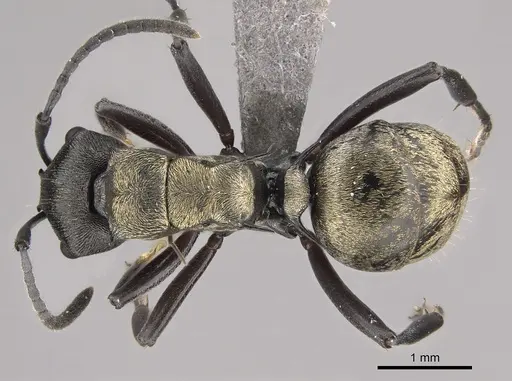
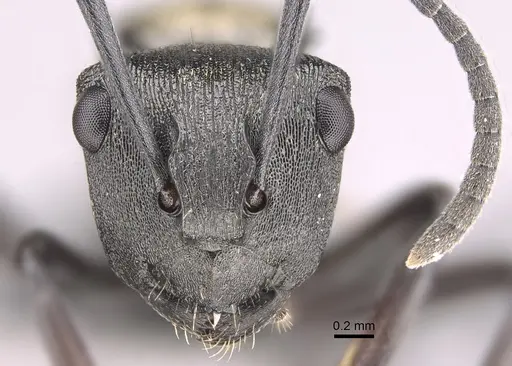
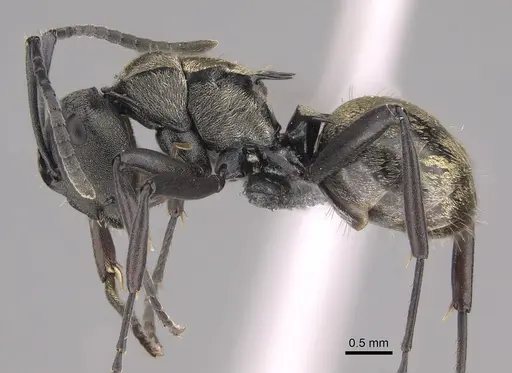
CASENT0281423
View on AntWeb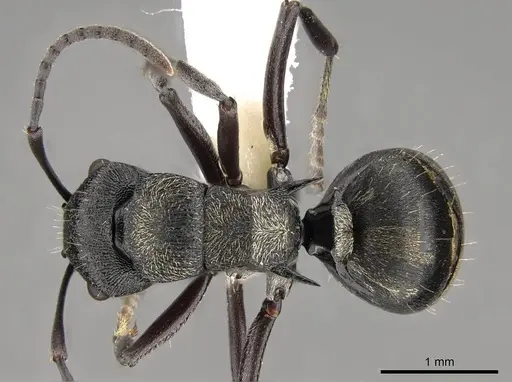
CASENT0887802
View on AntWeb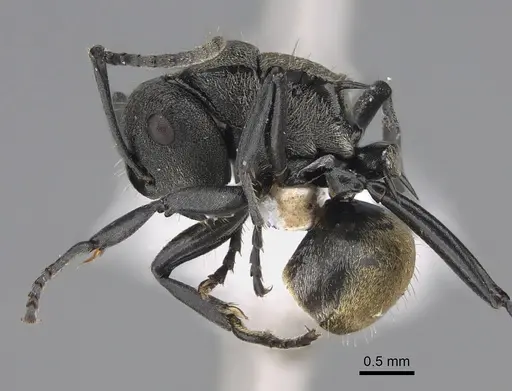
CASENT0906727
View on AntWeb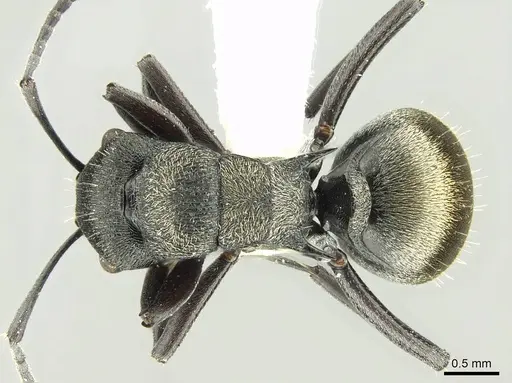
CASENT0910839
View on AntWeb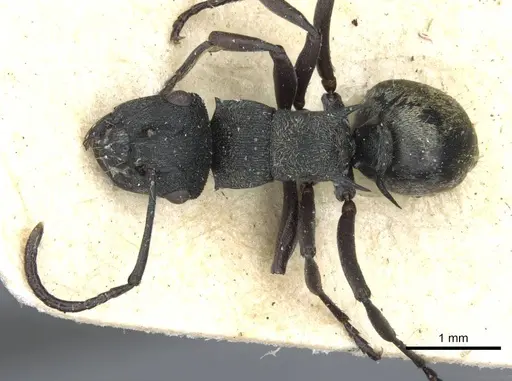
CASENT0910847
View on AntWeb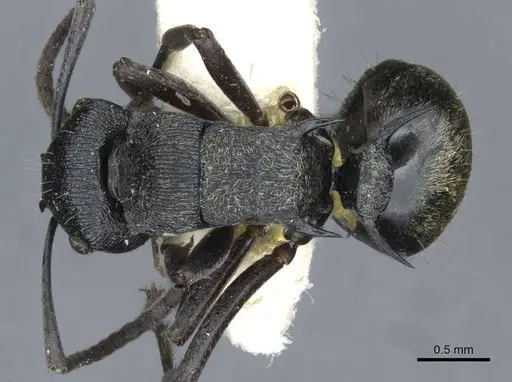
CASENT0912113
View on AntWeb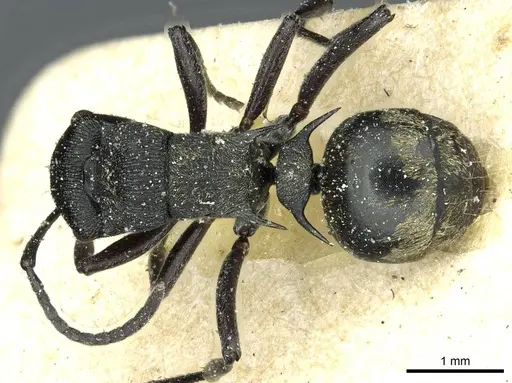
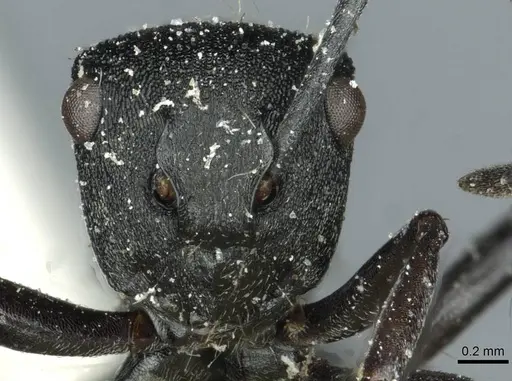
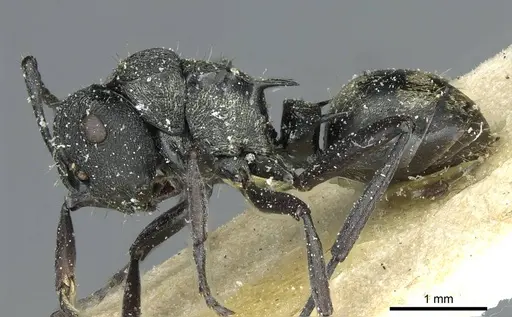
FOCOL2939
View on AntWeb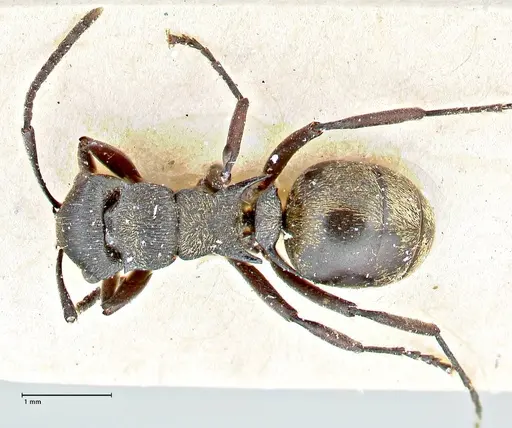
FOCOL2940
View on AntWeb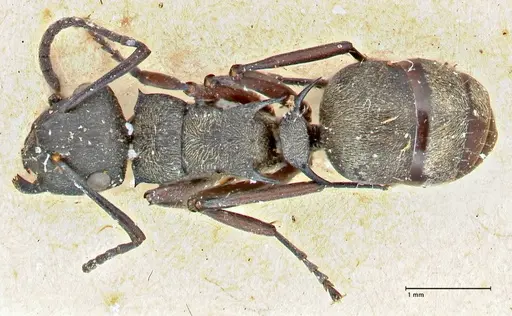
Literature
Loading...Loading products...