

Polyrhachis hippomanes
- Scientific Name
- Polyrhachis hippomanes
- Subgenus
- Myrmhopla
- Tribe
- Camponotini
- Subfamily
- Formicinae
- Author
- Smith, 1861
- Distribution
- Found in 5 countries
Polyrhachis hippomanes Overview
Polyrhachis hippomanes is an ant species of the genus Polyrhachis. It is primarily documented in 5 countries , including China, India, Sri Lanka. Detailed taxonomic data and occurrence records can be further explored via authoritative databases such as AntWeb or the Global Biodiversity Information Facility (GBIF).
Polyrhachis hippomanes
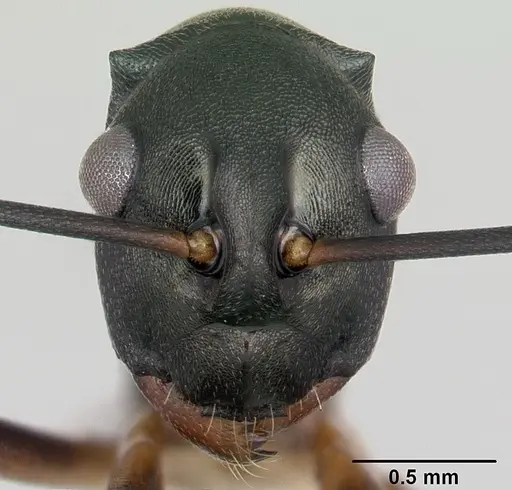
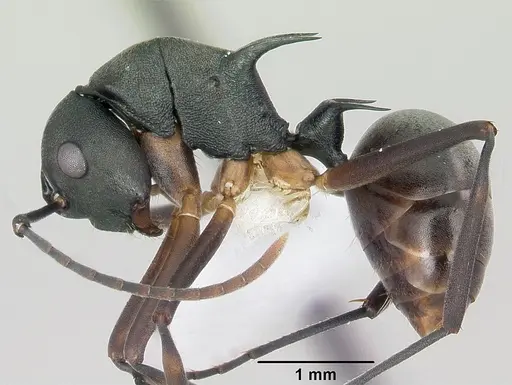
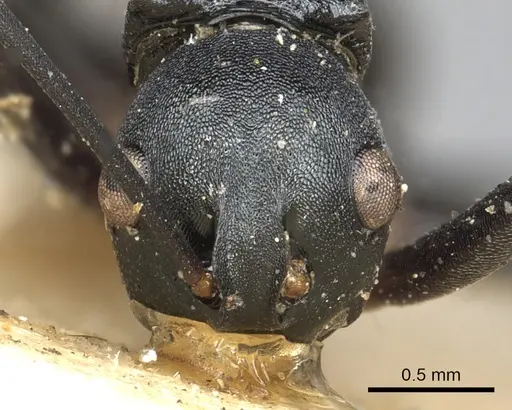
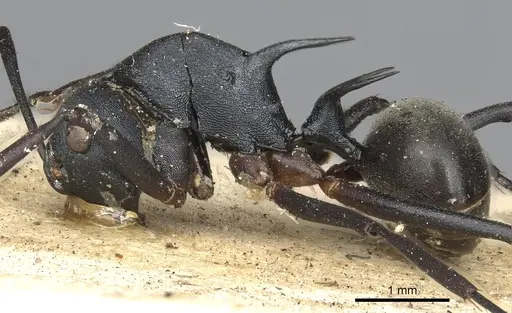
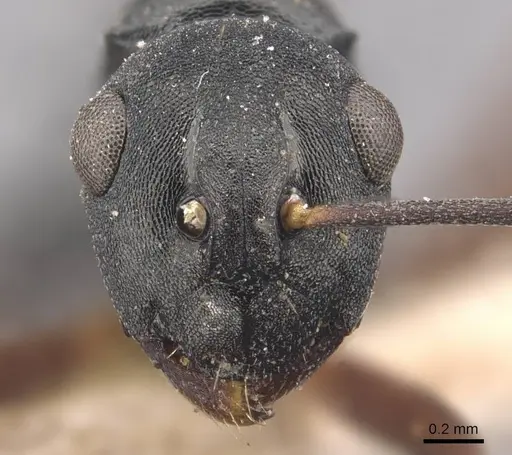
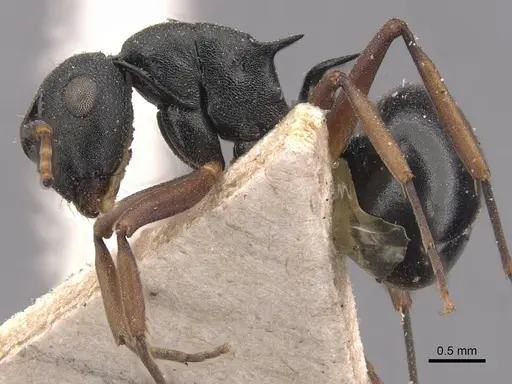
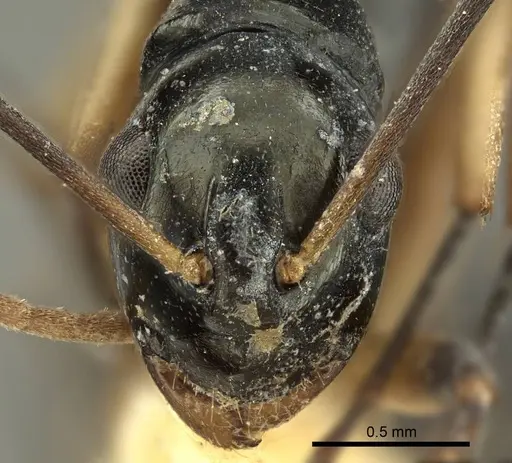
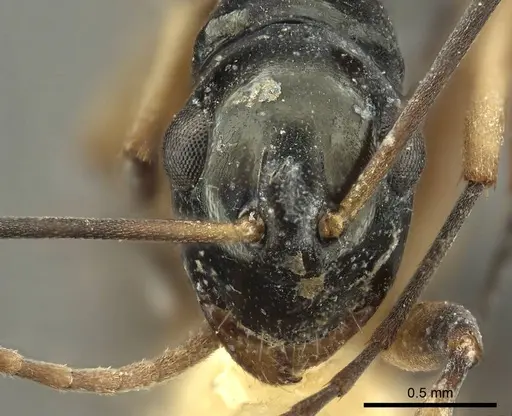
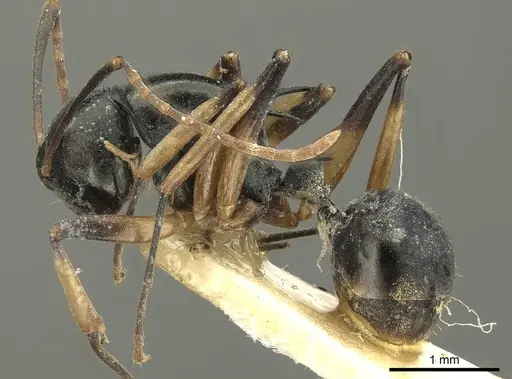
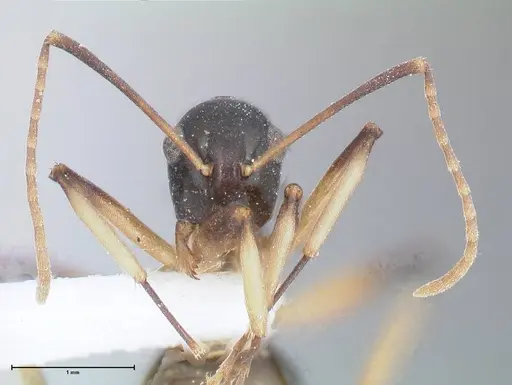
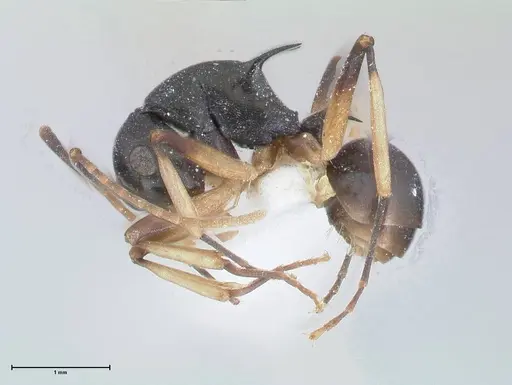
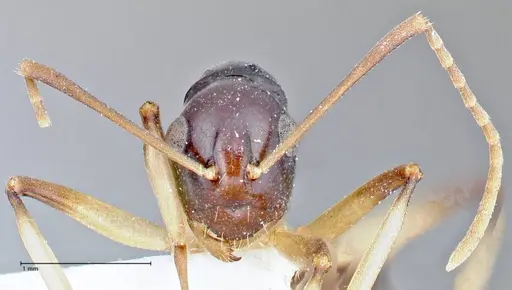
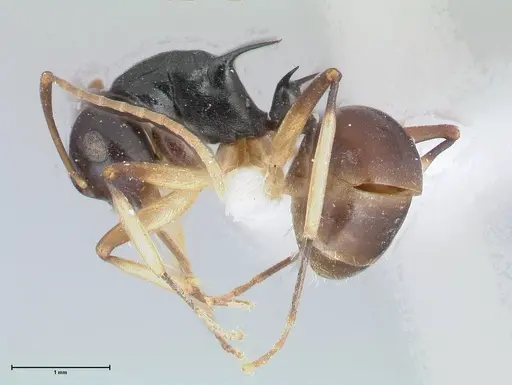
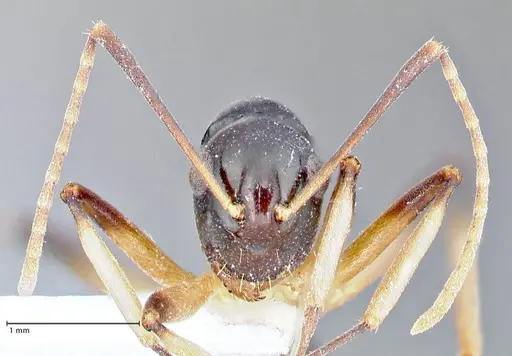
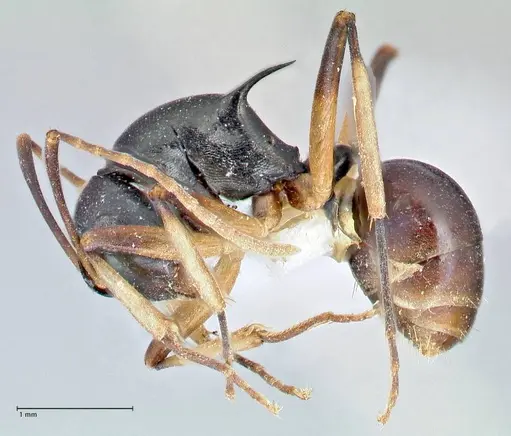
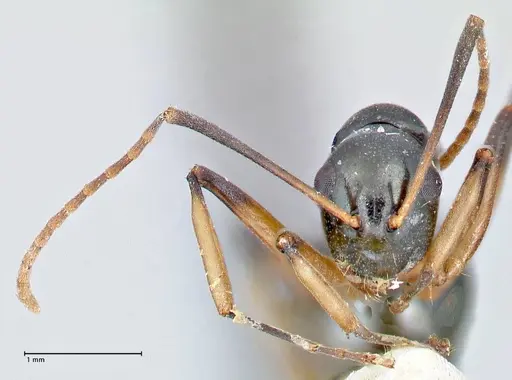
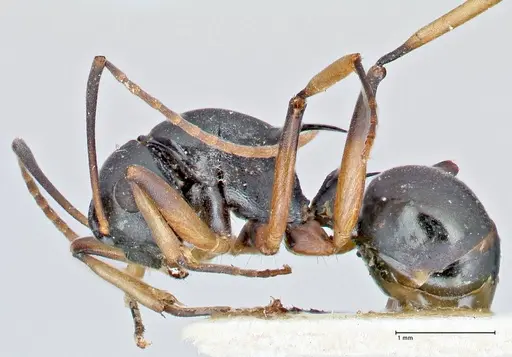
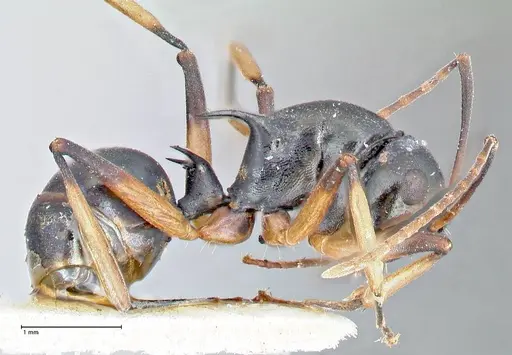
Polyrhachis hippomanes is a distinctive spiny ant belonging to the Polyrhachis mucronata species-group. Workers are medium-sized ants with a dark brown to black abdomen and characteristic spines projecting from the propodeum and petiole. The pronotum has small tubercles or projections, and the promesonotal region is notably convex in profile. This species shows worker monomorphism, meaning all workers are similar in size [1]. Originally described from Sulawesi, Indonesia in 1861,this ant is found across the Indomalaya region including Borneo, India, Thailand, Malaysia, and Nepal [2][3].
This species is a primary forest specialist, research in Xishuangbanna, China found P. hippomanes only in primary forest habitats, with no presence in secondary forest or rubber plantations [4]. They have been collected from Pandanus vegetation through fogging samples, suggesting arboreal or semi-arboreal nesting habits. Like other spiny ants, they possess defensive spines that help deter predators. This species is also known to be parasitized by the fungus Ophiocordyceps unilateralis in Asia [5].
Quick Summary
- Difficulty: Medium
- Origin & Habitat: Indomalaya region, found in Borneo, India, Indonesia, Malaysia, Nepal, Sulawesi, and Thailand. Primary forest specialist collected at altitudes from 900m to nearly 1500m. Nests in primary forest habitats, often associated with vegetation like Pandanus [4][2][6].
- Colony Type: Colony structure is not well documented in scientific literature. Polyrhachis species typically range from single-queen (monogyne) to multi-queen (polygyne) colonies depending on the species. Further research needed to confirm the exact colony structure for P. hippomanes.
- Founding: Claustral
- Size & Growth:
- Queen: Estimated 10-12mm based on genus Polyrhachis typical sizes, not directly measured for this species
- Worker: Approximately 6-8mm based on species description and genus patterns [7]
- Colony: Unknown for this specific species, Polyrhachis colonies typically range from dozens to several hundred workers
- Growth: Moderate, based on typical Polyrhachis development patterns
- Development: Estimated 6-10 weeks based on related Polyrhachis species and tropical ant development patterns (Development time is estimated as no direct measurements exist for this species. Tropical Polyrhachis species generally develop faster than temperate ants due to consistent warm temperatures year-round.)
- Antkeeping:
- Temperature: Keep at 24-28°C. As a tropical species from Southeast Asia, they prefer warm, stable conditions. A slight temperature gradient allows workers to regulate their body temperature. Room temperature in most homes (20-24°C) may be slightly cool, consider a heating cable on one side of the nest [2].
- Humidity: High humidity preferred, aim for 70-85%. This species comes from humid tropical forests and has been collected from forest habitats with high moisture. Keep the nest substrate consistently moist but not waterlogged. Provide a water source like a cotton ball in the outworld. Mist the outworld occasionally but avoid direct misting on the nest [4].
- Diapause: No, as a tropical species from consistent climate regions, they do not require a winter diapause. However, slight temperature reductions during winter months (dropping to around 22-24°C) may slow activity naturally [2].
- Nesting: Arboreal or semi-arboreal nesting preferences. In captivity, they do well in naturalistic setups with vertical structures, or acrylic/plaster nests with chambers scaled to their size. Provide twigs, small branches, or cork bark as nesting material. They may accept test tube setups but prefer more complex, vertical spaces. Avoid completely horizontal nests, they prefer climbing surfaces [4].
- Behavior: Polyrhachis ants are generally calm and not aggressive toward keepers. Workers are active foragers that search for honeydew and small prey. They possess defensive spines which they may use if threatened, but they are not considered dangerous to humans. They are moderate escape artists, their medium size means standard escape prevention works well, but ensure gaps are sealed. Workers are diurnal and actively forage during the day. They may form trails to food sources and are known to tend aphids for honeydew.
- Common Issues: primary forest specialist, may struggle in altered habitats like secondary forest or human-made setups if conditions are too dry, humidity requirements are high, dry conditions can cause colony decline, fungal parasites, Ophiocordyceps unilateralis is a known pathogen in wild colonies, keep nesting areas clean, escape risk, medium size means standard barriers work but check for gaps, slow colony growth compared to faster-developing species may frustrate beginners
Natural History and Distribution
Polyrhachis hippomanes is a tropical ant species found across the Indomalaya region, including Borneo, India, Indonesia, Malaysia, Nepal, Sulawesi, and Thailand [2][3]. The species was originally described from Tondano in Sulawesi by Frederick Smith in 1861. They have been recorded at altitudes ranging from approximately 900m in Bhutan to nearly 1500m in Meghalaya, India [8][6].
This species is notably a primary forest specialist. Research in Xishuangbanna, China found P. hippomanes exclusively in primary forest habitats, with no presence in secondary forest or rubber plantations [4]. This makes them particularly sensitive to habitat alteration, a trait keepers should consider when setting up their colonies. They have been collected from Pandanus vegetation using fogging samples, indicating they often nest in arboreal or semi-arboreal situations in trees and shrubs rather than in ground nests [9].
The species shows some morphological variation across its range. Specimens from Dumoga-Bone in Sulawesi differ slightly from the holotype in leg coloration and spine divergence, with modern specimens having lighter reddish-brown coloration on the coxae, trochanters, and proximal halves of the femora.
Nest Preferences and Housing
In captivity, Polyrhachis hippomanes does best in setups that mimic their natural arboreal preferences. They are not typical ground-nesting ants, they prefer vertical spaces and climbing surfaces. A naturalistic setup with cork bark, twigs, or small branches works well. You can also use acrylic or plaster nests with vertically oriented chambers.
Avoid horizontal-only test tube setups if possible, these ants prefer to climb and will do better with vertical structures. If using test tubes, provide multiple connections and include vertical elements like twigs leading to additional tubes. The nest should have chambers scaled to their worker size (6-8mm) with passages wide enough for easy movement.
Because they are primary forest specialists, they are sensitive to drying out. The nest material should retain moisture well, plaster or soil-based naturalistic setups work better than completely dry acrylic. However, avoid waterlogging as this can lead to mold issues. A humidity gradient within the nest allows the colony to choose their preferred moisture level. [4]
Feeding and Diet
Like most Polyrhachis species, P. hippomanes is omnivorous with a preference for sweet liquids and protein. In the wild, they forage for honeydew from aphids and scale insects, and hunt small insects and other arthropods. They are known to tend aphid colonies on plants.
In captivity, offer a varied diet: sugar water or honey diluted with water (change every 2-3 days), and protein sources like small crickets, mealworms, fruit flies, or other small insects. Feed protein 2-3 times per week, removing any uneaten prey after 24 hours. Live prey is preferred as it stimulates natural foraging behavior, but pre-killed insects are also accepted.
Because they are arboreal foragers, place food on elevated surfaces or platforms rather than on the nest floor. This mimics how they would find food in vegetation. Remove any moldy or spoiled food promptly to maintain colony health. [9]
Temperature and Seasonal Care
As a tropical species from Southeast Asia, Polyrhachis hippomanes requires warm conditions. Keep the nest area at 24-28°C for optimal colony development and brood growth. Temperatures below 22°C may slow activity and development significantly.
A temperature gradient is beneficial, allow one area of the setup to be slightly warmer (around 28°C) while another stays at room temperature (around 24°C). This lets workers regulate their body temperature by moving between areas. A heating cable placed on top of the nest (never underneath to avoid drying) can help maintain warmth.
Unlike temperate species, they do not require a winter diapause. However, slight seasonal temperature variations are natural, you may notice reduced activity in winter months when room temperatures drop slightly. This is normal and they will become more active when temperatures rise again. Avoid sudden temperature changes which can stress the colony. [2]
Behavior and Defense
Polyrhachis ants are named for their defensive spines, projections on the propodeum and petiole that make them harder for predators to handle. P. hippomanes has notably long propodeal and petiolar spines that curve in characteristic patterns [7]. These spines are primarily defensive rather than offensive.
Workers are generally calm and not prone to biting or stinging when handled gently. They will retreat into the nest if disturbed rather than aggressive confrontation. Their spines are their main defense, when threatened, they may present their rear to the perceived threat while keeping their mandibles ready.
Foraging occurs during the day (diurnal). Workers search for food individually or may form trails to good food sources. They are moderate climbers and will readily explore vertical surfaces. In the outworld, provide enrichment like small plants, twigs, or structures that allow natural foraging behavior.
Health and Common Problems
One notable health concern for Polyrhachis hippomanes is fungal infection. In the wild, this species is known to be parasitized by Ophiocordyceps unilateralis, the famous 'zombie ant' fungus [5]. While this pathogen is not typically a problem in captive colonies, poor husbandry (excessive moisture, moldy food, dirty nests) can lead to other fungal or bacterial issues.
Keep the nest clean by removing dead insects, moldy food, and debris regularly. Ensure adequate ventilation to prevent stagnant air while maintaining humidity. If you see mold growing on nest materials, replace the affected sections.
As primary forest specialists, they are sensitive to environmental changes. Dry conditions, temperature extremes, or poor nutrition can lead to colony decline. Watch for workers appearing sluggish or spending excessive time outside the nest, this can indicate stress. A healthy colony should have active workers moving purposefully between nest and outworld.
Frequently Asked Questions
How long does it take for Polyrhachis hippomanes to produce first workers?
Estimated 6-10 weeks from egg to first worker based on related Polyrhachis species and tropical ant development patterns. The exact timeline has not been directly documented for this species. Factors like temperature and feeding can affect development speed, warmer temperatures (24-28°C) generally speed up development.
What do Polyrhachis hippomanes ants eat?
They are omnivorous. Offer sugar sources like honey water or sugar water (change every 2-3 days), and protein like small crickets, mealworms, or fruit flies. Feed protein 2-3 times per week. They are arboreal foragers so place food on elevated surfaces rather than on the nest floor.
Are Polyrhachis hippomanes ants aggressive?
No, they are generally calm and not aggressive toward keepers. Their main defense is their spiny appearance, the long spines on the propodeum and petiole deter predators. They will retreat when threatened rather than attack.
What temperature do Polyrhachis hippomanes need?
Keep them at 24-28°C. As a tropical species from Southeast Asia, they prefer warm, stable conditions. A slight temperature gradient (one side warmer at 28°C, another at 24°C) allows workers to regulate their body temperature. Temperatures below 22°C may slow their activity significantly.
Do Polyrhachis hippomanes need hibernation?
No, they do not require hibernation or winter diapause. As a tropical species from consistent climate regions, they are active year-round. You may notice slightly reduced activity in winter when room temperatures naturally drop, but this is not a true diapause. Avoid sudden temperature changes.
What humidity level do Polyrhachis hippomanes need?
High humidity at 70-85%. This species comes from humid tropical forests and is sensitive to dry conditions. Keep the nest substrate consistently moist but not waterlogged. Provide a water source in the outworld. Mist occasionally but avoid direct misting on the nest.
How big do Polyrhachis hippomanes colonies get?
The maximum colony size is not documented for this specific species. Based on typical Polyrhachis colony sizes, expect several hundred workers at maturity. They are moderate growers, patience is needed as colony development takes time.
What type of nest is best for Polyrhachis hippomanes?
They prefer arboreal-style setups with vertical structures. Naturalistic setups with cork bark, twigs, or small branches work well. They do not do well in horizontal-only test tubes. Provide vertical chambers scaled to their worker size (6-8mm). Acrylic or plaster nests with vertical orientation are also suitable.
Are Polyrhachis hippomanes good for beginners?
They are rated as medium difficulty. They require more specific conditions than common temperate species, higher humidity and warm temperatures are essential. Their primary forest specialist nature means they are sensitive to habitat alterations. They may not be the best first ant, but dedicated keepers can succeed with them.
Can I keep multiple Polyrhachis hippomanes queens together?
The colony structure (single-queen vs multi-queen) has not been documented for this species. Polyrhachis genus ranges from monogyne to polygyne depending on species. It is not recommended to combine unrelated foundress queens as aggression between queens is common in most ant species.
Why is my Polyrhachis hippomanes colony declining?
Common causes include: low humidity (they need 70-85%), temperatures below 22°C, poor nutrition, mold from excessive moisture, or fungal infection. They are primary forest specialists so dry or altered habitats can cause stress. Check your setup conditions and ensure food is fresh. Remove moldy or decaying matter promptly.
References

This caresheet is licensed under CC BY-SA 4.0 .
CASENT0103195
View on AntWeb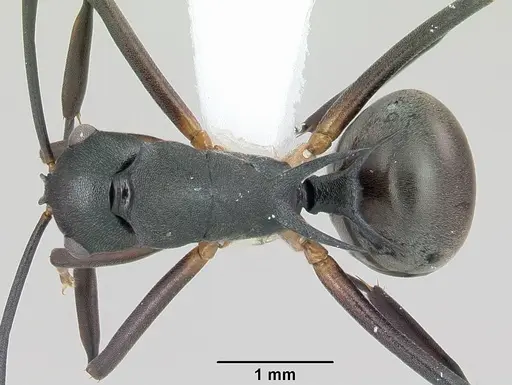
CASENT0901873
View on AntWeb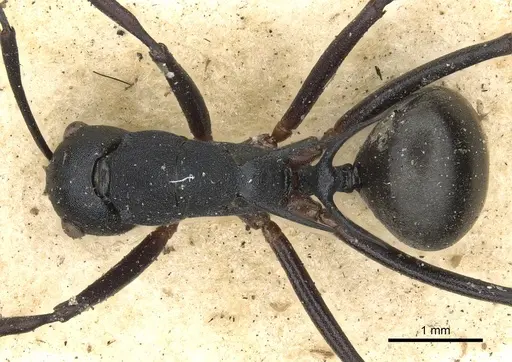
CASENT0905632
View on AntWeb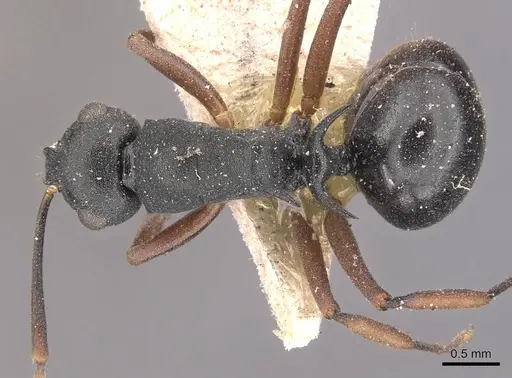
CASENT0915613
View on AntWeb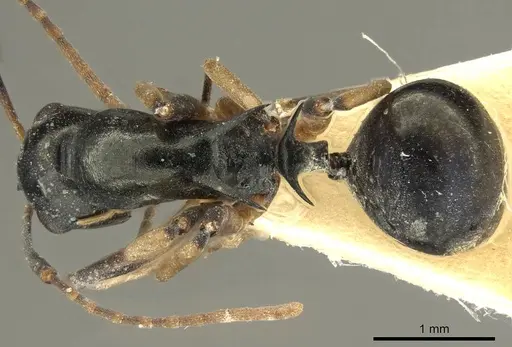
FOCOL2648-1
View on AntWeb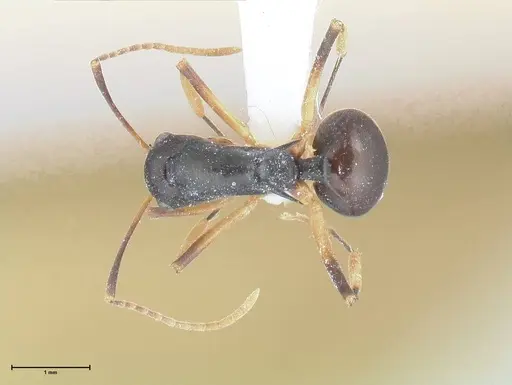
FOCOL2648-2
View on AntWeb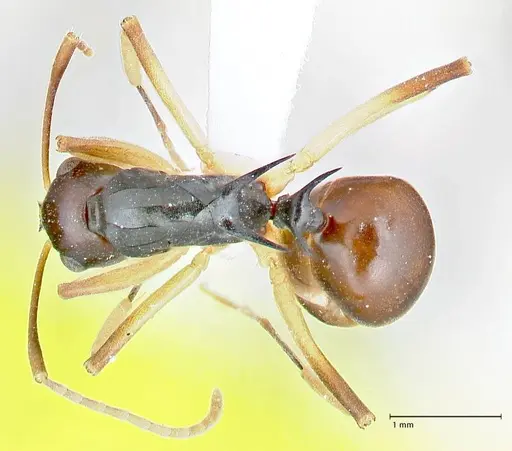
FOCOL2648-3
View on AntWeb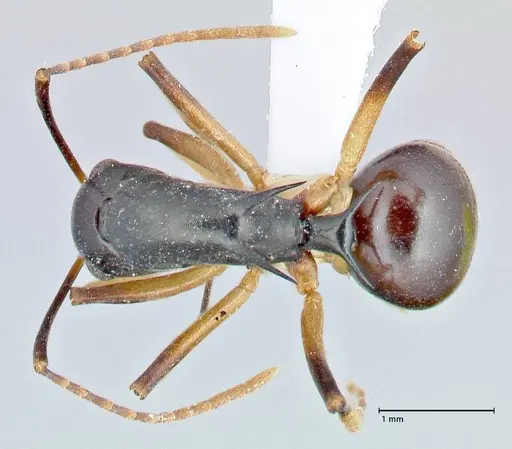
FOCOL2649
View on AntWeb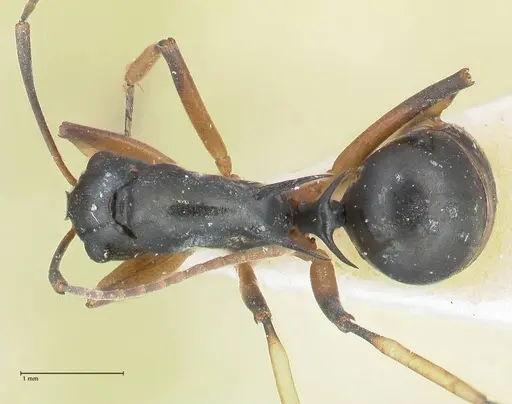
Literature
Loading...Loading products...