
Polyrhachis mucronata shows a January to December activity window. Peak activity occurs in October, with queen sightings distributed across 8 months. This extended season suggests multiple flight events or varying conditions across its range.

Polyrhachis mucronata
- Scientific Name
- Polyrhachis mucronata
- Subgenus
- Myrmhopla
- Tribe
- Camponotini
- Subfamily
- Formicinae
- Author
- Smith, 1859
- Distribution
- Found in 9 countries
- Nuptial Flight
- from January to December, peaking in October
AI Identifiable
try →
Polyrhachis mucronata Overview
Polyrhachis mucronata is an ant species of the genus Polyrhachis. It is primarily documented in 9 countries , including Australia, Brunei Darussalam, China. Detailed taxonomic data and occurrence records can be further explored via authoritative databases such as AntWeb or the Global Biodiversity Information Facility (GBIF).
The nuptial flight of Polyrhachis mucronata is a significant biological event, typically occurring from January to December, peaking in October. During this time, winged queens and males leave the nest to mate and establish new colonies.
Polyrhachis mucronata
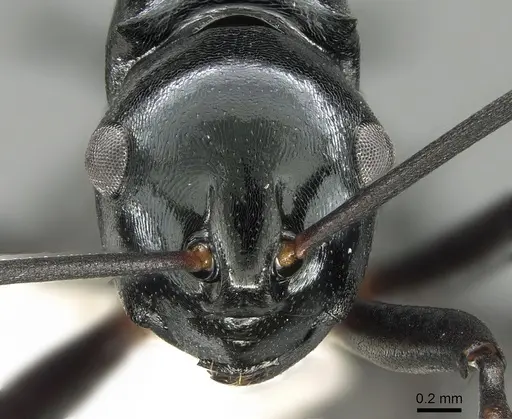
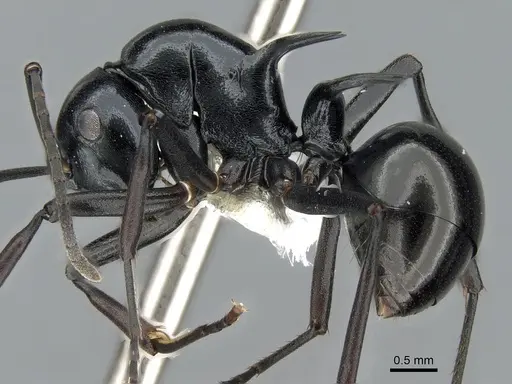
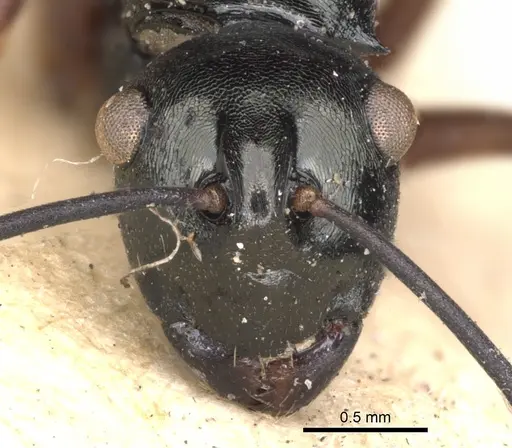
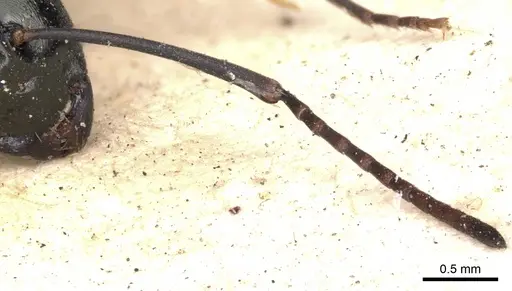
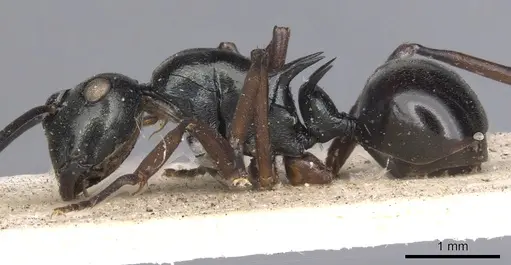
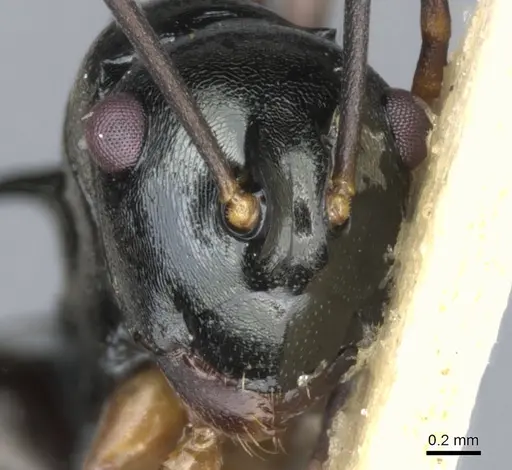
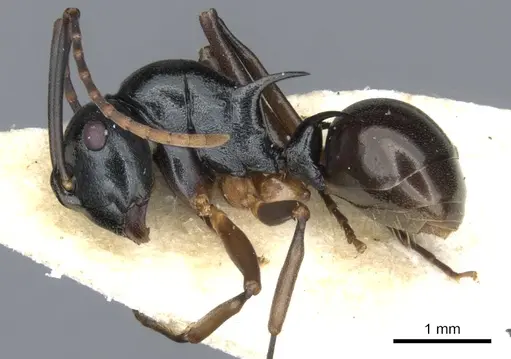
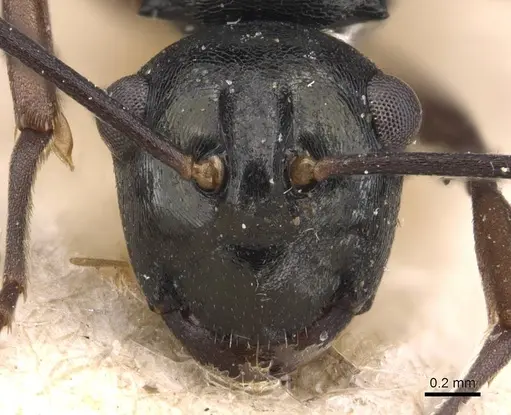
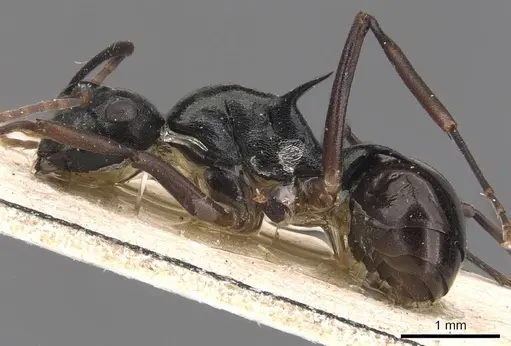
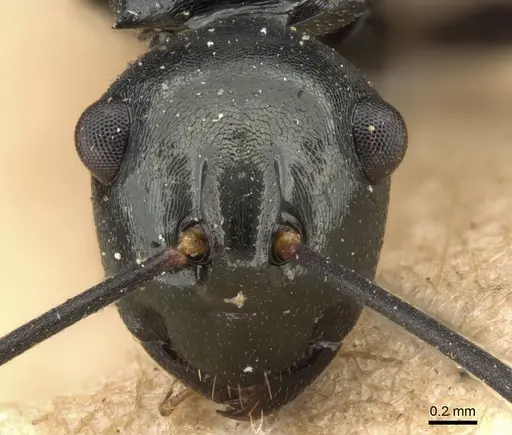
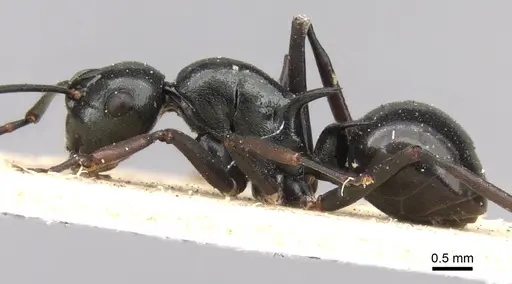
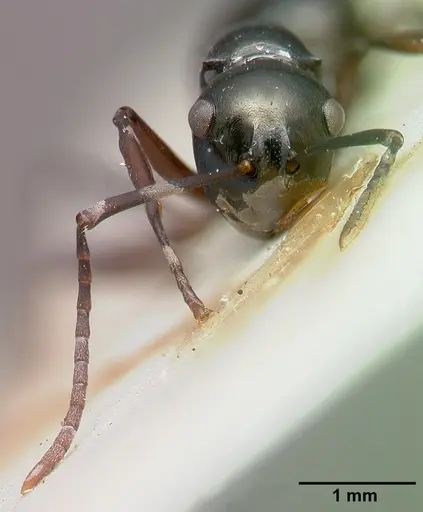
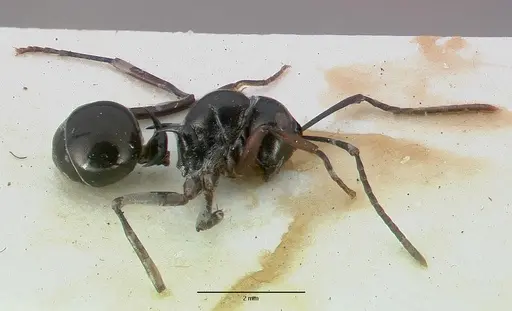
Polyrhachis mucronata is a medium-sized arboreal ant found across Southeast Asia and northern Australia. Workers measure 5.3-6.5mm and queens reach 6.9-7.8mm, with a distinctive polished black body and reddish-brown legs [1]. Their most remarkable feature is their nest-building behavior, they weave silk produced by their larvae together with leaf fragments to create protective shelters on the undersides of rainforest leaves [1]. This species belongs to the Myrmhopla subgenus and is distinct from similar-looking ants due to its columnar petiole with two horizontal spines that wrap around the gaster [1]. The species ranges from eastern Indonesia and New Guinea south to northern Queensland, where it inhabits monsoon and lowland rainforests [1].
Quick Summary
- Difficulty: Medium
- Origin & Habitat: Native to Southeast Asia and northern Australia, ranging from eastern Indonesia and New Guinea to northern Queensland. Found in monsoon rainforests of Cape York Peninsula and lowland rainforests of the Wet Tropics [1].
- Colony Type: Monogyne, colonies have a single queen and do not have multiple nests per colony [2]. Queens are not parasitic and colonies are founded by single queens.
- Colony: Monogyne
- Size & Growth:
- Queen: 6.95-7.81mm [1]
- Worker: 5.34-6.50mm [1]
- Colony: Unknown for this species, likely moderate based on typical Polyrhachis patterns
- Growth: Moderate, estimated based on related species
- Development: Estimated 6-10 weeks at optimal temperature based on genus patterns (Direct development data unavailable, inferred from related Polyrhachis species. Cocoons are present, pupae are enclosed in silk cocoons [2].)
- Antkeeping:
- Temperature: Keep at 24-28°C. These are tropical rainforest ants requiring warm, stable temperatures [1]. A heating cable on one side of the nest creates a gentle gradient.
- Humidity: High humidity required, aim for 70-85%. They naturally live in rainforest understory where humidity stays consistently high. Keep nest substrate moist but not waterlogged, with good ventilation to prevent mold.
- Diapause: No, these are tropical ants that do not require hibernation. Maintain warm conditions year-round [1].
- Nesting: Arboreal specialists, they build silk-woven nests on leaves in the wild. In captivity, provide a vertical or naturalistic setup that allows for climbing and silk attachment. Y-tong nests or acrylic nests with rough surfaces for grip work well. Include small plant material or artificial leaves for them to weave onto.
- Behavior: Generally calm and non-aggressive compared to many Formicinae. Workers are active foragers that search for honeydew and small prey on vegetation. They are arboreal by nature, spending most of their time climbing rather than walking on flat surfaces. Escape risk is moderate, their medium size means standard barriers work well, but they are agile climbers. They may be more active at night in captivity.
- Common Issues: high humidity requirements can lead to mold if ventilation is poor, balance humidity with airflow, arboreal nature means they may not use horizontal test tube setups, provide climbing structures, tropical species will decline if temperatures drop below 22°C for extended periods, silk-weaving behavior requires rough surfaces or plant material to attach nests, smooth acrylic alone may not be ideal, wild-caught colonies may be stressed from arboreal collection and require careful acclimation
Queen Ant Activity Analysis 123 observations
Queen Activity by Hour 123 observations
Polyrhachis mucronata queen activity peaks around 23:00 during the night. Activity is spread across a 24-hour window (00:00–23:00). A secondary activity peak occurs around 20:00. Times may be influenced by human observation patterns.
Nest Preferences and Housing
Polyrhachis mucronata is an arboreal species that naturally builds silk-woven nests on the undersides of rainforest leaves, primarily in the lower canopy zone [1]. In captivity, you should replicate this by providing vertical space and surfaces they can attach silk to. Y-tong (AAC) nests work well because the rough surfaces give workers something to grip and anchor their silk structures. Acrylic nests can also work if you add small pieces of plant material, artificial leaves, or rough-textured inserts for them to build on. Avoid completely smooth horizontal test tubes, these ants prefer to climb and may not settle well in flat setups. A naturalistic setup with live or artificial plants allows them to display their natural silk-weaving behavior, which is fascinating to watch.
Feeding and Diet
Like most Polyrhachis species, these ants are omnivorous with a preference for sweet liquids and protein. Feed them sugar water or honey regularly, and offer protein sources such as small insects (fruit flies, small crickets, mealworms) every few days. They are arboreal foragers in the wild, often tending aphids or collecting honeydew from tropical vegetation. In captivity, they typically accept a wide range of foods. Offer fresh food every 2-3 days and remove uneaten prey within 24 hours to prevent mold. A constant sugar water supply is recommended, you can use a cotton ball in a small container or specialized ant feeder.
Temperature and Humidity Requirements
These are tropical rainforest ants requiring warm and humid conditions. Maintain temperatures between 24-28°C year-round, they do not tolerate cool conditions and may become sluggish below 22°C. A heating cable placed on part of the nest can help maintain warmth, but always provide an unheated area so workers can regulate their own temperature. Humidity should stay high at 70-85%, mist the outworld occasionally and keep nest substrate moist but never waterlogged. Good ventilation is essential to prevent mold while maintaining humidity. Because they nest in leaves in the wild, they are accustomed to high ambient moisture but also some air movement. [1]
Colony Structure and Development
P. mucronata colonies are monogyne, meaning they have a single queen who is the sole egg-layer [2]. Unlike some Polyrhachis species that have multiple nests per colony, this species maintains a single nest [2]. Queens are relatively large at 6.95-7.81mm and workers range from 5.3-6.5mm [1]. Their pupae are enclosed in cocoons, which is a distinguishing feature of the Myrmhopla subgenus [1]. Colony growth is moderate, expect several months before seeing the first workers (nanitics) emerge, and several years to reach moderate colony sizes. The silk-weaving behavior begins once workers are established, as they use larval silk to construct their nest structures.
Behavior and Temperament
These ants are generally calm and less aggressive than many Formicinae species. Workers are active climbers rather than ground-dwellers, and they spend considerable time on vegetation in the wild. Their silk-weaving behavior is a fascinating defensive adaptation, by attaching leaves together with larval silk, they create sheltered chambers that protect the colony from predators and weather. In captivity, you may observe workers pulling at fabric or plant material with their mandibles, attempting to weave it into structures. They are not known to sting and pose no danger to keepers. Their moderate size and calm temperament make them an interesting species for antkeepers who can provide the arboreal setup they need. [1]
Frequently Asked Questions
Can I keep Polyrhachis mucronata in a test tube?
Standard test tubes are not ideal for this species. They are arboreal ants that prefer to climb and build silk nests on vertical surfaces. A Y-tong nest or acrylic nest with climbing structures works much better. If you must use a test tube, provide it vertically and add small plant material or a rough insert for them to attach silk to.
How long does it take for first workers to appear?
Based on related Polyrhachis species, expect 6-10 weeks from egg to first worker at optimal temperature (around 26°C). The exact timeline for P. mucronata specifically has not been documented, so this is an estimate.
Do Polyrhachis mucronata ants need hibernation?
No. These are tropical rainforest ants from Southeast Asia and northern Australia. They do not require hibernation and should be kept warm year-round at 24-28°C.
Are Polyrhachis mucronata good for beginners?
They are intermediate-level ants due to their specific arboreal and humidity requirements. They are not as hardy as ground-nesting species like Lasius or Camponotus. If you have experience with at least one other tropical species, you should do well with these.
What do Polyrhachis mucronata eat?
They are omnivorous. Offer sugar water or honey constantly, and protein (small insects like fruit flies, crickets, or mealworms) 2-3 times per week. They will also collect honeydew if you provide aphids.
How big do Polyrhachis mucronata colonies get?
The maximum colony size has not been specifically documented, but based on typical Polyrhachis patterns, expect several hundred workers at maturity. They are monogyne colonies with a single queen.
Can I keep multiple queens together?
No. This species is monogyne, meaning colonies naturally have only one queen. Multiple unrelated queens would likely fight. In the wild, they do not have multiple queens per colony [2].
When should I move them to a formicarium?
Move them once the colony reaches around 20-30 workers and the queen has started laying consistently. They do well in a formicarium that provides vertical climbing space and materials for silk weaving. Make the transition gradually by connecting the founding setup to the new nest.
Why is my Polyrhachis mucronata not weaving silk?
They typically only weave when they have workers and feel settled. Make sure they have appropriate materials (rough surfaces, plant material, or fabric strips) to work with. If they are still in founding stage or recently moved, give them time to establish before expecting silk behavior.
References

This caresheet is licensed under CC BY-SA 4.0 .
CASENT0281403
View on AntWeb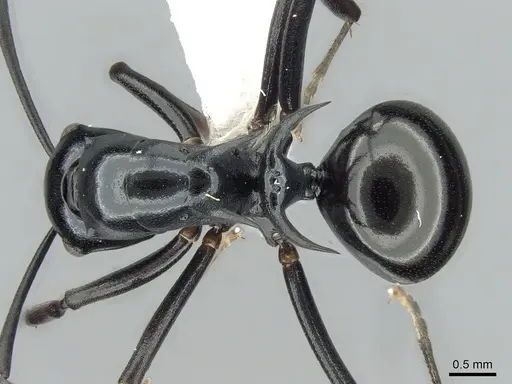
CASENT0901806
View on AntWeb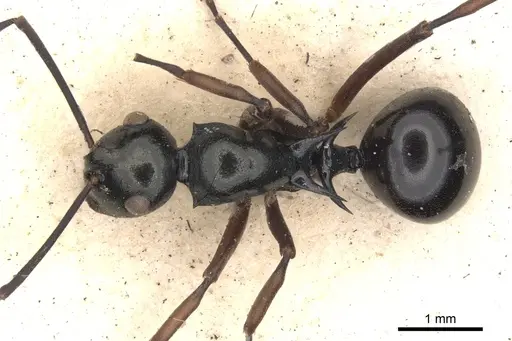
CASENT0903379
View on AntWeb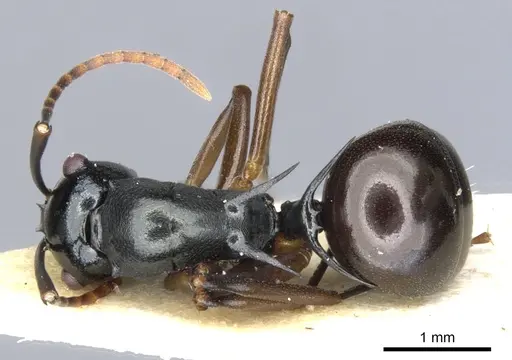
CASENT0905638
View on AntWeb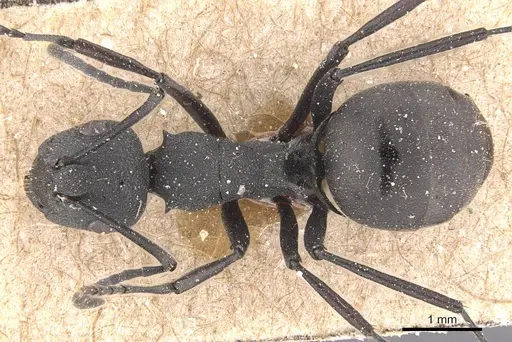
CASENT0906770
View on AntWeb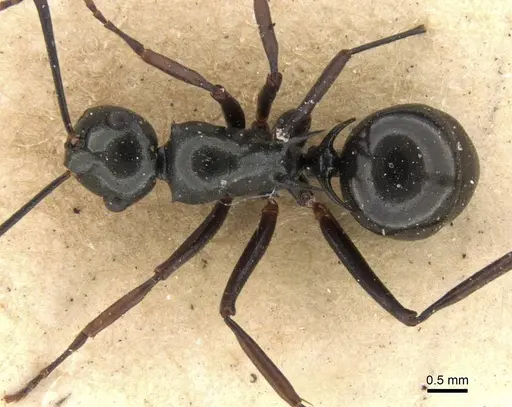
CASTYPE06934
View on AntWeb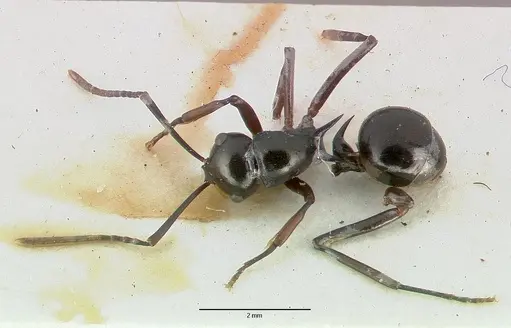

Literature
Loading...Loading products...