

Polyergus samurai
- Scientific Name
- Polyergus samurai
- Tribe
- Formicini
- Subfamily
- Formicinae
- Author
- Yano, 1911
- Common Name
- Japanese Amazon Ant
- Distribution
- Found in 3 countries
Polyergus samurai Overview
Polyergus samurai (commonly known as the Japanese Amazon Ant) is an ant species of the genus Polyergus. It is primarily documented in 3 countries , including China, Japan, Korea. Detailed taxonomic data and occurrence records can be further explored via authoritative databases such as AntWeb or the Global Biodiversity Information Facility (GBIF).
Polyergus samurai - "Japanese Amazon Ant"
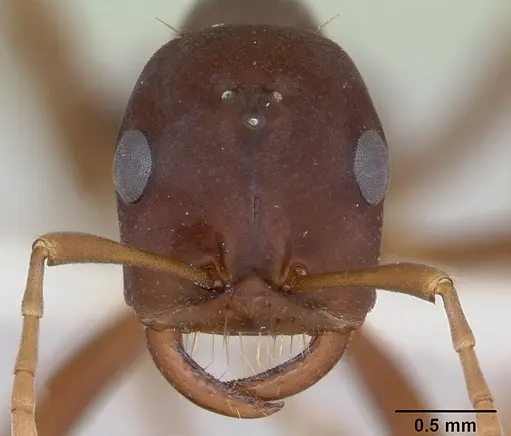
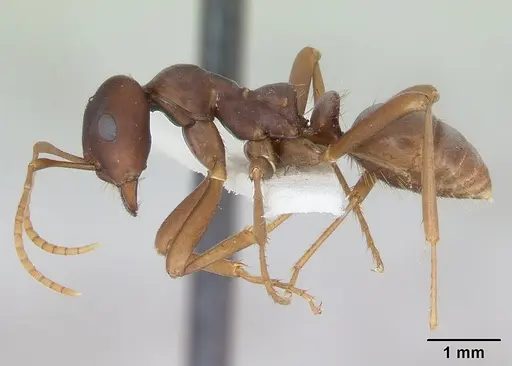
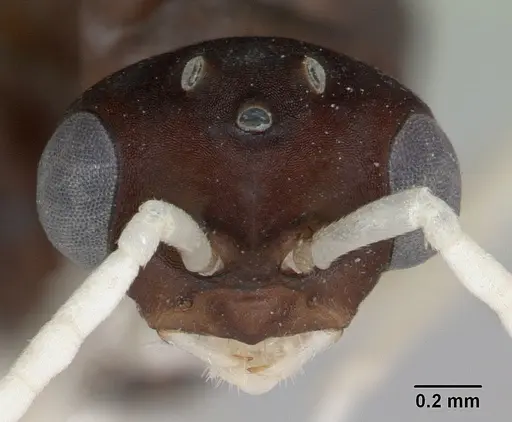
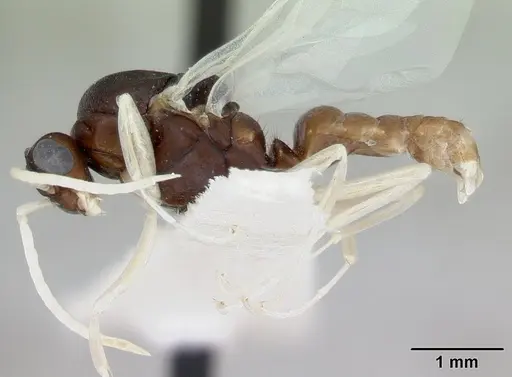
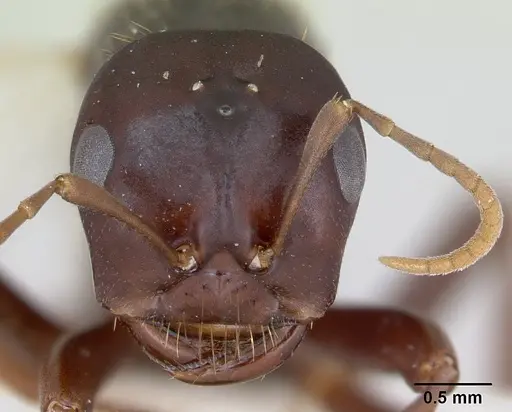
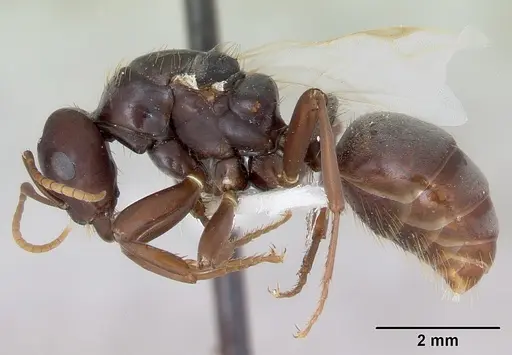
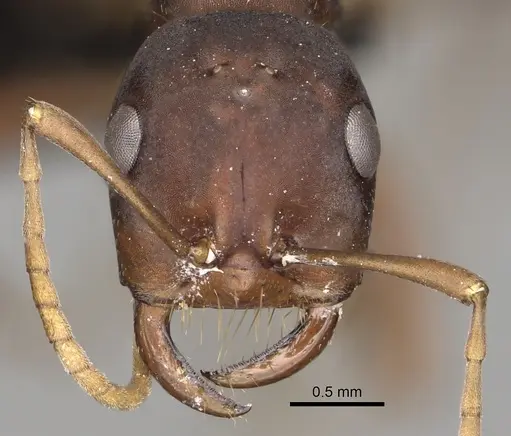
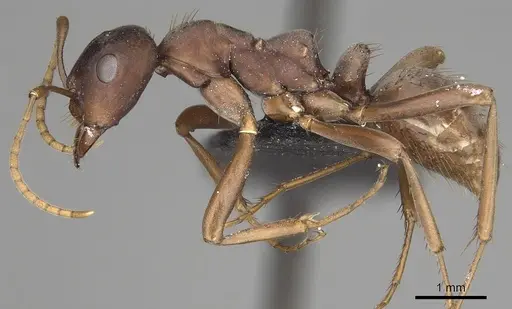
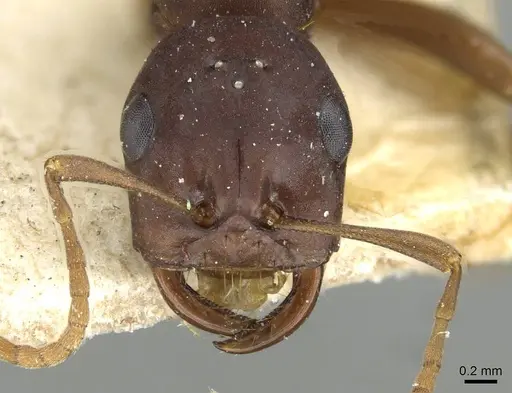
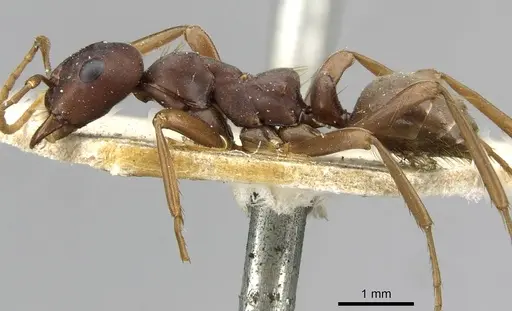
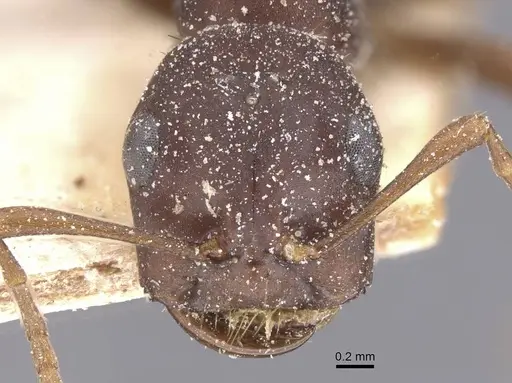
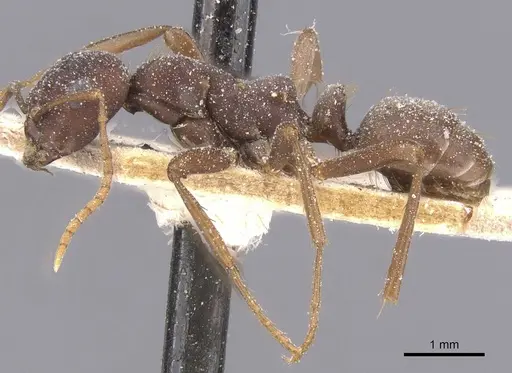
Polyergus samurai is a striking slave-making ant native to humid temperate Asia, found in Japan, Korea, China, and southeastern Russia. Workers measure 5.4-6.7mm with a distinctive dark reddish-brown to nearly black coloration and pale yellowish-brown legs and antennae. Their head is narrowly hexagonal, and they have relatively sparse yellowish-brown body hairs compared to other Polyergus species. This ant gets its name from the Japanese warrior class, the 'samurai', likely for its aggressive raiding behavior reminiscent of samurai warfare. Unlike typical ants, P. samurai cannot survive without enslaved host workers from the genus Formica, primarily Formica japonica. Colonies are nearly impossible to find except during their dramatic afternoon slave raids in summer, when workers storm neighboring Formica nests to steal cocoons and pupae.
Quick Summary
- Difficulty: Expert
- Origin & Habitat: Humid temperate Asia, Japan, Korea, China, and southeastern Russia. Nests in soil in grasslands and forest edges, rarely seen except during slave-raiding expeditions [1][2].
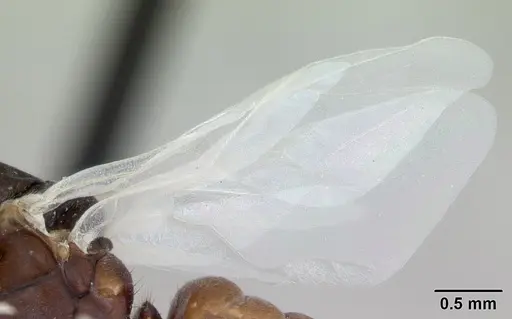
- Colony Type: Single-queen colonies (monogyne) with obligatory social parasitism. The colony contains the Polyergus queen and enslaved Formica host workers. Ergatoid (wingless) queens have been documented and are fully functional [3][4].
- Colony: Monogyne
- Queen: Socially parasitic
- Special: Slave-making
- Size & Growth:
- Queen: 7.5-8.0mm (estimated from ergatoid descriptions) [3]
- Worker: 5.4-6.7mm [4]
- Colony: Colonies contain host Formica japonica workers in numbers much larger than normal host colonies, with larger nest dimensions [4]
- Growth: Moderate, dependent on host colony success
- Development: Unknown, directly tied to host colony development (Development is tied to the host species Formica japonica. The enslaved host workers raise the brood.)
- Antkeeping:
- Temperature: Keep around 20-24°C, similar to Formica japonica requirements. A temperature gradient allows the colony to self-regulate.
- Humidity: Moderate humidity around 50-60%. Keep the nest substrate slightly moist but not waterlogged, matching typical soil-nesting ant conditions.
- Diapause: Yes, requires a winter dormancy period. In their native range, colonies overwinter in soil nests. Reduce temperature to 10-15°C for 2-3 months during winter [2] shows seasonal activity patterns.
- Nesting: Soil-nesting species. In captivity, a naturalistic setup with soil or a formicarium with soil chambers works best. The nest must accommodate both the samurai ants and their host Formica workers.
- Behavior: Polyergus samurai is a specialized slave-maker. Workers do not forage for food themselves, they rely entirely on their enslaved Formica host workers to feed them, tend brood, and maintain the nest. The most dramatic behavior is the slave raid, which occurs during summer afternoons around 3-4pm. Samurai workers march to nearby Formica nests, overwhelm the defenders using propaganda chemicals, and steal cocoons and pupae to raise as future enslaved workers. Queens use chemical camouflage to infiltrate host colonies, they obtain the host's cuticular hydrocarbon profile to avoid detection [5][6]. This species is not aggressive toward humans but escape prevention is important due to their small size.
- Common Issues: obligatory parasitism means the colony cannot survive without host Formica workers, you must keep both species, finding a host colony is difficult, Formica japonica or similar Formica species must be established first, colonies are nearly impossible to locate in the wild except during raids, making wild collection very challenging, the complex social structure means this species is not suitable for beginners, expert-level care required, enslaved host workers may not reproduce effectively in captivity, threatening colony survival
Understanding Samurai Ant Biology
Polyergus samurai is an obligatory dulotic ant, this means it cannot survive without enslaved host workers from the genus Formica. Unlike typical ants where workers forage for food and care for brood, samurai ant workers are completely dependent on their host slaves. The host workers do all the heavy lifting: foraging for food, caring for the samurai queen and her brood, cleaning the nest, and even feeding the samurai workers. This is not a temporary arrangement, the relationship is permanent. The colony structure consists of the Polyergus queen and her offspring (all workers), plus enslaved Formica japonica workers that were stolen as pupae during raids and raised as host workers within the colony. Queens use sophisticated chemical warfare to infiltrate host colonies, they either obtain the cuticular hydrocarbon profile of the host queen through physical contact, or take on a worker-like chemical profile when entering queenless colonies [5][6]. This chemical mimicry allows them to assassinate the host queen and take over the colony without detection.
Housing and Nest Setup
Keeping Polyergus samurai requires maintaining TWO species: the samurai ant colony AND a host Formica colony. This makes them one of the most challenging ants to keep. For the nesting setup, a naturalistic formicarium with soil chambers works best, as this mimics their natural soil-nesting behavior. The nest should be large enough to accommodate both the samurai ants and their host workers. Because they rarely appear on the surface except during raids, the nest should provide dark, secure chambers. Use a hydration system that maintains consistent moisture without flooding, a water reservoir connected to the nest via cotton or a drip system works well. The outworld should allow space for the dramatic slave raids to potentially occur, though in captivity the raids may be redirected or not occur at all. Escape prevention is critical, these are small ants that can squeeze through standard gaps. Use fluon on container edges and ensure all connections are tight. [2][4]
Feeding and Nutrition
Samurai ants do not forage for food themselves, this is entirely handled by their enslaved host workers. In captivity, you must feed both the samurai colony AND the host Formica workers. The host Formica japonica workers will consume typical ant foods: sugar water, honey, and protein sources like insects. Offer a constant supply of sugar water or honey in a test tube or feeder, and provide protein (dead insects, mealworms, crickets) regularly. The enslaved workers will distribute food throughout the colony, including to the samurai workers and queen. Because the host workers are larger than normal Formica colonies [4], they may have higher food requirements. Watch for food hoarding behavior, host workers typically store food resources in the nest. Remove uneaten protein after 24-48 hours to prevent mold.
Slave Raiding Behavior
The most spectacular aspect of samurai ant biology is their slave-raiding behavior. In the wild, raids occur during summer afternoons, typically around 3-4pm when cocoons of the host species are available [2]. During a raid, samurai workers march in a column to a nearby Formica nest. They use 'propaganda chemicals', pheromones that confuse and panic the defending host workers [7][8]. While the defenders are disoriented, raiders penetrate the nest, grab cocoons and pupae, and retreat quickly. The stolen brood is raised by the remaining host workers in the colony, eventually emerging as enslaved workers that know no other life. In captivity, you may observe raid-like behavior if you provide access to a separate Formica colony, but this is not required for colony survival. The raids are not always successful, they represent a significant risk for the raiders, which is why the species has evolved such sophisticated chemical warfare.
Obtaining and Establishing a Colony
Acquiring Polyergus samurai is extremely difficult compared to typical ants. Colonies are nearly impossible to find except during their brief summer raid season [9]. The most practical approach is to locate an active raid in progress during July-August in their natural range (Japan, Korea, China), follow the raiding column back to the nest, and carefully excavate. Alternatively, some antkeepers obtain colonies through specialized dealers who have successfully located nests. Once obtained, you must also secure a colony of Formica japonica (or a similar accepted host) to serve as the slave workers. Without host workers, the samurai colony will not survive. The queen cannot found a colony independently, she must invade and take over an existing host colony. This makes P. samurai fundamentally different from typical ants and explains why they are considered expert-level species.
Seasonal Care and Winter Dormancy
In their native range, Polyergus samurai experiences distinct seasons and requires a winter dormancy period. Reduce temperatures to 10-15°C for 2-3 months during winter, mimicking natural conditions. During this time, colony activity will slow significantly. The enslaved Formica workers, being from the same geographic region, will also enter dormancy. Do not feed heavily during winter dormancy, the colony's metabolic demands are reduced. In spring, as temperatures rise and daylight increases, activity will resume. The nuptial flight season occurs around July [2], when new queens and males take to the air for mating. If you have a mature colony, you may observe reproductive castes emerging during this period. After mating, new queens will need to find and invade host colonies to establish their own parasitic colonies, a challenging process that rarely succeeds in captivity.
Frequently Asked Questions
Can I keep Polyergus samurai as a beginner antkeeper?
No. This species is expert-level only. They are obligatory social parasites that cannot survive without a host Formica colony. You must maintain two species simultaneously, and finding both the samurai ants and their host workers is extremely difficult. Most antkeepers should start with easier species like Lasius, Camponotus, or Messor before attempting Polyergus.
What do Polyergus samurai eat?
They do not forage for food themselves. The enslaved Formica host workers forage and feed the entire colony, including the samurai queen and workers. You must feed the host workers a diet of sugar water or honey and protein sources like insects. The host workers will distribute food throughout the colony.
How do I start a Polyergus samurai colony?
You cannot start from a single queen like typical ants. Samurai queens are obligatory social parasites, they must invade and take over an existing Formica colony to establish a colony. This makes them nearly impossible to start from scratch. The only practical approach is to locate an established colony in the wild (during raid season) or purchase an established colony from a specialized dealer.
What happens during a slave raid?
During summer afternoons (around 3-4pm), samurai workers march to nearby Formica nests. They use propaganda chemicals that confuse defending workers, then steal cocoons and pupae. The stolen brood is raised by host workers already in the colony, emerging as enslaved workers. This dramatic behavior is rarely observed in captivity but represents one of the most complex social interactions in the ant world.
What is the host species for Polyergus samurai?
The primary host is Formica japonica. Less commonly, they use Formica hayashi and occasionally Formica fukaii. In China, specimens have been found with Formica glabridorsis as hosts. You must obtain and maintain a Formica japonica colony to keep samurai ants successfully.
How big do Polyergus samurai colonies get?
Colonies contain both samurai workers and enslaved Formica host workers. The host worker population is typically much larger than normal Formica colonies, with larger nest dimensions [4]. Worker size is 5.4-6.7mm for samurai workers.
Do I need to hibernate Polyergus samurai?
Yes. In their native temperate Asian range, colonies experience winter and require a dormancy period. Reduce temperatures to 10-15°C for 2-3 months during winter. This matches their natural seasonal cycle and is essential for colony health.
Why are samurai ants so hard to find in the wild?
They are obligatory dulotic ants that spend almost all their time underground. The only time they appear on the surface is during the brief afternoon slave raids in summer. Even during raids, they move quickly and the column disperses once inside the host nest. This makes locating colonies extremely difficult, even for experienced researchers [9].
Can I keep multiple queens together?
No. Polyergus samurai is monogyne, colonies have a single queen. Multiple unrelated queens would fight. The colony structure is built around one queen and her enslaved host workers. Attempting to combine queens would result in conflict.
What makes Polyergus samurai different from other ants?
They are one of the few obligatory dulotic (slave-making) ants. Unlike typical ants, they cannot forage, care for brood, or maintain their nest without enslaved host workers. The queen must invade and take over a host colony rather than founding independently. This represents one of the most extreme examples of social parasitism in ants.
References

This caresheet is licensed under CC BY-SA 4.0 .
CASENT0173324
View on AntWeb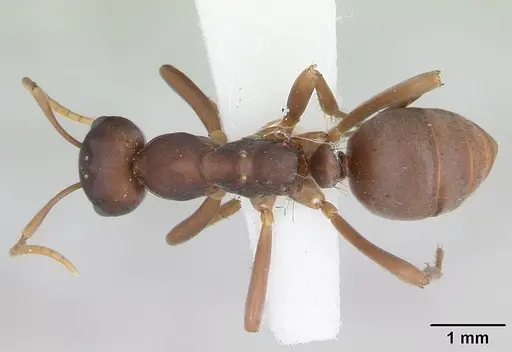
CASENT0173325
View on AntWeb
CASENT0173326
View on AntWeb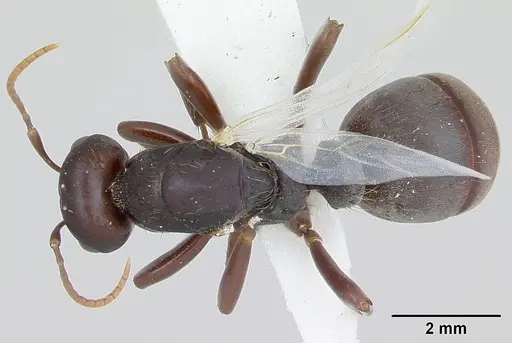
CASENT0281083
View on AntWeb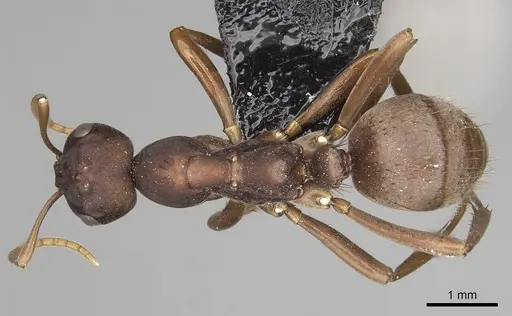
CASENT0911122
View on AntWeb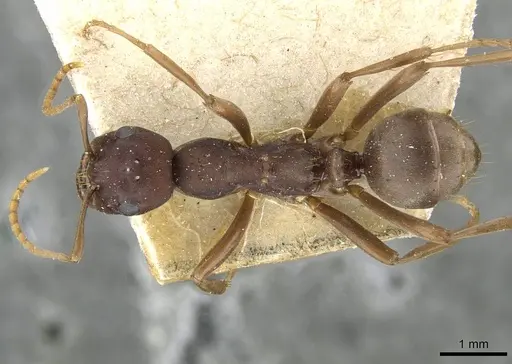
CASENT0912268
View on AntWeb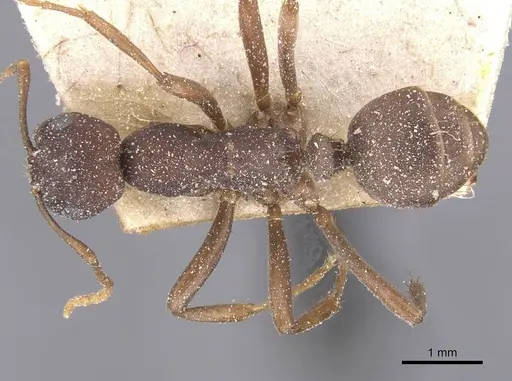
Literature
Loading...Loading products...