

Formica fukaii
- Scientific Name
- Formica fukaii
- Tribe
- Formicini
- Subfamily
- Formicinae
- Author
- Wheeler, 1914
- Distribution
- Found in 1 countries
Formica fukaii Overview
Formica fukaii is an ant species of the genus Formica. It is primarily documented in 1 countries , including Japan. Detailed taxonomic data and occurrence records can be further explored via authoritative databases such as AntWeb or the Global Biodiversity Information Facility (GBIF).
Formica fukaii
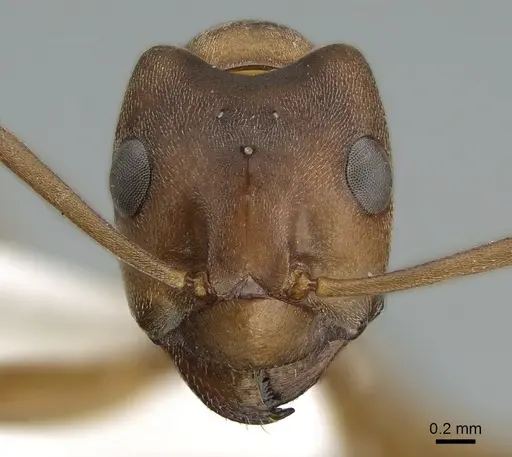
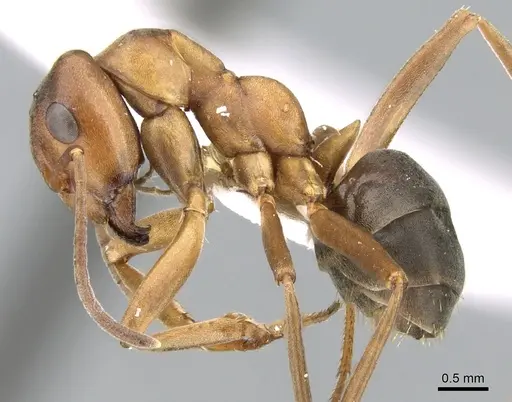
Formica fukaii is a large, striking ant species native to Japan and surrounding regions. Workers measure 5-8mm with a distinctive appearance: their head, mesosoma, and petiole are dark orange-red to dark red, while the gaster is brownish-black. The most recognizable feature is the deeply concave rear of the head, which sets them apart from other Formica species. Queens are even more robust at 9-10mm, and males are entirely black. This species builds small mounds of dead grass and tends aphids and scale insects for honeydew. They are aggressive predators that hunt various insects including flies, leafhoppers, and caterpillars. F. fukaii is the most westerly distributed of the red-colored Japanese Formica species, found primarily in Japan's Hokkaido and Honshu islands, with populations also in Sakhalin and parts of northern China [1][2][3].
Quick Summary
- Difficulty: Medium
- Origin & Habitat: Native to Japan (Hokkaido, Honshu), Sakhalin, and northern China. This species prefers grassland habitats at elevations from sea level to around 1000m. It is considered rare in most of its range [4][5].
- Colony Type: Single-queen colonies (monogyne). Queens typically found nests independently but may temporarily parasitize colonies of Formica japonica or Formica lemani during colony founding [2].
- Colony: Monogyne
- Queen: Temporary parasitic
- Size & Growth:
- Queen: 9.0-10.0mm [1]
- Worker: 5.0-8.0mm [1]
- Colony: Unknown, likely moderate-sized for the genus based on typical Coptoformica patterns
- Growth: Moderate, estimated based on related Formica species
- Development: 6-8 weeks estimated based on typical Formica development at optimal temperature (Development time inferred from related Formica species, specific data for F. fukaii is not available)
- Antkeeping:
- Temperature: Keep at 20-24°C. This species tolerates cooler conditions given its northern Japanese distribution (35-45°N). Room temperature within this range is typically suitable, with a slight heat gradient optional [4].
- Humidity: Moderate humidity around 50-60%. These grassland ants prefer drier conditions compared to forest-dwelling species. Allow the nest to dry out slightly between water additions.
- Diapause: Yes, as a temperate species from northern Japan, colonies require a winter rest period. Keep at 5-10°C for 2-3 months during winter, mimicking natural seasonal cycles.
- Nesting: In captivity, these ants do well in standard formicariums with moderate dryness. They naturally build grass mound nests, so providing some dry nesting material or a Y-tong/plaster nest with干燥 areas works well. Avoid overly humid conditions.
- Behavior: F. fukaii is aggressive and a strong predator. Workers actively hunt various insects including flies, leafhoppers, and caterpillars. They are daytime foragers and will defend their nest vigorously. Escape risk is moderate, workers are large enough that standard barriers work well, but they are active and may explore beyond the nest area. They attend aphids and scale insects for honeydew in addition to hunting prey [1].
- Common Issues: colonies may fail if kept too humid, these are grassland ants that prefer drier conditions, winter diapause is essential for long-term colony health, skipping hibernation can weaken colonies, their aggressive nature means they may attack and escape if handled roughly or if standard barriers are compromised, rare in the hobby and difficult to acquire, wild colonies are protected in many areas, temporary parasitic founding means newly caught queens may need a host colony or careful isolation during founding
Housing and Nest Preferences
Formica fukaii naturally builds small mounds of dead grass in grassland habitats, so they prefer drier, well-ventilated nesting conditions compared to many other ants. In captivity, a Y-tong (AAC) nest or plaster formicarium works well, these provide the干燥 conditions they prefer while still allowing you to maintain some humidity. Avoid setups that stay constantly wet or humid. A test tube setup can work for founding colonies, but monitor for mold. These are medium-to-large ants, so provide appropriately sized chambers. Since they are grassland nesters, they don't need deep soil layers, shallow to medium depth is fine. Place the nest in a location with stable room temperature rather than extreme temperature gradients. [2][4]
Feeding and Diet
F. fukaii is a aggressive predator that hunts various insects in the wild. They capture and consume flies, leafhoppers, and caterpillars including geometrid and noctuid moth larvae. They also attend aphids and scale insects for honeydew, which provides a sugar source. In captivity, offer a varied diet: protein sources like fruit flies, small crickets, mealworms, and other small insects 2-3 times per week. Provide sugar water, honey, or diluted honeydew supplements regularly. These ants are active hunters, so presenting prey live encourages natural foraging behavior. Remove uneaten prey after 24-48 hours to prevent mold. The combination of protein hunting and sugar feeding mimics their natural diet effectively. [1]
Temperature and Seasonal Care
As a species native to northern Japan (35-45°N latitude), F. fukaii is adapted to temperate conditions with distinct seasons. Keep the nest area at 20-24°C during the active season, this range supports normal colony activity and brood development. They can tolerate cooler temperatures down to around 15°C without issue, which makes them well-suited to typical room temperature in many climates. During winter (roughly November-February in the Northern Hemisphere), colonies require a diapause period. Move the colony to a cool location around 5-10°C for 2-3 months. This winter rest is essential for colony health and long-term survival. Do not skip diapause as it can weaken the colony and reduce queen longevity. A refrigerator basement or garage often provides suitable overwintering conditions. [4]
Behavior and Colony Dynamics
This species forms single-queen colonies and is known for its aggressive, predatory nature. Workers actively forage during daylight hours, hunting insects across the territory. They will defend their nest vigorously against intruders and can deliver painful bites. Colonies establish small mound nests in grass-covered areas, with the workers maintaining the mound structure. The species is relatively rare in the wild, which makes finding colonies for keeping challenging. Queens may use two founding strategies: independent claustral founding where she seals herself in and raises the first workers alone, or temporary parasitism where she invades a host colony (typically Formica japonica or Formica lemani) until her own workers emerge. In captivity, providing a quiet, undisturbed location helps colonies settle in and establish successfully. [1][2]
Growth and Development
Queens measure 9-10mm and are significantly larger than workers (5-8mm). The first workers produced, called nanitics, are typically smaller than normal workers but will increase in size as the colony grows. Development from egg to worker likely takes 6-8 weeks at optimal temperatures based on typical Formica patterns, though specific timing for F. fukaii has not been documented. Colonies grow at a moderate pace, expect the first 10-20 workers within a few months of founding, with growth accelerating as the colony establishes. Mature colonies likely reach several hundred workers. The deeply concave head shape of workers is visible even in nanitics and helps distinguish them from other Formica species. [1][3]
Frequently Asked Questions
Is Formica fukaii good for beginners?
This species is rated as medium difficulty. While not the hardest ant to keep, it does require specific conditions: drier nesting, regular winter diapause, and a protein-rich diet. Beginners should be comfortable with providing hibernation before attempting this species. The main challenge is actually obtaining a colony since they are rare in the hobby.
How long does it take for Formica fukaii to produce first workers?
Based on typical Formica development, expect 6-8 weeks from egg to first worker at 20-24°C. The exact timeline may vary, and this is an estimate since specific development data for F. fukaii is not documented.
What do Formica fukaii eat?
They are predators that hunt insects like flies, leafhoppers, and caterpillars. They also feed on honeydew from aphids and scale insects. In captivity, offer small insects (fruit flies, pinhead crickets, mealworms) for protein and sugar water or honey for carbohydrates.
Do Formica fukaii need hibernation?
Yes, as a temperate species from northern Japan, they require a winter rest period. Keep colonies at 5-10°C for 2-3 months during winter (typically November-February). Skipping diapause can weaken and eventually kill the colony.
Can I keep multiple Formica fukaii queens together?
No. This species forms single-queen colonies (monogyne). Multiple unrelated queens will fight. Only keep one queen per colony. If you capture a founding queen, house her alone until she establishes her first workers.
When should I move Formica fukaii to a formicarium?
Keep founding colonies in a test tube setup until they have 20-30 workers. Once the colony outgrows the tube or you see the queen spending less time in the humid chamber, transfer to a proper formicarium. For this species, ensure the formicarium provides drier conditions.
Why is my Formica fukaii colony dying?
Common causes include: too high humidity (they prefer drier conditions), skipping winter diapause, poor nutrition, or stress from disturbance. Check that the nest isn't overly humid, ensure you're providing protein and sugar, and verify that the colony has had a proper winter rest period.
How big do Formica fukaii colonies get?
Based on typical Coptoformica species, colonies likely reach several hundred workers at maturity. Specific maximum size for F. fukaii is not documented, but expect moderate-sized colonies rather than the massive supercolonies some Formica species produce.
Where does Formica fukaii live?
This species is endemic to Japan and surrounding regions. It is found on Hokkaido and Honshu islands in Japan, as well as Sakhalin and parts of northern China (Heilongjiang, Shaanxi, Ningxia). It prefers grassland habitats at elevations up to 1000m.
Is Formica fukaii invasive anywhere?
No, F. fukaii is not known to be invasive. It is native to Japan, Sakhalin, and northern China. As with all ant species, never release captive colonies into non-native areas.
References

This caresheet is licensed under CC BY-SA 4.0 .
CASENT0906310
View on AntWeb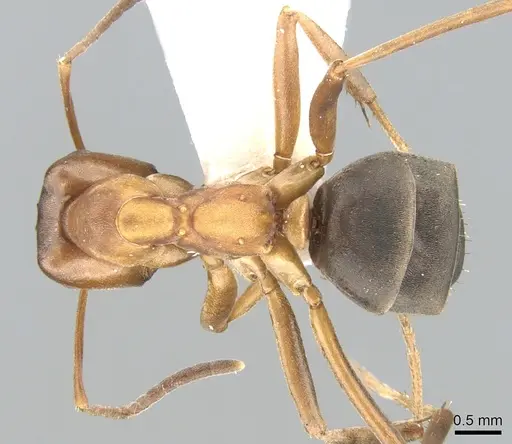
Literature
Loading...Loading products...