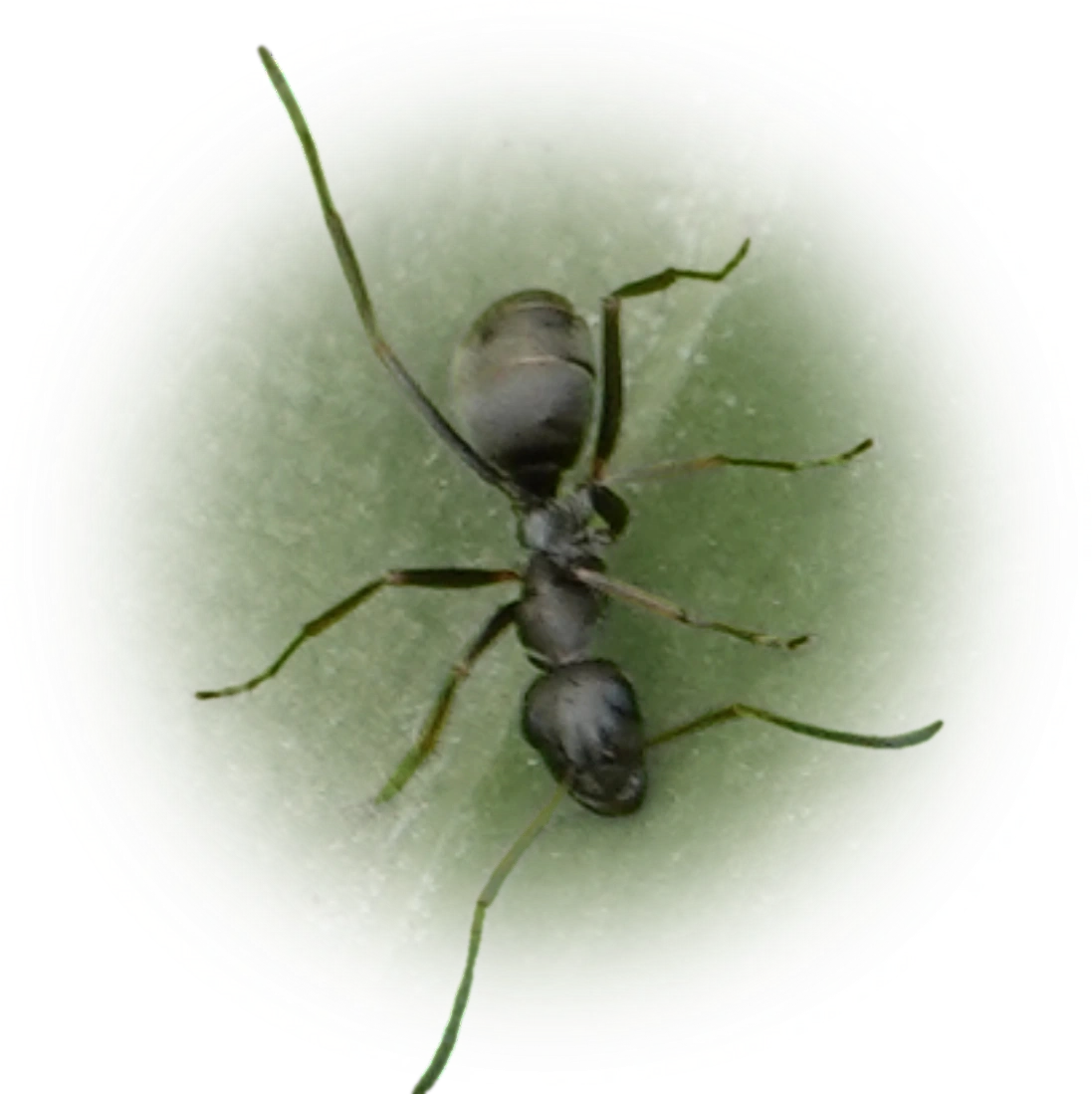

Formica japonica
- Scientific Name
- Formica japonica
- Tribe
- Formicini
- Subfamily
- Formicinae
- Author
- Motschoulsky, 1866
- Common Name
- Japanese Wood Ant
- Distribution
- Found in 3 countries
Formica japonica Overview
Formica japonica (commonly known as the Japanese Wood Ant) is an ant species of the genus Formica. It is primarily documented in 3 countries , including China, Japan, Korea. Detailed taxonomic data and occurrence records can be further explored via authoritative databases such as AntWeb or the Global Biodiversity Information Facility (GBIF).
Formica japonica - "Japanese Wood Ant"
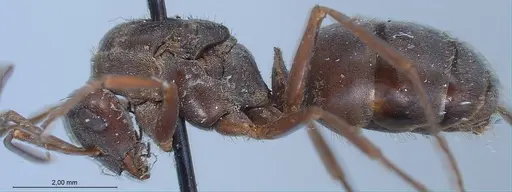
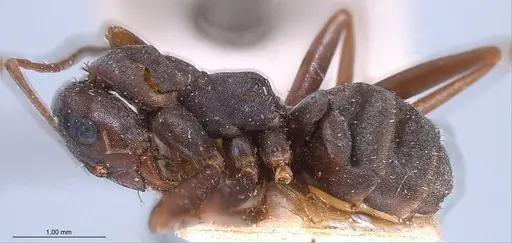
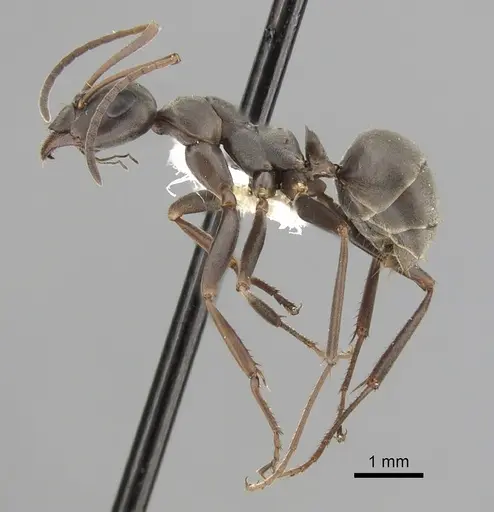
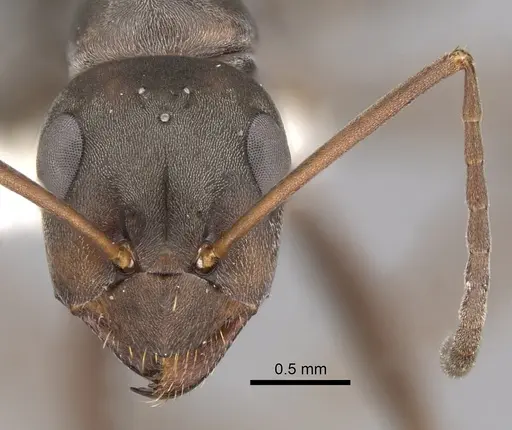
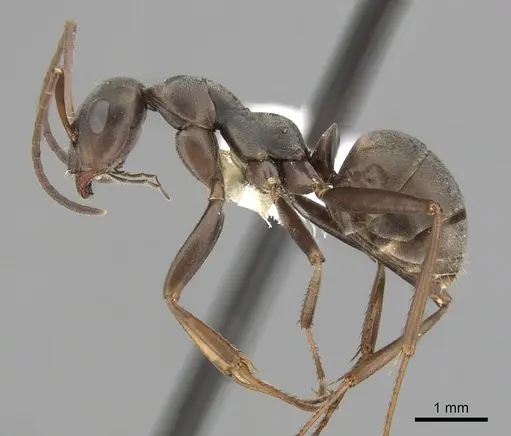
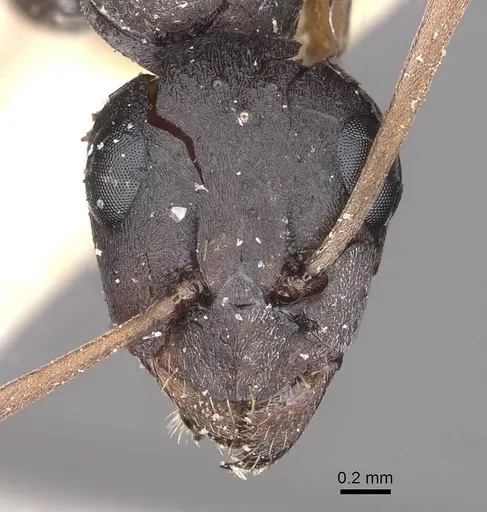
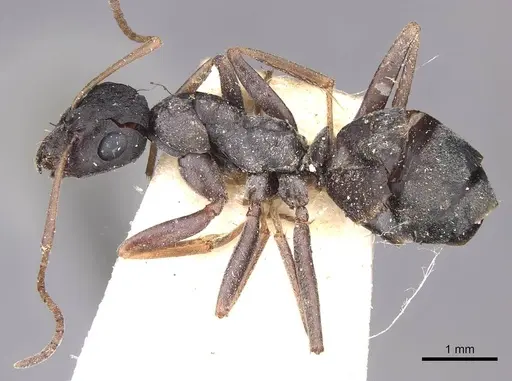
Formica japonica is a medium-sized ant native to East Asia, commonly found across Japan, Korea, Mongolia, northeastern China, and the Russian Far East. Workers measure 4.5-6mm with a dark brown to black body, and they are among the most common ants in Japan where they inhabit lowlands and open mountainous regions [1][2]. These ants build underground nests that can reach 1-2 meters deep, often with small earth mounds at the entrance, and colonies can grow quite large with up to 16,000 workers [1][3].
What makes F. japonica particularly interesting is their sophisticated navigation system, they use panoramic skyline cues and landmarks to find their way back to the nest, making them a well-studied species in cognitive research [4][5]. They are also known for their role in forest ecosystems as predators that reduce lepidopterous larvae populations, and they tend aphids for honeydew [6][7].
Quick Summary
- Difficulty: Medium
- Origin & Habitat: Japan, Korea, Mongolia, northeastern China, and Russian Far East. Found in lowlands and open mountainous regions, nesting in soil with nearly vertical nests 1-2m deep, often under stones or with small earth mounds on forest clearings [1][2][3].
- Colony Type: Polygynous colonies (multiple queens) with documented worker monomorphism. Colonies can contain thousands of workers and broods, with up to 16,000 workers recorded in mature colonies [8][9][1].
- Colony: Polygyne
- Founding: Claustral
- Size & Growth:
- Queen: Estimated 8-10mm based on typical Formica queen-worker size ratios
- Worker: 4.5-6mm [1][10]
- Colony: Up to 16,000 workers [1]
- Growth: Moderate to fast
- Development: Estimated 6-8 weeks at optimal temperature based on Formica genus patterns (Development time is inferred from related Formica species, direct measurements not available for this species)
- Antkeeping:
- Temperature: Keep at 20-24°C. As a temperate species from Japan, they benefit from a gentle temperature gradient allowing workers to self-regulate. Room temperature within this range works well [2].
- Humidity: Moderate humidity (50-60%). Keep the nest substrate consistently moist but not waterlogged. These ants nest in soil and tolerate varying moisture conditions [3].
- Diapause: Yes. As a temperate species from northern Japan and the Russian Far East, they require a winter rest period. Reduce temperature to 5-10°C for 2-3 months during winter [2].
- Nesting: Soil-nesting species. In captivity, they do well in test tube setups for founding colonies, then can be moved to naturalistic setups with soil substrate or Y-tong nests with dirt chambers. They prefer bare land and grassland environments in the wild [11][1].
- Behavior: F. japonica is a ground-nesting species that forages actively on trees and ground. They are generalist feeders with a diverse diet including aphid honeydew, floral nectar, and insects. Workers show sophisticated landmark-based navigation using panoramic skyline cues and will reassess routes when transporting large prey [4][12]. They are among the most aggressive ant species in Japan and will defend their nests vigorously [13]. Colonies are polygynous with multiple queens, and they use cuticular hydrocarbon profiles for nestmate recognition [14][15]. Escape risk is moderate, workers are medium-sized and can climb, so standard barrier methods work well.
- Common Issues: colonies may fail during hibernation if kept too wet, ensure proper moisture balance before winter rest, large colony size means they need significant space as they grow, plan for expansion, queens can be difficult to locate for founding, they nest deep underground, they are aggressive defenders, use caution when servicing nests, labial gland disease has been documented in this species in Japan, which can affect captive colonies
Nest Preferences and Housing
In the wild, Formica japonica nests in soil with nearly vertical tunnels reaching 1-2 meters deep. They prefer bare land and grassland environments, often building small earth mound entrances [1][11]. Colonies can sometimes form small polydomous networks with multiple nest entrances. For captive care, start founding queens in test tube setups with a water reservoir. Once the colony reaches 20-30 workers, you can transfer to a naturalistic setup with soil substrate or a Y-tong formicarium with dirt chambers. These ants do well with moderate nesting space and benefit from a moisture gradient within the nest [3].
Feeding and Diet
F. japonica is a generalist feeder with a varied diet. They primarily consume aphid honeydew and will actively tend aphid colonies for this sugary reward [7][16]. They also feed on floral nectar, extrafloral secretions from plants like Paulownia tomentosa, and xylem sap from cicada-drilled holes [13][17]. For protein, they hunt insects and other small invertebrates, they are effective predators that reduce lepidopterous larvae in forest ecosystems [6]. In captivity, offer a mix of sugar water or honey, protein sources like mealworms or crickets, and occasional insects. They typically forage during daylight hours and are most active in warm conditions.
Temperature and Seasonal Care
As a temperate species from Japan and the Russian Far East, F. japonica requires seasonal temperature cycling. Keep nesting areas at 20-24°C during the active season, which is ideal for brood development [2]. They can tolerate cooler temperatures and are found in Hokkaido where winters are cold. During winter, provide a diapause period of 2-3 months at 5-10°C, this is essential for colony health and triggers reproductive behavior in spring. Nuptial flights occur from early June to mid-July in Tokyo and August-September in warmer southern areas like Kochi [1]. Reduce feeding during winter rest and ensure the nest doesn't dry out completely.
Behavior and Navigation
F. japonica is famous for its sophisticated navigation system. Research shows they use panoramic skyline cues and landmarks rather than just path integration to find their way home [4][5]. When foraging, they establish stable routes and can remember specific landmarks. Studies have shown they use context-dependent landmark cues, when displaced from a familiar route, they rely on their path integrator initially before switching to landmark-based search [18]. They are also known for cooperative transport behavior, where multiple workers work together to move large prey items. Workers will reassess their route and adjust direction during transport, improving efficiency [12]. They are aggressive defenders and will readily attack intruders near the nest.
Colony Structure and Reproduction
F. japonica forms polygynous colonies with multiple reproductive queens. Colonies can grow very large, with documented populations reaching 16,000 workers [1]. The species shows weak worker polymorphism, most workers are similar in size. Pseudogynes (intercastes) have been observed in some colonies. Nuptial flights occur during summer: early June to mid-July in Tokyo and August-September in Kochi [1]. After mating, queens dig vertical founding chambers in soil where they seal themselves in and raise the first brood alone. The colony grows relatively quickly once the first workers (nanitics) emerge.
Frequently Asked Questions
How long does it take for Formica japonica to raise first workers?
Based on typical Formica genus patterns, expect first workers (nanitics) approximately 6-8 weeks after the queen lays eggs, at optimal temperatures around 22-24°C. This is an estimate since specific development timing hasn't been directly studied for this species.
Can I keep multiple Formica japonica queens together?
Yes, this species is naturally polygynous, meaning colonies typically have multiple queens. However, when combining unrelated foundresses, introduce them carefully and monitor for aggression. Established colonies with multiple queens are generally peaceful.
Do Formica japonica ants need hibernation?
Yes, as a temperate species from Japan, they require a winter rest period. Reduce temperature to 5-10°C for 2-3 months during winter. This diapause is important for colony health and triggers reproductive behavior in spring.
What do Formica japonica ants eat?
They are generalist feeders. Offer sugar sources like honey water or sugar water regularly, protein sources like mealworms or crickets 2-3 times per week, and occasional insects. They also collect aphid honeydew in the wild.
Are Formica japonica good for beginners?
They are rated as medium difficulty. While common in Japan and relatively hardy, their large colony size, temperature requirements, and need for winter hibernation make them better suited for keepers with some experience. Their aggressive nature also requires careful handling.
How big do Formica japonica colonies get?
Colonies can reach up to 16,000 workers in mature nests. This is a large, fast-growing species that will need significant space as the colony develops. Plan for expansion from test tubes to larger formicaria.
When do Formica japonica nuptial flights occur?
In Tokyo, sexual alates fly from early June to mid-July. In warmer southern areas like Kochi, flights occur from August to September. Timing varies by location and climate.
References

This caresheet is licensed under CC BY-SA 4.0 .
ANTWEB1008412
View on AntWeb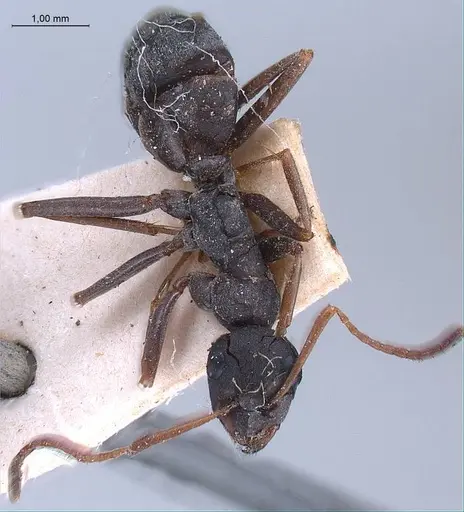
ANTWEB1008413
View on AntWeb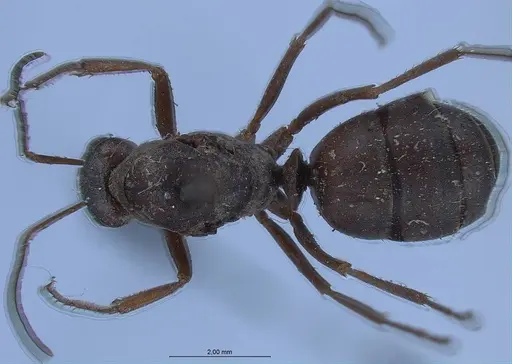
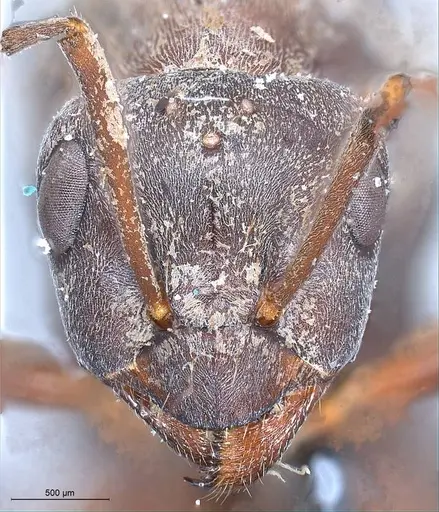
ANTWEB1008414
View on AntWeb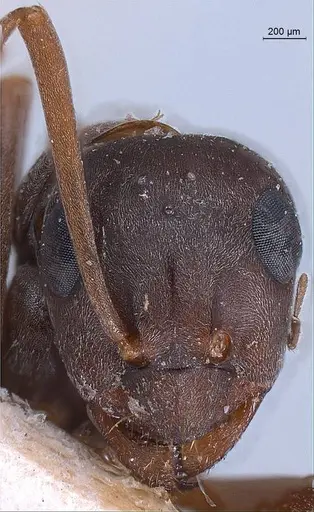
ANTWEB1008415
View on AntWeb
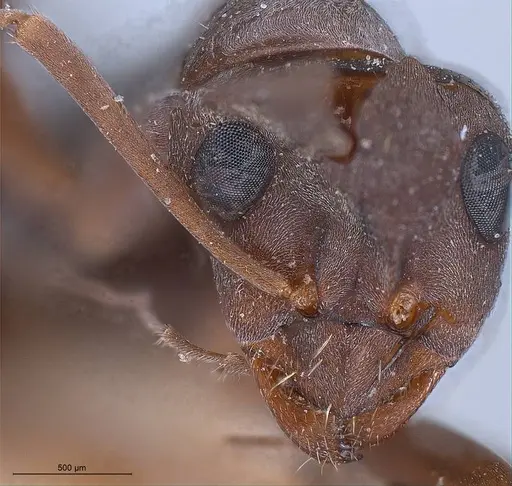
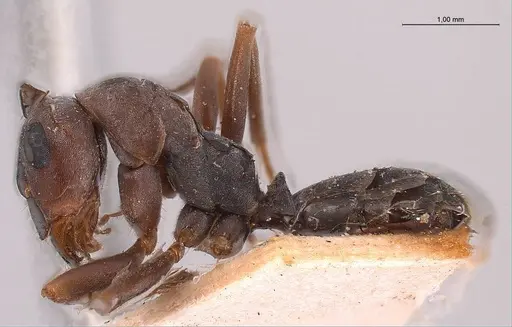
CASENT0280389
View on AntWeb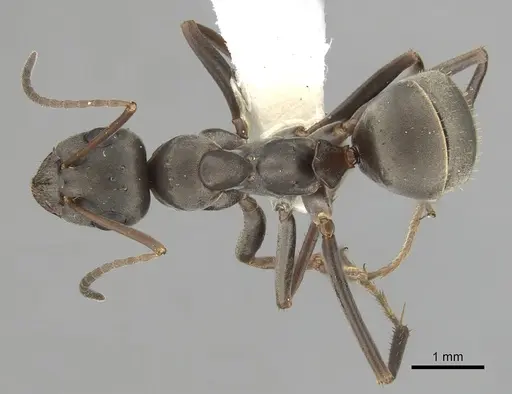
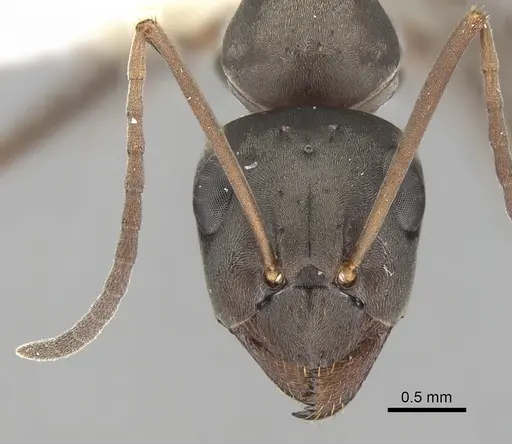
CASENT0280390
View on AntWeb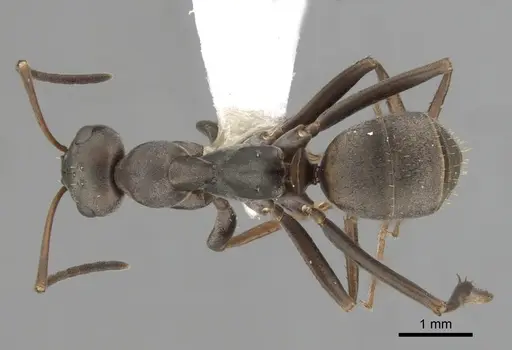
CASENT0911073
View on AntWeb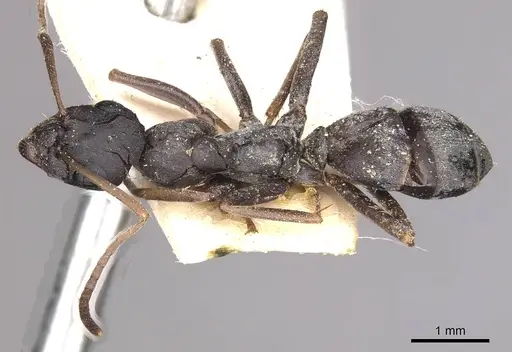
Literature
Loading...Loading products...