

Formica hayashi
- Scientific Name
- Formica hayashi
- Tribe
- Formicini
- Subfamily
- Formicinae
- Author
- Terayama & Hashimoto, 1996
- Distribution
- Found in 2 countries
Formica hayashi Overview
Formica hayashi is an ant species of the genus Formica. It is primarily documented in 2 countries , including Japan, Korea, Republic of. Detailed taxonomic data and occurrence records can be further explored via authoritative databases such as AntWeb or the Global Biodiversity Information Facility (GBIF).
Formica hayashi
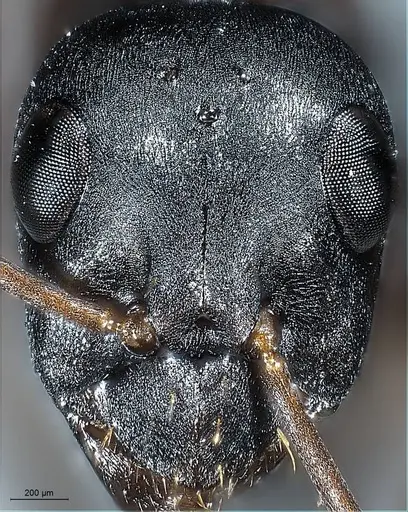
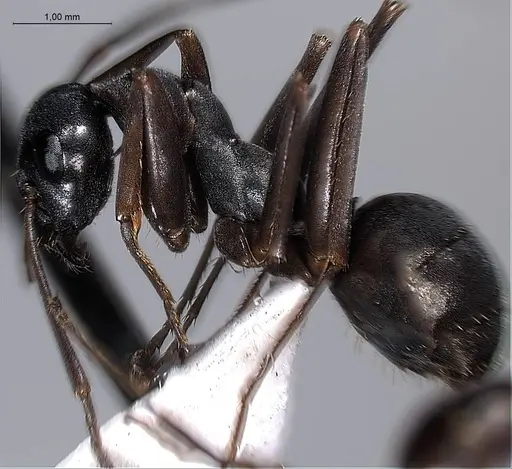
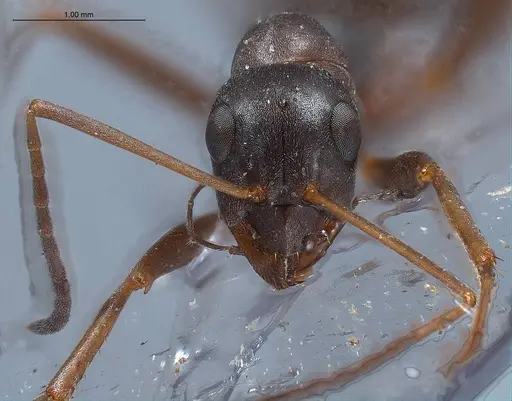
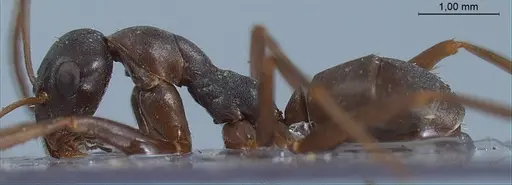
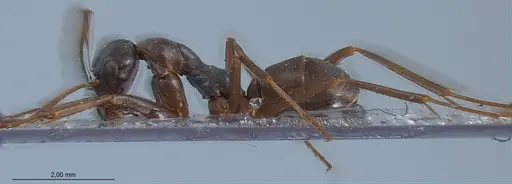
Formica hayashi is a medium-sized black ant belonging to the Formica fusca group. Workers measure 5-7 mm in length with a black body, dark brown antennae and legs, and a distinctive velvety sheen on the gastral tergites that distinguishes them from the similar Formica japonica [1]. This species is native to Japan and the southern Korean Peninsula, where it is commonly found in mountainous areas and woodland margins from low elevations up to high elevations [1][2].
What makes F. hayashi interesting is its flexibility in habitat use, while primarily a ground-nesting species that nests under stones or other covering material, it also forages actively in trees, having been found on 49 trees in one study making it the third most frequent arboreal ant species in that area [3]. It is more abundant than F. japonica in southern Kyushu and mountainous regions like Mt. Hiko-san, where past literature may have confused the two species [4]. The nuptial flight occurs about 2-3 weeks later than F. japonica, typically in summer [1].
Quick Summary
- Difficulty: Medium
- Origin & Habitat: Japan (Hokkaido, Honshu, Shikoku, Kyushu, Yaku-shima, Tsushima) and southern Korean Peninsula. Found in woodland margins from low elevations to mountainous regions, in southern Kyushu it also penetrates grassland areas [1][2].
- Colony Type: Monogyne (single queen) colonies. Ground-nesting species that typically nests under stones or other covering material in woodlands or woodland margins [2][1].
- Colony: Monogyne
- Founding: Claustral
- Size & Growth:
- Queen: Unconfirmed, likely 7-9 mm based on genus patterns
- Worker: 5.0-7.0 mm [1][2]
- Colony: Estimated several thousand workers based on related Formica fusca group species
- Growth: Moderate
- Development: Estimated 6-8 weeks at optimal temperature based on related Formica species (Direct development data unavailable, estimate based on typical Formica fusca group patterns)
- Antkeeping:
- Temperature: Keep at room temperature, roughly 20-25°C. This temperate species can tolerate cooler conditions and benefits from a temperature gradient [1].
- Humidity: Moderate humidity is suitable. Provide a moist nest substrate as they naturally nest under stones in damp soil [2].
- Diapause: Yes, being from temperate Japan and Korea, this species requires a winter dormancy period. Reduce temperature to around 5-10°C for 2-3 months during winter [1].
- Nesting: Y-tong (AAC) nests or naturalistic setups with flat stones work well. They nest under stones in the wild, so provide a nest chamber with soil substrate that can remain slightly moist. Avoid overly dry conditions [2][3].
- Behavior: Workers are active foragers both on the ground and in trees, they will climb to search for food and have been recorded foraging on various tree species [3]. They are attracted to both sweet (honey) and protein (cheese) baits [5]. Workers are moderately aggressive when defending the nest but not as aggressive as some Formica species. They are not particularly escape-prone given their medium size, but standard barrier precautions should still be taken. Active season runs from April through December, with peak activity in late autumn [5].
- Common Issues: winter dormancy failure, colonies that don't receive proper hibernation may weaken or die, overheating, avoid temperatures above 28°C as this species prefers cooler temperate conditions, dry nest conditions, being a ground-nesting species, they need moist substrate to prevent desiccation, confusion with F. japonica, ensure you have correctly identified the species as they look similar, colonies may be slow to establish, patience needed during the founding phase
Housing and Nest Setup
Formica hayashi is a ground-nesting species that naturally nests under stones or other covering material in woodland areas [2]. For captivity, a Y-tong (AAC) nest or a naturalistic setup with a soil chamber works well. The key is providing a nest chamber with substrate that can hold moisture, these ants naturally occur in damp forest floor conditions and will dry out if kept too dry. A formicarium with a soil area allows them to dig and maintain tunnels as they would in the wild. If using a test tube setup, ensure the cotton is kept moist but not flooded. Because they are moderate-sized ants (5-7mm), standard barrier methods like fluon on test tube rims will prevent escapes. They do climb well and have been recorded foraging in trees in the wild, so ensure any outworld connections are secure [3].
Feeding and Diet
In the wild, Formica hayashi workers are generalist foragers that exploit both sweet and protein sources. They are attracted to honey and cheese baits in studies, showing they will take both carbohydrates and proteins [5]. In captivity, offer a varied diet including sugar water or honey as a constant carbohydrate source, and protein sources like mealworms, crickets, or other small insects. Being a Formica species, they are not specialized predators but are active foragers that will collect honeydew from aphids if available. Feed protein 2-3 times per week and keep sugar water available at all times. Remove uneaten prey after 24-48 hours to prevent mold. Their foraging activity peaks in late autumn (October to December), so you may notice increased food consumption during these months [5].
Temperature and Seasonal Care
As a temperate species from Japan and Korea, Formica hayashi requires cooler conditions than tropical ants. Keep the nest at room temperature, ideally around 20-25°C. They can tolerate cooler temperatures and are found in mountainous regions in the wild. During the active season (April to December), maintain normal room temperature. However, this species absolutely requires a winter dormancy period, this is critical for colony health and reproduction. Reduce temperatures to 5-10°C for 2-3 months during winter, mimicking their natural seasonal cycle. Without proper hibernation, colonies may become weak, have reduced lifespan, or fail to produce reproductive ants. Do not feed during hibernation and keep water available but minimal. Return to normal temperatures gradually in spring [1][5].
Behavior and Colony Dynamics
Formica hayashi colonies are monogyne, meaning they have a single queen. Workers are active foragers that search for food both on the ground and in vegetation, this arboreal foraging behavior is notable as many Formica species are primarily ground-dwelling [3]. They are not extremely aggressive but will defend their nest vigorously if disturbed. Workers have a distinctive velvety sheen on their abdomen that helps distinguish them from the similar F. japonica, which has a greyer appearance [1]. Colonies grow moderately fast once established, with workers living several months to a year. The nuptial flight occurs 2-3 weeks later than F. japonica, typically in mid-summer. Dealate (winged) queens have been observed walking on forest floors in July, indicating they may found new colonies independently after mating [6].
Identification Tips
142 (shorter in F. japonica), and absence of erect hairs on the second gastral tergite except for a row along the posterior margin (F. japonica typically has more than 4 erect hairs) [2]. Workers also have a distinctive velvety greyish sheen on the gastral tergites in life, while F. japonica appears greyer [1]. Males can be distinguished by the same characteristics. Given that these species have been confused in past literature, careful observation of these features is important for correct identification [4].
Frequently Asked Questions
How long does it take for Formica hayashi to produce first workers?
Based on related Formica fusca group species, expect first workers (nanitics) approximately 6-8 weeks after the queen lays eggs, assuming optimal temperature around 22-25°C. Development may take longer in cooler conditions. Patience is key during the founding phase as the colony establishes slowly.
Do Formica hayashi ants need hibernation?
Yes, absolutely. This species is native to temperate Japan and Korea and requires a winter dormancy period. Reduce temperatures to 5-10°C for 2-3 months during winter. Without proper hibernation, the colony will likely weaken and may fail to produce healthy reproductives.
What do Formica hayashi ants eat?
They are generalist foragers that accept both sweet and protein foods. Offer sugar water or honey as a constant carbohydrate source, and protein sources like mealworms, crickets, or other small insects 2-3 times per week. They are attracted to both honey and cheese in studies.
Can I keep multiple Formica hayashi queens together?
No. This species is monogyne, meaning colonies have a single queen. Multiple unrelated queens will fight. Only introduce a single queen during colony founding.
Are Formica hayashi good for beginners?
This species is rated as Medium difficulty. While not as challenging as some exotic species, they do require proper winter hibernation and attention to humidity. They are more forgiving than some tropical species but need the seasonal care that beginners may forget. Their moderate size and generalist diet make them manageable once the hibernation requirement is understood.
How big do Formica hayashi colonies get?
Based on related Formica fusca group species, colonies likely reach several thousand workers over several years. They are not supercolonial and each colony has one queen.
When is the nuptial flight for Formica hayashi?
The nuptial flight occurs 2-3 weeks later than Formica japonica, typically in mid to late summer. In Japan, this would be around July-August depending on location.
Why are my Formica hayashi dying?
Common causes include: lack of proper winter hibernation (critical for this temperate species), dry nest conditions (they need moist substrate), temperatures too high (keep below 28°C), or stress from frequent disturbance. Check that the queen is healthy and laying eggs, and ensure food is being consumed.
References

This caresheet is licensed under CC BY-SA 4.0 .
ANTWEB1008402
View on AntWeb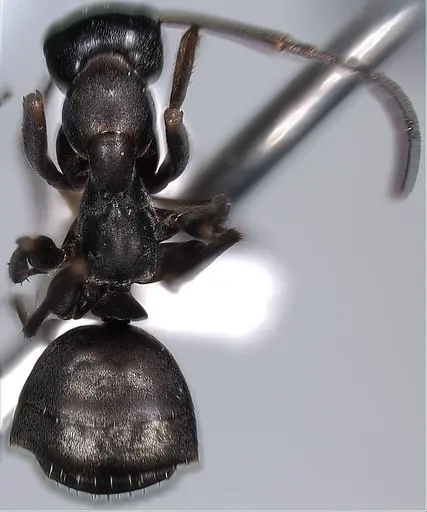
ANTWEB1008403
View on AntWeb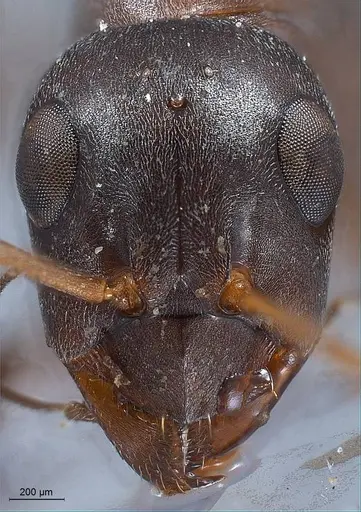
Literature
Loading...Loading products...