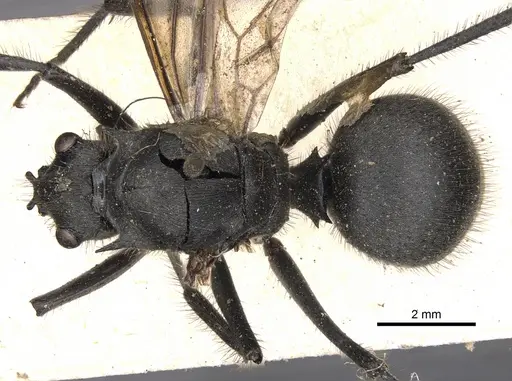
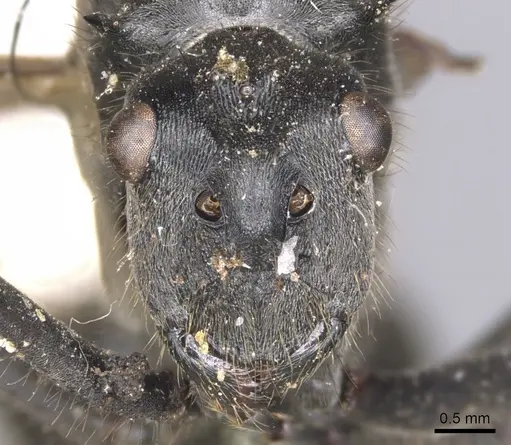
Polyrhachis sculpturata - "Sculptured Spiny Ant"
Polyrhachis sculpturata is a striking ant species known for its distinctive, often metallic appearance and the prominent spines adorning its body, particularly on the mesosoma and petiole. These ants typically display a finely sculpted, almost polished texture on parts of their gaster and propodeal spines, which gives them their 'sculpturata' name. Workers of this species usually fall within the medium to large size range for ants, and the queens are noticeably larger, making them quite impressive to observe in an ant setup. As members of the highly diverse Polyrhachis genus, they often exhibit active foraging behaviors, typical of many tropical ant species.
- Difficulty: Medium
- Origin & Habitat: Southeast Asia, including Indonesia (Sulawesi, Borneo), Malaysia, Philippines, India, and Thailand. in Tropical and subtropical regions, found in various environments from lowland rainforests to disturbed urban areas. While some Polyrhachis species are known for arboreal nesting, others establish nests in tree cavities, under objects on the ground, or directly within the soil..
- Colony Type: Polygyne (multiple queens), claustral (queen seals herself in) founding.
- Size & Growth:
- Queen: 12-14mm
- Worker: 7-11mm
- Colony: Medium (thousands). Fast, with colonies quickly reaching a substantial worker count once established, typically numbering in the thousands. growth.
- Antkeeping:
- Temperature: Maintain a warm environment between 25-30°C. An optimal temperature of 27-29°C encourages steady brood development and foraging activity..
- Humidity: The nest should maintain a humidity level of 50-75%, while the foraging area (outworld) can range from 50-80% humidity. Proper hydration is crucial for this species..
- Diapause: Not required. Not specified at Not specified.
- Nesting: Polyrhachis sculpturata, like many Polyrhachis species, can adapt to various artificial nest types. While some of their relatives are known for weaving nests with larval silk, this species generally thrives in setups that offer consistent humidity and secure chambers. Nests made of acrylic, Ytong, or cork are suitable, provided they have adequate hydration systems. Foraging areas should be spacious, allowing for active exploration..
- Behavior: Medium (towards handler, food or other ants) aggressiveness.
- Common Issues: Mold in nest, Humidity fluctuations, Overfeeding leading to waste, Queen stress.
One of the most captivating aspects of keeping Polyrhachis sculpturata is their unique aesthetic. These 'spiny ants' boast intricate sculptural patterns on their exoskeletons, often accompanied by a subtle sheen that truly makes them stand out in any formicarium. Observing their detailed morphology under magnification is a treat for any ant enthusiast, highlighting the incredible diversity within the Formicidae family. Providing a clean and well-lit outworld can help appreciate their stunning features as they forage.
Like many tropical ant species, Polyrhachis sculpturata thrives on a balanced diet of sugars and proteins. For carbohydrates, offering diluted honey, sugar water, or commercial ant nectar will be readily accepted. Protein sources are equally vital for colony growth, with small feeder insects such as fruit flies, crickets, or mealworms being excellent choices. It's often beneficial to offer a variety of protein to ensure all nutritional needs are met, as some colonies can be quite particular about their insect prey.
While Polyrhachis sculpturata are generally quite active and entertaining to watch, it's important to note their defense mechanism. When threatened, these ants are capable of spraying formic acid. While not typically harmful to humans, it's a good reminder to handle them with care and avoid directly disturbing their nest or foraging activities. Always ensure proper ventilation in your setup, especially in the outworld, to disperse any accumulated fumes and maintain a healthy environment for your colony and yourself.
Establishing a new Polyrhachis sculpturata colony begins with a claustral queen, meaning she will seal herself in a chamber and rely on her fat reserves to raise her first batch of nanitic workers. During this crucial founding stage, it is paramount to leave the queen undisturbed in a dark, quiet location. Once the initial workers emerge, they will begin to forage, and you can introduce their first food offerings. Patience during the founding period is key to a successful and thriving colony.
Frequently Asked Questions
What's the best way to kick off a Polyrhachis sculpturata colony?
Starting your Polyrhachis sculpturata colony is exciting! Since these queens are claustral, they'll initially seal themselves off to raise their first workers. The best approach is to house your queen in a test tube setup with a water reservoir, and then place her in a dark, quiet spot. Avoid disturbing her until her first brood of nanitic workers emerges. Once those tiny workers appear, that's your cue to start offering them small amounts of sugary liquids and tiny insect pieces in a controlled feeding area.
How do I feed my Sculptured Spiny Ants for optimal growth?
For optimal growth of your Sculptured Spiny Ants, a balanced diet is crucial. They're omnivores, so offer a mix of carbohydrate-rich foods like diluted honey, sugar water, or specialized ant nectar. For their protein needs, small feeder insects such as fruit flies, pre-killed crickets, or mealworm segments are ideal. Don't be surprised if they're a bit particular; some colonies have favorite proteins, so rotating offerings can be beneficial. Always ensure fresh food is available and remove uneaten portions promptly to prevent mold.
What kind of formicarium is best suited for Polyrhachis sculpturata?
When it comes to housing Polyrhachis sculpturata, you'll want a formicarium that can maintain stable humidity levels and provide ample foraging space. Acrylic and Ytong nests with external hydration systems are popular choices. While some Polyrhachis are known weavers, P. sculpturata doesn't strictly require a weaving setup. Focus on a nest design that allows for good visibility into their chambers while also offering secure, humid areas for their brood. A decent-sized outworld connected to the nest is also key for their active foraging.
Do Polyrhachis sculpturata queens and workers get very big?
Polyrhachis sculpturata are definitely on the larger side when it comes to ant species that hobbyists keep! Their queens typically measure around 12-14mm, making them quite sizable and impressive. The worker ants are also fairly large, usually ranging from 7-11mm. This larger size, combined with their intricate spiny appearance, makes them a captivating species to observe in your ant setup.
Is diapause (winter dormancy) necessary for this ant species?
No, Polyrhachis sculpturata is a tropical species, hailing from warm regions of Southeast Asia. Therefore, they do not require a period of diapause or hibernation. Maintaining consistent temperatures and humidity levels year-round, within their preferred ranges, will ensure continuous activity and brood development for your colony.
How aggressive are Polyrhachis sculpturata ants?
Polyrhachis sculpturata ants generally exhibit medium aggressiveness. They're not typically aggressive towards their keepers unless heavily provoked, but they can be quite territorial towards other ant species or perceived threats in their outworld. Their primary defense mechanism is spraying formic acid, which can be irritating, so it's wise to handle them carefully and avoid directly disturbing them. When introducing new food, observe their behavior and provide space.
What unique behaviors might I observe in my Polyrhachis sculpturata colony?
You'll find Polyrhachis sculpturata colonies to be quite dynamic and interesting! They are known for their active foraging, with workers diligently exploring their outworld for food. While P. sculpturata isn't primarily a 'weaver ant' like some of its close relatives, the genus Polyrhachis does exhibit diverse recruitment behaviors, including forms of tandem running and group recruitment. You'll enjoy watching their organized movements and how they communicate to bring resources back to the nest.
Can I keep multiple Polyrhachis sculpturata queens together?
Yes, Polyrhachis sculpturata is a polygynous species, meaning that colonies can naturally have multiple queens. This is often an advantage for hobbyists, as it can lead to faster colony growth and greater resilience. If you acquire multiple queens from the same nuptial flight, they may cooperate during the founding stage, but always monitor their interactions closely to ensure compatibility.
What are the common pitfalls to avoid when caring for Polyrhachis sculpturata?
To ensure your Polyrhachis sculpturata colony thrives, watch out for a few common issues. Humidity fluctuations can stress the colony, so maintain stable moisture levels in the nest. Overfeeding is another trap; uneaten food can quickly lead to mold, which is detrimental to ant health, so remove any leftovers promptly. Also, excessive disturbance, especially during the founding stage, can cause queen stress and lead to issues with egg laying or brood care. Patience and consistency are your best tools.