

Pogonomyrmex serpens
- Scientific Name
- Pogonomyrmex serpens
- Tribe
- Pogonomyrmecini
- Subfamily
- Myrmicinae
- Author
- Santschi, 1922
- Distribution
- Found in 1 countries
Pogonomyrmex serpens Overview
Pogonomyrmex serpens is an ant species of the genus Pogonomyrmex. It is primarily documented in 1 countries , including Argentina. Detailed taxonomic data and occurrence records can be further explored via authoritative databases such as AntWeb or the Global Biodiversity Information Facility (GBIF).
Pogonomyrmex serpens
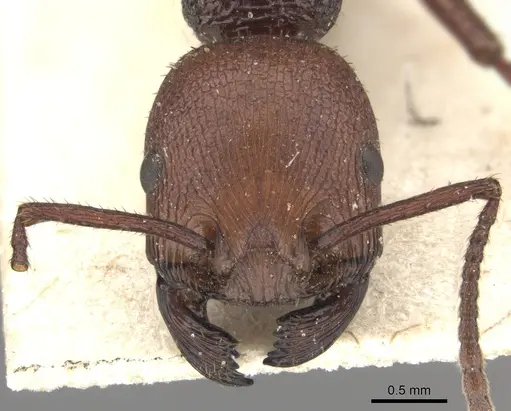
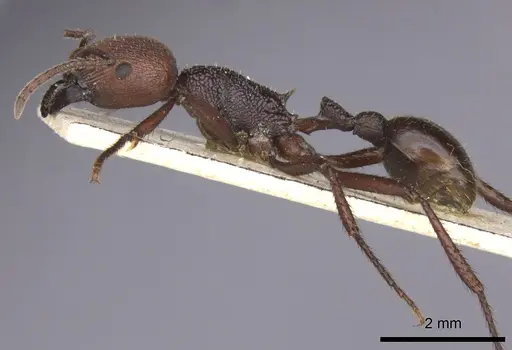
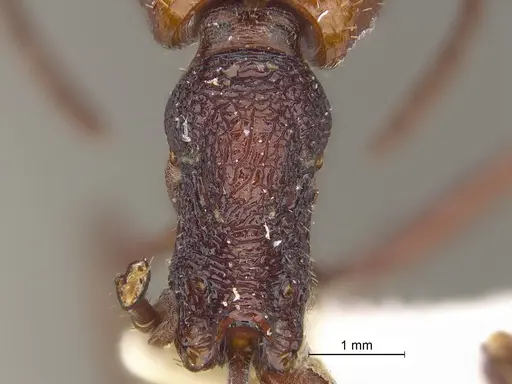
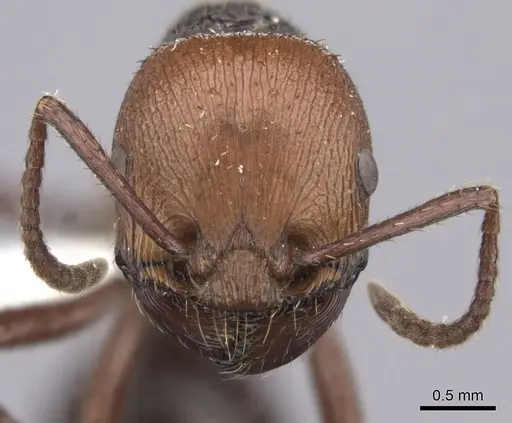
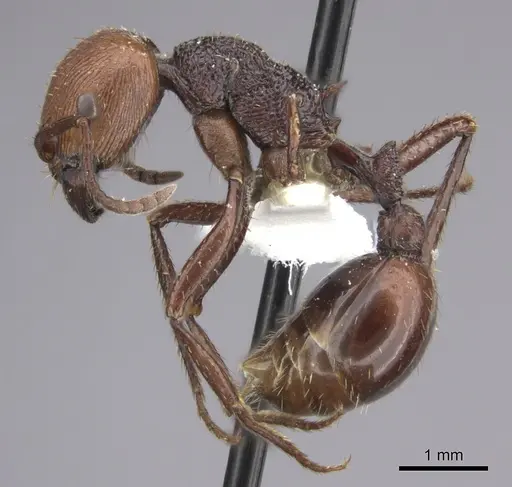
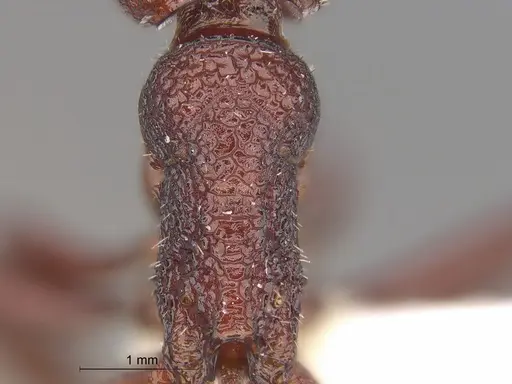
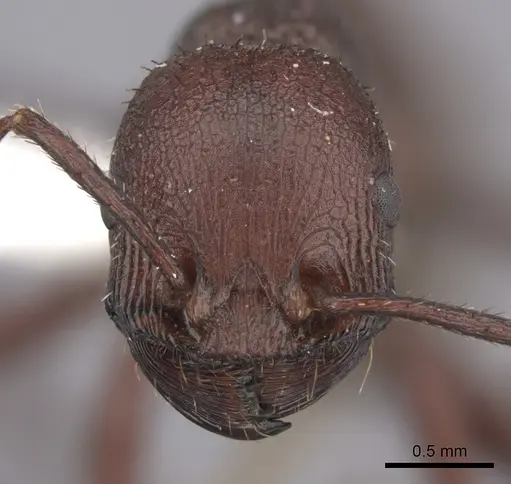
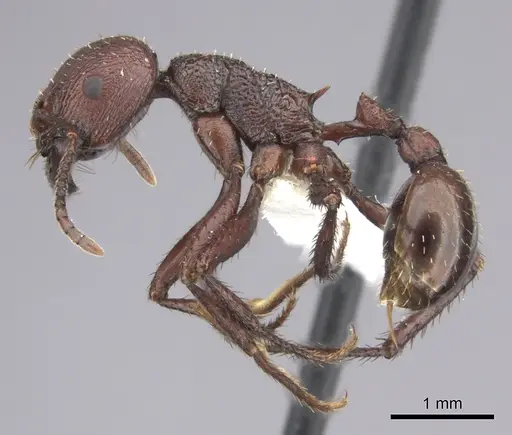
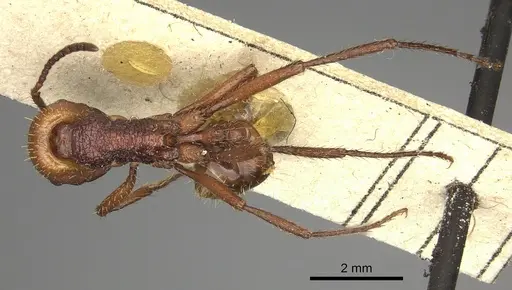
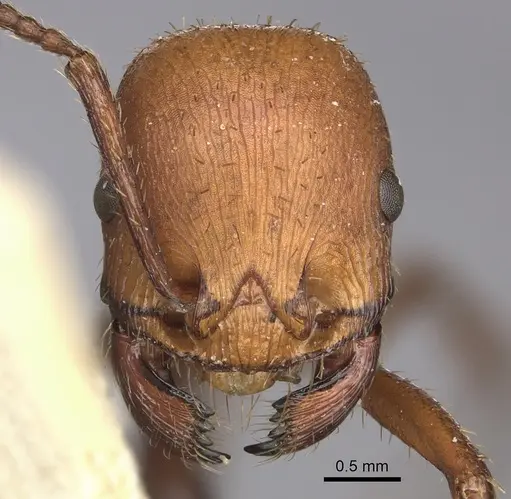
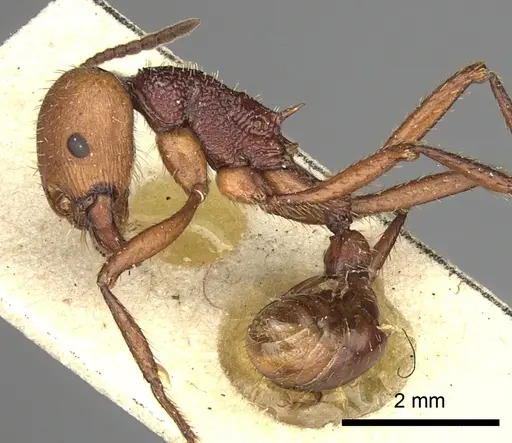
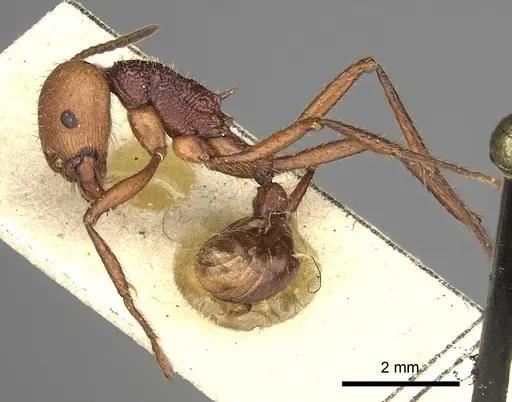
Pogonomyrmex serpens is a medium-sized seed-harvester ant native to the Chaco region of South America, found in Argentina, Bolivia, and Paraguay. Workers measure 2.0-2.4mm in head length with a distinctive bicolored appearance, the mesosoma and petiolar node are darker (reddish-brown to brownish-orange) while the head, legs, and gaster are lighter ferruginous orange. This species belongs to the cunicularius group and is characterized by coarse rugoreticulate to vermiculate sculpturing on the mesosoma and long superior propodeal spines that exceed the distance between their bases. Unlike most ants, P. serpens has ergatoid queens, wingless queens that resemble workers but have small ocelli on the head, making them one of the more unusual Pogonomyrmex species for antkeepers to observe.
Quick Summary
- Difficulty: Medium
- Origin & Habitat: Lowland species from the Humid Chaco and northern Dry Chaco ecoregions of Argentina, Bolivia, and Paraguay, at elevations of 45-905m [1][2].
- Colony Type: Single-queen colonies with ergatoid (wingless) replacement queens documented. The ergatoid queen is very similar to workers in size and morphology but has small ocelli on the head [1].
- Colony: Monogyne
- Founding: Claustral
- Size & Growth:
- Queen: 1.97-2.41mm (ergatoid) [1]
- Worker: 2.00-2.40mm head length [1]
- Colony: Unknown for this specific species, but related Pogonomyrmex species typically reach several thousand workers
- Growth: Moderate, based on related species in the genus
- Development: Estimated 6-10 weeks based on typical Pogonomyrmex development patterns (Development time is inferred from related species, no specific data exists for P. serpens)
- Antkeeping:
- Temperature: Keep around 24-28°C, mimicking warm Chaco conditions. A heating cable on one side of the nest creates a suitable gradient [2].
- Humidity: Moderate humidity around 50-60%. These are lowland ants from semi-arid regions, so avoid overly damp conditions. Allow the substrate to dry slightly between waterings.
- Diapause: Likely a short winter rest period given the subtropical distribution, but specific requirements are unconfirmed. Related species from similar climates may reduce activity in cooler months.
- Nesting: In nature, they nest in soil. A naturalistic setup with compact soil or a Y-tong/plaster nest works well. Provide a deep enough chamber for seed storage since they are seed-harvesters.
- Behavior: Seed-harvester ants known for collecting and processing seeds. Workers also collect insects to provision the nest, showing they are opportunistic foragers. They have functional stingers and can deliver a painful sting, handle with caution. They are moderately aggressive when defending the nest. Escape prevention should be good since they are medium-sized ants, but still use standard barriers.
- Common Issues: limited biological data means care is largely inferred from related species, sting pain level is significant, use caution when working with colonies, seed-harvesting behavior requires appropriate nesting space for food storage, ergatoid queens may be mistaken for workers initially, delaying colony identification
Nest Preferences and Housing
Pogonomyrmex serpens is a ground-nesting species that naturally excavates chambers in soil. In captivity, they do well in naturalistic setups with compact substrate or in Y-tong/plaster nests designed for medium-sized Myrmicinae. Because they are seed-harvester ants, provide enough depth in the outworld for them to store seeds, they carry seeds back to the nest rather than leaving them scattered. A formicarium with a spacious outworld connected to the nest chamber works best. Ensure the nest material can hold humidity without becoming waterlogged, as these ants come from semi-arid Chaco regions. [1][2]
Feeding and Diet
As seed-harvester ants, their diet centers on seeds they collect and process. In captivity, offer a variety of seeds, grass seeds, millet, and small birdseed mixes are readily accepted. They also actively collect insects, as documented by Bruch's observations that workers brought insects back to provision the nest. Supplement their diet with small insects like fruit flies, pinhead crickets, or mealworms. While seeds form the bulk of their nutrition, the insect protein is important for brood development. Sugar water or honey is typically accepted for energy. Feed seeds continuously and offer insects 2-3 times per week. [2]
Temperature and Heating
These are warm-climate ants from the lowland Chaco region. Maintain nest temperatures around 24-28°C for optimal colony activity and brood development. A heating cable placed on one side of the nest creates a temperature gradient allowing ants to self-regulate. Avoid temperatures below 20°C for extended periods. Room temperature may suffice in warm homes, but a small heat source ensures consistent warmth. Monitor colony behavior, if workers become sluggish, the nest may be too cool. The subtropical to tropical climate of their native range (45-905m elevation) supports their warmth requirements. [2]
Behavior and Temperament
Pogonomyrmex serpens is a defensive species with a functional sting that can cause significant pain. Workers are medium-sized and actively forage for both seeds and insects. They are not overly aggressive but will readily defend their nest if threatened. The most fascinating behavioral aspect is their ergatoid queen system, unlike most ants that have winged queens, P. serpens queens are wingless and very similar in appearance to workers, differing mainly in the presence of small ocelli (simple eyes) on the head. This makes colony identification more challenging since the queen may be mistaken for a large worker. They use tandem-running recruitment to direct nestmates to food sources, similar to other Pogonomyrmex species. [1]
Colony Structure and Ergatoid Queens
This species exhibits an unusual queen morphology among ants, ergatoid queens are wingless and worker-like in size and appearance. The queen measures 1.97-2.41mm in head length, nearly identical to worker measurements of 2.00-2.40mm. The primary difference is the presence of three small ocelli on the queen's head. This ergatoid condition means colonies may appear queenless at first glance, but careful inspection of the head will reveal the ocelli. Ergatoid queens likely serve as replacement reproductives if the primary queen dies, providing colony continuity without the dramatic swarming events seen in winged-queen species. This also means nuptial flights do not occur, instead, new ergatoid queens may mate within the nest or on nearby ground. [1]
Growth and Development
Specific development timelines for P. serpens are not documented in scientific literature. Based on typical Pogonomyrmex patterns, expect 6-10 weeks from egg to first worker at optimal temperatures. The first workers (nanitics) will be smaller than mature workers but should quickly grow as more brood develops. Colony growth is moderate, seed-harvester colonies typically expand more slowly than purely predatory species but can reach several thousand workers over several years. The bicolored coloration develops in workers even at small sizes. Males have never been collected, suggesting reproduction may occur through ergatoid queens rather than winged reproductives. [1]
Frequently Asked Questions
How long does it take for Pogonomyrmex serpens to produce first workers?
Exact timing is unconfirmed for this species, but based on related Pogonomyrmex species, expect 6-10 weeks from egg to first worker at 24-28°C.
What do Pogonomyrmex serpens ants eat?
They are seed-harvester ants that primarily collect and process seeds. They also actively hunt and collect insects. Offer seeds continuously and supplement with small insects 2-3 times weekly.
Do Pogonomyrmex serpens ants sting?
Yes, they have a functional sting and can deliver a painful sting. Use caution when working with colonies and avoid handling them directly.
How big do Pogonomyrmex serpens colonies get?
Colony size is not documented specifically, but related Pogonomyrmex species typically reach several thousand workers over several years.
What makes Pogonomyrmex serpens different from other Pogonomyrmex?
They have ergatoid (wingless) queens that resemble workers, unlike most ant species with winged queens. They also have distinctive bicolored bodies with darker mesosoma and lighter head/legs.
Can I keep multiple Pogonomyrmex serpens queens together?
This species is monogyne (single-queen) based on the ergatoid system documented. Combining unrelated queens is not recommended as it has not been studied.
Do Pogonomyrmex serpens need hibernation?
Specific diapause requirements are unconfirmed. Their subtropical distribution suggests they may need a short winter rest with reduced temperatures, but this needs keeper observation.
Are Pogonomyrmex serpens good for beginners?
They are rated medium difficulty. While stinger care is required, their seed-based diet is straightforward. The main challenge is the limited biological data available for this species.
What temperature do Pogonomyrmex serpens need?
Keep the nest around 24-28°C. A heating cable on one side creates a suitable gradient. Avoid temperatures below 20°C for extended periods.
How do I identify the queen in Pogonomyrmex serpens?
Look for a worker-sized ant with three small ocelli (simple eyes) on the top of the head. Ergatoid queens are nearly identical to workers otherwise.
When should I move Pogonomyrmex serpens to a formicarium?
Move them when the colony reaches several hundred workers and the test tube setup becomes cramped. Ensure the formicarium has space for seed storage.
References

This caresheet is licensed under CC BY-SA 4.0 .
CASENT0235269
View on AntWeb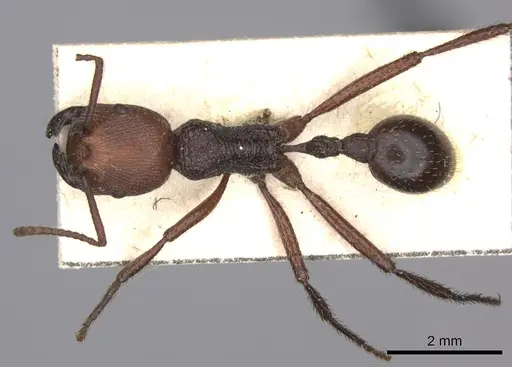
CASENT0235270
View on AntWeb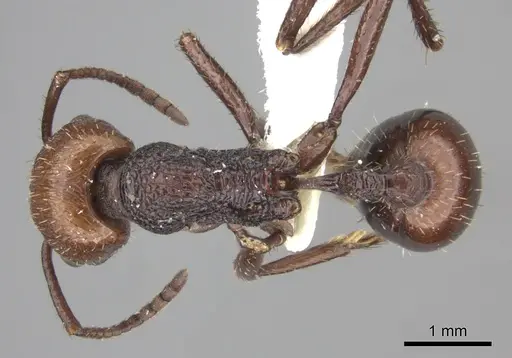
CASENT0235271
View on AntWeb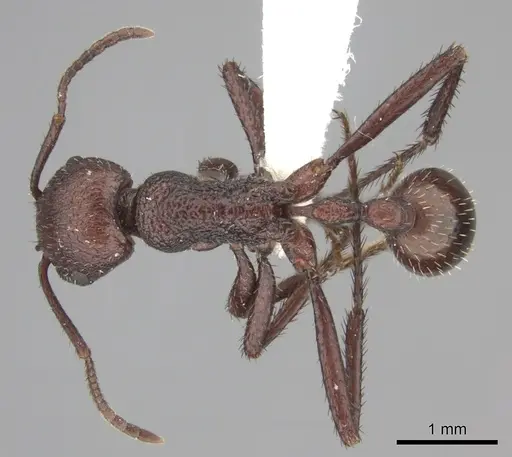
CASENT0249054
View on AntWeb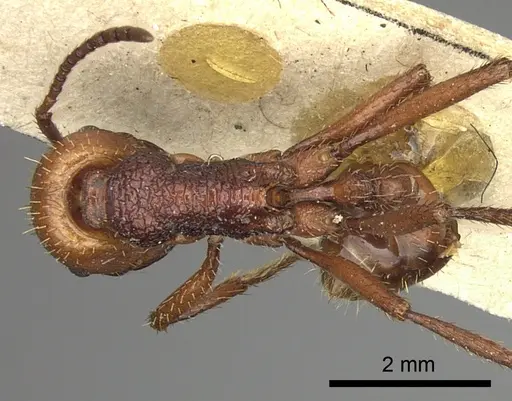
CASENT0914376
View on AntWeb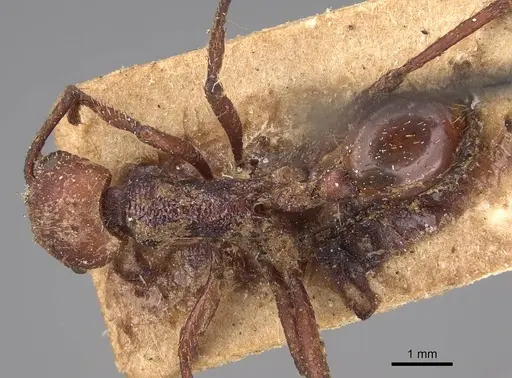
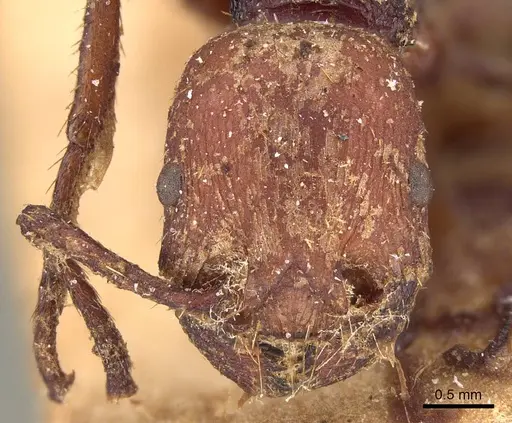
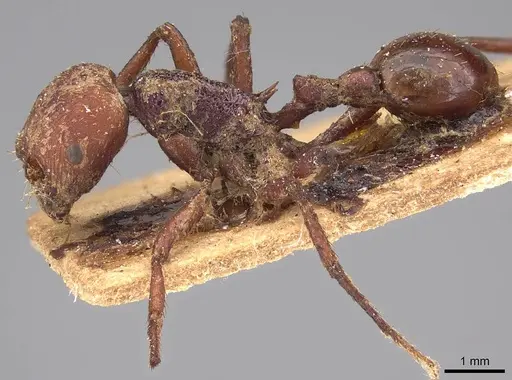
Literature
Loading...Loading products...