

Pogonomyrmex hoelldobleri
- Scientific Name
- Pogonomyrmex hoelldobleri
- Tribe
- Pogonomyrmecini
- Subfamily
- Myrmicinae
- Author
- Johnson <i>et al.</i>, 2013
- Common Name
- Hoelldobler's Harvester Ant
- Distribution
- Found in 2 countries
Pogonomyrmex hoelldobleri Overview
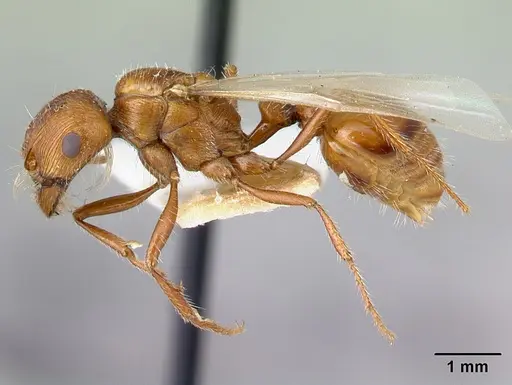
Pogonomyrmex hoelldobleri (commonly known as the Hoelldobler's Harvester Ant) is an ant species of the genus Pogonomyrmex. It is primarily documented in 2 countries , including Mexico, United States of America. Detailed taxonomic data and occurrence records can be further explored via authoritative databases such as AntWeb or the Global Biodiversity Information Facility (GBIF).
Pogonomyrmex hoelldobleri - "Hoelldobler's Harvester Ant"
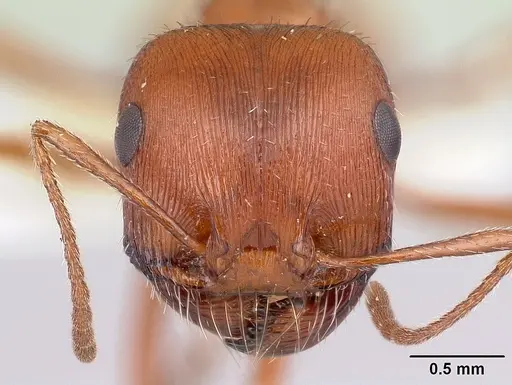
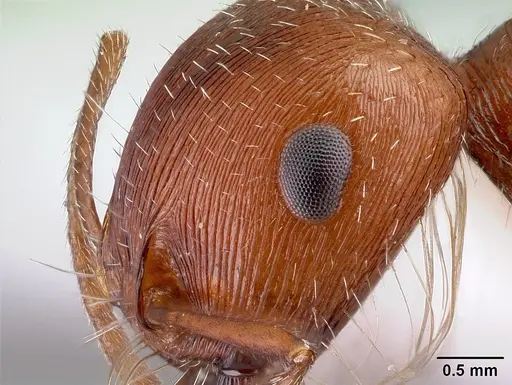
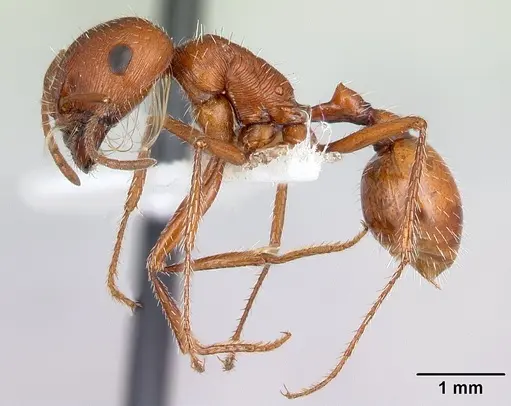
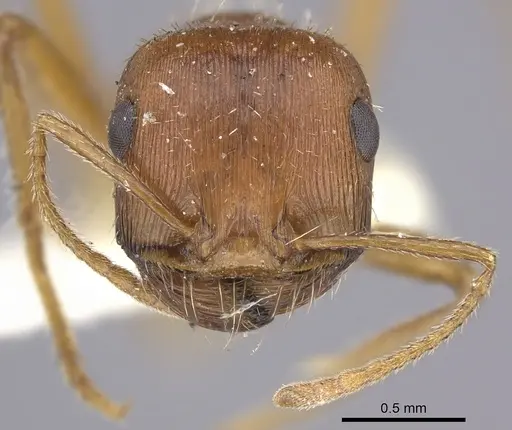
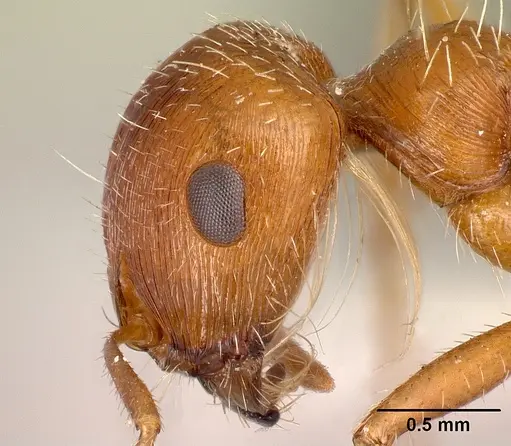
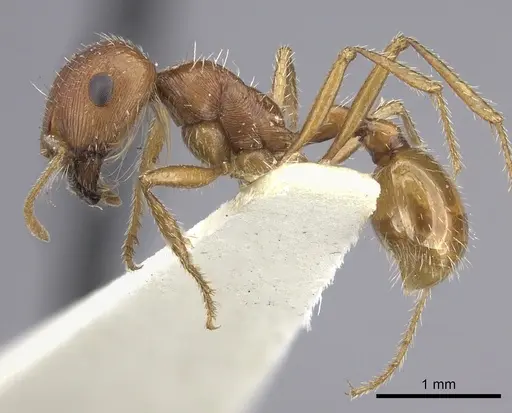
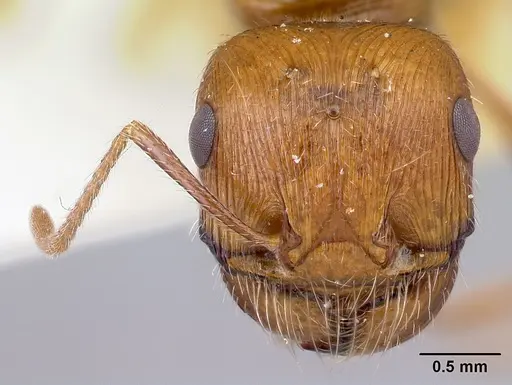
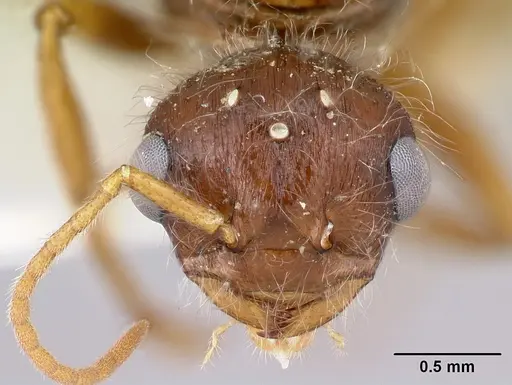
Pogonomyrmex hoelldobleri is a medium-sized seed-harvester ant native to the Mohave and Sonoran Deserts of the southwestern United States and northwestern Mexico. Workers measure 5-7mm and have a distinctive reddish-ferruginous coloration with seven teeth on their mandibles. They are easily confused with the similar P. magnacanthus, but can be distinguished by their smaller eyes (OI rarely exceeds 27.50). These ants nest in open, exposed desert sites and construct small or absent tumuli (dirt mounds), making their nests challenging to locate. Workers forage solitarily during daylight hours, harvesting seeds and other plant materials [1].
This species is notable for its extremely small colony size, colonies contain only up to 300-400 workers, which is quite modest compared to many other Pogonomyrmex species. They prefer compact sandy or gravelly alluvial soils rather than loose sand, and occur at elevations ranging from sea level to 1350m [1][2].
Quick Summary
- Difficulty: Medium
- Origin & Habitat: Mohave and Sonoran Deserts of southern Nevada, southeastern California, southwestern Arizona, northern Baja California, and northwestern Sonora. They inhabit hot desert habitats with elevations from 0-1350m, preferring compact sandy or gravelly alluvial soils in open, exposed areas [1][2].
- Colony Type: Monogyne, single queen colonies. Colonies are small, containing up to 300-400 workers [1].
- Colony: Monogyne
- Founding: Claustral
- Size & Growth:
- Queen: 5.5-7mm (estimated from HL 1.36-1.66mm range) [1]
- Worker: 5-7mm (HL 1.24-1.76mm) [1]
- Colony: Up to 300-400 workers [1]
- Growth: Moderate
- Development: Estimated 8-12 weeks based on typical Pogonomyrmex development patterns (Development time is inferred from related species in the genus. Specific timing for P. hoelldobleri has not been directly studied.)
- Antkeeping:
- Temperature: Keep nest area at 26-32°C, with a thermal gradient allowing workers to choose their preferred temperature. These are desert ants adapted to extreme heat [1].
- Humidity: Low to moderate. Keep substrate moderately dry, these ants inhabit arid desert environments. Allow areas to dry out completely between waterings.
- Diapause: Yes, a winter rest period is recommended. Reduce temperature to 10-15°C for 2-3 months during winter, mimicking desert seasonal conditions.
- Nesting: Y-tong (AAC) nests or plaster nests work well. These ants prefer compact nesting materials over loose substrates. Provide a shallow foraging area as they are active foragers.
- Behavior: Workers are active foragers that search for seeds solitarily during the day. They are not particularly aggressive but will defend their nest if threatened. Escape risk is moderate, standard formicarium barriers are sufficient. They are diurnal, matching their desert foraging patterns [1].
- Common Issues: small colony size means slower population growth, don't expect rapid expansion, desert species is sensitive to excess humidity, keep nesting area dry, nests can be difficult to locate in the wild due to small or absent tumulus, may be confused with P. magnacanthus when sourcing, verify species identification, test tube setups require careful water management to prevent flooding in small colonies
Nest Preferences and Housing
Pogonomyrmex hoelldobleri nests in compact sandy or gravelly alluvial soils in open, exposed desert locations. In captivity, Y-tong (acrylic) nests or plaster nests work well, both provide the stable, moderately dry conditions they prefer. Avoid loose, sandy substrates that can collapse and make tunneling difficult. These ants do best with a distinct separation between the nest chamber and foraging area. A shallow foraging area is ideal since workers actively search for seeds during daylight hours. The nest entrance should be small, matching the modest tumulus size (or absence thereof) seen in wild colonies. Provide a water tube with a cotton wick, but allow the nest substrate to dry out between rehydrations, these desert ants are adapted to arid conditions and suffer from excess moisture [1][2].
Feeding and Diet
As seed-harvesters, Pogonomyrmex hoelldobleri primarily collects and stores seeds. In captivity, offer a variety of seeds including grass seeds, millet, poppy seeds, and other small seeds. They will also consume small amounts of protein, occasional offering of small insects like fruit flies or tiny crickets is beneficial, especially for the queen during egg production. Sugar water or honey can be offered occasionally, though seeds should form the bulk of their diet. Remove uneaten seeds periodically to prevent mold. These ants are foragers, place food in the foraging area and allow workers to discover and harvest it naturally. Their small colony size means they don't need large quantities of food at once [1][2].
Temperature and Seasonal Care
These desert ants require warm conditions, maintain nest temperatures between 26-32°C. A heating cable on one side of the nest creates a thermal gradient allowing workers to regulate their own temperature by moving between warmer and cooler areas. During summer months, room temperature in the low-to-mid 80s°F (26-30°C) is ideal. In winter, provide a diapause period of 2-3 months at 10-15°C to simulate desert seasonal changes. This winter rest is important for colony health and may trigger reproductive behavior in spring. The species occurs at elevations from sea level to 1350m, so they are adapted to temperature extremes but prefer the warmer end of their range. Avoid temperatures below 20°C for extended periods outside of hibernation [1].
Behavior and Colony Dynamics
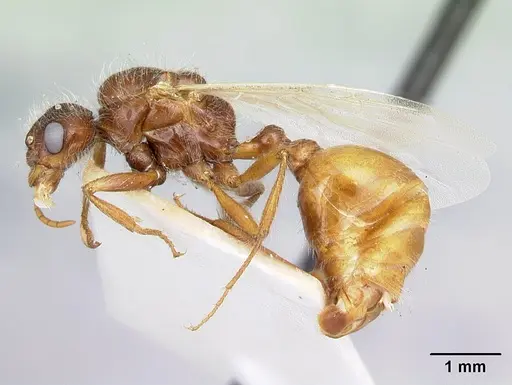
Pogonomyrmex hoelldobleri colonies are small compared to many Pogonomyrmex species, expect a maximum of 300-400 workers. Workers forage individually during daylight hours, searching for seeds and other plant materials. They are not particularly aggressive toward keepers but will defend their nest vigorously if disturbed. The species is monogyne, with a single queen per colony. Alate (winged) reproductive ants have been collected from late April through early June, suggesting mating flights occur in late spring to early summer. Unlike some Pogonomyrmex species, mating flights are not triggered by rain but likely by photoperiod, temperature, and humidity cues. Colonies grow slowly due to their small size, patience is required when establishing a new colony [1][2].
Identification and Similar Species
Pogonomyrmex hoelldobleri was only described as a separate species in 2013,previously being confused with Pogonomyrmex magnacanthus. The two species occur in the same regions and can be found at the same locations (sympatric). Key differences: P. hoelldobleri has smaller eyes (OI rarely exceeds 27.50,while P. magnacanthus has OI of 27.22-33.61). The malar ratio is usually ≥1.05 for P. hoelldobleri. Both species have seven teeth on their mandibles, but P. hoelldobleri lacks the circumocular whorls (circular ridges around eyes) that P. magnacanthus sometimes shows. When keeping or observing these ants, eye size is the most reliable distinguishing characteristic [1].
Frequently Asked Questions
How long does it take for Pogonomyrmex hoelldobleri to produce first workers?
Based on typical Pogonomyrmex development, expect 8-12 weeks from egg to first worker. The exact timeline for this species hasn't been directly studied, but claustral founding (queen seals herself in) typically takes 6-10 weeks for the first nanitic workers to emerge, followed by several weeks until they mature.
What do Pogonomyrmex hoelldobleri ants eat?
They are seed-harvesters, their diet consists primarily of collected seeds. Offer various small seeds (grass, millet, poppy). They also accept small protein sources like fruit flies or tiny insects, and occasional sugar water or honey. Seeds should be the staple of their diet.
Are Pogonomyrmex hoelldobleri good for beginners?
They are rated as medium difficulty. They require warm, dry conditions and have small colony sizes that grow slowly. They are not as aggressive as some Pogonomyrmex species, but their desert habitat requirements and slower growth may challenge complete beginners. Experienced antkeepers will have more success with this species.
How big do Pogonomyrmex hoelldobleri colonies get?
Colonies reach a maximum of approximately 300-400 workers. This is relatively small compared to many other Pogonomyrmex species, which can have thousands of workers. Growth is moderate but slow due to the modest colony size ceiling [1].
Do Pogonomyrmex hoelldobleri need hibernation?
Yes, a winter diapause period is recommended. Reduce temperatures to 10-15°C for 2-3 months during winter. This mimics their natural desert habitat where temperatures drop significantly during winter months. The diapause helps maintain colony health and may trigger spring reproductive behavior.
Can I keep multiple Pogonomyrmex hoelldobleri queens together?
No, this species is monogyne, colonies have a single queen. Unlike some Pogonomyrmex species that can be polygynous, P. hoelldobleri forms single-queen colonies. Attempting to keep multiple unrelated queens together will result in fighting.
What temperature is best for Pogonomyrmex hoelldobleri?
Keep nest areas at 26-32°C with a thermal gradient. These desert ants thrive in warm conditions. Room temperature in the low-to-mid 80s°F (26-30°C) works well during active season. A heating cable on part of the nest allows workers to regulate their temperature by moving between warmer and cooler areas.
When do Pogonomyrmex hoelldobleri alates appear?
Alate queens have been collected from April 23 to May 5 in the wild, with males also present during this period. Mating flights likely occur in late spring to early summer, similar to related species like P. californicus. If you have a mature colony, watch for winged reproductives in late spring.
Why is my Pogonomyrmex hoelldobleri colony not growing?
This species naturally has small colony sizes (max 300-400 workers) and moderate growth rates. Colonies grow slowly, this is normal for the species, not necessarily a problem. Ensure they have adequate warmth (26-32°C), proper diet (seeds + protein), and avoid over-humidifying the nest. Also verify you actually have P. hoelldobleri and not the similar P. magnacanthus, which may have slightly different care requirements.
References

This caresheet is licensed under CC BY-SA 4.0 .
CASENT0217267
View on AntWeb
CASENT0914100
View on AntWeb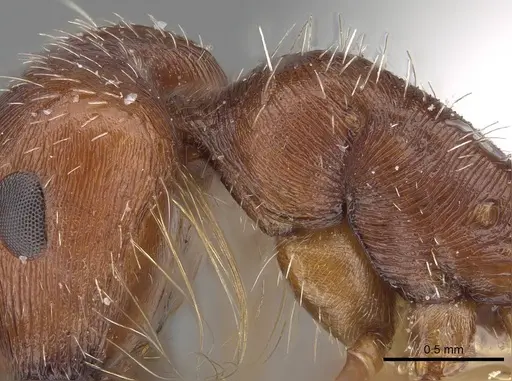
LACMENT268586
View on AntWeb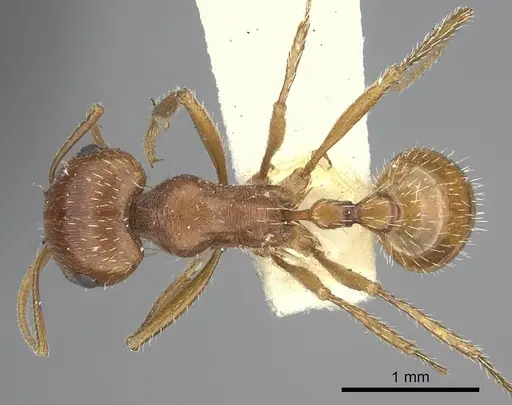
LACMENT268717
View on AntWeb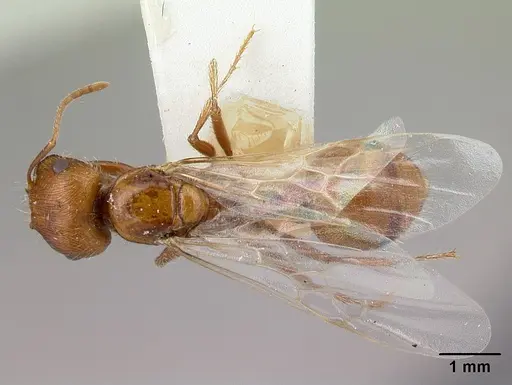
LACMENT268736
View on AntWeb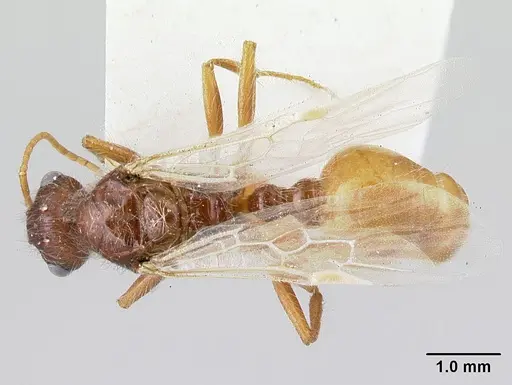
Literature
Loading...Loading products...