Platythyrea clypeata - "None"
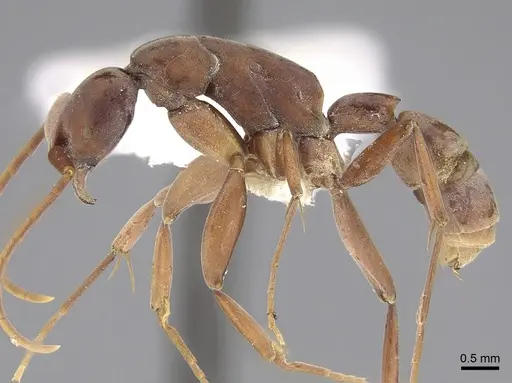
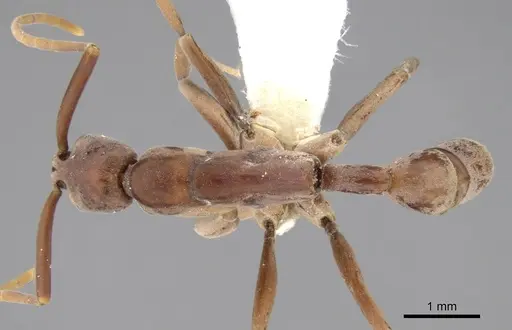
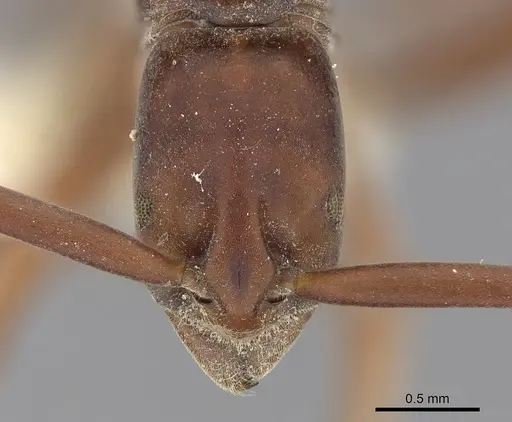
Get ready to dive into the captivating world of Platythyrea clypeata, a striking reddish-brown ponerine ant species. These incredible ants are members of the Platythyrea clypeata species group, known for their distinctly uniform worker size – so no dramatic size differences between your foragers here! You'll easily spot their unique features, like those relatively small, flat eyes and a somewhat narrow, convex clypeus. Primarily found deep within lowland dry evergreen forests, these fierce predators are always on the hunt, making them a fascinating addition to any formicarium. Understanding their subtle physical cues and predatory drive is key to successful antkeeping with this intriguing species.
- Difficulty: Medium
- Origin & Habitat: Southeast Asia (Sri Lanka, Vietnam, Laos, Thailand, China) in Lowland (200-300m alt) primary and disturbed dry evergreen forests. Found in dead, decomposed wood on the forest floor, and also known to nest in hollow branches or preformed cavities in live or fallen trees..
- Colony Type: Monogyne (alate queens exist, but the genus is known for gamergates), claustral founding.
- Size & Growth:
- Queen: 7.49-7.49mm
- Worker: 5.74-6.2mm
- Colony: Small (hundreds). Medium growth.
- Antkeeping:
- Temperature: Preferred temperatures generally align with tropical regions. Maintain a stable range between 24-28°C (75-82°F) for optimal development and activity..
- Humidity: High humidity is crucial, reflecting their natural habitat in decomposed wood. Aim for 70-90% in the nest..
- Diapause: Not required. Not specified at Not specified.
- Nesting: These ants thrive in nests that mimic their natural environment. A formicarium with a deep wood or plaster insert, or a natural setup using decomposing hardwood, would be ideal. They require pre-existing cavities. Acrylic nests with high humidity chambers or ytong nests can also work if humidity is consistently maintained..
- Behavior: Medium (towards handler, food or other ants) aggressiveness.
- Common Issues: Mold in nest (due to high humidity), Humidity fluctuations, Lack of appropriate protein diet, Inadequate nesting material (not mimicking decomposed wood), Colony stalling if environmental parameters are not met.
For any antkeeper looking to take on a truly unique challenge, Platythyrea clypeata offers an incredibly rewarding experience. These aren't your typical sugar-loving ants; they're bona fide predators. Their diet revolves entirely around protein, so be prepared to consistently offer a variety of small feeder insects, such as flightless fruit flies, carefully cut mealworms, small roaches, or cricket pieces. Watching a solitary Platythyrea worker stalk and subdue prey in the outworld is a spectacle unlike any other, showcasing their natural predatory instincts and adding dynamic action to your setup. Providing this crucial protein source is foundational for the health and robust growth of your colony.
One of the most intriguing biological traits of the Platythyrea genus, and certainly observed in P. clypeata, is the presence of 'gamergates.' This fascinating phenomenon means that even if your colony's primary queen is no longer present, or simply as an additional reproductive force, certain workers can develop the ability to lay viable eggs. This unique reproductive strategy provides a remarkable layer of resilience, allowing the colony to persist and grow in ways many other species cannot. For the dedicated ant enthusiast, observing these fertile workers, or 'pseudo-queens', in action is a highlight of their unique colony structure and a testament to their evolutionary success.
Recreating their natural nesting environment is paramount for the long-term success of a Platythyrea clypeata colony. In the wild, these ants carve out their homes within dead, well-decomposed wood on the forest floor. This means your formicarium needs to mimic these conditions closely. Think about using deep setups that incorporate decaying hardwood inserts, or designing highly humid plaster/Ytong nests with intricate chambers that allow them to feel secure. Balancing the high humidity they demand with sufficient ventilation to prevent mold is a delicate but crucial aspect of their care, ensuring a healthy and thriving habitat for your brood and workers.
With their distinct reddish-brown coloration and the pleasing uniformity in worker size, Platythyrea clypeata colonies present a visually appealing display. These ants maintain a more modest colony size, typically maxing out at a few hundred individuals. This makes them an excellent choice for antkeepers who appreciate observing the detailed behaviors of smaller, more cohesive communities without the challenge of managing a sprawling supercolony. Their manageable numbers mean less space commitment and a focused observation experience, perfect for those transitioning from beginner species to something more specialized.
Maintaining stable, consistently high humidity levels is arguably the single most vital factor in the care of Platythyrea clypeata. Given their natural habitat within damp, decaying wood, any significant fluctuations in moisture can severely impact their well-being, leading to stress and even hindering proper brood development. Using a reliable hygrometer to monitor conditions and employing a nest design that inherently supports moisture retention while allowing for gradients is non-negotiable. Neglecting this aspect is a common pitfall for new keepers of this species and can quickly lead to colony collapse.
Frequently Asked Questions
What's on the Menu for Platythyrea clypeata?
These incredible ants are strict predators, so their diet is all about protein! Forget the sugary treats; focus on offering small feeder insects like flightless fruit flies, carefully cut mealworms, small roaches, or cricket pieces. A consistent supply of live or freshly killed prey is key to their success and robust colony development.
Do Platythyrea clypeata Queens Have Wings?
Yes, absolutely! The Platythyrea clypeata queen is an alate, meaning she's born with wings for her crucial nuptial flight. Just like many other queen ants, she'll shed those wings after a successful mating flight as she prepares to found her new colony. Keep an eye out for dealate queens in the wild!
Can My Platythyrea clypeata Workers Lay Eggs?
This is one of the coolest aspects of the Platythyrea genus! Yes, these ants are famous for their 'gamergates,' which are reproductive workers. This means even if your main queen isn't laying, or if the colony is queenless, certain workers can step up and produce viable eggs, ensuring the colony's continuation. It's a truly fascinating display of adaptability!
What's the Best Formicarium for Platythyrea clypeata?
To truly replicate their natural home, a formicarium designed with decomposing hardwood inserts is ideal. Think about setups that integrate natural wood tunnels or even a deep substrate layer with pieces of rotten wood. High-humidity acrylic or ytong nests can also work beautifully, provided you maintain those critical high humidity levels consistently and ensure proper airflow to prevent mold.
How Large Do Platythyrea clypeata Colonies Grow?
These fascinating ants are known for their more modest colony sizes, typically reaching only a few hundred workers at maturity. They won't take over your entire ant room, making them a fantastic choice for keepers who appreciate observing detailed individual behaviors and intricate colony dynamics on a smaller, more manageable scale.
Do They Need to Hibernate (Diapause)?
Nope! As a tropical species hailing from Southeast Asia, Platythyrea clypeata does not require a diapause or hibernation period. They thrive year-round with stable warm temperatures and consistent high humidity, reflecting their natural forest floor habitat. Don't put these guys in the fridge!
How Hard Are Platythyrea clypeata to Keep for a Hobbyist?
We'd rate Platythyrea clypeata as a medium to hard difficulty species. They're certainly not for a first-time antkeeper, but for someone with a bit of experience who can dial in their specific humidity, temperature, and feeding needs, they are incredibly rewarding. Their unique behaviors make the effort well worth it!
Can Platythyrea clypeata Sting?
Yes, indeed. Like many other ponerine ants, Platythyrea clypeata workers do possess a sting. While typically not severely painful, it's always wise to exercise caution when interacting with the colony to avoid an unpleasant surprise. Safety first, antkeeper!
What Are the Ideal Temperature and Humidity Levels for Them?
For thriving Platythyrea clypeata colonies, aim for a consistent temperature range of 24-28°C (75-82°F). Humidity is paramount; keep the nest area between 70-90%. Investing in a good hygrometer is highly recommended to monitor these critical conditions precisely.
What's Their Colony Growth Rate Like?
Platythyrea clypeata colonies exhibit a medium growth rate. They don't explode in numbers overnight, but with proper care-especially consistent feeding and stable environmental conditions-you'll see steady, healthy development of your brood and a gradual increase in your worker force.