

Platythyrea gracillima
- Scientific Name
- Platythyrea gracillima
- Tribe
- Platythyreini
- Subfamily
- Ponerinae
- Author
- Wheeler, 1922
- Distribution
- Found in 4 countries
Platythyrea gracillima Overview
Platythyrea gracillima is an ant species of the genus Platythyrea. It is primarily documented in 4 countries , including Congo, Democratic Republic of the, Congo. Detailed taxonomic data and occurrence records can be further explored via authoritative databases such as AntWeb or the Global Biodiversity Information Facility (GBIF).
Platythyrea gracillima
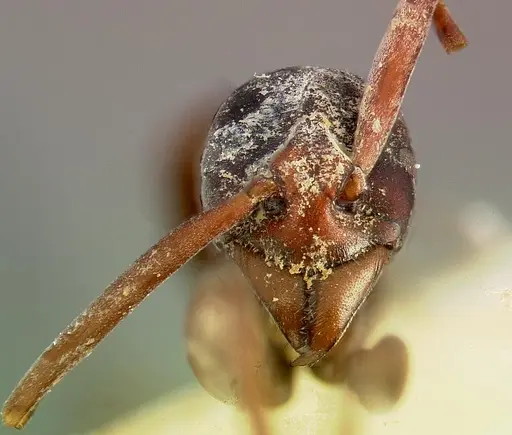
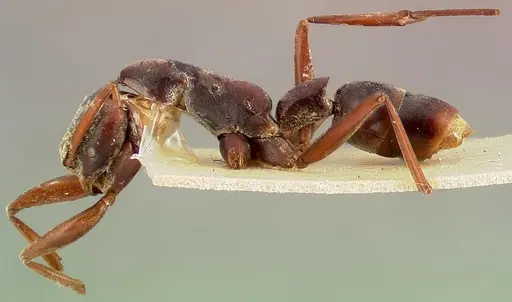
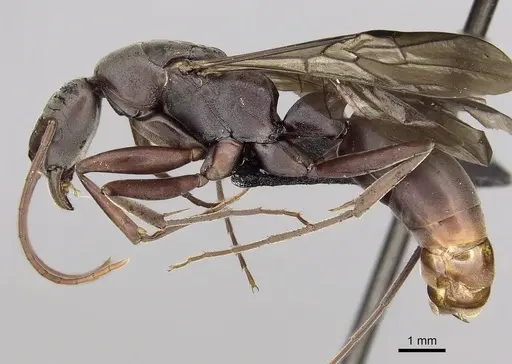
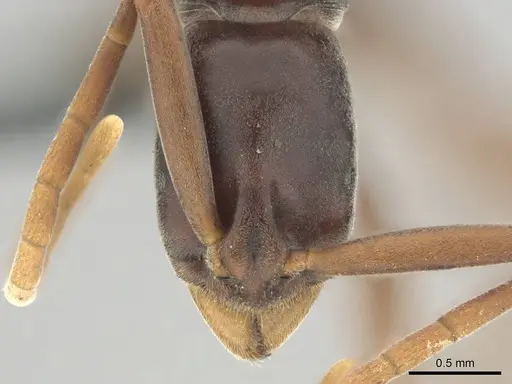
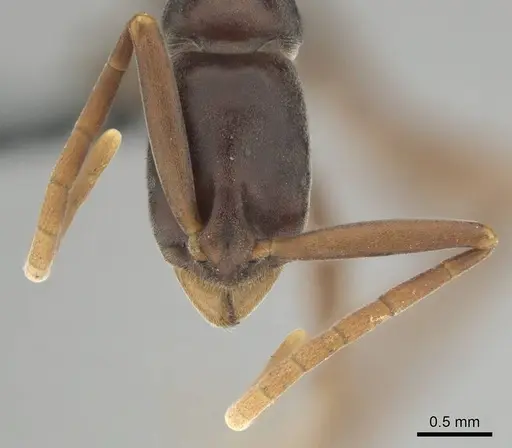
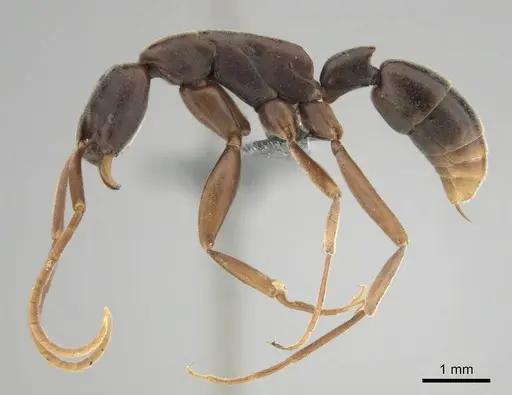
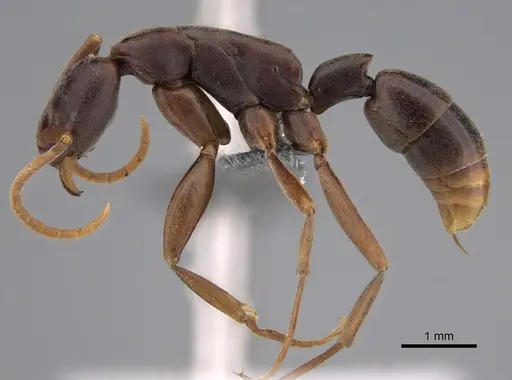
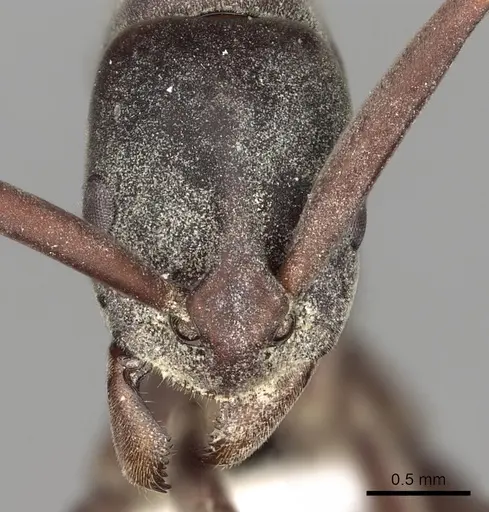
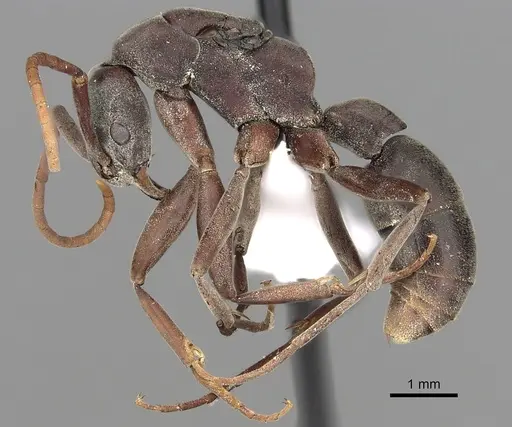
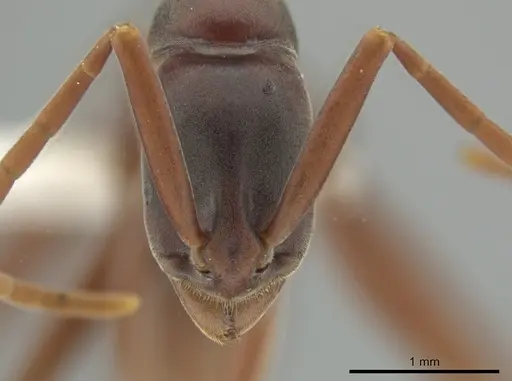
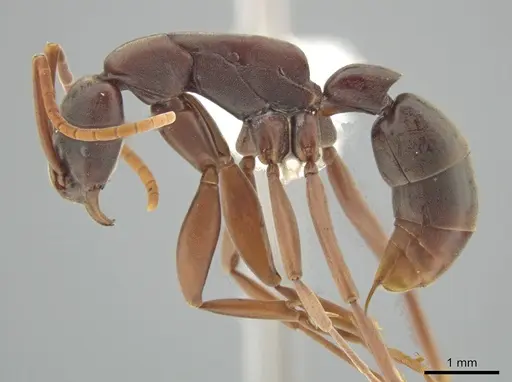
Platythyrea gracillima is a relatively large predatory ant species native to the Afrotropical region, found across central to eastern Africa including the Democratic Republic of Congo, Ghana, Kenya, Uganda, and Cameroon. Workers reach approximately 9mm in total length, making them substantial among Ponerine ants. They can be identified by their relatively large convex eyes, broad and flat clypeus, laterally compressed petiole, and smooth head surface [1]. This species inhabits lowland tropical forests, typically collected at elevations around 375m in Gabon [2]. As a Ponerine ant, they are predatory hunters with a potent sting, using their compound eyes to actively locate and capture prey.
Quick Summary
- Difficulty: Medium
- Origin & Habitat: Afrotropical region, Democratic Republic of Congo, Ghana, Kenya, Uganda, and Cameroon. Found in lowland tropical forests at elevations around 375m [2]. Type locality is Avakubi in the DRC [3].
- Colony Type: Unknown colony structure. No documented information on whether they are single-queen (monogyne) or multi-queen (polygyne) colonies.
- Size & Growth:
- Queen: Approximately 9mm total length based on worker measurements [1]. Queen size not specifically documented.
- Worker: Approximately 9mm total length [1].
- Colony: Unknown. No colony size data available.
- Growth: Unknown. No development timeline data exists for this species.
- Development: Unknown, no direct measurements exist. Based on typical Ponerine development patterns, estimate 6-10 weeks at tropical temperatures, but this is a rough guess. (Development timeline has not been studied. Related Platythyrea species suggest several months from egg to worker.)
- Antkeeping:
- Temperature: Tropical species, aim for 24-28°C. No specific research exists, so start in this range and observe colony activity. Related Ponerines typically prefer warm, stable conditions.
- Humidity: Moderate to high humidity preferred. Keep nest substrate consistently moist but not waterlogged. Forest floor conditions in their range mean humidity around 60-80%.
- Diapause: Unknown if diapause is required. As a tropical species, they may not need a true hibernation, but a slight temperature reduction during winter months may be beneficial.
- Nesting: Natural nesting habits are undocumented. Likely nests in soil or rotting wood in forest habitats. In captivity, a Y-tong (AAC) or plaster nest with moisture retention works well. Provide a dark, humid nesting area with access to an outworld for hunting.
- Behavior: Active predators with a potent sting. They are visual hunters using their relatively large eyes to locate prey, rather than relying solely on chemical trails. Workers likely forage individually or in small groups rather than forming large raiding parties. They are not escape artists in terms of climbing smooth surfaces, but their large size means they can grip surfaces well. Handle with care due to their sting capability.
- Common Issues: no specific development data makes timing predictions difficult, keepers must be patient, tropical species may be sensitive to temperature drops, avoid cold drafts, predatory diet requires live prey, cannot survive on sugar water alone, limited natural history data means keepers are essentially pioneering captive husbandry, sting is potent, handle with care and use appropriate protection
Housing and Nest Setup
Platythyrea gracillima requires a setup that accommodates their predatory lifestyle and need for humidity. A Y-tong (AAC) nest or plaster formicarium works well, as these materials hold moisture effectively while providing a dark, secure nesting area. The nest chamber should be appropriately sized for a colony, not too large initially, as Ponerines often prefer snugger quarters. Include a water reservoir or moisture gradient so the ants can self-regulate their humidity. The outworld should be simple and easy to clean, with smooth walls to prevent escape. Provide a shallow water dish for drinking and a hunting area where prey can be introduced.
Feeding and Diet
As a Ponerine ant, P. gracillima is a predator that hunts live prey. Their diet consists primarily of small invertebrates, they use their relatively large eyes to visually locate and ambush prey items. In captivity, offer a variety of appropriately sized live prey such as fruit flies, small crickets, mealworms, and other small insects. The prey size should be manageable for the workers, roughly comparable to the ant's body size or smaller. Unlike many ants, they are unlikely to accept sugar water or honey as a primary food source, as Ponerines are typically strict predators. Feed every 2-3 days, removing uneaten prey to prevent mold. A varied diet helps ensure nutritional balance.
Temperature and Humidity
This is a tropical species from central African forests, so warm and humid conditions are essential. Maintain temperatures in the range of 24-28°C, avoiding any prolonged drops below 22°C. A heating cable or mat on one side of the nest can create a gentle gradient, allowing the colony to self-regulate. Humidity should be moderate to high, aim for around 70% relative humidity in the nest area. The substrate should remain consistently moist but never waterlogged. Poor humidity can lead to brood death and colony decline. Monitor condensation levels as an indicator of adequate moisture.
Behavior and Temperament
P. gracillima is an active, visually-oriented predator. Workers hunt individually rather than in coordinated raids, using their compound eyes to spot and pursue prey. They possess a potent sting, which they use to subdue prey and defend the colony. This sting is significantly stronger than that of many common pet ants, so keepers should exercise caution during colony maintenance. Workers are relatively robust and can grip surfaces well, though they are not particularly good climbers on smooth surfaces. The colony is likely defensive of its nest and will respond aggressively to threats. Observation is key, watch how your colony responds to different prey types and conditions to optimize their care.
Colony Development and Patience
One of the biggest challenges with P. gracillima is the complete lack of documented development data. Unlike common pet ants such as Camponotus or Lasius, this species has not been studied in captivity, meaning there are no established timelines for egg-to-worker development, colony growth rates, or typical colony sizes. Keepers must be prepared for a potentially slow and unpredictable development process. Do not expect rapid growth. Document your observations carefully, you may be contributing novel information to antkeeping knowledge. If the colony thrives, your experience could help future keepers develop better care protocols for this species.
Frequently Asked Questions
How long does it take for Platythyrea gracillima to produce first workers?
The egg-to-worker timeline is completely undocumented for this species. Based on typical Ponerine development, expect at least 6-10 weeks at optimal tropical temperatures (24-28°C), but this is a rough estimate. Be prepared for a potentially longer wait, patience is essential with this poorly studied species.
Do Platythyrea gracillima ants sting?
Yes, they have a potent sting. As Ponerine ants, they are equipped with a functional sting that they use to subdue prey and defend the colony. The sting is significantly stronger than that of many common ant species. Handle with care and use appropriate protection during colony maintenance.
What do Platythyrea gracillima eat?
They are strict predators that require live prey. Feed them appropriately sized insects such as fruit flies, small crickets, mealworms, and other small invertebrates. They are unlikely to accept sugar water or honey. Unlike trail-following ants, they hunt visually and actively pursue prey.
Can I keep multiple Platythyrea gracillima queens together?
The colony structure of this species is completely unstudied. There is no information on whether they are single-queen (monogyne) or multi-queen (polygyne) colonies. Do not attempt to combine unrelated queens without research to support this, it may result in fighting and colony loss.
Are Platythyrea gracillima good for beginners?
No, this species is not recommended for beginners. They are a poorly studied tropical Ponerine with no established captive husbandry protocols. They require specific conditions (warmth, humidity, live prey) and have a potent sting. They are best suited for experienced antkeepers who can provide careful, attentive care and document their observations.
What temperature do Platythyrea gracillima need?
Aim for 24-28°C as a starting point. This is a tropical forest species from central Africa, so warm conditions are essential. Avoid temperatures below 22°C for extended periods. A heating cable on one side of the nest can provide a gradient for self-regulation.
Do Platythyrea gracillima need hibernation?
Diapause requirements are unknown for this species. As a tropical species from central Africa, they likely do not require a true hibernation period. However, a slight temperature reduction during winter months (to around 22-24°C) may be beneficial and simulate seasonal changes. Monitor colony activity to determine what works best.
How big do Platythyrea gracillima colonies get?
The maximum colony size is unknown, no scientific data exists on colony size for this species. Related Platythyrea species typically form colonies of several hundred workers. Expect moderate growth over time, but be patient as development data is lacking.
When should I move Platythyrea gracillima to a formicarium?
Keep them in a test tube or small container for as long as possible during the founding stage. Only move to a proper nest (Y-tong or plaster formicarium) once the colony has reached at least 20-30 workers and the test tube shows signs of degradation. Ponerines often do better in more enclosed nests than in open formicariums.
Why are my Platythyrea gracillima dying?
Without specific data, common issues likely include: temperature too low (below 22°C), humidity too low or too high (aim for consistent moisture, not wet or dry), insufficient live prey, or stress from excessive disturbance. Review each parameter and make gradual adjustments. Document your conditions to identify potential problems.
References

This caresheet is licensed under CC BY-SA 4.0 .
CASENT0003149
View on AntWeb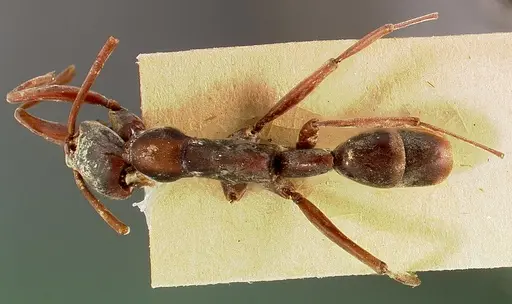
CASENT0005953
View on AntWeb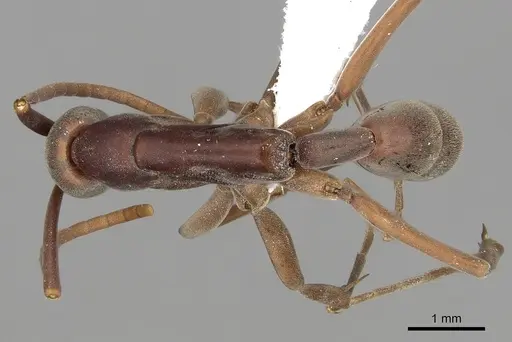
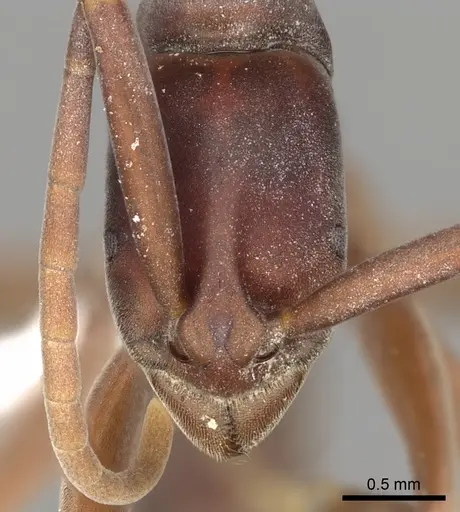
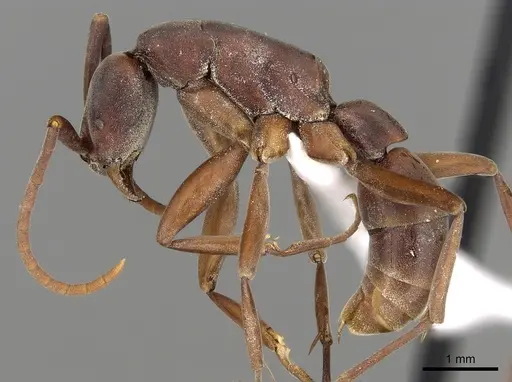
CASENT0009940
View on AntWeb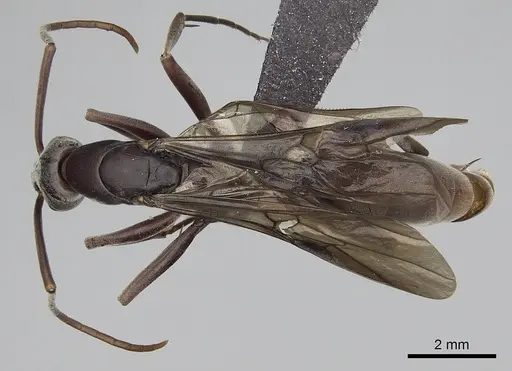
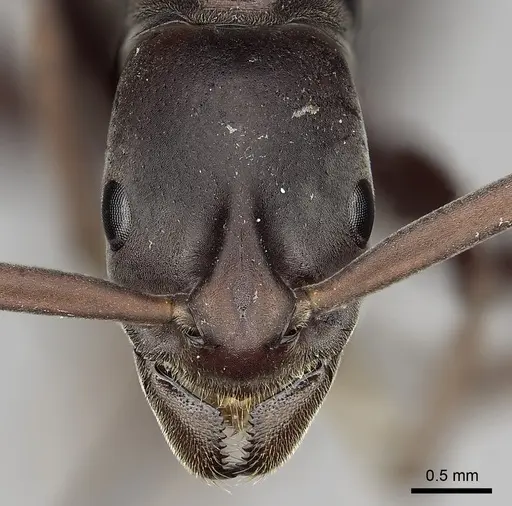
CASENT0250051
View on AntWeb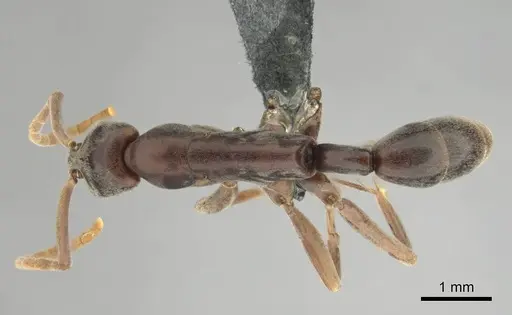
CASENT0317018
View on AntWeb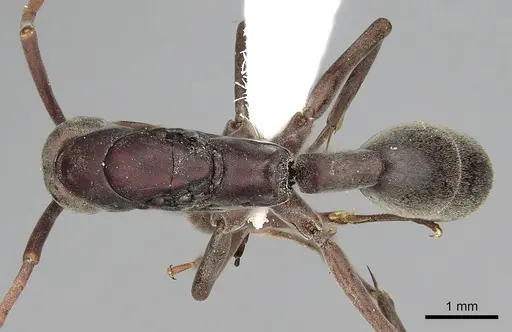
CASENT0629506
View on AntWeb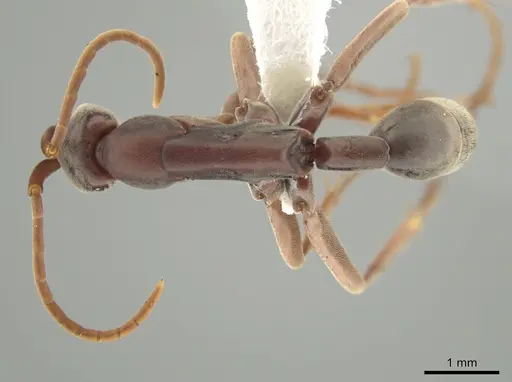
Literature
Loading...Loading products...