

Platythyrea arnoldi
- Scientific Name
- Platythyrea arnoldi
- Tribe
- Platythyreini
- Subfamily
- Ponerinae
- Author
- Forel, 1913
- Distribution
- Found in 6 countries
Platythyrea arnoldi Overview
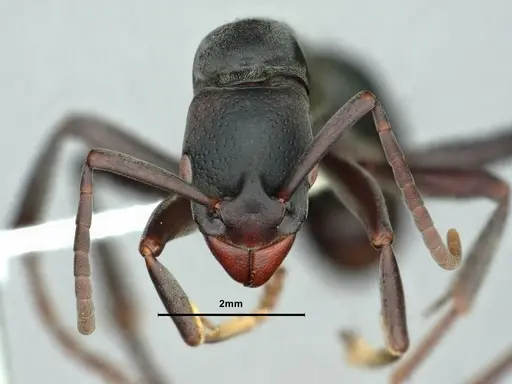
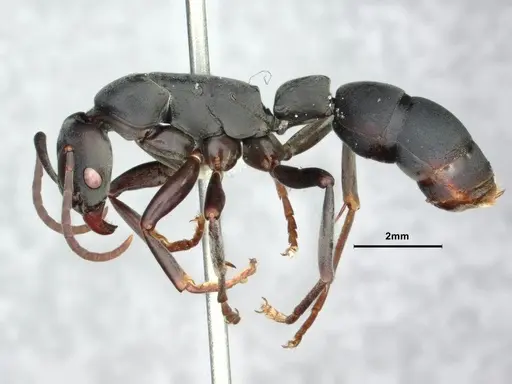
Platythyrea arnoldi is an ant species of the genus Platythyrea. It is primarily documented in 6 countries , including Mozambique, Namibia, Tanzania. Detailed taxonomic data and occurrence records can be further explored via authoritative databases such as AntWeb or the Global Biodiversity Information Facility (GBIF).
Platythyrea arnoldi
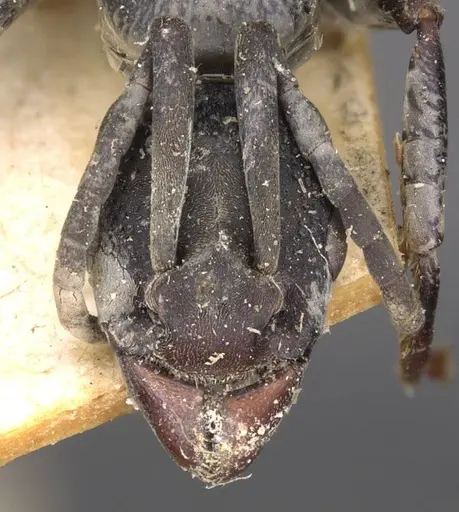
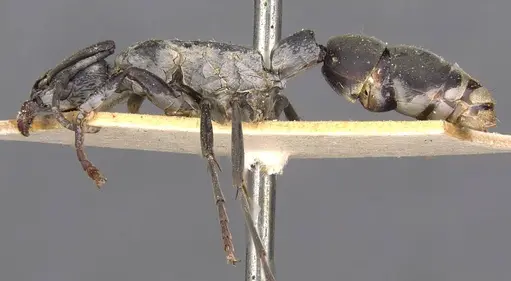
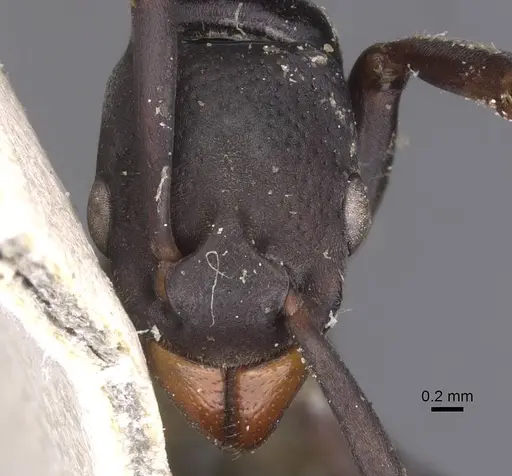
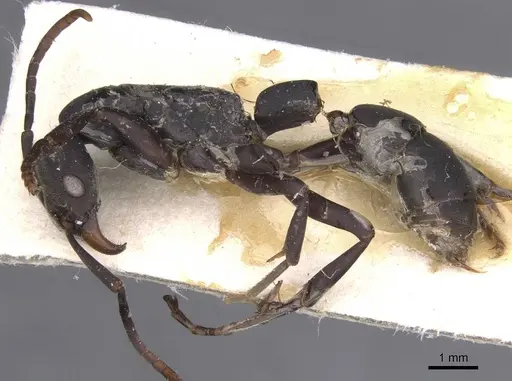
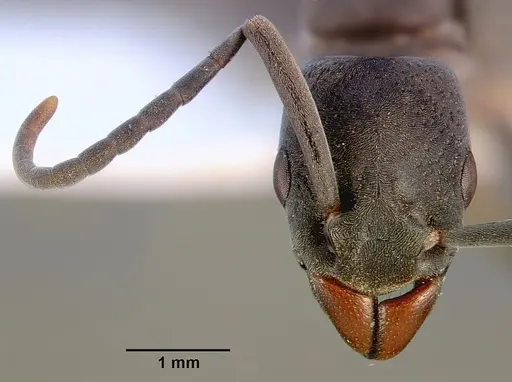
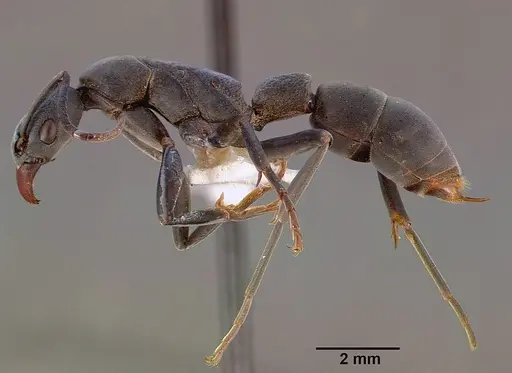
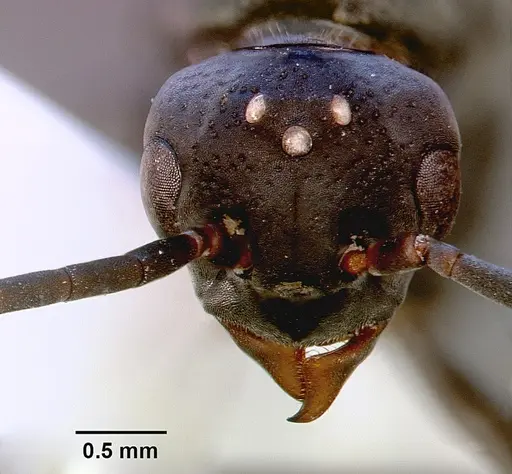
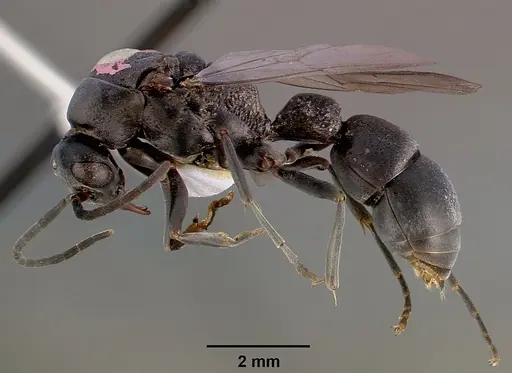
Platythyrea arnoldi is a medium-sized ant belonging to the subfamily Ponerinae, native to the Afrotropical region including Zimbabwe, South Africa, Mozambique, and the Democratic Republic of Congo [1]. Workers are relatively slender with distinctive elongated mandibles typical of the genus Platythyrea. The genus is known for an unusual reproductive system where both the queen and workers can be mated and lay eggs in the same colony, a rare trait among ants [2]. This species was originally described by Forel in 1913 from Shiloh, Zimbabwe, with later synonymization of the former subspecies P. lamellosa apicalis [1]. The colony structure is unusual as it can contain a mated egg-laying queen alongside mated and virgin laying workers, representing one of the few documented cases of this reproductive strategy in ants [2].
Quick Summary
- Difficulty: Medium
- Origin & Habitat: Afrotropical region, found in Zimbabwe, South Africa, Mozambique, and Democratic Republic of Congo [1]. Natural habitat preferences are not well documented, but related Platythyrea species typically nest in soil, rotting wood, or under stones in forested or shaded areas.
- Colony Type: Unique reproductive system where mated workers (gamergates) coexist with a mated queen in the same colony. Both the queen and workers can lay eggs simultaneously [2]. This is a rare trait called functional polygyny where multiple reproductive females actively reproduce.
- Colony: Polygyne
- Founding: Claustral
- Special: Gamergates
- Size & Growth:
- Queen: Approximately 8-10mm (estimated based on genus Platythyrea queen sizes)
- Worker: Approximately 5-7mm [1]
- Colony: Likely moderate, likely under 500 workers based on typical Ponerine colony sizes
- Growth: Moderate, Ponerines typically develop slower than many Myrmicines
- Development: Estimated 8-12 weeks at optimal temperature based on typical Ponerinae development [2] (Ponerine ants generally have slower development than faster-growing genera like Pheidole or Solenopsis. Temperature significantly affects development speed.)
- Antkeeping:
- Temperature: Keep at 22-26°C. Ponerines generally prefer warmer conditions. A gentle gradient with a heating cable on one side of the nest allows workers to regulate their temperature [2].
- Humidity: Moderate to high humidity around 60-80%. Keep the nest substrate consistently moist but not waterlogged. Related species prefer damp forest-floor conditions.
- Diapause: Likely requires a mild winter rest period (diapause) of 2-3 months at reduced temperatures (15-18°C) based on temperate African distribution [1].
- Nesting: Y-tong (AAC) nests or plaster nests work well. Provide narrow chambers scaled to their size. Naturalistic setups with soil and decaying wood also suitable. Avoid overly dry conditions.
- Behavior: Platythyrea arnoldi is a predatory Ponerine ant with active hunting behavior. Workers are agile foragers that hunt small invertebrates. They have functional stingers but are not particularly aggressive toward keepers. The species shows unusual tolerance within colonies due to the presence of multiple reproductive females. Escape prevention should be moderate, they are not extreme escape artists but active foragers. Workers may show tandem-running recruitment to food sources.
- Common Issues: slow colony development compared to more common ant species may frustrate beginners, multiple reproductive females in colony can cause confusion about colony structure if unfamiliar with gamergate systems, Ponerines are sensitive to drying out, improper humidity leads to colony decline, wild-caught colonies may have parasites that are difficult to treat in captivity, limited availability in the antkeeping hobby makes this species uncommon
Colony Structure and Reproduction
Platythyrea arnoldi has one of the most unusual colony structures among ants. Unlike typical ant colonies with a single reproductive queen, this species can have both a mated queen and mated workers (called gamergates) laying eggs in the same colony [2]. This is a rare phenomenon in the ant world, where usually only the queen reproduces. The presence of multiple reproductive females means the colony has backup reproduction if something happens to the queen. Workers can be either mated or unmated and still contribute to egg production. This flexible reproductive system may help the colony survive adverse conditions. When keeping this species, you may notice multiple large workers that appear to be reproductive, which is normal for this species [2].
Feeding and Diet
As a Ponerine ant, Platythyrea arnoldi is primarily predatory. In captivity, they readily accept small live prey such as fruit flies, pinhead crickets, mealworms, and other small insects. Protein-rich foods should form the main diet. They may also accept sugar water or honey as an energy source, though this varies by individual colony. Feed them prey items roughly every 2-3 days, adjusting based on colony size and consumption rate. Remove uneaten prey after 24 hours to prevent mold. A constant sugar water supply is recommended for energy. Unlike some specialized predators, they are generalist feeders that will accept a variety of invertebrate prey.
Temperature and Heating
Maintain nest temperatures between 22-26°C for optimal colony health and development. Ponerine ants like Platythyrea generally prefer warmer conditions. Use a heating cable or heating mat on one side of the nest to create a temperature gradient, allowing workers to move between warmer and cooler areas as needed. Place heating on top of the nest to avoid drying out the substrate. Room temperature may be sufficient if your home stays in this range, otherwise provide supplemental heating. During winter, a mild reduction to 18-20°C is appropriate, with a more pronounced cool period (15-18°C) for 2-3 months to simulate their natural seasonal cycle.
Nesting and Habitat
In the wild, Platythyrea species typically nest in soil, under stones, or in rotting wood in forested areas. For captivity, Y-tong (AAC) nests or plaster nests work well. Provide chambers scaled to their size, not too large, as these ants prefer snug spaces. Keep the nest substrate consistently moist but never waterlogged. A layer of substrate that holds moisture well is ideal. Some keepers use naturalistic setups with a soil layer and pieces of decaying wood or stones as hiding spots. Adequate ventilation is important to prevent mold while maintaining humidity.
Behavior and Temperament
Platythyrea arnoldi workers are active foragers with typical Ponerine hunting behavior. They are not particularly aggressive toward humans and would rather flee than sting. However, they do possess a functional stinger and will use it if threatened. Workers are relatively fast-moving and agile. The colony structure with multiple reproductive females creates an unusual tolerance within the colony, workers do not show aggression toward each other even when multiple queens are present. They may use tandem-running recruitment, where one worker leads another directly to food sources. Observe your colony's activity patterns to gauge their comfort with your setup.
Frequently Asked Questions
How long does it take for Platythyrea arnoldi to produce first workers?
Expect 8-12 weeks from egg to first worker at optimal temperature (22-26°C). Ponerine ants typically develop slower than many common species. Be patient, the founding process can take several months.
Can I keep multiple queens together in a Platythyrea arnoldi colony?
This species naturally has both a queen and reproductive workers in the same colony. You do not need to introduce multiple queens, a single mated queen with her worker force is sufficient. The colony naturally maintains multiple reproductive females.
What do Platythyrea arnoldi eat?
They are primarily predatory. Feed small live insects like fruit flies, pinhead crickets, and mealworms. They also accept sugar water or honey for energy. Offer protein prey 2-3 times per week and keep sugar water available constantly.
Is Platythyrea arnoldi good for beginners?
This species is rated as medium difficulty. It is less common in the hobby and has specific humidity and temperature needs typical of Ponerines. Beginners may find the slow growth and specific care requirements challenging. Consider starting with more common species first.
Does Platythyrea arnoldi need hibernation?
Based on their African distribution, they likely benefit from a mild winter rest period. Reduce temperatures to 15-18°C for 2-3 months during winter. This helps synchronize their natural seasonal cycle and may improve colony health long-term.
Why are my Platythyrea arnoldi workers dying?
Common causes include: too dry conditions (keep substrate consistently moist), temperatures outside their 22-26°C range, mold from poor ventilation, or stress from disturbance. Check humidity first, Ponerines are sensitive to drying. Also ensure prey is appropriate size and not left to rot.
When should I move Platythyrea arnoldi to a formicarium?
Wait until the colony has at least 20-30 workers before moving to a formicarium. Test tube setups work well for founding colonies. A formicarium with appropriate humidity control is suitable once the colony is established and growing well.
How big do Platythyrea arnoldi colonies get?
Based on related species, colonies likely reach several hundred workers at maturity. They are not among the largest ant species but can form substantial colonies over several years with proper care.
Why are there multiple large ants that look like queens in my colony?
This is normal for Platythyrea arnoldi. Both the queen and gamergate (reproductive workers) can be mated and lay eggs. These reproductive workers are slightly larger than regular workers and may appear queen-like. This unique system is part of what makes this species interesting.
References

This caresheet is licensed under CC BY-SA 4.0 .
CASENT0250350
View on AntWeb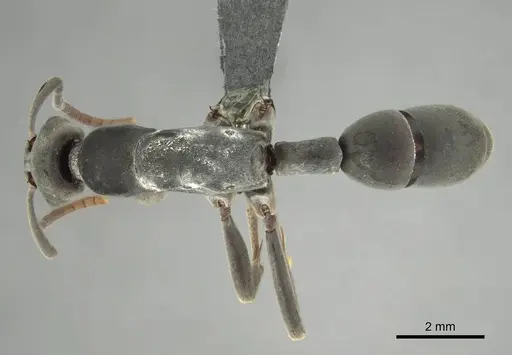
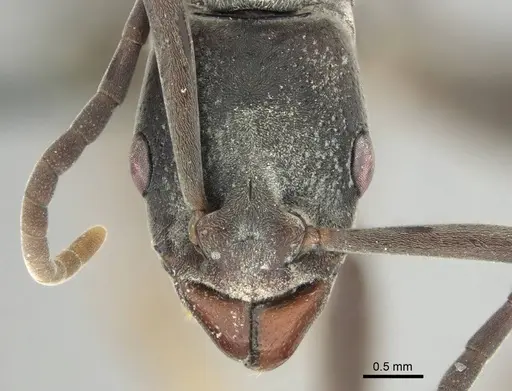
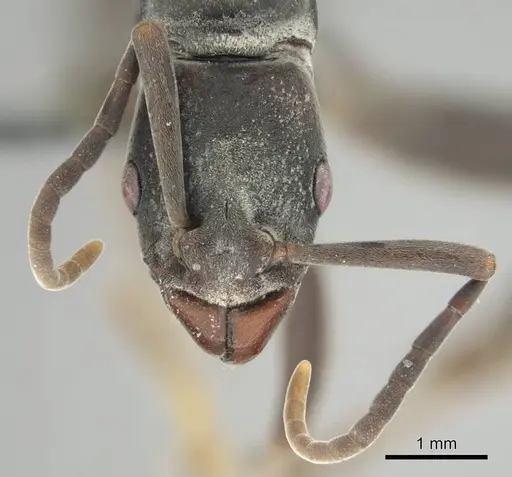
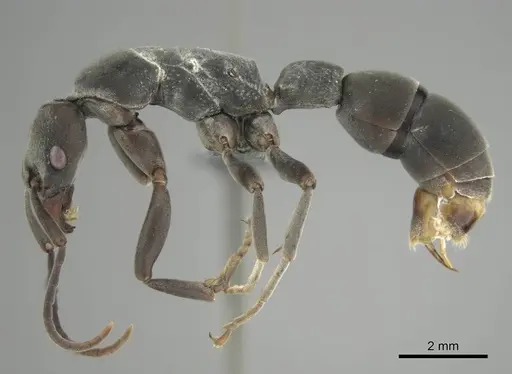
CASENT0842276
View on AntWeb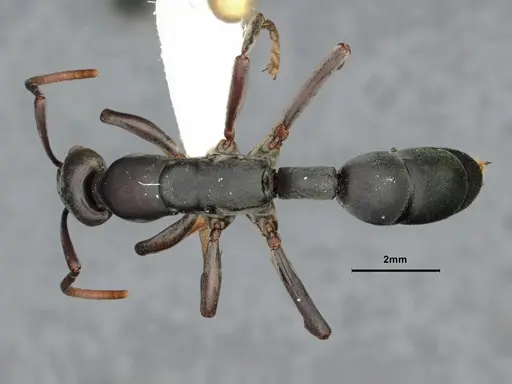
CASENT0907101
View on AntWeb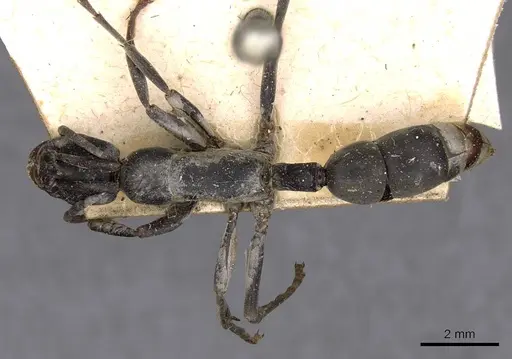
RMCAENT000017721
View on AntWeb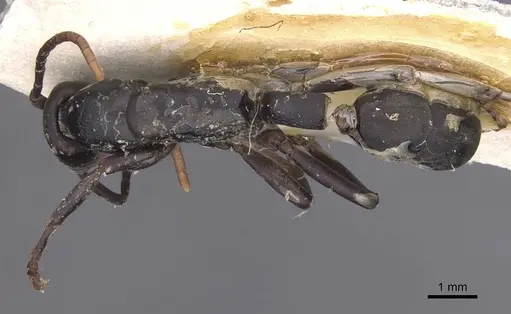
SAM-HYM-C000534A
View on AntWeb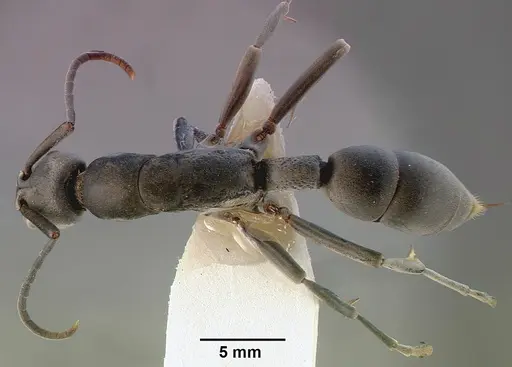
SAM-HYM-C000559A
View on AntWeb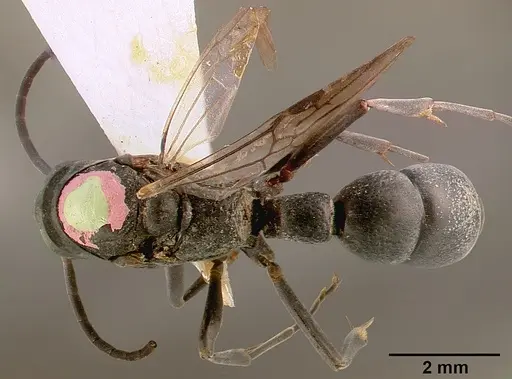
Literature
Loading...Loading products...