

Platythyrea inermis
- Scientific Name
- Platythyrea inermis
- Tribe
- Platythyreini
- Subfamily
- Ponerinae
- Author
- Forel, 1910
- Distribution
- Found in 1 countries
Platythyrea inermis Overview
Platythyrea inermis is an ant species of the genus Platythyrea. It is primarily documented in 1 countries , including Philippines. Detailed taxonomic data and occurrence records can be further explored via authoritative databases such as AntWeb or the Global Biodiversity Information Facility (GBIF).
Platythyrea inermis
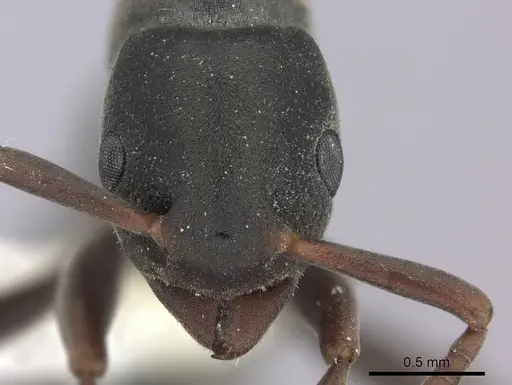
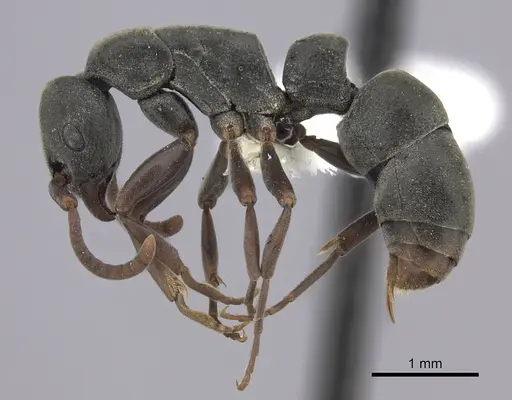
Platythyrea inermis is a small to medium-sized ant species belonging to the subfamily Ponerinae. Workers are slender with a distinctive long antennal scape that extends slightly beyond the posterior corner of the head, and the petiole is nearly as long as broad when viewed from above [1]. This species is native to the Philippines, where it has been recorded from Luzon, Negros, and Samar islands [2].
The genus Platythyrea is known for some unusual colony structures, though specific details for P. inermis are limited. As a Ponerine ant, these ants likely have predatory tendencies, hunting small invertebrates in their forest floor habitat. The Philippines distribution suggests they prefer warm, humid tropical conditions.
Quick Summary
- Difficulty: Unknown, limited keeper data available
- Origin & Habitat: Philippines (Luzon, Negros, Samar islands), tropical forest environment [2]
- Colony Type: Unconfirmed colony structure, likely single-queen based on typical genus patterns
- Size & Growth:
- Queen: Unknown, not documented in available literature
- Worker: Unknown, specific measurements not available
- Colony: Unknown, no colony size data documented
- Growth: Unknown, no development data available
- Development: Unknown, no direct measurements exist. Based on related Ponerinae species, estimate 6-10 weeks at tropical temperatures, but this is a rough approximation. (Development timeline is unconfirmed for this species. Ponerine ants typically have longer development times than many Myrmicinae species.)
- Antkeeping:
- Temperature: Tropical species, aim for 24-28°C. Being from the Philippines, they likely prefer warm conditions. A heating cable on one side of the nest can provide a gentle gradient if room temperature falls below this range.
- Humidity: High humidity expected, think damp forest floor. Keep nest substrate consistently moist but not waterlogged. Provide a water tube for drinking access.
- Diapause: Unknown, being a tropical species from the Philippines, they likely do not require hibernation. However, seasonal slowdowns may occur during cooler, drier periods.
- Nesting: Natural nesting habits unconfirmed. Based on related species, they likely nest in rotting wood, under stones, or in soil. In captivity, a Y-tong or plaster nest with good moisture retention works well for Ponerinae.
- Behavior: Behavior is not well documented for this species. As Ponerinae, they are likely moderately aggressive with a functional sting, though the sting may be mild. They probably forage individually on the forest floor, hunting small prey. Escape risk is moderate, use standard ant keeping barriers. Exercise caution when handling as most Ponerinae can deliver a sting.
- Common Issues: limited species-specific care information makes proper husbandry challenging, tropical humidity requirements may lead to mold issues if ventilation is poor, predatory diet may be difficult to meet for beginners, queen and colony founding behavior is unconfirmed, may require special care, wild-caught colonies may have parasites given limited documentation
Species Identification and Distribution
Platythyrea inermis can be identified by its relatively long antennal scape that extends slightly beyond the posterior corner of the head, and the petiole which is nearly as long as broad in dorsal view [1]. The species was originally described by Forel in 1910 from Luzon Island, Philippines, with additional specimens later recorded from Negros and Samar [2]. The type material was unfortunately destroyed during World War II. The species was previously known as Platythyrea inermis before being synonymized with P. inermis by Brown in 1975 [2].
Natural History and Habitat
This species is endemic to the Philippines islands, indicating a tropical habitat preference. As a member of the Ponerinae subfamily, P. inermis likely inhabits the forest floor or lower vegetation layers where it hunts small invertebrates. The Philippines' climate is warm and humid year-round, with temperatures typically ranging from 24-32°C and high rainfall. These conditions should guide captive care. The species is one of seven Platythyrea species recorded in Southeast Asia [1].
Feeding and Diet
The specific diet of P. inermis has not been documented, but like most Ponerinae ants, they are likely predatory or omnivorous, feeding on small invertebrates such as springtails, mites, and other micro-arthropods found in leaf litter. In captivity, you should offer a varied diet including small live prey like fruit flies, pinhead crickets, and mealworms. Sugar sources like honey water or sugar water may also be accepted, though Ponerinae typically prefer protein. Feed protein prey 2-3 times per week and provide constant access to sugar water.
Temperature and Humidity Requirements
Being from the tropical Philippines, this species requires warm and humid conditions. Target temperatures of 24-28°C are appropriate, you can use a heating cable on part of the nest if your room temperature is lower. Humidity should be kept high, with the nest substrate maintained consistently moist but not saturated. A water tube attached to the nest provides drinking water. Good ventilation is important to prevent mold while maintaining humidity.
Nesting in Captivity
The natural nesting habits of P. inermis are not documented, but related Platythyrea species typically nest in rotting wood, under stones, or in soil cavities. For captive care, a Y-tong (acrylic) nest or plaster nest with good moisture retention works well for Ponerinae species. The chambers should be appropriately sized for their body size. Keep the nest humid and provide a connection to an outworld for foraging.
Frequently Asked Questions
How long does it take for Platythyrea inermis to produce first workers?
The development timeline is unconfirmed for this species. Based on typical Ponerinae development, expect 6-10 weeks from egg to first worker at optimal tropical temperatures (around 26°C), but this is a rough estimate.
What do Platythyrea inermis ants eat?
They likely accept small live prey like fruit flies, springtails, and tiny crickets. Based on related Ponerinae, they are predatory and will hunt small invertebrates. Offer protein prey several times per week and sugar water as an energy source.
What temperature should I keep Platythyrea inermis at?
Keep them warm, aim for 24-28°C. Being from the tropical Philippines, they do not tolerate cool temperatures. Use a heating cable if needed to maintain warmth.
Do Platythyrea inermis need hibernation?
Unlikely, as a tropical species from the Philippines, they probably do not require hibernation. They may show reduced activity during cooler periods, but a true diapause is not expected.
Is Platythyrea inermis good for beginners?
This species is not recommended for beginners due to limited species-specific care information available. The lack of documented husbandry means you may encounter unexpected challenges. Consider starting with better-documented species like Lasius or Camponotus.
How big do Platythyrea inermis colonies get?
Colony size is unconfirmed for this species. Related Platythyrea species typically form colonies of several hundred workers at most. The maximum size for P. inermis is unknown.
Can I keep multiple Platythyrea inermis queens together?
The colony structure is unconfirmed. Combining unrelated queens is not recommended since this has not been documented for this species and could result in aggression.
What humidity level do Platythyrea inermis need?
High humidity, keep the nest substrate consistently moist like a damp forest floor. Avoid both drying out and waterlogging. A moisture gradient allows the ants to choose their preferred spot.
When should I move Platythyrea inermis to a formicarium?
Wait until the colony is established with a healthy first brood. For Ponerinae, this often means waiting until you have 20-30 workers. Ensure the formicarium can maintain humidity before transferring.
References

This caresheet is licensed under CC BY-SA 4.0 .
CASENT0260498
View on AntWeb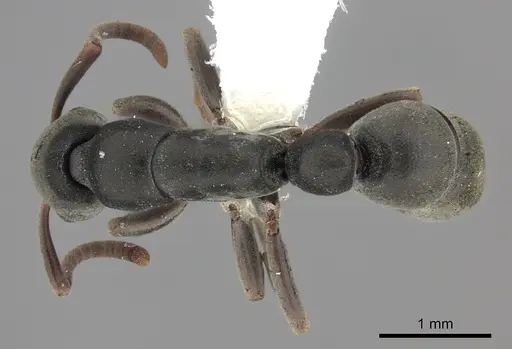
Literature
Loading...Loading products...