

Pheidole capensis
- Scientific Name
- Pheidole capensis
- Tribe
- Attini
- Subfamily
- Myrmicinae
- Author
- Mayr, 1862
- Common Name
- Brown House Ant
- Distribution
- Found in 2 countries
Pheidole capensis Overview
Pheidole capensis (commonly known as the Brown House Ant) is an ant species of the genus Pheidole. It is primarily documented in 2 countries , including Lesotho, South Africa. Detailed taxonomic data and occurrence records can be further explored via authoritative databases such as AntWeb or the Global Biodiversity Information Facility (GBIF).
Pheidole capensis - "Brown House Ant"
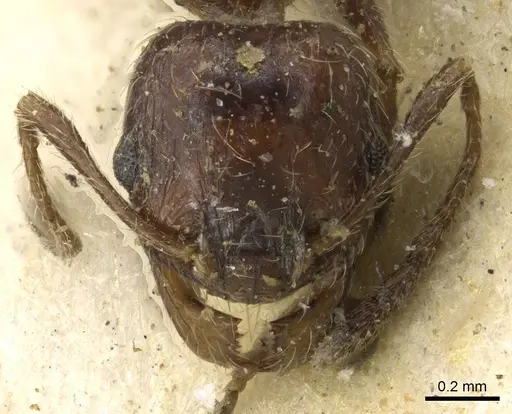
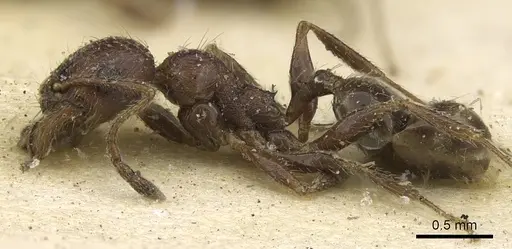
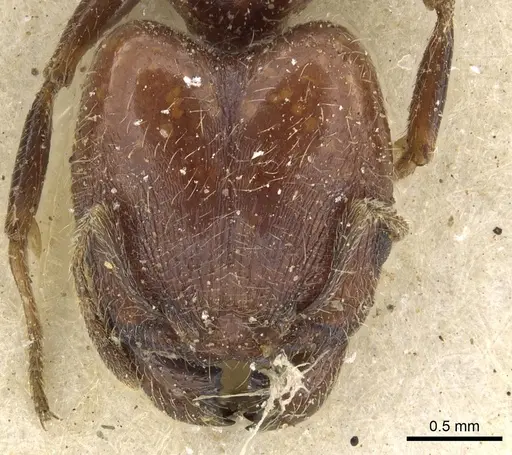
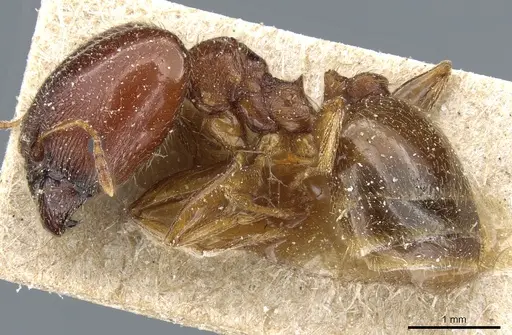
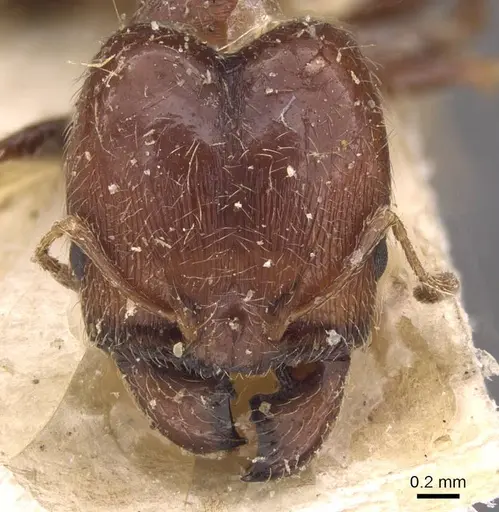
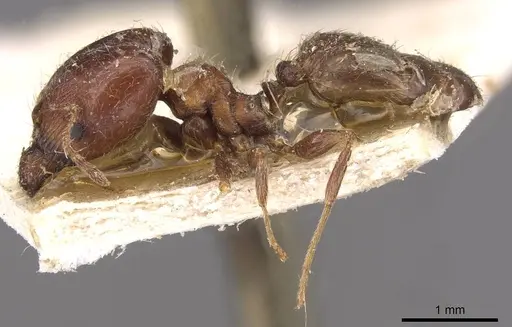
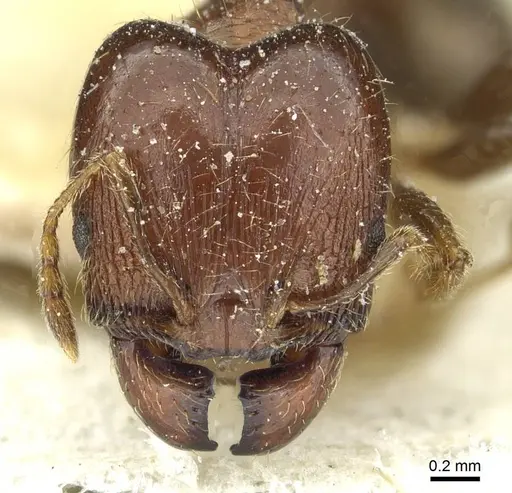
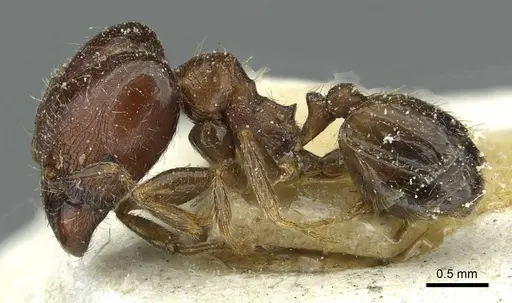
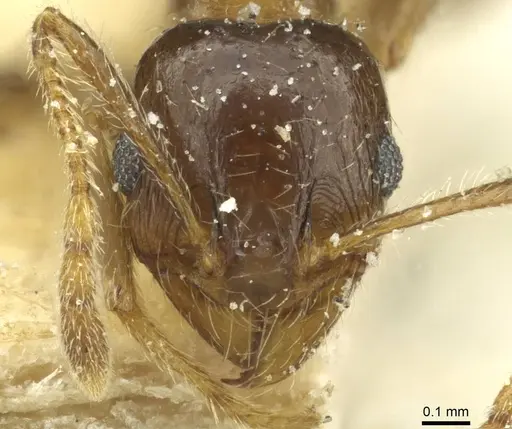
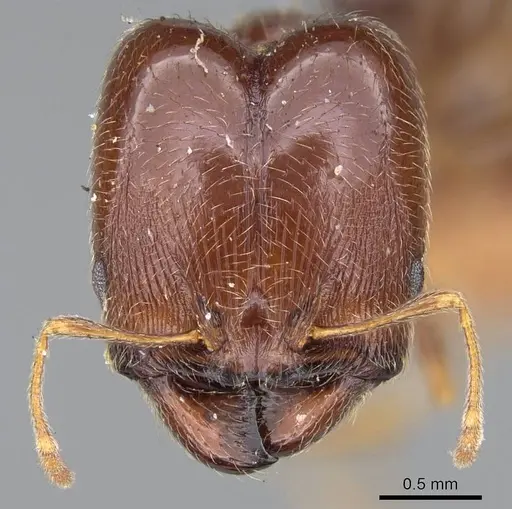
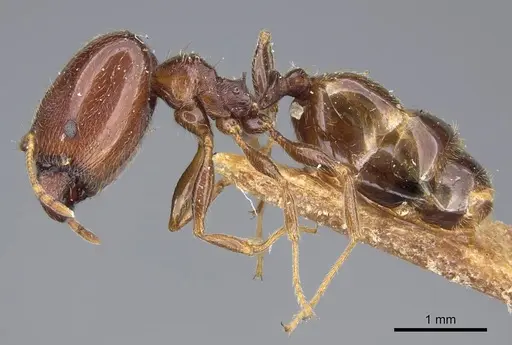
Pheidole capensis is a medium-sized Myrmicine ant native to southern Africa, known for its distinctive caste system with major workers (soldiers) that have enlarged heads for seed-crushing. Workers measure 2-3mm, while majors are slightly larger at 3-4mm. Queens reach 6-8mm. The species is pale to reddish-brown in color and shows the classic Pheidole dimorphism between minor workers and soldier majors. Originally described as a subspecies of P. megacephala, it was later recognized as a distinct species found primarily in South Africa and Mozambique [1][2].
This ant is a seed-eating specialist (granivore) that also scavenges for protein. It plays an important ecological role in its native range as a seed disperser and as an obligate associate of the lycaenid butterfly Aloeides aranda, whose caterpillars are tended by worker ants [3][4]. In its native habitat, P. capensis is negatively impacted by invasive ant species like the yellow crazy ant (Anoplolepis gracilipes) and the Argentine ant (Linepithema humile), which displace it from occupied areas [5][6].
Quick Summary
- Difficulty: Easy
- Origin & Habitat: Native to the Afrotropical region, specifically South Africa and Mozambique. Found in semi-arid habitats like the Karoo, where it thrives in road verges and disturbed areas. It prefers open, dry areas and is adapted to arid conditions [7][2].
- Colony Type: Monogyne, single queen colonies. Pheidole colonies typically have one founding queen that establishes a colony alone, then produces both minor workers and major soldiers as the colony grows [2].
- Colony: Monogyne
- Founding: Claustral
- Size & Growth:
- Queen: 6-8mm [2]
- Worker: 2-4mm (minor workers 2-3mm, majors 3-4mm) [2]
- Colony: Can grow to several thousand workers in mature colonies [2]
- Growth: Moderate
- Development: 6-10 weeks at optimal temperature (estimate based on typical Pheidole development) (Pheidole species typically develop from egg to worker in 6-10 weeks depending on temperature. Soldiers (majors) appear later in colony development once the colony is established.)
- Antkeeping:
- Temperature: Keep at room temperature,20-26°C. They tolerate a range from 18-30°C well due to their native arid habitat. A slight gradient is beneficial but not required [2].
- Humidity: Low to moderate. These are desert-adapted ants that prefer dry conditions. Keep nest substrate relatively dry with occasional moist areas. Avoid constant dampness [2].
- Diapause: No, being from southern Africa, they do not require true hibernation. However, they may show reduced activity in cooler months and benefit from a slight cooling period (15-18°C) in winter if kept in temperate climates [2].
- Nesting: Y-tong (AAC) nests work well due to their preference for dry conditions. Plaster nests are also suitable. They do well in test tube setups during founding. Provide a dry outworld for foraging [2].
- Behavior: Generally peaceful and non-aggressive toward keepers. They are active foragers that readily search for seeds and protein. Major workers (soldiers) use their large heads to crack seeds and defend the colony. They are not known to sting and pose no danger to humans. They are excellent escape artists due to their small size, use fine mesh barriers and fluon on edges. Workers are highly active and will explore their outworld thoroughly [2].
- Common Issues: escape prevention is critical, they are small and will find any gap in setup, invasive ant sensitivity, wild colonies are negatively affected by invasive ants, so keep away from other ant species, seed storage can clog test tube water reservoirs if they move seeds into the cotton, colonies may decline if kept too humid, they prefer dry conditions, majors appear later in colony development, don't panic if you only see minors initially
Nest Preferences and Housing
Pheidole capensis does well in dry nest setups. Y-tong (acrylic) nests work excellently because they allow you to control humidity precisely and keep the nesting area dry. Plaster nests are also suitable. During founding, a simple test tube setup with a cotton ball water reservoir is sufficient, the queen will seal herself in and stay there until her first workers emerge. Once the colony reaches 20-30 workers, you can transition to a proper formicarium. Provide a dry outworld connected to the nest via tubing. These ants are not picky about nest colors or layouts, but they do appreciate some darkness (cover the nest with a cloth or use a dark-colored setup). The key is keeping humidity low, these are desert ants that rot easily in damp conditions [2].
Feeding and Diet
As granivores and scavengers, Pheidole capensis has specific dietary needs. Their primary food is seeds, they collect and store seeds in the nest, using their major workers' large heads to crack them open. Offer a variety of seeds: grass seeds, millet, flax, and commercial ant seed mixes work well. They also need protein for brood development, offer small insects like fruit flies, small crickets, mealworms, and frozen bloodworms. Sugar water or honey can be offered occasionally but is not a primary food source for this species. Feed seeds constantly (refill when depleted) and offer protein 2-3 times per week. Remove uneaten protein after 24-48 hours to prevent mold. The colony will store seeds in the nest, which is normal and healthy behavior [7][2].
Temperature and Seasonal Care
These ants are adapted to the warm, semi-arid regions of southern Africa and prefer temperatures in the 20-26°C range. Room temperature (around 22°C) is typically ideal. They can tolerate temperatures from 18-30°C but grow best in the middle of this range. No heating is required unless your room is particularly cold. Unlike temperate species, they do not require a true hibernation period. However, if you keep them in a climate with distinct winters, you can reduce temperatures to 15-18°C in winter months to simulate their natural seasonal cycle, this may slow them down but won't harm them. They are tolerant of temperature fluctuations but prefer stability. Avoid placing the nest in direct sunlight or near heating vents that could cause overheating [2].
Behavior and Colony Dynamics
Pheidole capensis colonies are organized around two worker castes: minor workers handle most tasks including foraging, nursing brood, and nest maintenance, while major workers (soldiers) specialize in seed-crushing and colony defense. This dimorphism develops as the colony grows, you'll initially see only minors, with majors appearing once the colony reaches around 50+ workers. The species is not aggressive toward keepers and rarely bites. They are active foragers that will send workers out to explore the outworld in search of seeds and protein. They communicate through chemical trails and can recruit many workers to good food sources. Colonies grow at a moderate pace, typically reaching several hundred workers within a year under good conditions. Major workers become more prominent as the colony matures and are essential for processing seeds efficiently [2].
Dealing with Invasive Species
An important consideration for Pheidole capensis is their vulnerability to invasive ant species. Research shows that in their native South Africa, P. capensis is severely impacted by both the yellow crazy ant (Anoplolepis gracilipes) and the Argentine ant (Linepithema humile). These invasive species displace native ants from their habitats [6][5]. If you keep this species, ensure complete separation from any other ant species, never house different species in the same room or allow them to contact each other. This is good practice for any ant collection, but especially important for species like P. capensis that show clear competitive weakness against invasive ants. Additionally, never release this species (or any ant) outside its native range, it could become invasive itself in non-native regions [6][5].
Frequently Asked Questions
How long does it take for Pheidole capensis to produce first workers?
First workers (nanitics) typically appear 6-10 weeks after the queen lays eggs, depending on temperature. The queen seals herself in during founding and raises the first brood alone on stored fat reserves. Be patient, don't disturb the founding chamber during this time [2].
When will my colony produce major workers (soldiers)?
Majors typically appear once the colony reaches 50-100 workers. In younger colonies, you'll only see minor workers. This is normal, the colony invests in minors first for foraging and nursing, then produces majors for seed-crushing and defense as the colony grows [2].
What do I feed Pheidole capensis?
Their primary diet is seeds, offer grass seeds, millet, flax, or commercial ant seed mixes that they can crack open with their major workers' large heads. They also need protein: small insects like fruit flies, small crickets, mealworms, or frozen bloodworms. Feed seeds constantly and protein 2-3 times per week [7][2].
Are Pheidole capensis good for beginners?
Yes, they are excellent for beginners. They are hardy, tolerate a range of conditions, don't sting, and are easy to feed. The main challenges are escape prevention (due to their small size) and keeping humidity low. They are more forgiving of beginner mistakes than many species [2].
How humid should I keep Pheidole capensis?
Keep humidity low, these are desert-adapted ants that prefer dry conditions. The nest should be relatively dry, with only occasional small moist areas. Avoid constant dampness which can cause mold and kill colonies. A dry outworld is essential [2].
Do Pheidole capensis need hibernation?
No, they do not require true hibernation. Being from southern Africa, they are adapted to year-round warmth. If kept in a temperate climate with winter, you can reduce temperatures to 15-18°C in winter months, but this is optional and they will do fine at room temperature year-round [2].
How big do Pheidole capensis colonies get?
Mature colonies can reach several thousand workers. They grow at a moderate pace, expect a well-fed colony to reach several hundred workers within the first year and potentially thousands in 2-3 years with good care [2].
Why are my Pheidole capensis dying?
The most common causes are: too high humidity (causes mold and suffocation), poor escape prevention (they find tiny gaps), or feeding moldy food. Check that the nest is dry, that all barriers are secure, and remove uneaten protein within 48 hours. Also ensure they are not stressed by vibrations or light [2].
Can I keep multiple Pheidole capensis queens together?
No, this is a monogyne species with single-queen colonies. Multiple unrelated queens will fight. Only keep one queen per colony. If you find multiple queens in the wild, they are likely either a polygynous species or temporarily pleometrotic (founding together), for P. capensis, stick to single-queen colonies [2].
When should I move my colony from a test tube to a formicarium?
Move them when the colony reaches 30-50 workers and the test tube is becoming crowded. Make sure the new nest has appropriate humidity (dry) and is connected to a foraging area. They do well in Y-tong or plaster nests [2].
Are Pheidole capensis invasive anywhere?
Pheidole capensis itself is not considered invasive, it is native to southern Africa. However, closely related species like Pheidole megacephala are invasive in many parts of the world. Never release any ant outside its native range [6][5].
References

This caresheet is licensed under CC BY-SA 4.0 .
CASENT0901300
View on AntWeb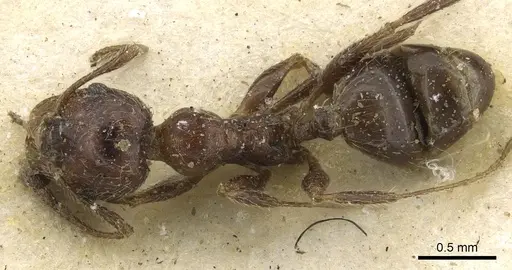
CASENT0901301
View on AntWeb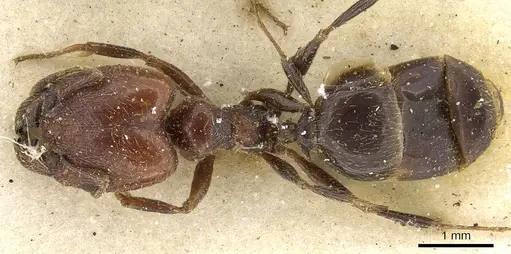
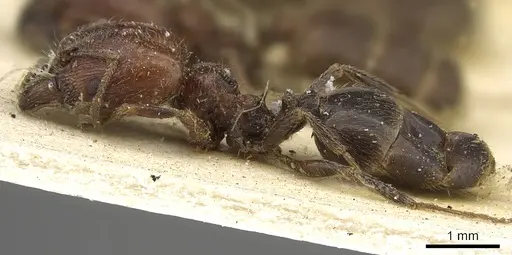
CASENT0901306
View on AntWeb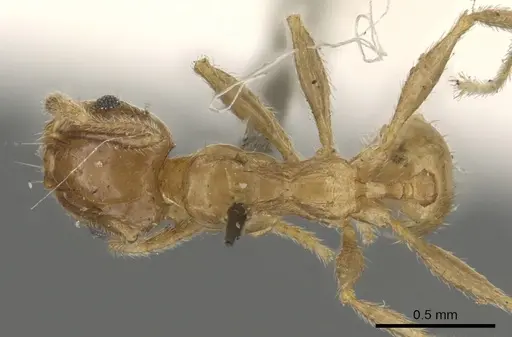
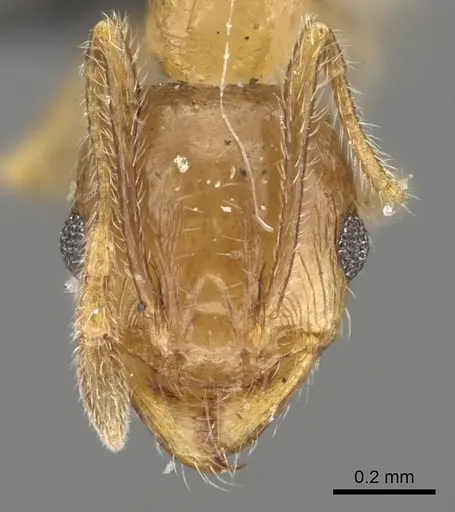
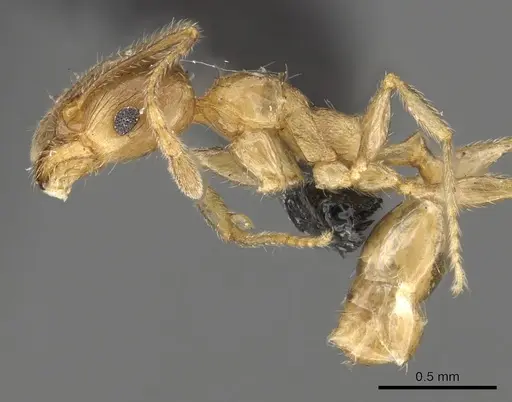
CASENT0901307
View on AntWeb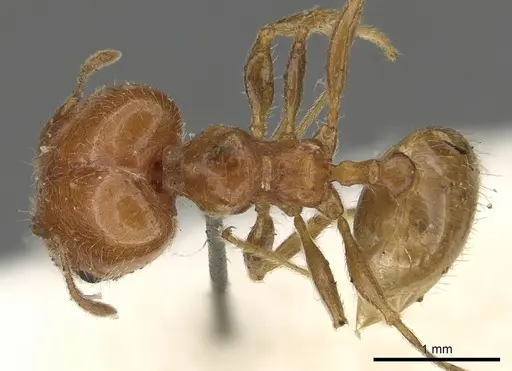
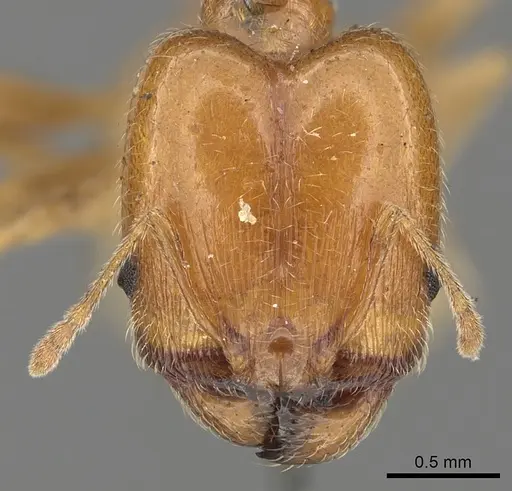
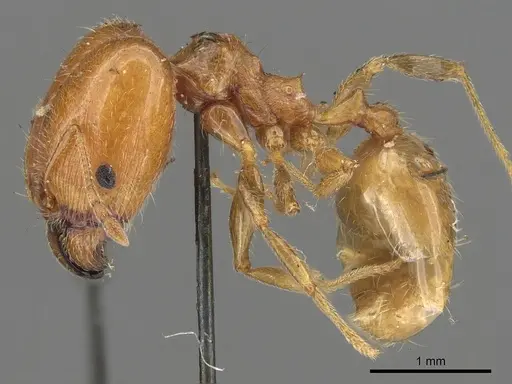
CASENT0901308
View on AntWeb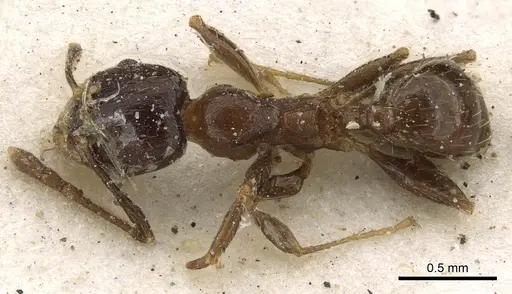
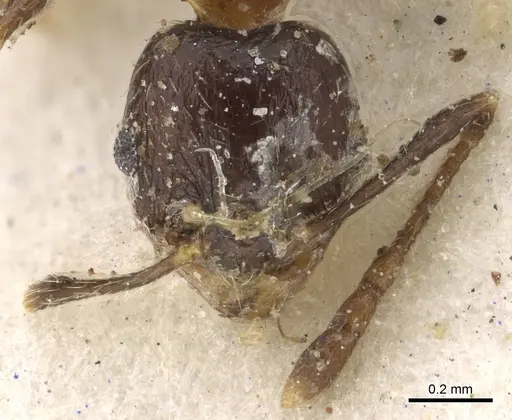
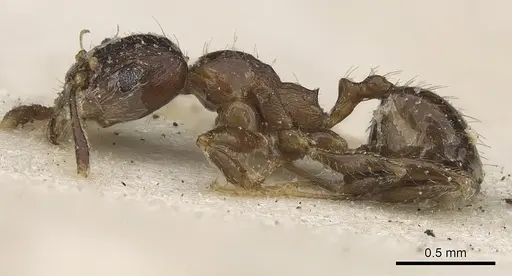
CASENT0901309
View on AntWeb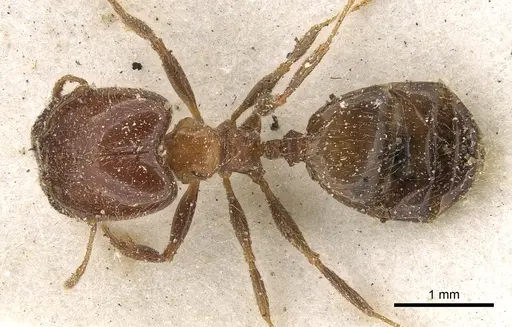
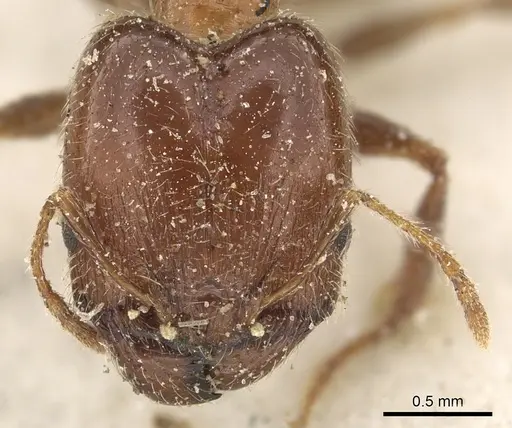
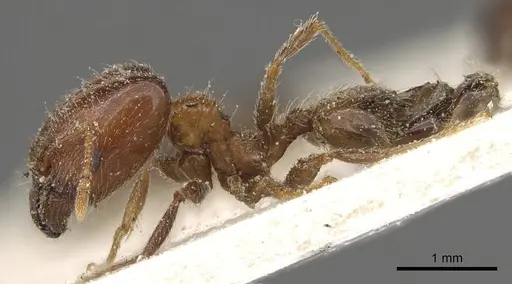
CASENT0904201
View on AntWeb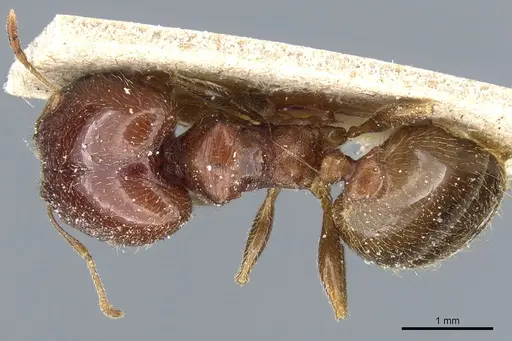
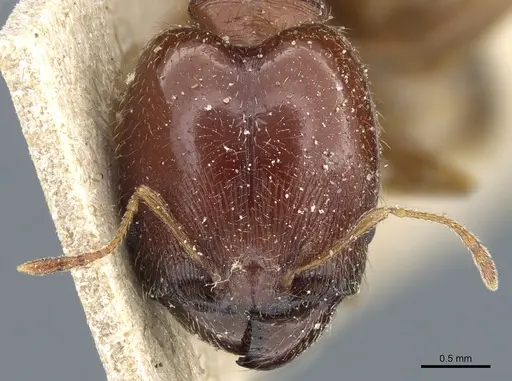
CASENT0907777
View on AntWeb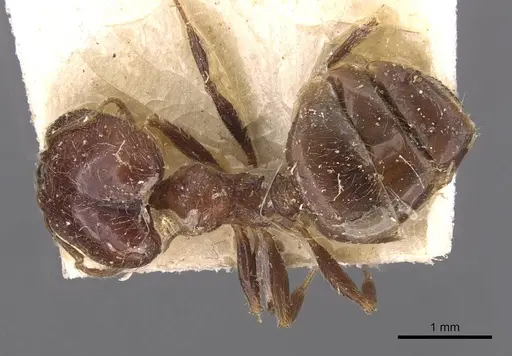
CASENT0907778
View on AntWeb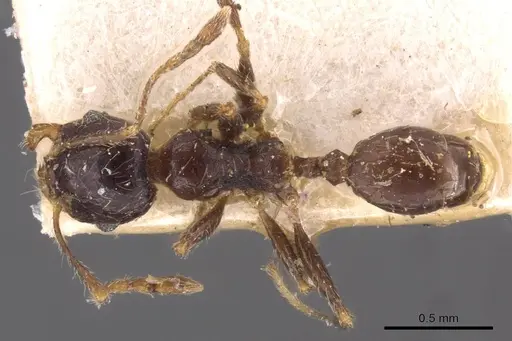
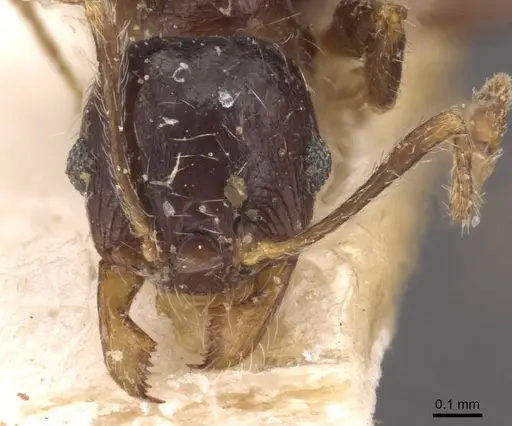
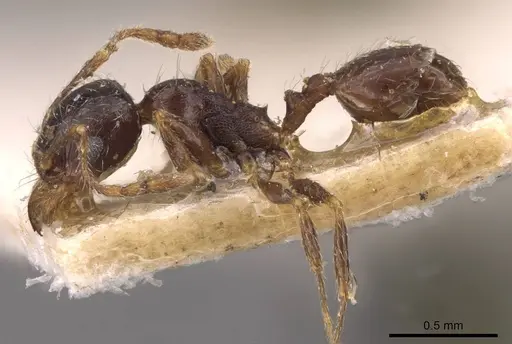
CASENT0913286
View on AntWeb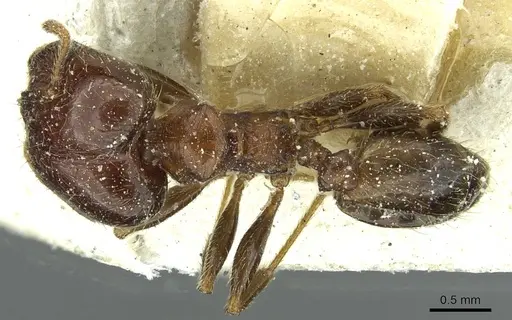
CASENT0913287
View on AntWeb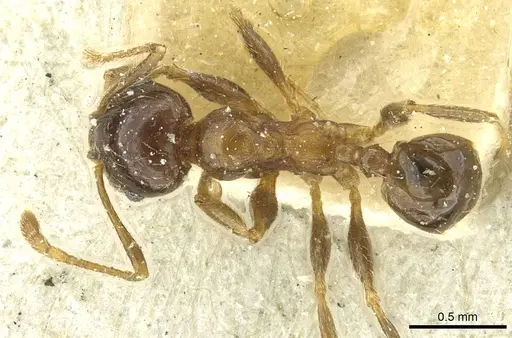
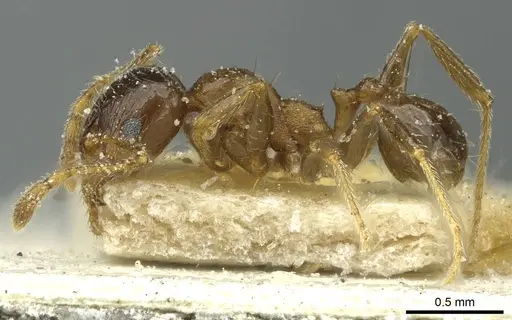
CASENT0922191
View on AntWeb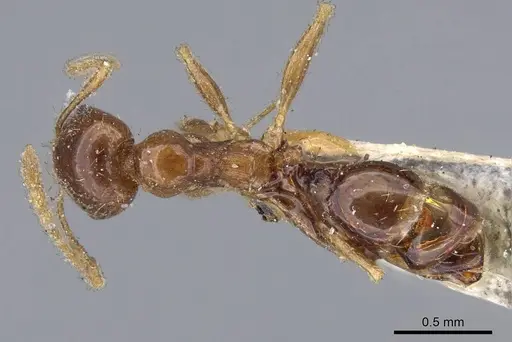
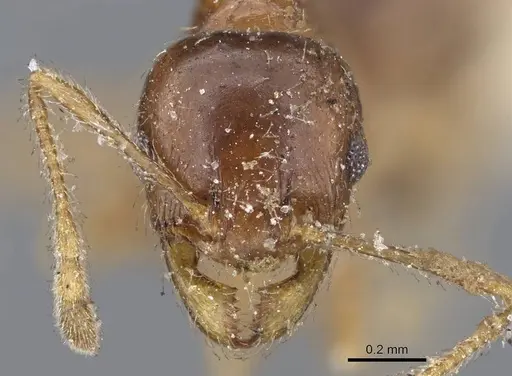
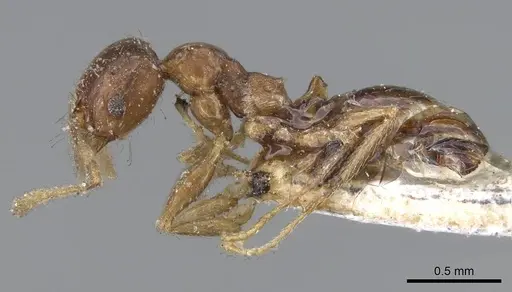
CASENT0922192
View on AntWeb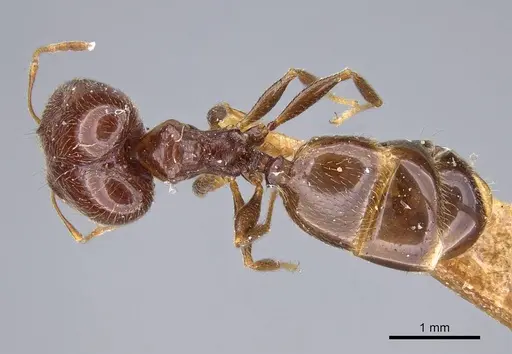
Literature
Loading...Loading products...