
Anoplolepis gracilipes exhibits a clear seasonal activity window. Peak activity is concentrated in June, with the overall period spanning January to December. This extended season suggests multiple flight events or varying conditions across its range.
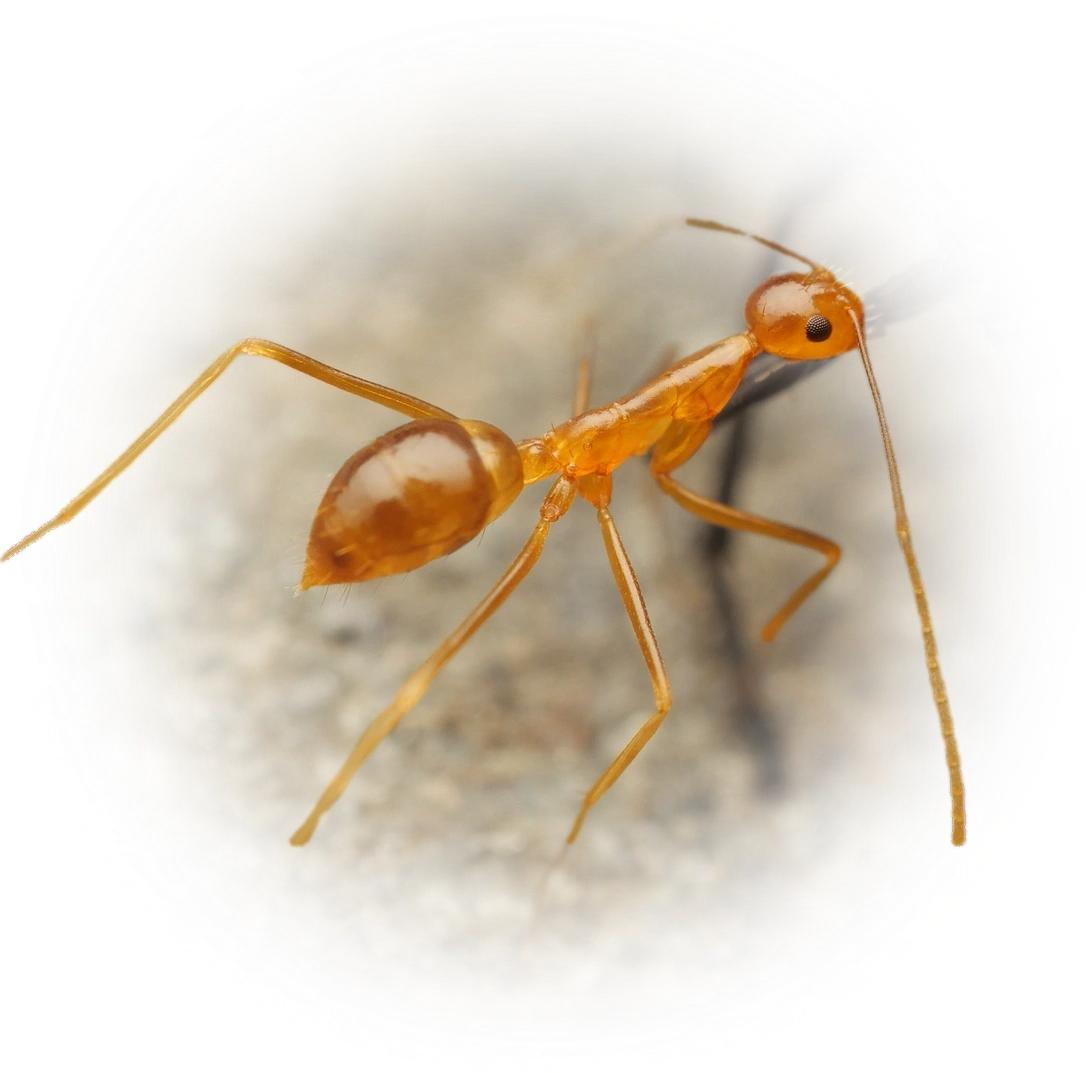
Anoplolepis gracilipes
- Scientific Name
- Anoplolepis gracilipes
- Tribe
- Plagiolepidini
- Subfamily
- Formicinae
- Author
- Smith, 1857
- Common Name
- Ant
- Distribution
- Found in 20 countries
- Nuptial Flight
- from January to December, peaking in June
AI Identifiable
try →
Anoplolepis gracilipes Overview
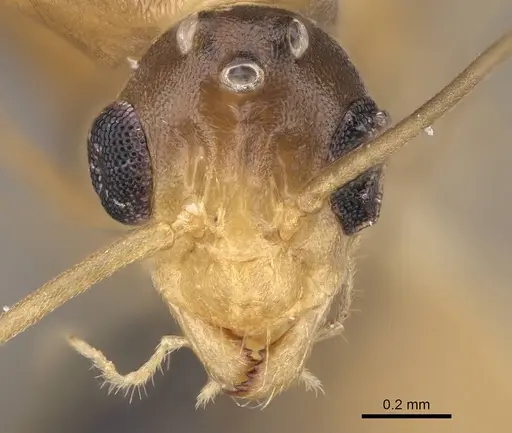
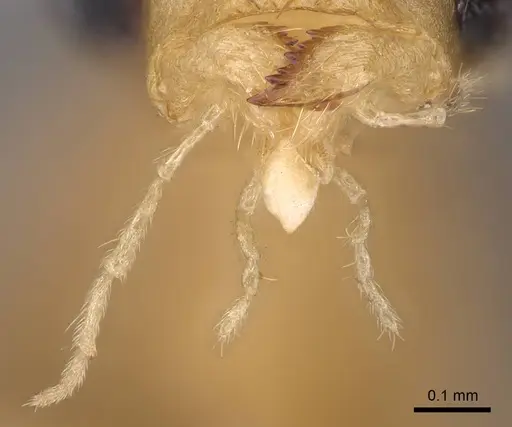
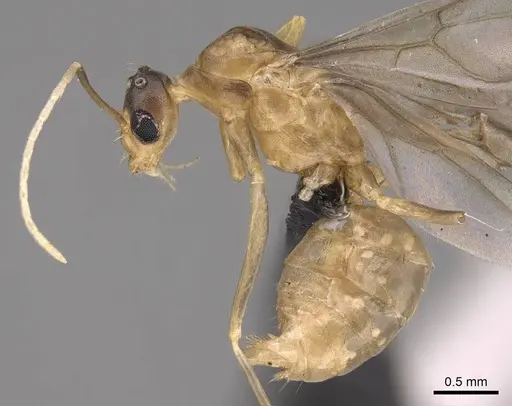
Anoplolepis gracilipes (commonly known as the Ant) is an ant species of the genus Anoplolepis. It is primarily documented in 20 countries , including Australia, China, Fiji. Detailed taxonomic data and occurrence records can be further explored via authoritative databases such as AntWeb or the Global Biodiversity Information Facility (GBIF).
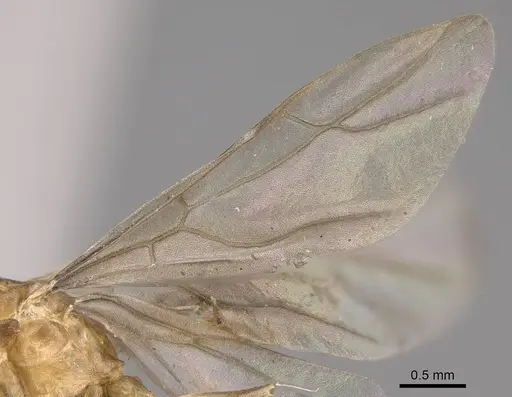
The nuptial flight of Anoplolepis gracilipes is a significant biological event, typically occurring from January to December, peaking in June. During this time, winged queens and males leave the nest to mate and establish new colonies.
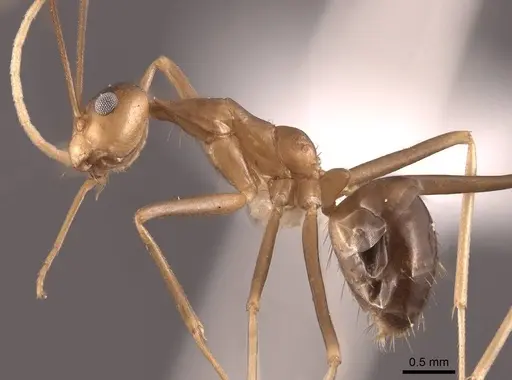
Anoplolepis gracilipes - "Ant"
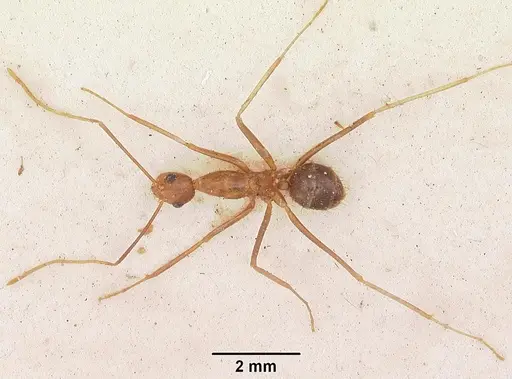
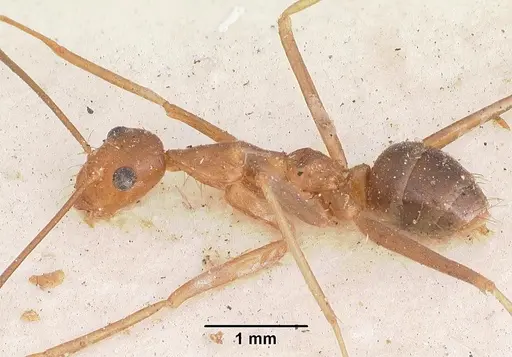
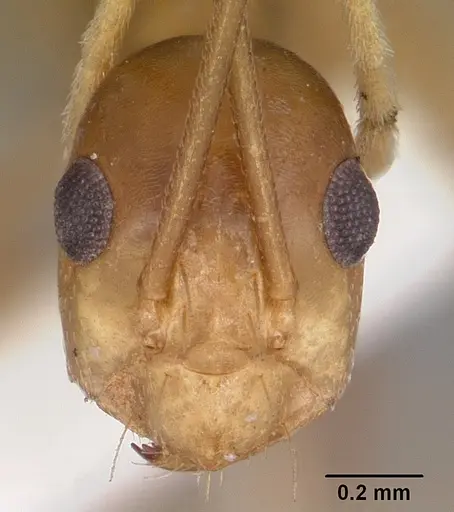
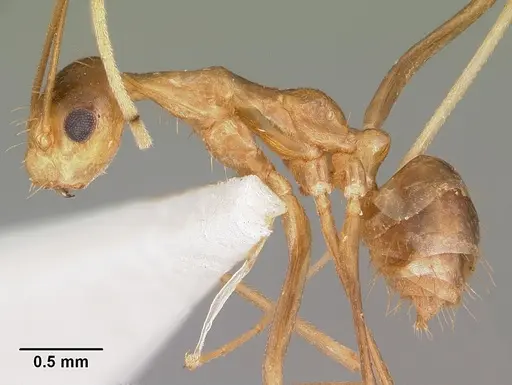
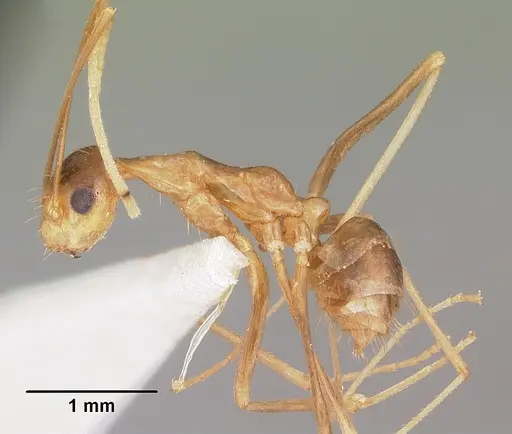
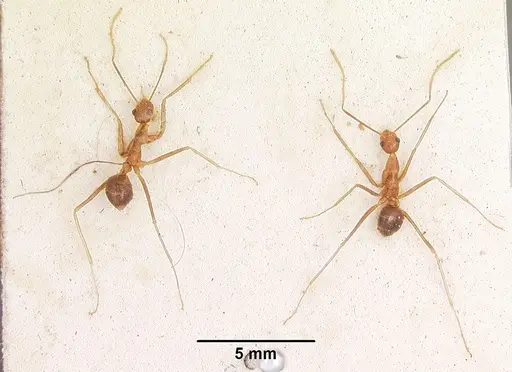
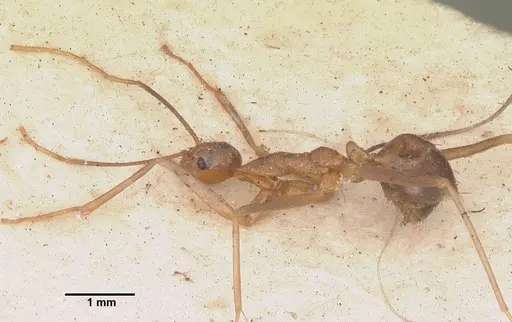
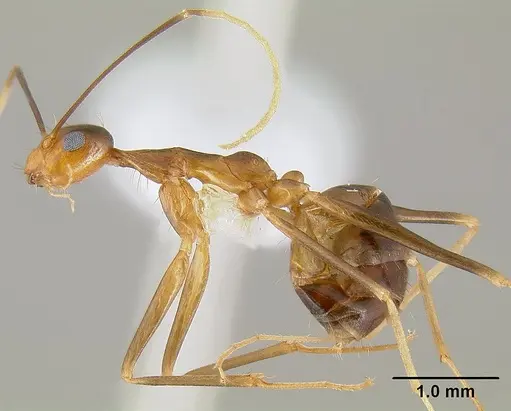
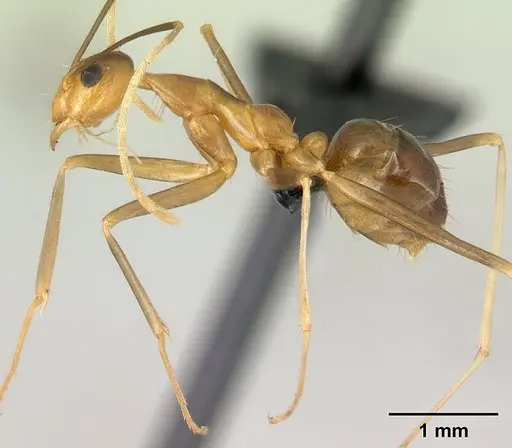
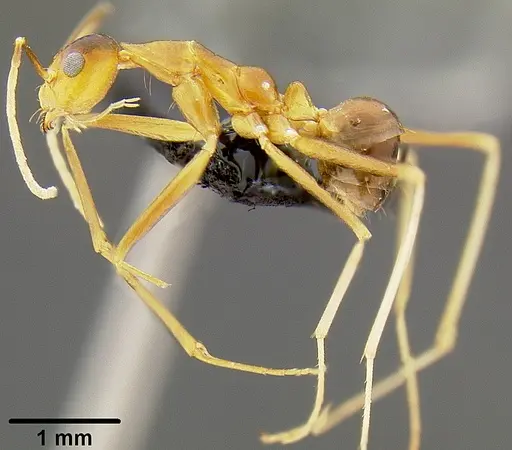
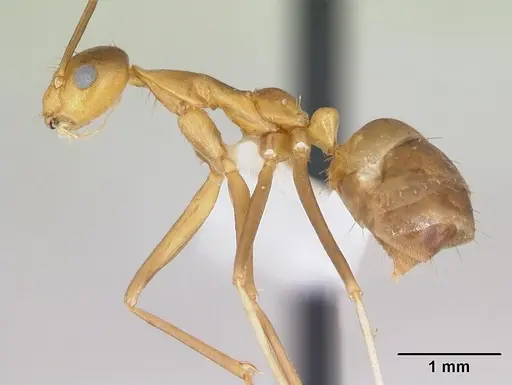
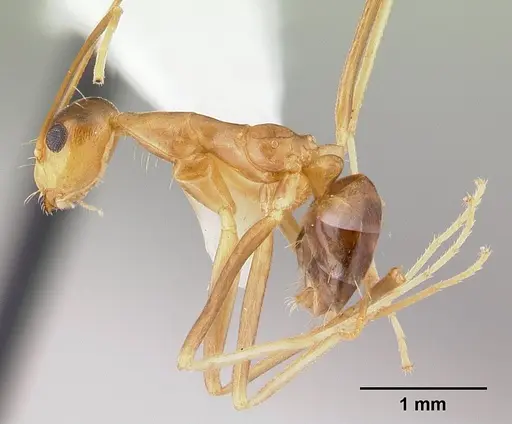
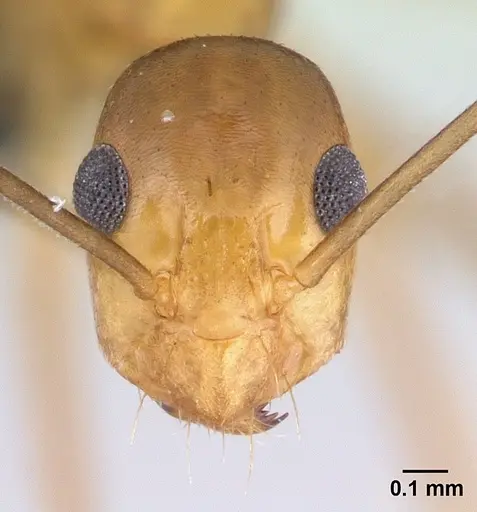
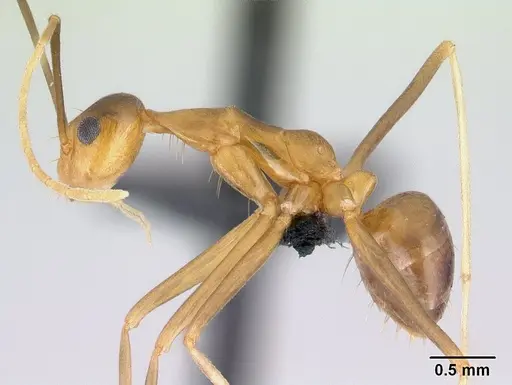
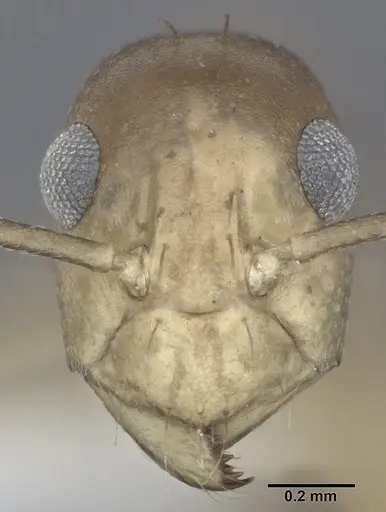
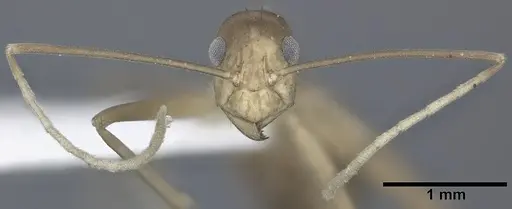
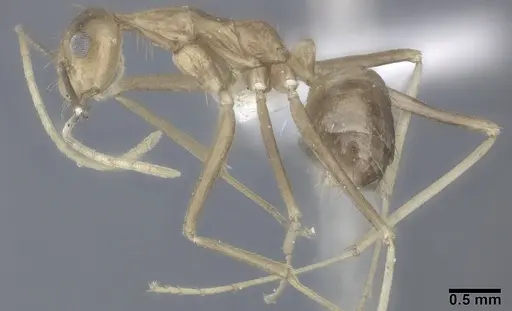
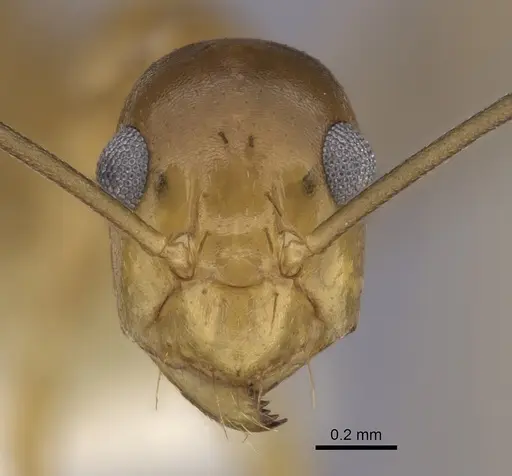
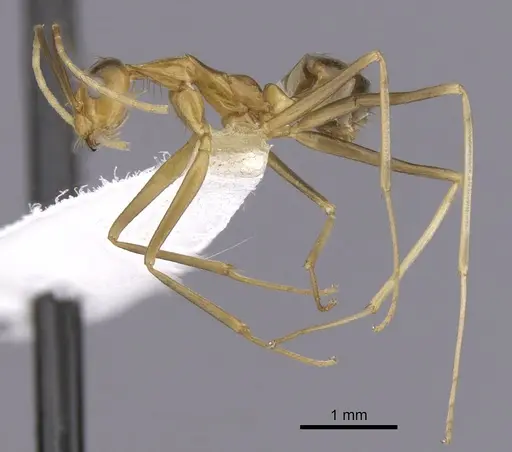
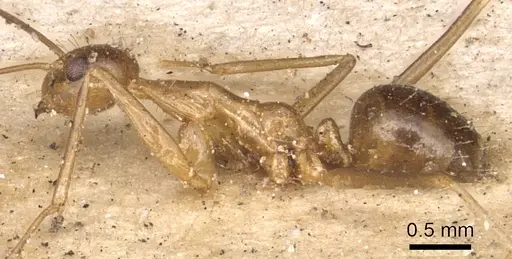
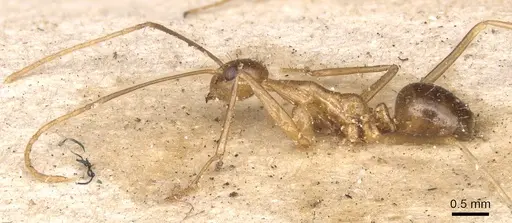
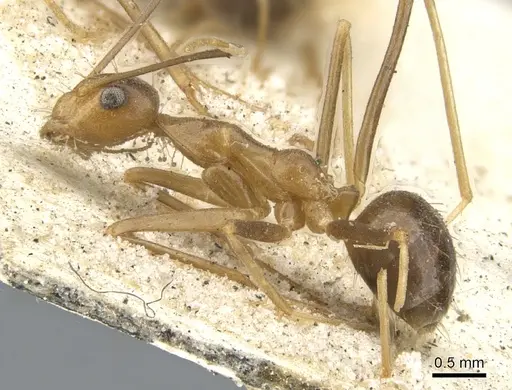
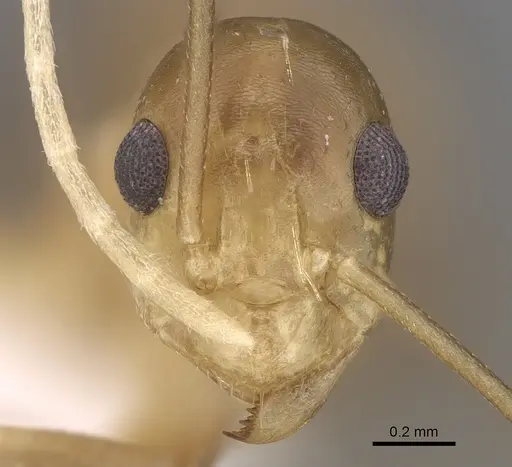
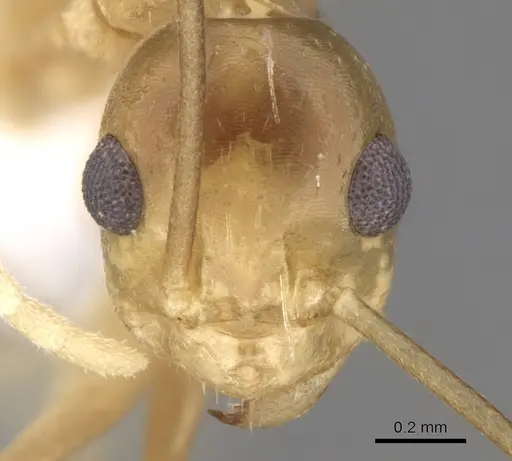
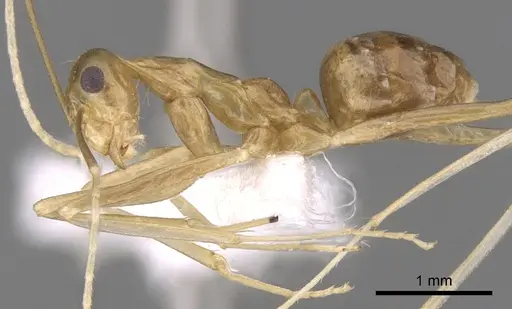
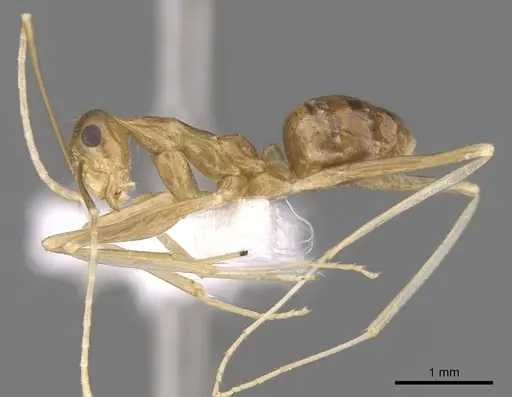
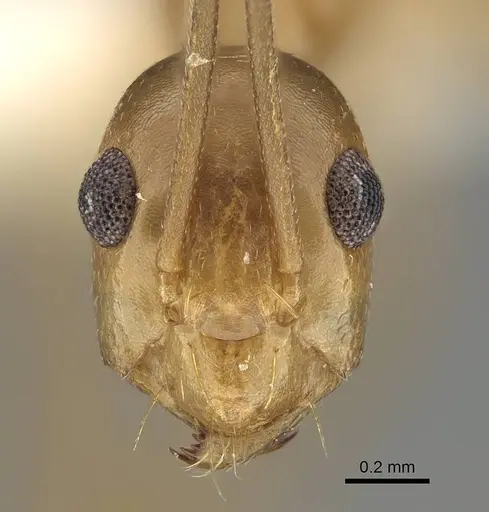
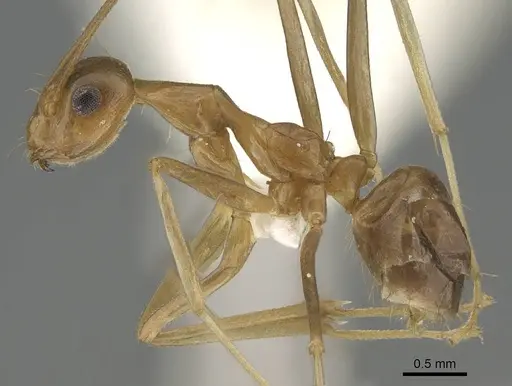
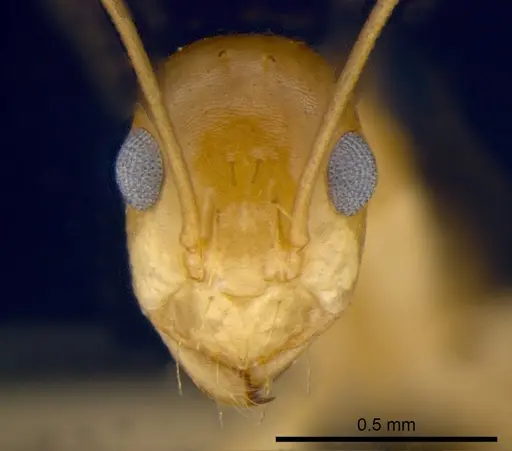
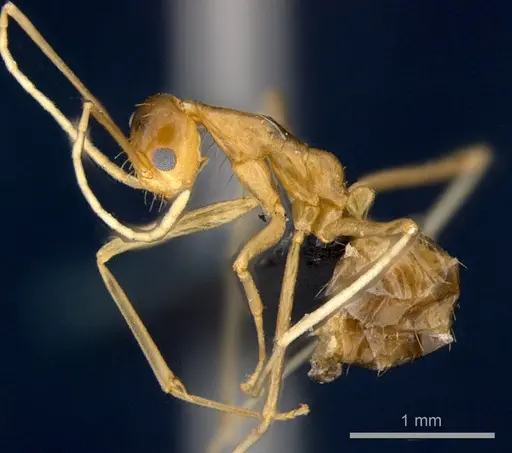
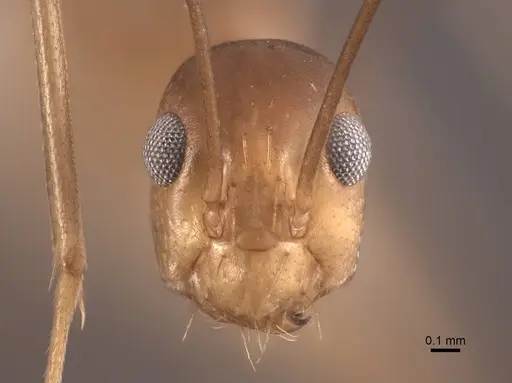
Yellow Crazy Ants are instantly recognizable by their long, spindly legs and erratic, jerky movements when disturbed. Workers are small, yellowish-brown ants around 4-5 mm long with a darker abdomen, very long antennae, and a distinct acidopore at the tip of their gaster [1][2]. Native to tropical regions of Africa or Asia (the exact origin is still debated), they have spread across the globe through human commerce and are now listed among the 100 worst invasive species in the world [3][4]. In the wild, they form massive "supercolonies" that can contain millions of workers and hundreds of queens, dominating landscapes and displacing native wildlife [2][5].
Quick Summary
- Difficulty: Expert
- Origin & Habitat: Native to tropical Africa or Asia (exact origin uncertain), now found in tropical and subtropical regions worldwide including Southeast Asia, the Pacific Islands, Australia, and the Americas [3][4]. They thrive in moist lowland forests, disturbed habitats, and agricultural areas [2].
- Colony Type: Polygyne (multi-queen) supercolonies. Colonies are unicolonial (workers mix freely between nests) and polydomous (occupy multiple nest sites) [2][5].
- Colony: Optionally polygyne, Supercolonial
- Size & Growth:
- Queen: Not explicitly documented in available research, larger than workers, likely 6-8mm based on genus morphology [3].
- Worker: 4-5 mm in length [1][2].
- Colony: Individual nests may contain up to 36,000 workers and 300+ queens, supercolonies can reach densities of 5-20 million ants per hectare [5][4].
- Growth: Fast
- Development: 54-74 days at optimal temperature (eggs: 18-20 days, larvae: 16-20 days, pupae: 20 days) [2]. (Workers live approximately 3-6 months, while queens may live several years [2][5].)
- Antkeeping:
- Temperature: Keep between 25-30°C for optimal activity. They forage between 21-35°C and cease activity above 44°C [2][6].
- Humidity: Maintain moist conditions similar to tropical forest floors. They prefer higher humidity and foraging activity increases with relative humidity [6][7].
- Diapause: No. This is a tropical species that remains active year-round [2].
- Nesting: Provide soil-based setups, naturalistic enclosures with leaf litter, or plaster nests with multiple chambers. They nest under stones, in rotting wood, leaf litter, and soil cracks in nature [5][4].
- Behavior: Highly aggressive and territorial. They spray formic acid from their acidopore to subdue prey and defend territories [2][8]. Workers exhibit erratic, "crazy" movement patterns when disturbed. They are primarily nocturnal but forage day and night when temperatures are suitable [6]. Due to their tiny size and supercolonial nature, they pose an extreme escape risk [4].
- Common Issues: extreme escape risk due to small size (4-5mm) and ability to form supercolonies that spread by budding., legal restrictions apply in many regions, they are a quarantine pest in the United States and Republic of Korea, and illegal to keep or release in Australia and other invaded territories [4][12]., rapid overpopulation leading to massive colony sizes that are difficult to house or control., formic acid spraying can irritate skin and eyes during maintenance., potential to farm scale insects and mealybugs, creating pest problems in adjacent plants [2].
Queen Ant Activity Analysis 172 observations
Queen Activity by Hour 172 observations
Anoplolepis gracilipes queen activity peaks around 21:00 during the night. Activity is spread across a 17-hour window (07:00–23:00). A secondary activity peak occurs around 08:00. Times may be influenced by human observation patterns.
Identification and Physical Traits
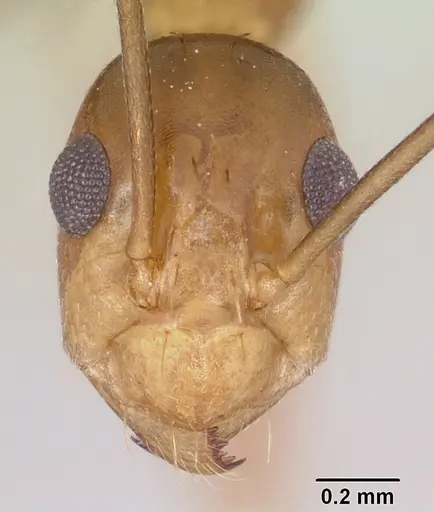
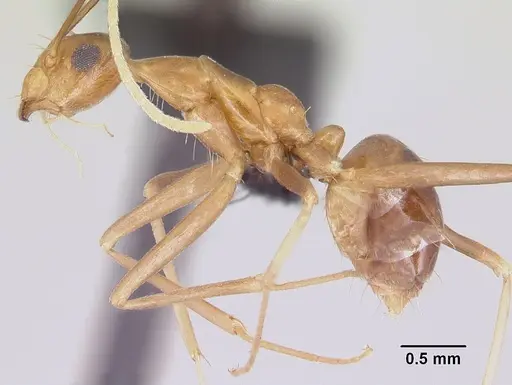
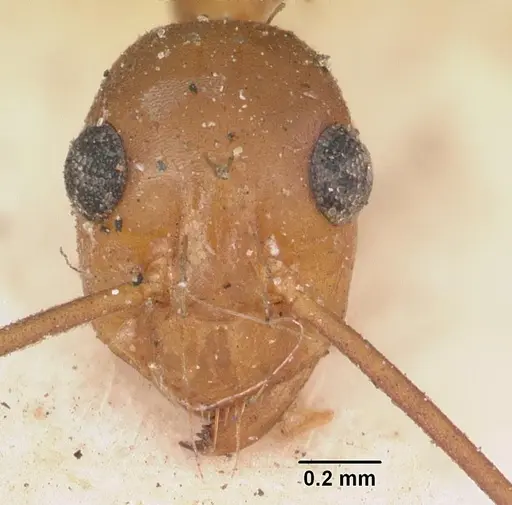
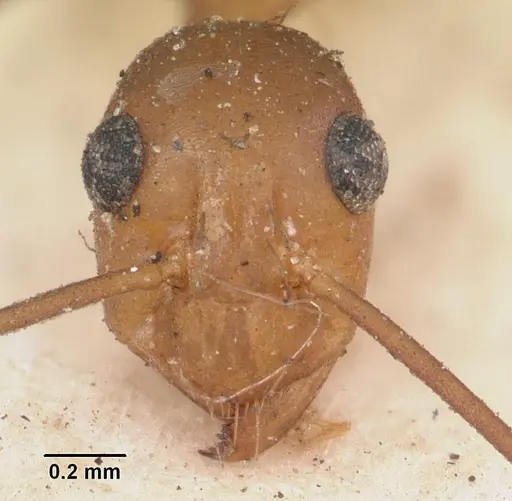
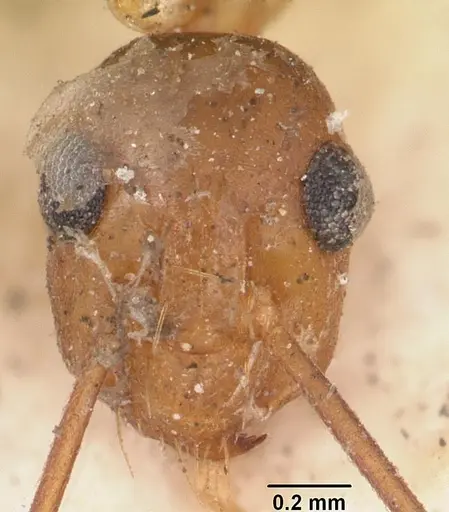
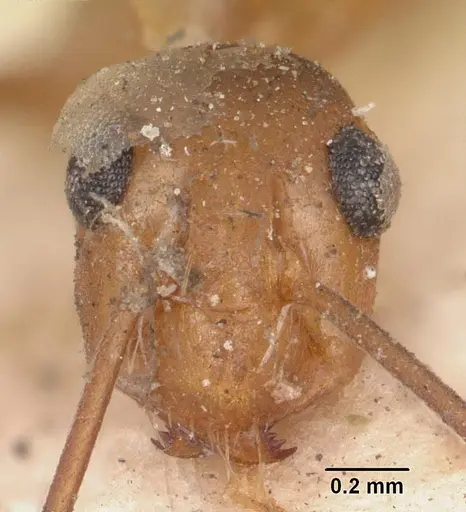
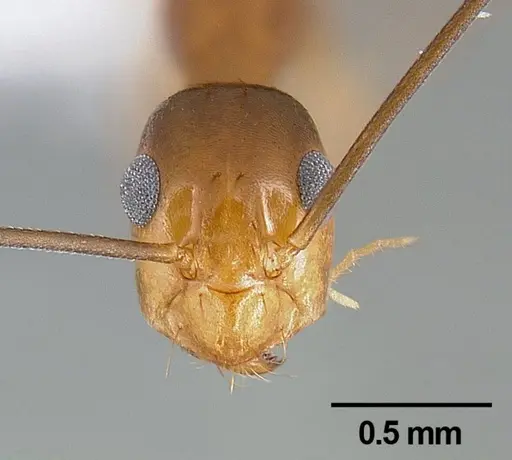
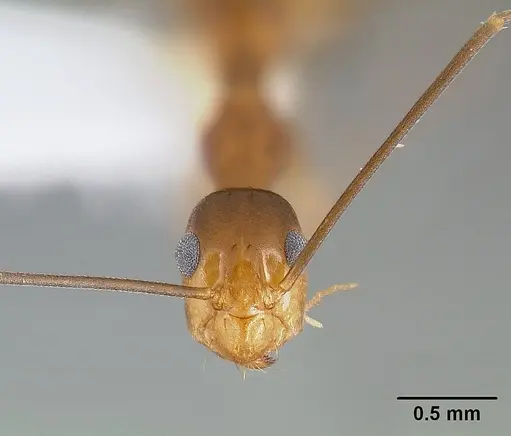
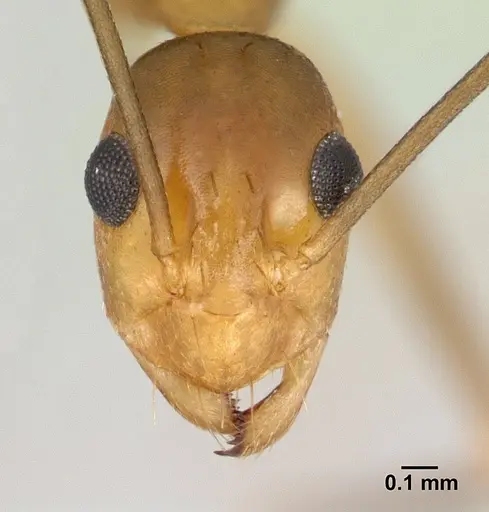
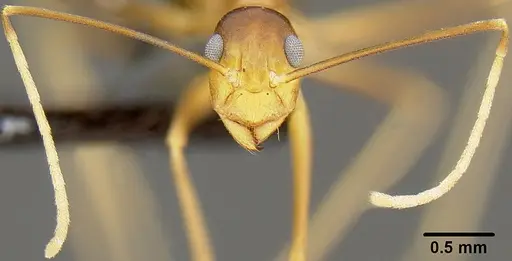
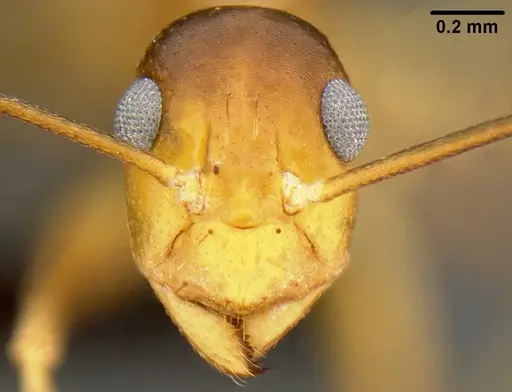
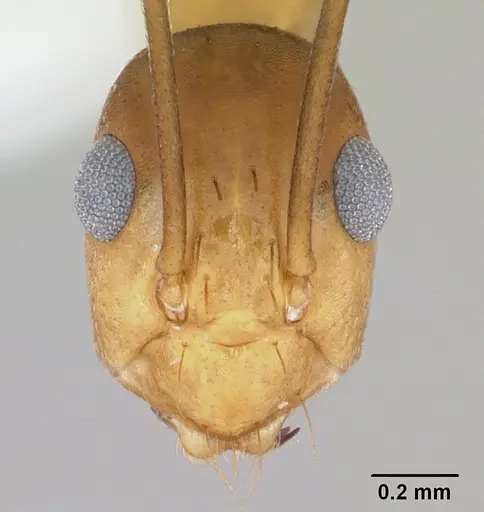
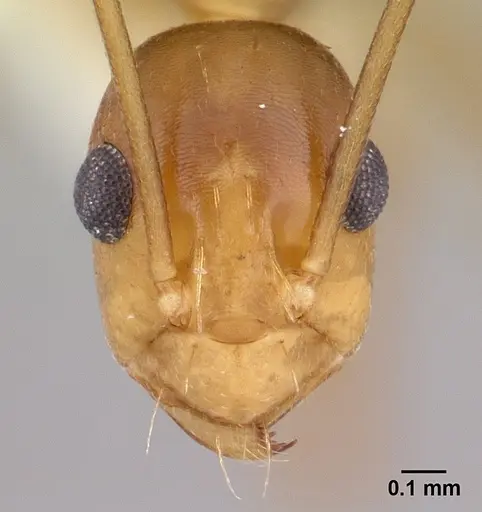
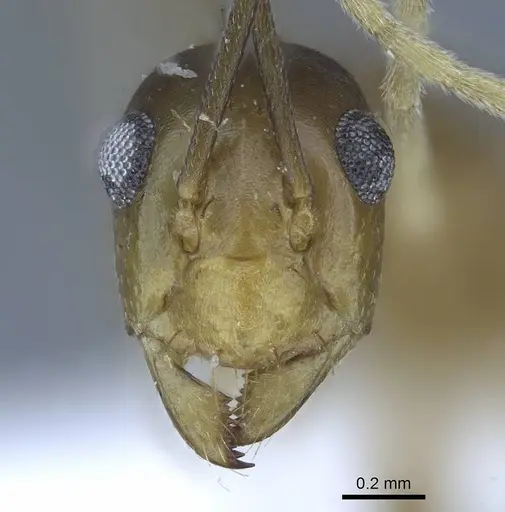
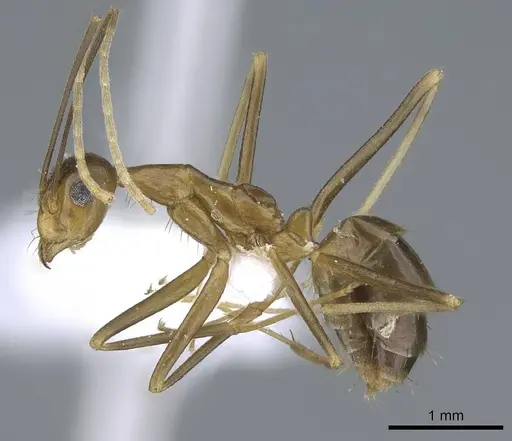
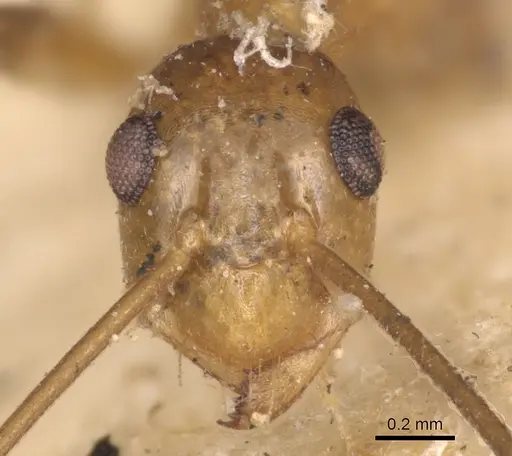
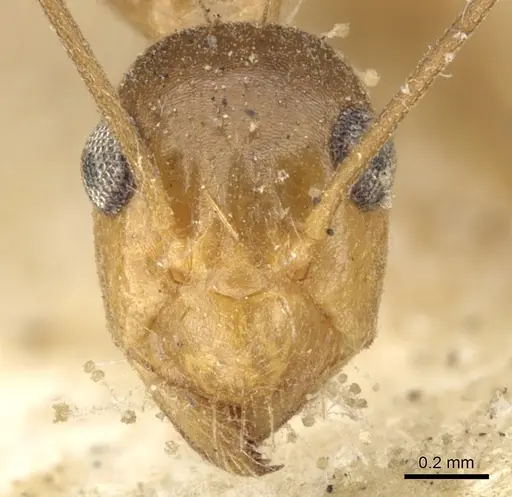
Yellow Crazy Ant workers are monomorphic (all the same size), measuring 4-5 mm in length with a slender, yellowish-brown body and darker abdomen [1][2]. Their most distinctive features are their extremely long legs and antennae, the scapes (first antennal segments) are 1.5 to 2 times longer than the head [2]. They have 11-segmented antennae and a well-developed acidopore (a small circular opening) at the tip of the gaster, which they use to spray formic acid [2][8]. When disturbed, they move with characteristic erratic, rapid movements that give them their "crazy" name. They do not possess a stinger [2].
Supercolony Biology and Structure
These ants form massive supercolonies with a polygynous (multi-queen) and polydomous (multi-nest) structure. A single nest can contain up to 300 queens and 36,000 workers, and supercolonies can span hectares containing millions of ants [5][4]. Within a supercolony, workers show no aggression toward each other and move freely between nests [9]. New colonies spread primarily through budding, where queens leave the nest accompanied by workers and brood to establish new sites nearby [2][5]. Mating flights are rare, reproduction typically occurs through intranidal mating (mating inside the nest) [9][2].
Housing and Escape Prevention
Due to their small size (4-5 mm) and supercolonial nature, Yellow Crazy Ants require exceptional escape prevention. You must use Fluon (PTFE) barriers on all vertical surfaces, fine mesh screens (under 1mm) on ventilation, and tight-fitting lids [4]. They are adept at finding gaps and will form new colonies through budding if even a few workers and a queen escape. Naturalistic setups with soil, leaf litter, and flat stones work well for larger colonies, but ensure the enclosure is absolutely secure. Test tubes can be used for small colonies but will be outgrown quickly [2].
Temperature and Humidity Requirements
Keep your colony at 25-30°C for optimal activity and brood development [2][6]. They tolerate temperatures between 21-35°C but cease foraging above 44°C [2]. Unlike temperate ants, they do not require hibernation and remain active year-round. Maintain moist substrate conditions similar to tropical forest floors, as their foraging activity positively correlates with relative humidity [6]. Allow for a slight moisture gradient within the nest so ants can choose their preferred microclimate.
Feeding and Diet
Yellow Crazy Ants are omnivorous scavengers and predators. In captivity, provide a constant source of carbohydrates such as sugar water, honey, or fruit, as honeydew makes up approximately 50% of their wild diet [2][5]. They also require protein in the form of live or dead insects (crickets, mealworms, fruit flies) and small invertebrates. They are known to prey on isopods, earthworms, and even small vertebrates in the wild [2][5]. They readily accept liquid baits and show strong preference for sugary foods [10][11].
Behavior and Defense
These ants are highly aggressive toward other insects and defend their territory vigorously. Their primary weapon is formic acid, which they spray from their acidopore toward opponents' faces [8][2]. They are known to attack and kill much larger prey, including crabs, birds, and reptiles, by swarming them and spraying acid into their eyes and mouthparts [4]. Workers are active both day and night but prefer foraging during dusk and night when temperatures are moderate [6]. They exhibit rapid, erratic movement patterns when the colony is disturbed.
Legal Status and Ethical Warnings
Yellow Crazy Ants are listed among the world's 100 worst invasive alien species by the IUCN [4][3]. They are illegal to import, keep, or release in many countries including Australia, New Zealand, and the United States (where they are a quarantine pest) [4][12]. In invaded regions like Christmas Island and the Seychelles, they have caused ecological devastation, killing millions of native land crabs and forming supercolonies that destroy local ecosystems [4][13]. Never release these ants into the wild. Ensure you understand your local laws before acquiring this species, as keeping them may require special permits or be prohibited entirely.
Frequently Asked Questions
How long until Anoplolepis gracilipes gets its first workers?
Development from egg to worker takes approximately 54-74 days under optimal conditions (25-30°C). Eggs take 18-20 days, larvae 16-20 days, and pupae about 20 days [2].
Can I keep multiple Yellow Crazy Ant queens together?
Yes. This species is highly polygynous and forms supercolonies with hundreds of queens living together peacefully [2][5].
Do Anoplolepis gracilipes need hibernation?
No. They are a tropical species and remain active year-round. They do not require a diapause or winter rest period [2].
Why are they called 'crazy' ants?
They get their name from their erratic, jerky, and rapid movement patterns when disturbed or foraging, unlike the straight trails formed by many other ant species [2][3].
Are Yellow Crazy Ants dangerous to humans?
They cannot sting, but they spray formic acid which can irritate skin and eyes. They are not generally aggressive toward humans unless handled, but their acid spray can be unpleasant [2][4].
How big do Anoplolepis gracilipes colonies get?
Individual nests can reach 36,000 workers, but in the wild they form supercolonies containing millions of ants and hundreds of queens spread across hectares [5][4].
What is the best temperature for Anoplolepis gracilipes?
Keep them between 25-30°C. They forage most actively at these temperatures and will cease activity above 44°C [2][6].
What do Anoplolepis gracilipes eat?
They are omnivores. Feed them sugar water, honey, or fruit for carbohydrates, and live or dead insects (crickets, mealworms) for protein. They naturally consume honeydew, plant nectar, and small animals [2][5].
Is it legal to keep Yellow Crazy Ants?
In many countries, including Australia, New Zealand, and the United States, it is illegal to keep or import Yellow Crazy Ants without special permits. Check your local laws carefully, as they are a designated invasive pest [4][12].
References

This caresheet is licensed under CC BY-SA 4.0 .
CASENT0010635
View on AntWeb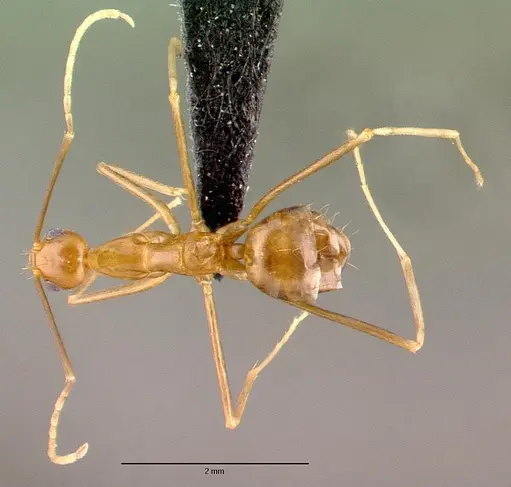
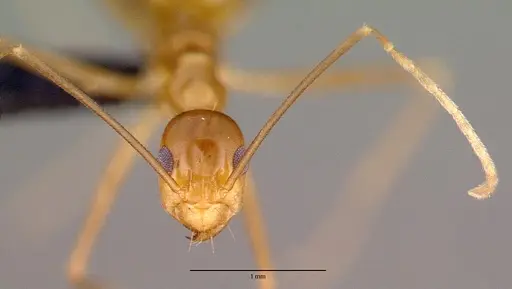
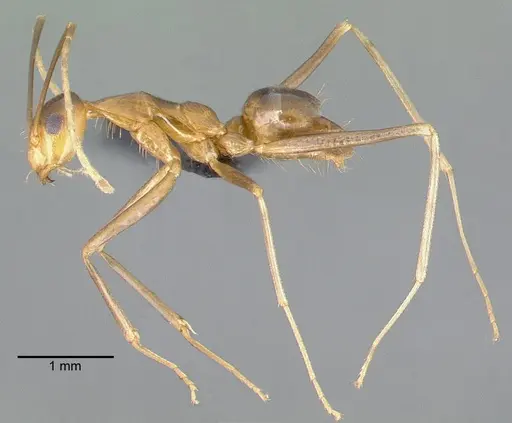
CASENT0064816
View on AntWeb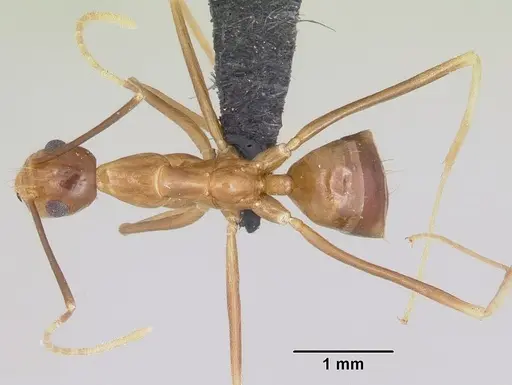
CASENT0102951
View on AntWeb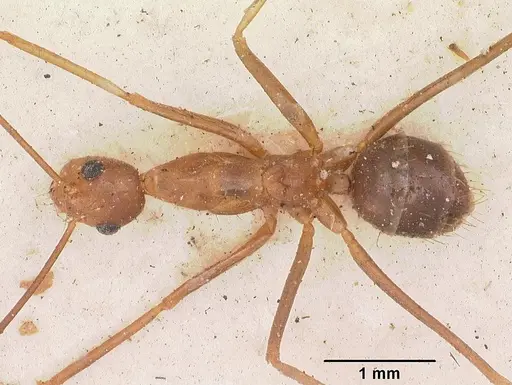
CASENT0102965
View on AntWeb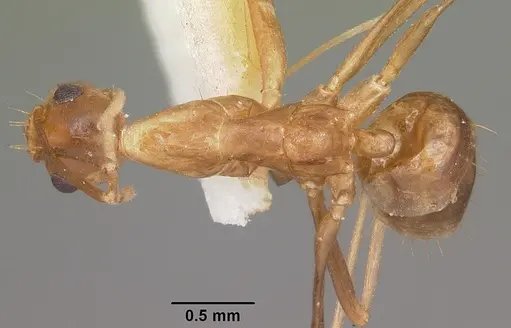
CASENT0103001
View on AntWeb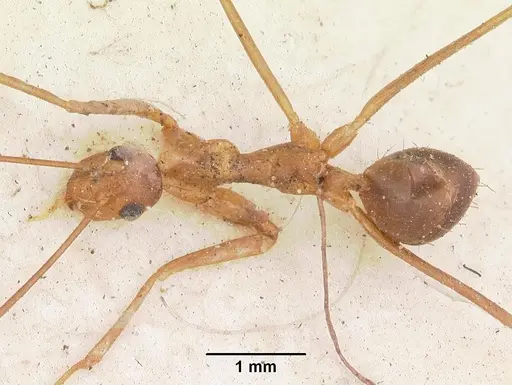
CASENT0106057
View on AntWeb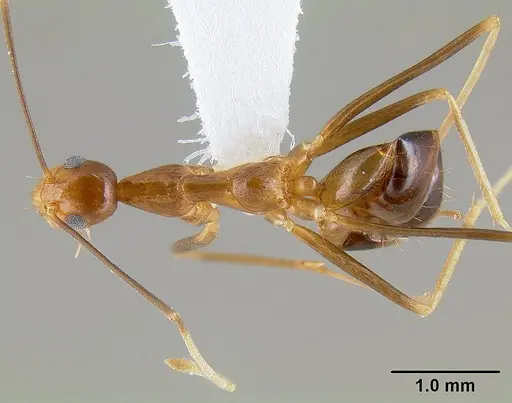
CASENT0125111
View on AntWeb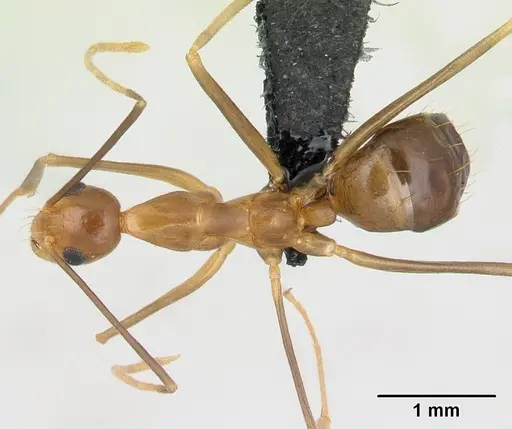
CASENT0158950
View on AntWeb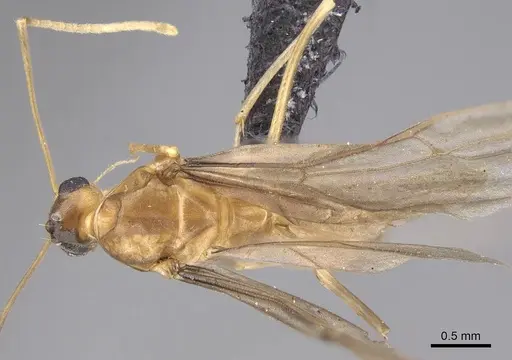
CASENT0171031
View on AntWeb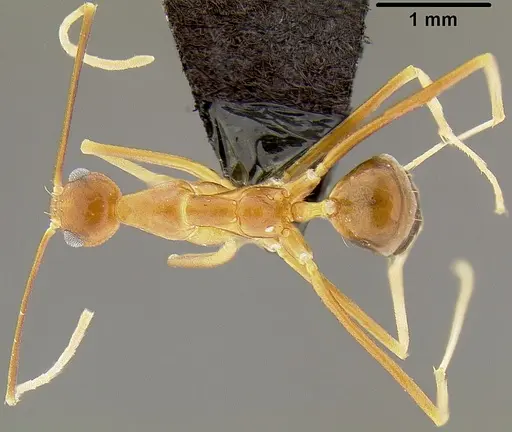
CASENT0172799
View on AntWeb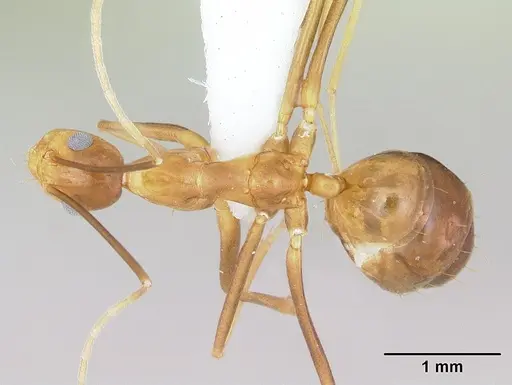
CASENT0178351
View on AntWeb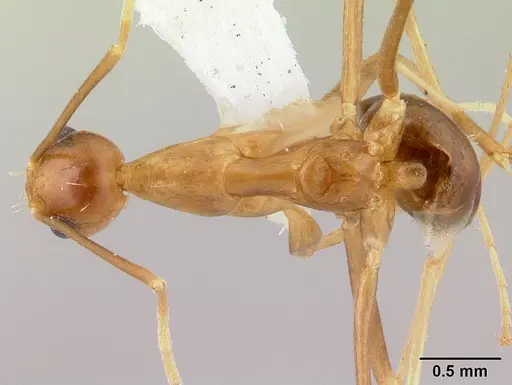
CASENT0188536
View on AntWeb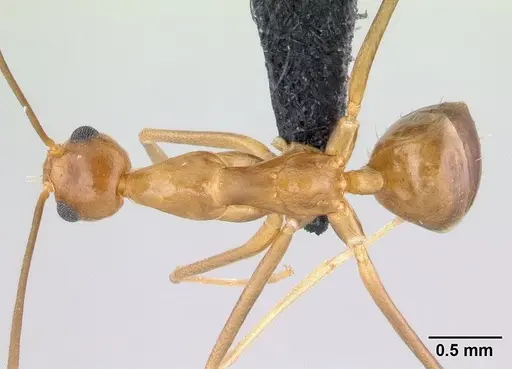
CASENT0246608
View on AntWeb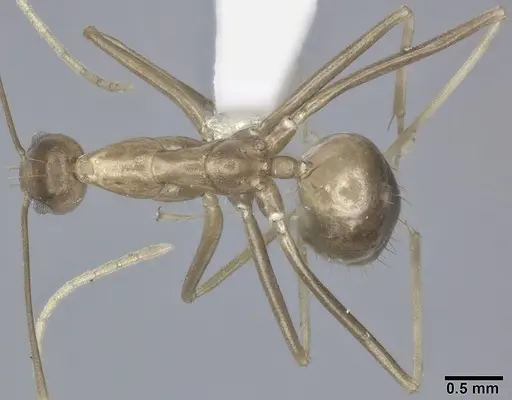
CASENT0249930
View on AntWeb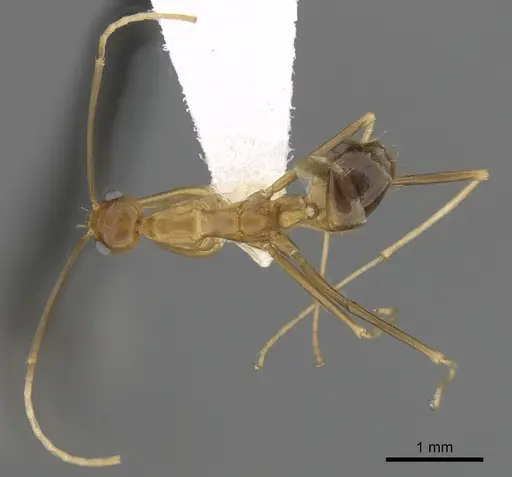
CASENT0740799
View on AntWeb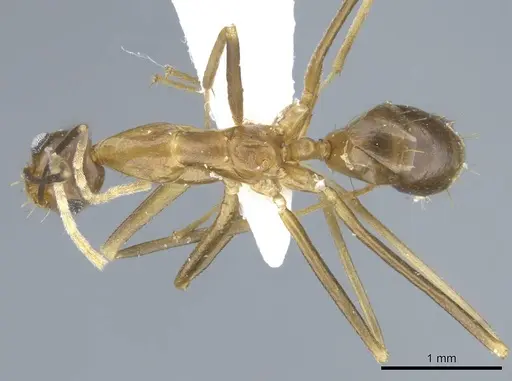
CASENT0901928
View on AntWeb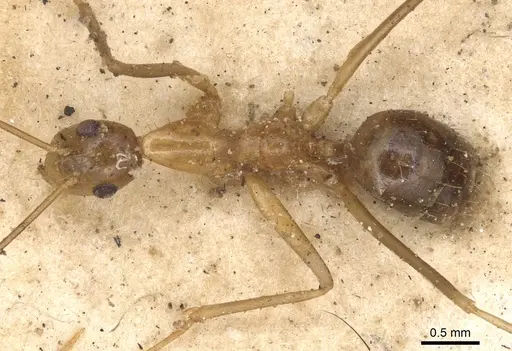
CASENT0903237
View on AntWeb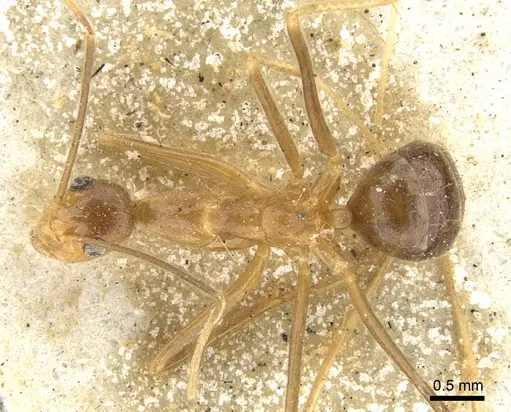
CASENT0906442
View on AntWeb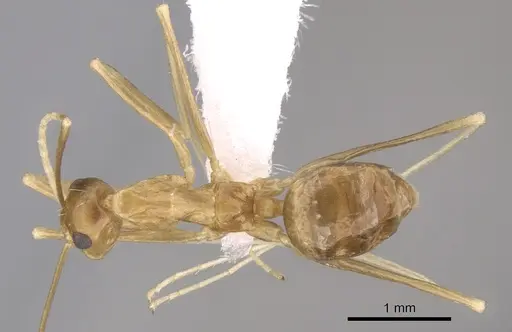
CASENT0919867
View on AntWeb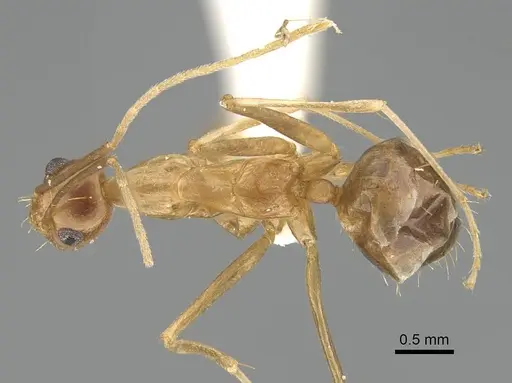
CSIRONC0202
View on AntWeb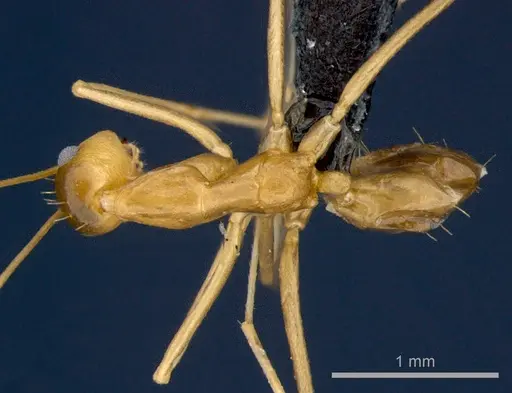
FMNHINS0000065367
View on AntWeb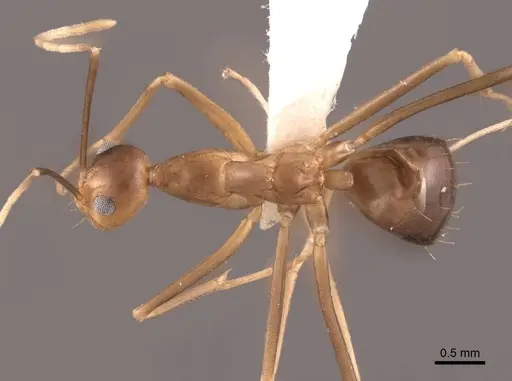
Literature
Loading...Loading products...