Pheidole cicatricosa - "N/A"
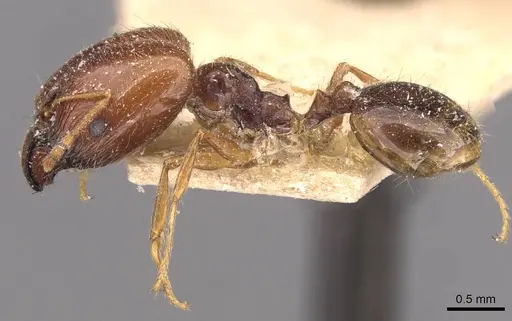
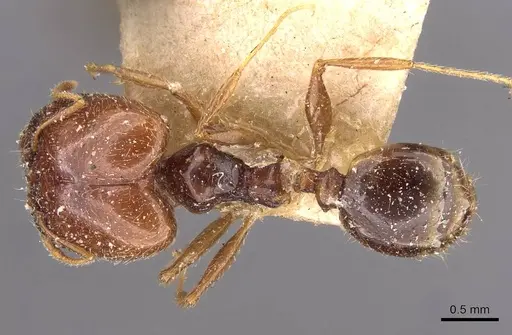
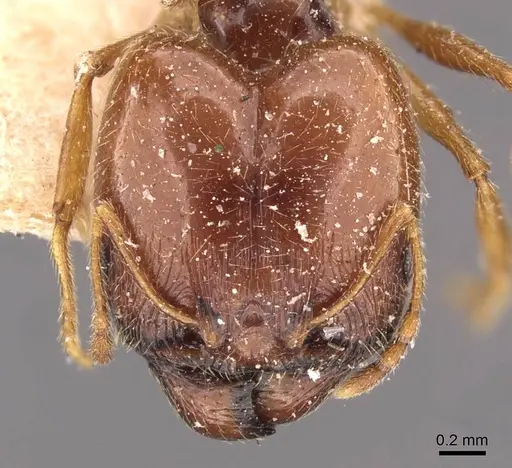
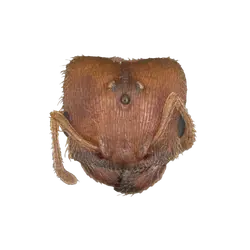
Pheidole cicatricosa is an ant species known for its dimorphic worker caste, meaning colonies contain both smaller 'minor' workers and larger 'major' workers, often called 'soldiers.' The major workers are easily identified by their disproportionately large heads and powerful mandibles, which they use for defense and cracking seeds. The general coloration of P. cicatricosa is dark red-brown, with their gaster and mandibles often appearing darker. These ants are widely distributed, primarily found in warmer regions across the Afrotropical and Palaearctic regions. They are known to be quite active and can form sizable colonies, making them an engaging species to observe in an ant setup.
- Difficulty: Medium
- Origin & Habitat: Africa (e.g., Algeria, Egypt, Mali) and Palaearctic Region (e.g., Iran, Israel, Spain) in Montane, moderate rainfall areas, park grounds, dry cactus gardens, open grasslands, open forests, and in soil and leaf litter..
- Colony Type: Monogyne, though some Pheidole species can be polygyne, information specific to P. cicatricosa is limited. Generally assumed monogyne unless specified., claustral founding.
- Size & Growth:
- Queen: up to 10mm
- Worker: 1.5-4.5mm
- Colony: Large (tens of thousands). Fast growth.
- Antkeeping:
- Temperature: These ants thrive in a temperature range of 24-28°C, which is typical for many ant species. They can tolerate temperatures between 21-30°C, but maintaining the optimal range will ensure better colony health and growth..
- Humidity: The outworld humidity should be kept above 50%, while the nest itself requires higher humidity, ideally between 60-80%. It's crucial to avoid overly damp conditions in the nest to prevent issues..
- Diapause: Not required. Not specified at Not specified.
- Nesting: Pheidole cicatricosa can adapt to various artificial nest types. They commonly nest in exposed soil, under objects on the ground, in rotting wood, and debris piles in their natural habitat, suggesting they would do well in setups that mimic these conditions, such as acrylic, ytong, or natural soil/sand nests. A nest with a humidity gradient is recommended to allow the ants to choose their preferred conditions..
- Behavior: Medium (towards other ants, but low towards handler) aggressiveness.
- Common Issues: Escapes due to small worker size, Humidity fluctuations, Overfeeding leading to waste.
Pheidole cicatricosa, like other Pheidole species, is characterized by its dimorphic worker caste, consisting of smaller minor workers and significantly larger major workers, often called 'soldiers.' These majors possess formidable heads and mandibles, primarily used for defense and processing harder food items like seeds. Observing these two distinct worker forms in action, especially during foraging or when tackling larger prey, is one of the most fascinating aspects of keeping this species. Their specialized roles within the colony demonstrate an impressive level of organization and efficiency.
This species is known for its relatively fast colony growth rate, meaning a founding queen can quickly establish a thriving colony with numerous workers. Given their potential for rapid expansion, it's essential for keepers to plan for adequate space, such as an expanding formicarium or multiple interconnected setups, to accommodate their increasing numbers. Providing a spacious outworld is also beneficial, as they are quite active foragers and enjoy exploring their environment, which offers excellent viewing opportunities.
Pheidole ants, including P. cicatricosa, are generalist feeders and have a voracious appetite. Their diet should be diverse, including a good source of protein from various insects and a consistent supply of liquid sugars like sugar water or honey-water. They are also known to consume seeds, with major workers playing a crucial role in cracking them. While they are not overly picky, offering a variety of food items can prevent them from rejecting the same protein source if offered repeatedly. Experimenting with different insect types and seed varieties will help ensure they receive a balanced diet and keep them engaged.
Despite their aggressive tendencies towards other ant species in the wild, Pheidole ants are generally considered docile towards handlers, making them suitable for beginners who are careful with their tiny size. However, their small size also means they can easily escape through tiny cracks, so secure setups are paramount to prevent escapes. Due to their quick movements and high activity levels, maintaining a secure enclosure becomes even more critical to keep your colony contained and thriving.
Frequently Asked Questions
What makes Pheidole cicatricosa a good species for antkeepers?
Pheidole cicatricosa is an engaging ant species due to its fascinating dimorphic worker caste, where you'll see both nimble minor workers and stout-headed major 'soldiers.' They're quite active, grow their colonies quickly, and are generally manageable for those new to antkeeping, offering a rewarding observation experience. Their adaptability to various nest setups also adds to their appeal for enthusiasts.
How big do Pheidole cicatricosa colonies get?
These colonies can grow quite large, often reaching into the tens of thousands of workers. Their rapid growth means you'll see your colony expand significantly over time, so ensure you have a formicarium that can accommodate their increasing numbers, perhaps with modular additions or larger outworlds for foraging.
What's the ideal temperature for Pheidole cicatricosa?
For optimal health and development, Pheidole cicatricosa thrive best when kept between 24-28°C. While they can tolerate a wider range from 21-30°C, consistently maintaining the warmer side of this spectrum will encourage faster brood development and overall colony vigor. A heat mat or lamp with a thermostat is often a great way to achieve this stability.
Do they need a specific humidity level in their nest?
Absolutely! Pheidole cicatricosa require a good humidity gradient. Aim for an outworld humidity above 50%, and keep the nest area itself more humid, ideally between 60-80%. Crucially, avoid letting the nest become waterlogged or overly damp, as this can lead to mold issues. A well-designed formicarium with a hydration system will help you maintain these conditions.
What do Pheidole cicatricosa eat?
These ants are generalist feeders with hearty appetites! Their diet should be diverse, including plenty of protein from various feeder insects like crickets, mealworms, or fruit flies. They also relish liquid sugars such as diluted honey or sugar water. Don't forget their love for seeds; the major workers are specially equipped to crack them open, so offering a mix of small seeds is beneficial for a balanced diet.
Are Pheidole cicatricosa prone to escaping?
Yes, Pheidole species, including P. cicatricosa, are notorious for their small worker size, which makes them excellent escape artists. A highly secure setup with no tiny gaps or cracks is crucial. Using a proper barrier such as fluon or talcum powder on the edges of your outworld can help prevent your diligent foragers from venturing out of bounds.
Do Pheidole cicatricosa sting or bite?
While Pheidole ants do possess a small stinger, it's generally too weak to pose a threat to human skin and is primarily used for chemical communication, such as laying odor trails. Their main defense is their powerful bite from the major workers, though they are typically not aggressive towards handlers. You're more likely to observe them being aggressive towards food items or other ant species.
Is diapause required for Pheidole cicatricosa?
No, Pheidole cicatricosa are typically active year-round and do not require a diapause (hibernation period). This makes them a great choice for antkeepers who prefer to observe their colonies continuously without a seasonal dormancy period.
How long does it take for eggs to become workers?
The development from egg to adult worker for Pheidole cicatricosa typically takes around 4-6 weeks, provided optimal temperature and humidity conditions are met. Their relatively fast brood development contributes to their quick colony growth, allowing you to see new workers emerge regularly.
What kind of nest is best for Pheidole cicatricosa?
Pheidole cicatricosa are quite adaptable. They can thrive in various artificial nest setups, including acrylic nests, ytong/aerated concrete nests, or even natural soil/sand setups. The most important factor is providing a design that allows for a humidity gradient and offers enough space for their growing colony and active foraging.
How aggressive are Pheidole cicatricosa?
Towards other ant species, Pheidole cicatricosa can be quite aggressive, especially when defending their territory or overwhelming prey. However, when it comes to interaction with antkeepers, they are generally low-aggression and not prone to biting or stinging. Their defensive behaviors are primarily directed at rivals in their natural habitat or large prey items.
Can I keep multiple queens together?
While some Pheidole species exhibit polygyny (multiple queens), Pheidole cicatricosa is generally considered monogyne (single queen). Therefore, it's best to keep only one queen per colony to ensure long-term stability and to prevent potential conflicts that might arise from co-habitating queens in a monogyne species.
Are they good for beginners?
Yes, Pheidole cicatricosa can be a good species for beginners, especially those who appreciate active colonies and the unique major worker caste. Their relatively fast growth and general hardiness make them forgiving, but vigilance against escapes due to their small size is paramount. Overall, they offer a highly engaging antkeeping experience.
What are the major workers used for?
The major workers, often called 'soldiers,' serve several vital functions in a Pheidole cicatricosa colony. Their most noticeable roles are colony defense, using their large heads and strong mandibles to fend off threats, and processing tough food items, such as cracking open seeds. They are also involved in breaking down larger insect prey for the smaller minor workers to transport.
Do they require a large outworld?
Given their active foraging behavior, providing a reasonably sized outworld is highly recommended for Pheidole cicatricosa. A spacious outworld allows them ample room to explore, forage for food, and dispose of waste, mimicking their natural environment and providing excellent viewing opportunities for the antkeeper. It also helps in maintaining cleaner nest conditions.