

Odontomachus montanus
- Scientific Name
- Odontomachus montanus
- Tribe
- Ponerini
- Subfamily
- Ponerinae
- Author
- Stitz, 1925
- Distribution
- Found in 1 countries
Odontomachus montanus Overview
Odontomachus montanus is an ant species of the genus Odontomachus. It is primarily documented in 1 countries , including Papua New Guinea. Detailed taxonomic data and occurrence records can be further explored via authoritative databases such as AntWeb or the Global Biodiversity Information Facility (GBIF).
Odontomachus montanus
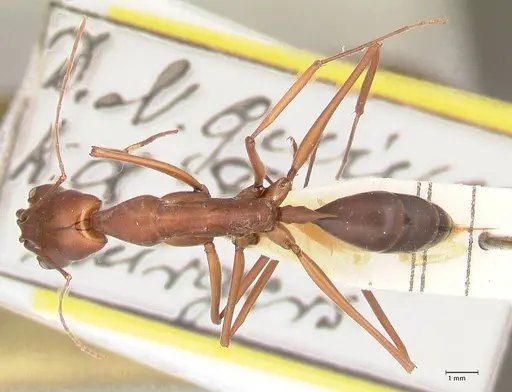
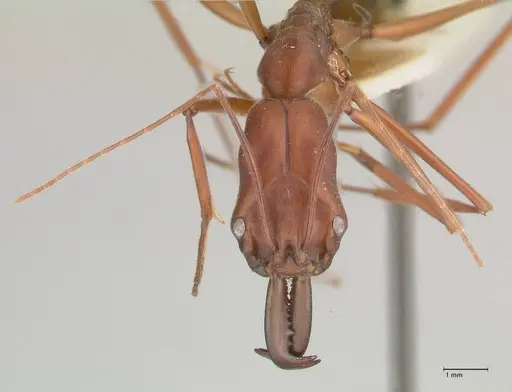
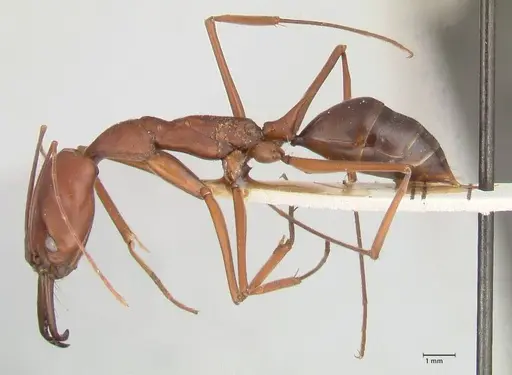
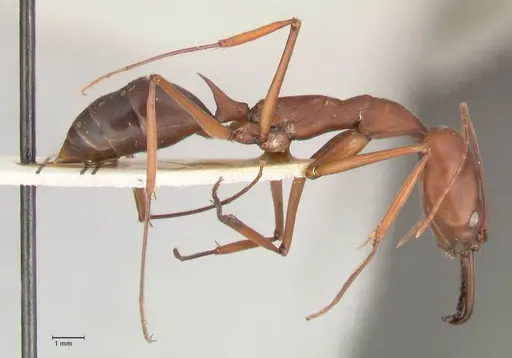
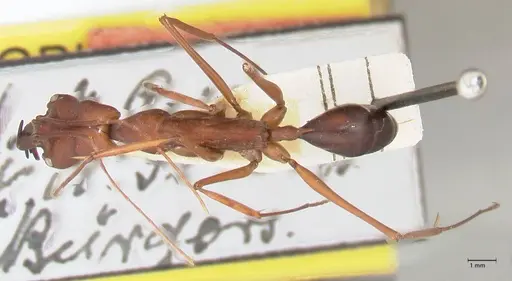
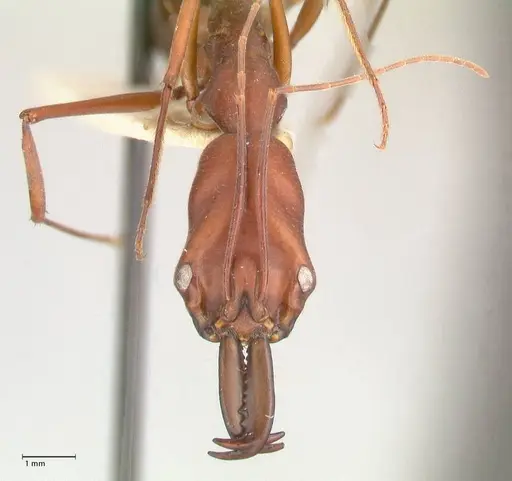
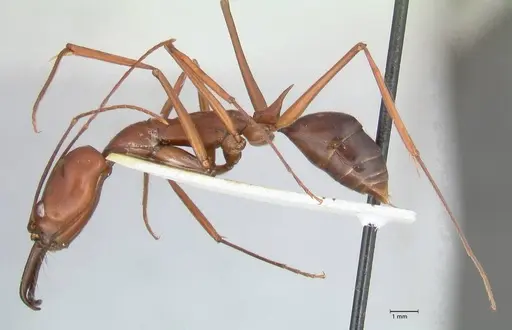
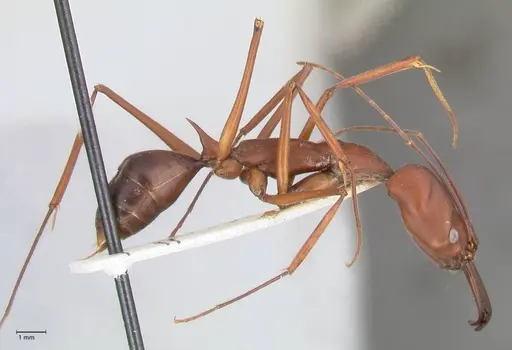
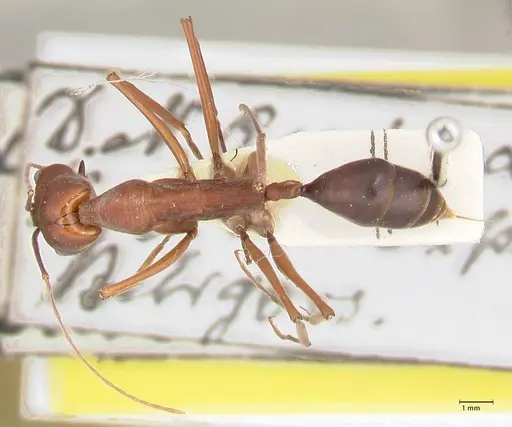
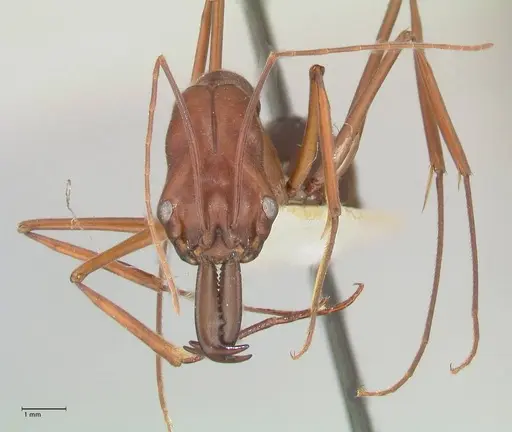
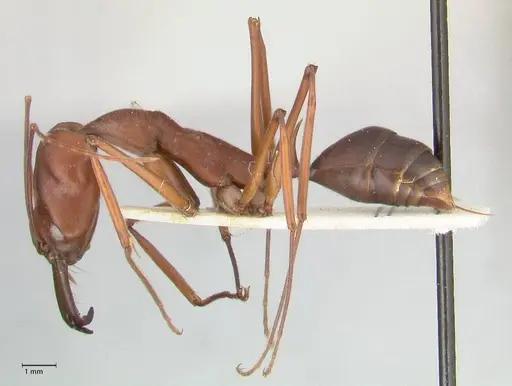
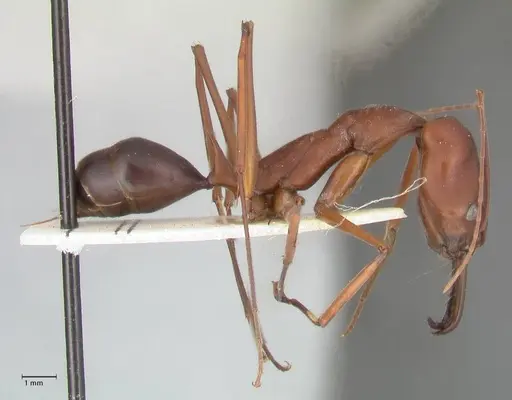
Odontomachus montanus is a medium-to-large trap-jaw ant species native to Papua New Guinea. Workers measure around 10-12mm with the characteristic large, curved mandibles that give these ants their common name, when triggered, these jaws snap shut at incredible speeds, capable of stunning or killing prey instantly. The head is distinctively elongated with large eyes positioned for binocular-like vision, and the body is typically dark reddish-brown to black. This species belongs to the Odontomachus saevissimus group, which contains five species distributed across the Moluccas to Solomon Islands region. Queens are larger than workers and can reach 15mm or more. In the wild, these ants nest in soil or rotting wood in tropical forest environments, where they hunt solo using their trap-jaw mechanism to capture insects and other small prey.
Quick Summary
- Difficulty: Medium
- Origin & Habitat: Papua New Guinea, tropical forest habitats in lowland to mid-elevation areas. They nest in soil or rotting wood in shaded, humid forest environments [1].
- Colony Type: Likely monogyne (single queen colonies) based on typical Odontomachus patterns. Colony size likely reaches several hundred workers at maturity.
- Colony: Monogyne
- Founding: Claustral
- Size & Growth:
- Queen: Approximately 15mm+ (estimated based on genus patterns)
- Worker: 10-12mm (estimated from genus descriptions)
- Colony: Several hundred workers at maturity (estimated)
- Growth: Moderate, estimated 6-10 weeks from egg to first worker at optimal temperature
- Development: 6-10 weeks (estimated based on typical Ponerinae development at 24-28°C) (Development time estimated from related Odontomachus species, actual timing for this specific species is unconfirmed)
- Antkeeping:
- Temperature: Keep at 24-28°C. Provide a gentle temperature gradient so ants can self-regulate. A heating cable on one side of the nest works well.
- Humidity: High humidity required, aim for 70-80%. Keep the nest substrate consistently moist but not waterlogged. These forest-floor ants need damp conditions.
- Diapause: Likely minimal or no true diapause given their tropical origin. Some reduced activity during cooler months may occur, but they do not require hibernation like temperate species.
- Nesting: Y-tong (AAC) nests or plaster nests work well. Provide a moist substrate chamber where they can maintain humidity. They prefer dark, enclosed spaces. A test tube setup can work for founding colonies if kept humid.
- Behavior: These are solitary, predatory ants that hunt alone using their trap-jaw mandibles. Workers are not aggressive toward humans but will snap their jaws defensively if threatened. They are active foragers that hunt during both day and night. Escape risk is moderate, their larger size makes them easier to contain than tiny ants, but they are fast-moving and can squeeze through small gaps. They have a painful sting though it is rarely delivered to humans. Colonies are typically peaceful internally with clear division of labor between queen and workers.
- Common Issues: colonies often fail due to improper humidity, too dry and brood dies, too wet and mold becomes a problem, trap-jaw mechanism can cause injury if keepers handle them carelessly, give them space and observe from outside the formicarium, predatory diet means they need live prey, failure to provide adequate protein leads to colony decline, wild-caught colonies may have parasites that kill them in captivity, slow founding phase causes some keepers to overfeed or disturb the queen, leading to abandonment
Housing and Nest Setup
For Odontomachus montanus, use a Y-tong (AAC) nest or plaster formicarium that can hold moisture. These ants need consistently damp substrate to thrive, the nest chambers should feel moist to the touch but never have standing water. A test tube setup can work for founding colonies if you keep the cotton moist and the tube covered to maintain humidity. For established colonies, provide a nesting area with multiple chambers filled with moist soil or plaster. The outworld should be a simple foraging area where you can offer prey. Because they are larger ants, they need more space than tiny species, a 10-15cm foraging area minimum for mature colonies works well. Use vaseline or fluon on the edges of the outworld to prevent escapes.
Feeding and Diet
Odontomachus montanus is predatory and needs a protein-rich diet. Feed them live insects appropriate to their size, small crickets, mealworms, fruit flies, and other small arthropods work well. They use their trap-jaw mechanism to capture prey, so offering live prey allows them to exhibit natural hunting behavior. Remove uneaten prey after 24-48 hours to prevent mold. While they are primarily predators, they may occasionally accept sugar water or honey, especially if prey is scarce. Feed founding colonies small prey items that fit in the founding chamber. For established colonies, offer protein 2-3 times per week, adjusting based on colony size and appetite.
Temperature and Heating
As a tropical species from Papua New Guinea, Odontomachus montanus needs warm conditions. Keep the nest area at 24-28°C for optimal brood development. Room temperature may be sufficient if your home is naturally warm, but most keepers need to provide supplemental heating. A heating cable placed on one side of the nest creates a temperature gradient that lets the ants choose their preferred spot. Avoid direct heat on the nest as it can dry out the substrate too quickly. Monitor with a thermometer placed near the nest chambers. Temperatures below 20°C for extended periods can weaken the colony and slow or stop brood development.
Humidity Management
These forest-floor ants need high humidity to thrive. Maintain 70-80% relative humidity in the nest area. The substrate should feel consistently damp, when it starts drying out, rehydrate by adding a little water to the reservoir or moistening the substrate directly. Avoid letting the nest dry out completely as this kills brood. However, too much moisture leads to mold problems, so ensure some ventilation. A water reservoir connected to the nest via a cotton wick provides steady humidity. If you see condensation constantly dripping on the nest walls, it's too wet, open up ventilation. If the substrate cracks and pulls away from the walls, it's too dry.
Behavior and Handling
Odontomachus montanus workers are equipped with powerful trap-jaw mandibles that can snap shut at speeds exceeding 200 km/h. While they are not aggressive toward humans, they may snap their jaws defensively if provoked or restrained. The snap itself is harmless to human skin, but the ant may then sting as a secondary defense. Their sting is painful though not dangerous to healthy humans. For keepers, the best approach is to observe from outside the formicarium rather than handling these ants. They are solitary foragers, you will see individual workers hunting rather than coordinated raids. Workers are fast-moving and can escape quickly, so check that all openings are sealed after feeding.
Frequently Asked Questions
How long does it take for Odontomachus montanus to produce first workers?
Based on typical Ponerinae development, expect 6-10 weeks from egg to first worker at optimal temperature (24-28°C). The exact timing for this species is unconfirmed, so monitor your colony and maintain warm, humid conditions to support development.
What do I feed Odontomachus montanus?
They are predatory ants that need live insects. Small crickets, mealworms, fruit flies, and other small arthropods are ideal. Remove uneaten prey after a day to prevent mold. They may accept sugar water occasionally but protein is the primary food source.
Can I keep multiple Odontomachus montanus queens together?
This species is likely monogyne (single queen). Combining unrelated queens is not recommended as they will likely fight. If you have a wild-caught colony, it likely has one queen.
What temperature do Odontomachus montanus need?
Keep them at 24-28°C. A heating cable on one side of the nest creates a gradient. They are tropical ants from Papua New Guinea and need warmth year-round, they do not require hibernation.
Are Odontomachus montanus good for beginners?
They are intermediate difficulty. You need to maintain warm, humid conditions and provide live prey regularly. They are more demanding than sugar-feeding ants but less challenging than some specialized species. Their trap-jaw behavior is fascinating to observe.
How big do Odontomachus montanus colonies get?
Based on typical Odontomachus patterns, colonies likely reach several hundred workers at maturity. Growth is moderate, expect several months to a year to reach 50+ workers from a founding colony.
Do Odontomachus montanus need hibernation?
No, they do not require hibernation. As a tropical species from Papua New Guinea, they need consistent warmth year-round. Some reduced activity in cooler months is normal, but no special winter treatment is needed.
When should I move Odontomachus montanus to a formicarium?
Move them once the colony reaches 20-30 workers and the test tube setup becomes cramped. Make sure the formicarium has appropriately sized chambers and can maintain humidity. Let the ants discover the new space naturally rather than forcing the move.
Why is my Odontomachus montanus colony declining?
Common causes include: too dry conditions (leading to brood death), insufficient prey (they need regular protein), temperatures too low (below 20°C), or stress from excessive disturbance. Check these parameters first. Wild-caught colonies may also have internal parasites.
References

This caresheet is licensed under CC BY-SA 4.0 .
Literature
Loading...Loading products...