
Odontomachus simillimus exhibits a clear seasonal flight window. Peak flight activity is concentrated in December, with the overall period spanning January to December. This extended season suggests multiple flight events or varying conditions across its range.
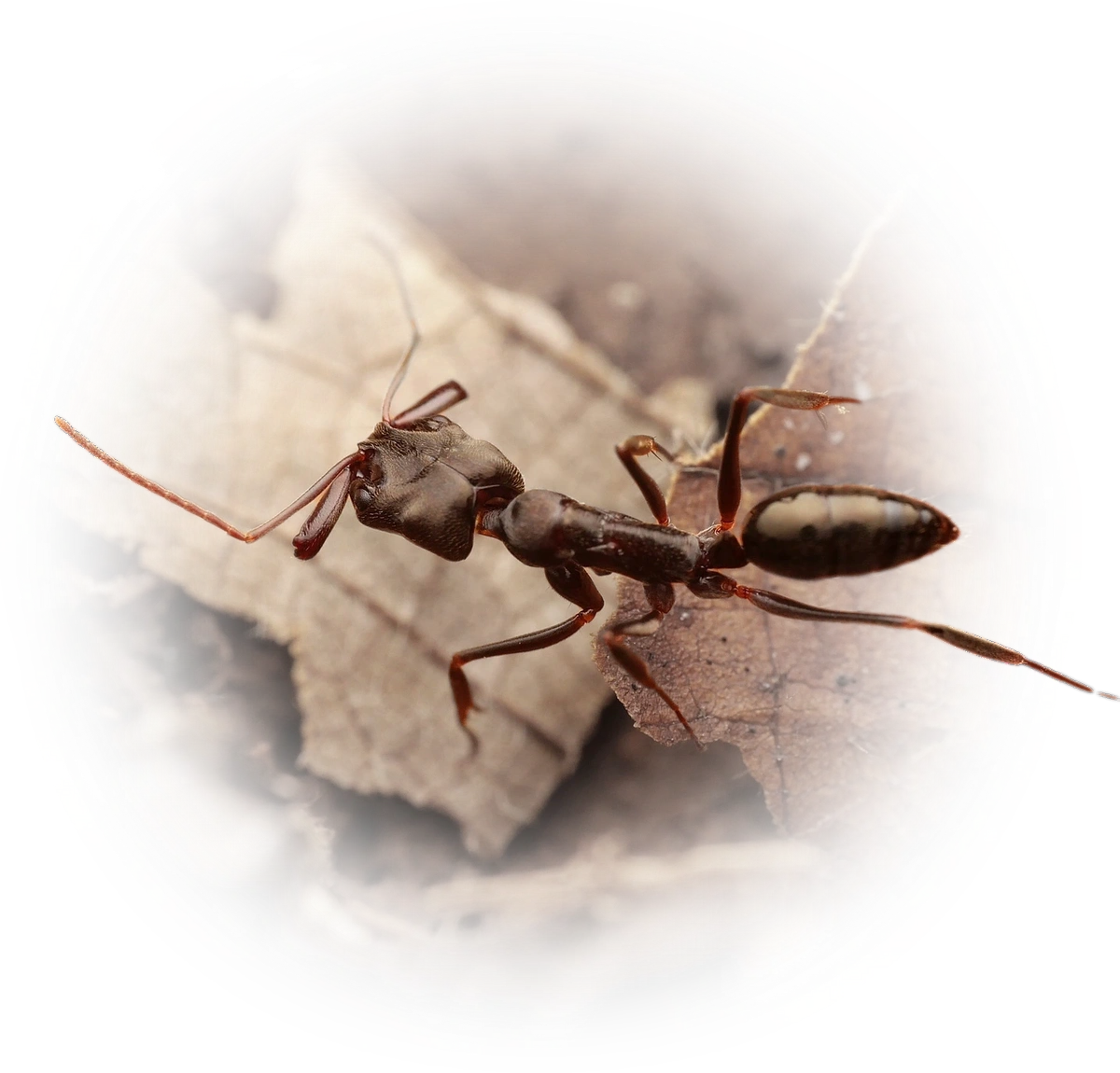
Odontomachus simillimus
- Scientific Name
- Odontomachus simillimus
- Tribe
- Ponerini
- Subfamily
- Ponerinae
- Author
- Smith, 1858
- Common Name
- Common Oriental Trap-jaw Ant
- Distribution
- Found in 15 countries
- Nuptial Flight
- from January to December, peaking in December
AI Identifiable
try →
Odontomachus simillimus Overview
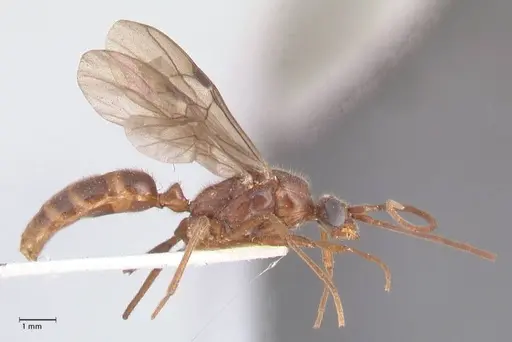
Odontomachus simillimus (commonly known as the Common Oriental Trap-jaw Ant) is an ant species of the genus Odontomachus. It is primarily documented in 15 countries , including Fiji, Indonesia, India. Detailed taxonomic data and occurrence records can be further explored via authoritative databases such as AntWeb or the Global Biodiversity Information Facility (GBIF).
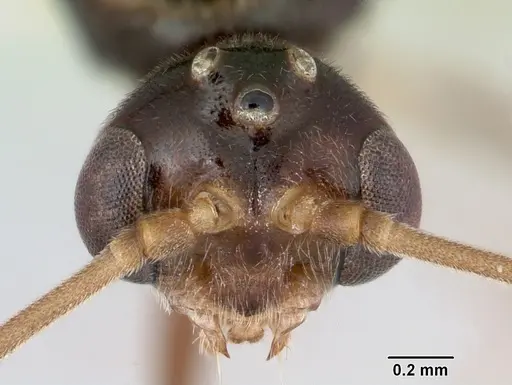
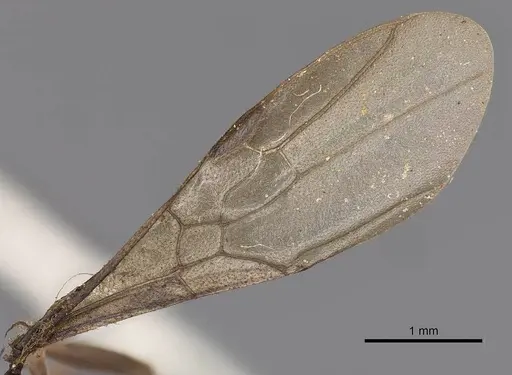
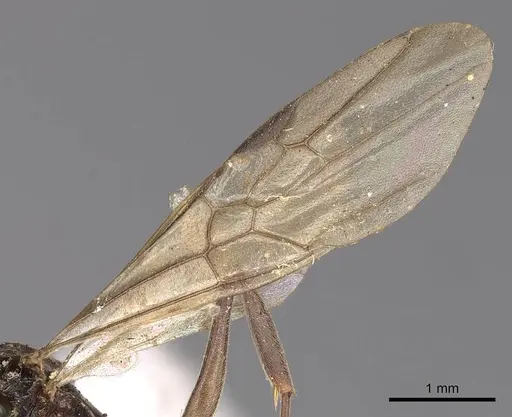
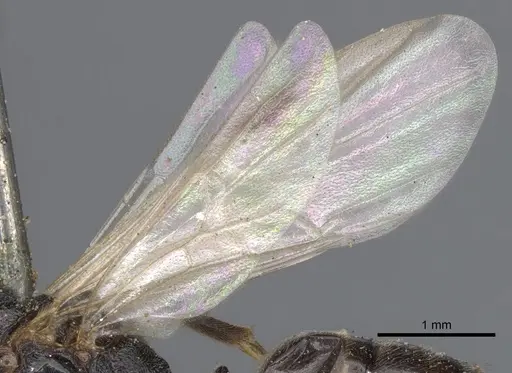
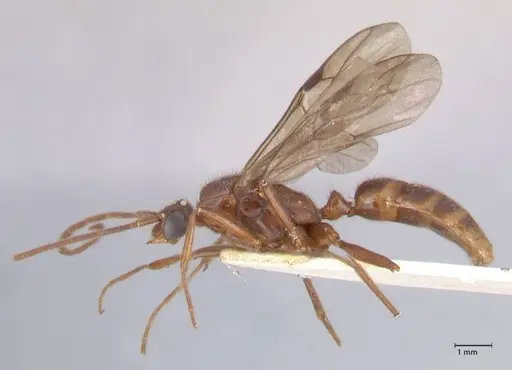
The nuptial flight of Odontomachus simillimus is a significant biological event, typically occurring from January to December, peaking in December. During this time, winged queens and males leave the nest to mate and establish new colonies.
Odontomachus simillimus - "Common Oriental Trap-jaw Ant"
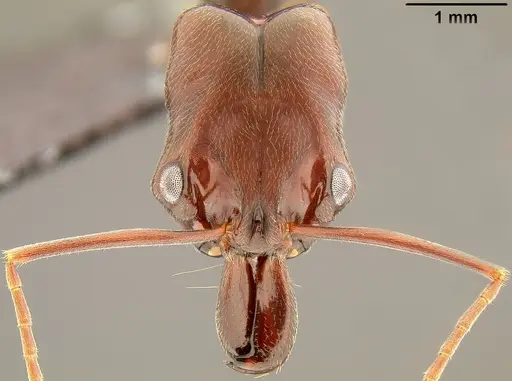
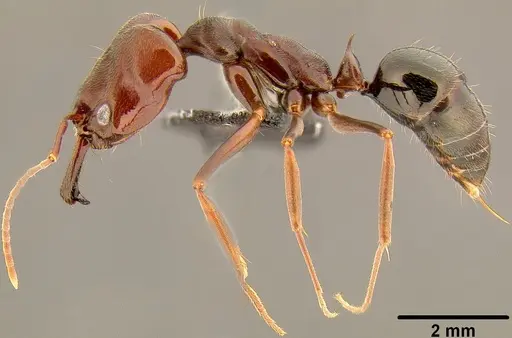
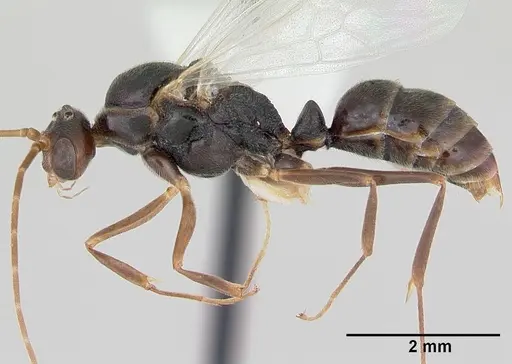
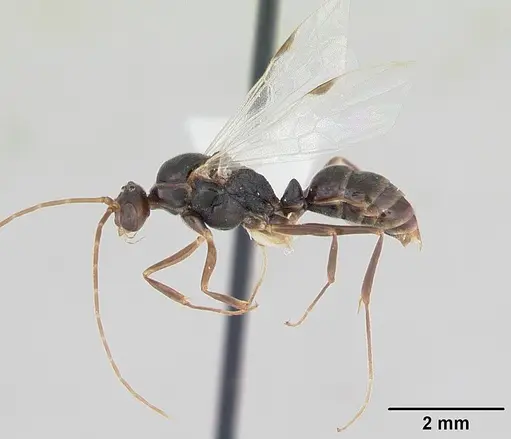
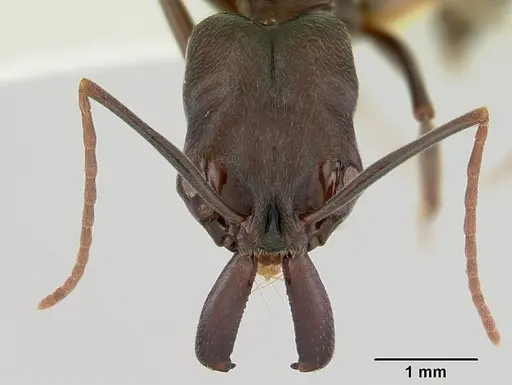
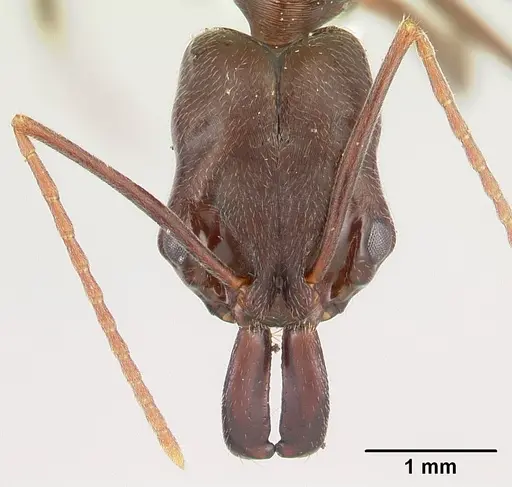
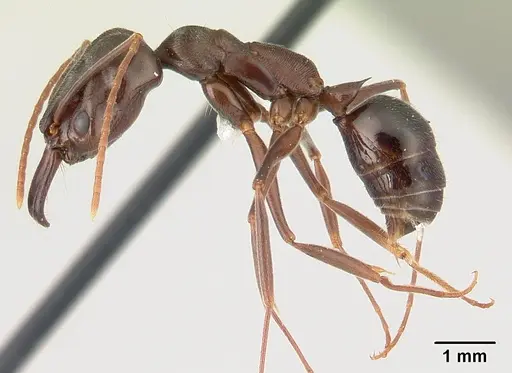
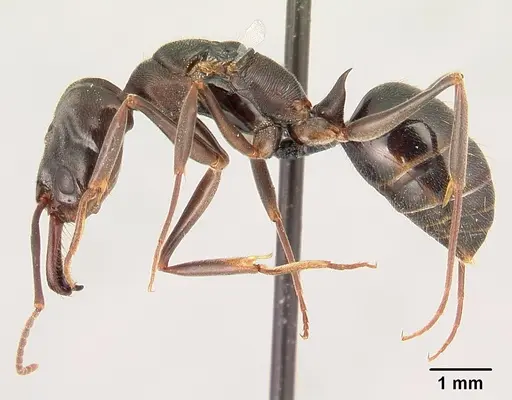
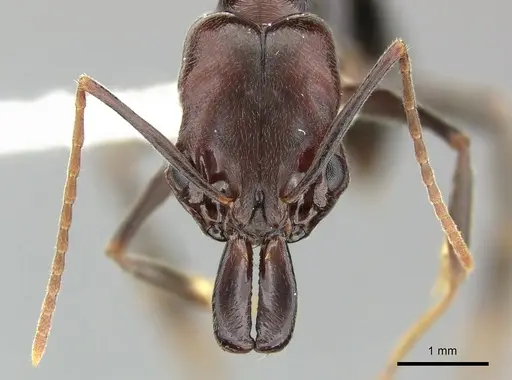
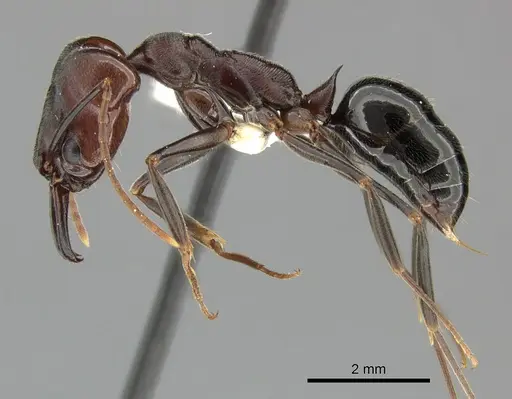
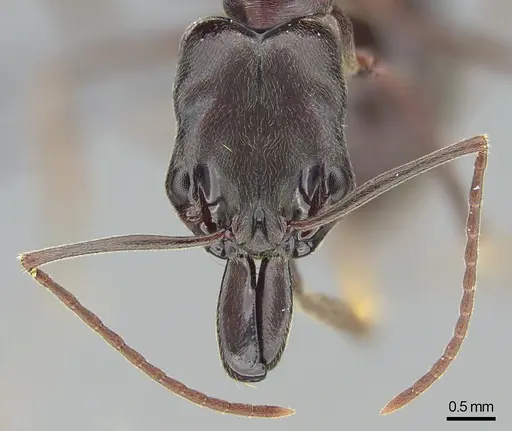
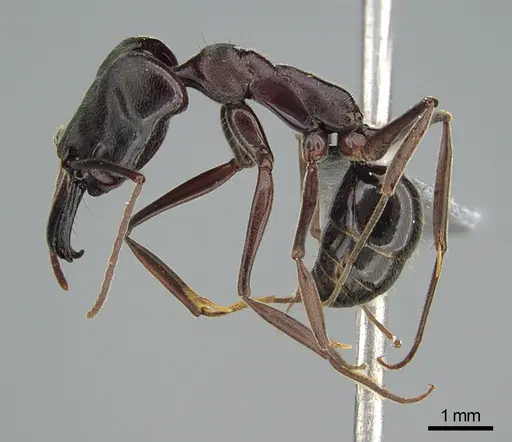
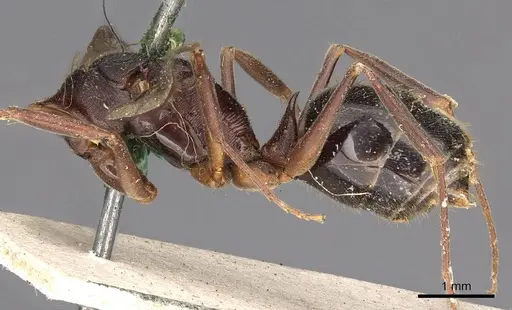
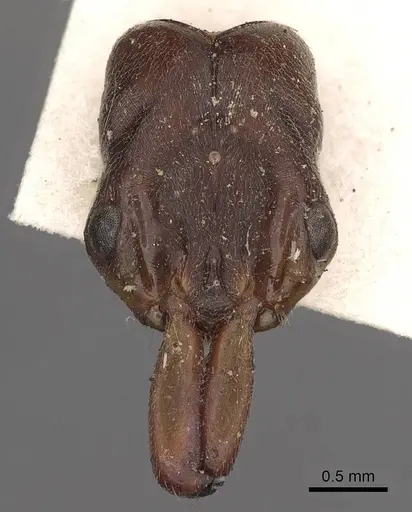
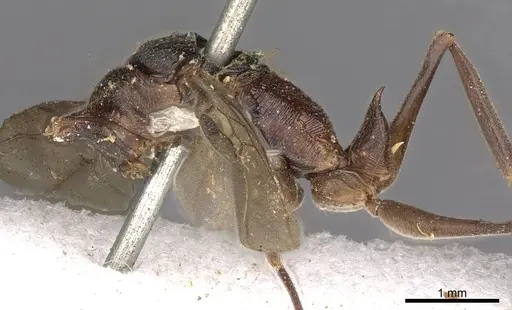
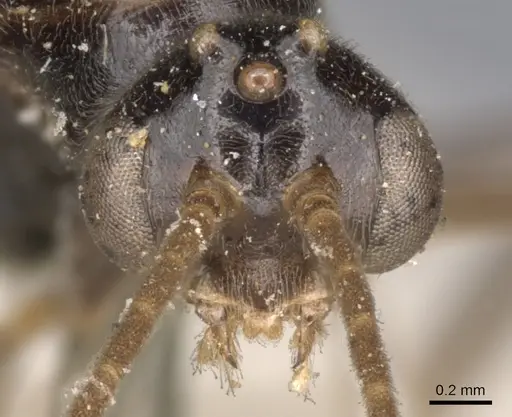
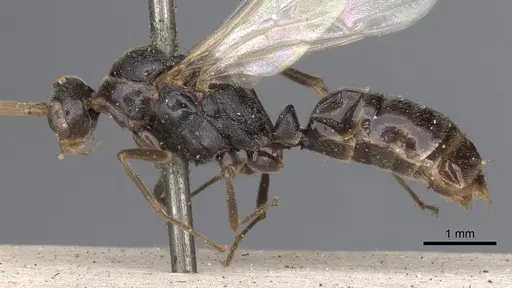
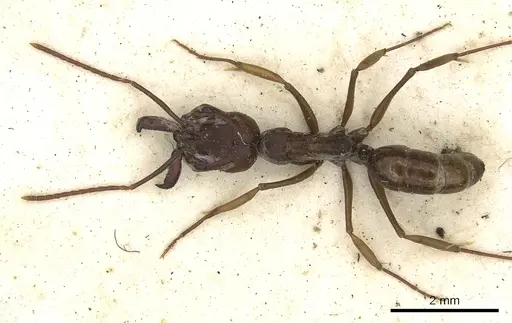
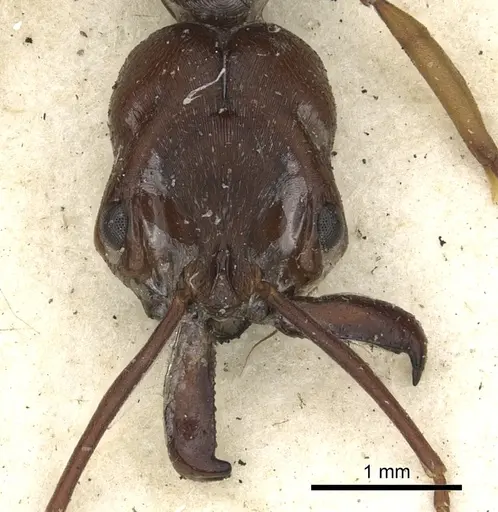
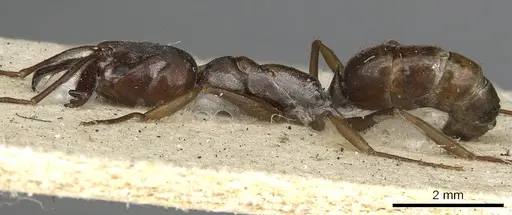
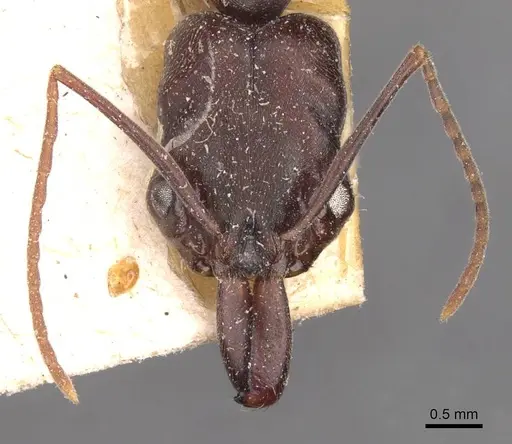
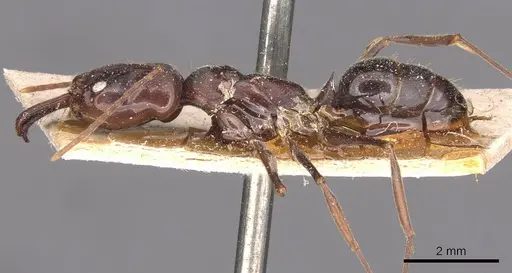
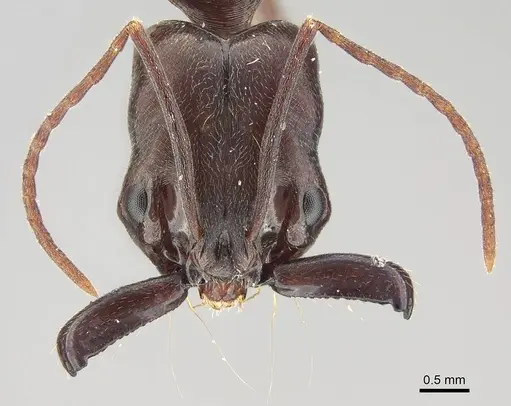
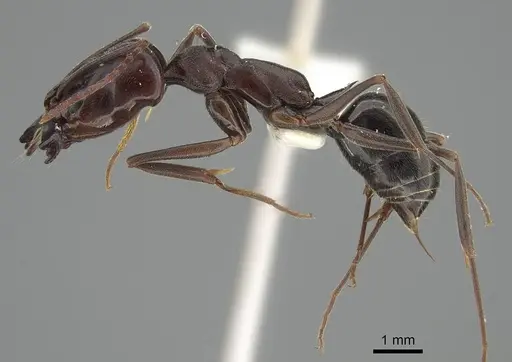
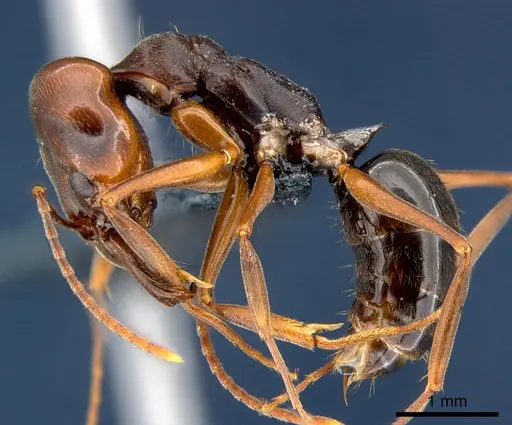
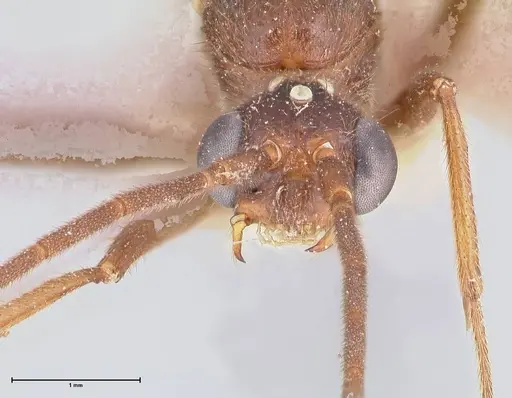
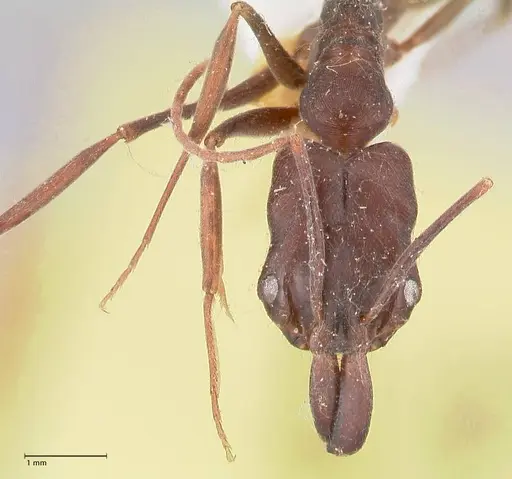
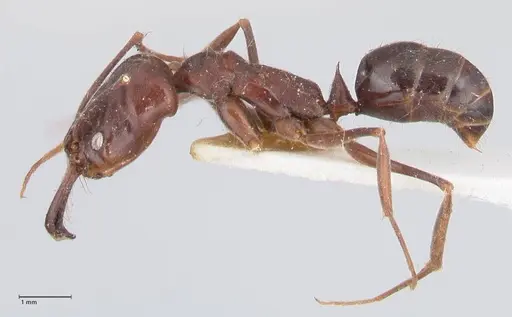
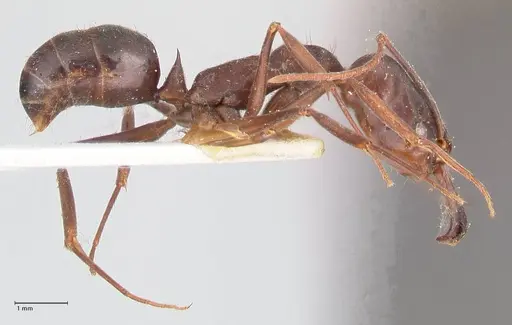
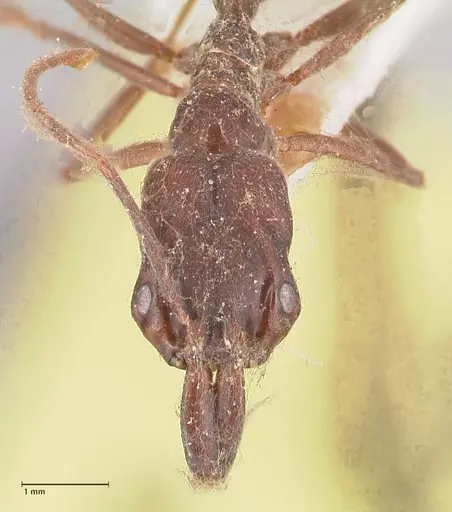
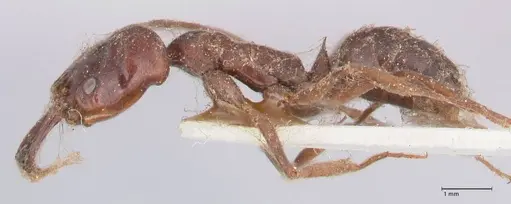
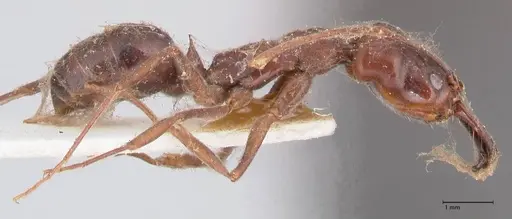
Odontomachus simillimus is a medium-sized trap-jaw ant known for its lightning-fast mandibles that can snap shut at speeds over 200 km/h to capture prey. Workers measure 7-11mm with a distinctive large head bearing powerful curved mandibles lined with sensory trigger hairs. Their body is dark brown to nearly black with fine striations on the head and mesosoma. This species is widespread across the Indo-Pacific, from India through Southeast Asia to Polynesia, and has recently been recorded in China's Hainan Island [1]. Unlike many tropical ants, they prefer open and disturbed habitats like gardens, coconut groves, and lawn areas rather than dense forests [2][3].
Quick Summary
- Difficulty: Medium
- Origin & Habitat: Indo-Pacific region spanning from India to Polynesia. Found in clearings, secondary growth, coastal areas, coconut groves, villages, and lawns. Nests in soil near tree bases, under stumps, rotten logs, rocks, and sometimes under paved floors. Elevation range from sea level to 900m [2][3].
- Colony Type: Monogyne, single queen colonies. Documented monogynous (single queen) species with independent colony founding. Maximum documented colony size is approximately 120 workers [4][5].
- Colony: Monogyne
- Founding: Claustral
- Size & Growth:
- Queen: Queens: HW 2.07-2.17mm, HL 2.49-2.69mm [3]
- Worker: Workers: HW 1.63-2.07mm, TL 7.63-11.06mm [2]. More recent measurements show HL 2.12-2.73mm, WL 2.66-3.29mm [3]
- Colony: Up to 120 workers documented in research [5]
- Growth: Moderate, Ponerine ants typically develop slower than myrmicines
- Development: Estimated 8-12 weeks at optimal tropical temperatures (25-28°C). Ponerinae development is generally slower than many other ant subfamilies. (Development time is estimated based on related Ponerinae species. Direct development data for this species is not available.)
- Antkeeping:
- Temperature: Tropical species requiring warm conditions. Keep nest area at 25-28°C. One lab study maintained colonies at 28-29°C successfully [6]. Avoid temperatures below 22°C for extended periods.
- Humidity: Moderate to high humidity. Native to tropical regions with humid conditions. Keep nest substrate consistently moist but not waterlogged. Provide a water tube as their primary moisture source.
- Diapause: Not required. As a tropical species, they do not undergo true hibernation. However, activity may slow slightly during cooler months.
- Nesting: Soil-nesting species. In captivity, they do well in setups with moist substrate like test tube setups with cotton, or plaster/formicarium nests with a soil chamber. They prefer nesting in dark, humid areas near the bottom of the enclosure.
- Behavior: Trap-jaw ants with extremely fast mandibles used to capture prey. They are predatory and will actively hunt insects. Workers are moderately aggressive when defending the nest and can deliver a painful sting, they readily sting humans when agitated [7]. They are primarily ground-dwelling and forage in litter. Workers use their mandibles with sensory trigger hairs to capture prey. This species shows worker reproduction in queenless colonies, when the queen dies, workers can lay male eggs [8]. Escape prevention is important as they are active foragers.
- Common Issues: Sting pain, these ants can deliver a painful sting when threatened or handled roughly, Colony size limitation, colonies max out around 120 workers, smaller than many common ant species, Escape risk, active foragers that will attempt to escape if given the opportunity, Slow colony growth, Ponerine ants typically grow slower than many beginner species, Queen loss is terminal, monogyne species cannot replace their queen, colony will eventually die without new queens
Nuptial Flight Activity Analysis 362 observations
Flight Activity by Hour 362 observations
Odontomachus simillimus nuptial flight activity peaks around 19:00 during the evening. Activity is spread across a 16-hour window (08:00–23:00). Times may be influenced by human observation patterns.
Housing and Setup
Odontomachus simillimus does well in standard ant keeping setups. For founding colonies, a test tube setup works well, fill a test tube one-third with water, push cotton to create a water reservoir, then add the queen. The queen will seal herself into a chamber and raise her first workers (nanitics) without needing to forage. Once you have 10+ workers, you can move them to a formicarium. These ants prefer dark, humid nesting areas and will typically nest in soil or substrate chambers. Provide an outworld for foraging where you can offer prey items. Use escape prevention like fluon on the rim of any formicarium as they are active escape artists. [4][5][6]
Feeding and Diet
As predatory trap-jaw ants, they primarily hunt and eat insects and other small arthropods. In captivity, offer small live prey like fruit flies, small crickets, mealworms, and other appropriately-sized insects. They will accept most small invertebrates. Research shows they successfully prey on termites in the wild [6]. Unlike some ants, they are not particularly attracted to sugar sources, their main nutrition comes from protein. You can occasionally offer a drop of honey or sugar water, but don't expect them to rely on it. Feed prey items 2-3 times per week, removing any uneaten prey after 24 hours. In lab settings, they've been fed Reticulitermes speratus termites successfully [9].
Temperature and Seasonal Care
These are tropical ants requiring warm conditions year-round. Maintain temperatures between 25-28°C in the nest area. One successful lab study kept them at 28-29°C [6]. They do not require hibernation or diapause, in fact, cold temperatures can slow or stop their development and make them sluggish. Room temperature is often insufficient unless your home is warm. Consider using a heating cable or heat mat on one side of the formicarium to create a temperature gradient, allowing the ants to choose their preferred spot. Keep them away from air conditioning vents and cold drafts.
Behavior and Defense
Odontomachus simillimus possesses trap-jaw mandibles that can snap shut at incredible speeds to capture prey. The mandibles have specialized sensory hairs that act as triggers, when prey touches these hairs, the jaws snap shut automatically [7]. This makes them effective predators of small arthropods. They are not aggressive toward humans unless threatened, but they will defend their nest vigorously. When disturbed or handled roughly, they can deliver a painful sting. These ants are primarily ground-dwelling foragers that search through leaf litter and soil for prey. In queenright colonies, workers rarely reproduce, only about 10% show any ovarian development, and the queen quickly eats any worker-laid eggs [8]. However, in orphaned colonies, workers can produce males within 2-3 weeks.
Colony Dynamics and Reproduction
This is a monogyne species, colonies have a single queen who is the sole reproductive female. The queen is similar in appearance to workers (queen-worker dimorphism is not very pronounced) and has morphologically similar ovaries [8]. Colonies grow to approximately 120 workers maximum based on research data [5]. When a queen dies (orphaned colony), workers can develop functional ovaries and begin laying eggs. These eggs develop into males since the colony has no way to produce new queens. About 20% of workers will develop strong ovaries in an orphaned colony, with these workers responsible for 80-86% of egg laying [8]. This is a natural emergency mechanism to produce males that can potentially mate with new queens from other colonies.
Unique Biology - Trophic Eggs
One fascinating aspect of O. simillimus biology is their production of trophic (nutritive) eggs. Trophic eggs are non-viable eggs laid by workers specifically for the queen to eat. In small colonies (around 65 workers), the queen feeds primarily on insect prey. However, in larger colonies (130+ workers), workers begin laying trophic eggs, and the queen spends 98.7% of her feeding time consuming these eggs rather than solid prey [9]. The workers lay trophic eggs at a rate of about one egg per worker every 12 days. The queen eats almost all of them, in one study, she consumed 8 out of 9 trophic eggs offered over 20 hours [9]. This represents a sophisticated division of labor where workers provide nutrition to the queen through egg-feeding rather than just trophallaxis.
Frequently Asked Questions
How long does it take for Odontomachus simillimus to produce first workers?
Expect first workers (nanitics) to emerge 8-12 weeks after the queen lays her first eggs, assuming optimal temperatures around 25-28°C. This is slower than many common ant species, Ponerine ants generally take longer to develop than Myrmicinae species.
How big do Odontomachus simillimus colonies get?
Colony size is relatively modest compared to many ant species. Research documents maximum colonies around 120 workers [5]. This is smaller than many beginner species like Lasius or Tetramorium which can reach hundreds or thousands of workers.
Can I keep multiple queens together?
No, this is a monogyne (single queen) species. Multiple unrelated queens will fight until only one remains. In the wild, colonies are founded independently by single queens (haplometrosis) [4]. Only attempt colony foundation with one queen.
What do Odontomachus simillimus eat?
They are predatory ants that primarily eat insects and small arthropods. Feed small live prey like fruit flies, small crickets, mealworms, or other appropriately-sized insects. They are not particularly interested in sugar sources. Occasional honey or sugar water may be accepted but shouldn't be a primary food source.
Do they need hibernation?
No, they are tropical ants and do not require hibernation or diapause. Keep them warm year-round at 25-28°C. Cold temperatures can slow their development and reduce activity.
Are these ants good for beginners?
They are moderate difficulty, not the easiest but not the hardest. The main challenges are their slower growth rate, smaller colony sizes, and painful sting potential. They are more demanding than beginner species like Lasius but easier than some exotic requirements. Their trap-jaw mechanism makes them fascinating to watch.
When should I move them to a formicarium?
Keep the founding queen in a test tube setup until you have at least 10-15 workers. Once the colony is established and actively foraging in an outworld, you can consider moving them to a formicarium with a soil chamber. They prefer dark, humid nesting areas.
Why is my queen not laying eggs?
Several factors could be at play: temperatures may be too low (keep at 25-28°C), humidity may be insufficient, or the queen may still be in the claustral phase. Make sure the setup is humid and warm. A newly claustral queen may take 1-2 weeks after sealing before laying eggs.
References

This caresheet is licensed under CC BY-SA 4.0 .
CASENT0012708
View on AntWeb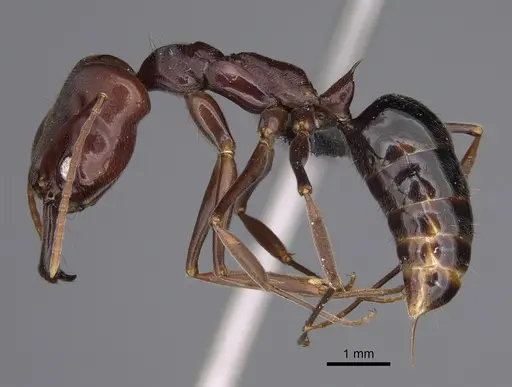
CASENT0171124
View on AntWeb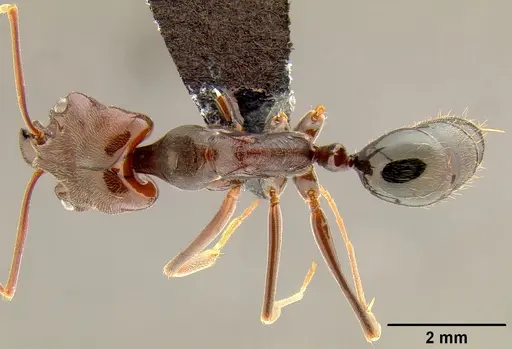
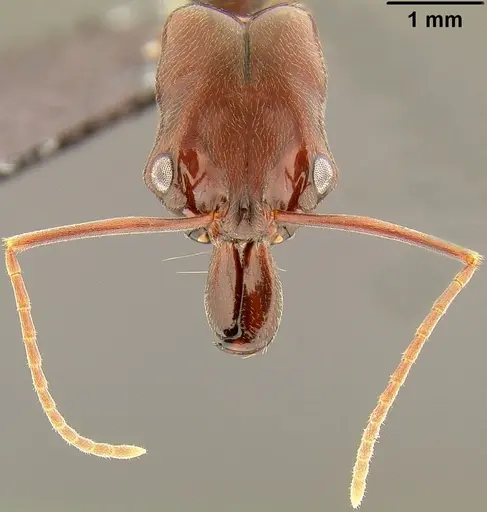
CASENT0172666
View on AntWeb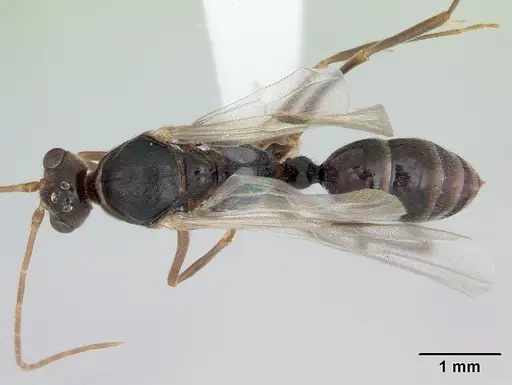
CASENT0172667
View on AntWeb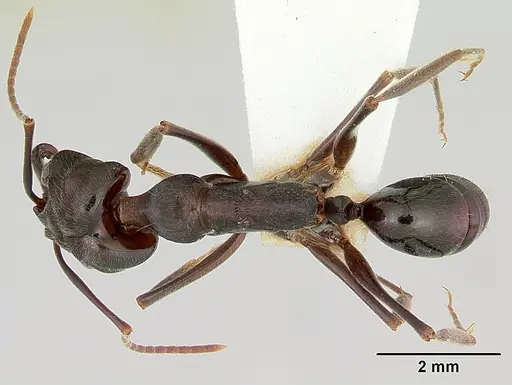
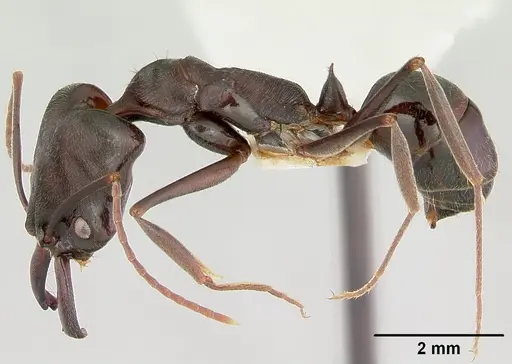
CASENT0172668
View on AntWeb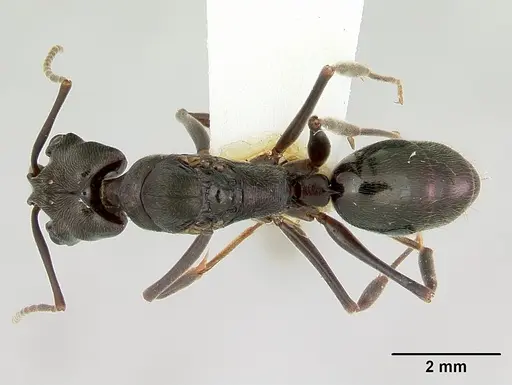
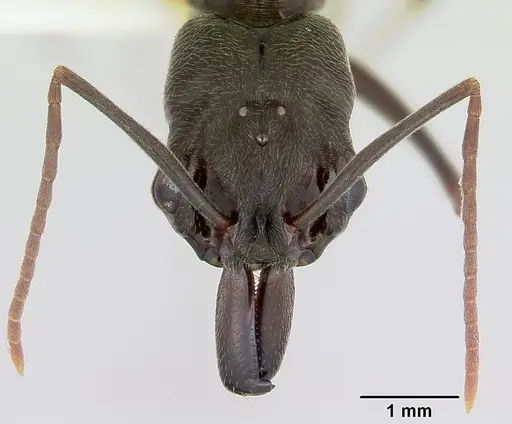
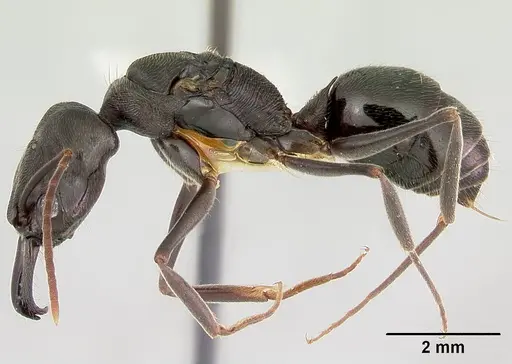
CASENT0178390
View on AntWeb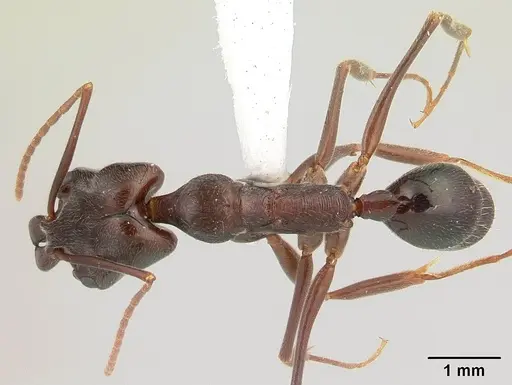
CASENT0179009
View on AntWeb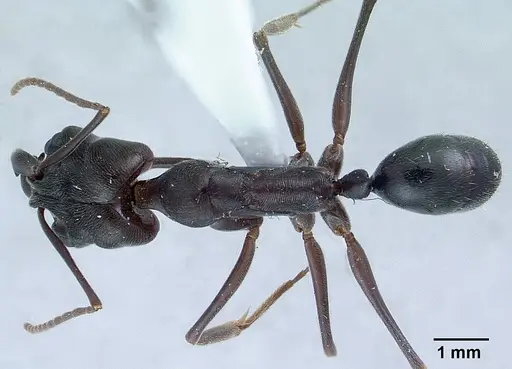
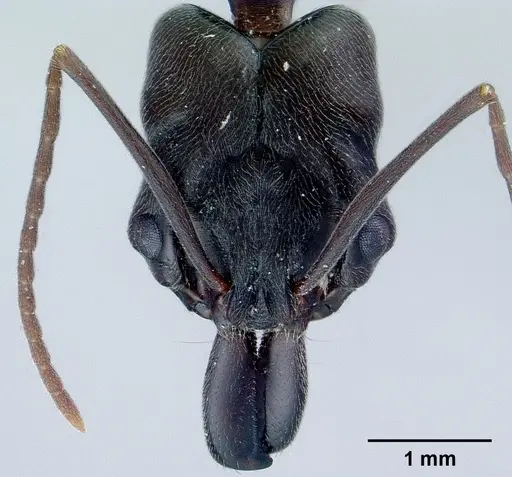
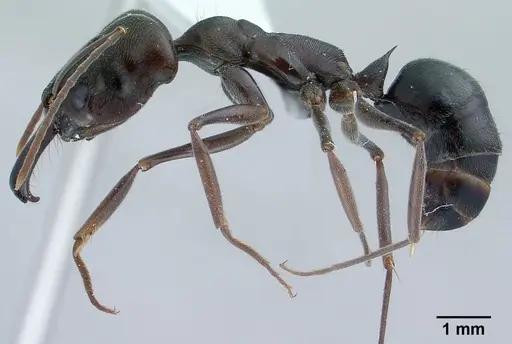
CASENT0188531
View on AntWeb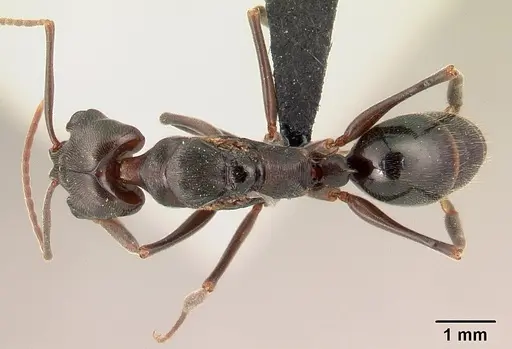
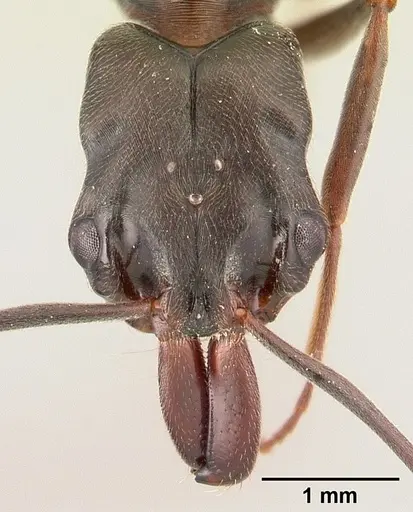
CASENT0270628
View on AntWeb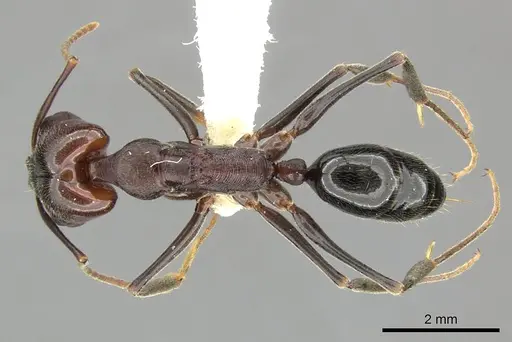
CASENT0745878
View on AntWeb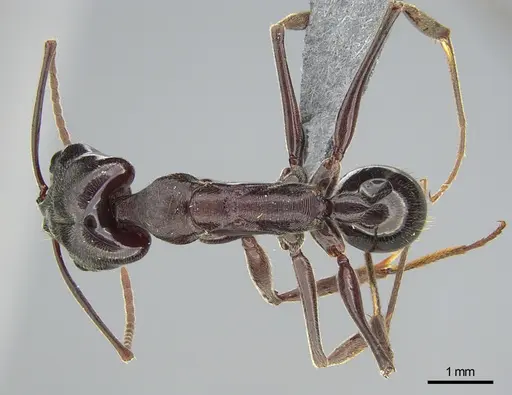
CASENT0900649
View on AntWeb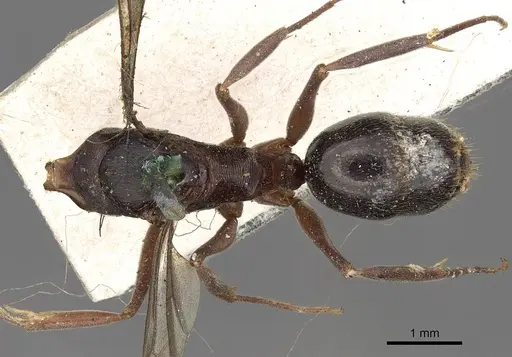
CASENT0900650
View on AntWeb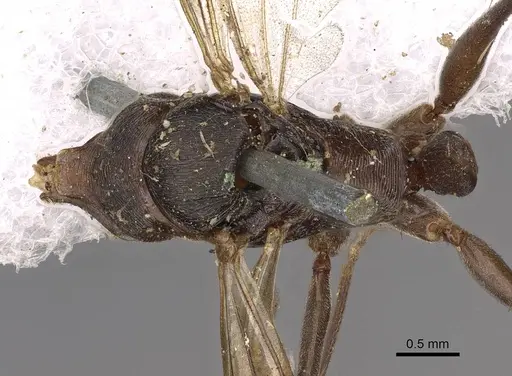
CASENT0901350
View on AntWeb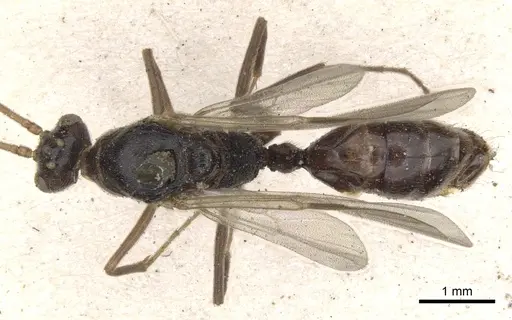
CASENT0901486
View on AntWeb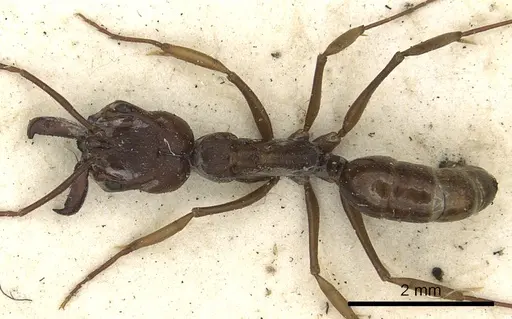
CASENT0907433
View on AntWeb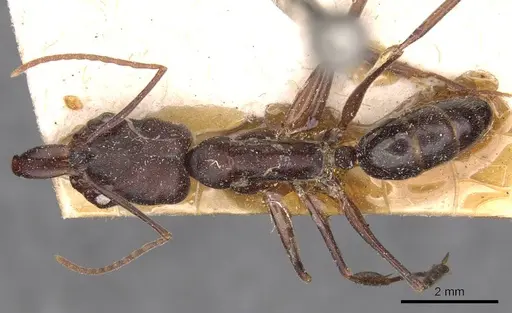
CASENT0919897
View on AntWeb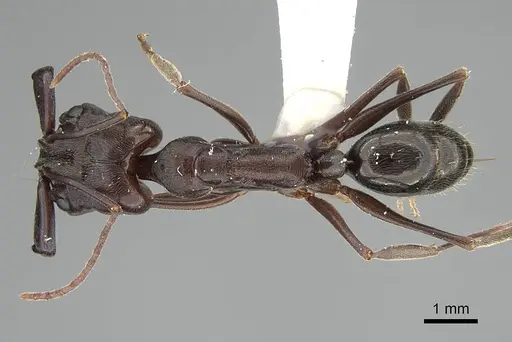
CSIRONC0167
View on AntWeb
FOCOL1049
View on AntWeb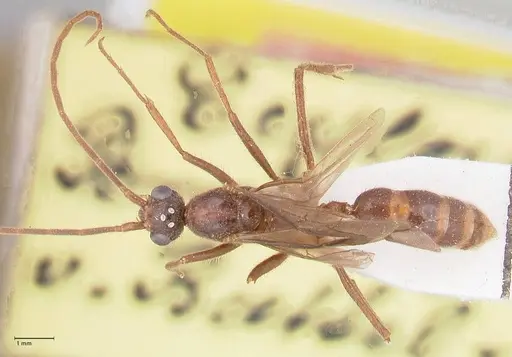
FOCOL1050
View on AntWeb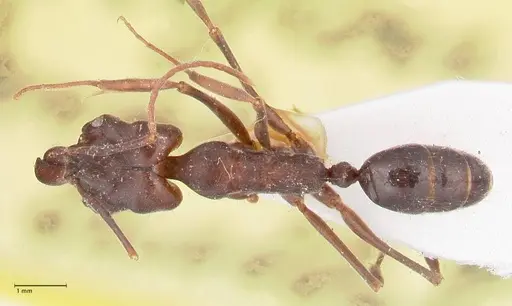
FOCOL1051
View on AntWeb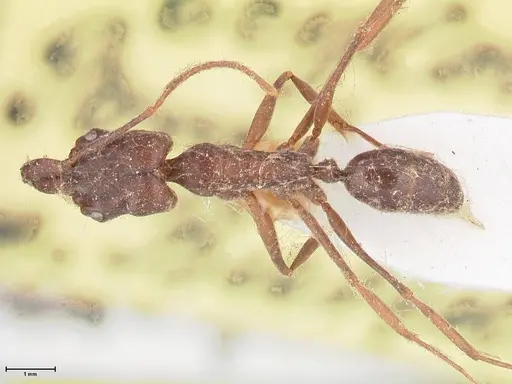
Literature
Loading...Loading products...