

Odontomachus turneri
- Scientific Name
- Odontomachus turneri
- Tribe
- Ponerini
- Subfamily
- Ponerinae
- Author
- Forel, 1900
- Distribution
- Found in 4 countries
Odontomachus turneri Overview
Odontomachus turneri is an ant species of the genus Odontomachus. It is primarily documented in 4 countries , including Australia, Malawi, Mozambique. Detailed taxonomic data and occurrence records can be further explored via authoritative databases such as AntWeb or the Global Biodiversity Information Facility (GBIF).
Odontomachus turneri
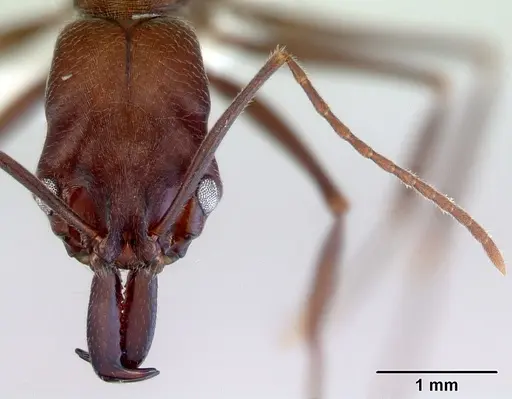
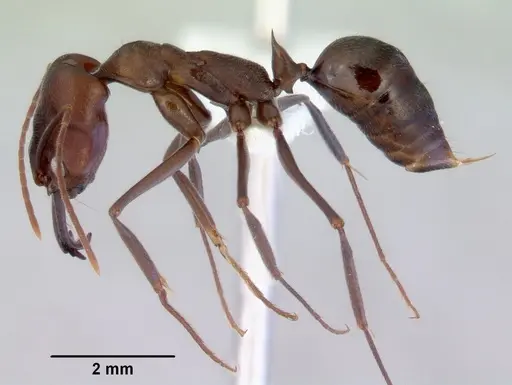
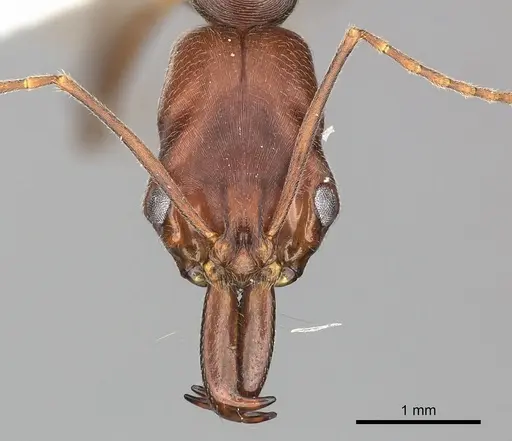
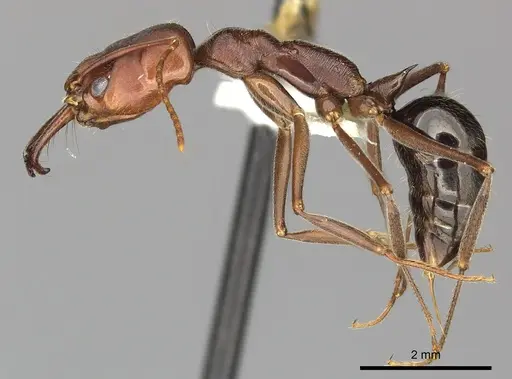
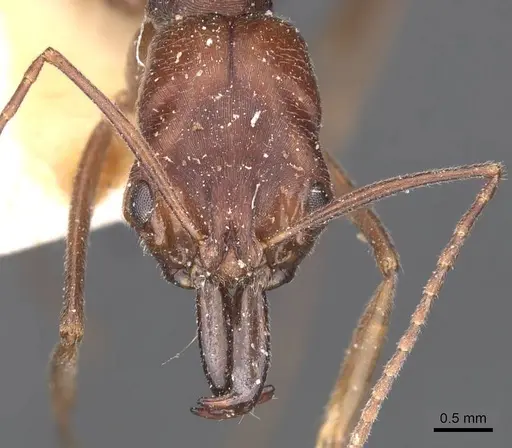
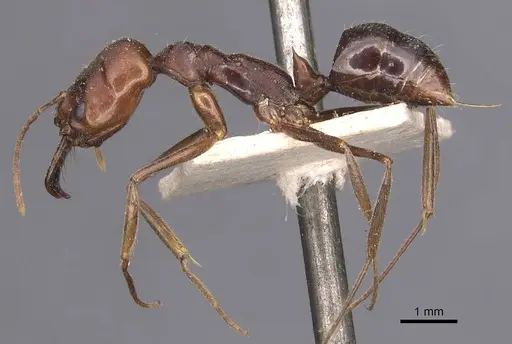
Odontomachus turneri is a medium-sized trap-jaw ant native to northern Australia and New Guinea. Workers measure around 9-12mm with significant size polymorphism, some workers are notably larger than others, which is unusual for the genus [1]. They belong to the ruficeps species group and have the characteristic large, powerful mandibles that can snap shut with incredible speed to capture prey. The queens are larger than workers and can be distinguished by their bulkier thorax and larger overall size. These ants are predatory, using their trap-jaw mandibles to capture small invertebrates. They nest in soil or under stones in tropical and subtropical habitats.
Quick Summary
- Difficulty: Medium
- Origin & Habitat: Northern Australia and New Guinea, in tropical and subtropical habitats [2]
- Colony Type: Likely monogyne (single queen) based on typical genus patterns, though colony structure is not specifically documented for this species
- Colony: Monogyne
- Founding: Semi-claustral
- Size & Growth:
- Queen: Approximately 12-14mm (estimated from genus patterns)
- Worker: 9-12mm with significant polymorphism [1]
- Colony: Likely several hundred workers based on related species (estimated)
- Growth: Moderate, estimated from genus patterns
- Development: 6-10 weeks (estimated based on typical Odontomachus development) (Development time is estimated from related species, specific data for O. turneri is not available)
- Antkeeping:
- Temperature: Keep at 24-28°C. Provide a temperature gradient so ants can choose their preferred zone. These are tropical ants that need warmth
- Humidity: Moderate to high humidity around 60-80%. Keep the nest substrate moist but not waterlogged. Provide a water source.
- Diapause: Likely minimal or no true diapause given their tropical origin, they may slow down slightly in cooler months but probably don't need a hibernation period
- Nesting: They nest in soil and under stones in the wild. In captivity, a naturalistic setup with moist substrate or a Y-tong/plaster nest works well. Provide deep substrate for nesting chambers.
- Behavior: These ants are predatory and use their powerful trap-jaw mandibles to capture prey. Workers are active foragers that hunt individually. They can be defensive if their nest is disturbed and have a painful sting. Escape prevention is important, while not tiny, they are agile and can climb smooth surfaces. Their trap-jaw mechanism means they can snap their mandibles extremely fast to capture prey or defend themselves.
- Common Issues: colonies may fail if kept too cold, maintain warm temperatures, their predatory nature means they need live prey regularly, sugar alone is insufficient, queens may be difficult to establish if they cannot hunt during founding (semi-claustral), escape prevention is important despite their medium size, they are fast and agile, wild-caught colonies may carry parasites that can devastate captive colonies
Housing and Nest Setup
Odontomachus turneri can be kept in various setups, but they do best with moist substrate that allows them to dig and create chambers. A naturalistic setup with a deep soil layer works well, use a mixture of soil and sand that holds moisture but doesn't become waterlogged. You can also use Y-tong (acrylic) nests with narrow chambers, which help maintain appropriate humidity. Provide a water test tube connected to the foraging area. These ants are not extremely small, so standard test tube setups work for founding colonies, but you'll need to move them to larger housing as the colony grows. Ensure the foraging area is escape-proof, these ants can climb smooth surfaces and are quick.
Feeding and Diet
As predatory trap-jaw ants, they need live prey to thrive. Offer small insects like fruit flies, pinhead crickets, mealworms, and other small arthropods. They will hunt and capture prey using their powerful mandibles. While they may occasionally accept sugar water or honey, protein from live prey is essential for colony growth and brood development. Feed them prey items 2-3 times per week, adjusting based on colony size. Remove uneaten prey after 24 hours to prevent mold. A constant water source should also be available.
Temperature and Heating
These are tropical ants from northern Australia and New Guinea, so they need warm conditions. Keep the nest area at 24-28°C. A heating cable or heat mat on one side of the nest can create a temperature gradient, allowing the ants to regulate their own temperature by moving between warmer and cooler areas. Avoid temperatures below 20°C for extended periods, as this can slow their metabolism and harm brood development. Room temperature may be sufficient if your home is naturally warm, otherwise provide supplemental heating.
Behavior and Defense
Odontomachus turneri workers are active hunters that forage individually for prey. Their most distinctive feature is their trap-jaw mandibles, which can snap shut at incredible speeds to capture prey or defend against threats. When threatened, they can deliver a painful sting. These ants are not typically aggressive toward humans unless provoked, but caution is advised when working with their nest. They are fast movers and can escape easily if given the chance, ensure your setup has secure barriers. Workers may vary significantly in size, with some individuals being much larger than others, this polymorphism is unusual within the genus [1].
Colony Founding
Like other Odontomachus species, O. turneri likely has semi-claustral founding, meaning the queen must leave the nest periodically to hunt for food during the founding stage. She cannot survive on stored fat alone like claustral species. This makes founding more challenging, the queen needs access to small prey items to feed herself and eventually her first workers. Provide her with small live prey items in her founding chamber. Founding colonies should be kept warm and undisturbed. The first workers (nanitics) will be smaller than normal workers but will grow in size as the colony expands.
Growth and Development
Colony growth is moderate, expect several months before the first workers emerge, and several years to reach a mature colony size of several hundred workers. The significant worker size polymorphism seen in this species [1] means your colony will have both small and large workers as it matures. Larger workers are typically better at hunting and defending the nest, while smaller workers may handle tasks like brood care. Brood development depends heavily on temperature, warmer conditions speed up development. Feed the colony regularly with protein-rich prey to support growth.
Frequently Asked Questions
How long does it take for Odontomachus turneri to produce first workers?
Expect 6-10 weeks from egg to first worker at optimal temperature (24-28°C). This is an estimate based on related species, as specific development data for O. turneri is not available.
Do Odontomachus turneri ants sting?
Yes, they can sting and it is painful. Their sting is their primary defense mechanism, though they may also use their powerful trap-jaw mandibles to bite if handled roughly.
What do I feed Odontomachus turneri?
They need live prey, small insects like fruit flies, pinhead crickets, and mealworms are ideal. They are predatory and will hunt down and capture live prey. Occasional sugar water or honey may be accepted, but protein from insects is essential.
Are Odontomachus turneri good for beginners?
They are intermediate in difficulty. They are more challenging than common species like Lasius or Tetramorium because they need live prey and warm conditions, but they are not as difficult as some specialized species. Their semi-claustral founding and predatory diet require more attention than typical antkeepers.
What temperature do Odontomachus turneri need?
Keep them at 24-28°C. Provide a temperature gradient so they can choose their preferred zone. These are tropical ants that need warmth to thrive.
How big do Odontomachus turneri colonies get?
Based on related species, colonies likely reach several hundred workers over several years. The significant size polymorphism in this species means you'll have both small and large workers.
Can I keep multiple queens together?
This has not been documented for this species. Based on typical genus patterns, they are likely single-queen (monogyne) species. Keeping multiple unrelated queens together is not recommended.
Do they need hibernation?
Probably not, as tropical ants from northern Australia and New Guinea, they likely do not require a true diapause period. They may slow down slightly in cooler weather, but a hibernation setup is not necessary.
When should I move them to a formicarium?
Move them when the colony reaches 20-30 workers or when the test tube setup becomes cramped. A naturalistic setup with moist substrate works well for this species.
Why are my Odontomachus turneri dying?
Common causes include: temperatures too low (keep above 24°C), lack of live prey (they need protein), improper humidity (too dry or too wet), or parasites from wild-caught colonies. Ensure proper care parameters and consider if the colony was wild-caught.
References

This caresheet is licensed under CC BY-SA 4.0 .
CASENT0114965
View on AntWeb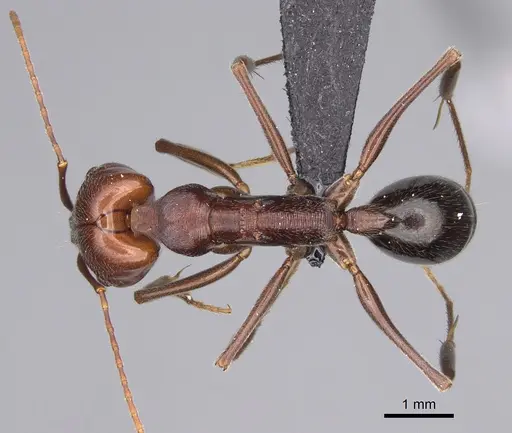
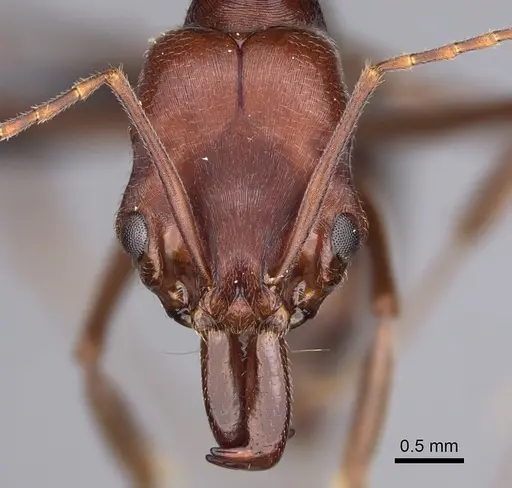
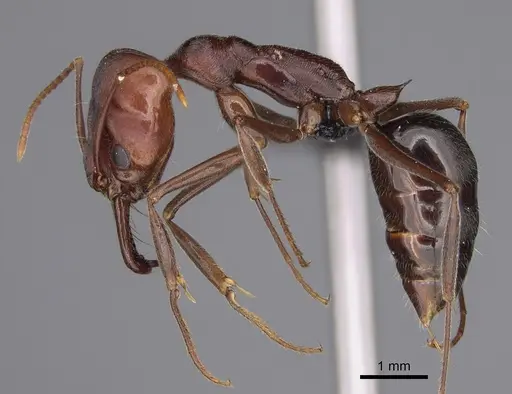
CASENT0172405
View on AntWeb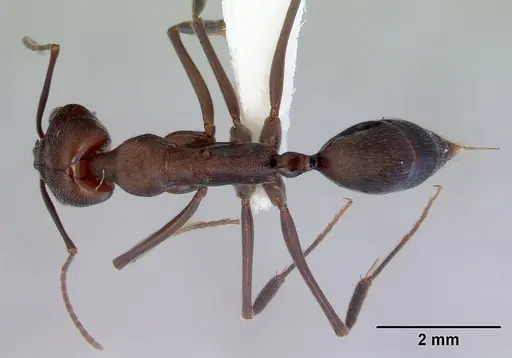
CASENT0249122
View on AntWeb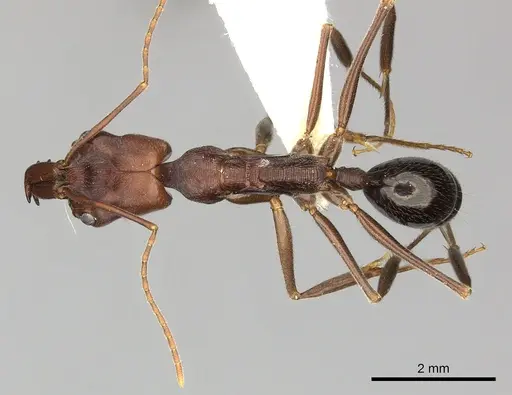
CASENT0907440
View on AntWeb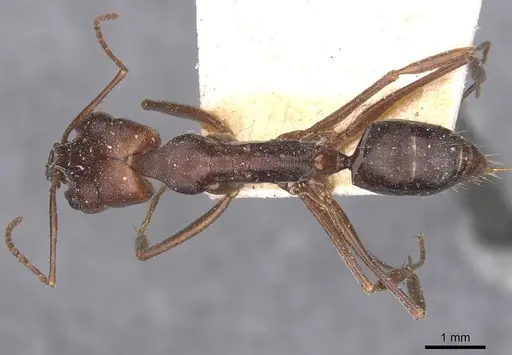
Literature
Loading...Loading products...