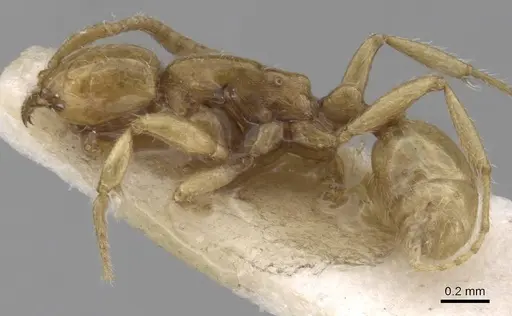
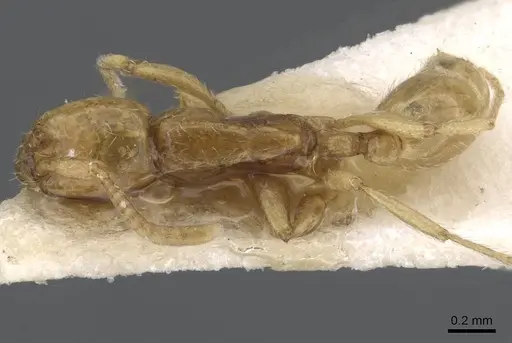
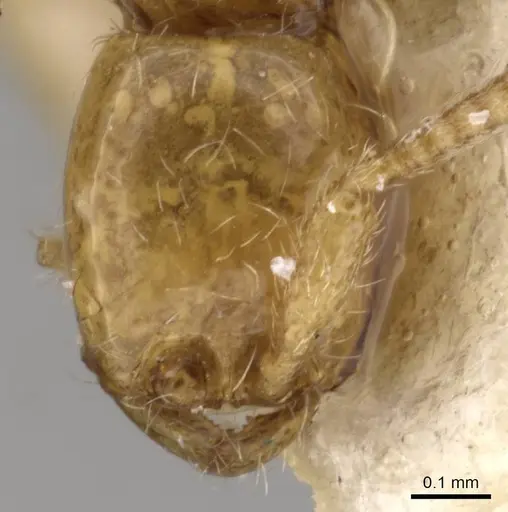
Neivamyrmex postangustatus - "Army Ant (specific common name not widely used for this species)"
Neivamyrmex postangustatus is a species of army ant belonging to the subfamily Dorylinae. Like other Neivamyrmex species, they are nomadic, meaning they do not build permanent nests. Instead, they establish temporary bivouacs each night and move to a new location, often foraging underground. Queens are wingless, while males possess wings. They primarily prey on the brood (larvae and pupae) of other ant species, making their diet highly specialized. This species is part of a diverse genus with over 100 described species, primarily found in the New World.
- Difficulty: Hard
- Origin & Habitat: Neotropical Region, including Brazil, French Guiana, Guyana, and Suriname. in Predominantly subterranean; can occasionally forage above ground at night or on cloudy days, especially in wet forest habitats..
- Colony Type: Monogyne, temporary social parasitism (queens leave natal colony with workers) founding.
- Size & Growth:
- Queen: Not specified
- Worker: Not specified
- Colony: Large (tens of thousands, potentially hundreds of thousands). Fast, but challenging to sustain in captivity due to specialized needs. growth.
- Antkeeping:
- Temperature: Room temperature, likely benefiting from a range between 22-28°C, mimicking their tropical habitat. Consistency is important..
- Humidity: High, likely above 70%, given their subterranean and tropical origins. Hydration is crucial, likely obtained primarily from food..
- Diapause: Not required. Not specified at Not specified.
- Nesting: As nomadic army ants, they do not build permanent nests. A temporary setup that allows for movement and exploration is essential. This can include a series of interconnected bins or tubs with ample substrate..
- Behavior: High (towards other ants/prey) aggressiveness.
- Common Issues: Lack of suitable prey/food source, Inadequate space for nomadic behavior, Stress from static environment, Escape artists (due to nomadic nature), Mold in nest (due to high humidity and organic waste), Mites, Colony stalling/failure to thrive.
Keeping Neivamyrmex postangustatus is considered extremely challenging, even for experienced antkeepers. Their nomadic lifestyle means they constantly move, requiring a dynamic and adaptable setup rather than a static formicarium. This necessitates a large, interconnected system of tubs or bins that can be reconfigured as the colony migrates, providing them with a sense of 'new areas' to explore. Simply putting them in a small, traditional ant farm won't work long-term and can lead to colony stress and failure.
The diet of Neivamyrmex postangustatus is highly specialized, consisting almost exclusively of the brood (larvae and pupae) of other ant species. This means you'll need a consistent and abundant supply of various ant brood, such as those from common pest ants or feeder colonies. While some anecdotal reports suggest they might take other feeder insects like crickets occasionally, these are not sufficient for their primary diet and long-term health. Maintaining feeder colonies specifically for your army ants adds another layer of complexity to their care.
These ants are largely subterranean, so providing a deep substrate in their enclosure is vital. This allows them to create temporary bivouacs underground and emulate their natural raiding behaviors. Ensure the substrate is clean and regularly refreshed to prevent mold or mite issues, which can be detrimental to a colony's health. The design of the enclosure must allow for easy access for feeding and observation, despite their preference for hidden movement.
Frequently Asked Questions
Can I keep Neivamyrmex postangustatus like regular pet ants in a test tube or small formicarium?
Absolutely not! Unlike many other popular ant species, Neivamyrmex postangustatus are true army ants with a nomadic lifestyle. This means they are constantly on the move, establishing temporary bivouacs and then migrating. A small, static setup like a test tube or typical formicarium simply won't meet their fundamental behavioral needs and will lead to extreme stress and likely colony collapse. They require a dynamic setup that allows for constant movement and 'new' foraging grounds.
What do Neivamyrmex postangustatus eat?
These fascinating army ants have a highly specialized diet: they are brood specialists. Their primary food source in the wild is the larvae and pupae of other ant species. This means you’ll need a consistent and ample supply of various ant broods to keep them healthy. While some hobbyists have experimented with offering other feeder insects like crickets, these should only be considered supplementary, not a primary food source for a thriving colony.
Are Neivamyrmex postangustatus queens winged?
No, Neivamyrmex queens, including Neivamyrmex postangustatus, are ergatoid, meaning they are wingless. It's the male army ants that possess wings, typically dispersing during nuptial flights to mate.
How large do Neivamyrmex postangustatus colonies get?
While specific numbers for Neivamyrmex postangustatus aren't widely documented, other Neivamyrmex species can form sizable colonies, ranging from tens of thousands to potentially hundreds of thousands of workers. Their large colony size contributes to the logistical challenges of keeping them in captivity, as they require immense amounts of space and food.
Do I need to provide a heating cable or mat for Neivamyrmex postangustatus?
Since Neivamyrmex postangustatus hails from tropical regions, maintaining a consistent warm temperature, ideally between 22-28°C, is beneficial. While a heating cable or mat can help achieve this, ensure it provides a gentle, even heat gradient rather than direct, localized hot spots that could stress the colony. Monitoring temperature diligently is key to their well-being.
What kind of enclosure setup is best for nomadic army ants?
For nomadic army ants like Neivamyrmex postangustatus, a 'permanent' enclosure in the traditional sense isn't appropriate. Instead, you'll need a dynamic, interconnected system of multiple tubs or bins with deep substrate that allows the colony to migrate. This simulates their natural nomadic cycles. The setup should be large enough to provide ample foraging space and allow for the addition and removal of 'new' areas as the colony moves. Think of it as a series of temporary bivouac sites.
Are Neivamyrmex postangustatus aggressive?
Towards their prey-yes, very. They are efficient predators of other ant species' brood. Towards handlers, they are not typically aggressive in a stinging or biting manner unless directly provoked or threatened. However, their primary 'aggression' is directed at securing food for their large colony through their raiding behavior.
Do Neivamyrmex postangustatus require diapause?
Given their natural habitat in tropical regions, Neivamyrmex postangustatus typically do not require a diapause period like temperate ant species. Maintaining stable warm temperatures year-round is generally recommended for these species.
How do army ant queens found new colonies?
Unlike many common ant species where a lone queen founds a colony by herself, Neivamyrmex queens found new colonies by leaving their natal colony accompanied by a large group of workers. This is a form of temporary social parasitism, where the queen relies on the existing workforce to establish the new colony.
What are the biggest challenges in keeping Neivamyrmex postangustatus?
The main hurdles are their extremely specialized diet requiring a constant supply of other ant brood, their nomadic behavior demanding an adaptable and large enclosure setup, and the sheer scale of managing such a large, constantly moving colony. Preventing escapes is also a significant concern due to their exploratory nature. Overall, they are an expert-level species for dedicated antkeepers.