

Neivamyrmex rosenbergi
- Scientific Name
- Neivamyrmex rosenbergi
- Subfamily
- Dorylinae
- Author
- Forel, 1911
- Distribution
- Found in 1 countries
Neivamyrmex rosenbergi Overview
Neivamyrmex rosenbergi is an ant species of the genus Neivamyrmex. It is primarily documented in 1 countries , including Costa Rica. Detailed taxonomic data and occurrence records can be further explored via authoritative databases such as AntWeb or the Global Biodiversity Information Facility (GBIF).
Neivamyrmex rosenbergi
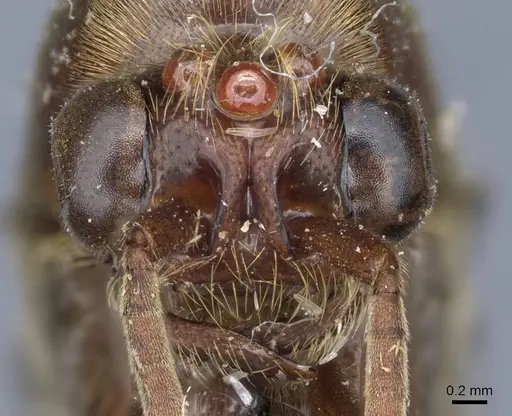
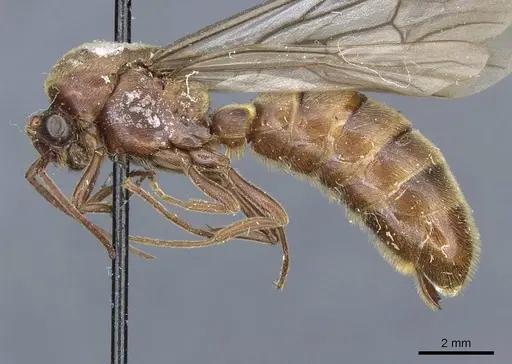
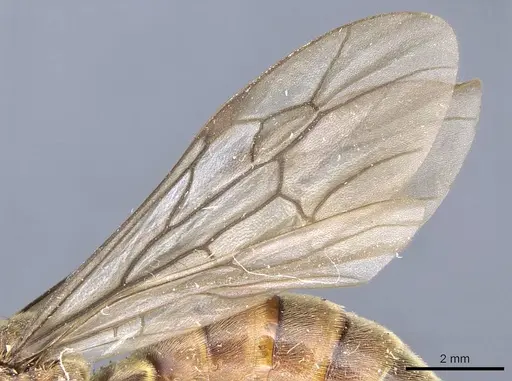
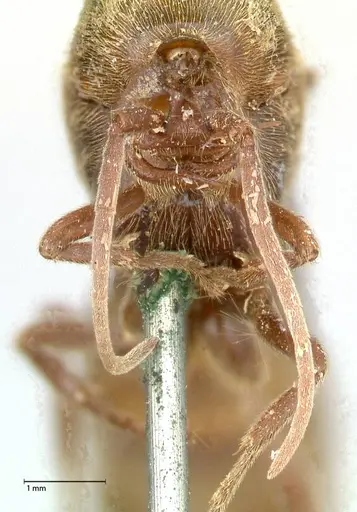
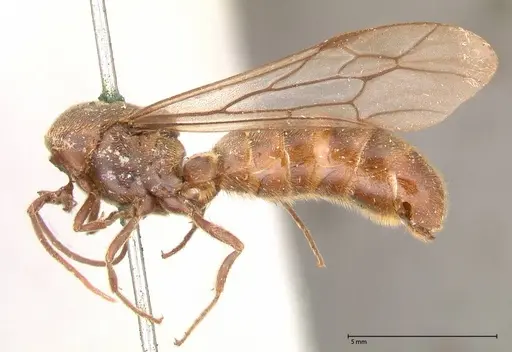
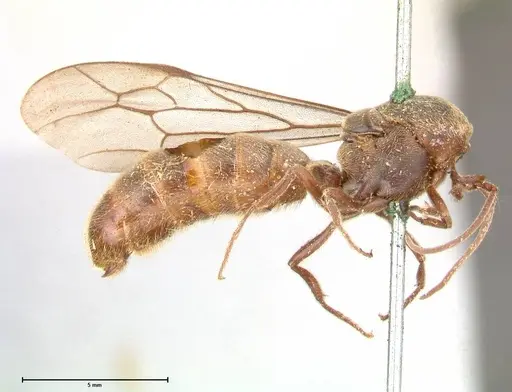
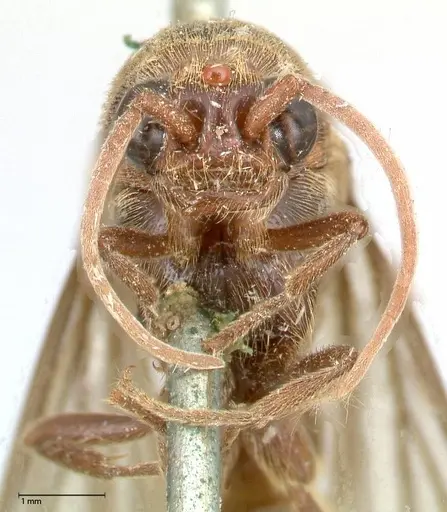
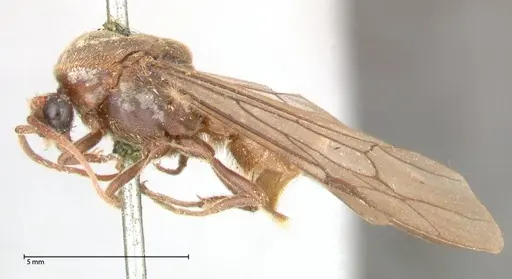
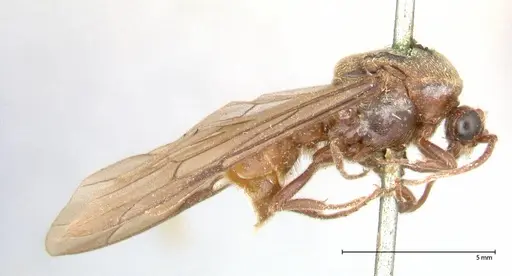
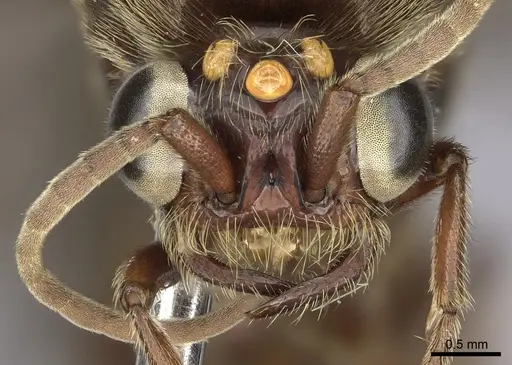
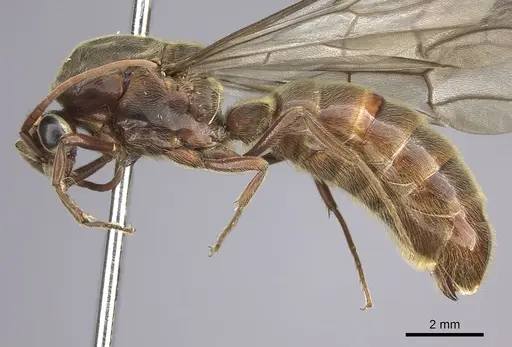
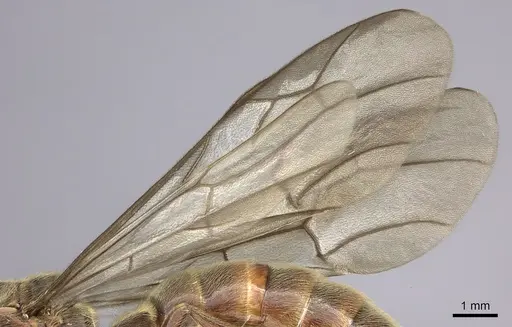
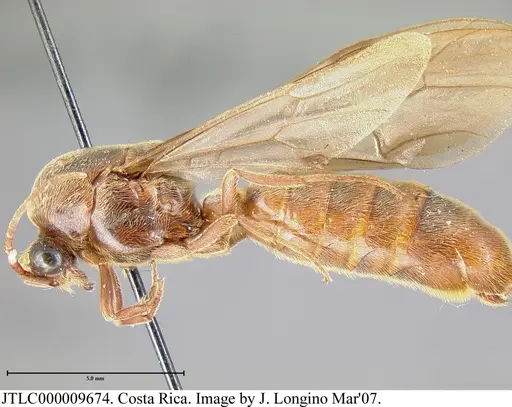
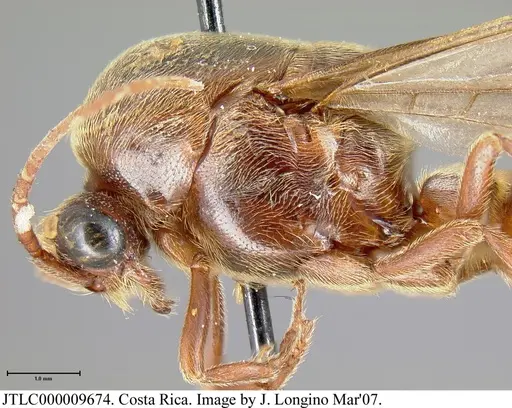
Neivamyrmex rosenbergi is a Neotropical army ant species known only from male specimens. Males have been collected in Colombia, Ecuador, Guatemala, Panama, and Costa Rica at elevations ranging from near sea level to around 980 meters [1][2]. The species was originally described by Forel in 1911 and has been collected primarily at light sources such as mercury vapor lamps, indicating males are attracted to artificial lights during their nuptial flights [3]. This is one of the few Neivamyrmex species where the worker caste has never been documented or associated with the males, making it essentially unknown to science from an antkeeping perspective. As an army ant, it would theoretically belong to the subfamily Dorylinae and share some general characteristics with other army ants, but no specific biological information exists for this species.
Quick Summary
- Difficulty: Expert
- Origin & Habitat: Neotropical region, found in Colombia, Ecuador, Guatemala, Panama, and Costa Rica. Habitat details are unknown as workers have never been collected [2][3].
- Colony Type: Unknown, only males have been collected. No queens or workers have ever been associated with this species, so colony structure cannot be determined [3].
- Size & Growth:
- Queen: Unknown, no queens have been documented [3].
- Worker: Unknown, workers have never been collected or described [3].
- Colony: Unknown, no colony data exists [3].
- Growth: Unknown
- Development: Unknown, no workers exist to study development [3]. (This species is only known from male specimens. No workers have ever been collected or associated with the males, making any development timeline impossible to determine.)
- Antkeeping:
- Temperature: Unknown, no workers exist to study temperature preferences. General Neivamyrmex species typically prefer tropical to warm conditions, but specific requirements are unconfirmed.
- Humidity: Unknown, no workers exist to study humidity preferences.
- Diapause: Unknown, army ants are typically active year-round in tropical regions, but this species has not been studied.
- Nesting: Unknown, no workers have ever been collected, so natural nesting preferences are completely unknown [3].
- Behavior: Unknown, no workers have ever been observed or documented. As a Neivamyrmex species (army ant genus), it would theoretically exhibit typical army ant behaviors such as nomadic foraging and colony migration, but this remains entirely speculative without any worker observations [3]. Escape risk cannot be assessed as workers do not exist.
- Common Issues: this species cannot be kept in captivity, only males have ever been documented and workers are completely unknown to science, no source exists for obtaining colonies, queens and workers have never been associated with this species, even if workers were somehow obtained, no care information exists to guide their maintenance, attempts to keep unknown army ant species would almost certainly result in colony failure
Why This Species Cannot Be Kept
Neivamyrmex rosenbergi represents one of the most challenging cases in antkeeping, it is a species that has never been documented beyond male specimens. The workers and queens of this species remain completely unknown to science. Without workers, there is no way to establish a functional colony, no care requirements to study, and no established keeping protocols. Even if males were collected during nuptial flights, they cannot found a colony alone and have no value for antkeeping purposes. This is not a case of a rare or difficult species, it is a species whose entire worker caste is unknown to entomologists. For antkeepers, this means the species is effectively unkeepable until such time as workers are discovered and associated with the males, which may require field work in its Neotropical range [3].
Taxonomic Status and Research History
The species was originally described by Forel in 1911 based on a male specimen collected from Ecuador. It was subsequently moved to the genus Neivamyrmex by Borgmeier in 1953 and has been recorded multiple times in Central and South American countries including Colombia, Ecuador, Guatemala, Panama, and Costa Rica [2]. Despite over a century of research and numerous collections of males, no researcher has ever documented workers or queens. This is unusual even for rarely collected species, as the worker caste is typically easier to find than reproductive males. The males themselves have been collected primarily at light sources, suggesting they are attracted to artificial lights during their dispersal flights, similar to many other ant species [3]. The lack of worker association makes this species a taxonomic mystery that would require dedicated field work to resolve.
What Would Be Needed to Keep This Species
If an antkeeper were to attempt working with this species, it would require first discovering and collecting the workers in the field, a task that has eluded professional myrmecologists for over 100 years. Neivamyrmex army ants typically form large, nomadic colonies that raid for prey, so locating them would require understanding their foraging patterns and seasonal movements in the Neotropical forests where they occur. Once found, the entire colony would need to be collected, as army ants cannot survive without the full social structure. Transport and import would also require proper permits, as this species is not documented in the pet trade and likely has no established husbandry protocols. In short, this species represents a frontier of discovery rather than an established captive species. [3]
Frequently Asked Questions
Can I keep Neivamyrmex rosenbergi ants?
No. This species cannot be kept because only males have ever been documented. Workers and queens are completely unknown to science, so no colony can be established. Even if you obtained males, they cannot found a colony and have no value for antkeeping [3].
Where can I get Neivamyrmex rosenbergi queens or workers?
Nowhere. No one has ever documented or collected workers or queens of this species. They remain unknown to science, and no source exists for obtaining colonies [3].
What do Neivamyrmex rosenbergi workers look like?
We don't know. Workers have never been collected or described. The species is only known from male specimens, so the worker morphology is completely undocumented [3].
What is the colony size of Neivamyrmex rosenbergi?
Unknown. No colony has ever been observed or documented. Without workers, colony size cannot be determined [3].
What temperature do Neivamyrmex rosenbergi need?
Unknown. No workers exist to study temperature preferences. General Neivamyrmex species are tropical army ants, but specific requirements are unconfirmed for this species.
How long does it take for Neivamyrmex rosenbergi to develop from egg to worker?
Unknown. No eggs, larvae, or workers have ever been documented. The entire development timeline is completely unknown [3].
Is Neivamyrmex rosenbergi a good species for beginners?
No. This species cannot be kept at all, workers have never been documented. Even if workers existed, army ants like Neivamyrmex are considered advanced species requiring specialized care.
What does Neivamyrmex rosenbergi eat?
Unknown. Without workers, no one has ever observed their foraging behavior or diet. As an army ant, they would theoretically be predatory like other Neivamyrmex species, but this remains speculative.
Do Neivamyrmex rosenbergi need hibernation?
Unknown. No colony has ever been observed to determine seasonal activity patterns. As a Neotropical species, they would likely be active year-round if workers existed.
References

This caresheet is licensed under CC BY-SA 4.0 .
CASENT0905973
View on AntWeb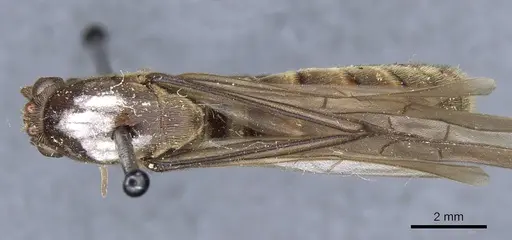
FOCOL0592
View on AntWeb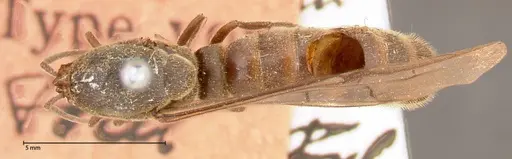
FOCOL0593
View on AntWeb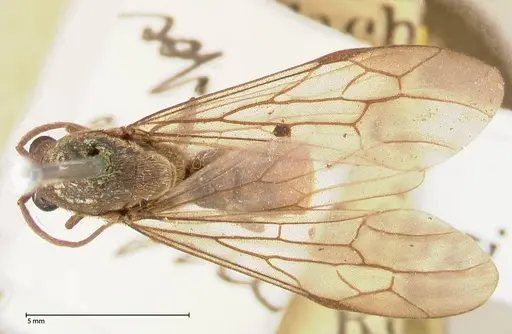
INB0003692983
View on AntWeb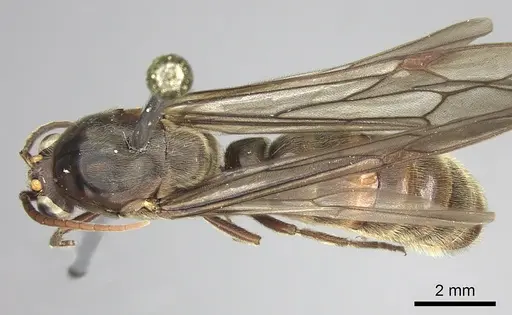
JTLC000009674
View on AntWeb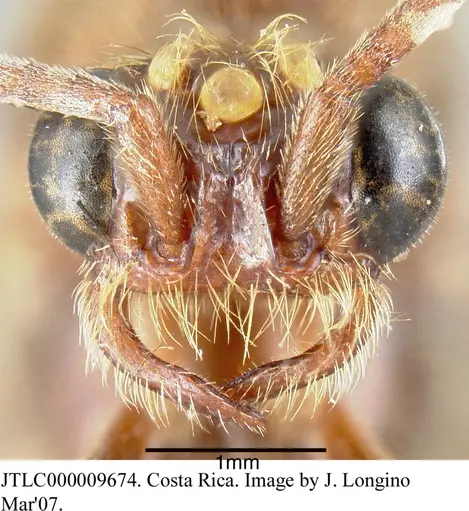
Literature
Loading...Loading products...