

Neivamyrmex leptognathus
- Scientific Name
- Neivamyrmex leptognathus
- Subfamily
- Dorylinae
- Author
- Emery, 1900
- Distribution
- Found in 1 countries
Neivamyrmex leptognathus Overview
Neivamyrmex leptognathus is an ant species of the genus Neivamyrmex. It is primarily documented in 1 countries , including French Guiana. Detailed taxonomic data and occurrence records can be further explored via authoritative databases such as AntWeb or the Global Biodiversity Information Facility (GBIF).
Neivamyrmex leptognathus
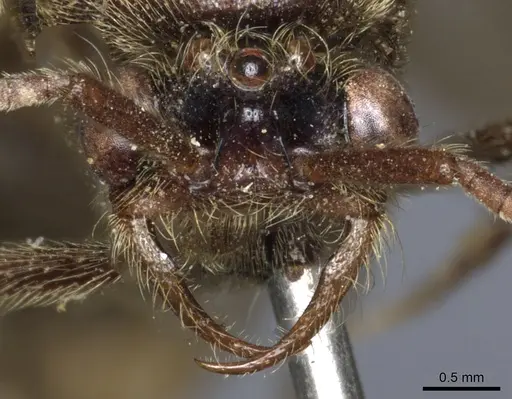
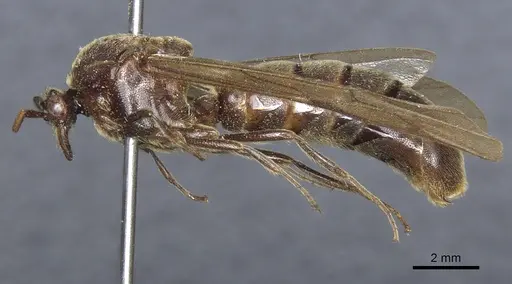
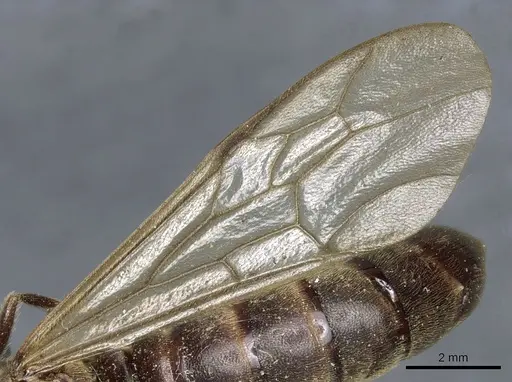
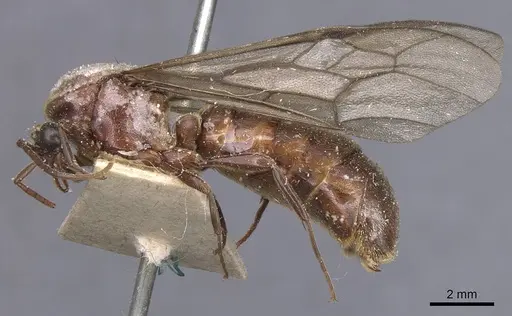
Neivamyrmex leptognathus is a Neotropical army ant found across Bolivia, Brazil, and French Guiana [1]. As a member of the subfamily Dorylinae, this species exhibits the classic army ant lifestyle, they are nomadic predators that raid in organized columns, hunting other insects and arthropods to feed their colony. The species was originally described by Emery in 1900 from a male specimen collected in Bolivia [1].
Army ants like N. leptognathus are among the most behaviorally complex ants in the world. They do not maintain permanent nests like most ants, instead, they form temporary bivouacs and move their colony regularly, sometimes daily. This makes them one of the more challenging ant species to keep, and they are generally recommended only for experienced antkeepers who can provide the specialized conditions these predators require.
Quick Summary
- Difficulty: Expert
- Origin & Habitat: Neotropical region, found in Bolivia, Brazil, and French Guiana [1]. They inhabit tropical rainforests and humid forest environments where they can conduct their nomadic raids.
- Colony Type: Single-queen colonies typical for army ants. The colony structure involves one reproductive queen with a large worker force that can number in the tens of thousands [1].
- Colony: Monogyne
- Queen: Socially parasitic, Temporary parasitic
- Size & Growth:
- Queen: Large (estimated 15-20mm based on genus patterns), army ant queens are among the largest in the ant world
- Worker: Estimated 3-6mm based on genus patterns
- Colony: Large colonies with tens of thousands of workers typical for army ant species [1]
- Growth: Fast, army ant colonies can grow rapidly when well-fed
- Development: Estimated 4-6 weeks at tropical temperatures (25-28°C) based on related Ecitoninae species (Development is fast in warm conditions, typical for tropical army ants)
- Antkeeping:
- Temperature: Keep at 24-28°C, these are tropical ants requiring warm, stable temperatures [2]. Use a heating cable on one side of the enclosure to create a gradient.
- Humidity: High humidity (70-85%) is essential. Army ants come from humid tropical forests. Keep the outworld moist but not waterlogged.
- Diapause: No, being tropical, they do not require hibernation. However, slight temperature reductions during dry seasons may occur naturally [2].
- Nesting: Army ants do not nest in traditional formicariums. They form bivouacs from living workers that cluster together. In captivity, they need a large outworld with multiple chambers or containers connected by tubing to simulate their nomadic behavior.
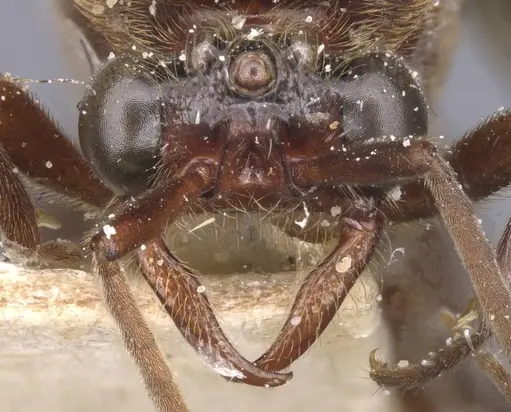
- Behavior: N. leptognathus is a predatory army ant that hunts in organized raiding columns. They are aggressive predators that will attack and consume any arthropods they encounter. Workers are highly active and will explore extensively. They have a powerful bite and can defend themselves vigorously. Escape prevention is critical, they are excellent climbers and will exploit any gap. Their nomadic nature means they are constantly on the move, making them one of the most dynamic ant species to observe.
- Common Issues: Providing adequate prey is the biggest challenge, they need constant access to live insects, Simulating their nomadic lifestyle in captivity is difficult and requires creative setups, Maintaining high humidity without mold is challenging, Large colonies consume enormous amounts of food, They may stress easily and abandon bivouac sites if conditions aren't right
Understanding Army Ant Biology
Neivamyrmex leptognathus belongs to the Dorylinae subfamily, commonly known as army ants. Unlike most ant species that maintain permanent nests, army ants are nomadic, they periodically relocate their entire colony in search of new hunting grounds. This behavior, called statary phase and nomadic phase cycling, is one of the most complex social behaviors in the ant world. During the nomadic phase, the colony forms a living bivouac (a cluster of workers holding onto each other) and moves to a new location daily. During the statary phase, they remain stationary for several weeks while the queen lays eggs and the brood develops.
Army ants are obligate predators, they cannot survive without hunting and consuming other arthropods. Unlike many ant species that can survive on plant matter or honeydew, N. leptognathus requires a constant supply of live prey. This makes them one of the most demanding ant species to keep. In the wild, colonies can number in the hundreds of thousands of workers, conducting massive raids that can overwhelm prey colonies many times their size [1].
Housing and Enclosure Setup
Keeping army ants in captivity requires creative solutions since they don't fit standard nest setups. The key is to provide a large outworld space where they can form bivouacs and conduct raids. Many keepers use multiple containers (like plastic bins or tanks) connected by tubing, allowing the colony to move between them. This mimics their nomadic lifestyle.
The enclosure should have a moist substrate (like soil or coco fiber) that holds humidity well. Provide hiding spots like pieces of bark, leaf litter, or artificial structures where they can form their bivouac. Multiple feeding stations throughout the enclosure encourage natural foraging behavior. The setup must be escape-proof, army ants are excellent climbers and will find any gap. Use fluon on container rims and ensure all connections are secure.
Temperature should be maintained at 24-28°C using a heating cable or mat placed on one side of the enclosure to create a warm gradient. Humidity should be high (70-85%), achieved by misting and keeping the substrate moist. Good ventilation is essential to prevent mold while maintaining humidity. [2]
Feeding Requirements
N. leptognathus is an obligate predator that requires live prey. This is non-negotiable, they will not thrive on dead food or sugar alone. Offer a variety of live arthropods appropriate to the colony size: fruit flies, small crickets, mealworms, waxworms, and other insects. For larger colonies, you'll need to culture your own feeder insects or purchase them in bulk.
Feed small prey items frequently (daily for growing colonies) and larger prey items 2-3 times per week. Remove uneaten prey after 24-48 hours to prevent mold. As the colony grows, the food requirements increase dramatically, a mature army ant colony can consume hundreds of insects per week. Some keepers report success with offering pre-killed prey, but live prey triggers more natural hunting behaviors.
Army ants do not typically consume sugar or honeydew in significant amounts, unlike many ant species. Their diet is almost entirely protein-based from prey items. [1]
Reproductive Biology and Nuptial Flights
The reproductive biology of N. leptognathus follows the typical army ant pattern. Reproductive flights occur during specific seasons, in Brazil, reproductive activity is concentrated from November to February, with peak activity in the warmest months [2]. Males and reproductive females (queens) emerge in large numbers during these nuptial flights.
Army ant queens are among the largest in the ant world, capable of producing tens of thousands of eggs per month when well-fed. After mating, the queen does not found a colony alone, she typically invades an existing colony of the same or related species temporarily before establishing her own colony. This temporary social parasitic behavior is common in Dorylinae.
In captivity, breeding army ants is extremely difficult due to the complexity of their biology and the large colony sizes required. Most keepers obtain their colonies from wildcaught queens during nuptial flights or by collecting established colonies (where permitted by local laws).
Challenges and Expert Requirements
N. leptognathus is not a species for beginners. The challenges are significant: providing adequate live prey for a potentially massive colony, maintaining the precise humidity and temperature conditions they require, simulating their nomadic lifestyle, and preventing escapes. Army ant colonies can become uncontrollably large, making them difficult to house in typical ant-keeping setups.
Additionally, these ants have specific ecological requirements tied to their Neotropical origin. They may struggle in temperate climates without careful temperature control. They are also highly sensitive to disturbances, frequent handling or moving of the bivouac can cause the colony to stress and potentially abandon their nest structure.
Before attempting to keep this species, ensure you have experience with other ant species and can commit to the daily feeding and maintenance requirements. Consider whether you have the space for a potentially massive colony and the ability to source large quantities of live prey consistently. [1]
Frequently Asked Questions
Can I keep Neivamyrmex leptognathus in a test tube?
No, test tubes are completely unsuitable for this species. Army ants need large spaces to form their bivouac and conduct raids. Use a large outworld setup with multiple chambers connected by tubing.
How long until first workers in Neivamyrmex leptognathus?
Based on related Ecitoninae species, expect 4-6 weeks from egg to worker at optimal temperatures (25-28°C). Army ant development is relatively fast in warm conditions.
What do Neivamyrmex leptognathus eat?
They are obligate predators that require live prey. Feed live insects like fruit flies, small crickets, mealworms, and other arthropods. They do not typically accept sugar or honeydew.
Are Neivamyrmex leptognathus good for beginners?
No, this is an expert-level species. They require constant access to live prey, high humidity, warm temperatures, and large enclosures. They are not suitable for beginners.
Do Neivamyrmex leptognathus need hibernation?
No, as tropical ants from the Neotropical region, they do not require hibernation. Maintain temperatures of 24-28°C year-round.
How big do Neivamyrmex leptognathus colonies get?
Mature colonies can reach tens of thousands of workers, making them one of the largest ant species to keep. This requires significant space and food resources.
Do Neivamyrmex leptognathus sting?
They have a powerful bite rather than a stinger. Army ants are aggressive defenders and will bite if threatened, though their small size limits the effectiveness against humans.
When do Neivamyrmex leptognathus have nuptial flights?
In their native Brazil, reproductive flights occur from November to February, with peak activity during the warmest months [2].
Why are my Neivamyrmex leptognathus dying?
Common causes include: inadequate prey (they need live insects constantly), low humidity, incorrect temperature (too cold), stress from disturbance, or mold from poor ventilation. Review all care parameters and ensure prey is being consumed.
References

This caresheet is licensed under CC BY-SA 4.0 .
CASENT0903739
View on AntWeb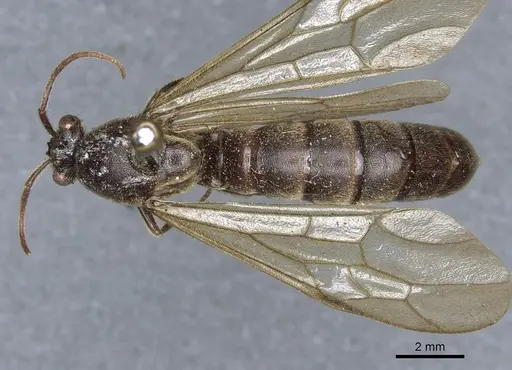
CASENT0911402
View on AntWeb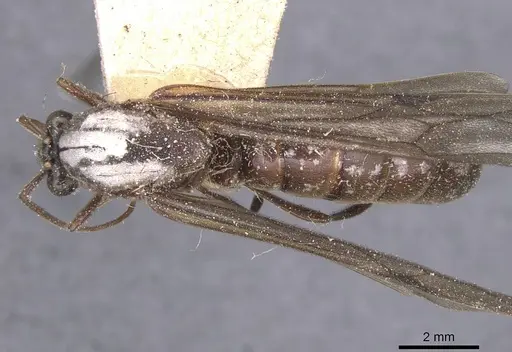
Literature
Loading...Loading products...