

Neivamyrmex planidorsus
- Scientific Name
- Neivamyrmex planidorsus
- Subfamily
- Dorylinae
- Author
- Emery, 1906
- Distribution
- Found in 1 countries
Neivamyrmex planidorsus Overview
Neivamyrmex planidorsus is an ant species of the genus Neivamyrmex. It is primarily documented in 1 countries , including Argentina. Detailed taxonomic data and occurrence records can be further explored via authoritative databases such as AntWeb or the Global Biodiversity Information Facility (GBIF).
Neivamyrmex planidorsus
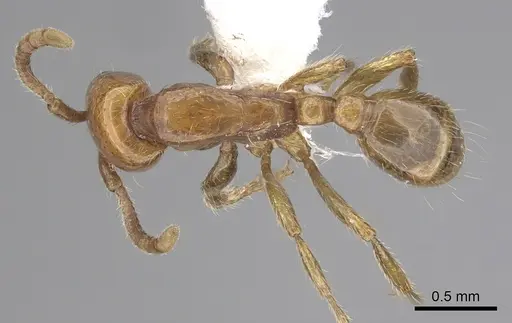
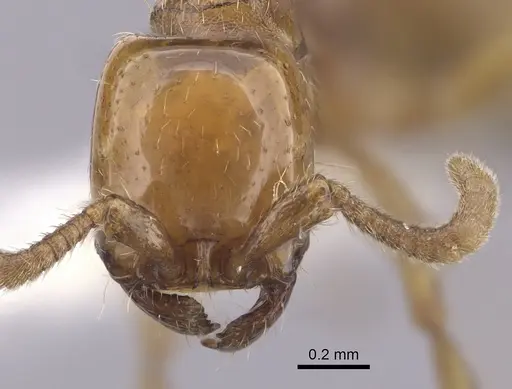
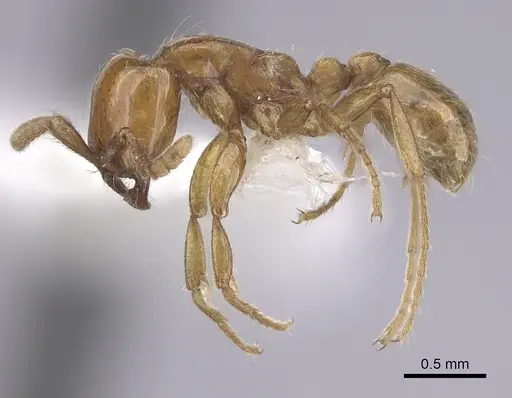
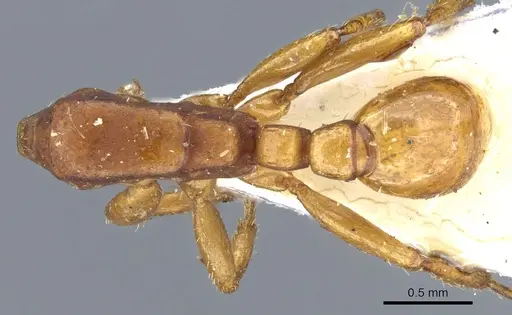
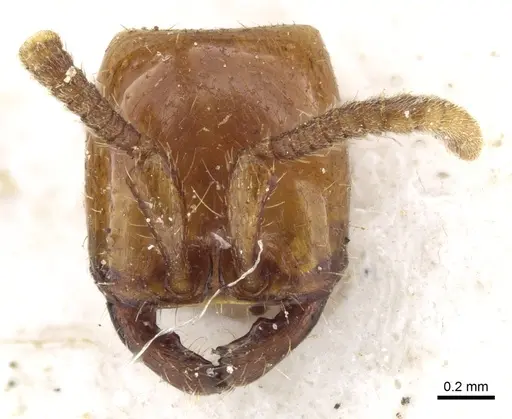
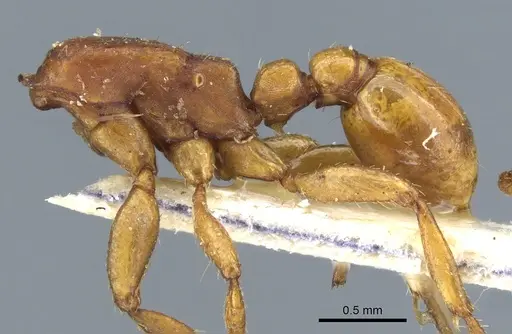
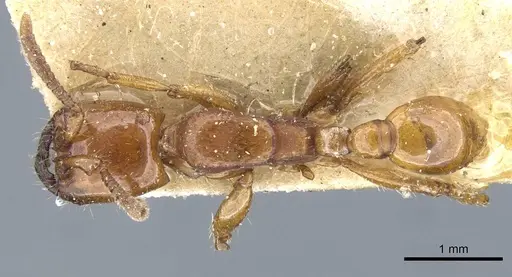
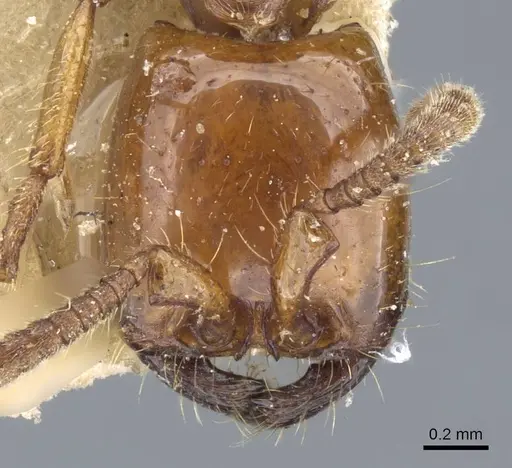
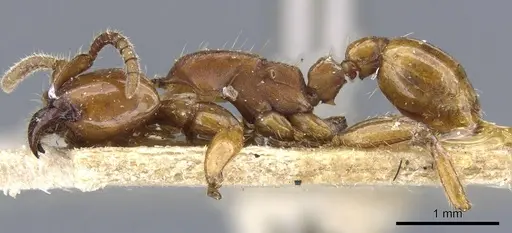
Neivamyrmex planidorsus is a small army ant species native to the Neotropical region of South America, found in Argentina, Brazil, Colombia, and Paraguay [1]. Workers measure just 2.6-3.2mm and have a distinctive yellowish-reddish coloration with a notably shiny appearance on the head, postpetiole, and gaster [2]. Like all army ants in the Dorylinae subfamily, this species has no eyes, they are completely blind, relying on chemical signals and vibrations to navigate and hunt [2]. Their thorax and petiole are densely punctate and mostly opaque, while the promesonotum has fine longitudinal striation [2].
This species is a Tropical Climate Specialist (TCS), found at elevations around 970m in Colombia and in the Entre Ríos province of Argentina [3][4]. As an army ant, N. planidorsus likely exhibits the classic army ant behavior of conducting raids and forming nomadic colonies, though specific behavioral observations for this species are limited in the scientific literature.
Quick Summary
- Difficulty: Expert
- Origin & Habitat: Neotropical region of South America, Argentina, Brazil, Colombia, and Paraguay. Found in tropical and subtropical climates at mid-elevations around 970m in Colombia (Antioquia, Boyacá departments) and in Argentina's Entre Ríos province [1][4][5].
- Colony Type: Army ant colony structure, likely polygynous (multiple queens) with nomadic raiding behavior typical of Dorylinae, though specific colony structure is unconfirmed for this species.
- Size & Growth:
- Queen: Unconfirmed, army ant queens are typically much larger than workers
- Worker: 2.6-3.2mm [2]
- Colony: Likely large colonies typical of army ants, estimated hundreds to thousands of workers based on genus patterns
- Growth: Fast, army ant colonies grow rapidly when established
- Development: Estimated 3-5 weeks at tropical temperatures based on typical Dorylinae development (Army ant development is typically very fast compared to other ant genera)
Understanding Neivamyrmex Army Ants
Neivamyrmex planidorsus belongs to the Dorylinae subfamily, commonly known as army ants. These ants are famous for their nomadic lifestyle and predatory raiding behavior. Unlike most ant species that establish permanent nests, army ants periodically move their entire colony (bivouac) in search of new hunting grounds. Workers are completely blind, they have no eyes and navigate using chemical pheromone trails and vibrations [2]. This makes them fascinating to observe but also means they are easily stressed by bright light and disturbance.
The genus Neivamyrmex contains around 150 species of army ants distributed throughout the Americas, with the highest diversity in the Neotropics. N. planidorsus is one of the smaller species in the genus, with workers measuring just 2.6-3.2mm [2]. This is significantly smaller than many other army ants, which has implications for both their prey selection and the size of prey they can tackle.
Housing and Nest Setup
Housing Neivamyrmex planidorsus requires understanding their natural history as blind, predatory ants that prefer dark, humid conditions. Keep them in a setup with deep, moist substrate (at least 5-7cm) that allows the colony to dig tunnels and form their bivouac. A naturalistic setup with a soil-filled container works well, use a dark container or cover the nest area to block light since these ants are eyeless and avoid illumination.
The outworld (foraging area) should be spacious enough to allow raiding behavior. Provide a water source via a test tube with a cotton plug, and ensure all connections between nest and outworld have tight-fitting barriers. Due to their tiny 2.6-3.2mm worker size, escape prevention must be excellent, use fine mesh (at least 0.5mm) on any ventilation holes and check all seams regularly [2]. A plaster or acrylic formicarium with narrow tunnels can also work, but ensure the chambers are appropriately scaled to their small size.
Feeding and Diet
As army ants, N. planidorsus are obligate predators that require a constant supply of live protein prey. In the wild, they conduct raiding swarms to capture other invertebrates. In captivity, offer small live insects such as fruit flies, pinhead crickets, small mealworms, and other micro-prey appropriate to their tiny 2.6-3.2mm worker size [2].
Feed small prey items frequently, army ant colonies have high metabolic demands due to their active lifestyle. Remove uneaten prey after 24-48 hours to prevent mold. While they may accept some sugar sources, protein prey should form the majority of their diet. Some keepers report that Neivamyrmex species will scavenge on dead insects, but live prey triggers their natural raiding behavior and is essential for colony health.
Temperature and Seasonal Care
Neivamyrmex planidorsus comes from tropical and subtropical regions of South America, so they require warm, stable temperatures. Keep the nest area at 24-28°C, avoiding temperatures below 20°C or above 32°C. A heating cable on one side of the nest can create a gentle gradient, but ensure the heating element is placed on top of the nest rather than underneath to prevent excessive drying.
As tropical ants, they do not require a true diapause or hibernation period. However, they may show reduced activity during cooler periods. Maintain consistent warmth year-round. Humidity should be high (70-80%), the substrate should feel consistently moist but not waterlogged. Mist the nest occasionally and monitor for condensation, which indicates humidity is adequate. Avoid both stagnant air (causes mold) and excessive airflow (causes drying). [3][4]
Behavior and Colony Dynamics
Army ant colonies are among the most dynamic in the ant world. Unlike stationary species, N. planidorsus will periodically relocate their bivouac as they deplete local prey populations. This nomadic behavior is triggered by colony size and food availability. In captivity, you may observe the colony becoming restless before a move, workers may cluster near the entrance and pheromone activity increases.
The colony likely contains multiple queens (polygynous) typical of army ants, with new queens produced during mating flights. Workers are highly cooperative and will coordinate raiding parties. Despite their small size, they are determined and will tackle prey much larger than individual workers through sheer numbers. Their lack of eyes means they are sensitive to vibrations and air currents, sudden movements or disturbances can cause colony stress. Observe them under dim red light or with minimal disturbance to see their natural behavior. [2][1]
Frequently Asked Questions
Can I keep Neivamyrmex planidorsus in a test tube?
A test tube is not suitable for this species. As army ants, they need space to conduct raids and form bivouacs. Use a naturalistic setup with deep, moist substrate (at least 5-7cm) or a formicarium with appropriately sized tunnels. The nest area should be dark since they are blind.
How long until first workers in Neivamyrmex planidorsus?
Based on typical Dorylinae development, expect first workers (nanitics) approximately 3-5 weeks after the queen lays eggs at optimal tropical temperatures (24-28°C). Army ant development is generally faster than most ant species.
Are Neivamyrmex planidorsus good for beginners?
No, this species is rated Expert difficulty. They require specific conditions (high humidity, warm temperatures, constant protein prey), are sensitive to light due to being blind, and their tiny size makes escape prevention challenging. They also have complex colony dynamics typical of army ants that require experienced keepers.
What do Neivamyrmex planidorsus eat?
They are obligate predators requiring live protein prey. Feed small live insects appropriate to their tiny 2.6-3.2mm size, such as fruit flies, small mealworms, pinhead crickets, and other micro-arthropods. Remove uneaten prey after 24-48 hours.
Can I keep multiple queens together in Neivamyrmex planidorsus?
Army ant colonies are typically polygynous (multiple queens) in the wild. However, combining unrelated foundress queens in captivity has not been documented for this specific species. It is not recommended to attempt combining unrelated queens without documented success.
Do Neivamyrmex planidorsus need hibernation?
No, as tropical ants from Argentina, Brazil, Colombia, and Paraguay, they do not require true hibernation. Maintain warm temperatures (24-28°C) year-round. They may show reduced activity during cooler periods but do not enter diapause.
Why are my Neivamyrmex planidorsus dying?
Common causes include: low humidity (keep substrate moist), temperatures outside 24-28°C range, insufficient protein prey (they need constant feeding), excessive light disturbance (they are blind and stress easily), and escape-related losses due to their tiny 2.6-3.2mm size. Check all barriers and keep the nest area dark.
How big do Neivamyrmex planidorsus colonies get?
Based on typical army ant colony sizes, colonies likely reach hundreds to thousands of workers. Army ant colonies are among the largest in the ant world due to their nomadic lifestyle and high reproductive output.
When do Neivamyrmex planidorsus have nuptial flights?
Nuptial flight timing for this specific species is unconfirmed. In Neotropical regions, army ant mating flights typically occur during warm, humid periods. If you have a mature colony, watch for winged reproductives appearing several months after the colony establishes.
References

This caresheet is licensed under CC BY-SA 4.0 .
Literature
Loading...Loading products...