

Neivamyrmex californicus
- Scientific Name
- Neivamyrmex californicus
- Subfamily
- Dorylinae
- Author
- Mayr, 1870
- Common Name
- California Legionary Ant
- Distribution
- Found in 2 countries
Neivamyrmex californicus Overview
Neivamyrmex californicus (commonly known as the California Legionary Ant) is an ant species of the genus Neivamyrmex. It is primarily documented in 2 countries , including Mexico, United States of America. Detailed taxonomic data and occurrence records can be further explored via authoritative databases such as AntWeb or the Global Biodiversity Information Facility (GBIF).
Neivamyrmex californicus - "California Legionary Ant"
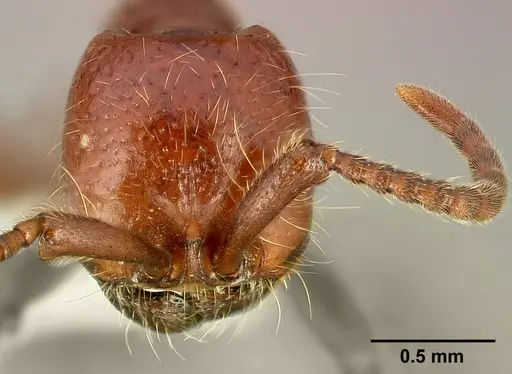
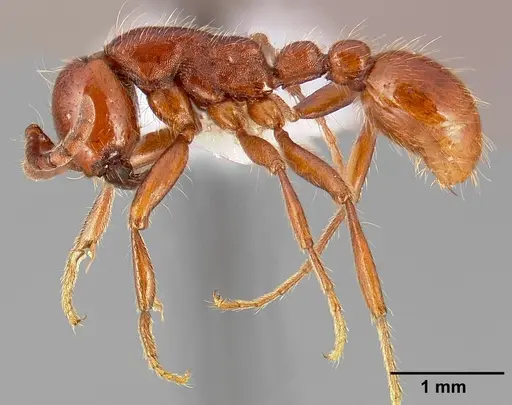
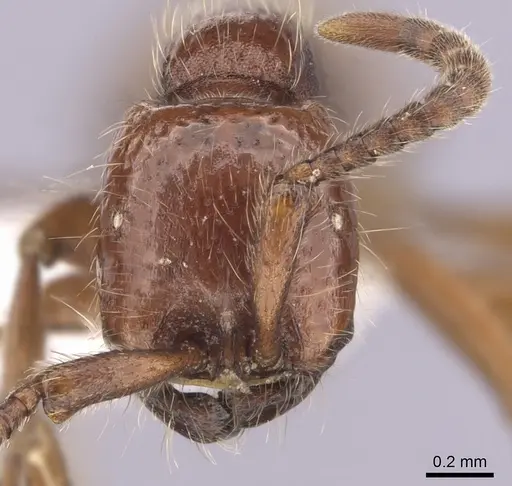
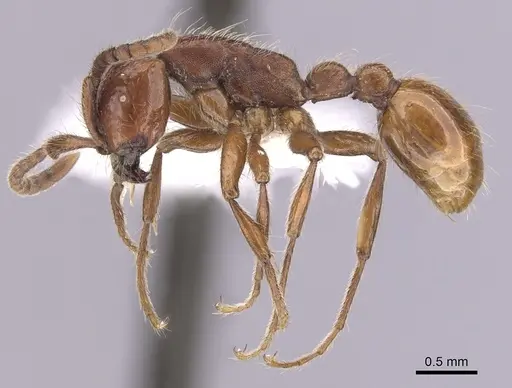
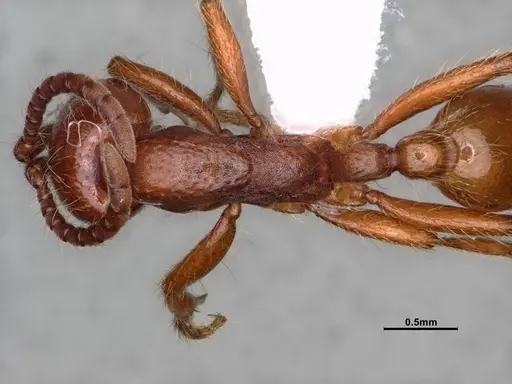
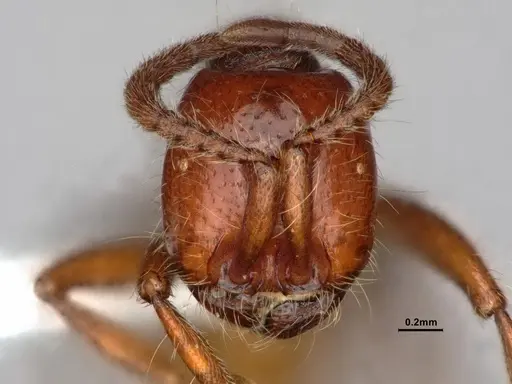
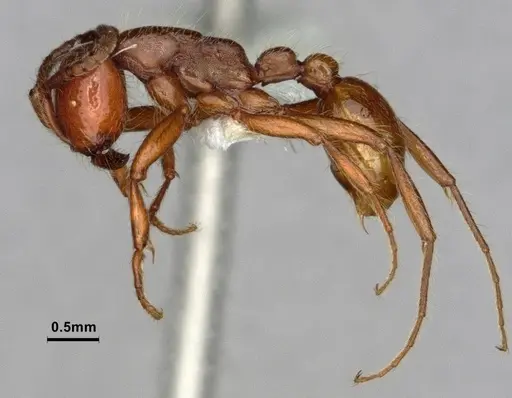
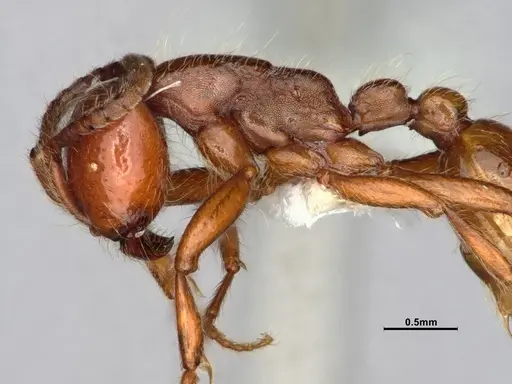
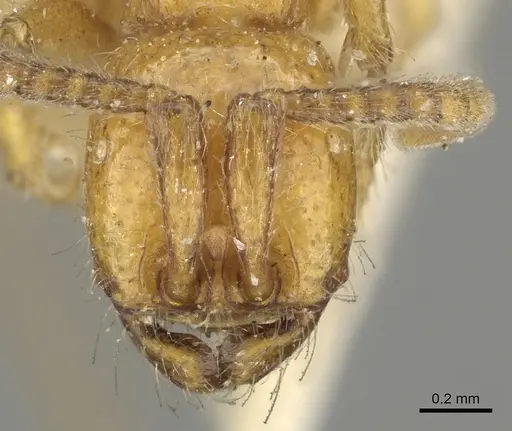
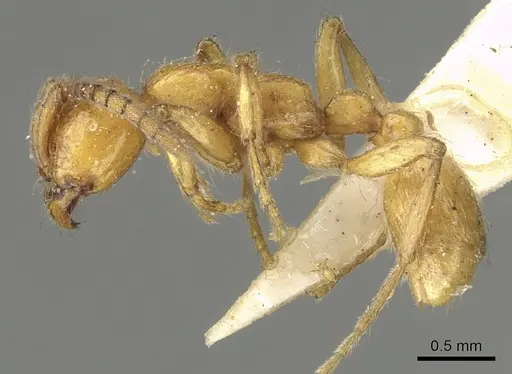
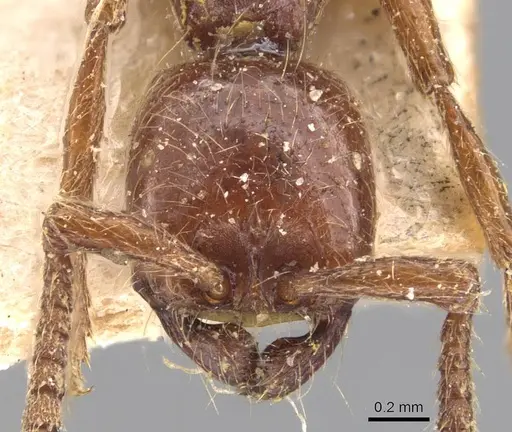
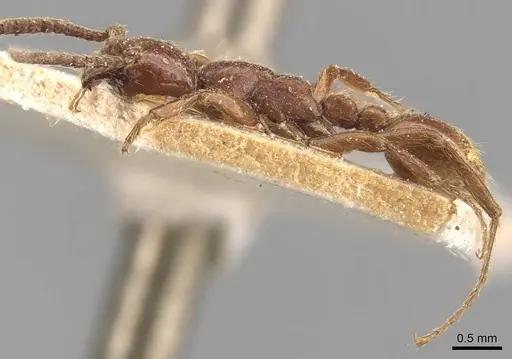
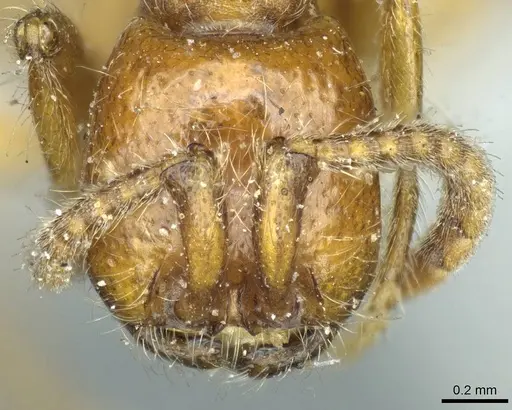
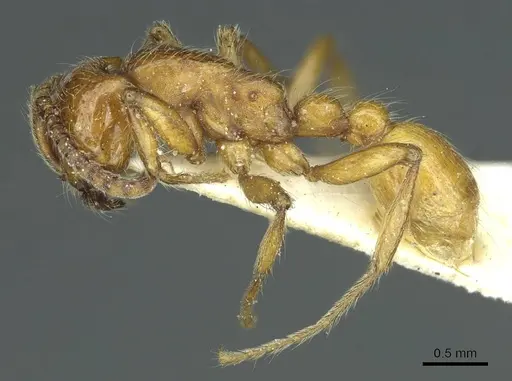
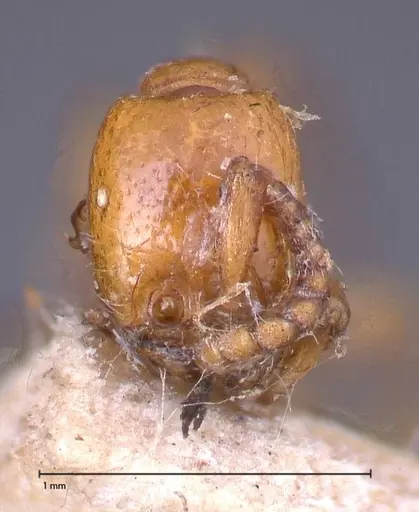
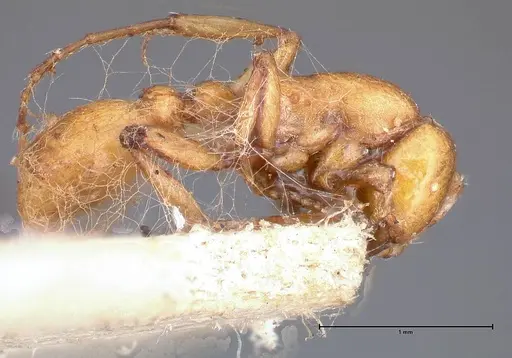
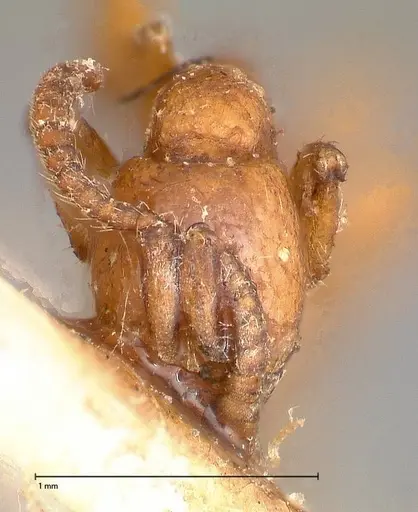
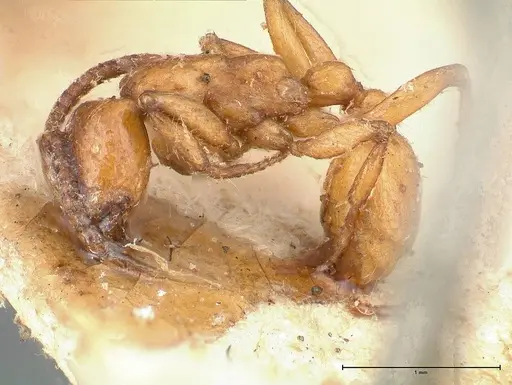
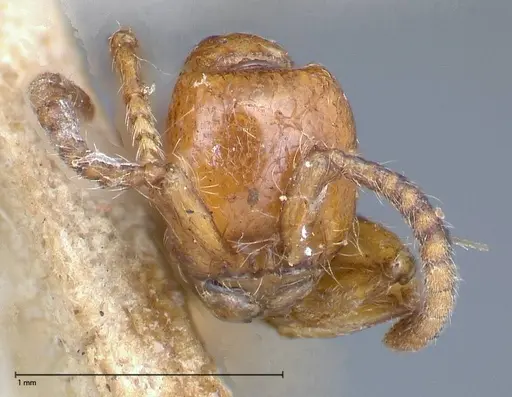
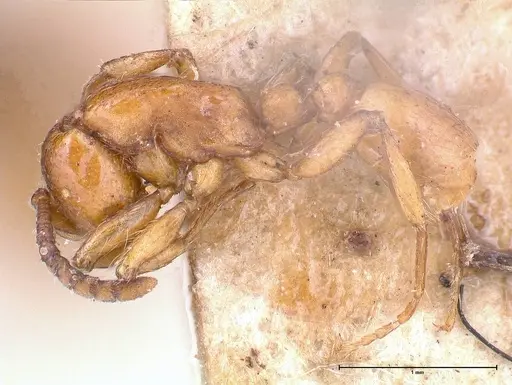
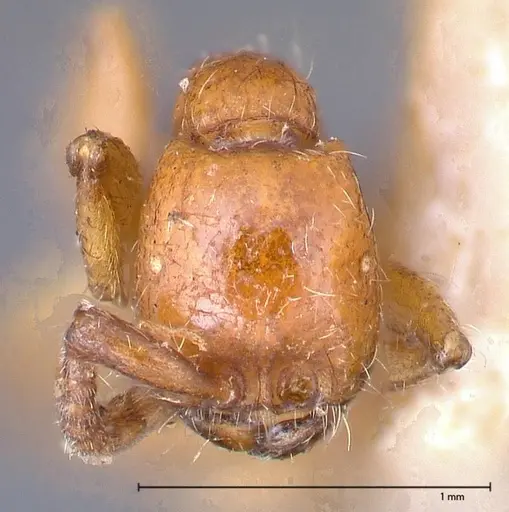
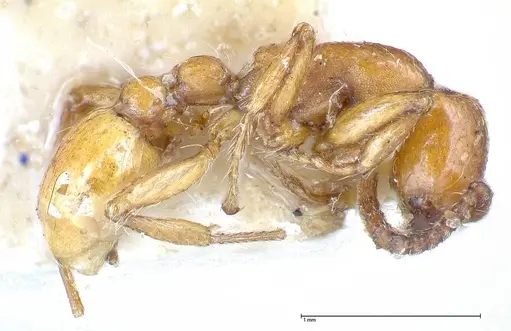
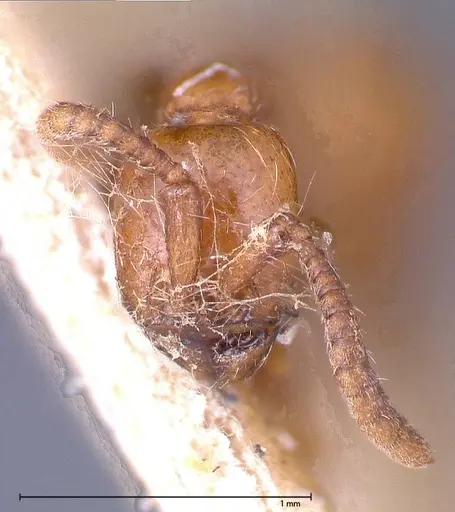
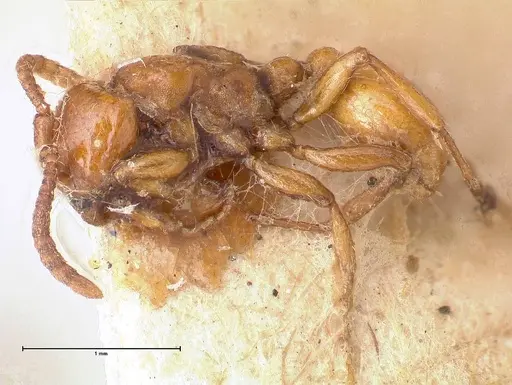
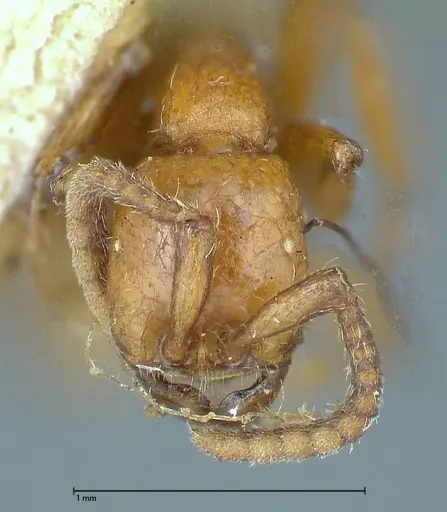
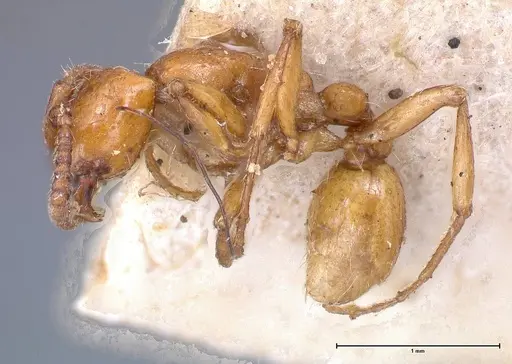
Neivamyrmex californicus is a small army ant native to California and Baja California, Mexico. Workers measure 2.4-5.0mm and display the classic army ant morphology: a compact body, relatively small eyes, and long golden hairs covering their light to dark reddish-brown coloration [1]. The gaster tends to be lighter than the rest of the body. These ants are obligate predators that raid colonies of other ant species, making them specialized hunters in their ecosystem [2]. Unlike typical ants with permanent nests, army ants are nomadic, they form temporary bivouacs and move their colony regularly to new hunting grounds [3]. This species inhabits montane and foothill areas including chaparral, coastal sage scrub, oak woodland, and riparian areas from sea level to 1840m elevation [1].
Quick Summary
- Difficulty: Expert
- Origin & Habitat: California and Baja California, Mexico, found in chaparral, coastal sage scrub, oak woodland, riparian woodland, and grassland at elevations from sea level to 1840m [1][2]
- Colony Type: Colony structure is not fully documented, the queen has never been positively identified (previous queen description was actually N. nigrescens). Colonies are nomadic and move regularly, characteristic of army ant behavior [1][3].
- Size & Growth:
- Queen: Unknown, queen has not been positively described for this species [1]
- Worker: 2.4-5.0mm [1]
- Colony: Unknown, no colony size data available
- Growth: Unknown
- Development: Unknown, no development data available for this species (Army ant development is poorly studied in captivity. Related Neivamyrmex species suggest development may take several months, but this is unconfirmed for N. californicus.)
- Antkeeping:
- Temperature: Unknown, no specific temperature data exists. Based on their California habitat, they likely tolerate a range from cool coastal conditions to warmer inland valleys. Room temperature (18-24°C) is a reasonable starting point, but observe colony activity for guidance.
- Humidity: Unknown, no humidity data available. Their natural habitat includes mesic coastal locations, suggesting moderate humidity preferences. Keep substrate slightly moist but not waterlogged.
- Diapause: Likely, as a California species, they probably experience reduced activity during winter months. A cool period around 10-15°C for 2-3 months may be appropriate, but this is estimated based on related species.
- Nesting: Army ants do not use typical nest structures. In captivity, they form bivouacs, temporary clusters held together by their own bodies. Provide a formicarium with multiple connected chambers and minimal substrate that can be easily reorganized. They need space to form their characteristic bivouac and should be able to move between chambers freely.
- Behavior: These are nocturnal, predacious ants that hunt in coordinated groups. Workers are typically active at night and often forage below the soil surface [3]. They are aggressive predators that raid nests of other ant species, including Veromessor andrei, Solenopsis molesta, Pheidole californica, and Pheidole hyatti [2]. One observed raid on Solenopsis xyloni resulted in casualties on both sides, indicating fierce resistance from prey colonies. Army ants do not collect honeydew or scavenge, they are obligate predators. Their small size (under 5mm) means they can escape through standard barrier gaps, so fine mesh and tight-fitting lids are essential. They are not aggressive toward humans and rarely sting.
- Common Issues: obligate predator diet makes feeding extremely difficult, they only accept live ant brood and workers from other ant species, queen status is unknown, no confirmed queen has been described, making colony establishment nearly impossible, nomadic lifestyle conflicts with standard nest setups, they need to move regularly which is difficult to accommodate in captivity, nocturnal activity means you may rarely see active ants unless you check at night, very small size creates significant escape risk, standard barriers may not contain them, no captive breeding success has been documented for this species
Why This Species Is Extremely Difficult to Keep
Neivamyrmex californicus is one of the most challenging ant species to keep in captivity, and most antkeepers should not attempt it. The primary reason is their diet: they are obligate predators that only accept live ant brood and workers from other ant species [2]. Unlike typical ants that will eat sugar water, protein, or dead insects, army ants must raid live ant colonies to survive. This means you would need to maintain cultures of feeder ant species (like Solenopsis or Pheidole) to feed your colony. Beyond diet, the queen has never been positively described, the original queen description was later determined to be a different species (N. nigrescens) [1]. Without a known queen, there is no way to establish a colony from a founding queen. Army ants are also nomadic, meaning they regularly move their entire bivouac to new hunting grounds. This behavior is nearly impossible to accommodate in standard formicarium setups. Unless you are an expert with access to live ant prey colonies and the ability to support nomadic movement, this species is not viable for captive keeping.
Feeding and Diet Requirements
This species is an obligate predator that exclusively attacks other ant species [2]. Documented prey includes Veromessor andrei, Solenopsis molesta, Pheidole californica, Pheidole hyatti, and Solenopsis xyloni [2][1]. They do not collect honeydew, eat seeds, or scavenge dead insects, they are strict hunters that rely on raiding other ant colonies. In captivity, you would need to provide regular access to live ant brood and workers from these species. This is extraordinarily difficult because it requires maintaining separate cultures of feeder ant species. Even if you have feeder ants, the raiding behavior is complex, army ants use group foraging where multiple workers coordinate attacks on a target colony [3]. A single raid can result in significant casualties on both sides, as observed in one documented encounter with Solenopsis xyloni where the ground was littered with dead and dying ants from both species [2]. Without the ability to provide live ant prey regularly, the colony will starve.
Natural History and Foraging Behavior
N. californicus is a nocturnal, predacious army ant that engages in group foraging [3]. Workers are typically active at night and often forage below the soil surface, making them difficult to observe in the wild. Unlike typical ants with permanent nests, army ants are nomadic, they form temporary bivouacs (clusters of ants holding together) and move their colony to new locations as they exhaust local prey populations. This nomadic lifestyle is driven by their obligate predation on other ant species, once they've depleted the ant colonies in an area, they must relocate to find new prey. In their California habitat, they occupy diverse environments including chaparral, coastal sage scrub, oak woodland, riparian woodland, and grassland from sea level to 1840m elevation [1]. They tend to prefer more mesic (damp), coastal locations compared to their close relative N. nigrescens [1].
Identification and Distinction from Similar Species
Workers of N. californicus can be distinguished from the similar N. nigrescens by several key features: their body is more feebly sculptured and therefore more shining, especially on the promesonotum, they have generally longer and more erect body hairs, their eyes are less distinct, and they are usually lighter in color [1]. The petiole (the narrow segment between the thorax and abdomen) is distinctly longer than broad, which helps separate them from other Neivamyrmex species [1]. Workers show some variation in size, ranging from 2.4-5.0mm, with variation in head shape and petiole proportions [1]. The original description of the queen by Watkins (1972) was later determined to actually be the shiny form of N. nigrescens, so the true queen of N. californicus remains unknown [1]. This taxonomic confusion highlights how little we know about this species.
Frequently Asked Questions
Can I keep Neivamyrmex californicus as a pet ant?
No, this species is not recommended for antkeeping. They are obligate predators that only eat other ants, require a queen that has never been described, and exhibit nomadic behavior that is nearly impossible to accommodate in captivity. Even expert antkeepers would struggle to maintain this species.
What do Neivamyrmex californicus eat?
They eat only other ants. This species raids colonies of ant species including Veromessor andrei, Solenopsis molesta, Pheidole californica, and Pheidole hyatti [2]. They do not eat sugar water, honey, seeds, or dead insects, only live ant brood and workers.
How do I feed an army ant colony in captivity?
You would need to provide live ant brood and workers from other ant species regularly. This requires maintaining cultures of feeder ant species like Solenopsis or Pheidole. Even with feeder ants available, the complexity of army ant raiding behavior makes successful feeding extremely difficult.
Do Neivamyrmex californicus queens exist?
The queen has never been positively described for this species. The original queen description by Watkins (1972) was later determined to actually be N. nigrescens [1]. Without a known queen, establishing a colony from a founding queen is currently impossible.
What is a bivouac and why does it matter?
A bivouac is a temporary nest formed by army ants where they cluster together, holding onto each other to create a living structure. Unlike typical ants that dig permanent nests, army ants are nomadic and regularly move their bivouac to new hunting grounds. This behavior is nearly impossible to accommodate in standard ant enclosures.
Are Neivamyrmex californicus dangerous?
No, they are not dangerous to humans. They are small ants (max 5mm) and their sting is negligible. Their threat is entirely directed toward other ant species, which they hunt and kill.
Where is Neivamyrmex californicus found?
They are found in California and Baja California, Mexico, from sea level to 1840m elevation. Their habitat includes chaparral, coastal sage scrub, oak woodland, riparian woodland, and grassland [1]. They prefer more mesic coastal locations compared to related species.
Why are they called army ants?
Army ants are named for their behavior of marching in large groups to raid other ant colonies. They use coordinated group foraging where many workers attack simultaneously, overwhelming the defenses of prey colonies. This raiding behavior is what makes them such specialized predators.
When are Neivamyrmex californicus active?
They are primarily nocturnal, with workers typically foraging at night [3]. They also often forage below the soil surface, making them difficult to observe. You would need to check at night to see active foraging.
Can I catch a queen Neivamyrmex californicus to start a colony?
No confirmed queen exists for this species, the queen has never been positively described [1]. Additionally, army ant queens mate during nuptial flights and are rarely encountered. Even if you found one, their semi-claustral or parasitic founding behavior would be extremely difficult to replicate in captivity.
References

This caresheet is licensed under CC BY-SA 4.0 .
CASENT0005330
View on AntWeb
CASENT0249473
View on AntWeb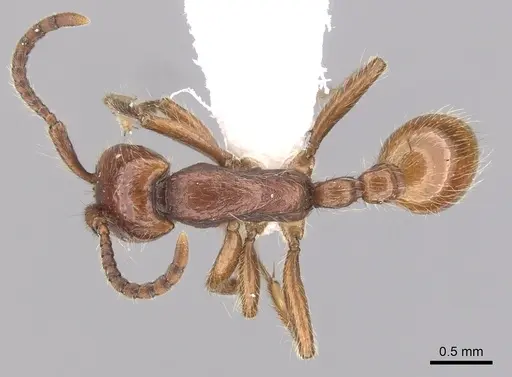
CASENT0883398
View on AntWeb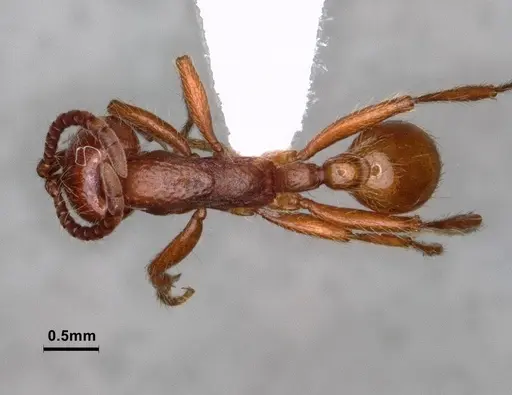
CASENT0902640
View on AntWeb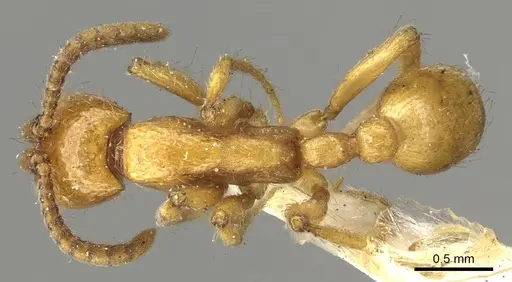
CASENT0905952
View on AntWeb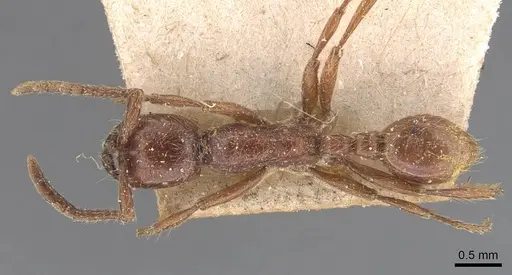
CASENT0915857
View on AntWeb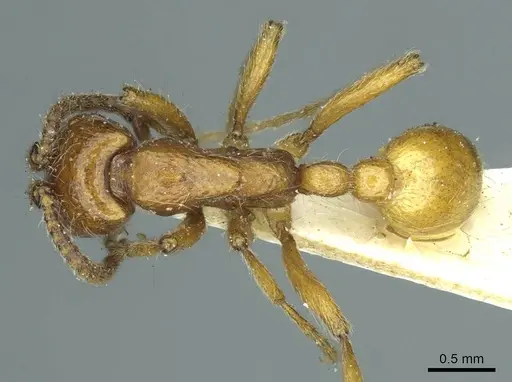
FOCOL0389-1
View on AntWeb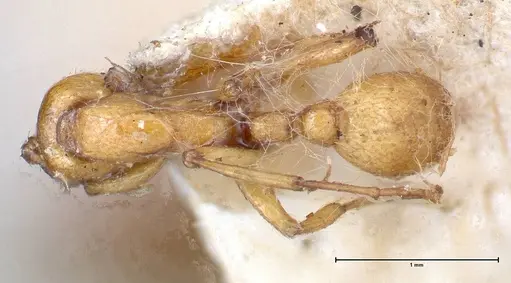
FOCOL0389-2
View on AntWeb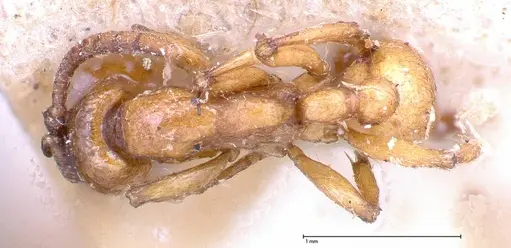
FOCOL0389-3
View on AntWeb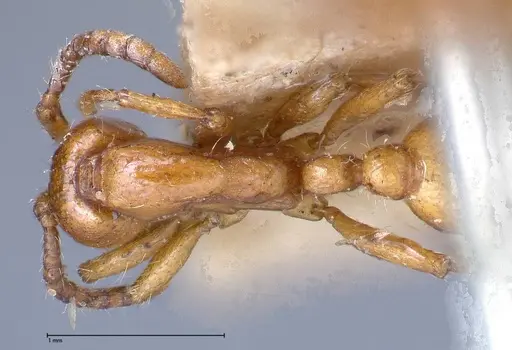
FOCOL0389-4
View on AntWeb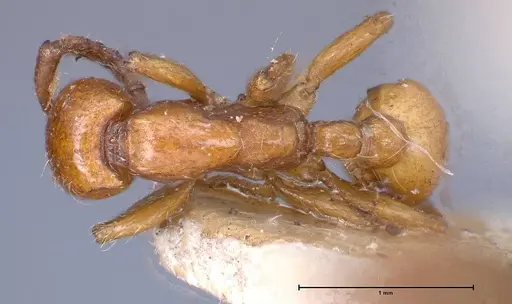
FOCOL0389-5
View on AntWeb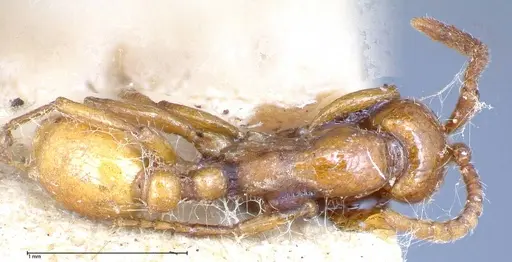
FOCOL0389-6
View on AntWeb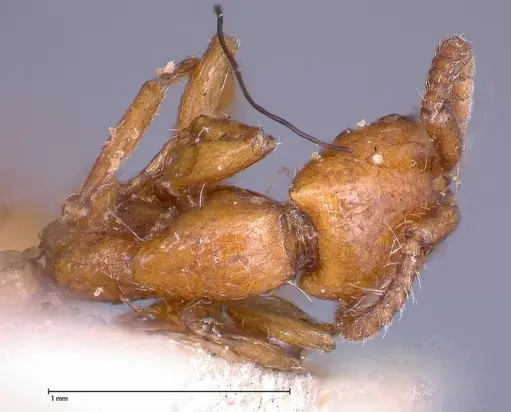
Literature
Loading...Loading products...