
Solenopsis xyloni follows a consistent seasonal pattern with peak activity in July. The flight window runs from June to August, providing several months of opportunity for observations.
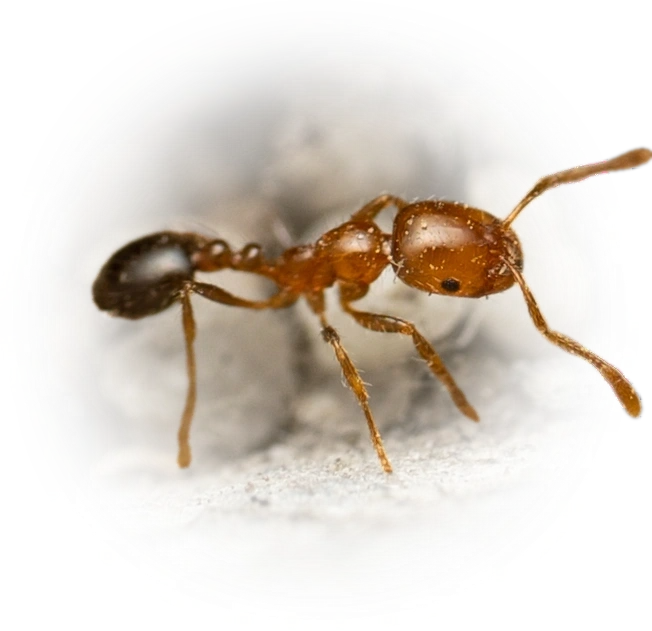
Solenopsis xyloni
- Scientific Name
- Solenopsis xyloni
- Tribe
- Solenopsidini
- Subfamily
- Myrmicinae
- Author
- McCook, 1880
- Distribution
- Found in 2 countries
- Nuptial Flight
- from June to August, peaking in July
AI Identifiable
try →
Solenopsis xyloni Overview
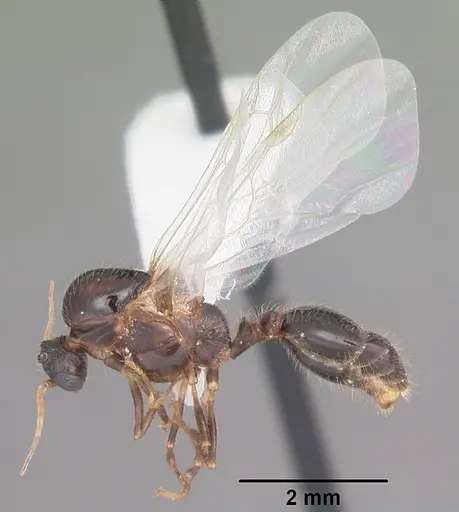
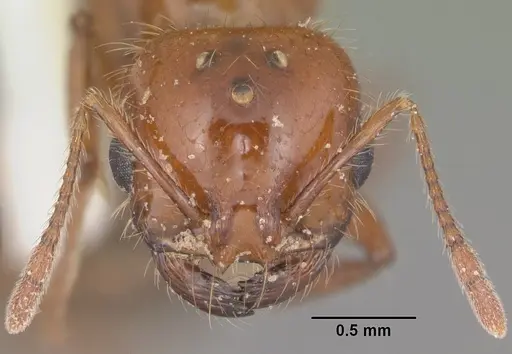
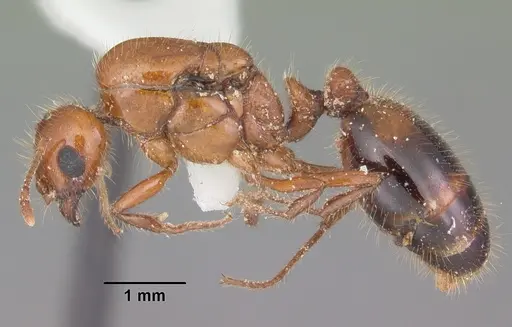
Solenopsis xyloni is an ant species of the genus Solenopsis. It is primarily documented in 2 countries , including Mexico, United States of America. Detailed taxonomic data and occurrence records can be further explored via authoritative databases such as AntWeb or the Global Biodiversity Information Facility (GBIF).
The nuptial flight of Solenopsis xyloni is a significant biological event, typically occurring from June to August, peaking in July. During this time, winged queens and males leave the nest to mate and establish new colonies.
Solenopsis xyloni
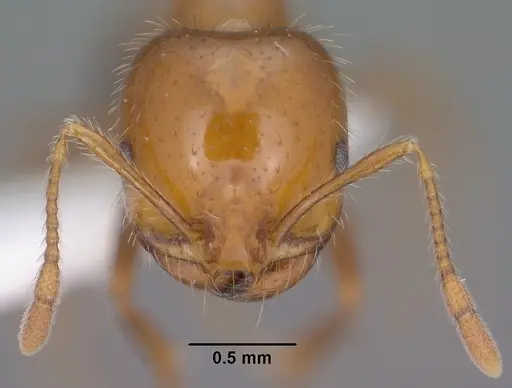
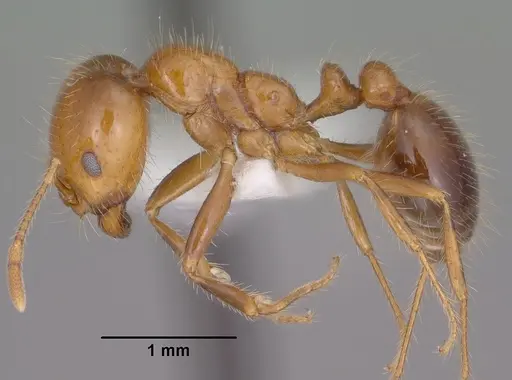
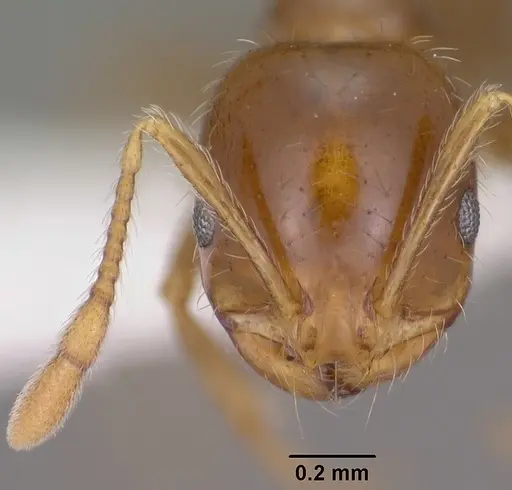
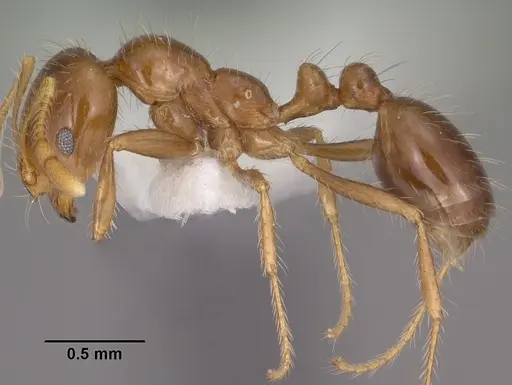
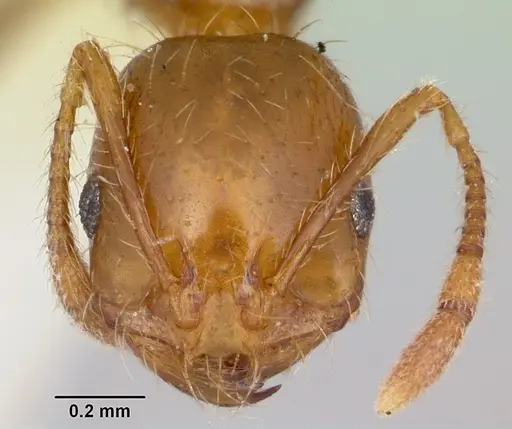
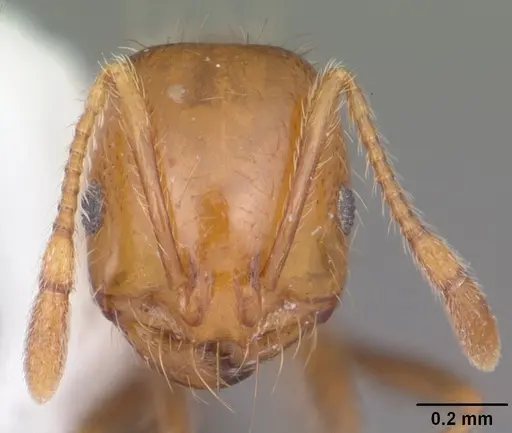
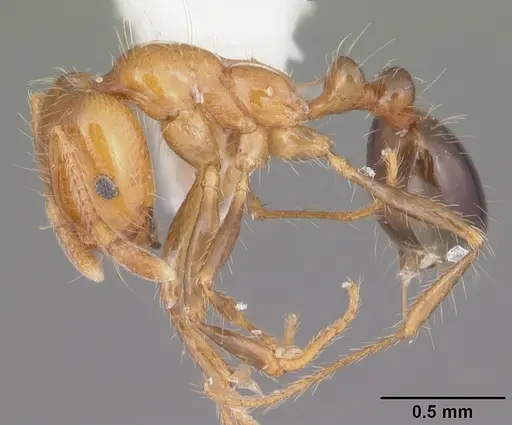
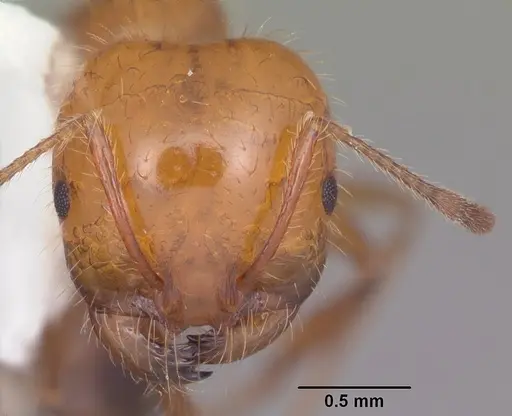
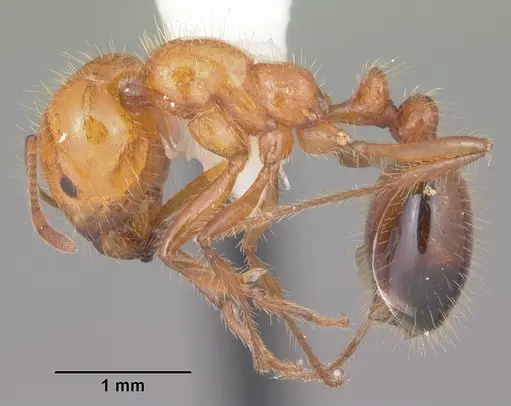
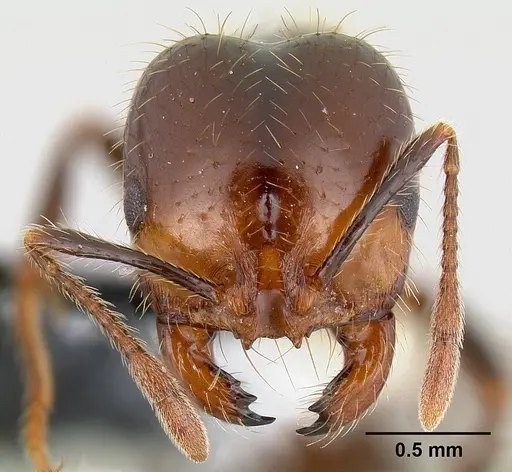
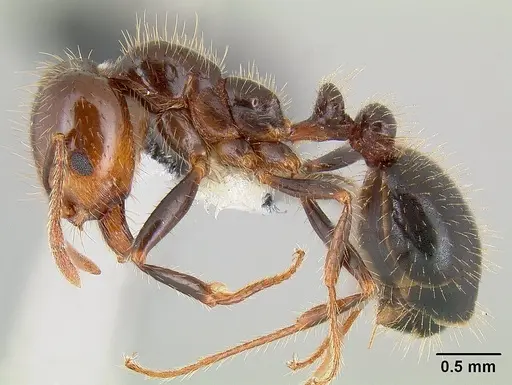
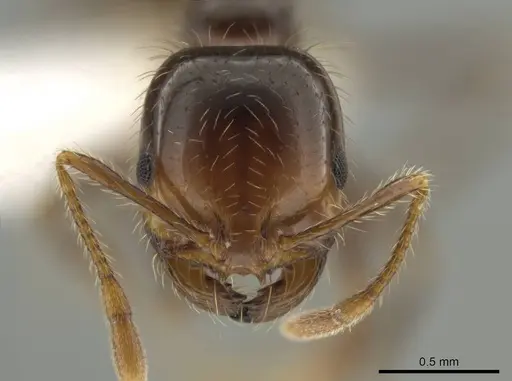
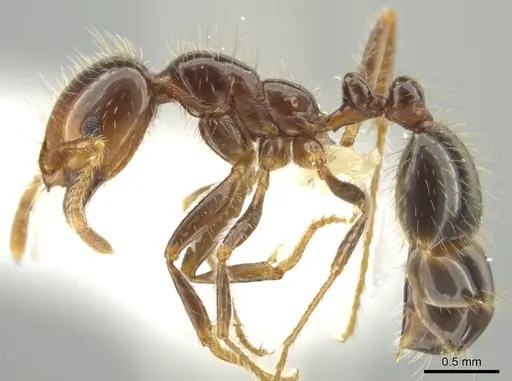
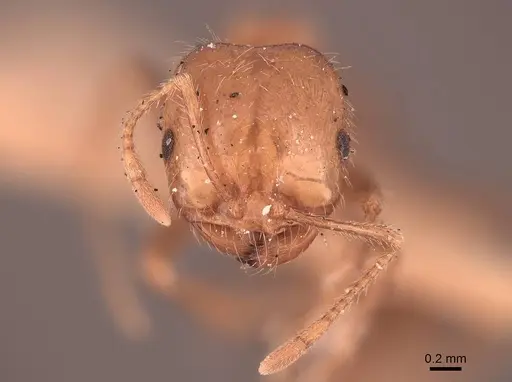
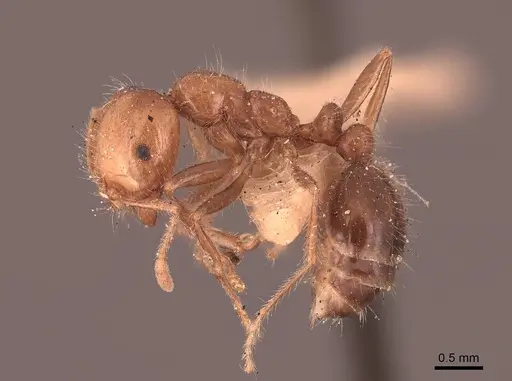
Solenopsis xyloni is a native North American fire ant commonly called the southern fire ant or native fire ant. Workers measure 3.2-6.4mm with a distinctive bicolored pattern: reddish to orange-brown head and thorax with a black abdomen, though some populations are entirely dark [1]. This species belongs to the Solenopsis geminata species group and is closely related to the invasive red imported fire ant (S. invicta) [2]. The southern fire ant nests in open areas in soil or under stones, often creating irregular crater-shaped mounds with multiple entrances [3]. It ranges throughout the southern United States and into Mexico, from California east to the Carolinas and south through the southwestern states and northern Mexico [4][5].
These ants are aggressive foragers with a painful sting, though notably less aggressive than their introduced cousin S. invicta [3]. They are generalist feeders, consuming proteins, sweets, seeds, and actively raiding colonies of other ant species including Pheidole, Pogonomyrmex, and Veromessor [6][7]. In their native range, they play important ecological roles as predators and seed dispersers, though they can become kitchen pests and cause damage to lawns and agricultural settings [8].
Quick Summary
- Difficulty: Medium
- Origin & Habitat: Native to the southern United States and Mexico, ranging from California to the Carolinas. Found in hot desert regions, open grasslands, pastures, and disturbed areas with exposed soil. In Nevada, occurs in the Hot Desert region from -160 ft in Death Valley to 4500 ft near Beatty [8][9].
- Colony Type: Both monogyne (single-queen) and polygyne (multiple-queen) colonies occur naturally. Single-queen colonies are more common, but multiple-queen colonies have been documented [3][10]. Queens are winged and mate during nuptial flights.
- Colony: Optionally polygyne
- Founding: Claustral
- Size & Growth:
- Queen: Approximately 6-7mm (estimated based on related fire ant species)
- Worker: 3.2-6.4mm (1/8 to 1/4 inch) [1], with mean body length of 3.1mm [6]
- Colony: Colonies can become quite populous, with documented mounds having 40+ nest openings [3]. Estimated up to several thousand workers based on related species.
- Growth: Moderate to fast, fire ant colonies typically grow quickly once established
- Development: Estimated 4-6 weeks at optimal temperature based on typical Solenopsis development patterns (Development is temperature-dependent, warmer conditions accelerate development. Related species S. invicta develops in 3-5 weeks under optimal conditions.)
- Antkeeping:
- Temperature: Keep nest area at 24-30°C. This is a hot-climate specialist species tolerant of high temperatures, with LD50 at 44.55°C (0% RH) and 42.63°C (100% RH) [11]. Provide a temperature gradient allowing workers to self-regulate.
- Humidity: Moderate humidity preferred. They tolerate dry conditions better than many ants but need access to moisture. Avoid waterlogging the nest substrate.
- Diapause: Yes, these ants are native to temperate regions and will benefit from a winter rest period. Reduce temperatures to 15-18°C for 2-3 months during winter months.
- Nesting: Use a naturalistic setup with soil or sand substrate, or a Y-tong/plaster nest with chambers scaled to their size. Provide damp substrate for brood areas but allow some drier zones. Multiple entrance tubes recommended as they prefer multiple nest openings.
- Behavior: Highly aggressive when colonies are disturbed. Workers will swarm rapidly and deliver painful stings, pain rating 1 on the Schmidt sting pain scale [12]. They are active foragers that raid other ant colonies and can dominate food sources. Escape risk is moderate due to their small size, use tight-fitting barriers. They are primarily outdoor species but can nest indoors in wall voids, particularly in Arizona and warm climates [13].
- Common Issues: sting pain, these ants deliver painful stings and should be handled with extreme caution, aggressive defense, colonies become highly agitated when disturbed, increasing escape risk, colony decline, nearly eliminated from much of southeastern US by invasive S. invicta, making wild colonies difficult to find, parasites, can harbor the microsporidian parasite Kneallhazia solenopsae, which may affect colony health, invasive competitor, S. invicta has displaced them from much of their historic range
Nuptial Flight Activity Analysis 573 observations
Flight Activity by Hour 573 observations
Solenopsis xyloni nuptial flight activity peaks around 21:00 during the night. Activity is spread across a 16-hour window (08:00–23:00). A secondary activity peak occurs around 19:00. Times may be influenced by human observation patterns.
Temperature and Care
Solenopsis xyloni is a hot-climate specialist that tolerates high temperatures better than most ants. Keep the nest area at 24-30°C, with a gradient allowing workers to move between warmer and cooler zones. They can survive temperatures up to 44°C in dry conditions and 42°C in humid conditions [11]. A heating cable on one side of the nest can create the appropriate gradient. During winter, reduce temperatures to 15-18°C for 2-3 months to simulate natural seasonal cycles. This species is more tolerant of dry, hot conditions than the invasive red fire ant, making them well-suited to desert and arid environments [14].
Feeding and Diet
These ants are generalist feeders with a varied diet. They readily accept protein sources (insects, mealworms, crickets) and sweets (sugar water, honey). They are known to raid colonies of other ant species including Pogonomyrmex and Pheidole, so they can be aggressive predators [6]. They also collect seeds and tend aphids for honeydew [15]. Feed protein 2-3 times per week and provide constant access to sugar water. In captivity, they will accept most standard ant foods but should have a varied diet for optimal colony health.
Nesting Preferences
In the wild, S. xyloni nests in open areas in soil or under stones, creating irregular crater-shaped mounds with multiple entrances [3]. They prefer bare, exposed ground and are commonly found in disturbed areas, lawns, and along roadsides [13]. For captivity, a naturalistic setup with a sand/soil mixture works well, or a Y-tong/plaster nest with appropriately sized chambers. Provide multiple exit tubes as they naturally have multiple nest entrances. Keep the substrate moderately moist but not waterlogged, with some variation in moisture levels.
Behavior and Temperament
This species is aggressive and will vigorously defend its colony. Workers deliver painful stings, rated 1 on the Schmidt pain scale [12]. When disturbed, colonies become highly agitated with workers rapidly swarming the threat. They are group foragers that typically travel 3-4m from nest entrances [6]. They are known to raid and displace other ant species and can dominate food sources. Their colonies can be polydomous, with multiple nest entrances connected underground [16]. Handle with extreme caution, these ants should never be handled with bare hands.
Nuptial Flights and Reproduction
Nuptial flights occur from May through September, primarily in the late afternoon [3]. Males and females emerge from the nest in large numbers, often preceded by aggressive activity around nest entrances as workers mill about [8]. Mated queens establish new colonies independently in soil, sealing themselves in to raise the first brood (claustral founding). Reproductives can be found in the nest throughout the year [8]. After mating, queens lose their wings and dig underground to begin colony foundation.
Defense Mechanisms
Solenopsis xyloni possesses a functional stinger and delivers venom containing piperidine alkaloids [17]. The sting causes immediate pain followed by a flare and wheal, though pustules rarely form (unlike S. invicta) [3]. Their venom has antibacterial and antifungal properties similar to S. invicta. When threatened, workers swarm aggressively and will sting repeatedly. They show greater aggressiveness toward larger ant species than toward similarly-sized threats, and can successfully kill workers of species like Pogonomyrmex rugosus [18].
Frequently Asked Questions
Does Solenopsis xyloni sting?
Yes, these ants can sting and it is painful. The sting rates 1 on the Schmidt pain scale (relatively mild compared to other fire ants) [12]. Unlike the invasive red fire ant, S. xyloni stings rarely form pustules [3]. However, they are still aggressive defenders of their colony and should never be handled with bare hands.
How long does it take for first workers to appear?
Based on typical Solenopsis development, expect first workers (nanitics) approximately 4-6 weeks after the queen lays her first eggs at optimal temperature (around 27°C). Development is faster in warmer conditions and slower if temperatures drop below optimal range.
Can I keep multiple queens together?
Solenopsis xyloni can form both single-queen (monogyne) and multiple-queen (polygyne) colonies in the wild [3][10]. However, combining unrelated foundress queens is risky and not recommended for beginners. If you want to attempt multi-queen colonies, introduce them before either has laid eggs and provide plenty of space.
What do southern fire ants eat?
They are generalist feeders accepting proteins (insects, mealworms, crickets), sweets (sugar water, honey), and seeds [15][7]. They are also predatory and will raid other ant colonies. Feed protein 2-3 times weekly and provide constant access to sugar water.
Do they need hibernation?
Yes, these ants benefit from a winter rest period. Reduce temperatures to 15-18°C for 2-3 months during winter. This mimics their natural seasonal cycle in the southwestern United States and supports colony health long-term.
Are they good for beginners?
No, this species is not recommended for beginners. Their painful sting, aggressive defense behavior, and tendency to escape make them challenging to handle. They are also difficult to find in the wild as S. invicta has displaced them from much of their historic range [19]. Experienced antkeepers familiar with aggressive species should only attempt this species.
Why are they called southern fire ants?
They are called fire ants due to their painful sting that feels like fire. They are the native North American fire ant, as opposed to the introduced red imported fire ant (S. invicta) which is more aggressive and has displaced S. xyloni from much of its range [8].
How big do colonies get?
Colonies can become quite large with documented mounds having over 40 nest openings [3]. Based on related species, colonies likely reach several thousand workers at maturity. Growth is moderate to fast once established.
References

This caresheet is licensed under CC BY-SA 4.0 .
CASENT0005806
View on AntWeb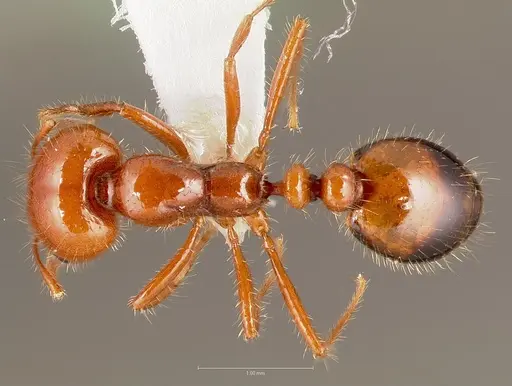
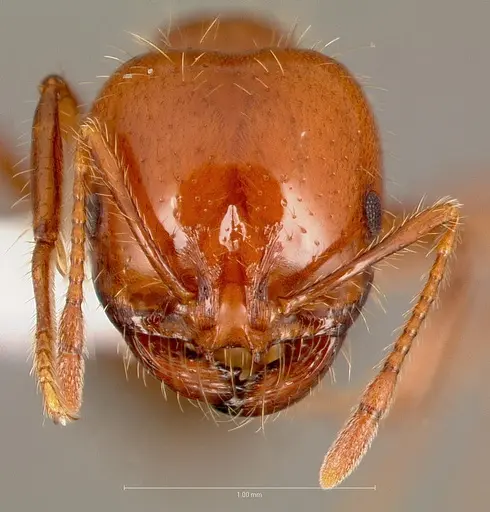
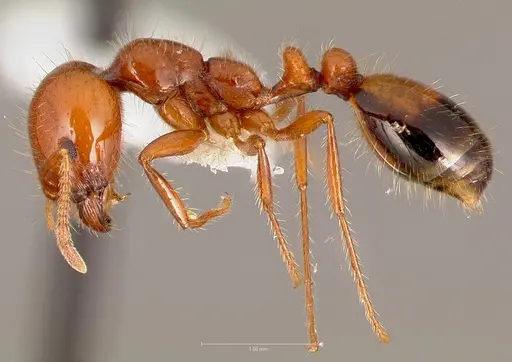
CASENT0102900
View on AntWeb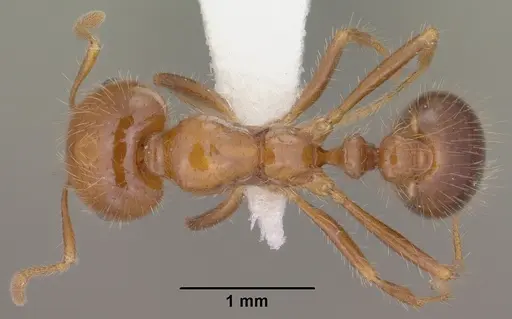
CASENT0102901
View on AntWeb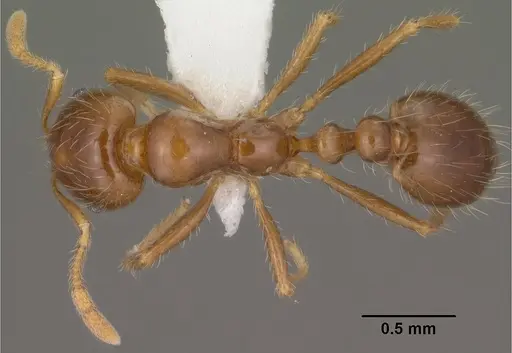
CASENT0103388
View on AntWeb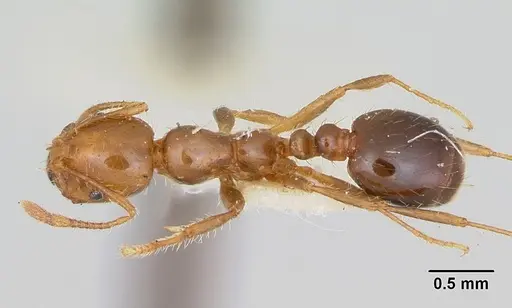
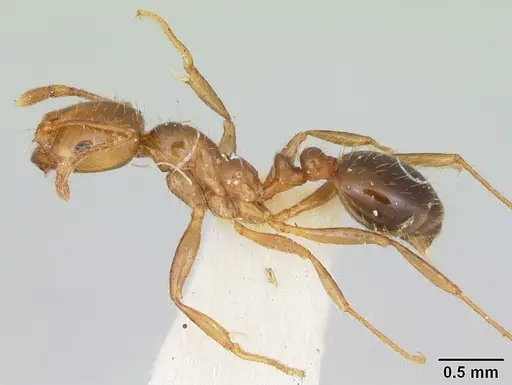
CASENT0104513
View on AntWeb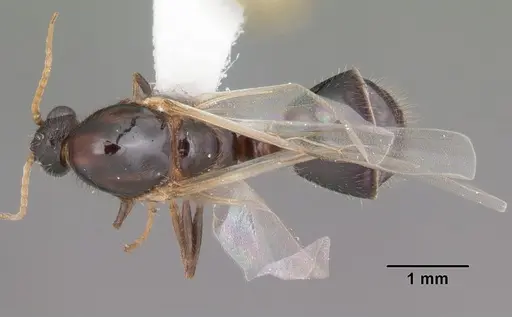
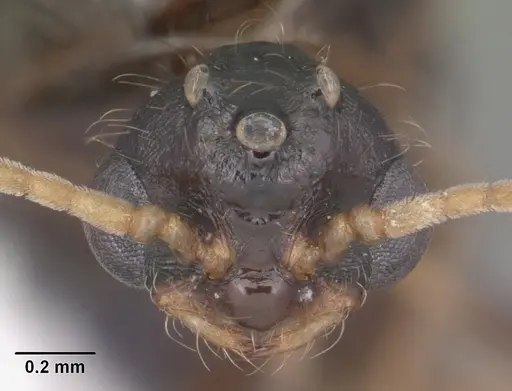
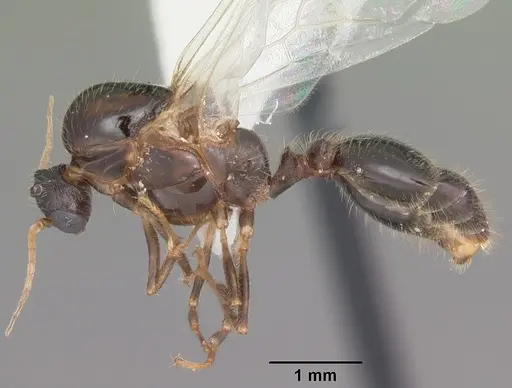
CASENT0104514
View on AntWeb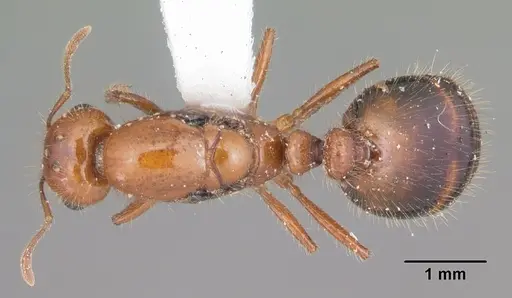
CASENT0104539
View on AntWeb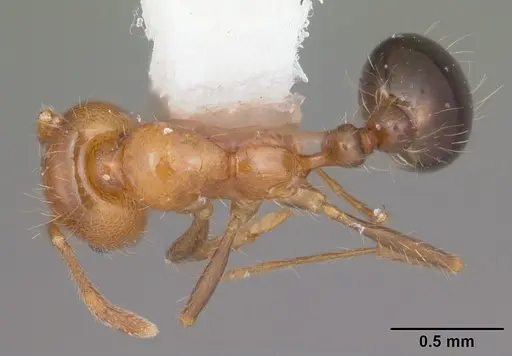
CASENT0104540
View on AntWeb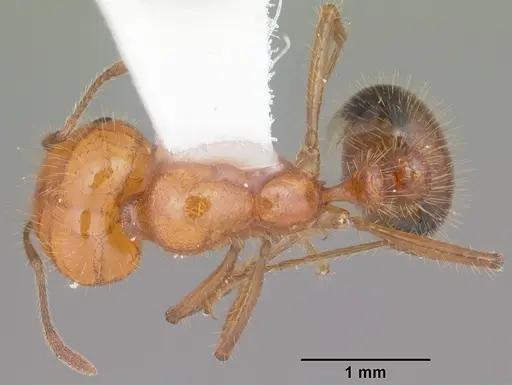
CASENT0106041
View on AntWeb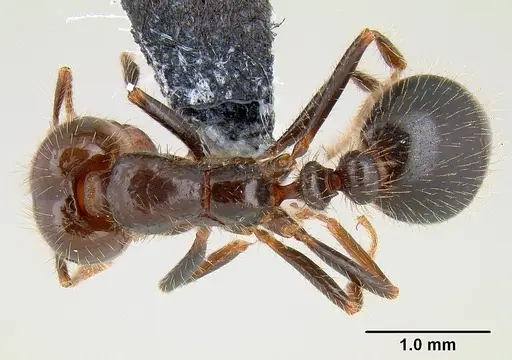
CASENT0247069
View on AntWeb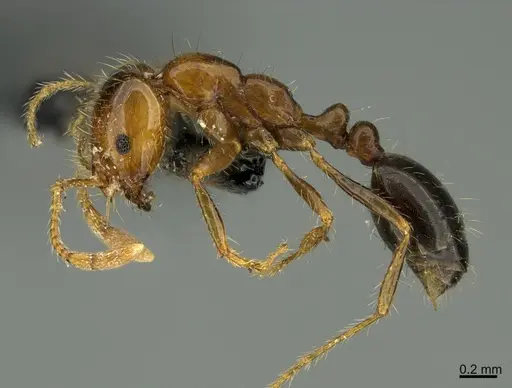
CASENT0646942
View on AntWeb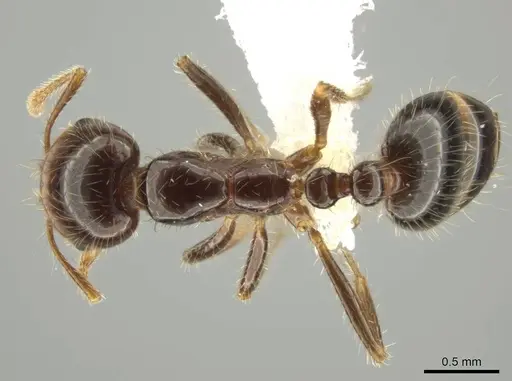
FMNHINS0000050004
View on AntWeb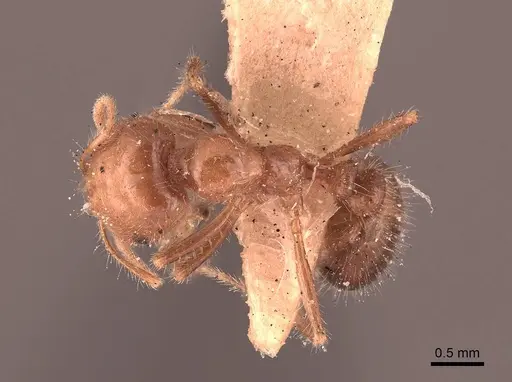
Literature
Loading...Loading products...