
Pogonomyrmex rugosus exhibits a clear seasonal flight window. Peak flight activity is concentrated in July, with the overall period spanning July to August. The concentrated timeframe makes peak months critical for sightings.
Pogonomyrmex rugosus
- Scientific Name
- Pogonomyrmex rugosus
- Tribe
- Pogonomyrmecini
- Subfamily
- Myrmicinae
- Author
- Emery, 1895
- Common Name
- Rough Harvester Ant
- Distribution
- Found in 2 countries
- Nuptial Flight
- from July to August, peaking in July
AI Identifiable
try →
Pogonomyrmex rugosus Overview
Pogonomyrmex rugosus (commonly known as the Rough Harvester Ant) is an ant species of the genus Pogonomyrmex. It is primarily documented in 2 countries , including Mexico, United States of America. Detailed taxonomic data and occurrence records can be further explored via authoritative databases such as AntWeb or the Global Biodiversity Information Facility (GBIF).
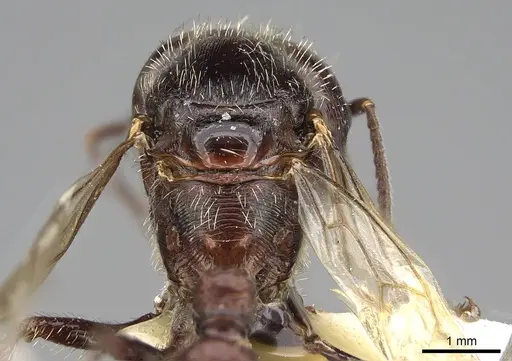
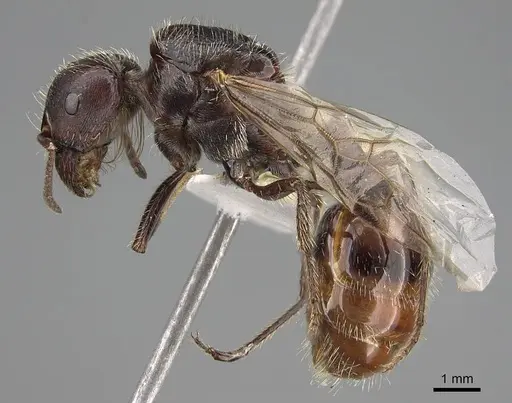
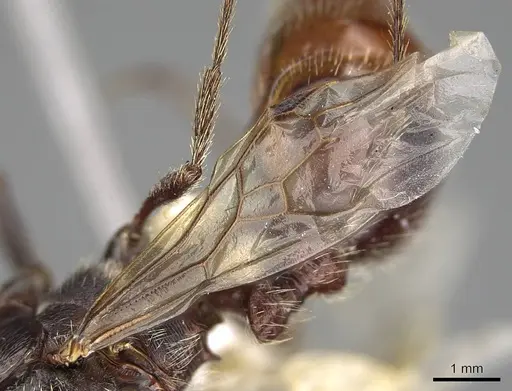
The nuptial flight of Pogonomyrmex rugosus is a significant biological event, typically occurring from July to August, peaking in July. During this time, winged queens and males leave the nest to mate and establish new colonies.
Pogonomyrmex rugosus - "Rough Harvester Ant"
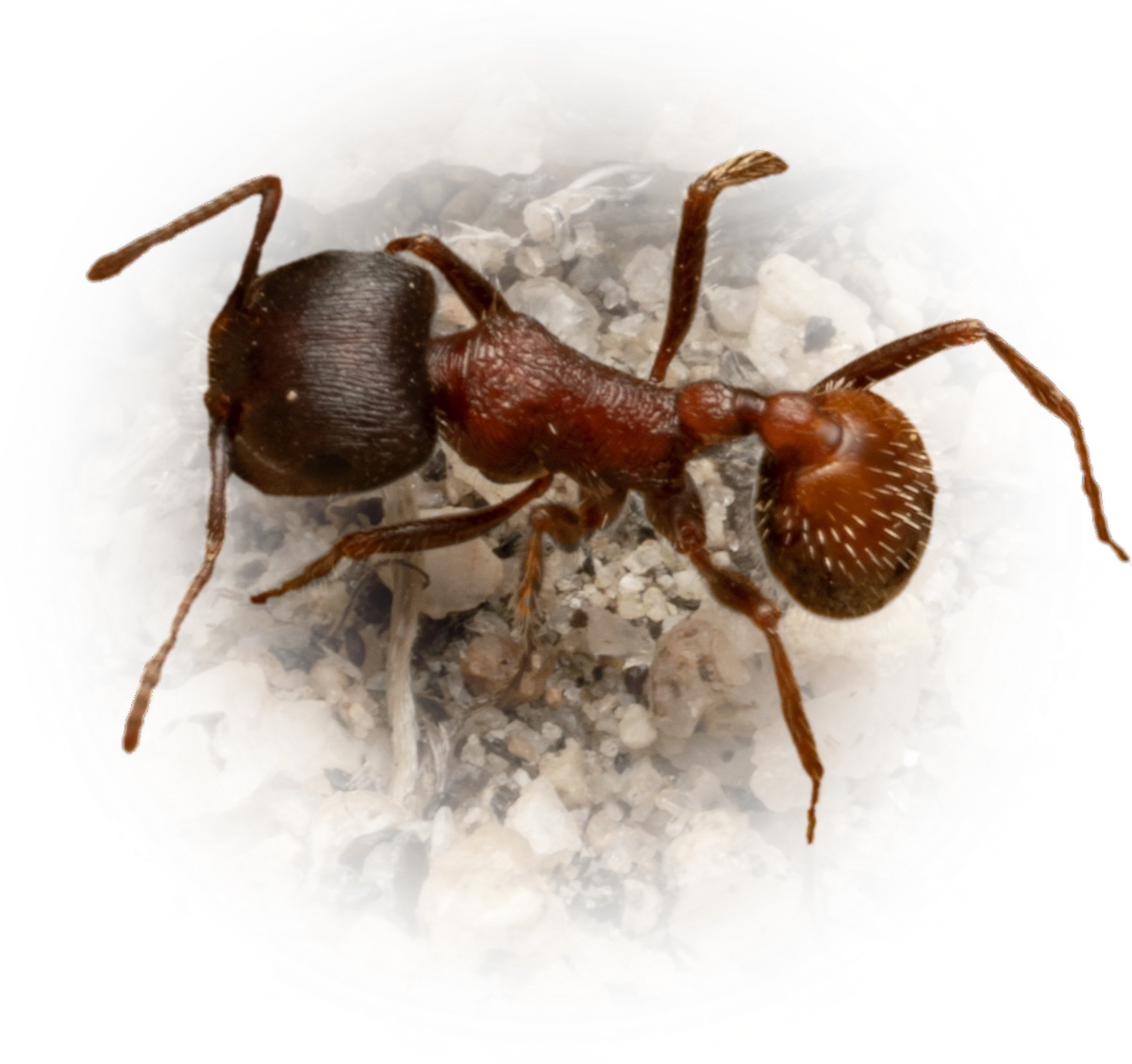
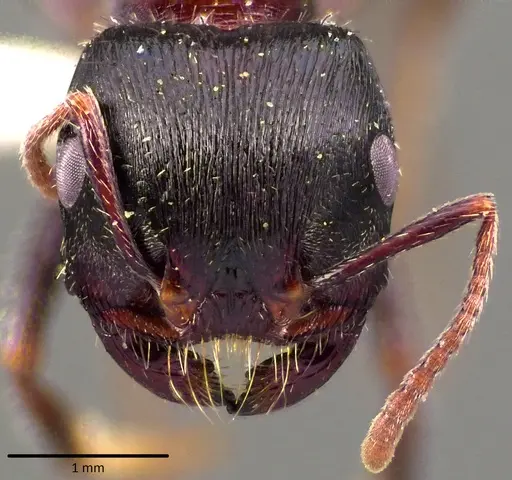
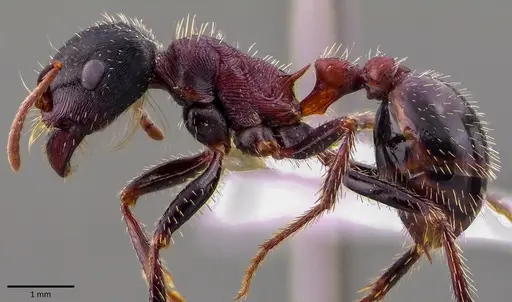
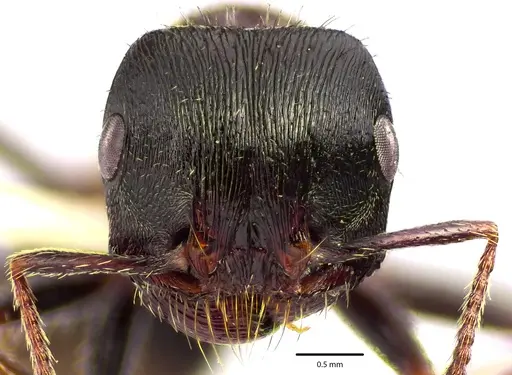
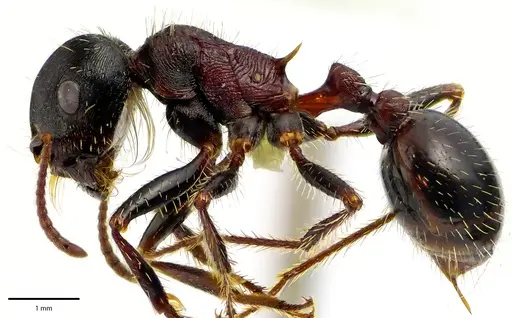
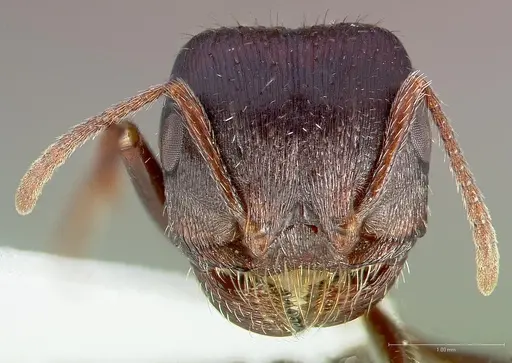
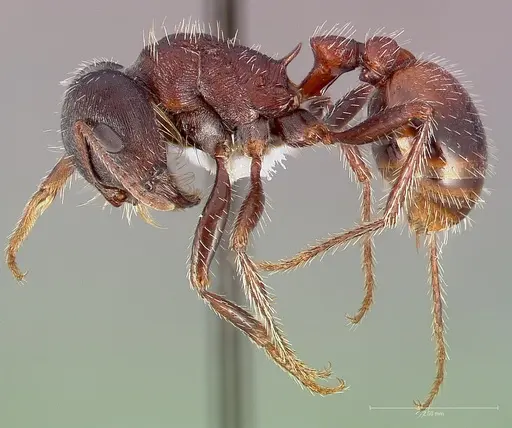
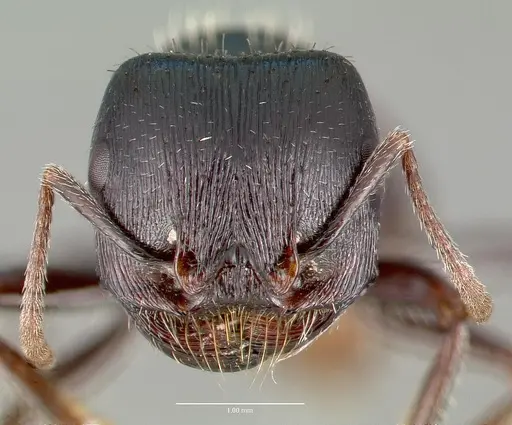
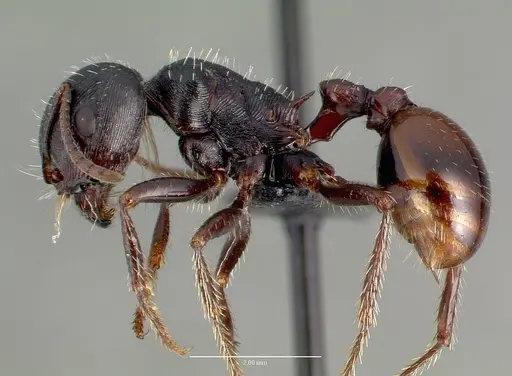
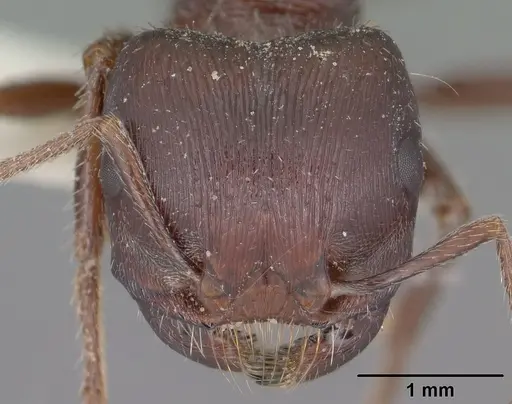
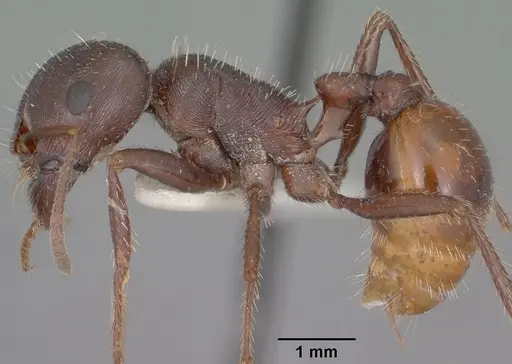
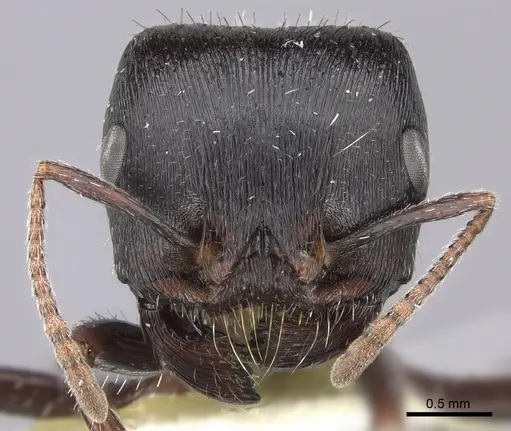
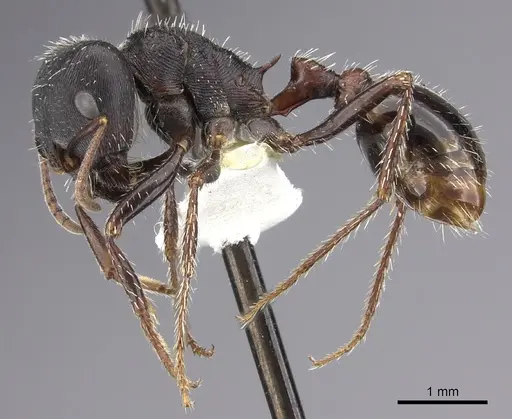
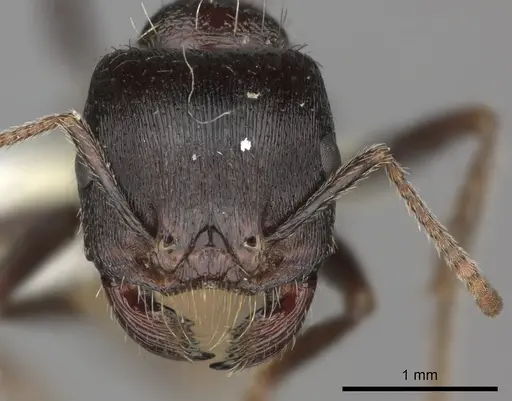
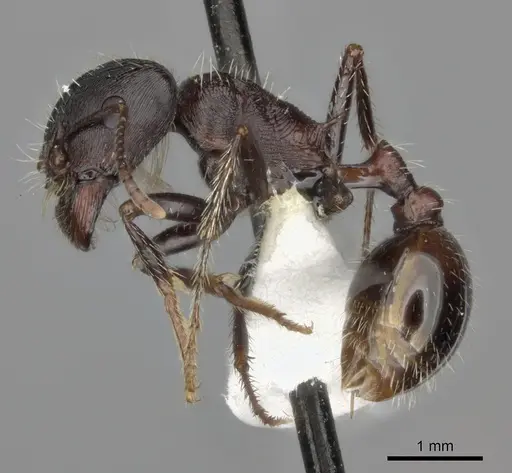
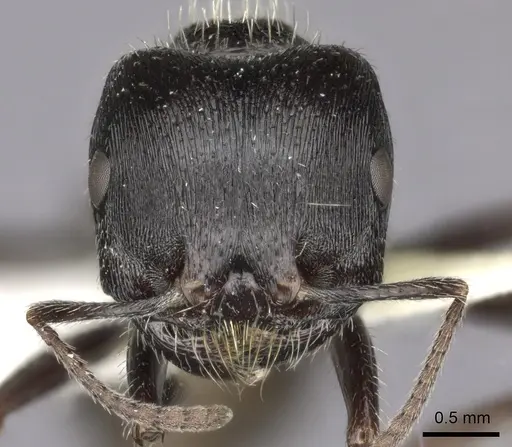
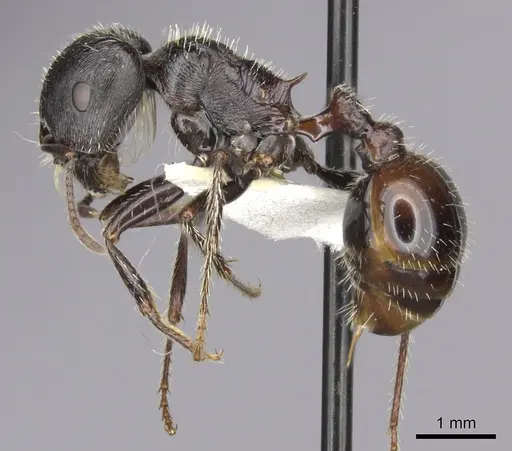
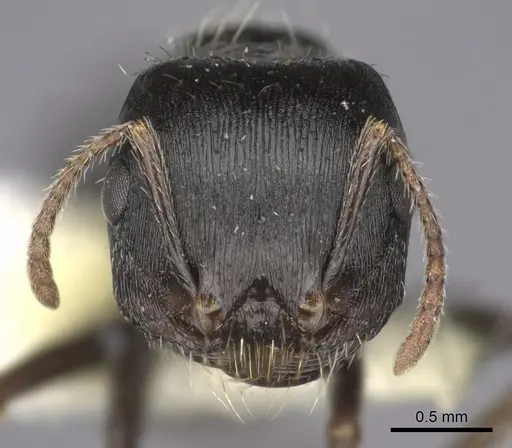
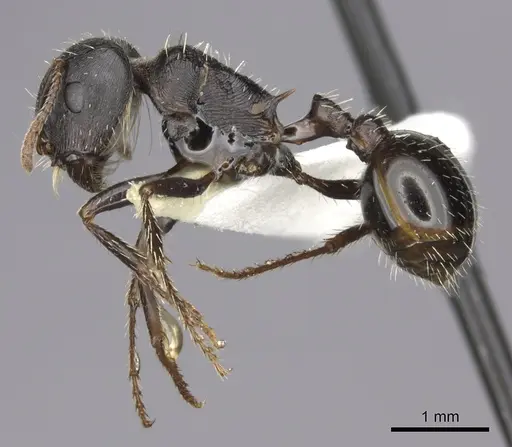
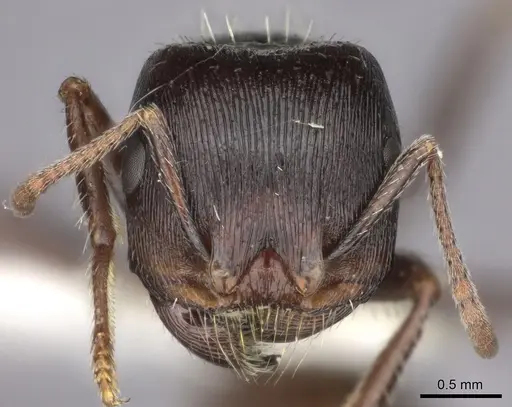
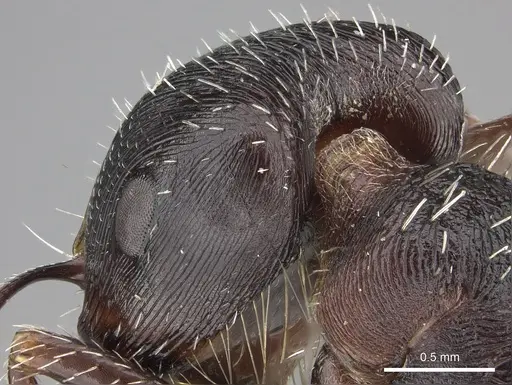
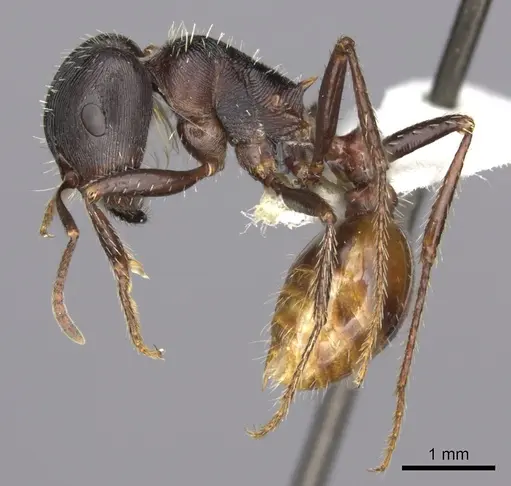
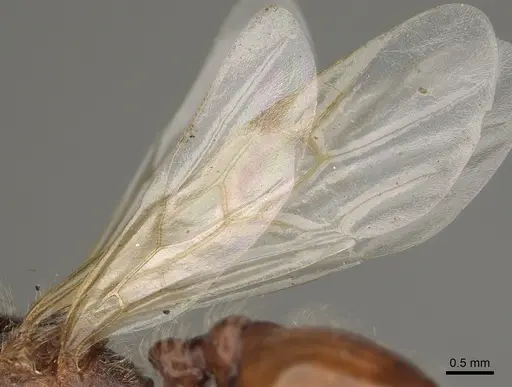
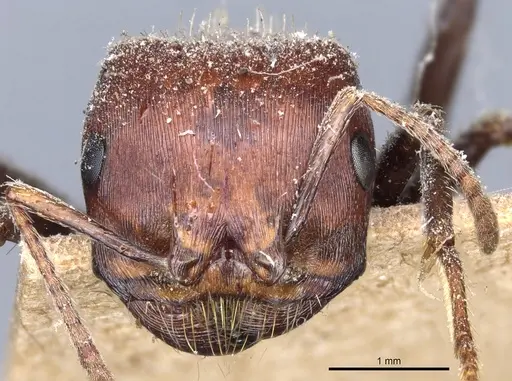
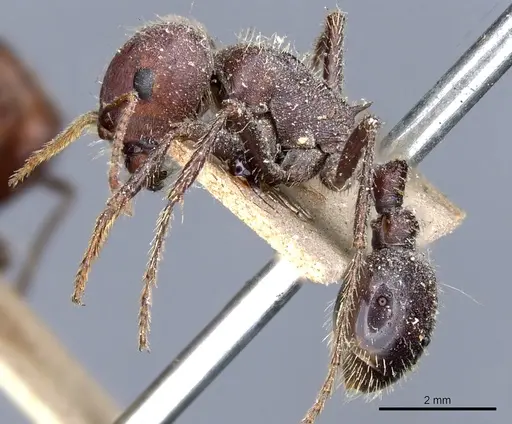
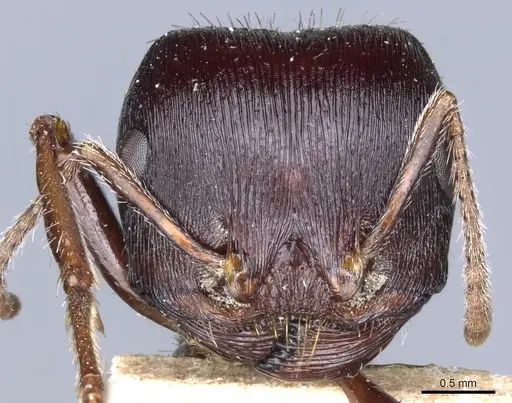
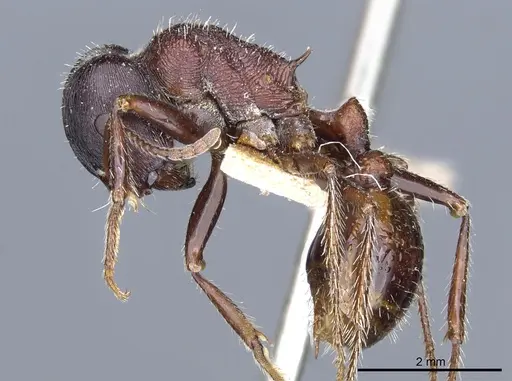
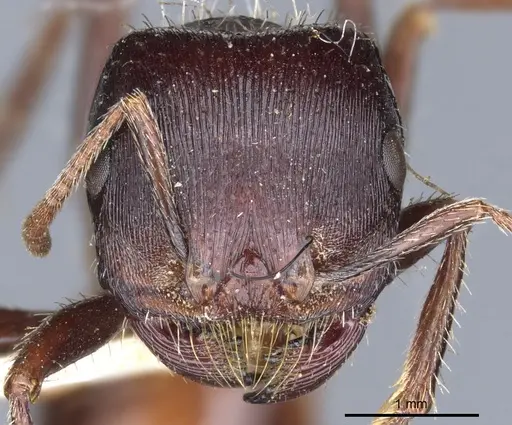
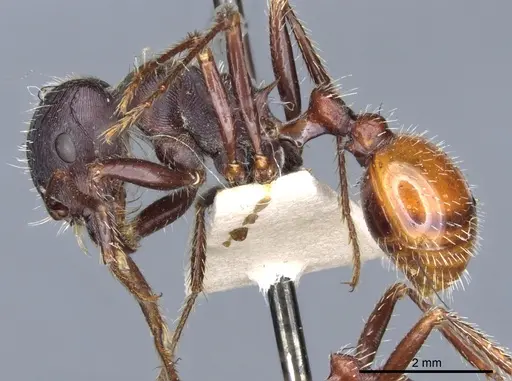
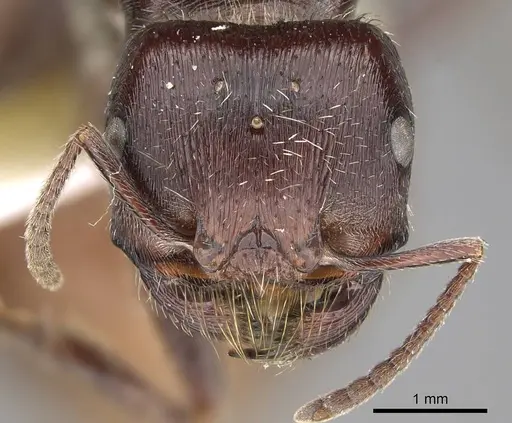
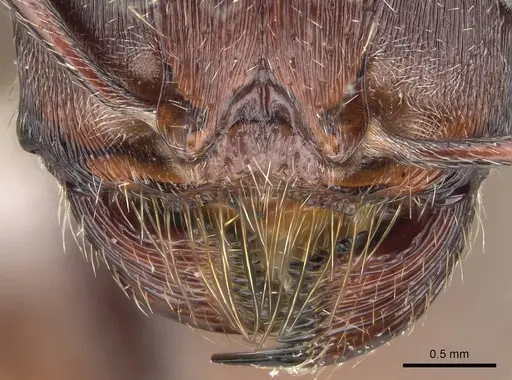
Pogonomyrmex rugosus is a large, aggressive seed-harvesting ant native to the Chihuahuan Desert region of the southwestern United States and northern Mexico. Workers are dark brown to almost black, with a notably large body size over 8mm that helps distinguish this species from other Pogonomyrmex. These ants build impressive underground nests topped with cleared, pebbled discs about 1 meter in diameter, and form colonies of several thousand workers that can persist for decades. Unlike many ants, P. rugosus uses sophisticated trunk trail systems for foraging, with established colonies maintaining trails over 40 meters long.
Quick Summary
- Difficulty: Medium
- Origin & Habitat: Chihuahuan Desert, found in southern California, Nevada, New Mexico, Utah, Colorado, western Texas, and northern Mexico. Inhabits grasslands, creosotebush scrub, and riparian areas with clay to limestone soils [1][2].
- Colony Type: Monogyne, single queen colonies. Queens are polyandrous, mating with 4-5 males on average. Some populations in the hybrid zones with P. barbatus show genetic caste determination where workers are always heterozygous and queens always homozygous at the caste-determining locus [3][4][5].
- Colony: Monogyne
- Founding: Claustral
- Size & Growth:
- Queen: 2.05-2.20mm head length,6-7mm total
- Worker: 1.67-2.47mm head length,11.8-12.9mm total length [6]
- Colony: 2,586-14,742 workers in mature colonies [7]
- Growth: Moderate
- Development: 6-10 weeks (estimated based on genus patterns) (Queens seal themselves in during founding and do not forage. First workers (nanitics) emerge after several weeks. Queens must overwinter before producing new queens [8][9].)
- Antkeeping:
- Temperature: Keep nest area at 22-26°C. They tolerate high temperatures up to 46°C at the soil surface in the wild, with a critical thermal maximum of 49.6°C. Provide a temperature gradient so ants can self-regulate [10][2].
- Humidity: Low to moderate. These are desert ants adapted to dry conditions. Keep nest substrate moderately dry with a small water reservoir. Avoid excessive moisture [1].
- Diapause: Yes, requires winter hibernation period of 2-3 months at cool temperatures (10-15°C) to trigger queen production the following season [8].
- Nesting: Provide a deep, multi-chambered nest. In the wild, nests extend 1.7-4 meters deep with galleries 0.3-1.3m in diameter. Y-tong or plaster nests work well. They prefer clay soils, add some compactable substrate. Provide a large outworld for foraging [6][9].
- Behavior: Highly aggressive and territorial. Workers readily sting with notably potent venom (LD50 0.76 mg/kg in mice). They defend nests fiercely and engage in fierce fights with neighboring colonies. Uses trunk trail foraging systems, established colonies maintain persistent trails over 40 meters. Can forage both individually and in groups depending on food availability. Nocturnal foraging during hot summer months. Strong site fidelity, foragers return to the same foraging areas [11][12][6].
- Common Issues: very high colony mortality in first two years, young colonies have nearly 99% mortality rate in the wild [12], desertification and habitat loss reduces wild colony densities significantly [13], escape prevention is important despite large size, they are excellent climbers and foragers, fungal infections can affect colonies and cause nest relocation [14], predation by horned lizards and black widow spiders is significant in the wild
Nuptial Flight Activity Analysis 270 observations
Flight Activity by Hour 270 observations
Pogonomyrmex rugosus nuptial flight activity peaks around 18:00 during the evening. Activity is spread across a 16-hour window (07:00–22:00). A secondary activity peak occurs around 20:00. Times may be influenced by human observation patterns.
Housing and Nest Setup
Pogonomyrmex rugosus requires spacious housing due to their large colony size and deep nesting behavior. In the wild, their nests extend 1.7-4 meters deep with broad galleries radiating from a central tunnel. For captivity, a Y-tong (acrylic) nest or plaster formicarium with multiple chambers works well. The nest should have chambers at least 1-2cm wide to accommodate their large workers. Provide a large outworld connected to the nest, these ants are active foragers and need space to establish trunk trails. Fill the nest chamber with a substrate mix of sandy soil and clay (they prefer clay soils in the wild). Include a water test tube with a cotton wick for humidity, but keep the main substrate relatively dry, these are desert ants. Escape prevention is important despite their size, they are agile climbers and can grip smooth surfaces effectively. [6][9][2][1]
Feeding and Diet
As seed harvesters, P. rugosus primarily collects and stores seeds. They show strong preference for larger seeds and will selectively forage on plant species that produce abundant seed crops. Their diet in the wild consists mainly of seeds from grasses and herbaceous annuals, especially Erodium cicutarium (filaree). They also opportunistically prey on insects, with dramatic increases in predation during cicada emergence events. In captivity, offer a mix of grass seeds, bird seed, and small seeds. They will also accept protein sources like mealworms, crickets, and other small insects. Provide a constant supply of seeds and occasional protein. They store seeds in granaries within the nest, this is normal behavior. Remove any moldy seeds promptly. [6][1]
Temperature and Heating
These desert ants are remarkably heat-tolerant. In the wild, they forage at soil surface temperatures between 22°C and 46°C, with a critical thermal maximum of nearly 50°C. Keep the nest area at 22-26°C for optimal development. A heating cable on one side of the nest can create a temperature gradient, allowing the ants to self-regulate. They are more active at warmer temperatures and will reduce activity when cool. During summer months, they may exhibit nocturnal foraging behavior to avoid extreme daytime heat. If your room temperature is within their range, no additional heating may be needed. Avoid temperatures below 15°C for extended periods except during hibernation. [10][2][6]
Seasonal Care and Hibernation
Pogonomyrmex rugosus requires a winter hibernation period to maintain healthy colony development. Reduce temperatures to 10-15°C for 2-3 months during winter. This cooling period is essential, research shows that queens must overwinter before their eggs can develop into new queens the following season. Without this hibernation, eggs laid in the first year are constrained to become workers only. In the wild, colonies become largely inactive during winter months, with few workers found in the upper galleries. Reduce feeding during hibernation but ensure water is available. Return to normal temperatures gradually in spring. Mating flights typically occur in summer (July-August) in most of their range, though western Mojave populations mate in late winter (February-March). [8][9][6]
Behavior and Defense
This species is notably aggressive and has a potent sting. Workers vigorously defend their nests and will readily sting intruders. Their venom is among the most toxic to vertebrates among North American ants (LD50 of 0.76 mg/kg in mice). When threatened, they may adopt a defensive posture with the gaster tucked forward under the thorax. They use alarm pheromone (4-methyl-3-heptanone) to recruit nestmates to threats. Foraging behavior is flexible, they use individual foraging when seeds are scarce but switch to group foraging with well-developed trunk trails when seed resources are abundant. Foragers show strong site fidelity, returning to the same general foraging areas. They maintain territories and engage in fierce fights with neighboring colonies when workers meet off the main trails. [11][12][6]
Colony Development and Growth
Colony growth is relatively slow compared to many ant species. Founding queens are fully claustral, they seal themselves in a chamber and survive entirely on stored fat reserves until their first workers emerge. The mean wet mass of foundresses is about 47mg. They dig deep initial nests, reaching 14-17cm depth within the first few days. Young colonies face extremely high mortality rates, nearly 99% die in the first two years in the wild. Established colonies can live for decades, with some nests persisting up to 30-35 years. Mature colonies can reach 5,000-15,000 workers. The colony size correlates with the disc diameter, larger, older colonies have larger cleared areas around their nests. Queens are polyandrous, mating with 4-5 males on average, which increases genetic diversity within the colony. [9][7]
Frequently Asked Questions
How long does it take for Pogonomyrmex rugosus to produce first workers?
First workers (nanitics) typically emerge after 6-10 weeks at optimal temperatures. The queen seals herself in during founding and does not forage, she relies entirely on stored fat reserves. The first workers are smaller than mature workers but will immediately begin foraging for the colony.
What do I feed Pogonomyrmex rugosus?
They are primarily seed harvesters. Offer a variety of small seeds (grass seeds, bird seed, millet) as a constant food source. Also provide protein weekly in the form of small insects like mealworms, crickets, or fruit flies. They will also eat dead insects. Remove any moldy seeds promptly.
How big do Pogonomyrmex rugosus colonies get?
Mature colonies reach 2,500 to nearly 15,000 workers. Colonies can persist for 30+ years in the wild. Growth is relatively slow, young colonies have very high mortality rates in their first two years.
Do Pogonomyrmex rugosus need hibernation?
Yes, they require a winter rest period of 2-3 months at cool temperatures (10-15°C). This is essential for queen production, research shows that eggs from non-overwintered queens can only develop into workers, while overwintered queens produce both workers and new queens.
Can I keep multiple Pogonomyrmex rugosus queens together?
No. This species is strictly monogyne, single queen colonies. Multiple queens will fight. In the wild, colonies are aggressively territorial and will engage in fierce fights with neighboring colonies. Each colony maintains its own territory with well-defined trunk trails.
What temperature is best for Pogonomyrmex rugosus?
Keep nest areas at 22-26°C. They tolerate a wide range up to 46°C at the soil surface in the wild. A temperature gradient is ideal so they can self-regulate. They are more active in warmer conditions and may forage nocturnally during hot summer months.
Are Pogonomyrmex rugosus good for beginners?
They are rated as medium difficulty. While visually impressive and fascinating to watch, their aggressive nature and potent sting make them less ideal for beginners who want hands-on interaction. They also require specific soil conditions (clay soils) and winter hibernation. Their slow growth and high colony mortality in early stages can be frustrating.
When do Pogonomyrmex rugosus have nuptial flights?
Timing varies by location. In most of their range, mating flights occur in summer (July-August). However, western Mojave Desert populations mate in late winter (February-March), likely because summer precipitation is absent there and winter rains trigger the flights. Males establish mating aggregations either in treetops or on the ground.
Why are my Pogonomyrmex rugosus dying?
Young colonies have naturally very high mortality, nearly 99% die in the first two years in the wild. Other common causes include: excessive humidity (they're desert ants), fungal infections, predation by other insects, or stress from disturbance. Ensure proper dry conditions, minimal disturbance during founding, and avoid overfeeding which can lead to mold.
What type of nest should I use for Pogonomyrmex rugosus?
They need deep, multi-chambered nests. Y-tong (acrylic) nests or plaster formicariums work well. They prefer clay soils in the wild, so include some clay in the substrate mix. The chambers should be at least 1-2cm wide. Provide a large outworld for foraging as they are active foragers with trunk trail systems.
References

This caresheet is licensed under CC BY-SA 4.0 .
ANTWEB1041684
View on AntWeb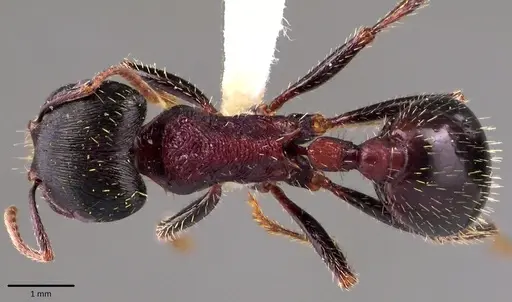
ANTWEB1041685
View on AntWeb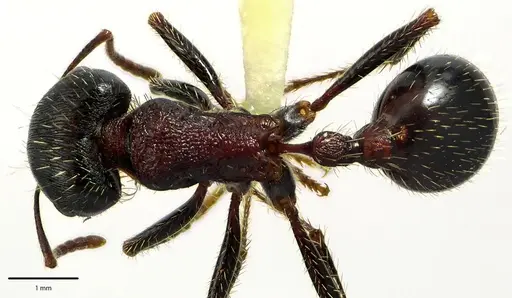
CASENT0000271
View on AntWeb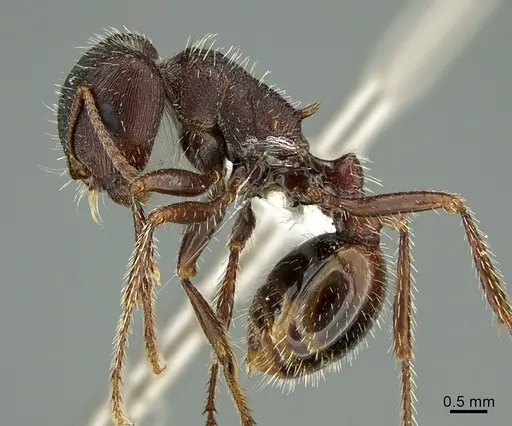
CASENT0005708
View on AntWeb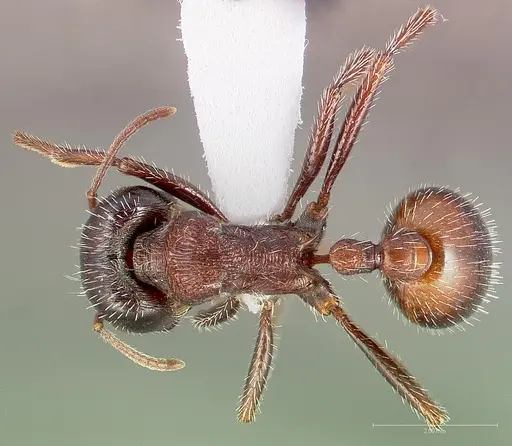
CASENT0006287
View on AntWeb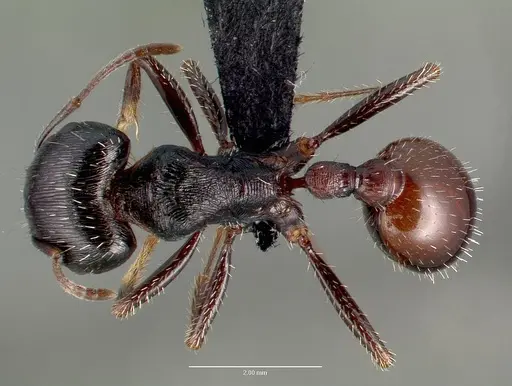
CASENT0102896
View on AntWeb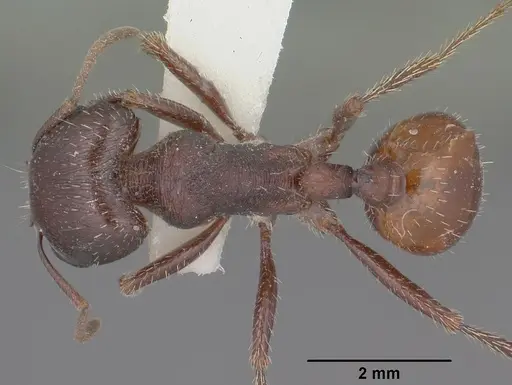
CASENT0217268
View on AntWeb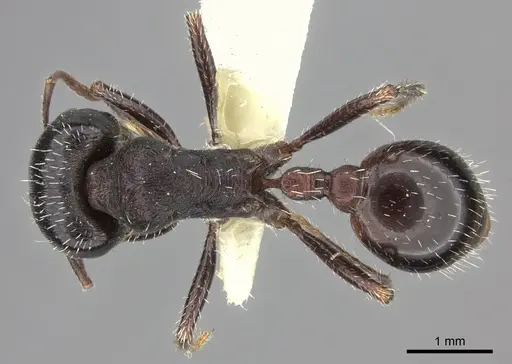
CASENT0235326
View on AntWeb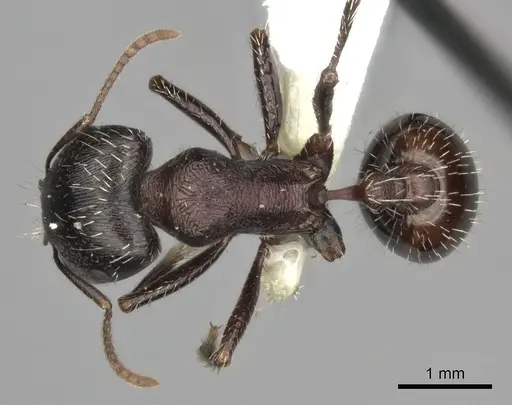
CASENT0235327
View on AntWeb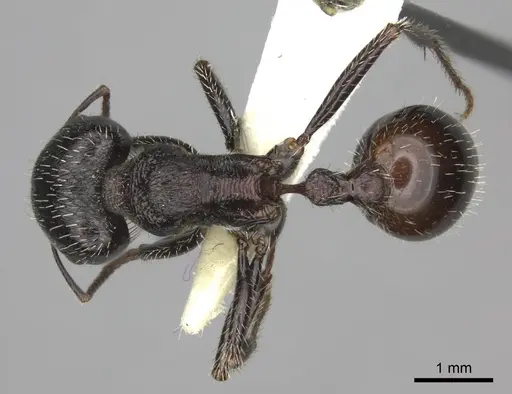
CASENT0235328
View on AntWeb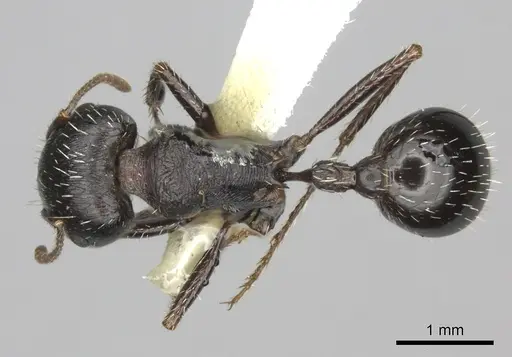
CASENT0235330
View on AntWeb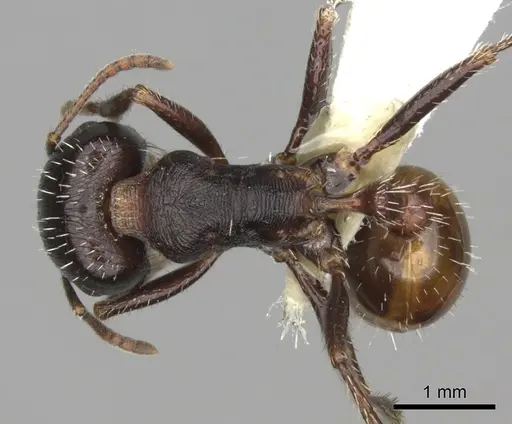
CASENT0863109
View on AntWeb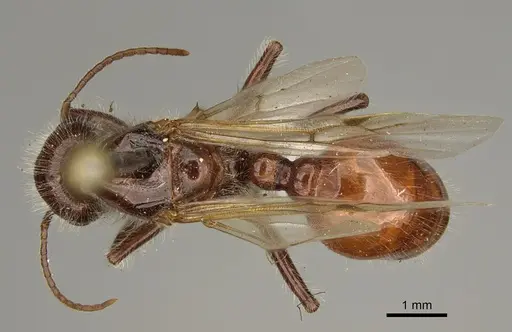
CASENT0904108
View on AntWeb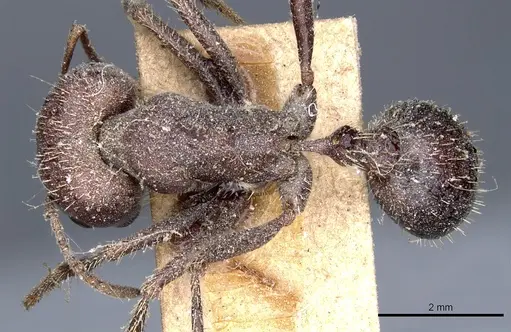
CASENT0904109
View on AntWeb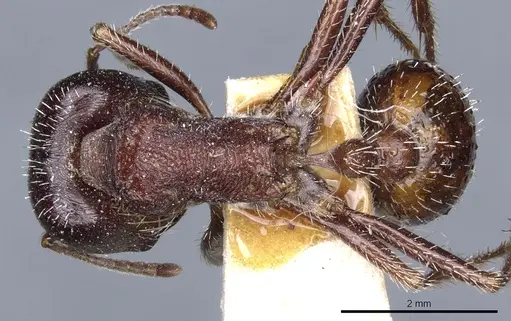
CASENT0904110
View on AntWeb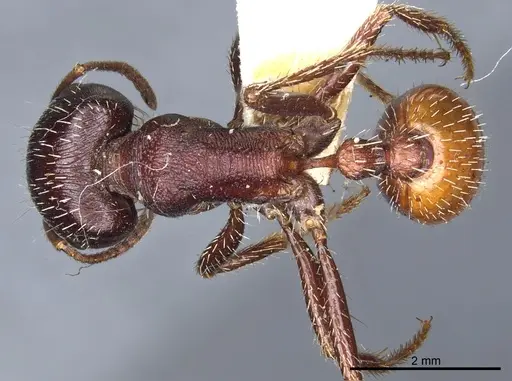
CASENT0914107
View on AntWeb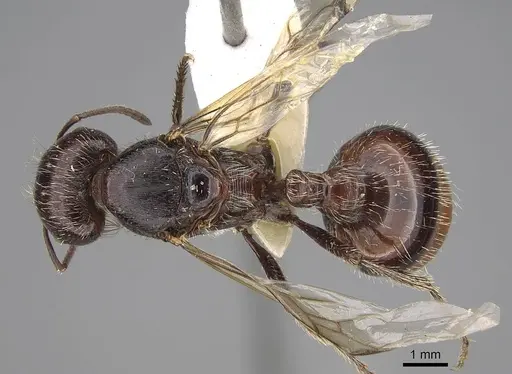
Literature
Loading...Loading products...