

Pheidole hyatti
- Scientific Name
- Pheidole hyatti
- Tribe
- Attini
- Subfamily
- Myrmicinae
- Author
- Emery, 1895
- Common Name
- Hyatt's Big-headed Ant
- Distribution
- Found in 2 countries
Pheidole hyatti Overview
Pheidole hyatti (commonly known as the Hyatt's Big-headed Ant) is an ant species of the genus Pheidole. It is primarily documented in 2 countries , including Mexico, United States of America. Detailed taxonomic data and occurrence records can be further explored via authoritative databases such as AntWeb or the Global Biodiversity Information Facility (GBIF).
Pheidole hyatti - "Hyatt's Big-headed Ant"
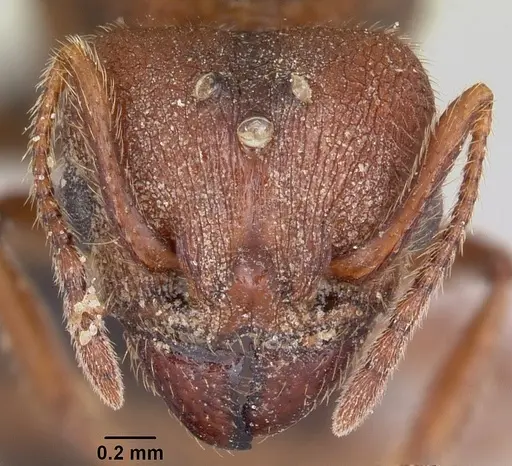
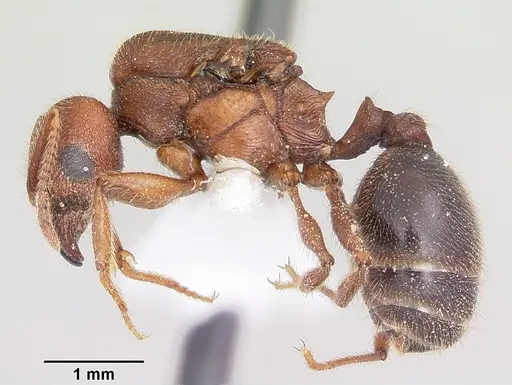
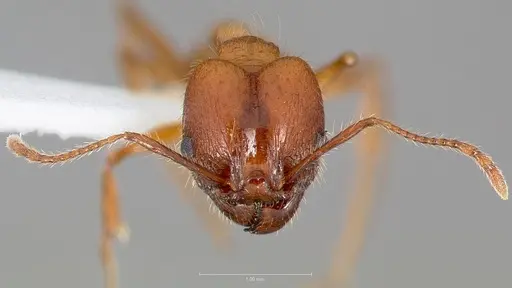
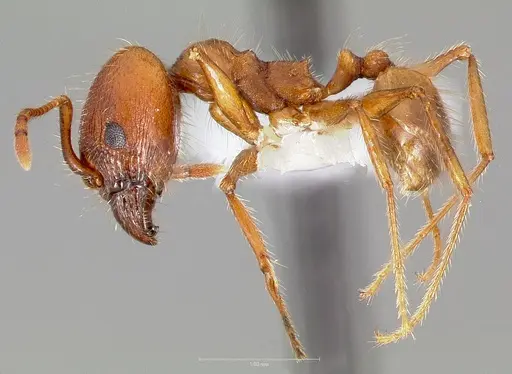
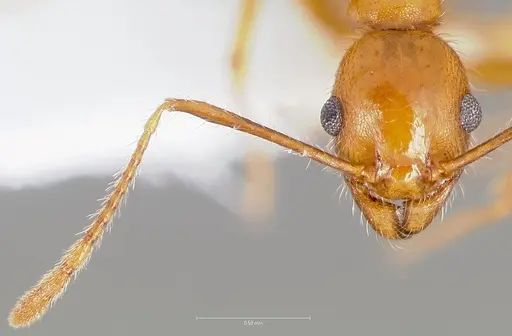
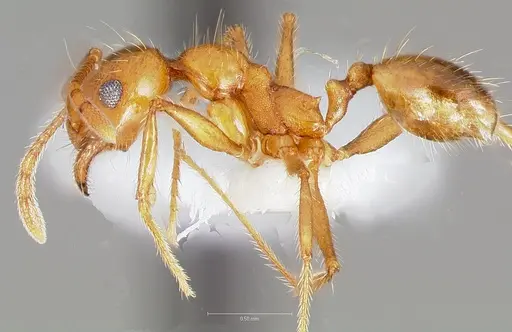
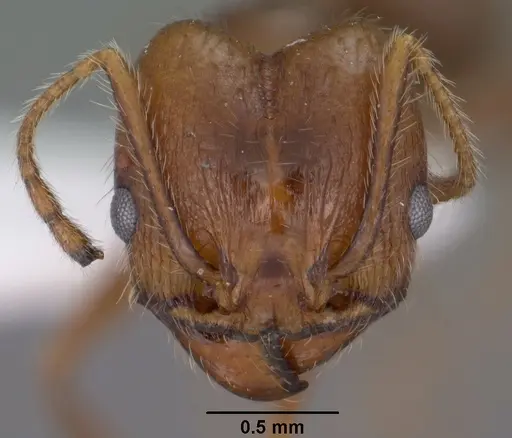
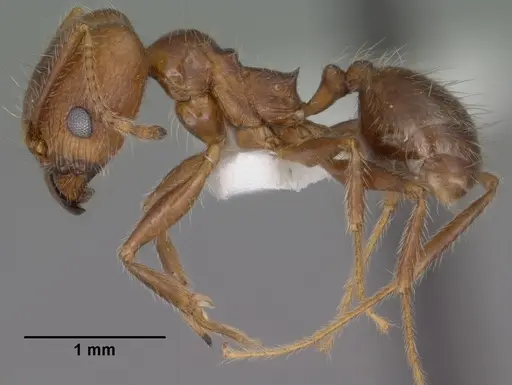
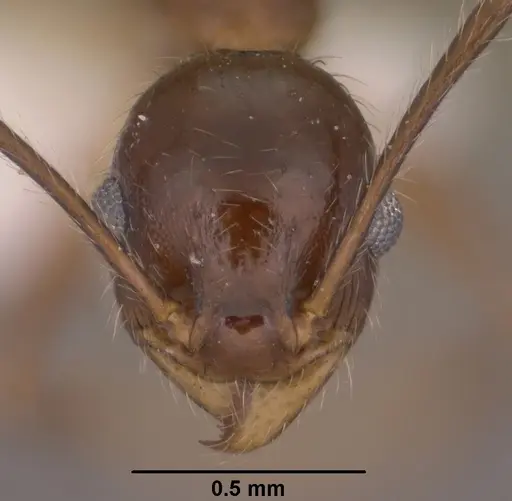
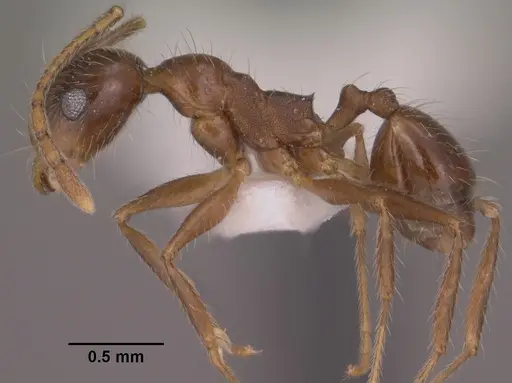
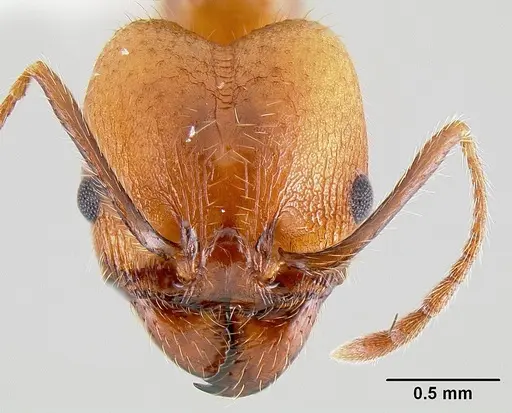
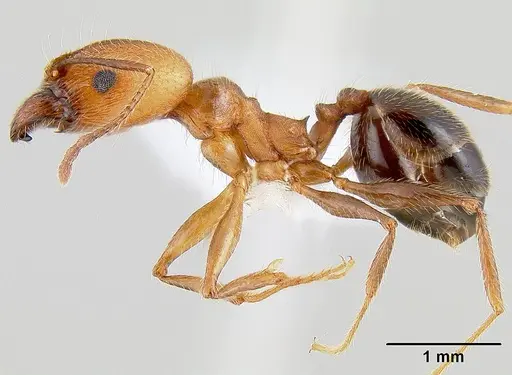
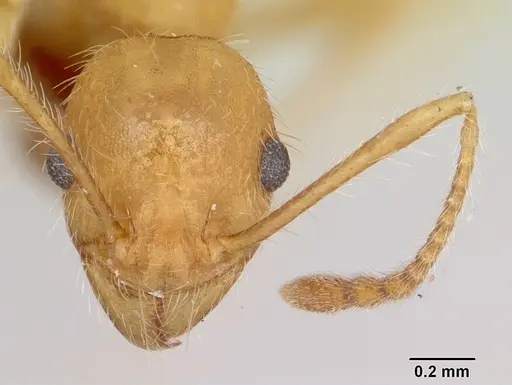
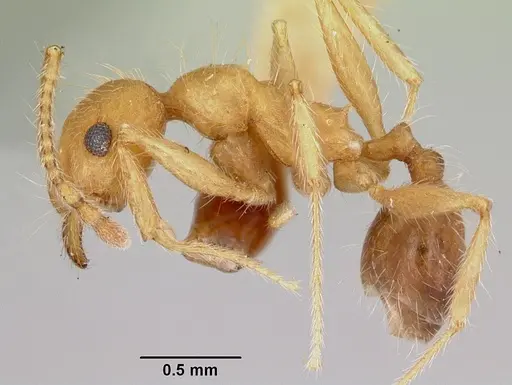
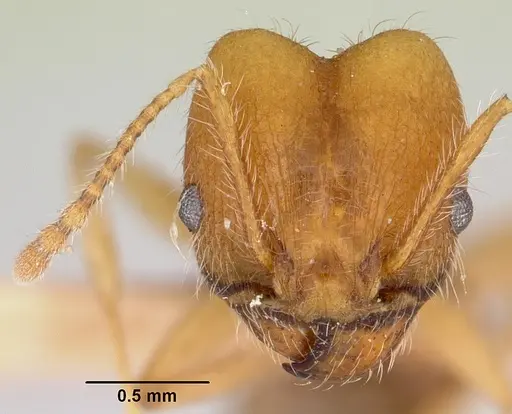
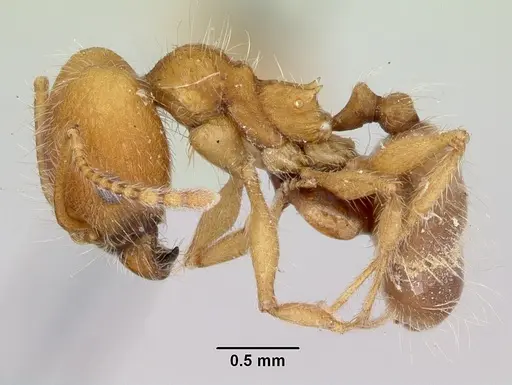
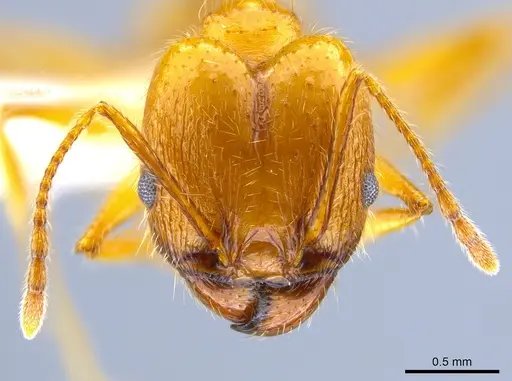
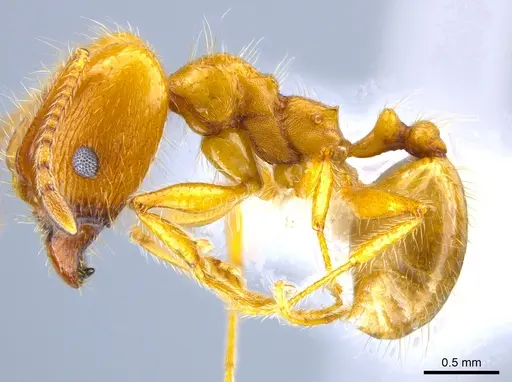
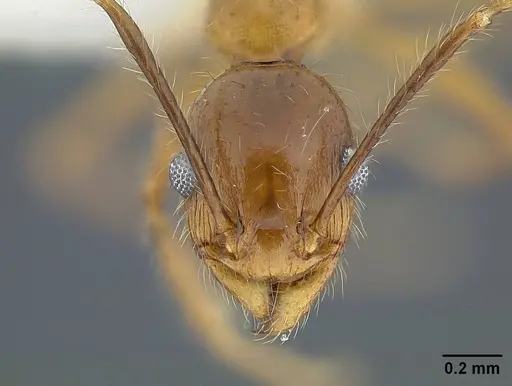
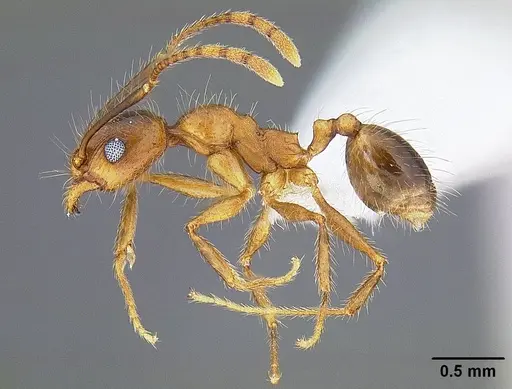
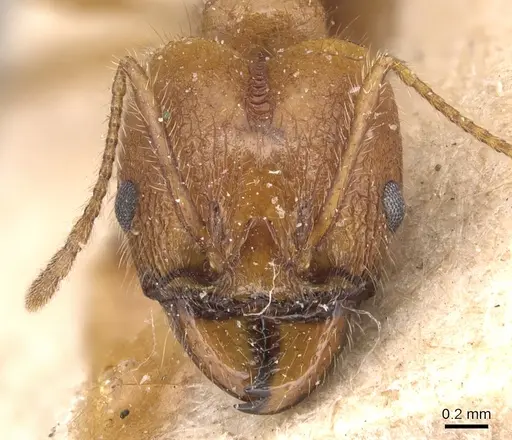
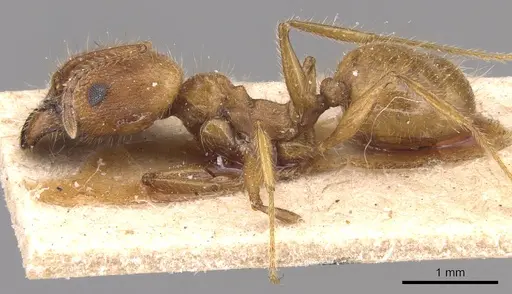
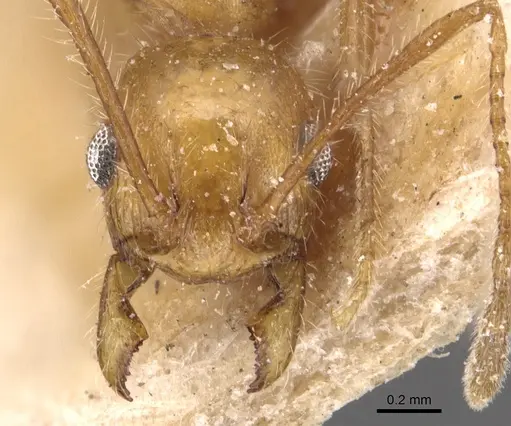
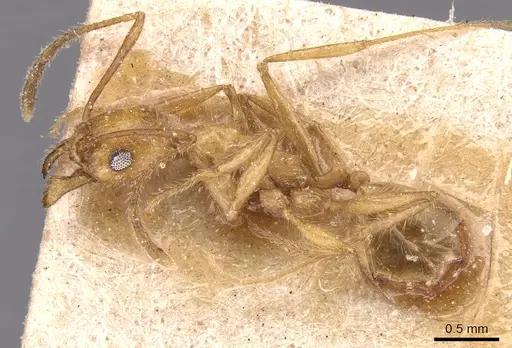
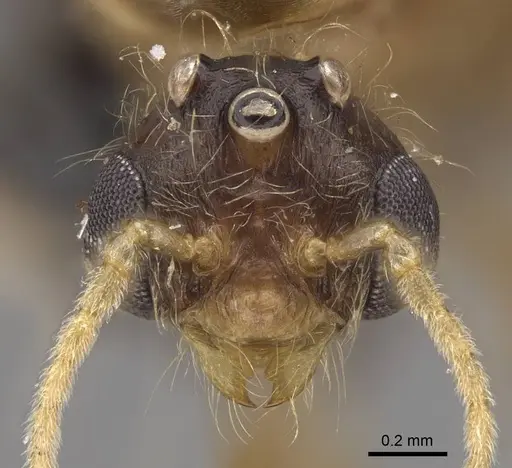
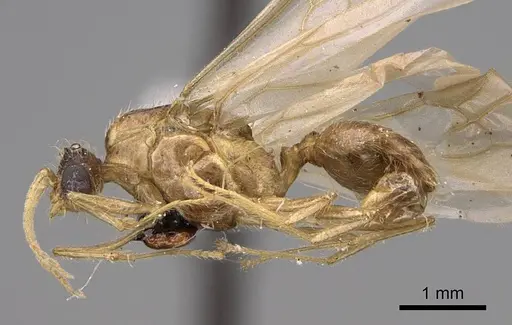
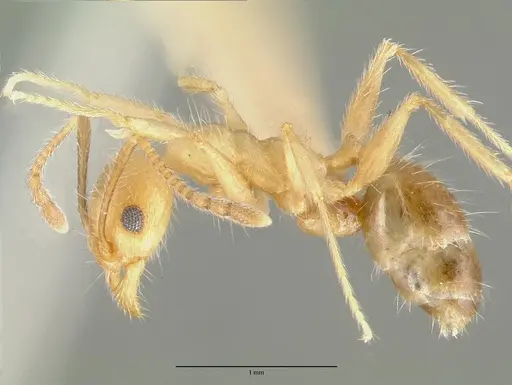
Pheidole hyatti is a dimorphic Myrmicine ant known for its dramatic worker polymorphism, large major workers (soldiers) with oversized heads stand alongside tiny minor workers. Majors measure around 1.3mm head width with distinctive long scapes flattened near the base, while minors are much smaller at 0.6mm. The species ranges from central Texas through the southwestern United States to southern California and northern Mexico, inhabiting diverse arid and semi-arid environments from desert grassland to pinyon-juniper woodland up to 1920m elevation[1].
What makes this species particularly interesting is its sophisticated anti-predator behavior. When attacked by army ants (Neivamyrmex nigrescens), colonies execute remarkably efficient evacuation maneuvers, workers quickly grab brood and flee to pre-established surplus nests before the raiders arrive. Research shows they can anticipate raids through signals from foragers and coordinate mass departures, then rendezvous in alternate nests [2]. This species may also be a complex of sibling species, so wild-caught colonies could show variation.
Quick Summary
- Difficulty: Medium
- Origin & Habitat: Native to the southwestern United States and northern Mexico, from central Texas to southern California. Found in creosotebush scrub, grasslands, riparian areas in arid ecosystems, pinyon-juniper woodlands, and ponderosa pine forests up to 1920m elevation [1].
- Colony Type: Single-queen colonies (monogyne). Colonies contain distinct major and minor worker castes [3].
- Colony: Monogyne
- Founding: Claustral
- Size & Growth:
- Queen: Unconfirmed in primary literature, likely 7-9mm based on genus patterns
- Worker: Minor workers: 0.60mm HW, Major workers: 1.32mm HW
- Colony: Likely several hundred workers based on typical Pheidole colony sizes
- Growth: Moderate
- Development: Estimated 6-8 weeks at warm temperatures based on related Pheidole species (Larval development has been studied, four larval instars identified with minor workers becoming terminal at 1804-1998µm and soldiers at 2666-3096µm [4]. Development is temperature-dependent like most Pheidole.)
- Antkeeping:
- Temperature: Keep at 22-27°C. This is a warmth-loving species from desert and woodland habitats, aim for the warmer end of this range for optimal brood development. A heating cable on one side of the nest creates a gradient workers can choose between.
- Humidity: Low to moderate. These ants come from arid to semi-arid habitats, keep nest substrate moderately dry with some moisture available. Provide a water tube but avoid damp conditions.
- Diapause: Yes, a winter rest period is recommended. Reduce temperature to 10-15°C for 2-3 months during winter, mimicking their natural seasonal cycle in the southwestern US.
- Nesting: Will nest in soil or under stones in captivity. A Y-tong (acrylic) nest or plaster nest works well, they prefer tighter chambers scaled to their small size. Provide some cover and darkness. Avoid overly humid conditions that can cause mold.
- Behavior: Generally non-aggressive, when disturbed, they focus on evacuation rather than defense, grabbing brood and fleeing [1]. Workers are omnivorous and readily accept protein foods and sugar. They are active foragers and can find resources efficiently. Escape prevention is important due to their small size, use fine mesh barriers. The most fascinating behavior is their coordinated evacuation when army ants attack, they anticipate the raid, grab brood, and relocate to pre-established surplus nests [2].
- Common Issues: escape prevention is critical, their tiny size means they can squeeze through standard barriers, colonies may fail if kept too humid, these are arid-adapted ants, slow founding phase means new colonies need patience, majors take time to develop, army ant defense behavior may not translate to captive predators, don't rely on this for general husbandry, test tube setups can dry out quickly in heated enclosures, monitor moisture levels
Housing and Nest Setup
Pheidole hyatti adapts well to various nest types in captivity. Y-tong (acrylic) nests or plaster nests work particularly well, both allow you to control humidity precisely, which is important since these ants prefer drier conditions than many common pets. The nest should have chambers scaled to their small size, avoid tall open spaces. Provide a water tube for drinking moisture, but the nest itself should stay relatively dry. An outworld for foraging allows workers to hunt and collect food. Use a tight-fitting lid and fine mesh on any ventilation, these tiny ants are expert escape artists. Some keepers add a thin layer of substrate in the outworld to give foragers traction. [1]
Feeding and Diet
These ants are omnivorous with a strong protein preference. In the wild they eat insects and are attracted to baits including subterranean Vienna sausage [1]. In captivity, offer protein sources like small crickets, mealworms, or other small insects 2-3 times per week. They also accept sugar water, honey, or diluted syrup as an energy source. Remove uneaten protein after 24 hours to prevent mold. Unlike some specialized ants, they are not picky eaters and will readily exploit various food sources. A constant sugar source is recommended along with regular protein meals.
Temperature and Seasonal Care
Pheidole hyatti thrives in warm conditions reflecting its southwestern desert origins. Keep the nest at 22-27°C, with a slight gradient allowing workers to choose their preferred temperature. A heating cable or mat on one side of the nest creates this gradient effectively, place it on top of the nest rather than underneath to avoid excessive drying. During winter, provide a diapause period by reducing temperatures to 10-15°C for 2-3 months. This mimics their natural seasonal cycle and supports colony health long-term. Do not attempt to keep them active year-round without a rest period. [1]
Defense and Colony Dynamics
One of the most fascinating aspects of Pheidole hyatti is its anti-predator behavior. When army ants (Neivamyrmex nigrescens) attack, colonies execute sophisticated evacuation maneuvers. Workers detect approaching raiders through signals from foragers, then quickly grab brood and flee to pre-established surplus nests. Research shows they can anticipate raids and evacuate early enough to avoid being caught, or scatter in coordinated directions while following recruitment trails [2]. In captivity, this translates to generally non-aggressive behavior, they prioritize escape over fighting. The colony maintains multiple nest sites and rotates between them, even under seemingly stable conditions. This species produces distinct major workers (soldiers) with enlarged heads for colony defense and seed processing.
Growth and Development
The development of Pheidole hyatti has been studied in detail, revealing how their distinctive soldier caste develops. Larvae go through four instars: first instar 376-438µm, second 448-586µm, third 527-932µm, and fourth 830-3096µm. At a critical bipotential stage (830-1600µm), larvae can develop into either minor workers or soldiers. Those destined to become minor workers terminate at 1804-1998µm, while soldier-destined larvae grow larger, reaching 2666-3096µm before pupation [4]. The decision appears to be triggered by juvenile hormone levels, and induced supersoldiers can be produced experimentally using JH analogs [5]. In captivity, expect 6-8 weeks from egg to first worker at optimal temperatures, with soldiers appearing as the colony matures.
Frequently Asked Questions
Is Pheidole hyatti a good beginner ant?
Medium difficulty, not the easiest but manageable for intermediate keepers. They require warm, relatively dry conditions and escape prevention is critical due to their tiny size. The main challenge is providing proper temperature and humidity balance while ensuring they can't escape.
How long does it take for the first workers to emerge?
Expect 6-8 weeks from egg to first worker at 24-27°C. Development is temperature-dependent, so cooler temperatures will slow growth. The founding phase requires patience as the queen raises her first brood alone.
What do I feed Pheidole hyatti?
Offer protein foods like small insects (crickets, mealworms) 2-3 times per week, plus a constant sugar source (honey water or sugar water). They are omnivorous and readily accept various foods. Remove uneaten protein after 24 hours.
Can I keep multiple queens together?
No, this species is monogyne (single-queen). Multiple unrelated queens will fight. Only one queen should be per colony.
Do they need hibernation?
Yes, a winter diapause is recommended. Reduce temperatures to 10-15°C for 2-3 months during winter to mimic their natural seasonal cycle in the southwestern US.
Why are my ants escaping?
Their tiny size makes escape likely without excellent prevention. Use fine mesh (at least 0.5mm), tight-fitting lids, and apply barrier coatings like fluon around any openings. Check seams and connections regularly.
When should I move them to a formicarium?
Keep new colonies in a test tube setup until they have 20-30 workers. Once the colony is established and the test tube becomes crowded, you can move them to a proper nest. They do well in Y-tong or plaster nests.
How big do colonies get?
Colonies likely reach several hundred workers typical of Pheidole species. The presence of major workers (soldiers) increases as the colony matures.
Are they aggressive toward keepers?
No, they are described as not aggressive. When disturbed, they evacuate with brood rather than attack [1]. The major workers have large heads but use them primarily for seed processing and colony defense, not against humans.
References

This caresheet is licensed under CC BY-SA 4.0 .
CASENT0000211
View on AntWeb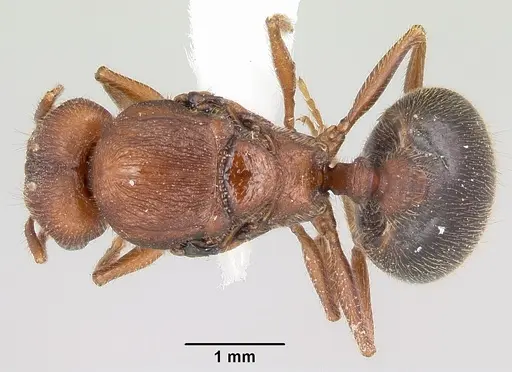
CASENT0005738
View on AntWeb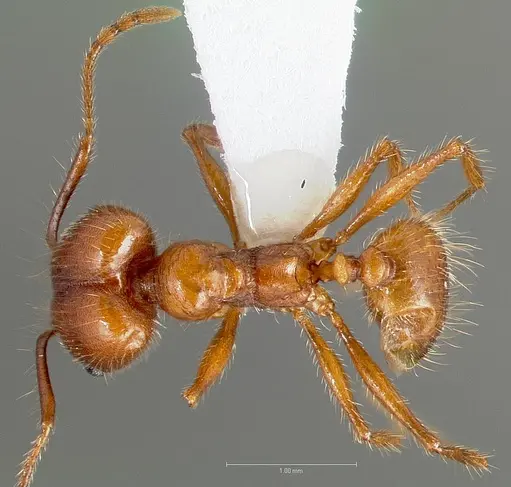
CASENT0005739
View on AntWeb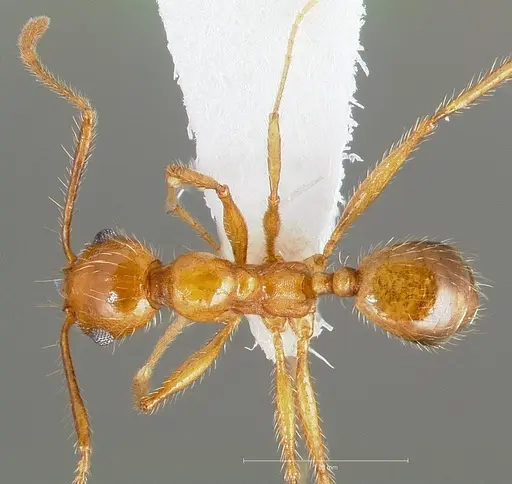
CASENT0102878
View on AntWeb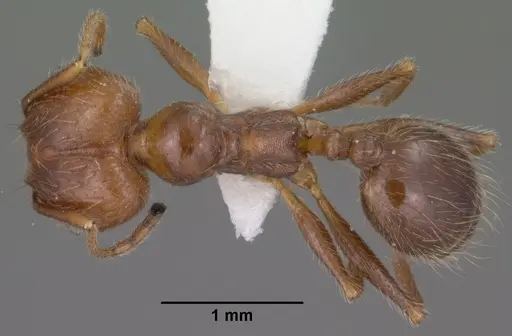
CASENT0102879
View on AntWeb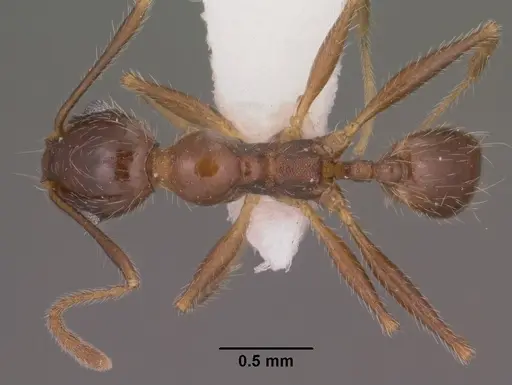
CASENT0106046
View on AntWeb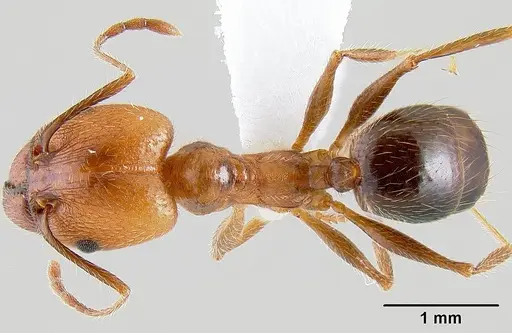
CASENT0172702
View on AntWeb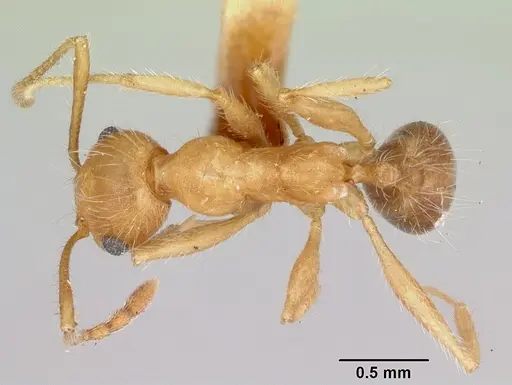
CASENT0172703
View on AntWeb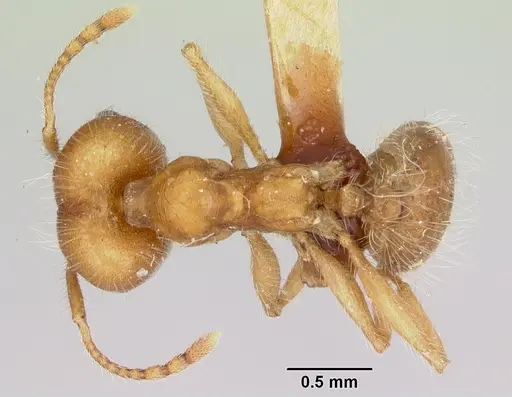
CASENT0631704
View on AntWeb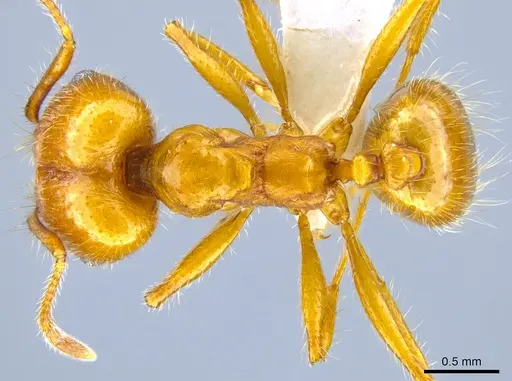
CASENT0732639
View on AntWeb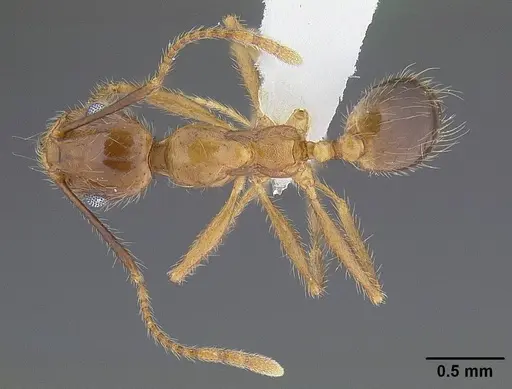
CASENT0904360
View on AntWeb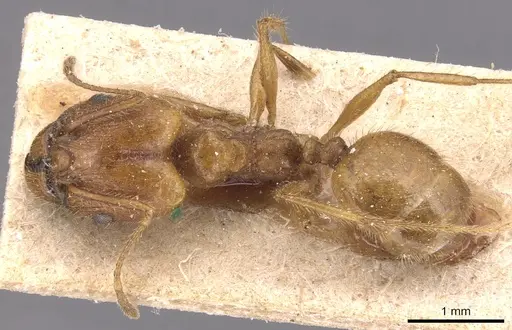
CASENT0904361
View on AntWeb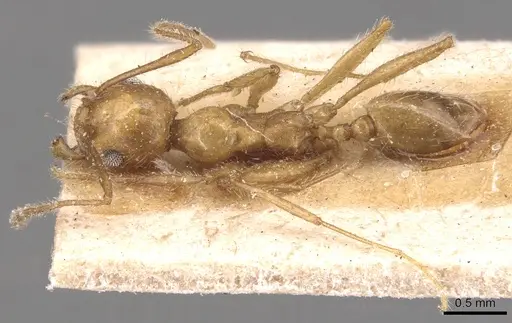
CASENT0923069
View on AntWeb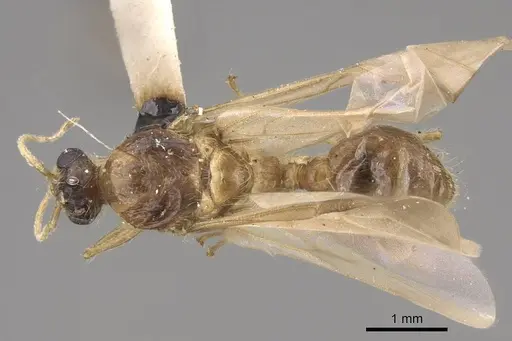
CASTYPE00639
View on AntWeb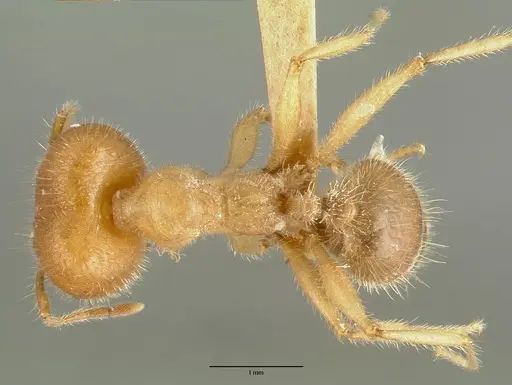


CASTYPE00640
View on AntWeb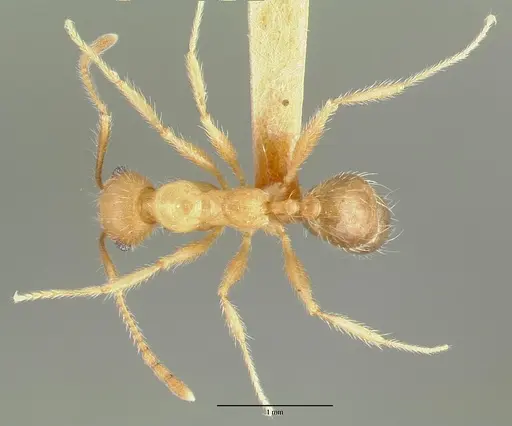

Literature
Loading...Loading products...